The best walks and hikes around San Juan De Plan
4.5
(438)
4,474
hikers
20
hikes
Hiking trails around San Juan De Plan are set within the Aragonese Pyrenees, at an altitude of 1,120 meters, serving as a gateway to the Posets-Maladeta Natural Park. The region is characterized by towering peaks ranging between 2,000 and 3,000 meters, extensive pine and fir forests, and high alpine meadows. Numerous glacial lakes, known as ibones, are prominent natural features, often forming the focal point of many routes. The landscape also features the Cinqueta River, offering diverse exploration options.
Best hiking trails around San Juan De Plan
- The most popular hiking route is Ibon de Plan (Basa de la Mora) from San Juan de Plan, a 10.2 miles (16.5 km) trail that takes 7 hours 20 minutes to complete. This difficult route leads to a beautiful mountain lake.
- Another top favourite among local hikers is Ibón del Sen desde San Juan de Plan — Parque Natural Posets-Maladeta, a difficult 10.2 miles (16.5 km) path. This route offers demanding terrain within the Posets-Maladeta Natural Park, culminating at the Ibón del Sen.
- Local hikers also love the Ibones de Barbarisa from puerto de Sahún, a 7.6 miles (12.3 km) trail leading through mountainous terrain to a series of glacial lakes, often completed in about 5 hours 15 minutes.
- Hiking around San Juan De Plan is defined by majestic mountains, lush forests, and pristine glacial lakes. The network offers options for different ability levels, from moderate walks to challenging high-mountain ascents.
- The routes in San Juan De Plan are highly rated by the komoot community with an average score of 4.5 stars from over 380 reviews. More than 4000 hikers have used komoot to explore San Juan De Plan's varied terrain.
Last updated: July 21, 2026
4.8
(11)
225
hikers
16.5km
07:19
1,070m
1,070m
Hard hike. Very good fitness required. Mostly accessible paths. Sure-footedness required.
5.0
(5)
54
hikers
16.5km
07:44
1,340m
1,340m
Hard hike. Very good fitness required. Mostly accessible paths. Sure-footedness required.

Sign up for free
5.0
(4)
15
hikers
12.3km
05:15
720m
720m
Hard hike. Very good fitness required. Mostly accessible paths. Sure-footedness required.
5.0
(3)
13
hikers
12.2km
05:13
720m
720m
Hard hike. Very good fitness required. Mostly accessible paths. Sure-footedness required.
5.0
(5)
35
hikers
12.3km
05:04
700m
700m
Hard hike. Very good fitness required. Mostly accessible paths. Sure-footedness required.
Get access to more routes and recommendations from other explorers.
Sign up for free
Already have an account?
Our route recommendations are based on thousands of hikes, rides, and runs completed by other people on komoot.
Start today with a free account
Your next adventure awaits.
Login or Signup
Popular around San Juan De Plan
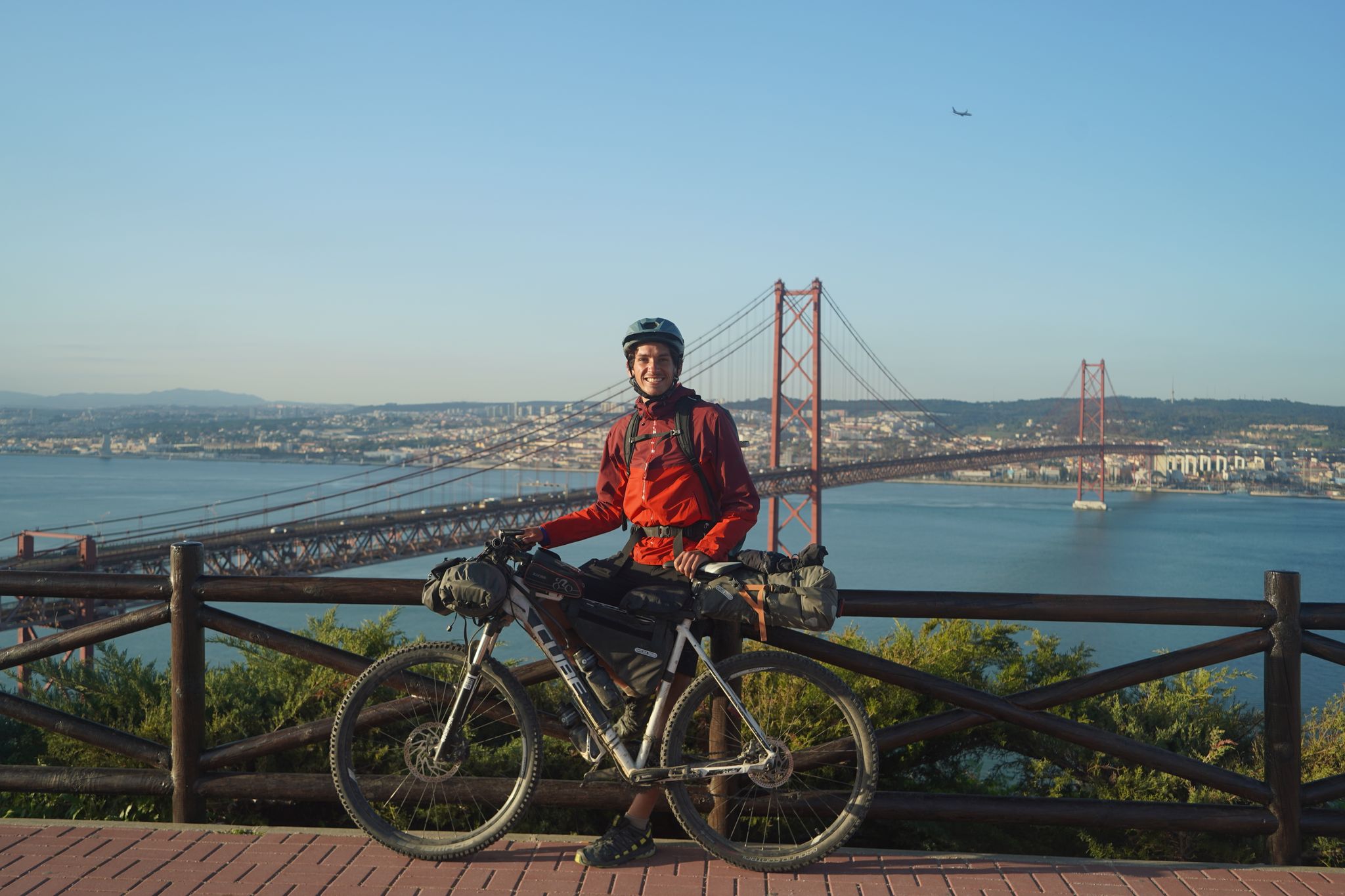
Road to Lisbon – bikepacking the Alps, Pyrenees and Picos de Europa
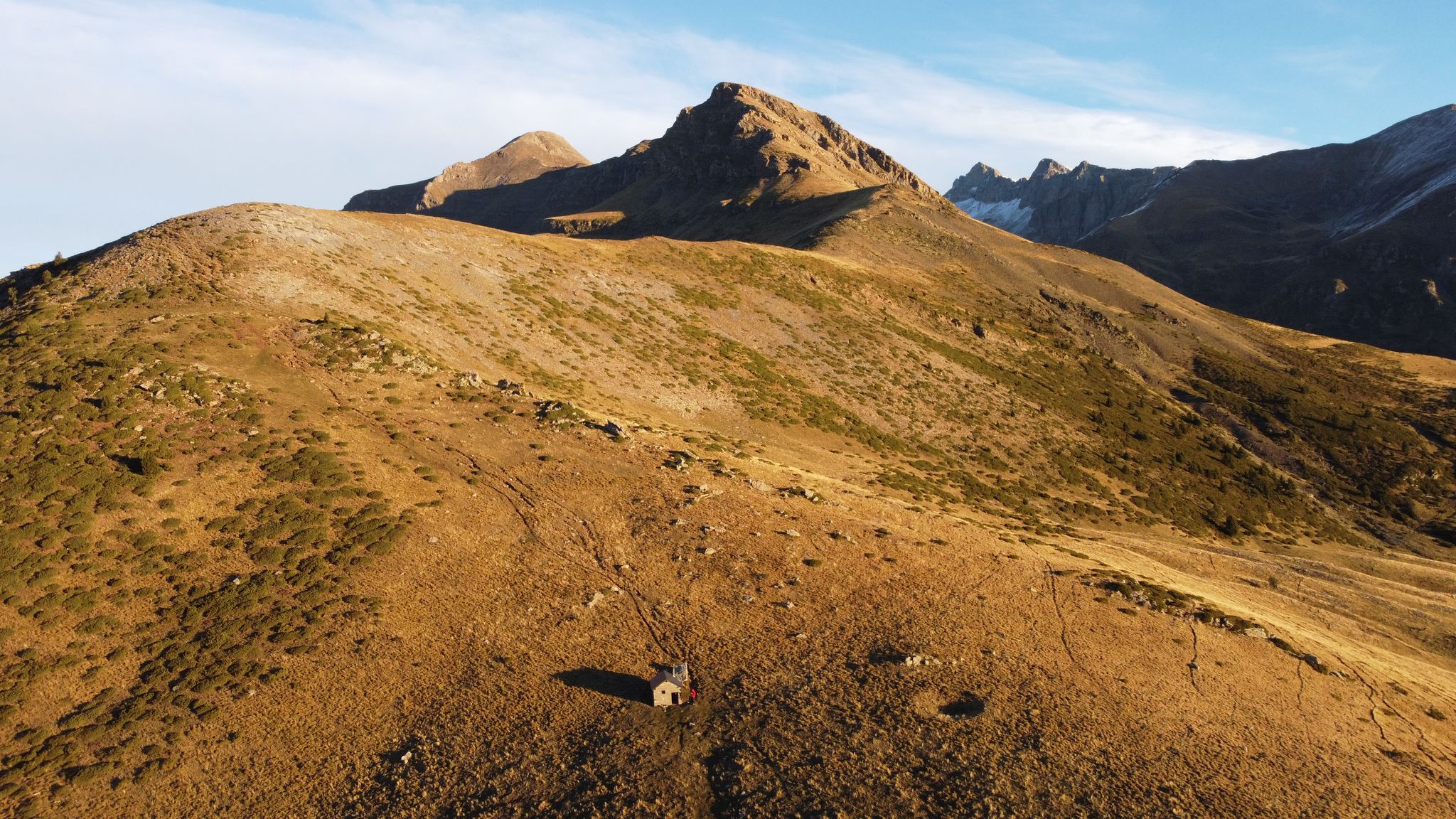
Rutas de alta montaña en el municipio de Sahún — Valle de Benasque
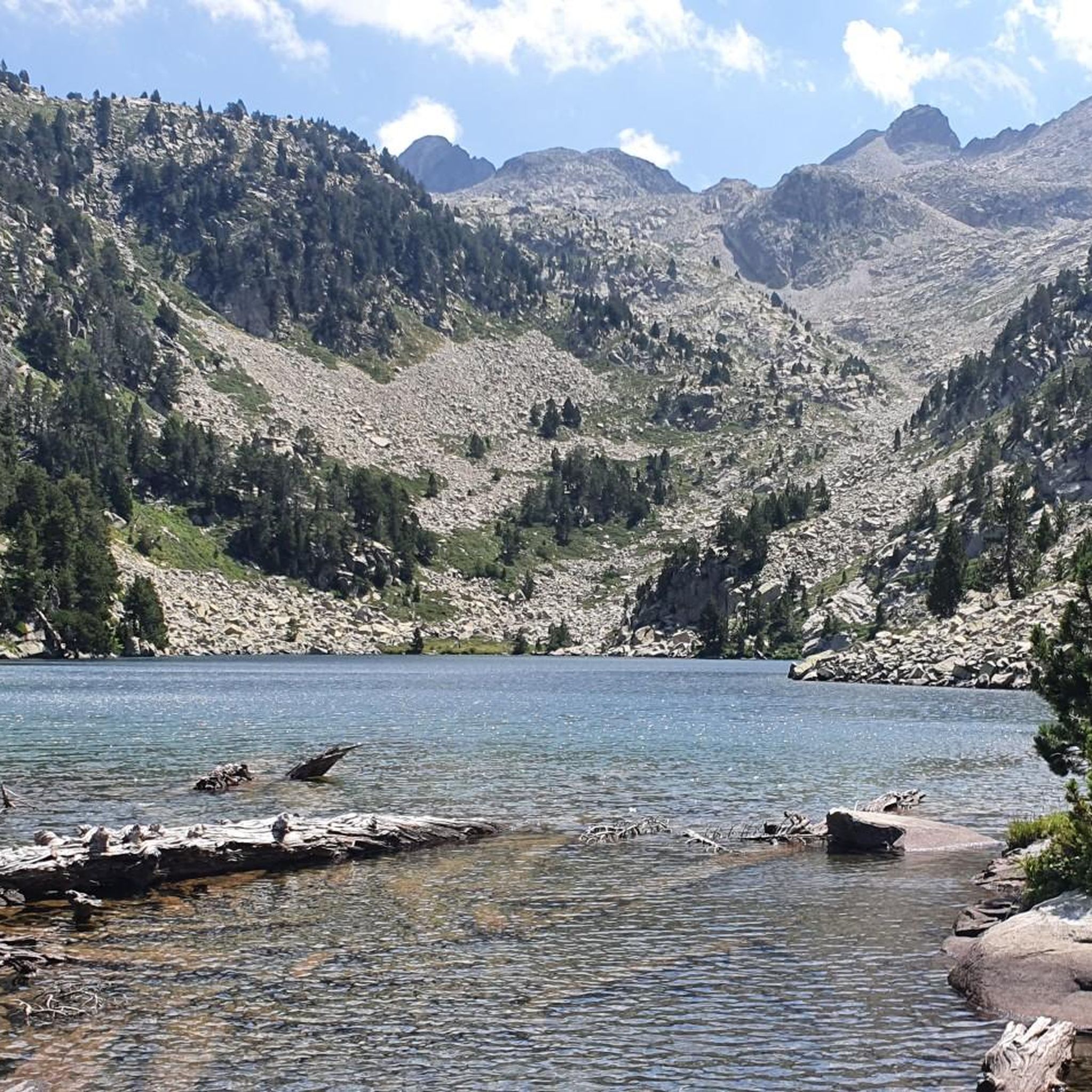
MTB Trails around San Juan De Plan
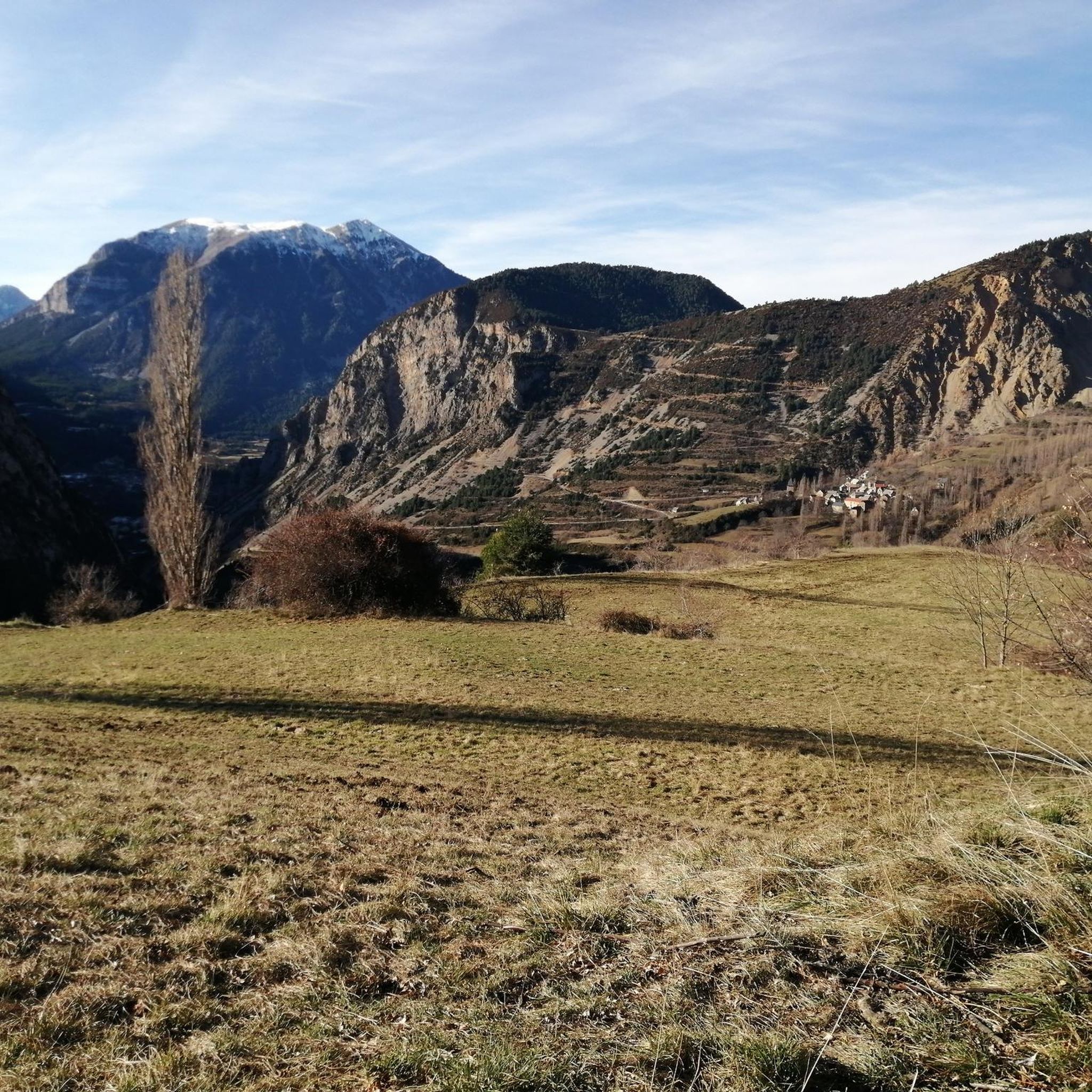
Running Trails around San Juan De Plan
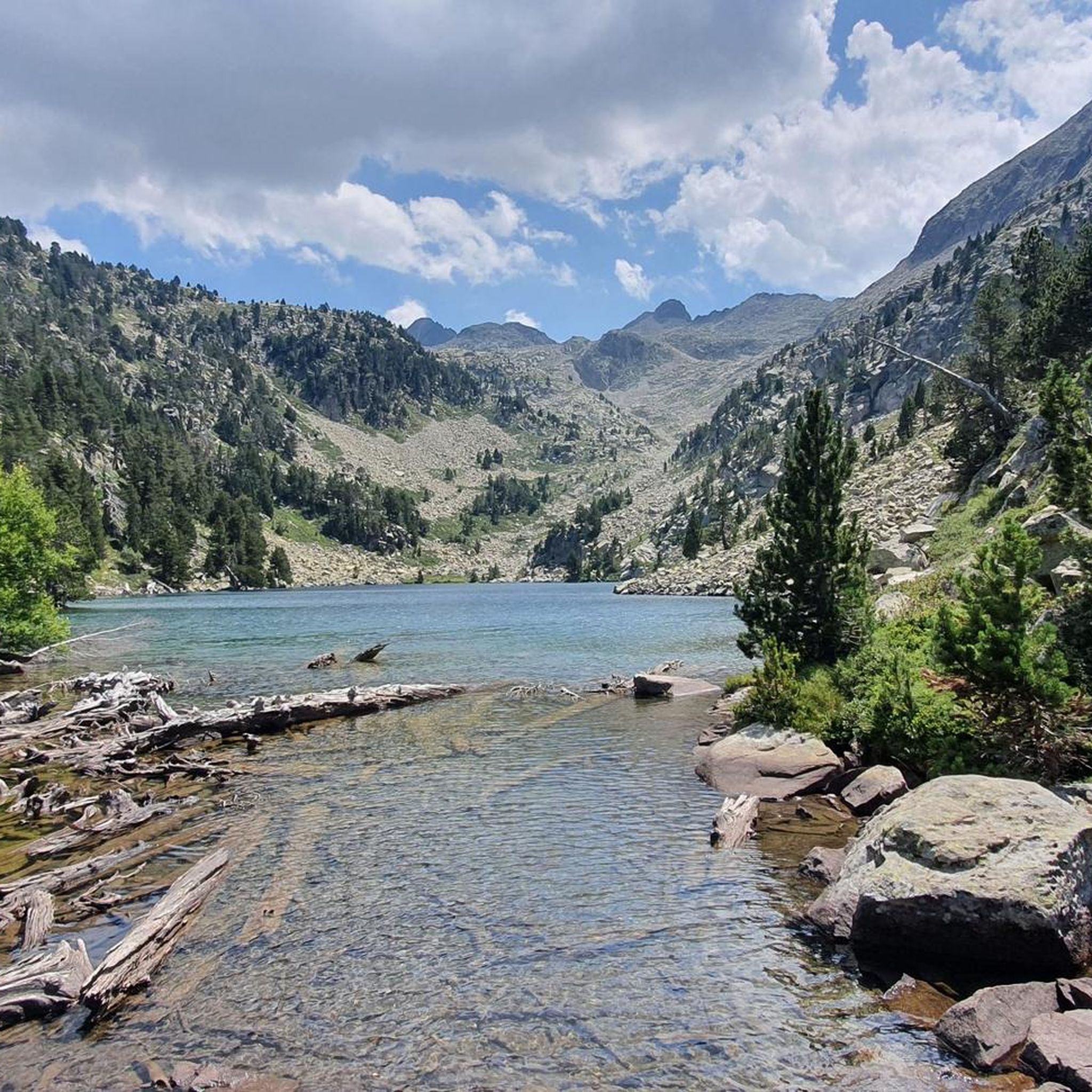
Cycling around San Juan De Plan
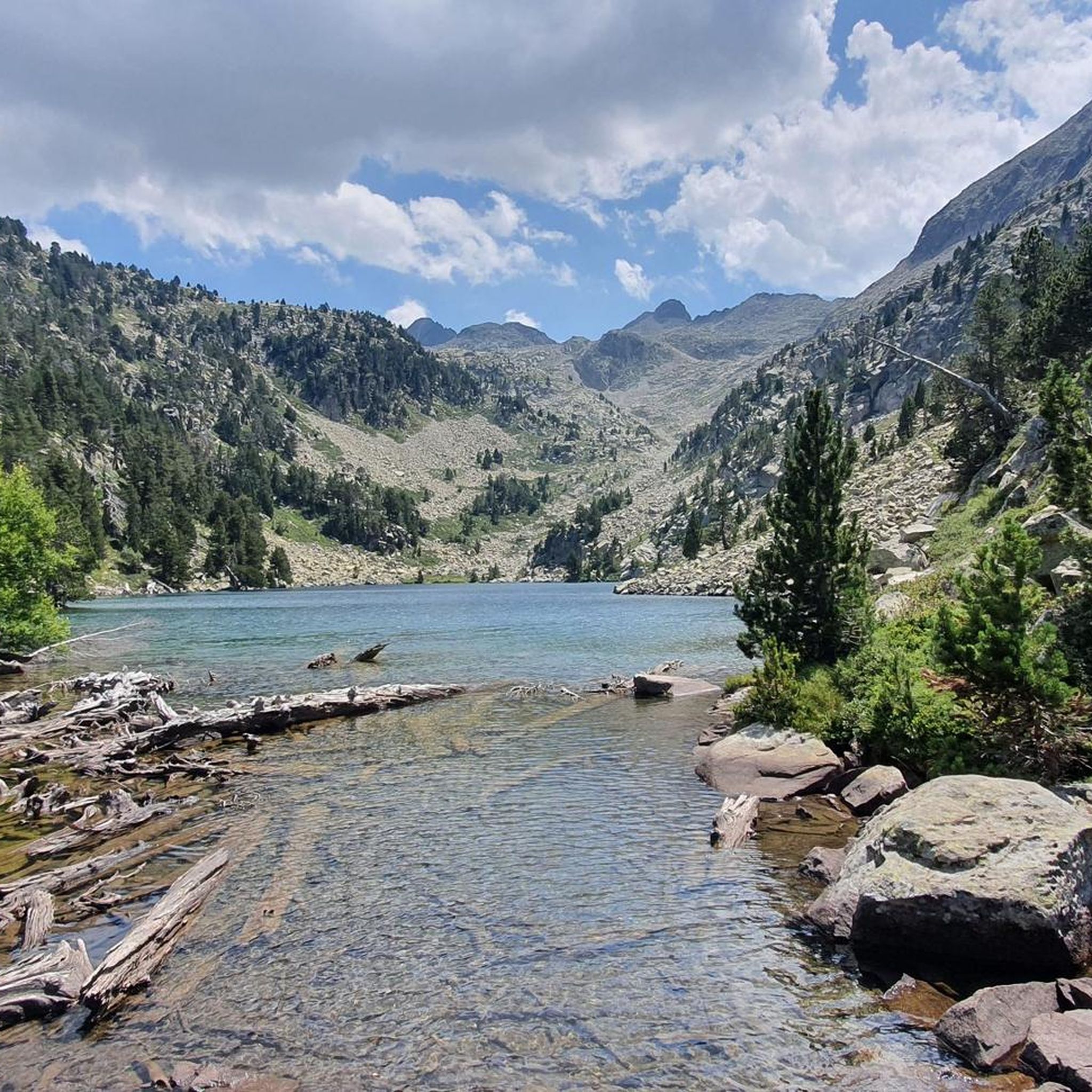
Road Cycling Routes around San Juan De Plan
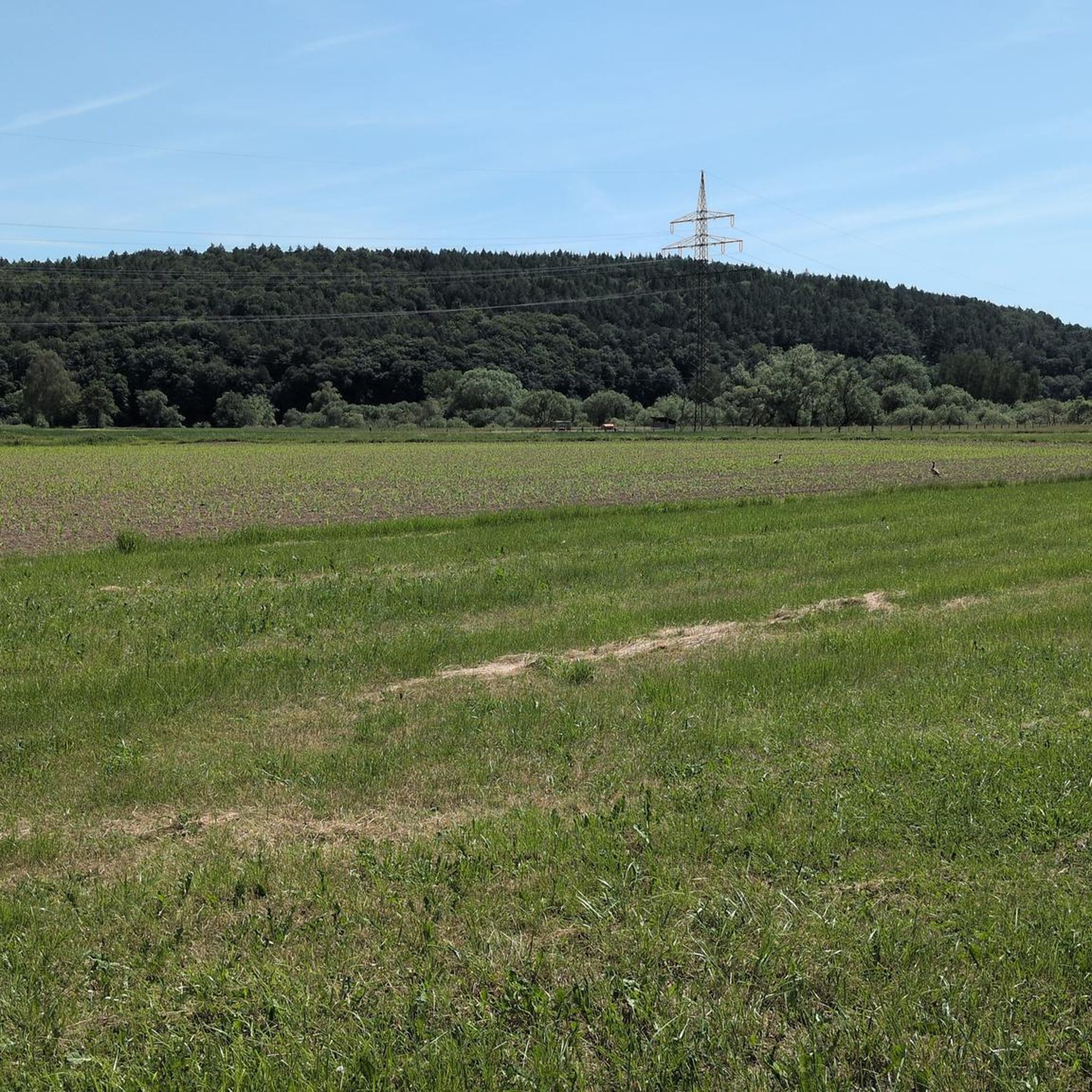
Gravel biking around San Juan De Plan

Mountain Hikes around San Juan De Plan


Tips from the Community


A legendary mountain pass in the Pyrenees. A crossing point between the Chistau and Benasque valleys, linking Sobrarbe and Ribagorza at an altitude of 2000m.
0
0

Very well maintained, with some firewood, frying pan, cutlery, grill, lighters, radio, a guitar...
0
0
Parking at start of hike. Watch out for the high concrete edge.
0
0

Despite being relatively easy to access, this beautiful lake located at 2300 m altitude is not one of the most visited in the Pyrenees. However, it stands out for being located in a very clear glacial cirque, with an almost perfect overexcavation basin. All Aragonese lakes are protected as they are included in the Inventory of Singular Wetlands, so any activity that could modify the quality of their waters is prohibited. While bathing is not specifically mentioned, it is understood that bathing with chemicals on the skin such as sunscreen, deodorants, perfumes or creams is negatively affecting the quality of the water, so it cannot be done. You can read the protection decree and the list of wetlands included here: aragon.es/-/humedales-de-aragon
0
0
Despite being relatively easy to access, this beautiful lake located at 2300 m altitude is not one of the most visited in the Pyrenees. However, it stands out for being located in a very clear glacial cirque, with an almost perfect overexcavation basin. All Aragonese lakes are protected as they are included in the Inventory of Singular Wetlands, so any activity that could modify the quality of their waters is prohibited. While bathing is not specifically mentioned, it is understood that bathing with chemicals on the skin such as sunscreen, deodorants, perfumes or creams is negatively affecting the quality of the water, so it cannot be done. You can read the protection decree and the list of wetlands included here: aragon.es/-/humedales-de-aragon
0
0
Although perhaps the most notable is its Romanesque parish church, expanded in the 16th century, the entire town is worth a walk through its steep streets flanked by houses with thick stone walls and slate roofs.
0
0

Access is via forest tracks in good condition. Obviously, to reach 2000m it takes a little time but the reward is worth it: the views are magnificent over the valleys and peaks at 360 degrees. A delight !
1
0
Frequently Asked Questions
What kind of hiking difficulty can I expect around San Juan De Plan?
The San Juan De Plan area offers a diverse range of hiking difficulties. You'll find options from moderate walks through valleys and forests to challenging high-mountain ascents. Out of 18 available routes, 2 are considered easy, 7 are moderate, and 9 are difficult, catering to various fitness levels.
Are there family-friendly hiking trails suitable for children in San Juan De Plan?
Yes, alongside the more strenuous climbs, there are gentler paths through terraces and forests that are ideal for leisurely strolls with families. These routes allow for connecting with nature without demanding high levels of fitness. While specific easy routes aren't detailed here, the region offers options for all ages.
Can I bring my dog on the hiking trails in San Juan De Plan?
Generally, dogs are permitted on trails in the Aragonese Pyrenees, but it's crucial to keep them on a leash, especially within protected areas like the Posets-Maladeta Natural Park, to protect wildlife and livestock. Always check specific park regulations before heading out.
Are there any circular hiking routes available in the San Juan De Plan area?
Yes, there are circular options. For example, you can explore the Lakes of Barbarisa and Foradet Waterfall — circular from Collado de Sahún. This route offers a rewarding experience through mountainous terrain, including a beautiful waterfall, and brings you back to your starting point.
Are there any notable waterfalls to see while hiking near San Juan De Plan?
The landscape around San Juan De Plan is dotted with impressive waterfalls. A prominent one is the Foradet Waterfall, which can be included in circular routes to the Ibones de Barbarisa. You can also find the Gorgas de Calantes Waterfall, offering another scenic natural feature to explore.
What are some of the most beautiful mountain lakes (ibones) I can hike to?
The region is famous for its pristine glacial lakes, known as ibones. Two highly recommended destinations are Ibón de Plan (Basa de la Mora), a popular and challenging hike leading to a stunning lake, and Ibón del Sen, another rewarding but demanding hike within the Posets-Maladeta Natural Park. The Ibones de Barbarisa also offer a series of beautiful mountain lakes.
Where can I find parking facilities for trailheads in San Juan De Plan?
While specific parking details for every trailhead are not listed, San Juan De Plan, as a gateway to the Posets-Maladeta Natural Park, typically has designated parking areas near popular starting points for hikes. It's advisable to arrive early during peak season to secure a spot, especially for well-known routes like those leading to the ibones.
Is public transport available to reach hiking trailheads from San Juan De Plan?
Public transport options directly to remote trailheads from San Juan De Plan can be limited. It's often recommended to use a personal vehicle to access many of the more distant starting points. However, local bus services might connect San Juan De Plan with larger towns, from which further arrangements may be needed.
Do I need a permit to hike in Posets-Maladeta Natural Park?
Generally, day hiking in the Posets-Maladeta Natural Park does not require a specific permit. However, certain activities like camping, climbing, or accessing specific restricted areas might require authorization. It's always best to check the official Posets-Maladeta Natural Park website for the most current regulations before your visit.
What is the best time of year to go hiking in San Juan De Plan?
The best time for hiking in San Juan De Plan is typically from late spring to early autumn (May to October). During these months, the weather is generally more stable, and the high mountain passes are usually free of snow. Summer offers lush alpine meadows, while autumn brings vibrant fall colors. Always check local weather forecasts, especially for high-altitude routes.
What do other hikers enjoy the most about hiking in San Juan De Plan?
The area is highly rated by the komoot community, with an average score of 4.5 stars from over 380 reviews. Hikers often praise the majestic mountain scenery, the pristine glacial lakes (ibones), and the diverse terrain that ranges from lush forests to high alpine meadows. The sense of immersion in nature and the well-maintained trails are frequently highlighted.
Are there any cultural or historical points of interest in San Juan De Plan itself?
Yes, beyond its natural grandeur, San Juan De Plan offers cultural charm. The village maintains its traditional 'chistabina' architecture, featuring stone houses with thick walls, slate roofs, and conical chimneys. You can also visit the Posets-Maladeta Natural Park Interpretation Center, located within the village, for insights into the park's biological processes and landscapes.
Can I find opportunities for wild swimming or water sports near San Juan De Plan?
The Cinqueta River, which flows through the region, provides opportunities for exhilarating water sports like canyoning and kayaking, especially during spring and summer when water levels are higher. While specific wild swimming spots are not officially designated, many of the glacial lakes (ibones) offer tranquil resting spots where some may choose to take a refreshing dip, though water temperatures are often very cold.
Most popular routes around San Juan De Plan
Most popular attractions around San Juan De Plan

Get inspired with the komoot mobile app


Explore more
Browse the best Hikes in other regions.
