Attractions and Places To See around Miño De Medinaceli - Top 20
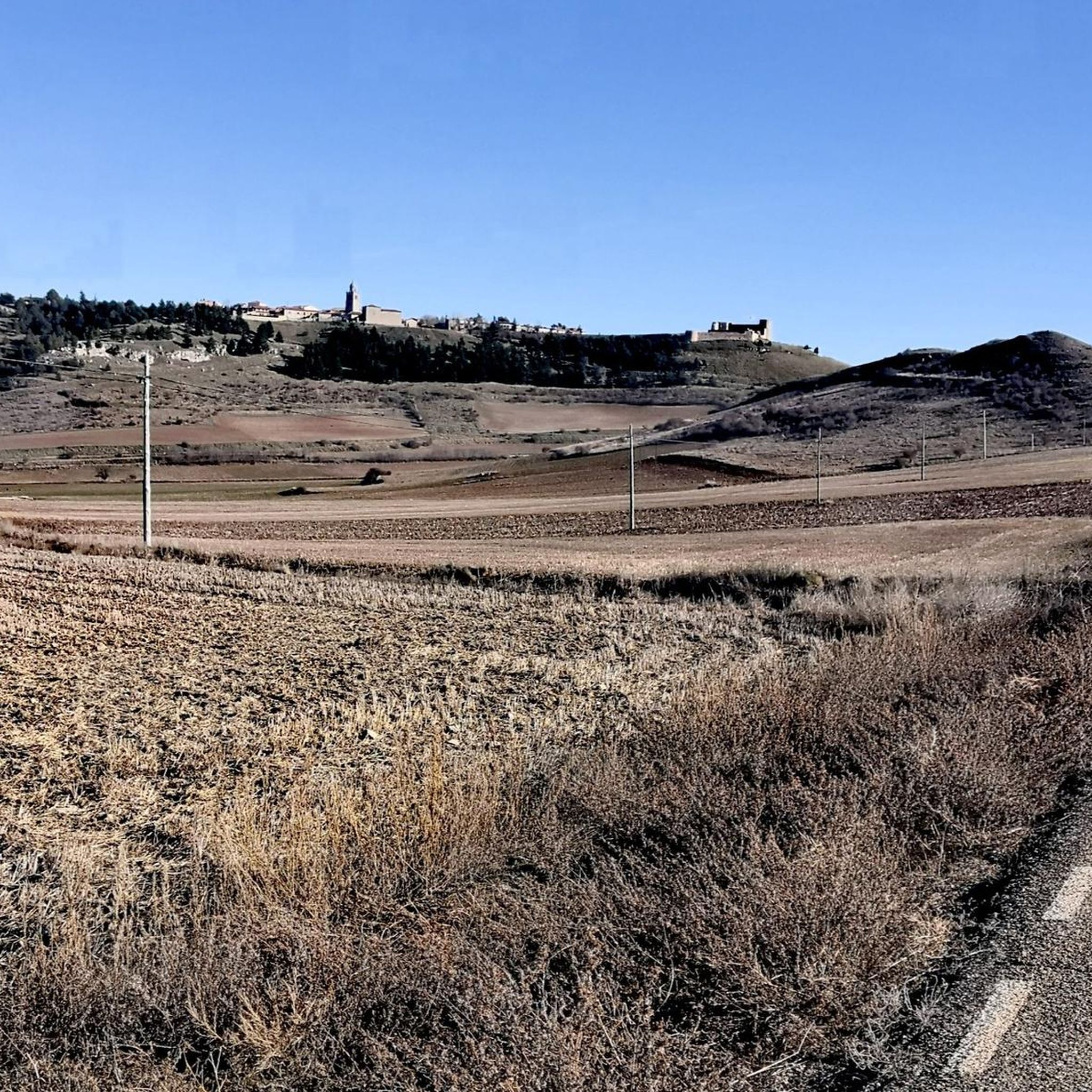
Best attractions and places to see around Miño De Medinaceli include a tranquil village in the province of Soria, Castile and León, Spain. Situated at an elevation of about 1,161 meters, it offers a peaceful escape with historical, cultural, and natural attractions. The area features significant archaeological discoveries and picturesque landscapes, including extensive fields and gentle hills. Visitors can explore a rich tapestry of sites and natural environments.
Best attractions and places to see around Miño De Medinaceli
- The most popular attractions is Sigüenza Cathedral, a religious building that serves as a living museum of art, showcasing Romanesque, Cistercian, Gothic, Renaissance, Plateresque, Baroque, and Neoclassical styles. Its construction began in the 12th century and continued through the Late Middle Ages.
- Another must-see spot is Medinaceli, a settlement known for its ancient Roman triumphal arch, dating back to the 1st century. Visitors can explore the Plaza Mayor, considered one of the most beautiful squares in Old Castile, and enjoy views from the castle hill.
- Visitors also love Hermitage of the Humilladero, a religious building whose construction began in 1568 with a Renaissance portal and Gothic vaults. This hermitage is located at a strategic crossroads and now functions as a tourist information center.
- Miño De Medinaceli is known for its cultural sites, historical landmarks, and natural features. The area offers a variety of attractions, from ancient archaeological sites and medieval ruins to churches and scenic natural environments.
- The attractions around Miño De Medinaceli are appreciated by the komoot community, with more than 25 upvotes and 36 photos shared by visitors.
Last updated: July 20, 2026
Sigüenza Cathedral
Highlight • Religious Site
Inside, the sepulcher and Chapel of his Doncel stand out, a beautiful semi-recumbent alabaster sculpture.
The works of this cathedral began in the 12th century, year 1124, at the request of the first bishop and lord of Sigüenza, after the Reconquest, D. Bernardo de Agén. The works continued throughout the Late Middle Ages, the building being completed in the 15th century, followed by the erection of other rooms (sacristies, ambulatory, etc.) and all the ornamentation, altars, etc.
Translated by Google •
Tip by

Medinaceli
Highlight • Settlement
Translated by Google •
Tip by

Sign up now to discover places like this
Get recommendations on the best single tracks, peaks, & plenty of other exciting outdoor places.
Sign up for free
Hermitage of the Humilladero
Highlight • Religious Site
In 1568 its construction began as a closed hermitage with a Renaissance portal and Gothic vaults. This architectural anachronism is normal, since it is understood as a desire to preserve artistic traditions.
At present, the Ermita del Humilladero has become a tourist information center. As it remains open throughout the year, you can appreciate its ribbed vault and the niches where the ancient steps were placed for worship.
Translated by Google •
Tip by
Casa del Doncel de Sigüenza
Highlight • Historical Site
Translated by Google •
Tip by
Main Square
Highlight • Historical Site
With a rectangular structure, on one of its sides a porticoed gallery was built to shelter on rainy days, which reaches the Puerta del Toril. Houses for the Cabildo were built on the gallery and are adorned with coats of arms.
To the south rises the Palacio de los Deanes, with a double row of arches and a gallery, converted into the current seat of the Town Hall.
Translated by Google •
Tip by
Sign up for free to discover even more attractions around Miño De Medinaceli.
Sign up for free
Already have an account?
Start today with a free account
Your next adventure awaits.
Login or Signup
Tips from the Community

Impressive and one of the few triumphal arches in Spain.
1
0

It is a Roman arch from the 1st century for territorial demarcation. It is not a triumphal arch. In any case, it is 2000 years old, very well preserved and is Living History.
1
0

It is, together with the Church of San Vicente, the Center of the old Aragonese Neighborhood after the conquest of the city of Sigüenza by Alfonso I the Battler, King of Aragon, on January 22, 1024. It is an extraordinary place full of History to the which Doncel de Sigüenza also contributed.
1
0

The Arco de Medinaceli is the only three-span Roman triumphal arch in Spain. It is located on the outskirts of the town of Medinaceli, in the province of Soria. Built on a hill overlooking the Jalón valley, at almost 1,200 meters high, the meteorological conditions of the area, where wind and rain predominate and snow is frequent, have deteriorated its structure more than necessary. For this reason, you can see how the ashlars, moldings and cornices that face the valley are more worn. The study of the inscriptions found on its two main faces has allowed it to be dated to the time of Emperor Domitian, while the excavations carried out in the foundation have determined that the construction materials date back to the 1st century AD.
2
0

This majestic Cathedral, origin and foundation of the greatness of Sigüenza, is a living museum of art: Romanesque, Cistercian, Gothic, Renaissance, Plateresque, Baroque, Neoclassical... Inside, the sepulcher and Chapel of his Maiden stand out, a beautiful semi-recumbent alabaster sculpture. Work on this cathedral began in the 12th century, in the year 1124, at the request of the first bishop and lord of Sigüenza, after the Reconquest, D. Bernardo de Agén. The works continued through the Late Middle Ages, the building being completed in the 15th century and, then proceeding to the erection of other dependencies (sacristies, ambulatory, etc.) and all the ornamentation, altars, etc.
8
0
The Arch of Medinaceli is located in Medinaceli, province of Soria, where the Celtiberian city of Ocilis, subjugated by Rome, is believed to have been. It was built in the 1st century, it is a triumphal arch, being the only monumental arch that exists in Spain with three openings. It is modeled after Trajan's arch and presents a very simple but effective decoration. Its conservation is acceptable, except for its decoration, which is very worn due to the geographical location in which it is located. The size is 13.20 meters. long, 2.10 meters wide and 8.10 meters high. Its factory is all made of ashlar, it is not very poorly preserved, its joints were filled with stones and mortar. It was built on top of a hill overlooking the Jalón valley, at about 1,200 meters. high and it is a cold area, with adverse weather. With this location the aim was to impress the inhabitants and demonstrate the power of Rome.
8
1
Frequently Asked Questions
What historical and cultural sites can I explore around Miño de Medinaceli?
The region is rich in history. You can visit the significant Medinaceli, known for its ancient Roman triumphal arch and the beautiful Plaza Mayor. Don't miss the Sigüenza Cathedral, a living museum of art showcasing various architectural styles. Other notable sites include the Ambrona Archaeological Site-Museum, the Túmulo de la Sima (a 6,000-year-old Neolithic tomb), and the Remains of the Castle-Watchtower in Miño de Medinaceli itself, which features anthropomorphic rupestrian tombs.
Are there any archaeological sites to visit in the area?
Yes, the area is renowned for its archaeological discoveries. The Ambrona Archaeological Site-Museum is one of Europe's most significant Early Palaeolithic sites, where you can see bone remains of prehistoric mammals, including a 300,000-year-old 'elephas antiqus' skeleton. Additionally, the Túmulo de la Sima is a monumental Neolithic tomb famous for the discovery of Europe's oldest known beer remains.
What natural features and landscapes can I discover near Miño de Medinaceli?
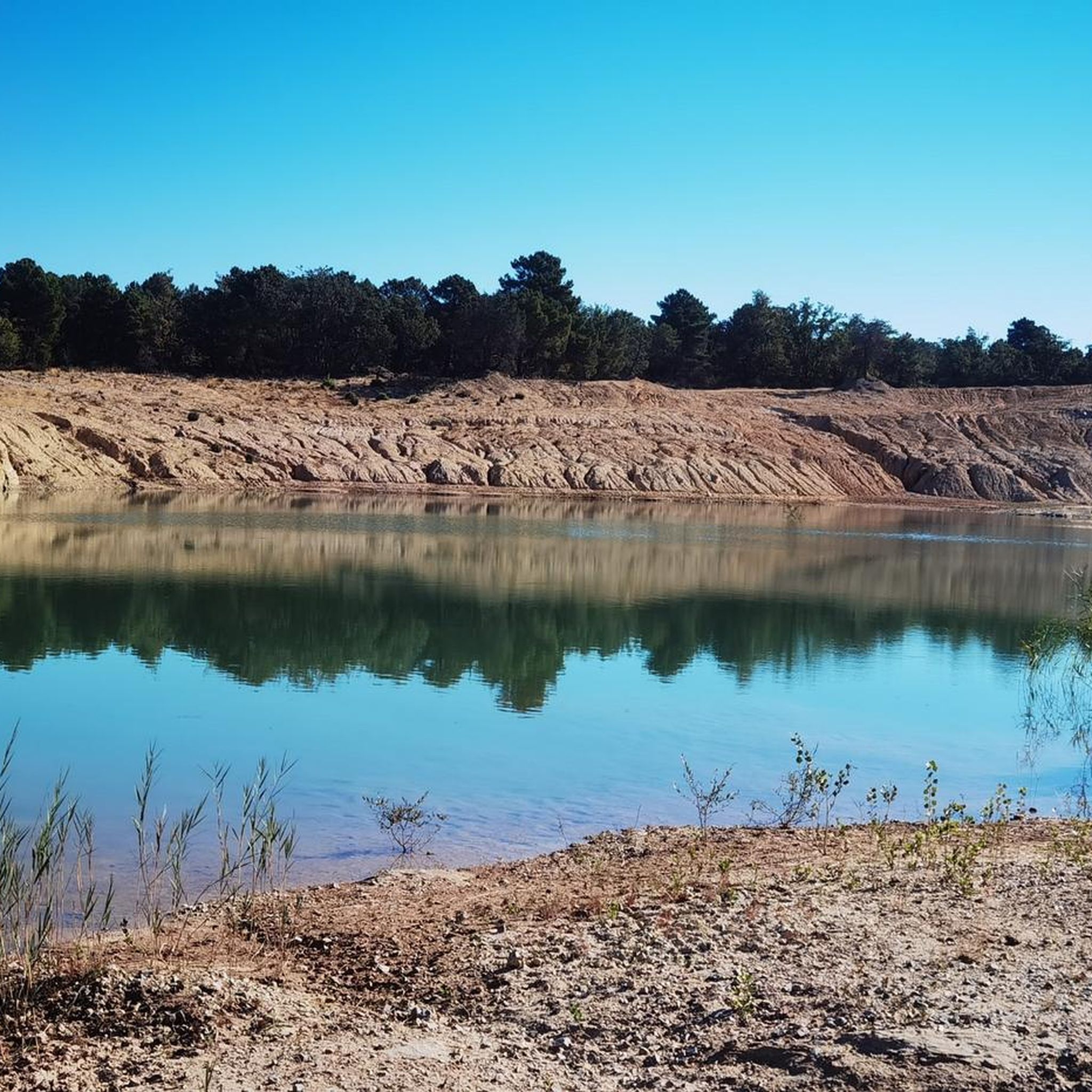
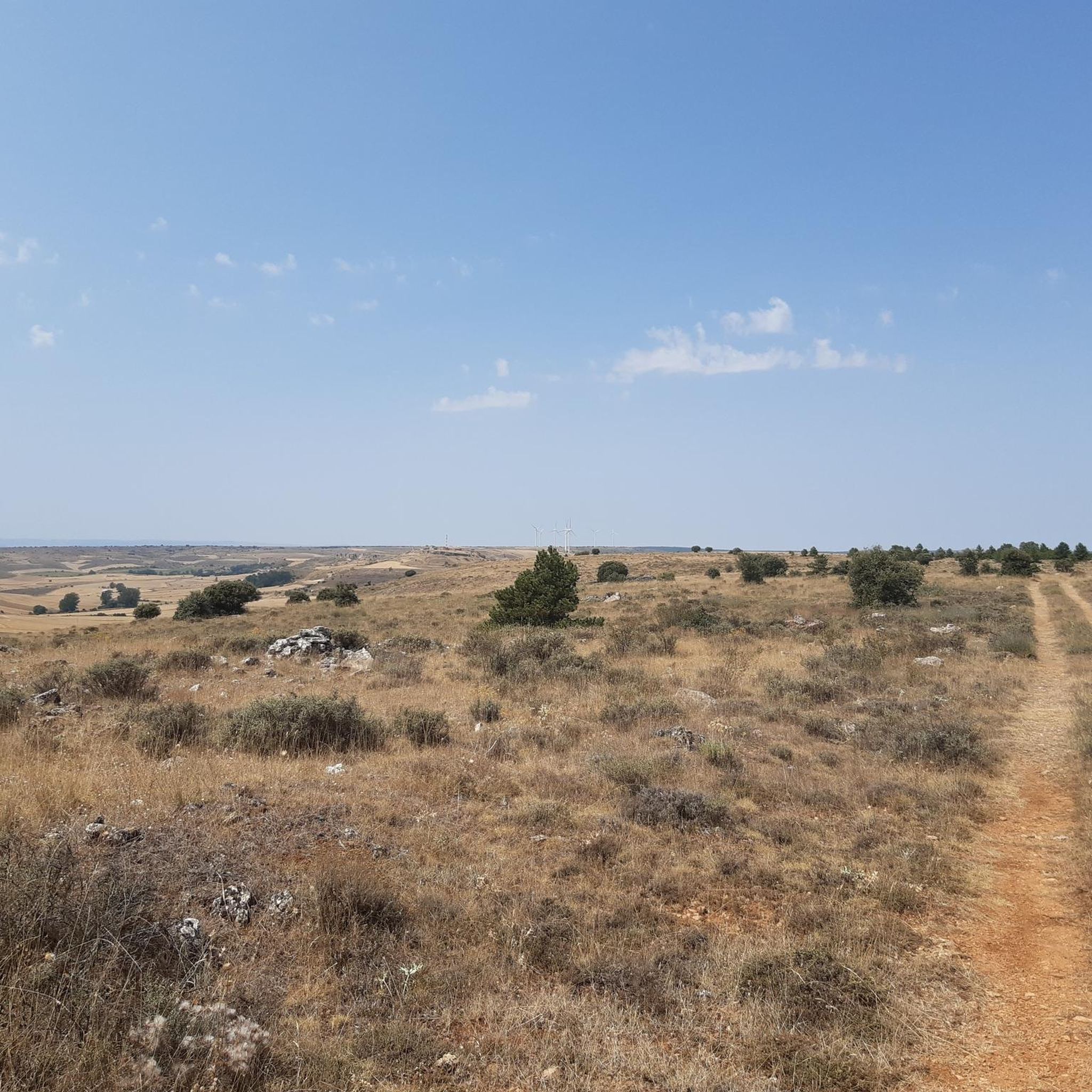
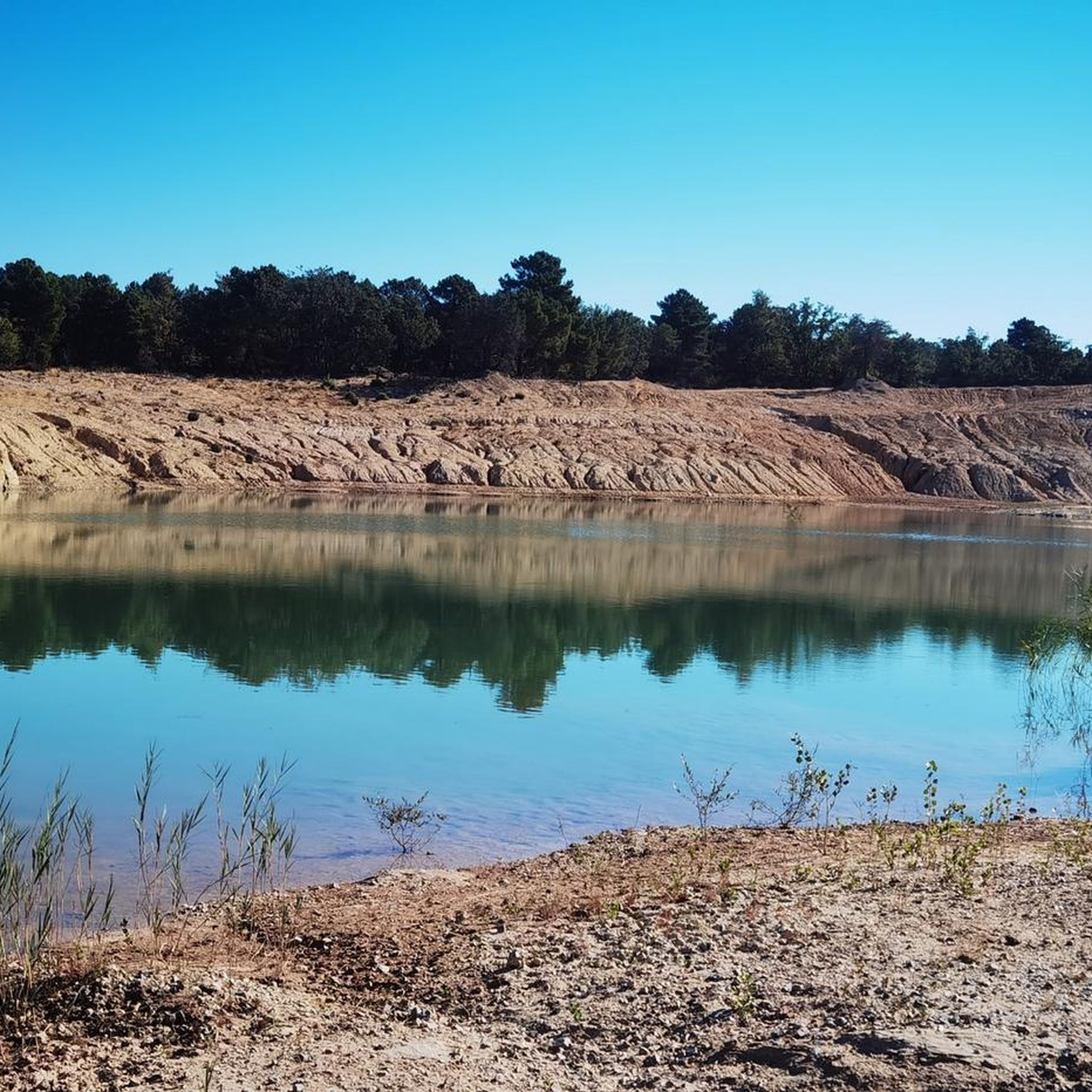
Miño de Medinaceli is surrounded by picturesque natural environments. You can explore the Laguna de la Sima, an area of natural interest with historical significance. The Río Bordecorex or Torete flows through the municipality, contributing to the local ecosystem. The extensive fields and gentle hills offer numerous hiking trails and opportunities to connect with nature, providing panoramic views.
What kind of outdoor activities are available around Miño de Medinaceli?
The region is excellent for outdoor enthusiasts. You can enjoy hiking on trails like the 'Medinaceli and Ambrona Loop' or the 'Yellow from Miño de Medinaceli — circular'. For cycling, routes such as 'Miño de Medinaceli — circular desde Medinaceli' or 'Tierras de Frontera Loop' are popular. You can find more details and routes on the hiking guide and cycling guide for the area.
Are there family-friendly attractions or activities in Miño de Medinaceli?
Many attractions in the area are suitable for families. Exploring the historic town of Medinaceli with its Roman arch and Plaza Mayor can be an engaging experience. The Sigüenza Cathedral also offers a rich historical context for all ages. Gentle walks in the surrounding natural environment are also a great option for families.
Where can I see prehistoric art or ancient burials?
For prehistoric art, visit the Abrigo de Carlos Álvarez (or de la Dehesa), which preserves interesting Neolithic cave paintings. Regarding ancient burials, the Celtiberian Necropolis, located near the Castle-Watchtower, features dozens of anthropomorphic graves. The Túmulo de la Sima is also a significant Neolithic monumental tomb.
What religious buildings are worth visiting in the region?
The Sigüenza Cathedral is a must-see, known for its diverse architectural styles from Romanesque to Neoclassical. In Miño de Medinaceli, the Iglesia de San Miguel, originally Romanesque, features a crenellated bell tower and Gothic elements. The Hermitage of the Humilladero, with its Renaissance portal and Gothic vaults, is also noteworthy and now serves as a tourist information center.
What is the best time of year to visit Miño de Medinaceli for outdoor activities?
The region's climate, situated at an elevation of about 1,161 meters, suggests that spring and autumn offer pleasant temperatures for hiking and cycling, avoiding the extremes of summer heat or winter cold. These seasons also provide beautiful landscapes with lush greenery or autumnal colors.
Can I spot any wildlife in the natural areas around Miño de Medinaceli?
Yes, the diverse natural environment around Miño de Medinaceli supports various bird species. Keep an eye out for birds of prey such as the snake eagle, booted eagle, Egyptian vulture, common buzzard, and black kite while exploring the hiking trails and natural landscapes.
What is the <a href="https://www.komoot.com/highlight/4228523" target="_blank" rel="noopener">Casa del Doncel de Sigüenza</a>?
The Casa del Doncel de Sigüenza is a beautiful civil Gothic-style building located in the heart of the medieval city of Sigüenza. Its construction began in the 13th century, with significant parts built between the second half of the 15th century and the beginning of the 16th century. It is considered one of Sigüenza's most important and imaginative historical buildings.
Where can I experience local life and traditional architecture in Miño de Medinaceli?
The Plaza Mayor in Miño de Medinaceli is the central social hub of the village. Surrounded by traditional buildings, it hosts local fairs, markets, and festivities, offering an authentic glimpse into rural life. It's a great place to observe the local culture and architecture.
Most popular routes around Miño De Medinaceli
Most popular attractions around Miño De Medinaceli

Get inspired with the komoot mobile app


Explore more
Still not found the Highlight you’re looking for? See guides of the top attractions in other regions:
