Attractions and Places To See around Molacillos - Top 20
Best attractions and places to see around Molacillos include a blend of historical landmarks, natural viewpoints, and cultural sites within the province of Zamora, Spain. The area features architectural heritage, ancient Roman remains, and scenic natural landscapes. Visitors can explore sites that reflect the region's history and enjoy panoramic views of the surrounding valleys. Molacillos offers a variety of points of interest for those exploring its rich heritage and natural environment.
Best attractions and places to see around Molacillos
- The…
Last updated: June 29, 2026
Castle of Zamora
Highlight • Castle
Translated by Google •
Tip by

Zamora Stone Bridge
Highlight • Bridge
Showing Translation
Tip by

Sign up now to discover places like this
Get recommendations on the best single tracks, peaks, & plenty of other exciting outdoor places.
Sign up for free
Zamora Cathedral (Catedral de San Salvador)
Highlight • Religious Site
The cathedral is an …
Translated by Google •
Tip by
Plaza Mayor, Zamora
Highlight • Settlement
Translated by Google •
Tip by
Church of San Juan de Puerta Nueva (Zamora)
Highlight • Religious Site
The church stands …
Translated by Google •
Tip by
Sign up for free to discover even more attractions around Molacillos.
Sign up for free
Already have an account?
Start today with a free account
Your next adventure awaits.
Login or Signup
Tips from the Community

A beautiful square. It gets really busy from 8 p.m. onwards, when the Spanish nightlife begins.
3
0

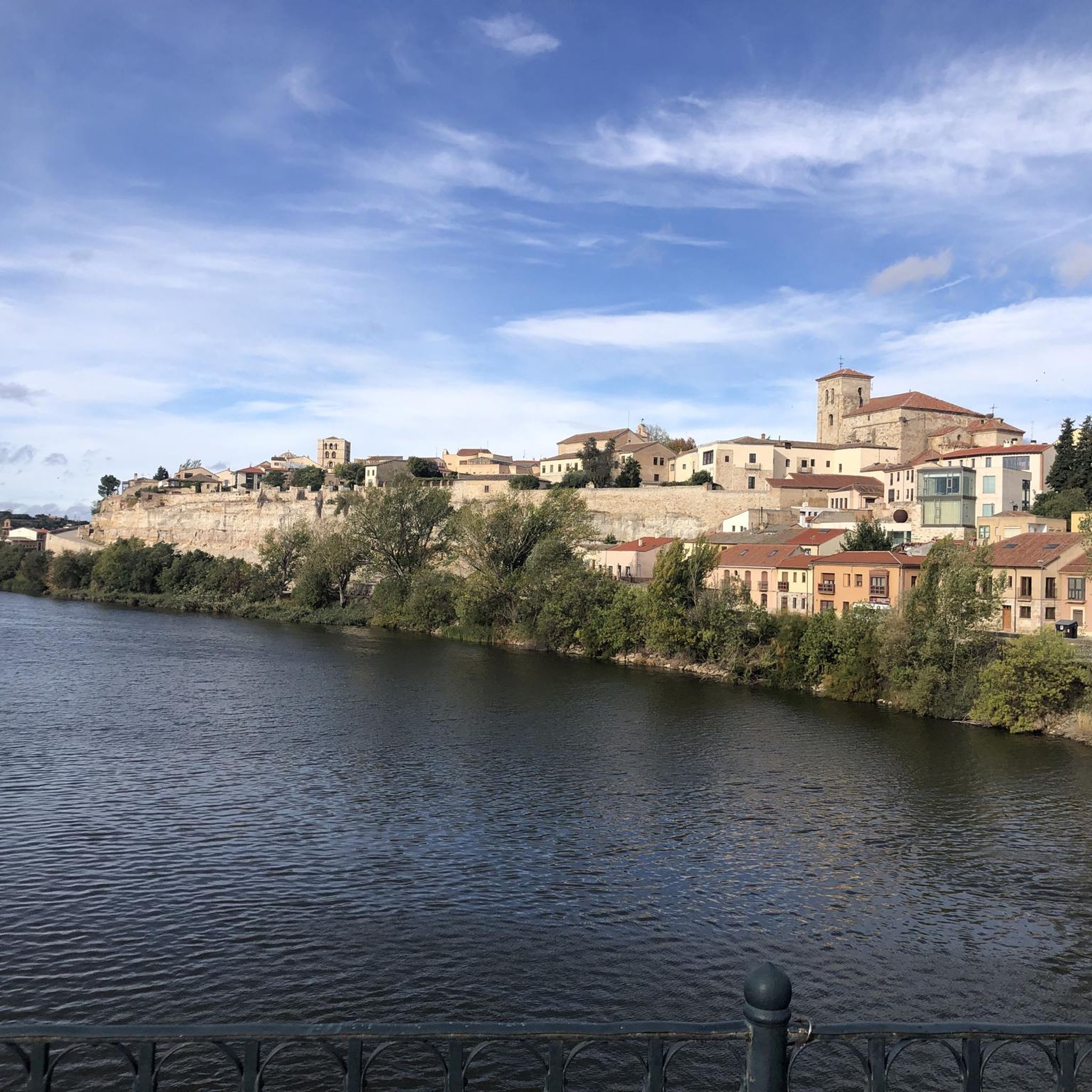
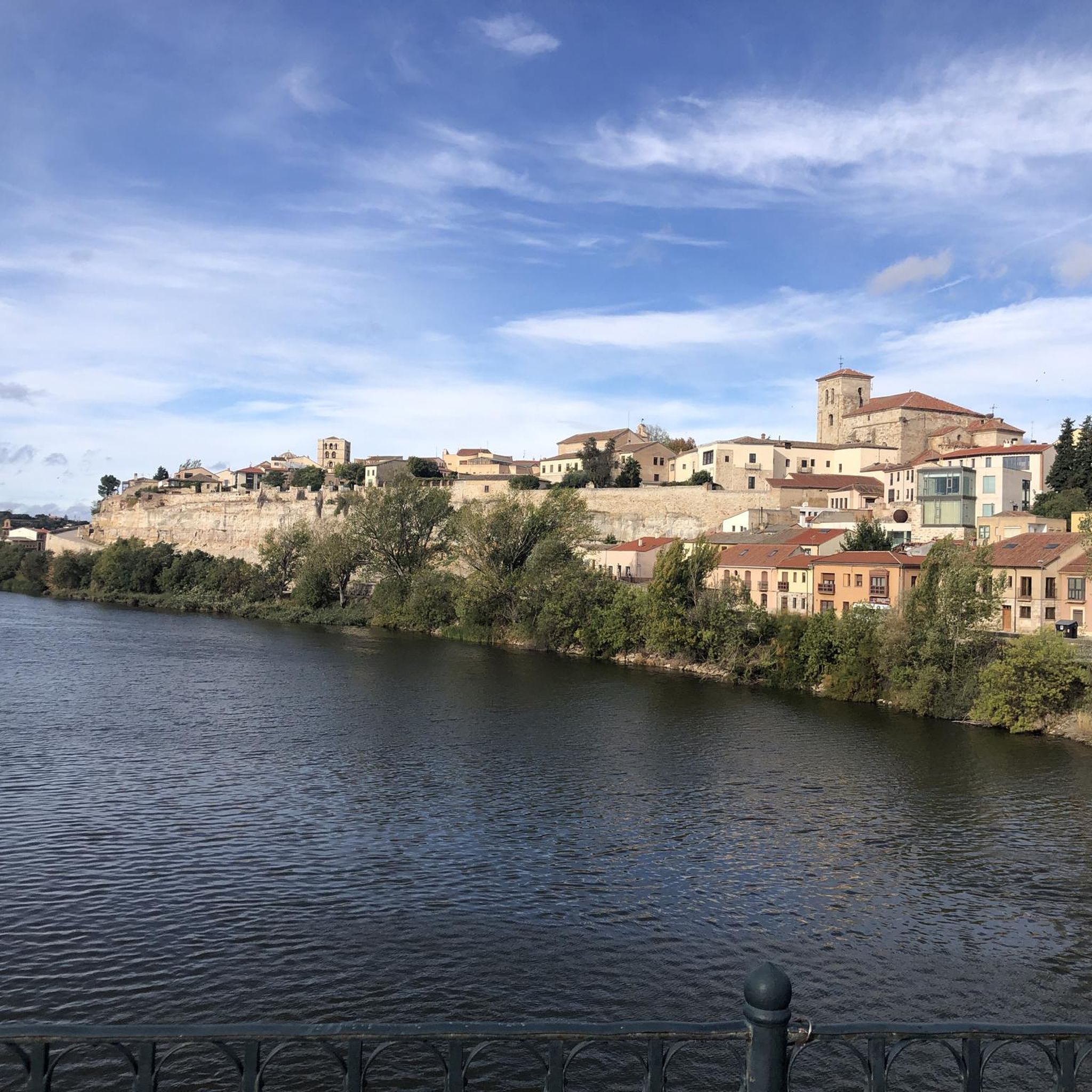
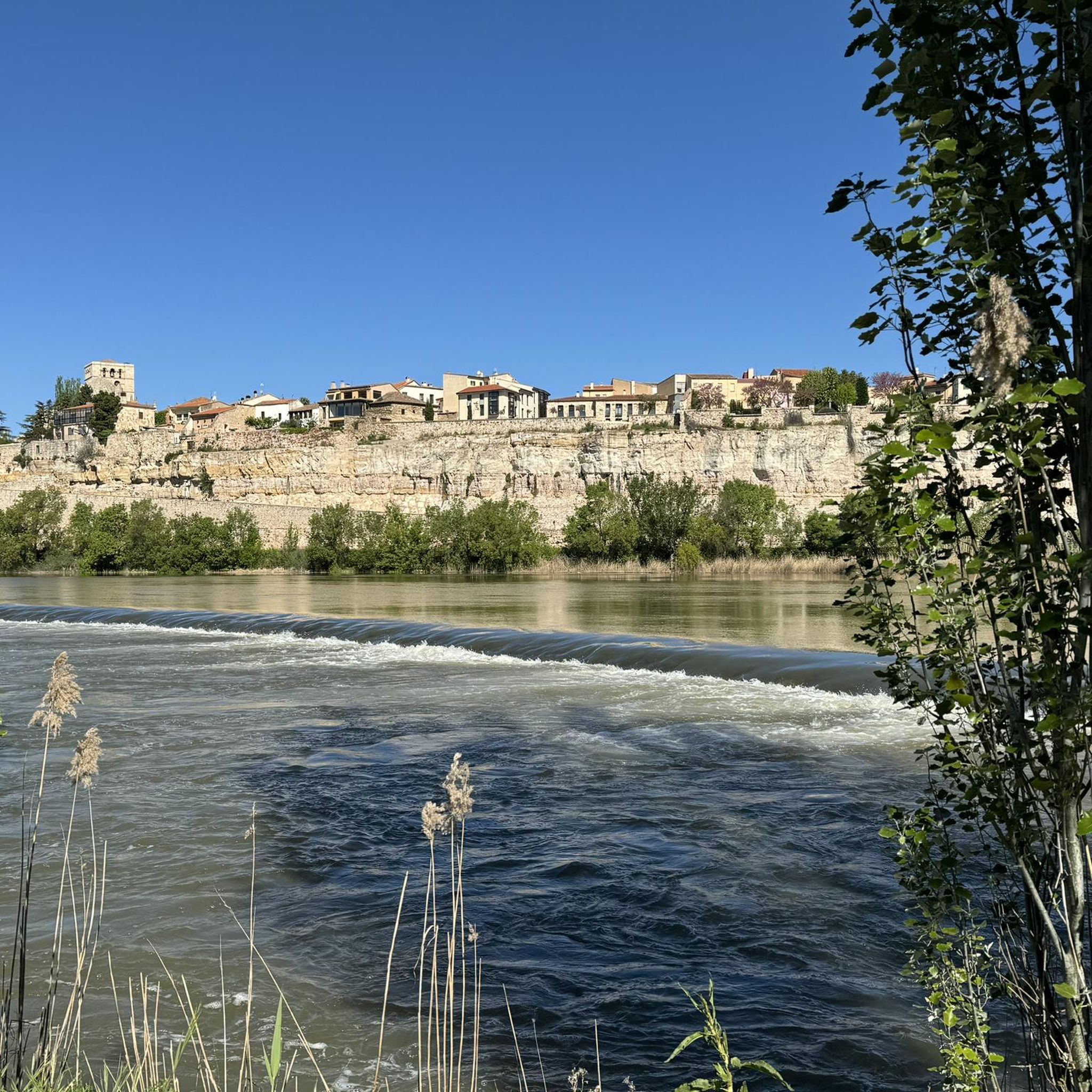
Zamora Castle is a historic fortification located in the city of Zamora, in Castile and León. Built in the 11th century, the castle has witnessed numerous historical events and has undergone several modifications over the centuries. It has a rhomboidal plan and is surrounded by a deep moat. Its thick walls and the keep, which is the highest and served as the last defensive redoubt, stand out. The castle is a fascinating place to explore history and enjoy panoramic views of the city.
1
0
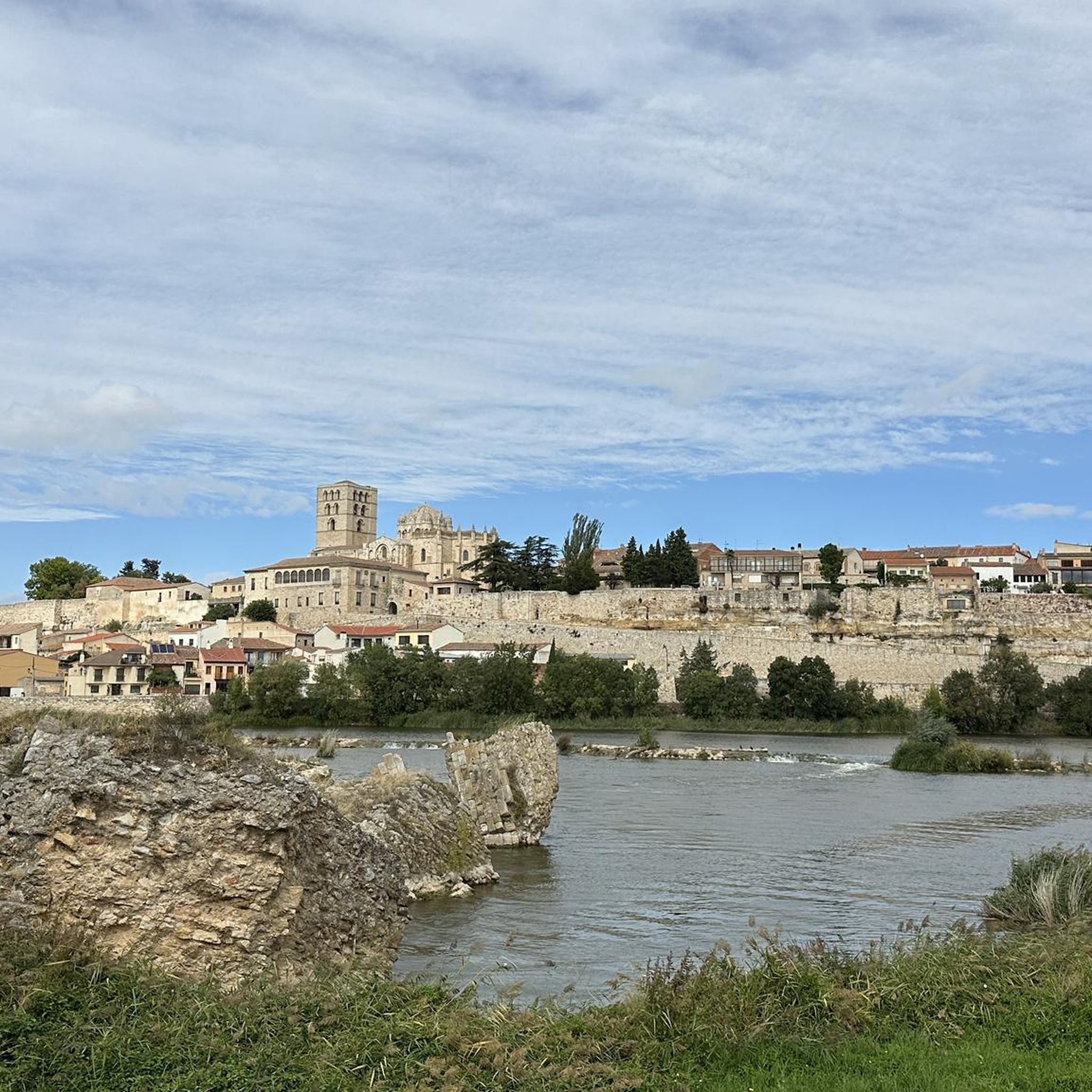
The Stone Bridge of Zamora, also known as Puente Nuevo in the Middle Ages, is one of the five bridges that cross the Duero River in Zamora, Castile and León. This Romanesque bridge was built in the early 13th century and has been renovated on several occasions.
3
1
The oldest evidence indicates that the church was built in the mid-12th century, although work continued in the 13th century and lasted even until the 14th century. The church stands out for its south doorway, which is the main one and is in perfect condition, flanked by two slender attached columns and three semicircular archivolts with elegant decoration. If you want to visit it or learn more about its history and architecture, I recommend consulting specialized sources or visiting its page on Románico Zamora for detailed information. I hope you enjoy your visit to this important historical monument! 🏰✨
8
0
The Cathedral of San Salvador in Zamora, also known as the Cathedral of the Savior, is a Romanesque jewel and an important historical monument in Spain. The cathedral is an outstanding example of Douro Romanesque, with Byzantine influences, especially in its famous dome. It was built between 1140 and 1174 and is the smallest and oldest of the eleven cathedrals in the autonomous community of Castilla y León. To visit the Cathedral of San Salvador in Zamora and learn more about its history, architecture and the works of art it houses, you can consult its official website or plan a visit to experience its beauty in person. I hope you enjoy discovering this Spanish Romanesque treasure! 🏰✨
9
0
The Plaza Mayor of Zamora is a rectangular space. This square, typically Castilian, has a square shape and is surrounded by low-rise buildings with arcades. Its location in the historic center and its pedestrian nature make it a prominent place in the city
7
0

The magnificent cathedral in Zamora - entitled "San SALVADOR" - was not dedicated to one of the many people we venerate as blessed or saints and ask for their heavenly intercession with God. Rather, it is consecrated to the incarnate Son of God Jesus Christ, our Redeemer and Savior.
6
0

Although it is somewhat overshadowed by the cathedral from a tourist point of view, a visit to the impressive castle complex is still recommended.
2
3
Frequently Asked Questions
What historical sites can I explore in Molacillos itself?
In Molacillos, you can visit the impressive Iglesia de San Martín de Tours, an 18th-century church known for its unique 'Barroco Levantino' style. It was declared a National Monument in 1983. Additionally, the Puente Románico, a Romanesque bridge spanning the Valderaduey River, showcases historical civil engineering and still bears the coat of arms of Archbishop Mayoral.
Are there any Roman ruins to visit near Molacillos?
Yes, you can explore the Cisternas Romanas (Roman Cisterns) located at Teso de la Mora. These cisterns are part of a rich Roman archaeological site, suggesting the presence of a permanent Roman encampment. They are currently undergoing restoration for future visitation.
Where can I find panoramic views of the Molacillos area?
For panoramic views, head to Teso de la Mora, which is not only an archaeological site but also offers extensive views of nearby villages like Torres del Carrizal, Benegiles, and Molacillos, as well as the surrounding valleys. Another scenic spot is the Paraje de la Dehesa de Las Caleras, providing views of the Valderaduey valley towards Zamora, the Salado valley, and the distinctive tower of the Molacillos church.
What cultural traditions or events are celebrated in Molacillos?
Molacillos celebrates several traditional festivities throughout the year. Key events include San Martín on November 11th, Las Candelas on February 2nd with a 'Carrera de cintas', and San Juan on June 24th featuring 'Bailes con las habas verdes' and the 'Poner el mayo'. The village also observes Noche de Reyes and Fiesta de la Santa Cruz, alongside an annual Semana Cultural and traditional games like 'Juego de la calva'.
What outdoor activities are available around Molacillos?
The Molacillos area is great for outdoor enthusiasts. You can find various cycling opportunities, including MTB Trails, Road Cycling Routes, and general Cycling routes. These guides offer routes like the 'Zamora a Pereruela' for MTB or 'Zamora – return via Toro and the Duero River' for road cycling, catering to different preferences.
Are there family-friendly attractions in the Molacillos region?
Yes, several attractions in the broader Molacillos region are considered family-friendly. These include the historic Castle of Zamora, which offers a glimpse into the city's past, and the Zamora Cathedral (Catedral de San Salvador), a Romanesque jewel. The Zamora Stone Bridge is also a pleasant spot for families to visit.
What do visitors particularly enjoy about the attractions near Molacillos?
Visitors appreciate the blend of historical significance and scenic beauty. For instance, the Castle of Zamora is highly regarded for its historical importance and defining role in Zamora's history. The Plaza Mayor, Zamora is loved for its vibrant atmosphere, especially in the evenings, and its central location with many nearby restaurants and shops. The Zamora Cathedral is praised as a spectacular Romanesque jewel with Byzantine influences.
Are there any accessible attractions for visitors with mobility needs?
The Plaza Mayor, Zamora is noted for its pedestrian nature and is considered wheelchair accessible, making it a prominent and inclusive place in the city's historic center.
What is the best time to visit Molacillos for outdoor activities?
The Molacillos region, part of the Tierra del Pan in Zamora, generally experiences pleasant weather for outdoor activities during spring (April to June) and autumn (September to October). These seasons offer milder temperatures, ideal for exploring historical sites, enjoying panoramic views, and engaging in cycling or walking routes without the intense heat of summer or the chill of winter.
What natural landscapes characterize the Molacillos region?
The Molacillos region is characterized by the fertile agricultural landscapes shaped by the Valleys of the Valderaduey River and Salado Stream. These waterways contribute to the area's natural beauty and provide well-irrigated fields. Elevated areas like Teso de la Mora and Paraje de la Dehesa de Las Caleras offer natural viewpoints over these valleys and the surrounding countryside.
Can I find information about local traditions and festivities in Molacillos?
Yes, Molacillos has a rich calendar of local traditions and festivities. These include religious celebrations like San Martín and Fiesta de la Santa Cruz, as well as unique cultural events such as Las Candelas with its ribbon race, and San Juan with traditional dances and the erection of the maypole. The annual Semana Cultural also provides insights into local customs and activities.

Get inspired with the komoot mobile app


Explore more
Still not found the Highlight you’re looking for? See guides of the top attractions in other regions:
