Attractions and Places To See around Santa Cruz De La Zarza - Top 20
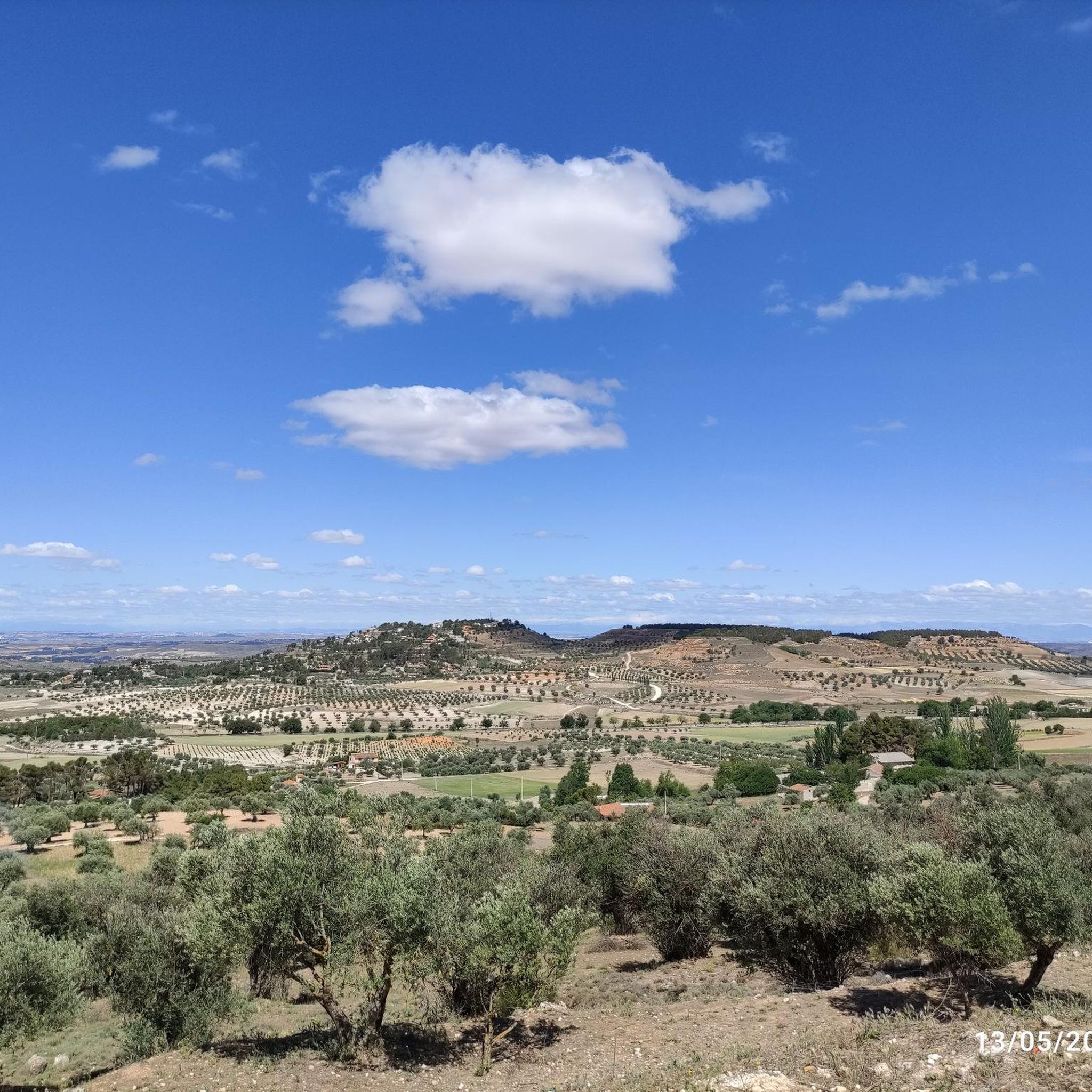
Best attractions and places to see around Santa Cruz De La Zarza, a municipality in Toledo, Spain, offers a landscape shaped by the River Tagus valley and the Mesa de Ocaña. The area features historical landmarks, religious architecture, and diverse natural environments including steppes and riparian forests. Visitors can explore a blend of cultural sites and natural beauty.
Best attractions and places to see around Santa Cruz De La Zarza
- The most popular attractions is Villamanrique de Tajo Viaduct, a bridge that was likely built for a train track. This engineering work is now utilized by cyclists traveling between Villamanrique and Fuentidueña.
- Another must-see spot is Iron Bridge of Fuentidueña de Tajo, a 19th-century metal bridge. It is the oldest large metal bridge in Madrid and restored passage over the Tagus river on the route to Cuenca.
- Visitors also love Hermitage of the Most Holy Christ of Humilladero, a religious building dating from the 16th and 17th centuries. Located about 200 meters from the Plaza Mayor, it is an important historical site in Colmenar de Oreja.
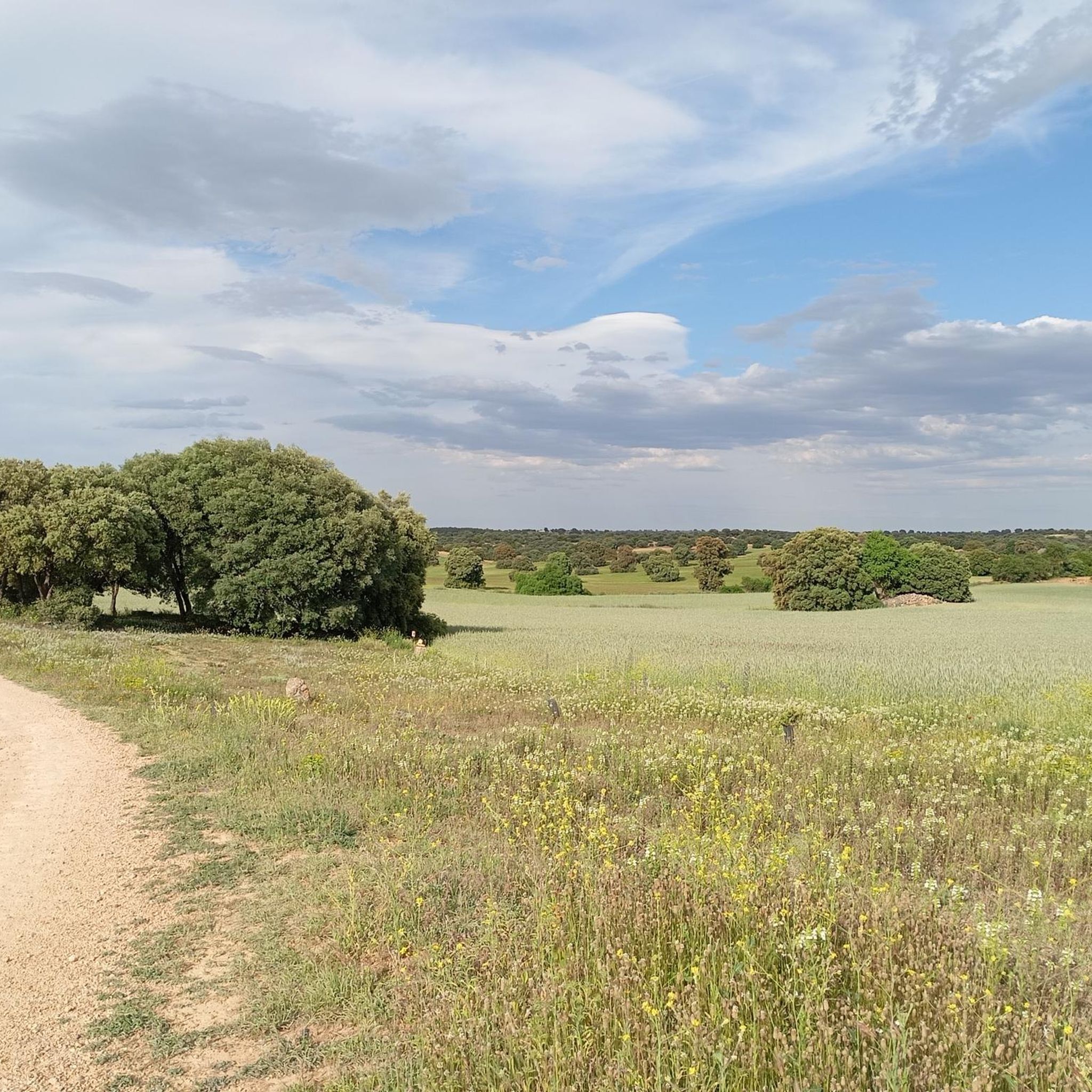
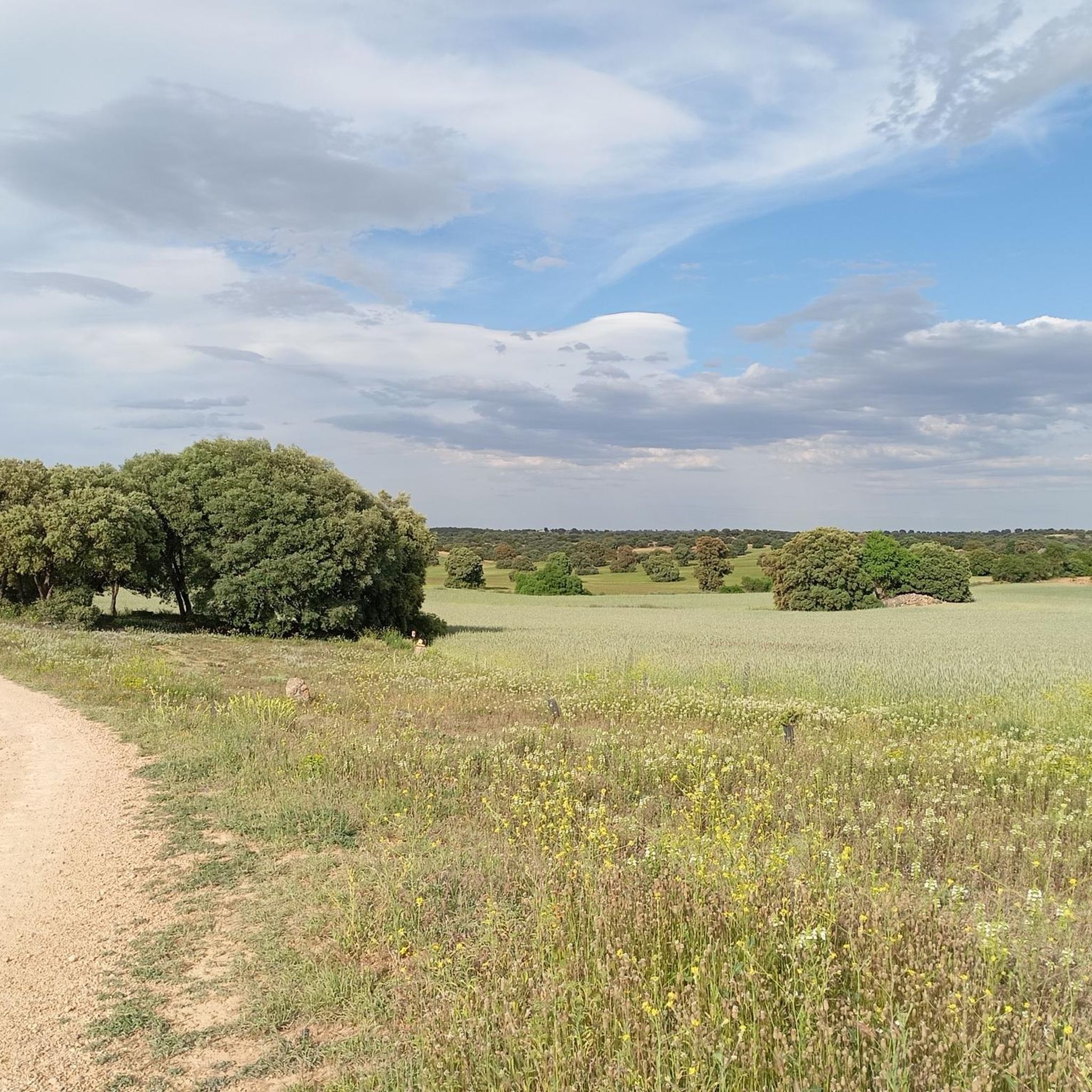
- Santa Cruz De La Zarza is known for its historical civil architecture, religious buildings, and natural areas. The region offers a variety of attractions to see and explore, from ancient churches to the River Tagus valley.
- The attractions around Santa Cruz De La Zarza are appreciated by the komoot community, with 6 upvotes and 6 photos shared by visitors.
Last updated: May 11, 2026
Plaza Mayor of Colmenar de Oreja
Highlight • Settlement
Translated by Google •
Tip by

Iron Bridge of Fuentidueña de Tajo
Highlight • Bridge
This work allowed communications to be modernized at the time of its execution.
Translated by Google •
Tip by
Sign up now to discover places like this
Get recommendations on the best single tracks, peaks, & plenty of other exciting outdoor places.
Sign up for free
Villamanrique de Tajo Viaduct
Highlight • Bridge
Translated by Google •
Tip by

Estremera Tunnels
Highlight • Structure
Translated by Google •
Tip by

Villatobas
Highlight • Settlement
Villatobas was also the scene of important events during the War of Independence in the 19th century. Over the centuries, it has managed to preserve its historical heritage, including its parish church dedicated to San Juan Bautista and the ruins of its 13th-century castle.
Translated by Google •
Tip by

Sign up for free to discover even more attractions around Santa Cruz De La Zarza.
Sign up for free
Already have an account?
Start today with a free account
Your next adventure awaits.
Login or Signup

Tips from the Community

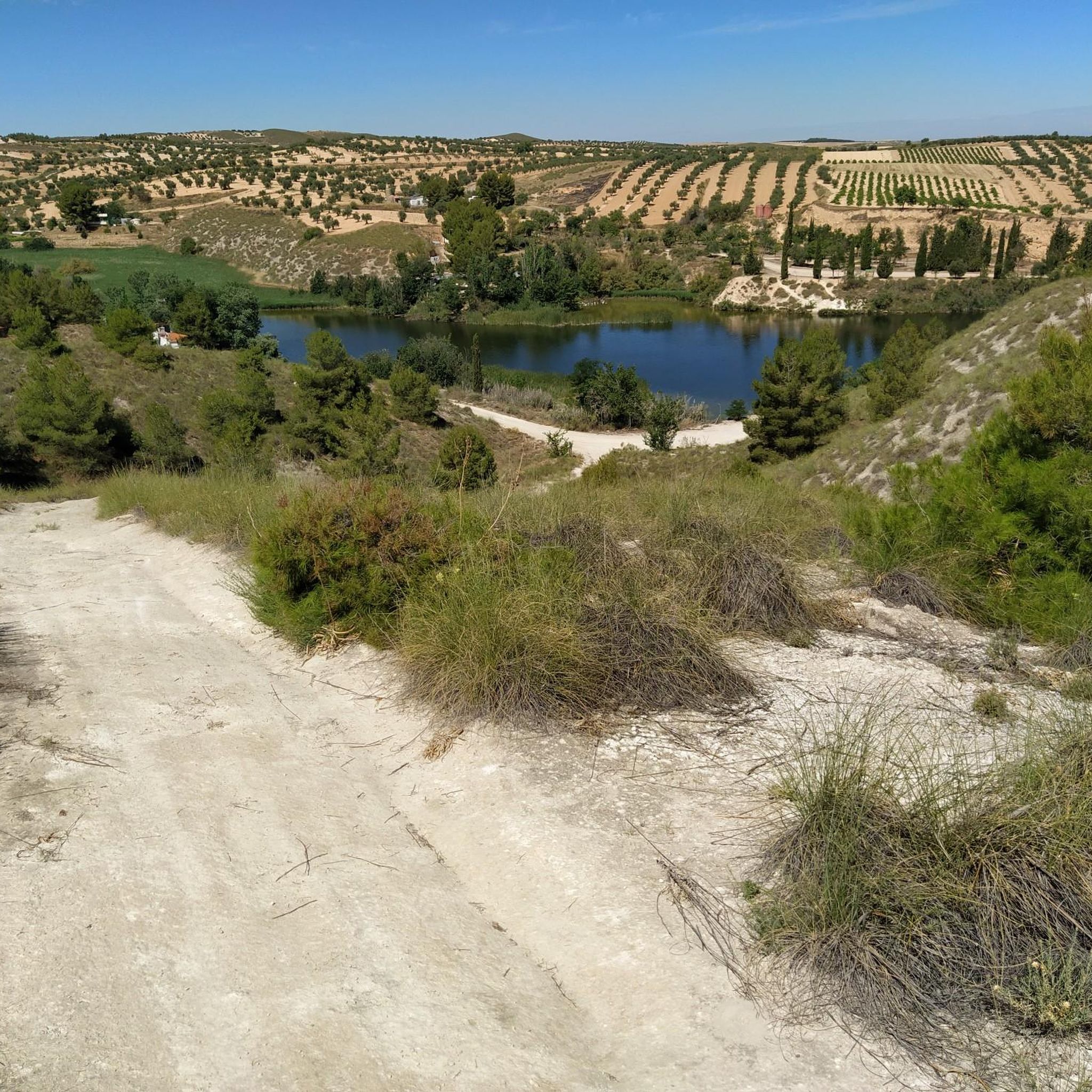
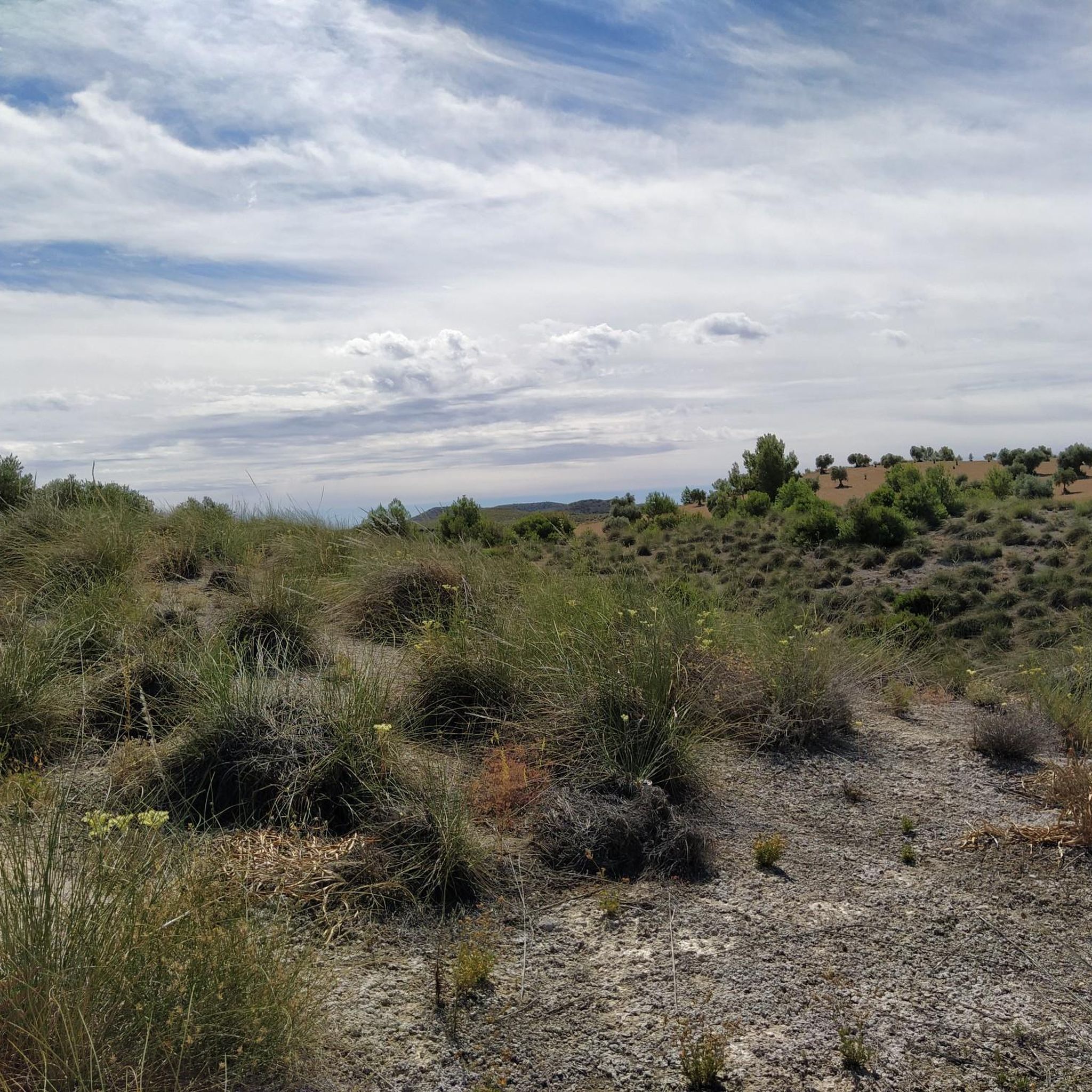
This section is popular with cyclists due to the allure of the tunnels and the gorge carved by the old railway line through the gypsum and esparto grass hillsides and ravines. The railway tunnels and cuttings are impressive constructions, both for their design and their railway efficiency. They facilitate the passage of trains across steep terrain and maintain a gentle, accessible gradient in challenging areas, with raised sections of the ground to reduce noise and visual impact in environmentally sensitive locations.
0
0

Undoubtedly one of the most beautiful towns in southern Madrid, with a long-standing winemaking and agricultural tradition, its arcaded main square is a must-see.
0
0

Villatobas is a municipality with a rich history that dates back to ancient times. Archaeological studies indicate that the area was inhabited from the 4th or 3rd century BC by various peoples. The first written record of Villatobas appears in the charter of Montealegre in 1219, where it is mentioned as "Villa de Tobas" Villatobas was also the scene of important events during the War of Independence in the 19th century. Over the centuries, it has managed to preserve its historical heritage, including its parish church dedicated to San Juan Bautista and the ruins of its 13th-century castle.
5
0

The Fuentidueña de Tajo bridge is an engineering work from the mid-19th century that restored the passage through this river on the way to Cuenca. It is the oldest large metal bridge in Madrid. This work allowed communications to be modernized at the time of its execution.
2
0
Colmenar de Oreja is one of the most beautiful towns in the south of Madrid. Its Plaza Mayor is of special beauty due to its arcades with wooden pillars. It is a classic example of a Castilian square. The limestone used for the construction of the royal palaces of Madrid and Aranjuez was extracted from the surroundings of this town.
1
0
This viaduct, near Villamanrique de Tajo, seems to have been built for a train track. Today it is enjoyed by cyclists who circulate between Vilamanrique and Fuentidueña.
0
1

This quiet town gets its name from the tuffs, a type of thistle that was once abundant in the area. Architecturally, the hermitage of San Jorge and the Cervantes Theater next to the parish church stand out.
3
0
One of the most beautiful towns in Madrid and the place of origin of the limestone for the royal palaces of Aranjuez and Madrid. It is a good place to stop on a terrace to rest, and if you do, try its famous cool potatoes.
2
1
Frequently Asked Questions
What historical sites can I explore in Santa Cruz de la Zarza?
Santa Cruz de la Zarza boasts a rich history with several notable sites. You can visit the Iglesia de San Miguel Arcángel and the Iglesia de Santiago Apóstol, both showcasing Renaissance and Baroque styles. The Arco de la Villa is the last remnant of the town's ancient wall. Don't miss the Pósito de Santa Cruz de la Zarza, a historic granary, or the Casa de los Diez Hidalgos, now a house museum. For a broader historical context, consider visiting Villatobas, a nearby municipality with a rich history dating back to ancient times, including the ruins of a 13th-century castle.
Are there any notable religious buildings to visit?
Yes, the area is rich in religious architecture. Besides the main churches like Iglesia de San Miguel Arcángel and Iglesia de Santiago Apóstol, there are several hermitages. The Ermita de la Virgen de la Paz, located west of town, is a 16th-century site for a May pilgrimage. Other hermitages include San Pedro, Santa Gema, Santa Lucía, San Antón, and Virgen de los Remedios. You can also visit the Hermitage of the Most Holy Christ of Humilladero, a significant 16th-17th century building near Colmenar de Oreja.
What natural features can I discover around Santa Cruz de la Zarza?
The region is characterized by the River Tagus Valley, offering excellent views from the Mesa de Ocaña. The Tagus riverbanks feature a pleasant riparian forest. Natural areas like Montrueque, El Cambrón, and El Gramón provide diverse landscapes. You can also find the unique Steppes of Toledo, identified as Sites of Community Importance, and areas important for bird conservation. The Charco Negro features a 4-meter waterfall and is a spot for various outdoor activities.
Are there family-friendly attractions in the area?
Many of the historical and natural sites are suitable for families. Exploring the churches and civil architecture in town, or visiting the Fuente de Los Caños, a traditional washbasin area, can be interesting. The natural areas like Charco Negro offer opportunities for outdoor activities. The highlight Iron Bridge of Fuentidueña de Tajo and the Hermitage of the Most Holy Christ of Humilladero are also categorized as family-friendly.
What kind of outdoor activities are available near Santa Cruz de la Zarza?
The area is great for outdoor enthusiasts. You can enjoy hiking, cycling, and mountain biking. There are specific routes like the Cañada Real Soriana Oriental, the Vía Verde de Don Quijote, and the Ruta Cicloturista "Aves Esteparias" for bird watching. Hiking trails include the Ruta de senderismo "Charco Negro" and the Ruta de senderismo "Virgen de la Paz". For more detailed routes, you can explore the MTB Trails around Santa Cruz De La Zarza, Gravel biking around Santa Cruz De La Zarza, and Road Cycling Routes around Santa Cruz De La Zarza guides.
Can I find cycling routes around Santa Cruz de la Zarza?
Absolutely! The region offers various cycling opportunities. The Vía Verde de Don Quijote passes by the Las Esperillas archaeological site, and the Ruta Cicloturista "Aves Esteparias" is designed for observing steppe birds. The Tajo Nature Trail is a long-distance cycling route that passes through the area. You can also find specific guides for MTB, Gravel biking, and Road Cycling routes around Santa Cruz de la Zarza, with options for various difficulty levels.
What are some unique architectural landmarks to see?
Beyond the religious buildings, Santa Cruz de la Zarza has interesting civil architecture. The Arco de la Villa is a remnant of the old town wall. The Casa del Gallo is known for its Baroque facade and rooster weathervane. You can also see Churrigueresque-style houses on Calle Chacón and historic homes on Calle Mayor. The Ayuntamiento (Town Hall) itself is housed in a building that may date back to the 15th-16th centuries.
Is there an archaeological site in Santa Cruz de la Zarza?
Yes, the Necrópolis de Las Esperillas is an Iron Age archaeological site, providing evidence of the town's ancient origins. It's a significant spot for those interested in the region's deep history.
What is the best time of year to visit Santa Cruz de la Zarza for outdoor activities?
The region experiences a Mediterranean climate. Spring (April-May) and Autumn (September-October) generally offer pleasant temperatures for outdoor activities like hiking and cycling, avoiding the intense heat of summer. These seasons also showcase the natural beauty of the Tagus Valley and surrounding landscapes.
Are there any dog-friendly trails or areas?
While specific dog-friendly designations for trails are not always explicit, many natural areas and rural paths are generally suitable for walks with dogs, provided they are kept under control and waste is managed responsibly. The numerous oak groves and water wells for livestock suggest an environment where animals are common. Always check local regulations for specific areas.
What are some of the most interesting bridges or viaducts in the region?
The area features impressive engineering works. The Iron Bridge of Fuentidueña de Tajo is a significant 19th-century metal bridge, considered the oldest large metal bridge in Madrid, and a restored passage over the Tagus river. Another notable structure is the Villamanrique de Tajo Viaduct, an impressive engineering work likely built for a train track, now popular with cyclists.
What is the Tajo Nature Trail?
The Tajo Nature Trail is a long-distance cycling route that originates in the Montes Universales and extends all the way to the Portuguese border. Parts of this extensive route pass through the Santa Cruz de la Zarza area, offering a scenic journey along the Tagus river, through fields, and past charming towns like Villamanrique de Tajo.
Most popular routes around Santa Cruz De La Zarza

Get inspired with the komoot mobile app


Explore more
Still not found the Highlight you’re looking for? See guides of the top attractions in other regions:
