Attractions and Places To See around Torrelaguna - Top 20
Attractions and places to see around Torrelaguna include historical landmarks, cultural sites, and natural areas. Located in the Jarama valley northeast of Madrid, Torrelaguna is a town rich in history and architecture, declared a National Historic and Artistic Heritage Site. The region offers diverse landscapes, from the Valle Medio del Jarama to natural areas like Valgallego, providing opportunities for outdoor activities. Visitors can explore its medieval layout and significant historical sites alongside its natural surroundings.
Best attractions and places to see around Torrelaguna
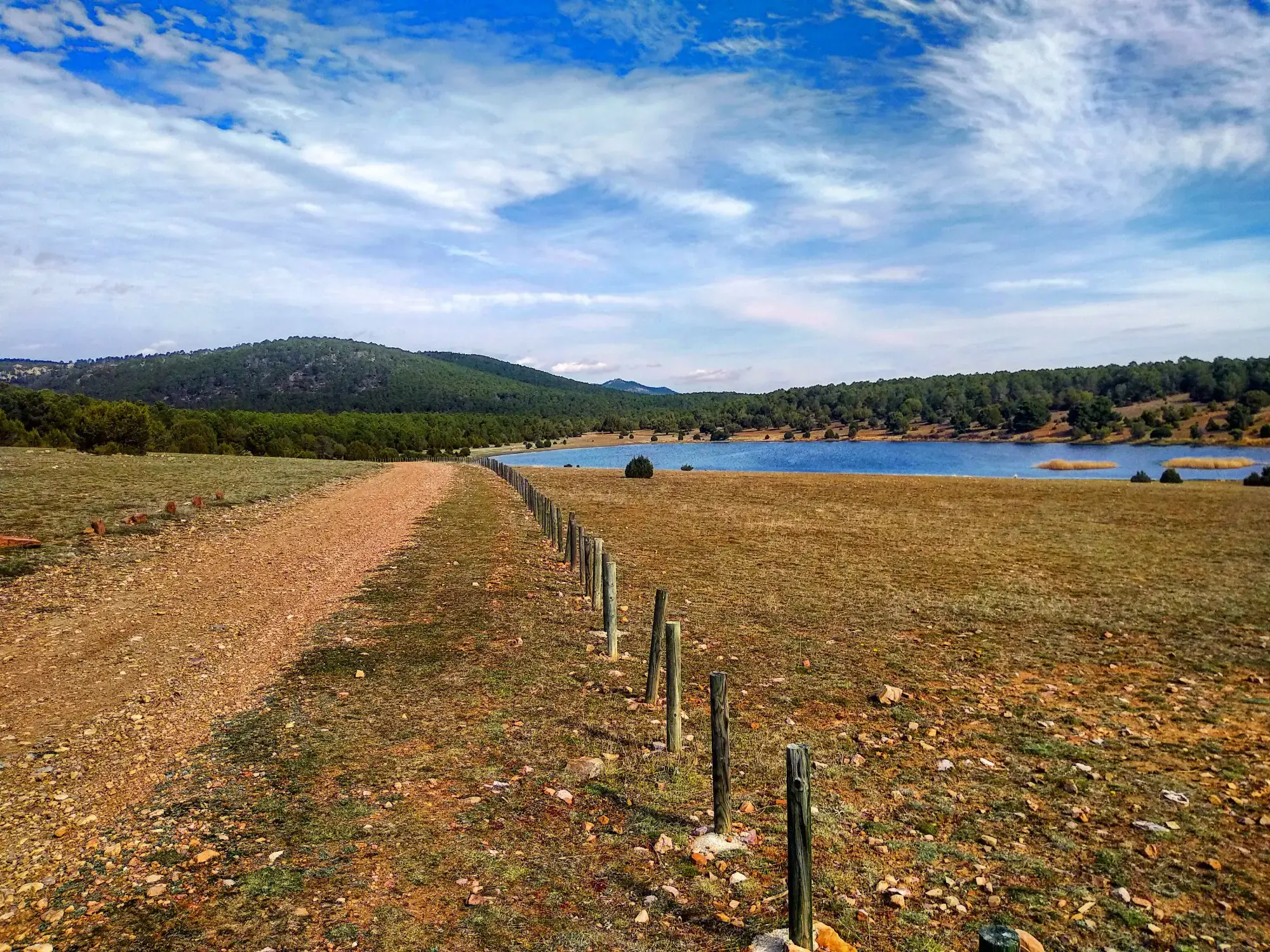
- The most popular attractions is Pedrezuela Reservoir, a lake that was completed in 1967. It was built to supply water to Madrid from the Guadalix River.
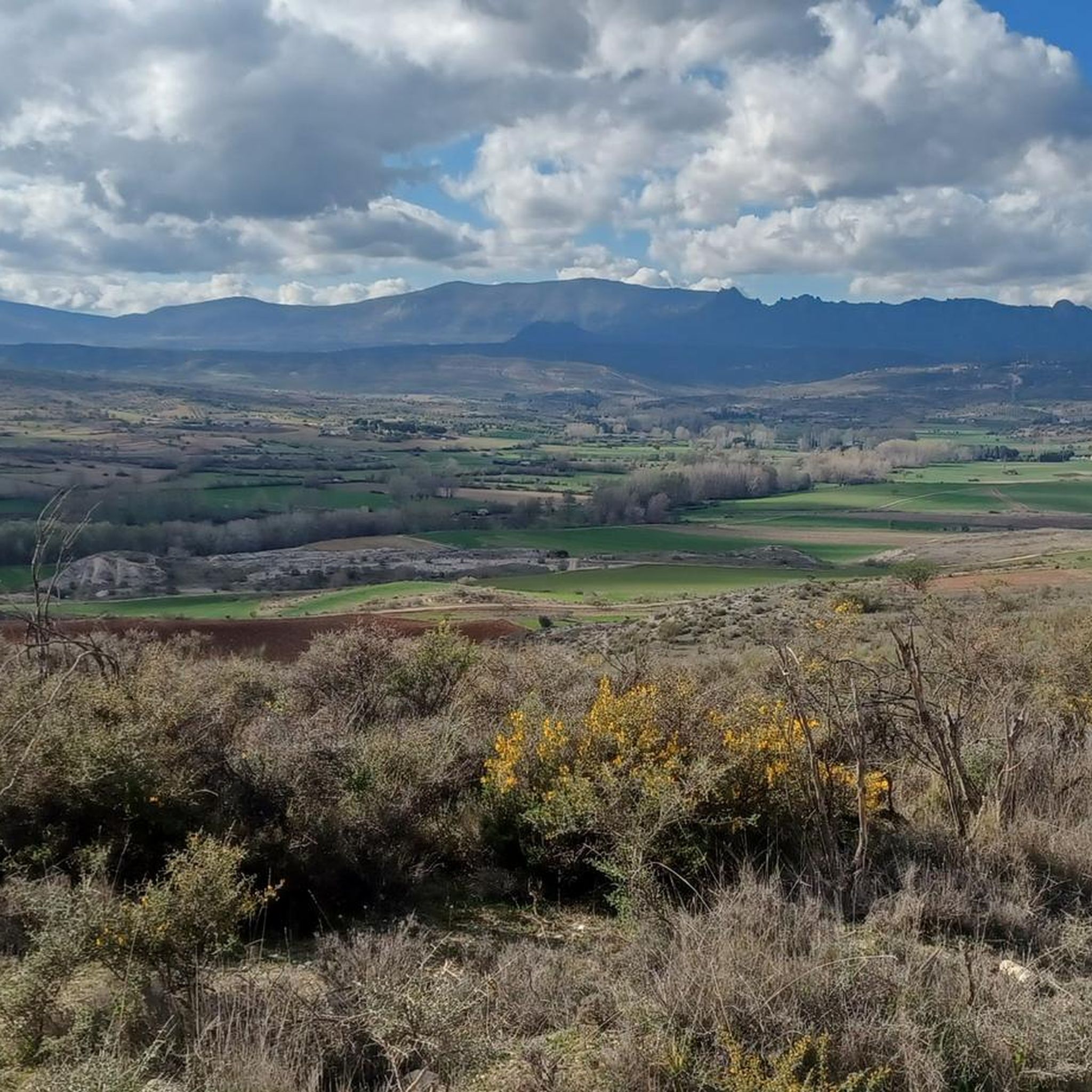
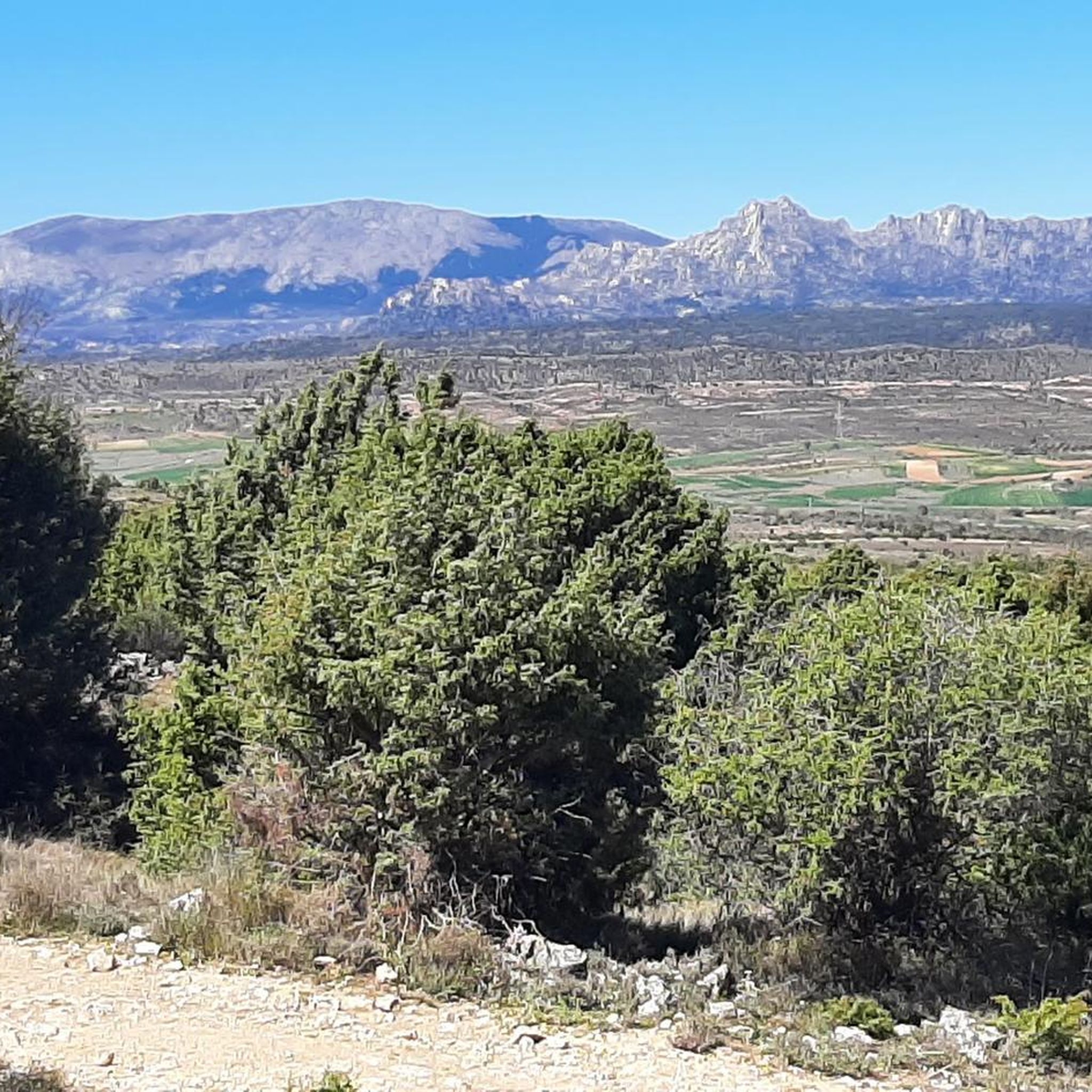
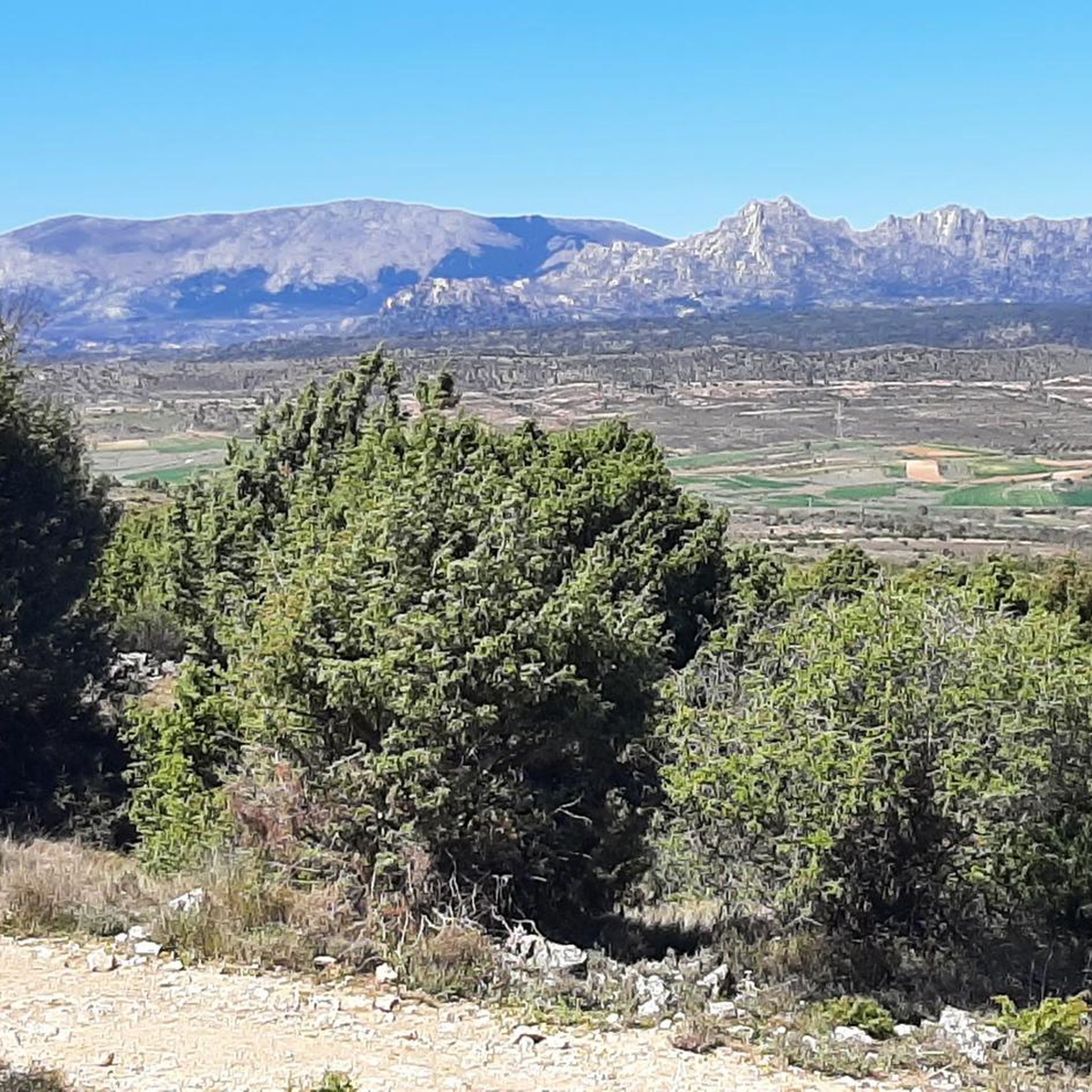
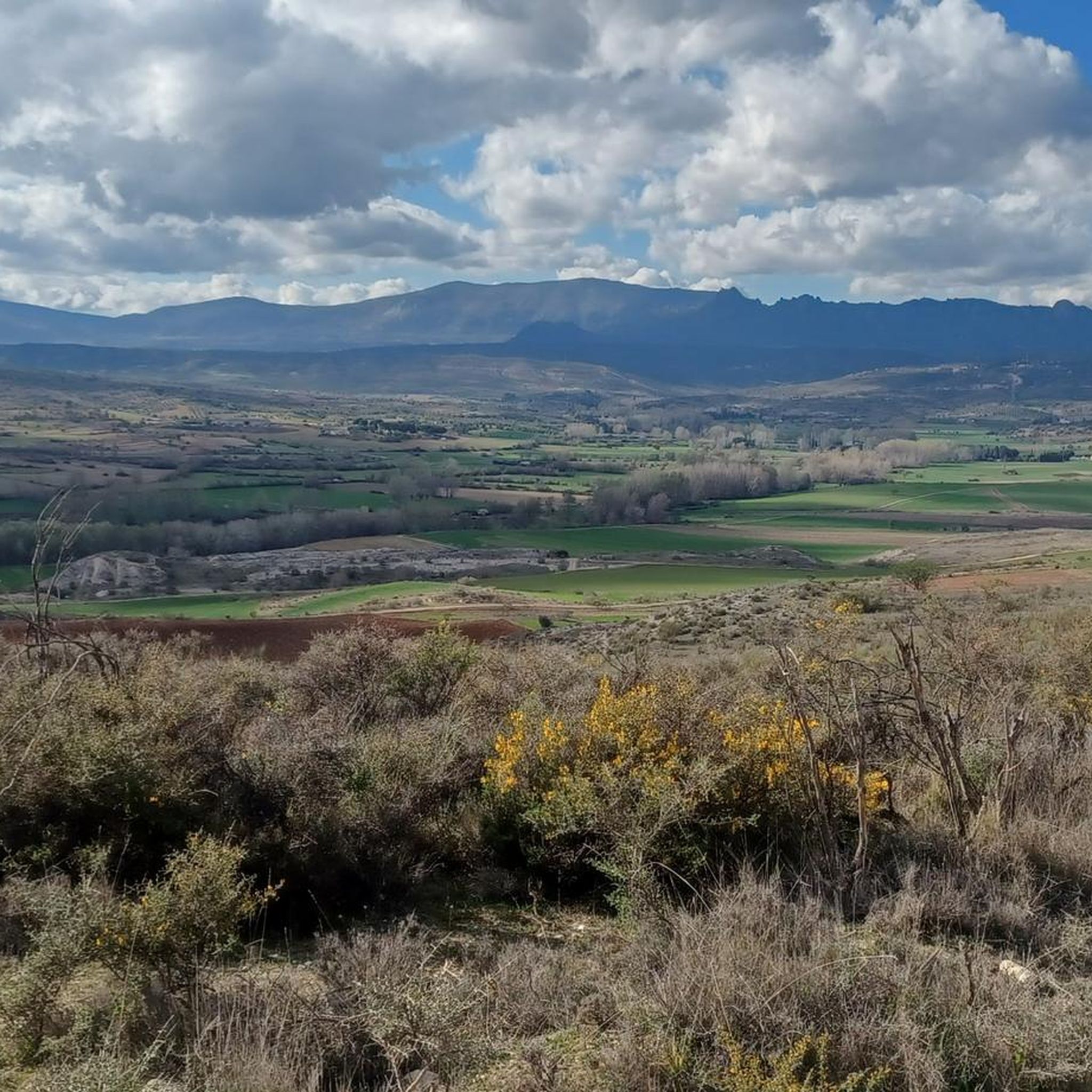
- Another must-see spot is Cancho de la Cabeza Summit, a summit offering 360-degree panoramic views. From its peak, visitors can see the El Atazar reservoir, Sierra de Ayllón, and Sierra de La Cabrera.
- Visitors also love Patones de Arriba, a historic settlement known for its black architecture. It is one of the best-preserved black towns in Madrid, characterized by the use of dark slate.
- Torrelaguna is known for its historical sites, natural viewpoints, and unique settlements. The area offers a variety of attractions to see and explore, from ancient dams to picturesque villages.
- The attractions around Torrelaguna are appreciated by the komoot community, with more than 100 upvotes and many photos shared by visitors.
Last updated: July 6, 2026
Pedrezuela Reservoir
Highlight • Lake
Translated by Google •
Tip by

Cancho de la Cabeza Summit
Highlight • Summit
Translated by Google •
Tip by

Sign up now to discover places like this
Get recommendations on the best single tracks, peaks, & plenty of other exciting outdoor places.
Sign up for free
Patones de Arriba
Highlight • Settlement
Translated by Google •
Tip by

Pontón de la Oliva Dam and Cliffside Pathways
Highlight • Monument
Since the mid-eighteenth century there was already the idea of supplying water to the court from some of the mighty rivers of the Sierra de Madrid, such as the Lozoya. It is in the middle of the 19th century, when the olive pontoon was selected as the most suitable place to build the first dam in Madrid.
Translated by Google •
Tip by

El Mesto Weir
Highlight • Monument
Translated by Google •
Tip by

Sign up for free to discover even more attractions around Torrelaguna.
Sign up for free
Already have an account?
Start today with a free account
Your next adventure awaits.
Login or Signup

Other adventures around Torrelaguna

Tips from the Community


start from the dam
1
0

Beautiful place where people go for a walk or to climb.
1
0

The Pontón de la Oliva is a Spanish dam located in the Ayllón mountain range, northeast of the Community of Madrid and northwest of the province of Guadalajara. It was built in 1857 and is currently disused. This dam is the sixth and last in the course of the Lozoya River, and is the oldest of the entire system of dams and canalizations of the Canal de Isabel II. This canal supplies drinking water to Madrid and a large part of the community. The height of the Pontón de la Oliva Dam is approximately 30 meters. If you are interested in exploring the area, there are routes that take you to the Cárcavas de Pontón de la Oliva, a curious geological formation in the Community of Madrid. In addition, you can enjoy a route along the Pontón de la Oliva to the Lozoya River, which offers impressive views. I hope you find this information interesting! 😊
5
0

Spectacular views, generally good climb with some demanding sections before crossing the firebreak. the rest, quite bearable
1
0
Cancho de la Cabeza, the highest peak in the municipality of Patones, rises majestically in the Sierra Norte region of Madrid. This beautiful natural viewpoint offers panoramic views of the El Atazar reservoir and, in the background, you can see the Peña de la Cabra, one of the numerous peaks of the Ayllón mountain range.
2
0
Cancho de la Cabeza, the highest peak in the municipality of Patones, rises majestically in the Sierra Norte region of Madrid. This beautiful natural viewpoint offers panoramic views of the El Atazar reservoir and, in the background, you can see the Peña de la Cabra, one of the numerous peaks of the Ayllón mountain range. Remember that Patones de Arriba is a small “kingdom” near Madrid, full of charm and tradition. Enjoy the natural beauty and stunning views that Cancho de la Cabeza offers! 🏞️🌄
1
0
Do not confuse Patones de Arriba, the town of black architecture that lives off tourism, with Patones de Abajo. The latter was founded after the Spanish Civil War, and most of the Patoneros moved there. Although Patones de Arriba is practically uninhabited today, some older people still cling to their roots. Before visiting Patones de Arriba, keep in mind that parking there is complicated, so I recommend leaving your car in the Patones de Abajo parking lot.
1
1
Frequently Asked Questions
What historical and cultural sites can I explore in Torrelaguna?
Torrelaguna is rich in history. You can visit the impressive Church of Santa María Magdalena, a Gothic masterpiece, or explore the remnants of the 15th-century town wall, including the Arco de Burgos. The Plaza Mayor, with its historic Town Hall, is also a central point. Other notable sites include the Hermanas Franciscanas Convent, the Cisneros Cross marking Cardinal Cisneros's birthplace, and the Madre de Dios Franciscan Monastery. Don't miss the Patones de Arriba settlement, known for its unique black architecture.
Are there any natural viewpoints or scenic spots around Torrelaguna?
Yes, the region offers several scenic viewpoints. The Cancho de la Cabeza Summit provides spectacular 360-degree panoramic views of the El Atazar reservoir, Sierra de Ayllón, and Sierra de La Cabrera. You can also enjoy views from the Pontón de la Oliva Dam and Cliffside Pathways, which offer historical insights into Madrid's water supply alongside natural beauty.
What outdoor activities can I do near Torrelaguna?
Torrelaguna is a great base for outdoor enthusiasts. You can enjoy hiking, cycling, and mountain biking in natural areas like Valgallego, which is equipped as a recreational area. The Valle Medio del Jarama also offers various routes. For specific cycling routes, you can explore options like the difficult 'View of El Atazar Reservoir – El Atazar loop' for road cycling, or 'Matafrailes Bridge – View of Lozoya Reservoir loop' for gravel biking. Mountain biking enthusiasts might enjoy 'Patones Gorge Trail – La Parra Weir loop'. Find more routes on the Road Cycling Routes around Torrelaguna, Gravel biking around Torrelaguna, and MTB Trails around Torrelaguna guide pages.
Are there any family-friendly attractions in the area?
Families can enjoy the natural surroundings and some historical sites. The Pedrezuela Reservoir is a quiet place to relax and enjoy the water. Valgallego, with its holm oaks and cork oaks, is equipped as a recreational area suitable for family walks and picnics. Exploring the charming streets of Patones de Arriba can also be an engaging experience for all ages.
What is the best time of year to visit Torrelaguna?
Torrelaguna can be visited year-round, but spring and autumn generally offer the most pleasant weather for exploring both the historical sites and natural areas. The mild temperatures are ideal for hiking and cycling. Summer can be warm, making water-related activities around the reservoirs more appealing, while winter offers a different, often quieter, charm for exploring the town's architecture.
Can I find historical civil engineering marvels in Torrelaguna?
Absolutely. Torrelaguna and its surroundings feature significant civil engineering works related to water management. The Pontón de la Oliva Dam, built in 1857, is the oldest dam in Madrid. The Pedrezuela Reservoir, completed in 1967, was crucial for Madrid's water supply. You can also see the remnants of the El Mesto Weir, part of an early 20th-century system to channel water from the Guadalix River.
Are there any unique architectural styles to see in Torrelaguna?
Yes, Torrelaguna boasts a variety of architectural styles. The Church of Santa María Magdalena is a prime example of Madrid's Gothic architecture, with Baroque, Renaissance, and Plateresque elements. The town also features traditional 14th and 15th-century architecture, exemplified by the recently renovated Alhóndiga. Additionally, the nearby village of Patones de Arriba is famous for its 'black architecture,' characterized by the extensive use of dark slate.
What are some lesser-known historical sites or hidden gems?
Beyond the main attractions, you can seek out the Atalaya de Arrebatacapas Tower, a 10th-century Arab defense tower offering a glimpse into the region's ancient past. The Santa María de la Cabeza Shrine, built in the 17th century, also offers a quiet historical visit. Exploring the various palaces and mansions on Calle de la Cava and Plaza de la Montera, or the façade of the Santísima Trinidad Hospital (now the Cultural Centre), reveals more of Torrelaguna's rich architectural heritage.
What kind of natural landscapes can I expect to see?
The region around Torrelaguna is characterized by the Valle Medio del Jarama, which features a rich hydraulic heritage. You'll find areas with holm oaks, cork oaks, and gall oaks, particularly in Valgallego. The landscape also includes significant water bodies like the Pedrezuela Reservoir and the El Atazar reservoir, visible from viewpoints like Cancho de la Cabeza Summit, offering a mix of forest, river valleys, and reservoir views.
Are there any specific hiking routes recommended for exploring the area?
Yes, Torrelaguna is an excellent starting point for various hiking routes. You can follow paths like the Pasturelands Cork Oak Route, the Cardinal Cisneros Route, or the Canal Cabarrús Route. These trails often pass by hermitages, bridges, and watchtowers, providing beautiful views of the Jarama valley. For more detailed options, check the MTB Trails around Torrelaguna guide page, which also lists routes suitable for hiking.
What do visitors enjoy most about the attractions around Torrelaguna?
Visitors frequently appreciate the stunning panoramic views from spots like Cancho de la Cabeza Summit, especially the vistas of the El Atazar reservoir and surrounding mountain ranges. The unique architecture and historical ambiance of Patones de Arriba are also highly praised. Many enjoy the tranquility and historical significance of the reservoirs and dams, such as the Pedrezuela Reservoir and the Pontón de la Oliva Dam, which offer a blend of nature and history.
Most popular routes around Torrelaguna
Most popular attractions around Torrelaguna

Get inspired with the komoot mobile app


Explore more
Still not found the Highlight you’re looking for? See guides of the top attractions in other regions:
