Attractions and Places To See around Ciudad Rodrigo - Top 19
Best attractions and places to see around Ciudad Rodrigo include a rich array of historical sites and natural features. This fortified city, situated on a rocky hill above the Águeda River, boasts a well-preserved architectural heritage. The region is known for its scenic views and is located at the foot of the Sierra de Gata mountain range. Visitors can explore ancient walls, medieval castles, and significant religious buildings.
Best attractions and places to see around Ciudad Rodrigo
- The most popular attractions is Castle of Enrique II of Trastámara, a castle that is one of the most surprising and best preserved in the province of Salamanca, located just 30 kilometers from the border with Portugal. Built in the 14th century, it features an imposing tower and now houses a National Tourism Parador.
- Another must-see spot is Cathedral of Santa María, a religious building that is an imposing testament to faith and art. Construction began in the 12th century, and visitors can explore its museum and cloister.
- Visitors also love Plaza Mayor Ciudad Rodrigo, the historical and social heart of the city. It is surrounded by historic buildings and has been a hub for public life, markets, and festivities since the Middle Ages.
- Ciudad Rodrigo is known for its historical sites, castles, and religious buildings. The city offers a range of experiences from ancient walls and medieval castles to grand palaces and cultural sites.
- The attractions around Ciudad Rodrigo are appreciated by the komoot community, with 8 highlights, 17 photos, and 12 upvotes.
Last updated: July 16, 2026
Castle of Enrique II of Trastámara
Highlight • Castle
Translated by Google •
Tip by

Plaza Mayor Ciudad Rodrigo
Highlight • Historical Site
Translated by Google •
Tip by
Sign up now to discover places like this
Get recommendations on the best single tracks, peaks, & plenty of other exciting outdoor places.
Sign up for free
Plaza del Buen Alcalde
Highlight • Settlement
Translated by Google •
Tip by
Alcázar Gate
Highlight • Castle
Translated by Google •
Tip by
Town Hall
Highlight • Monument
Translated by Google •
Tip by

Sign up for free to discover even more attractions around Ciudad Rodrigo.
Sign up for free
Already have an account?
Start today with a free account
Your next adventure awaits.
Login or Signup



Tips from the Community

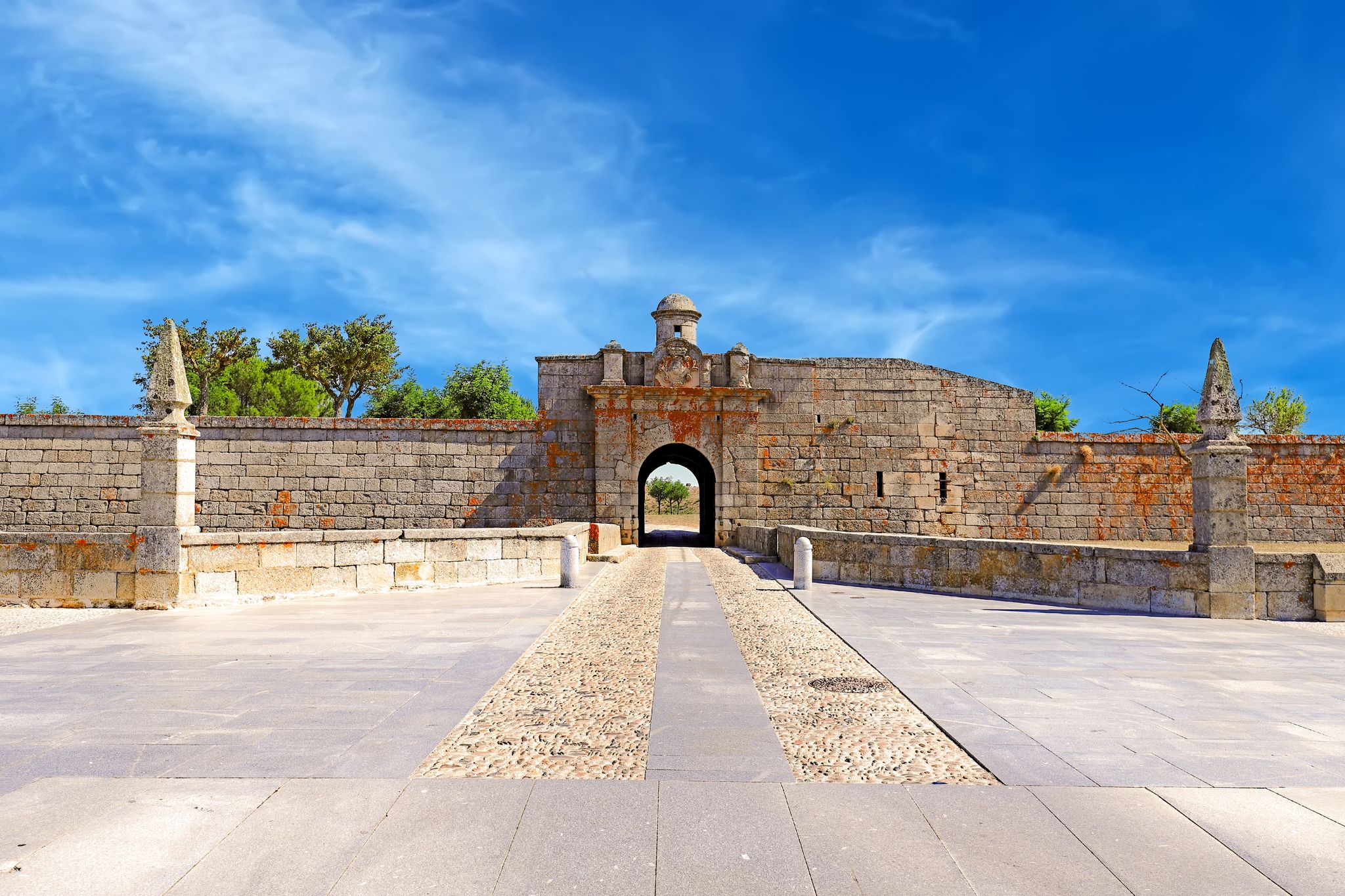
The Alcázar Gate in Ciudad Rodrigo is one of the historic entrances to the city walls and has great heritage and scenic value. It was opened in 1507 by Antonio del Águila, warden of the Alcázar, when he built the defensive barrier in that area. It is located next to the Castle of Henry II of Trastámara, in the section of the wall facing the Águeda River, known as the Battery, due to the cannons that were once installed there.
4
0
The Plaza Mayor of Ciudad Rodrigo is the historical and social heart of the city, with a rich history that reflects its importance as an urban center: Since the Middle Ages, the Plaza Mayor has been the hub of public life: markets, proclamations, and council meetings were held there in the cloister of the former Church of San Juan. In the 16th century, public butcher shops were built, and it became a consolidated space for commercial and festive activities. Until then, the square was home to the Three Roman Columns, a vestige of the ancient Miróbriga, which had been a symbol of the city since the 13th century. In 1580, the square was expanded, incorporating the space that once housed the old prison and the Audiencia (Courthouse). It even had corridors for watching bullfights, a tradition that continues during carnivals.
7
0
Ciudad Rodrigo's Town Hall is located in the Plaza Mayor and is one of the city's most emblematic buildings. Its history is linked to the urban and political development of Ciudad Rodrigo since the Middle Ages. Medieval Origins: Ciudad Rodrigo was founded in Roman times, but its consolidation as a fortified urban center occurred in the Middle Ages. Municipal government was organized around the council, which initially met in council houses until the current building was built.
1
0
The Puerta del Alcázar is one of the ancient access gates to the walled enclosure of Ciudad Rodrigo. This gate, along with others such as the Puerta del Sol and the Puerta de Santiago, was part of the city's defensive system.
4
0

Historical town from the Middle Ages with a city wall is well worth seeing. We spent one night right in the central square of the city. The square offers several opportunities to eat and sit outside. 👍
0
0

Ciudad Rodirgo is one of the most historically important cities in this area of the Iberian Peninsula. Its alleys, urbanism, walls and churches mean that you cannot miss this beautiful city!
0
0
The Castle of Enrique II of Trastámara is one of the most surprising and best preserved that we can find in the province of Salamanca. It is located in Ciudad Rodrigo, just 30 kilometers from the border with Portugal. Its objective was to defend the entrance to the bridge located over the Águeda river.
10
0

Located in the Plaza Mayor of the town, the City Hall building does not go unnoticed even among so many other majestic ones to see. The building was built in two stages and two architecturally very different periods, the front and the façade date from the first half of the 16th century and the sides were added later in 1923.
1
0
Frequently Asked Questions
What historical landmarks can I explore in Ciudad Rodrigo?
Ciudad Rodrigo is rich in history. You can explore the impressive Castle of Enrique II of Trastámara, a 14th-century military Gothic castle now housing a Parador. The Cathedral of Santa María, with its blend of Romanesque, Gothic, and Plateresque styles, is another must-see. Don't miss the ancient Ciudad Rodrigo Walls, which offer stunning views, and the historic Plaza Mayor Ciudad Rodrigo, the city's social heart.
Are there any unique museums in Ciudad Rodrigo?
Yes, for a truly unique experience, visit the Museo del Orinal (Urinal Museum of Ciudad Rodrigo). It offers an intriguing and unusual take on history, showcasing a collection of chamber pots, commodes, and bedpans.
Where can I find scenic views or natural features around Ciudad Rodrigo?
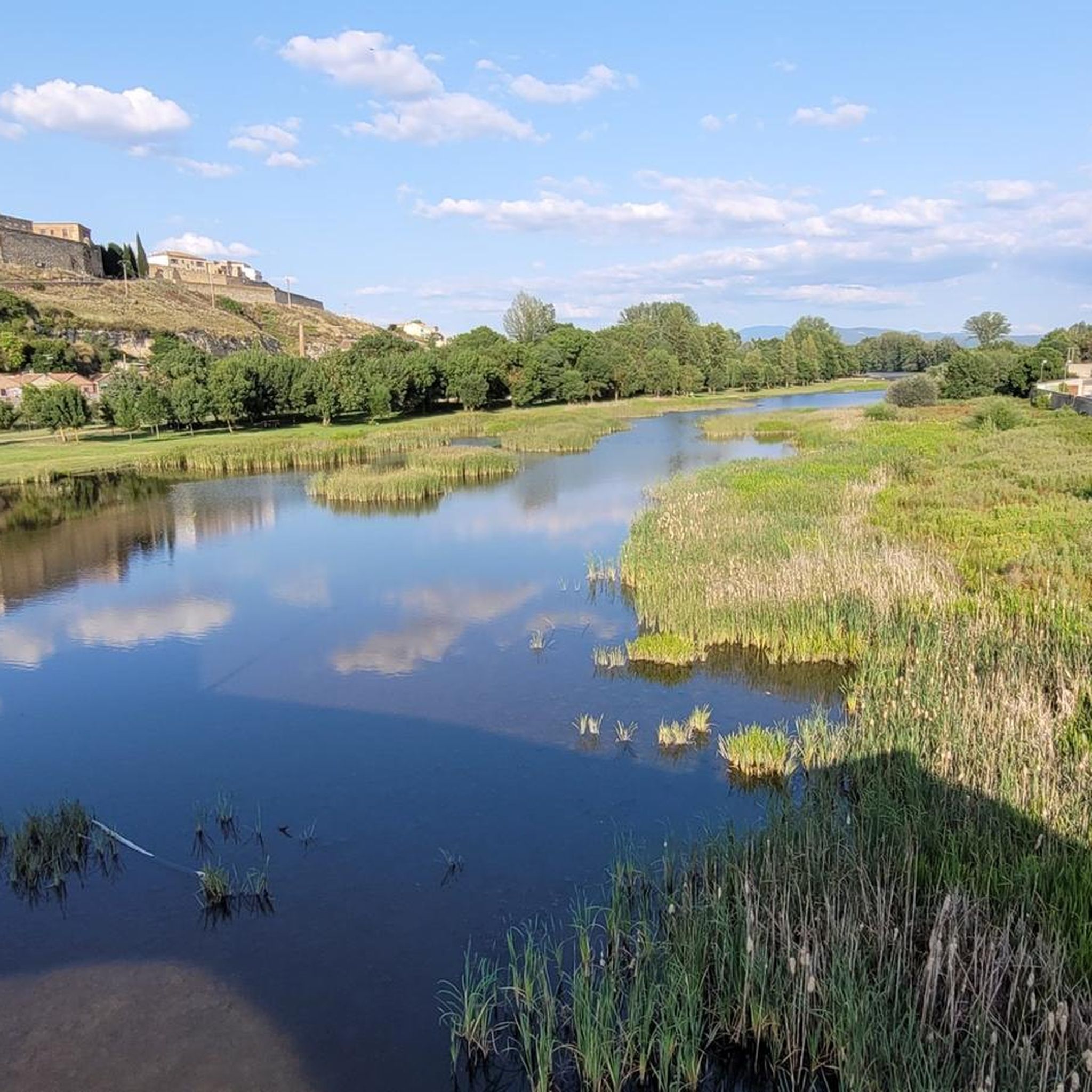
The Ciudad Rodrigo Walls provide breathtaking views of the surrounding landscapes, especially the Águeda River valley and the Sierra de Gata mountain range. The city itself is situated on a rocky hill above the Águeda River, offering picturesque scenery. The Alcázar Gate also offers great views towards the river and Sierra de Gata.
Are there family-friendly activities or attractions in Ciudad Rodrigo?
Many of Ciudad Rodrigo's historical sites are suitable for families. The Plaza Mayor Ciudad Rodrigo is a great place to observe local life and is considered family-friendly. Strolling along the medieval city walls can also be an engaging activity for all ages. The Cathedral of Santa María also welcomes families.
What outdoor activities can I do near Ciudad Rodrigo's attractions?
The region around Ciudad Rodrigo is excellent for outdoor activities. You can find various cycling routes, including road cycling, touring, and mountain biking. For road cycling, consider routes like the 'Ciudad Rodrigo and Monasterio de la Caridad' or 'Campo de Argañán Loop'. Touring cyclists might enjoy the 'Walled Cities Trail (GR-80)' or 'El Bodón from Ciudad Rodrigo'. Mountain bikers have options like the 'Route of the Walled Cities (GR-80)'. You can find more details on these routes in the Road Cycling, Cycling, and MTB Trails guides for the area.
What is the best time of year to visit Ciudad Rodrigo for sightseeing?
Ciudad Rodrigo can be enjoyed year-round, but spring (April-May) and autumn (September-October) generally offer pleasant weather for exploring its historical sites and enjoying outdoor activities. These seasons avoid the intense heat of summer and the cooler temperatures of winter, making walks along the walls and through the city more comfortable.
What cultural events or festivals are notable in Ciudad Rodrigo?
The most important festival in Ciudad Rodrigo is the 'Carnival of the Bull' (Carnaval del Toro), declared of National Tourist Interest. It takes place in the five days before Ash Wednesday and features traditional bull runs, bullfights, and lively festivities, attracting many visitors.
Can I see examples of traditional craftsmanship in Ciudad Rodrigo?
Yes, Ciudad Rodrigo is known for its 'filigree charra,' which is traditional gold and silver work. The silver charro button is a quintessential piece of this craftsmanship and can be found in local artisan shops.
What architectural styles are prominent in Ciudad Rodrigo's buildings?
Ciudad Rodrigo showcases a rich blend of architectural styles reflecting its long history. You'll find Romanesque, Gothic, and Plateresque elements, particularly in the Cathedral of Santa María. The Castle of Enrique II is a prime example of military Gothic architecture, while palaces like the Palacio de los Castro and Palacio de los Águila exhibit impressive Gothic-Plateresque and Renaissance styles.
Where can I observe local daily life in Ciudad Rodrigo?
The Plaza Mayor Ciudad Rodrigo is the central town square and has been the hub of public life, markets, and festivities since the Middle Ages. It's the perfect place to sit, relax, and observe the daily rhythm of the city, surrounded by historic buildings like the Town Hall.
Are there pre-Roman settlements to visit near Ciudad Rodrigo?
Yes, in the surrounding area, you can explore the pre-Roman settlements of Irueña and Lerilla. Both have been declared historic and artistic monuments and offer a glimpse into the region's ancient past.
What is the significance of the Ciudad Rodrigo Walls?
The Ciudad Rodrigo Walls are impressive, well-preserved medieval fortifications dating back to the 12th century, reinforced in the 17th century. They served as a crucial defensive system for the city and offer visitors the unique opportunity to stroll along them, providing panoramic views of the city and the Águeda River valley.
Most popular routes around Ciudad Rodrigo

Get inspired with the komoot mobile app


Explore more
Still not found the Highlight you’re looking for? See guides of the top attractions in other regions:
