Attractions and Places To See around Cantoria - Top 20
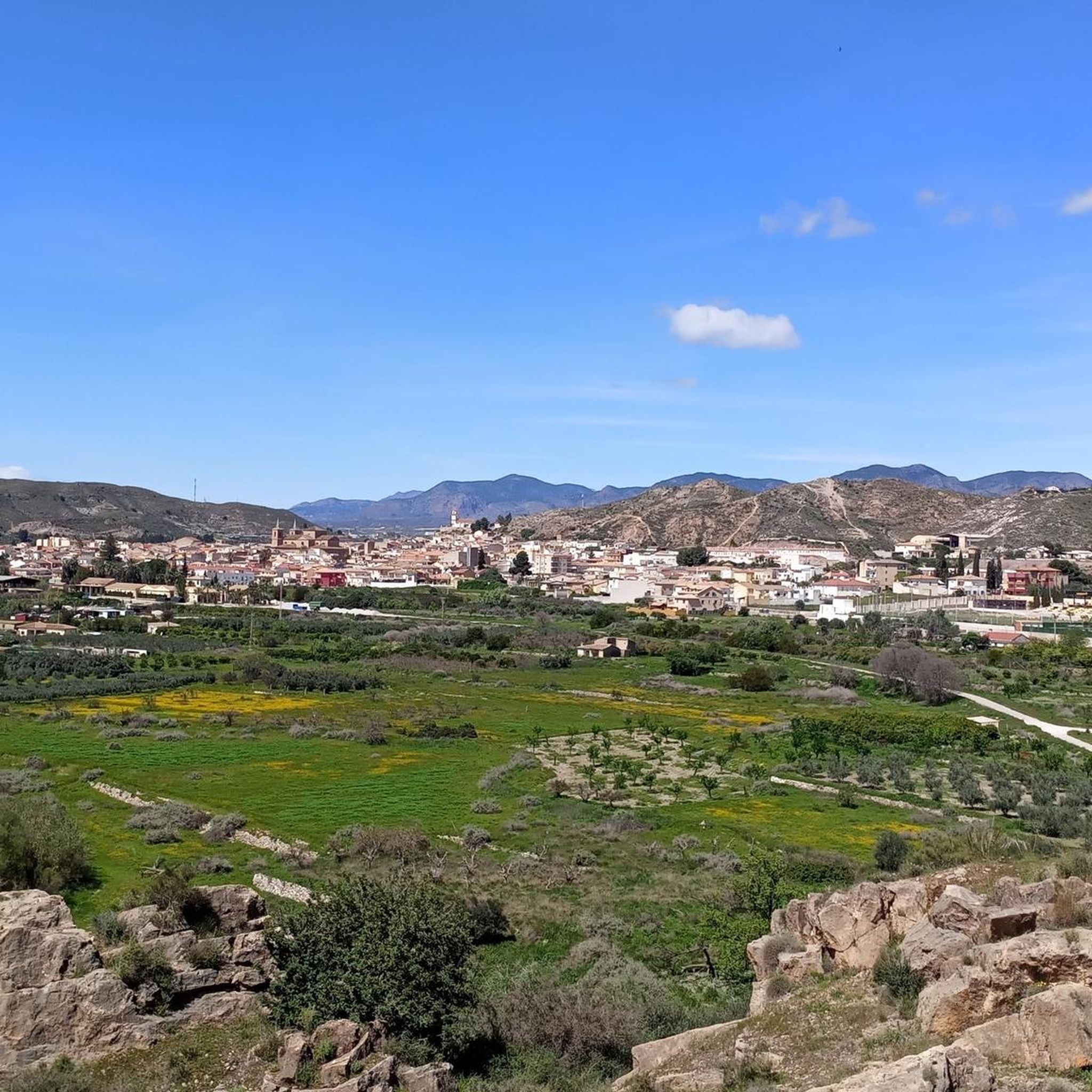
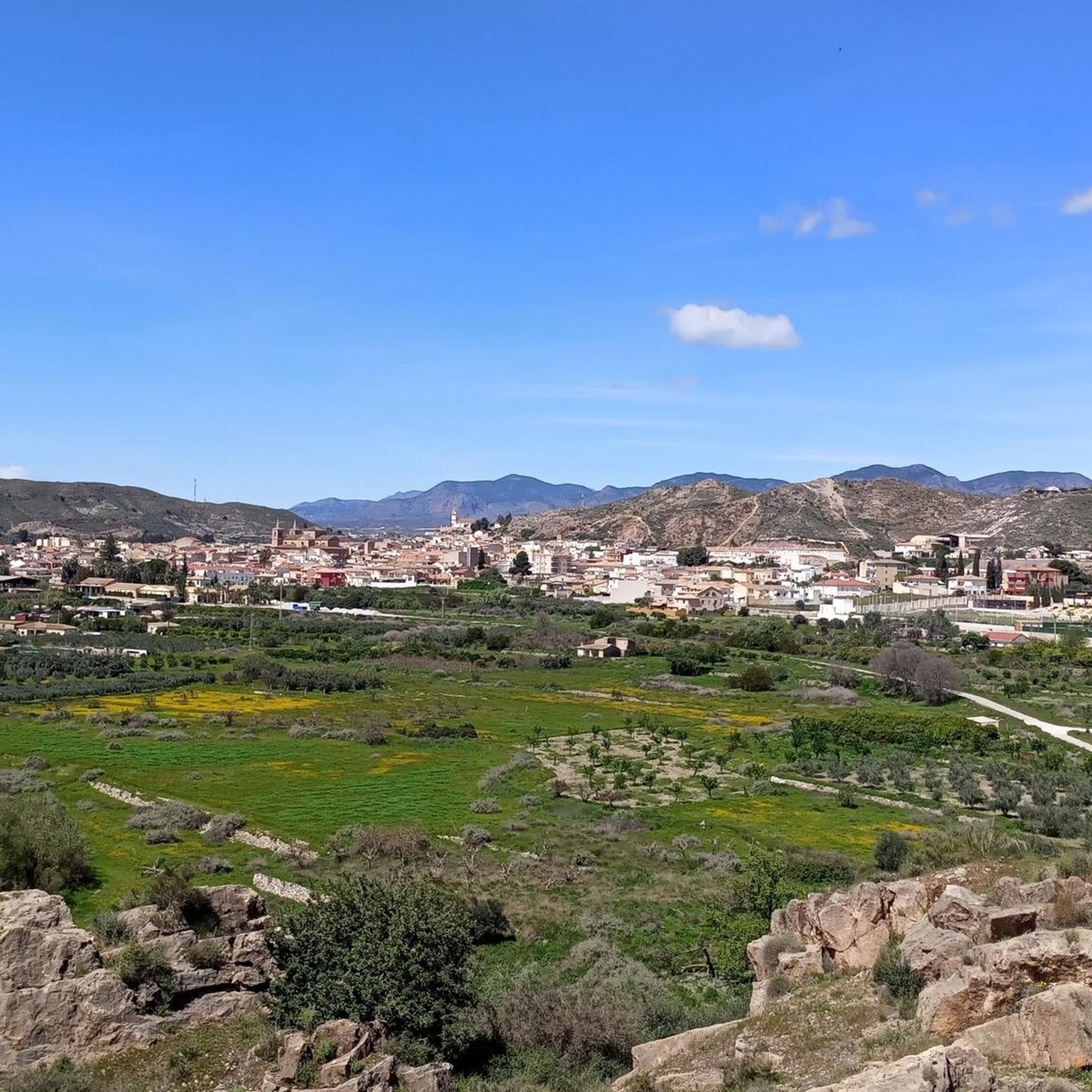
Best attractions and places to see around Cantoria, Spain, is a town situated in the Almanzora Valley, characterized by its historical landmarks, cultural sites, and natural features. The area is defined by the Almanzora River and is surrounded by mountain ranges such as the Sierra de las Estancias and Sierra de los Filabres. It offers a variety of experiences, from exploring architectural heritage to engaging in outdoor activities. Visitors can discover a rich blend of history and natural landscapes.
Best attractions and places to see around Cantoria
- The most popular attractions is Almanzora, a settlement that invites you to stop and enjoy the views of the palace, the old train station, and its unique street layout. The scenery is noted for its beauty and the path is flat, making it easy to navigate.
- Another must-see spot is Lubrín Village and Castle, a settlement with a castle and historical site. This small town is located at the eastern end of the Sierra de los Filabres, with houses elevated on rocky outcrops and a church dominating the landscape.
- Visitors also love Cantoria Tunnel, an other man-made structure that is part of the Vía Verde del Valle del Almanzora. This route offers many views and is considered a spectacular path through the region.
- Cantoria is known for its historical landmarks, natural trails, and cultural sites. The region offers a variety of attractions to see and explore, including defensive towers, churches, and scenic viewpoints.
- The attractions around Cantoria are appreciated by the komoot community, with 10 upvotes and 6 photos shared by visitors.
Last updated: July 6, 2026
Arboleas
Highlight • Trail
The beginning is in the San Roque neighborhood of the municipality of Arboleas, at the beginning of the conditioned section of the Almanzora Valley on the route of the Guadix-Almendricos Greenway Natural Trail. The place is a simple road crossing with a guardhouse of the old railway level crossing. The continuation of the old mining railway towards Murcia through Zurgena and Huércal-Overa is not yet ready for bicycle traffic. The small Arboleas railway stop is in the direction of Baza about eight hundred meters later, arranged with gardens on the platforms, the Natural Trail panel, signs with names and distances and a good place to park, it can be an alternative starting point. The residential neighborhoods of Las Caleras, La Perla and El Prado disguise the whitish and steppe environment of the valley slopes, formed mainly by hills of marl, gypsum and other quirks of geology that favor the development of very exclusive and curious plants known as soap dishes.
Translated by Google •
Tip by

Fines-Olula Station
Highlight • Monument
Translated by Google •
Tip by

Sign up now to discover places like this
Get recommendations on the best single tracks, peaks, & plenty of other exciting outdoor places.
Sign up for free
Cantoria Tunnel
Highlight • Structure
Translated by Google •
Tip by

Almanzora
Highlight • Settlement
Translated by Google •
Tip by
Curves of the Ballabona ravine
Highlight • Structure
Showing Translation
Tip by

Sign up for free to discover even more attractions around Cantoria.
Sign up for free
Already have an account?
Start today with a free account
Your next adventure awaits.
Login or Signup
Tips from the Community

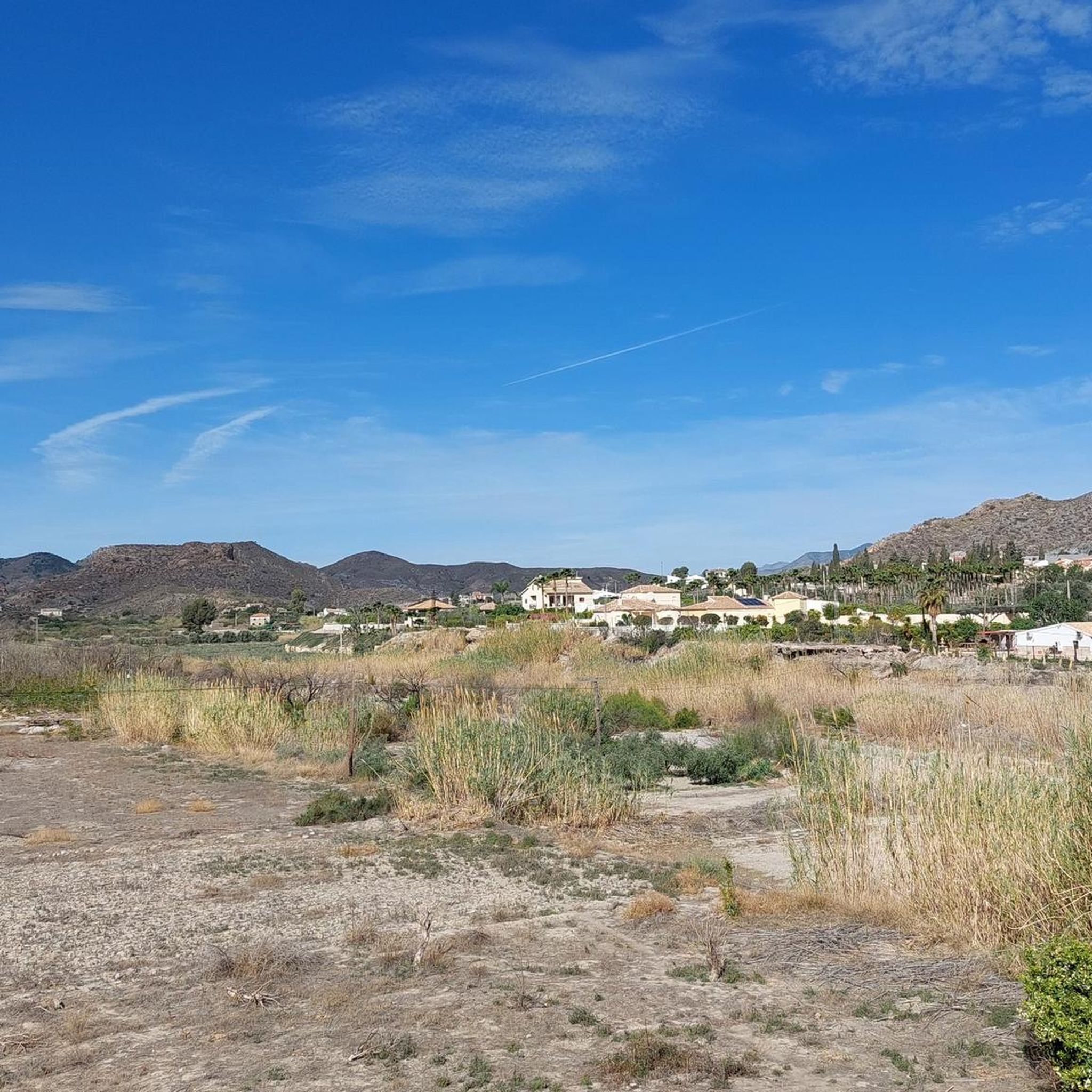
These curves wind along the slope of the rambla de la Ballabona, creating a spectacular landscape, especially for cyclists who travel here.
0
0


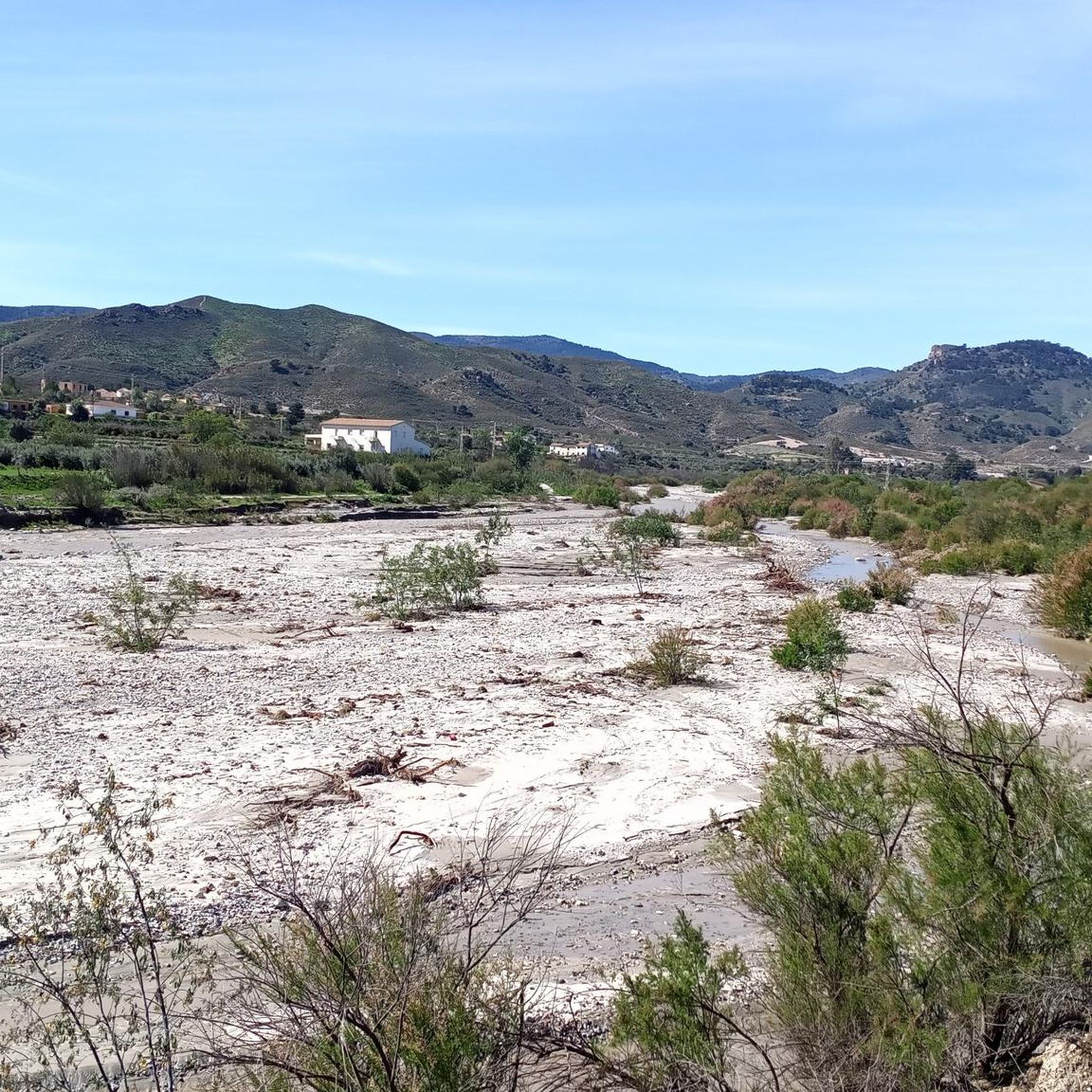
VIA VERDE DEL VALLE DE ALMONZORA is a spectacular route of a total of 98 km through the southeast of the peninsula between the highlands of Granada in the Baza area towards the district of Almendricos, already in the region of Murcia, and passes through the Almanzora Valley in Almería. A route that for decades crossed a railway line that transported tons of iron and other merchandise.
18
0

The towns of Fines and Olula del Río are an encounter with the culture of marble; figures and pieces of marble with inscriptions and inspiring phrases appear on the old railroad track. In Olula there is the famous giant head of a woman, on the other side of the road, you have to be careful not to pass it by. And nearby is the town of Macael for those interested in visiting the “white gold” quarries of the Almanzora Valley. Purchena is far from the road, it is a town with an Andalusian feel, with narrow streets with whitewashed facades at the foot of the remains of an old Muslim fortress from the Nasrid era. The railway continues to trace the slopes of the valley and cross seasonal boulevards over imposing stone bridges to the Tíjola station, which preserves a train engine from the glorious era of the mining railway and the railway buildings. The station is a bar with food service and a terrace on one of the platforms. In Los Canos there are remains of the old iron ore loading dock. The carts arrived loaded with material by aerial cables from the mining sites and by simple gravity they filled the train cars that were in the tunnels located under the loading dock.
0
0
The cycling trip is distributed in three established stages mainly because each day is totally different in landscapes, history and content. The first day is the Vía Verde Valle del Almanzora Natural Trail, in the province of Almería, full of railway constructions, fertile meadows of orchards and fruit trees, marble sculptures and remains of the iron ore culture that for a century was produced by tons. towards the ports of Murcia. The second stage is the Sierra de Baza Greenway, between El Hijate and the famous iron bridge of Baúl, traveling through the steppe landscapes of the Baza plateau and the edge of the filmy badlands of the Gorafe desert, famous for its magical beauty. and because in the middle of the last century they were the setting for countless spaghetti westerns. And the third day seems like another world, starting from Gor the gravel adventure enters the peaks and mountains of the Sierra de Baza through immense pine forests and oak forests to the radars of Calar Alto, exceeding the level of two thousand meters of altitude with extraordinary views of the northern slope of the Sierra Nevada, closing the loop at the Tíjola station and a section back to Arboleas along the Natural Trail. The beginning is in the San Roque neighborhood of the municipality of Arboleas, at the beginning of the conditioned section of the Almanzora Valley on the route of the Guadix-Almendricos Greenway Natural Trail. The place is a simple road crossing with a guardhouse of the old railway level crossing. The continuation of the old mining railway towards Murcia through Zurgena and Huércal-Overa is not yet ready for bicycle traffic. The small Arboleas railway stop is in the direction of Baza about eight hundred meters later, arranged with gardens on the platforms, the Natural Trail panel, signs with names and distances and a good place to park, it can be an alternative starting point. The residential neighborhoods of Las Caleras, La Perla and El Prado disguise the whitish and steppe environment of the valley slopes, formed mainly by hills of marl, gypsum and other quirks of geology that favor the development of very exclusive and curious plants known as soap dishes.
0
0


Road that crosses the Sierra de Lisbon in its direction towards the center of Vera. It is in this area that there is a set of curves that show the landscape and the slopes of the aforementioned Sierra.
0
0

Frequently Asked Questions
What historical landmarks can I explore in Cantoria?
Cantoria boasts a rich historical heritage. You can visit the impressive 19th-century Parish Church of Nuestra Señora del Carmen, known for its neoclassical architecture, or the 18th-century Hermitage of San Cayetano y San Antón, which offers panoramic views from its hilltop location. Don't miss the ruins of the Palace of Almanzora, a significant neoclassical building, and various defensive towers like the Castle "Stone of the Old Place" and the Alto Pulpito Tower.
Are there any significant architectural sites to visit in Cantoria?
Yes, Cantoria features several notable architectural sites. The Parish Church of Nuestra Señora del Carmen is a grand 19th-century church often compared to a cathedral. The Palace of Almanzora, though in ruins, is recognized as an Andalusian Historical Artistic Heritage site. You can also see the Marquis of La Romana House, a neoclassical manor, and the historic Saavedra Theater.
What natural features are prominent around Cantoria?
Cantoria is nestled in the beautiful Almanzora Valley, alongside the Almanzora River. For stunning panoramic views of the surrounding forests, rivers, and springs, visit the Viewpoint Valle del Almanzora. The region is also bordered by the Sierra de las Estancias and Sierra de los Filabres mountain ranges, offering diverse natural landscapes.
Are there opportunities for hiking or cycling in Cantoria?
Absolutely! The natural environment around Cantoria is perfect for outdoor activities. The Almanzora Greenway (Vía Verde del Valle del Almanzora), an old railway line, is ideal for both hiking and cycling, offering scenic views and historical railway constructions. For more routes, check out the Hiking around Cantoria guide or the Cycling around Cantoria guide.
What kind of wildlife can I observe in Cantoria?
Cantoria is an excellent destination for birdwatching. Enthusiasts can spot various species, including the real eagle, real owl, lesser kestrel, red-billed chough, and common swift, among others, in the local natural habitats.
Are there any easy or family-friendly outdoor activities?
Yes, the Vía Verde del Valle del Almanzora is a flat and easy path, making it suitable for families and casual strolls. The Cantoria Tunnel is part of this route and is considered family-friendly. Additionally, the "World's largest mortar – Fuente de las Focas of Macael loop" is an easy hiking route listed in the Hiking around Cantoria guide.
What is the <a href="https://www.komoot.com/highlight/5098411" target="_blank" rel="noopener">Almanzora</a> highlight known for?
Almanzora is a charming settlement where the Vía Verde crosses, inviting visitors to stop and enjoy the views of its palace, the old train station, and its unique checkerboard street layout. The scenery is noted for its beauty, and the path is flat and easy to navigate.
What can I expect when visiting <a href="https://www.komoot.com/highlight/4961667" target="_blank" rel="noopener">Lubrín Village and Castle</a>?
Lubrín Village and Castle is a small town located at the eastern end of the Sierra de los Filabres. The village is uniquely situated on rocky outcrops, with its church dominating the landscape. It offers a historical site experience, though reaching it involves a tough climb.
What is the <a href="https://www.komoot.com/highlight/5037673" target="_blank" rel="noopener">Cantoria Tunnel</a> and what does it offer?
The Cantoria Tunnel is a man-made structure that forms part of the spectacular Vía Verde del Valle del Almanzora. This route, which follows an old railway line, offers many scenic views through the region, making the tunnel an interesting point along the way.
What cultural experiences or traditions can I find in Cantoria?
Cantoria is rich in tradition and culture. You can experience vibrant patron saint festivals, such as the unique Carretillas de San Antón Festival on January 16th, known for its dazzling pyrotechnic display. The town is also recognized as the "capital of natural stone," with a significant marble industry and local marble handicrafts. Don't forget to explore the local gastronomy, featuring traditional dishes and sweets.
What is the best time of year to visit Cantoria for outdoor activities?
The Almanzora Valley generally experiences a Mediterranean climate. Spring (April-May) and autumn (September-October) are often considered the best times for outdoor activities like hiking and cycling, as temperatures are milder and the natural scenery is vibrant. Summers can be very hot, while winters are generally mild.
Are there any unique local products or gastronomy to try in Cantoria?
Yes, Cantoria offers a delightful culinary experience. Be sure to try traditional dishes like Cantorian gazpacho, migas, arroz con conejo (rice with rabbit), conejo en ajo (rabbit cooked in garlic), and fritá de sangre (black pudding stew). For sweets, look for bizcocho relleno de cabello de ángel (sponge cake with sweet squash filling), roscos de naranja (orange doughnuts), and mantecados de anís (aniseed lard cakes). The town is also known for its marble industry, so you might find unique marble handicrafts.
Most popular attractions around Cantoria

Get inspired with the komoot mobile app


Explore more
Still not found the Highlight you’re looking for? See guides of the top attractions in other regions:
