Attractions and Places To See around Antas - Top 20
Attractions and places to see around Antas, Almería, Spain, are characterized by a rich archaeological heritage and diverse natural features. The region is situated in the fertile Rio Antas Valley, known for its sandstone river cliffs and historical settlements dating back to Neolithic and Bronze Age times. Visitors can explore ancient sites, historical architecture, and the unique landscape shaped by the Rio Antas. The area offers a blend of cultural exploration and natural beauty, making it a destination for those interested in history and outdoor activities.
Best attractions and places to see around Antas
- The most popular attractions is Mojácar Old Town, a settlement that is a white Moorish village situated on a rock. It offers beautiful views over the sea and the Tabernas desert, and is recognized as one of the most picturesque villages in Andalusia.
- Another must-see spot is Statue of the Sacred Heart of Jesus on Cerro del Espíritu Santo, a man-made monument with significant historical and archaeological interest. This site houses remains of the ancient medieval city of Bayra and provides panoramic views of Vera and its surroundings.
- Visitors also love Tres Pacos Mine, an abandoned historical site where iron minerals were extracted. This mine operated until 1935 and represents a notable piece of the region's industrial heritage, with mineral transported by an aerial cable.
- Antas is known for its historical sites, natural features, and charming settlements. The area offers a variety of attractions to see and explore, from ancient archaeological digs to picturesque villages.
- The attractions around Antas are appreciated by the komoot community, with 50 upvotes and 90 photos shared by visitors.
Last updated: August 29, 2026
Mojácar Old Town
Highlight • Settlement
Translated by Google •
Tip by

Statue of the Sacred Heart of Jesus on Cerro del Espíritu Santo
Highlight • Monument
The hill also offers a viewpoint with panoramic views of Vera and its surroundings. The route to reach the hill is accessible from the town center of Vera and can be done on foot or by car.
Translated by Google •
Tip by

Sign up now to discover places like this
Get recommendations on the best single tracks, peaks, & plenty of other exciting outdoor places.
Sign up for free
Tres Pacos Mine
Highlight • Historical Site
The mine began operating at the end of the 19th century and until 1935, when the activity was abandoned. The mineral was transported by an aerial cable to the Cala Picota pier, 13 kilometers away, completely crossing the Almagro mountain range. The mineral was first processed in the mine itself, using various furnaces fueled by charcoal.
Translated by Google •
Tip by

Cave of the Alchemist of Mojácar
Highlight • Cave
Translated by Google •
Tip by
Salar de los Caños Wetland
Highlight • Lake
The salt flat has two lagoons and is an excellent place for bird watching, including species such as the greater flamingo, the white-headed duck, and the crab-plover. Furthermore, more than 150 bird species have been documented in this environment.
Access to El Salar de los Canos is easy, and you can park in the parking lot opposite the Consum Supermarket in Vera Playa. From there, you can explore the area on foot and enjoy the available observatories.
Showing Translation
Tip by
Sign up for free to discover even more attractions around Antas.
Sign up for free
Already have an account?
Start today with a free account
Your next adventure awaits.
Login or Signup

Other adventures around Antas

Tips from the Community

The beautiful white Moorish village of Mojácar is situated on a rock, 2 km from the sea, and from afar you have a beautiful view of the typical Andalusian village. The village is part of the coast from Mojácar to San Juan de los Terreros. From Mojácar you have beautiful views over the sea, the Tabernas desert
10
0
The entrance and beautiful rock are just after the parking lot, if you walk towards the center you will pass it.
9
0

The old town of Mojácar, in the province of Almería, is one of the most picturesque and charming villages in Andalusia. Situated on a hilltop, it offers a unique blend of history, Moorish architecture, and spectacular views of the Mediterranean.
7
0
The Cerro del Espíritu Santo in Vera, Almería, is a site of great historical and archaeological interest. This hill houses the remains of the ancient medieval city of Bayra, which was an important settlement during the Muslim occupation. At the top of the hill, you can see the ruins of a citadel and a statue of the Sacred Heart of Jesus, erected in 1949. The hill also offers a viewpoint with panoramic views of Vera and its surroundings. The route to reach the hill is accessible from the town center of Vera and can be done on foot or by car.
6
0
El Salar de los Canos is a coastal wetland located in the municipality of Vera, in the province of Almería, Andalusia. This natural space is characterized by its high salinity and biodiversity, especially regarding birds. The salt flat has two lagoons and is an excellent place for bird watching, including species such as the greater flamingo, the white-headed duck, and the crab-plover. Furthermore, more than 150 bird species have been documented in this environment. Access to El Salar de los Canos is easy, and you can park in the parking lot opposite the Consum Supermarket in Vera Playa. From there, you can explore the area on foot and enjoy the available observatories.
6
0
The Cerro del Espíritu Santo in Vera is a place of great historical and archaeological interest. This hill houses the remains of the ancient medieval city of Bayra, which was an important settlement during the Muslim era. At the top of the hill, you can see the remains of a citadel and a statue of the Sacred Heart of Jesus, which stands as a viewing point with impressive views.
3
0
This natural space covers an area of approximately 57.38 hectares and is one of the most important ecosystems in the province. The salt flat is located near Vera beach and is known for its rich biodiversity. Among the birds that can be observed here are the white-headed duck, the ferruginous duck, the crab plover, flamingos, grey herons, black-winged stilts, and mallards. Additionally, the salt flat hosts endangered species such as the spur-thighed tortoise. The surroundings of Salar de los Canos are ideal for birdwatching and nature photography, offering a unique and tranquil landscape.
3
0

Frequently Asked Questions
What historical and archaeological sites can I explore in Antas?
Antas is rich in history, offering several significant archaeological sites. You can visit the Bronze Age fortified settlement of Yacimientos Arqueológicos de El Argar y La Gerundia, which gave its name to the Argar culture. The Yacimiento Arqueológico de El Garcel dates back to the Copper Age. For more recent history, explore the 16th-century Iglesia Parroquial de Santa María de la Cabeza and the early 20th-century El Real Aqueduct. Additionally, the region features industrial heritage sites like the abandoned Tres Pacos Mine and the El Arteal Mining Village, offering a glimpse into the area's past mining activities. Don't miss the Cave of the Alchemist of Mojácar, which also holds historical interest.
What natural features and landscapes can I discover around Antas?
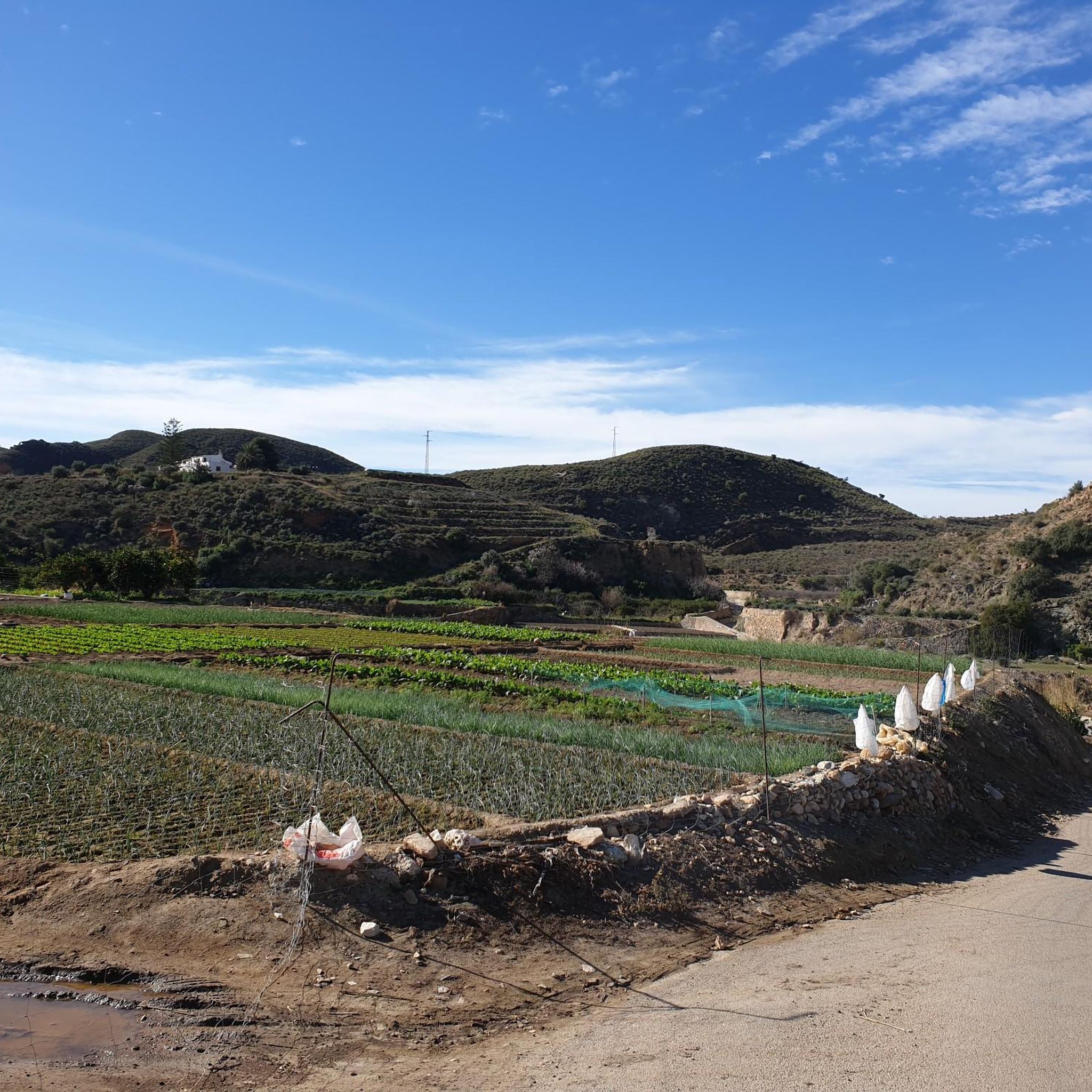
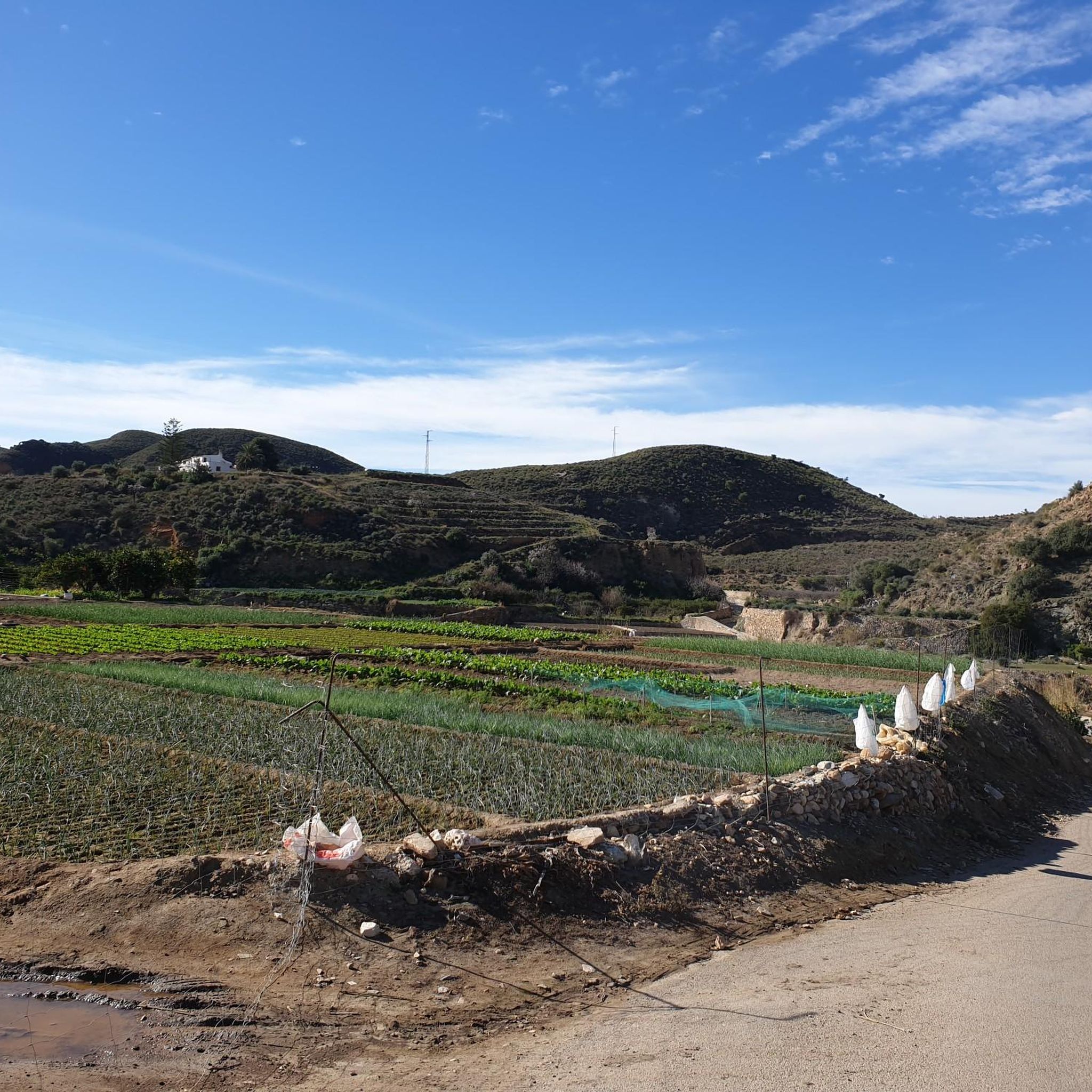
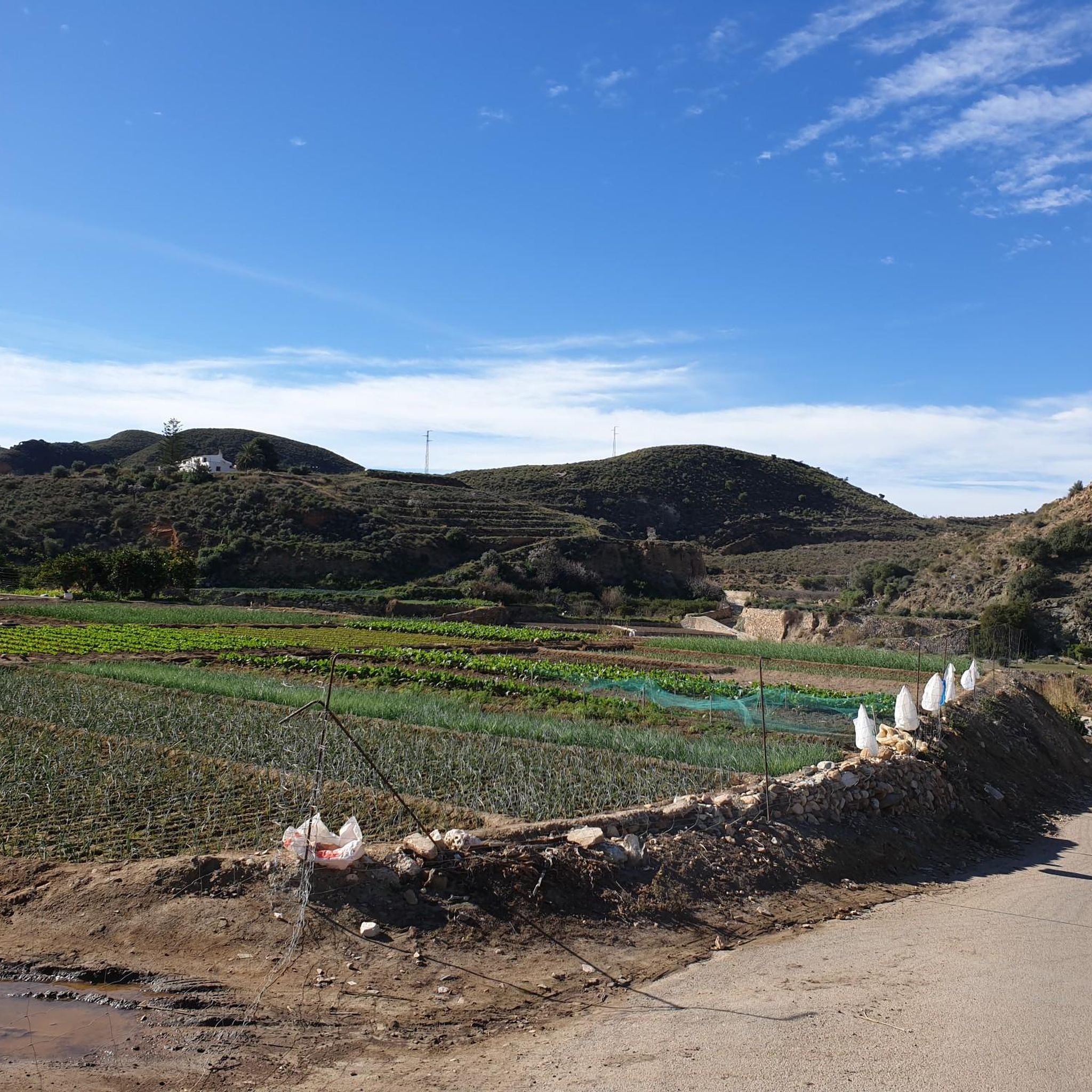
The region around Antas is characterized by the broad, fertile Rio Antas Valley. While the river is often dry, it has carved a gorge through soft sandstone bedrock, creating impressive sandstone river cliffs. These cliffs contain numerous caves, some with signs of Neolithic presence. The valley's fertility supports extensive orchards and market gardens, known for growing various vegetables, oranges, and lemons. You can also enjoy panoramic views from locations like Mojácar Old Town and the Statue of the Sacred Heart of Jesus on Cerro del Espíritu Santo.
Are there any picturesque towns or villages to visit near Antas?
Yes, one of the most picturesque villages in Andalusia is Mojácar Old Town. This beautiful white Moorish village is perched on a rock, offering stunning views over the sea and the Tabernas desert. Its labyrinthine narrow streets, adorned with flowers, reflect its Arab past and make it a charming place to explore.
What kind of outdoor activities can I do near Antas' attractions?
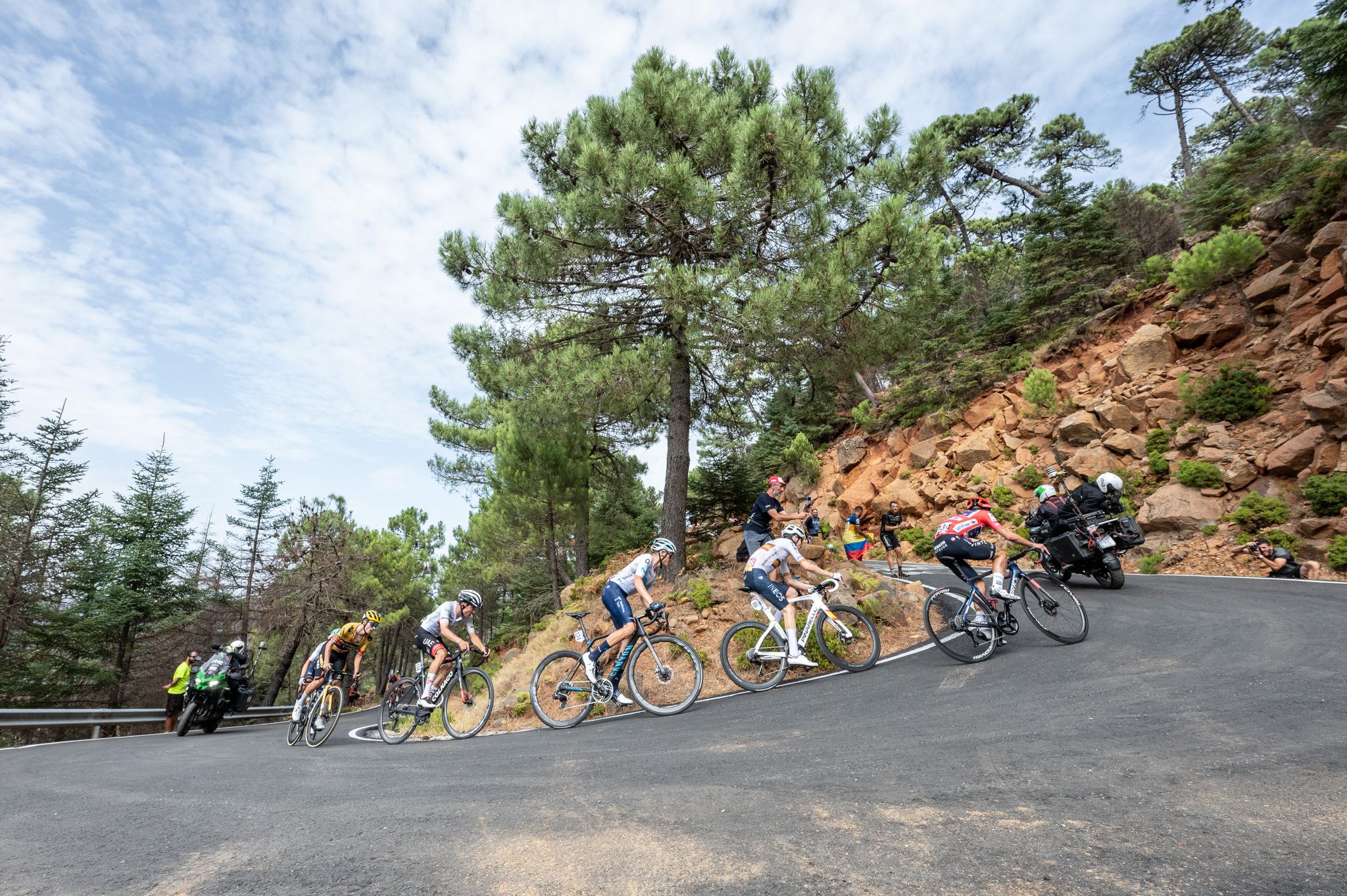
The area around Antas is excellent for various outdoor activities. You can explore numerous routes for gravel biking, cycling, and mountain biking. For gravel biking, consider routes like the 'Lagoon of the Ducks – Macenas Castle loop' or the 'Macenas Castle – Mojácar loop'. Cyclists can enjoy the 'Almanzora Cycle Street Loop' or the 'Bédar Mining Loop'. Mountain bikers have options such as the 'Bédar Mining Route Loop' or the 'Garrucha – View of the Mediterranean Sea loop'. You can find more details and routes on the dedicated komoot guides for Gravel biking around Antas, Cycling around Antas, and MTB Trails around Antas.
What is the best time to visit Antas for sightseeing and outdoor activities?
The region experiences a Mediterranean climate. While specific data on the best time to visit isn't provided, generally, spring (April-May) and autumn (September-October) offer pleasant temperatures ideal for exploring historical sites and engaging in outdoor activities like cycling and hiking. Summers can be very hot, and winters are mild, with the Rio Antas potentially becoming a torrent during autumn and winter rains.
Are there any viewpoints offering panoramic vistas around Antas?
Yes, several locations offer excellent panoramic views. The Mojácar Old Town, situated on a hilltop, provides beautiful views over the sea and the Tabernas desert. Another significant viewpoint is from the Statue of the Sacred Heart of Jesus on Cerro del Espíritu Santo, which offers impressive vistas of Vera and its surroundings. The Cave of the Alchemist of Mojácar also offers a good spot for a short break with views.
What cultural events or local experiences can I find in Antas?
Antas hosts several cultural events and offers unique local experiences. The town's weekly market, held on Mondays in Plaza Era del Lugar, is renowned for its quality local food. You can also experience local gastronomy, with recommended dishes including wheat and 'gurullos'. Notable festivals include those in honor of Saint Roch (August 15 and 16) and the Virgin of the Head (early September pilgrimage). The Antas Medieval Market in February features falconry shows, parades, and workshops, providing a vibrant cultural immersion.
What is the significance of the Cerro del Espíritu Santo near Antas?
The Cerro del Espíritu Santo in Vera is a site of great historical and archaeological interest. It houses the remains of the ancient medieval city of Bayra, an important settlement during the Muslim occupation. At its summit, you can see the ruins of a citadel and a statue of the Sacred Heart of Jesus, erected in 1949. The hill also serves as a viewpoint, offering impressive panoramic views of Vera and its surroundings.
What is the history behind the Tres Pacos Mine?
The Tres Pacos Mine is an abandoned historical site in Cuevas de Almanzora where iron minerals, specifically hematite, were extracted. It operated from the late 19th century until 1935. The extracted mineral was transported by an aerial cable, stretching 13 kilometers, to the Cala Picota pier. The mine's operations involved processing the mineral on-site using furnaces fueled by charcoal, and its remains represent a significant piece of the region's industrial heritage.
Can I learn about the mining history of the Antas region?
Yes, the Antas region has a rich mining history. You can explore sites like the abandoned Tres Pacos Mine, which operated until 1935, and the El Arteal Mining Village. El Arteal was built in 1952 to house miners and their families, featuring amenities like a hospital and cinema, highlighting the scale of mining operations in the Sierra Almagrera. These sites offer a tangible connection to the area's industrial past.
What makes Mojácar Old Town a must-see attraction?
Mojácar Old Town is considered one of the most picturesque and charming villages in Andalusia. Its unique blend of history, Moorish architecture, and spectacular views of the Mediterranean make it a captivating destination. The village's white houses cling to the foothills of the Sierra de Cabrera, creating a majestic sight from afar, and its narrow, flower-decorated streets invite intimate exploration.
What is the story behind the Cave of the Alchemist of Mojácar?
The Cave of the Alchemist of Mojácar is associated with a local legend. It tells the tale of Mariquita la Posá, a young woman who married an old hermit to obtain a healing elixir against a plague. When the hermit refused to share the potion, Mariquita stole it and distributed it to the villagers. She then attempted to get rid of the hermit but accidentally consumed some of the potion herself. Neither was seen again, but the villagers recovered, making the cave a site of local folklore and historical interest.
Most popular attractions around Antas

Get inspired with the komoot mobile app


Explore more
Still not found the Highlight you’re looking for? See guides of the top attractions in other regions:
