The best cycling routes around Cañete De Las Torres
4.5
(13)
116
riders
31
rides
Touring cycling routes around Cañete De Las Torres traverse a landscape characterized by extensive olive groves and varied rural paths. The region offers diverse terrain, ranging from mostly paved, gentle routes to more challenging paths with significant elevation gains. This area is also notable for its commitment to green initiatives, including the "Botanical Village" project, which integrates rich plant life into the cycling experience.
Best touring cycling routes around Cañete De Las Torres
- The most popular touring cycling route is…
Last updated: July 12, 2026
Moderate bike ride. Good fitness required. Some segments of this route may be unpaved and difficult to ride.
45
riders
98.1km
08:21
1,610m
1,610m
Hard bike ride. Very good fitness required. You may need to push your bike for some segments of this route.

Sign up for free
2.5
(2)
9
riders
44.0km
03:13
500m
500m
Hard bike ride. Very good fitness required. Mostly paved surfaces. Suitable for all skill levels.
5.0
(3)
5
riders
47.6km
03:44
660m
660m
Hard bike ride. Very good fitness required. Mostly paved surfaces. Suitable for all skill levels.
5
riders
41.1km
03:27
590m
590m
Hard bike ride. Very good fitness required. Mostly paved surfaces. Suitable for all skill levels.
Get access to more routes and recommendations from other explorers.
Sign up for free
Already have an account?
Our route recommendations are based on thousands of hikes, rides, and runs completed by other people on komoot.
Start today with a free account
Your next adventure awaits.
Login or Signup

Tips from the Community

A metal bridge crosses the Guadalquivir River on the outskirts of Villafranca de Córdoba. Built in the late 19th century, it is notable for its riveted iron structure, typical of the engineering of that era.
0
0

The first stop on the old road to the Sanctuary of the Virgin of the Head is where pilgrims rest and have a light lunch before continuing their journey. Here you'll find several watering troughs so the horses can quench their thirst during the approximately 20-kilometer trek from the city of Andújar. A small chapel has also been built where pilgrims can pray to the Virgin.
6
0

In Lopera, we find one of the best examples of castles built by the Military Order of Calatrava in the province of Jaén. Declared a Cultural Monument in 1991, this fortress retains its original walled enclosure, although over the years it has also served as a residence and, in the mid-20th century, even as a winery.
0
0
Porcuna is a small town and a municipality (municipio) in southern Spain with 5,907 inhabitants (as of 2024) in the west of the province of Jaén in the autonomous community of Andalusia.
0
0
The hermitage of San Ginés is an important milestone for pilgrim walkers who make the journey from Andújar to the Sanctuary of the Virgen de la Cabeza, along what is known as the old road or bridle path. San Ginés is the place where there is a kind of hill that leaves Andújar behind in the view, to soon resume the views of the Jándula river valley. Walkers usually stop there to rest and regain strength. The hermitage and its surroundings were also rehabilitated a few years ago.
10
0
It is a hermitage of the same name and a resting place for pilgrims on the way up to the Sanctuary of the Virgin of the Head. From here a descent begins until the passage through the Jándula River.
13
0

Municipality located to the east of the province, from the foothills of Sierra Morena to the Guadalquivir, in a landscape of fertile lands of olive trees, meadows and herbaceous crops. On the banks of the river there are some thickets that are of great natural interest as they serve as a refuge for numerous aquatic birds. The town, presided over by the Garci-Méndez Tower - the rest of the old fortress - sits on a hill from which a wide panorama can be seen. Its urban configuration is reminiscent of fortress towns, built around a castle. Currently, the center of the town is occupied by the Plaza de la Constitución where the Parish of the Assumption is located.
0
0
Municipality located to the east of the province of Córdoba, on the border with Jaén. Most of it is located in the foothills of Sierra Morena, making the Guadalquivir River the border with the countryside. Therefore, the mountains, the river and the countryside are the three elements that determine the landscape. The first is part of the Sierra de Cardeña y Montoro Natural Park, and in it we can find vegetation of holm oaks, wild olive trees, stone and maritime pines and a population of melojo oak, rare in Andalusia. It is also an area of great fauna, hunting and livestock value. The second, which surrounds the town, is the axis of the landscape, life and history of the town; Due to the beauty of the meander, it is also known as the Andalusian Toledo. The third, populated by olive trees, places us in a truly Cordoba environment. The town, with an Iberian, Greek, Roman, and Muslim past, is located on a small elevation that dominates the course of the river that divides it into two neighborhoods, offering an unmistakable image. Declared a Historic-Artistic Site in 1969, it brings together a multitude of attractions and tourist attractions to visit, such as the bridge over the river, the Church of San Bartolomé, the Casa de las Tercias, its steep streets of white houses, or the Torre de Villaverde. Its Holy Week, declared of Tourist Interest, reaches its greatest splendor on the afternoon of Holy Thursday with the presence of the Roman Empire. It is one of the towns included in the Baético Romana Route.
0
0
Frequently Asked Questions
How many touring cycling routes are available in Cañete De Las Torres?
There are over 25 touring cycling routes around Cañete De Las Torres, offering a variety of experiences for different skill levels. These include 1 easy route, 11 moderate routes, and 17 difficult routes.
What kind of terrain can I expect on touring cycling routes around Cañete De Las Torres?
The terrain around Cañete De Las Torres is diverse, characterized by extensive olive groves and varied rural paths. You'll find a mix of mostly paved roads and unpaved dirt segments. Some routes feature significant elevation gains, with ascents up to 1,600 meters on longer, more challenging tours.
Are there family-friendly or beginner touring cycling routes in Cañete De Las Torres?
Yes, there is at least one easy touring cycling route suitable for beginners or families looking for a gentle ride. These paths often traverse the picturesque olive groves on mostly paved surfaces, allowing for a relaxed experience.
Are there challenging routes for experienced touring cyclists?
Absolutely. Cañete De Las Torres offers 17 difficult touring cycling routes designed for experienced cyclists. These routes often feature substantial elevation gains, such as the Marmolejo Spa – San Ginés Hermitage loop from Villa del Rio, which includes over 1,600 meters of ascent over its 97.6 km distance, traversing varied and demanding terrain.
What historical landmarks can I see along the touring cycling routes?
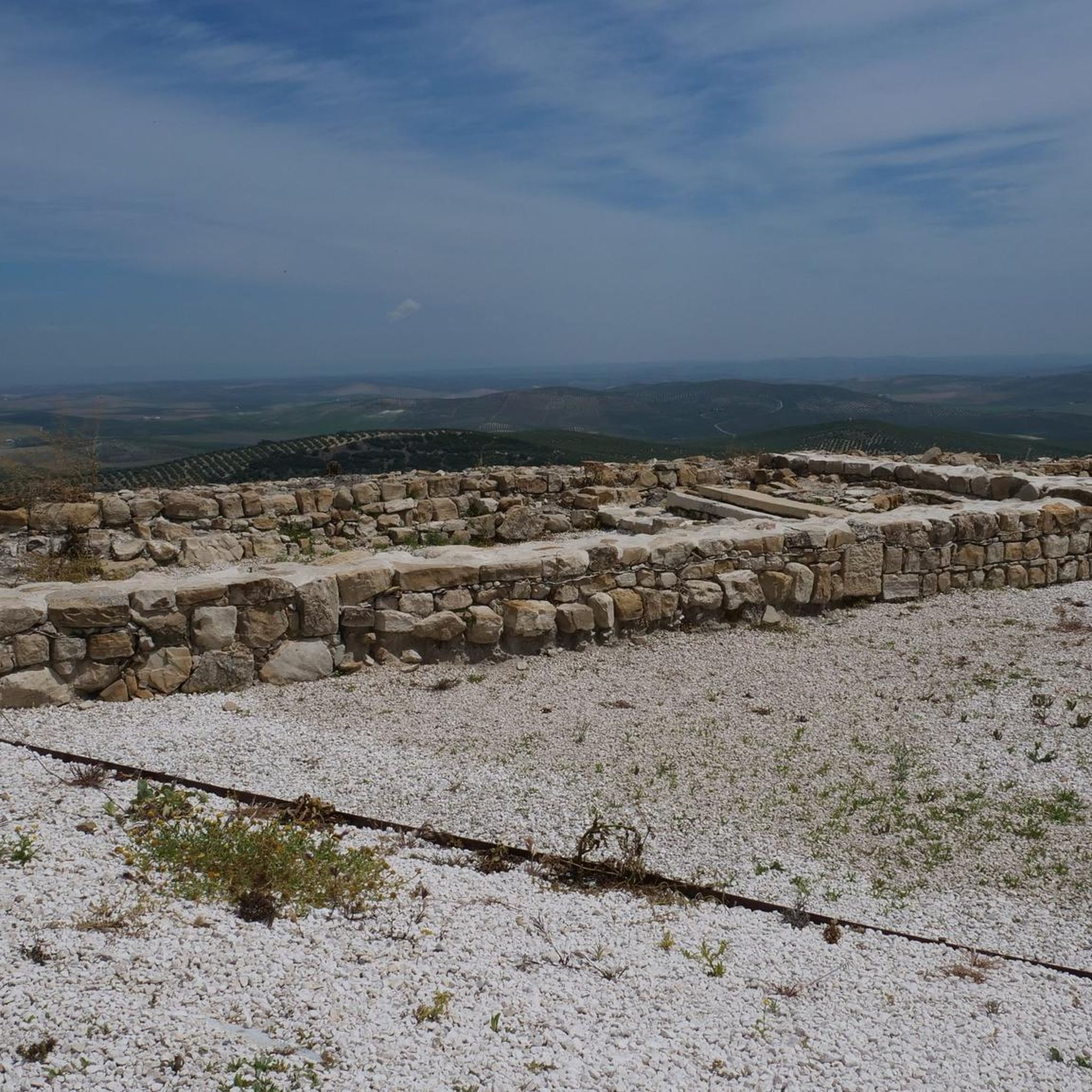
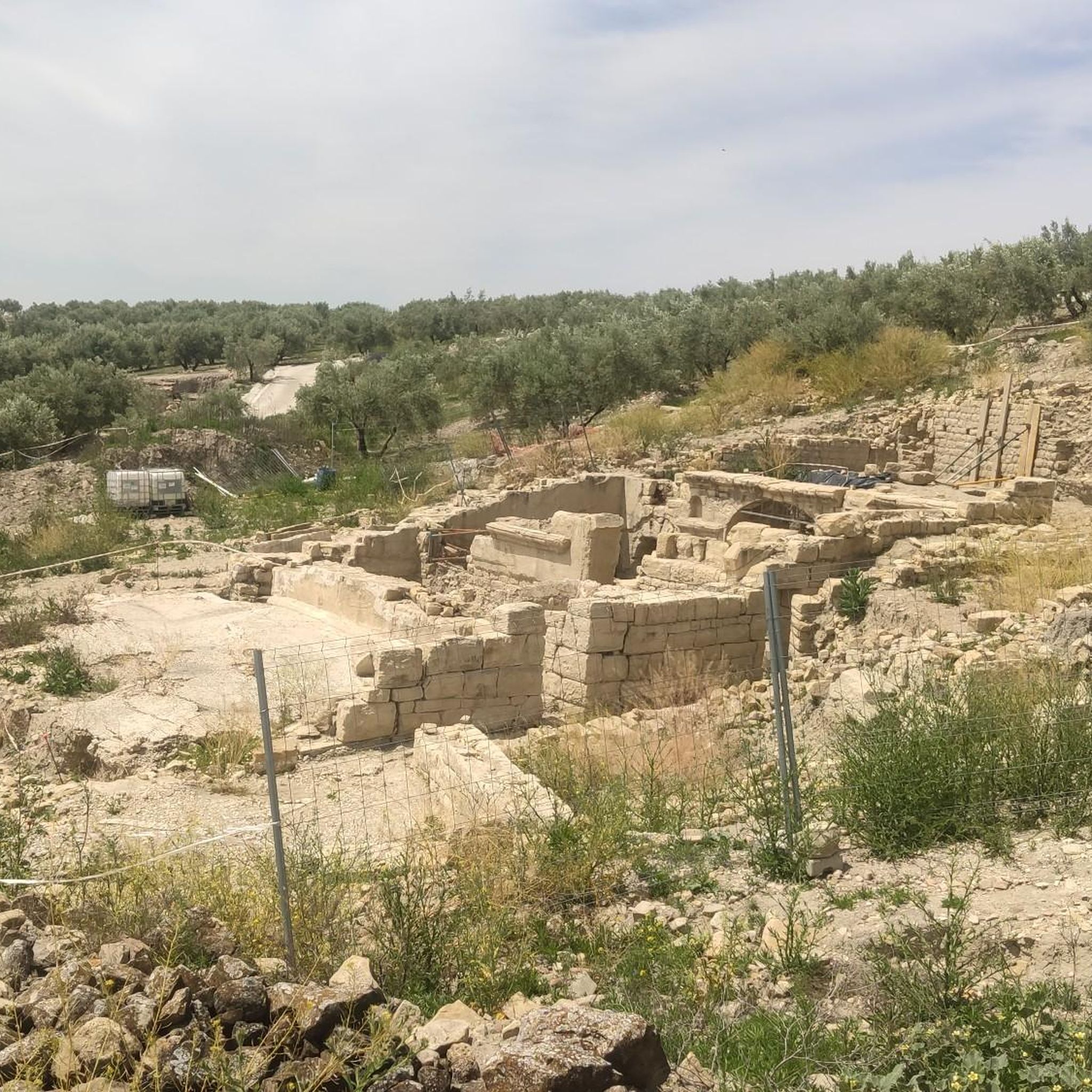
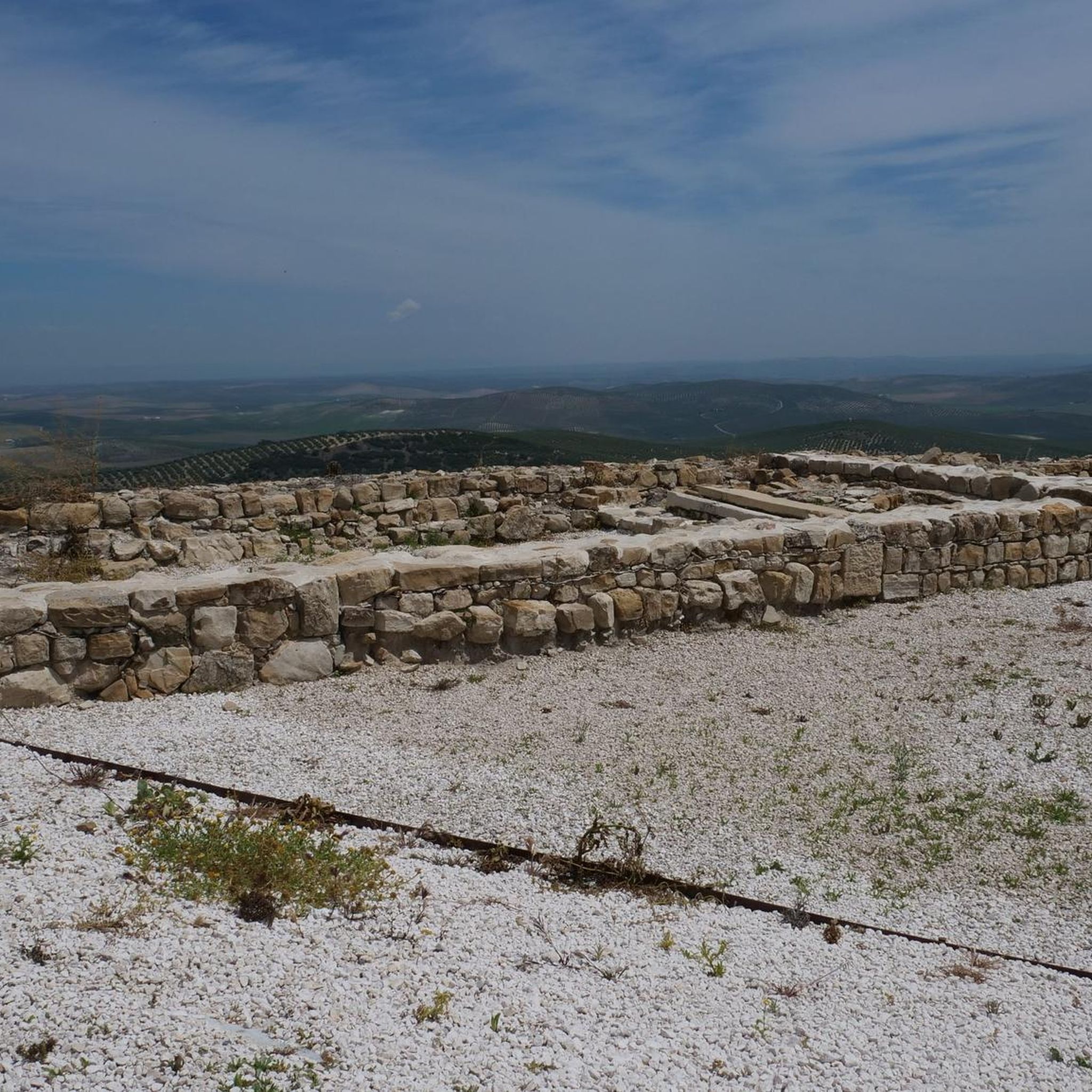
While cycling, you can integrate cultural stops into your tours. Notable historical landmarks include the medieval castle with its Torre del Homenaje in Cañete de las Torres, and the Torreparedones Archaeological Site. The Yacimiento de Cerrillo Blanco y Castillo de Lopera - circular through the olive groves of Porcuna route, for example, offers views of historical sites.
Are there any natural features to explore while cycling?
The region is rich in natural beauty, dominated by extensive olive groves, often referred to as a 'sea of olive trees.' Cañete de las Torres is also transforming into Spain's first botanical village, meaning you can enjoy areas with diverse plant life, including therapeutic and medicinal plants. The Huerto Francés Flower Pots neighborhood showcases this green initiative.
Can I find circular touring cycling routes in the area?
Yes, many touring cycling routes in Cañete De Las Torres are circular, allowing you to start and end your journey in the same location. Examples include the popular Castillo de Lopera – Cañete de las Torres loop from Lopera, which takes you through rural landscapes and past historical landmarks.
What do other touring cyclists say about the routes in Cañete De Las Torres?
The touring cycling routes in Cañete De Las Torres are highly rated by the komoot community, with an average score of 4.3 stars from more than 10 reviews. Over 100 touring cyclists have used komoot to explore the varied terrain, often praising the picturesque olive groves and the diverse challenge levels.
Is there parking available for cyclists in Cañete De Las Torres?
Cañete de las Torres is a small municipality, and while specific dedicated cyclist parking areas might not be widely advertised, general public parking is usually available within the town. It's advisable to check local signage upon arrival for the most suitable spots.
What is the best time of year for touring cycling in Cañete De Las Torres?
The best time for touring cycling in Cañete De Las Torres is typically during the spring (March to May) and autumn (September to November) months. During these periods, the weather is generally milder and more pleasant, avoiding the intense heat of summer and the cooler, potentially wetter days of winter, making for more comfortable rides through the olive groves.
Are there places to eat or drink along the routes or in town?
Cañete de las Torres itself offers various local establishments where you can find cafes and places to eat. While specific cafes directly on rural routes might be limited, planning your ride to pass through or end in the town will provide opportunities for refreshments and meals.
Can I reach Cañete De Las Torres by public transport with my bike?
Public transport options to Cañete de las Torres, particularly those accommodating bicycles, can be limited. It's recommended to check with regional bus services or train operators in advance regarding their policies on carrying bikes, as this can vary significantly.
Most popular routes around Cañete De Las Torres
Most popular attractions around Cañete De Las Torres

Get inspired with the komoot mobile app


Explore more
Browse the best Cycling routes in other regions.
