The best cycling routes around Cabra
4.2
(73)
937
riders
74
rides
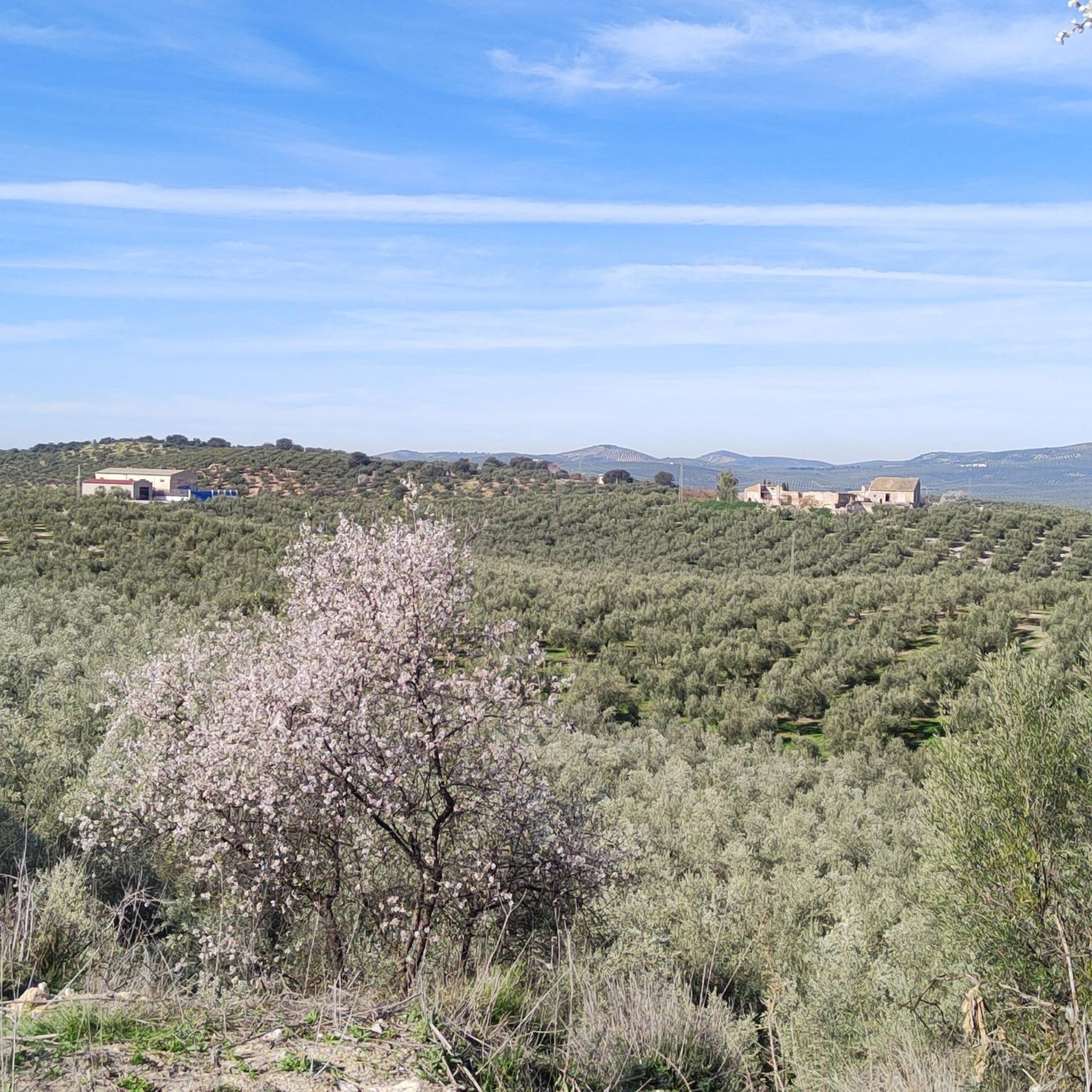
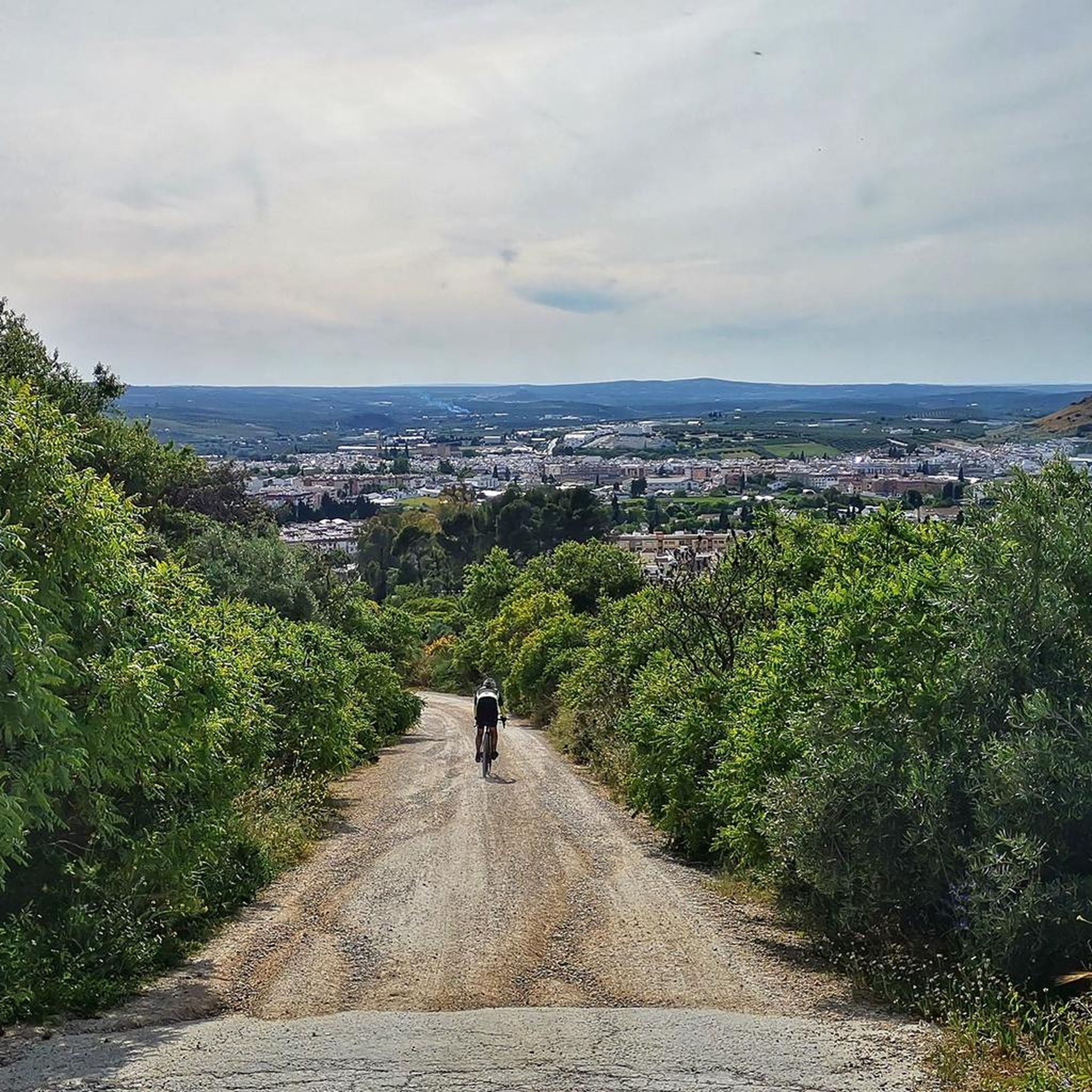
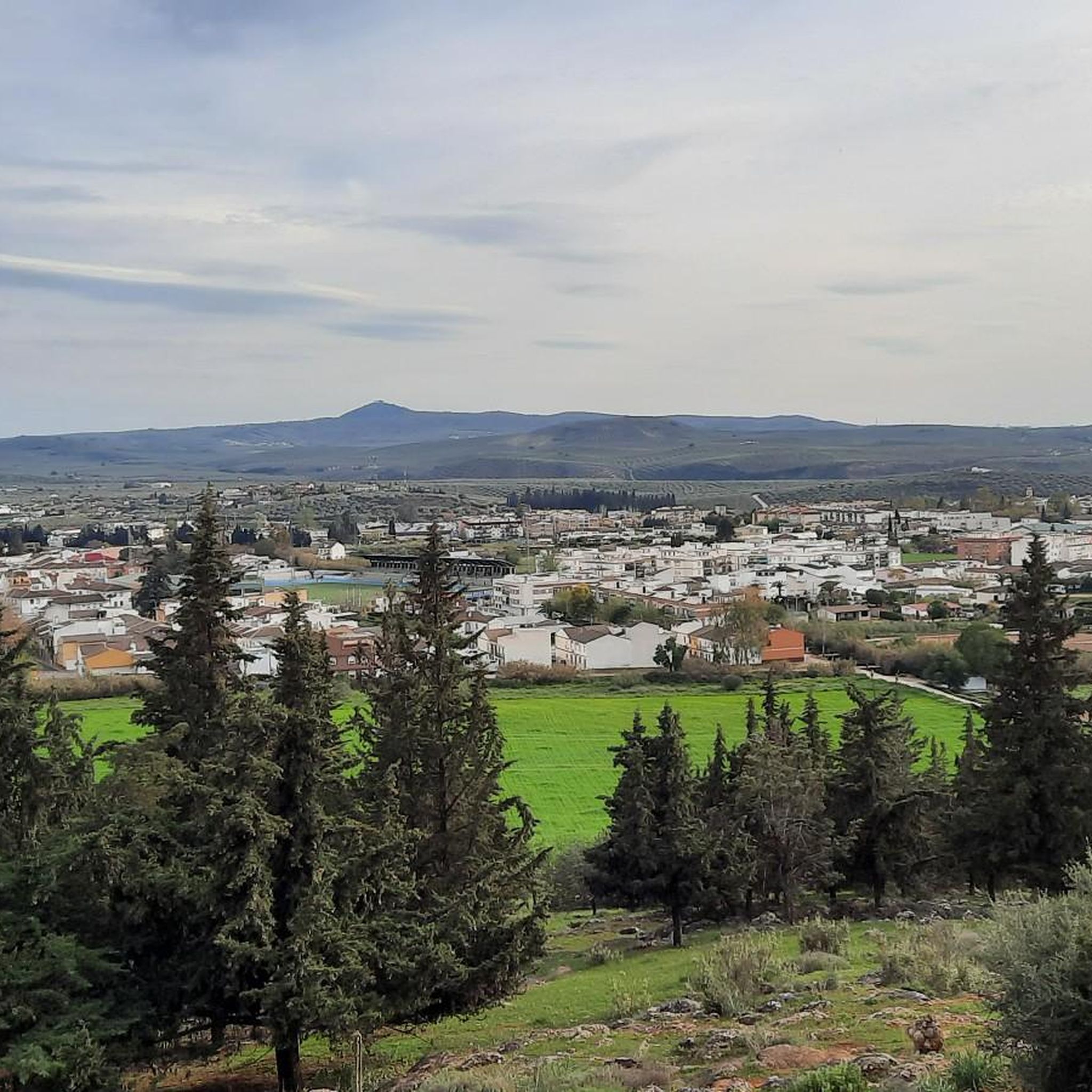
Touring cycling routes around Cabra traverse a landscape characterized by the Sierras Subbéticas Natural Park, extensive olive groves, and Mediterranean woodland. The region features the Vía Verde del Aceite, a disused railway line repurposed for cycling, offering accessible paths through varied terrain. Karst springs and unique geological formations are also present, providing diverse natural features for exploration.
Best touring cycling routes around Cabra
- The most popular touring cycling route is Baena from Cabra — circular via the Vía Verde del…
Last updated: October 16, 2026
1
riders
71.3km
04:50
1,020m
1,020m
Hard bike ride. Very good fitness required. Mostly paved surfaces.
34
riders
29.2km
02:33
760m
760m
Hard bike ride. Very good fitness required. Mostly paved surfaces.

23
riders
67.6km
05:56
1,350m
1,350m
Hard bike ride. Very good fitness required. Mostly paved surfaces.
25
riders
47.1km
03:54
1,060m
1,060m
Hard bike ride. Very good fitness required. Mostly paved surfaces.
5.0
(2)
19
riders
26.3km
02:09
410m
410m
Moderate bike ride. Good fitness required. Mostly paved surfaces.
Get access to more routes and recommendations from other explorers.
Already have an account?
Our route recommendations are based on thousands of hikes, rides, and runs completed by other people on komoot.
Start today with a free account
Your next adventure awaits.
Tips from the Community

The Zuheros Viaduct crosses the embedded bed of the Bailón River. It has a length of 104 meters resolved into two lateral sections of 31.5 meters and a central section of 41.0 meters. Its structure is metallic and is very similar to that of the Guadajoz River Viaduct. It seems that both projects were drawn up by the same engineers, Alessandri and Delaperrière.
9
0
Here you can find everything in the field of catering. Breakfast, lunch, sleep. It seems like this is the place to be in the area.
6
0

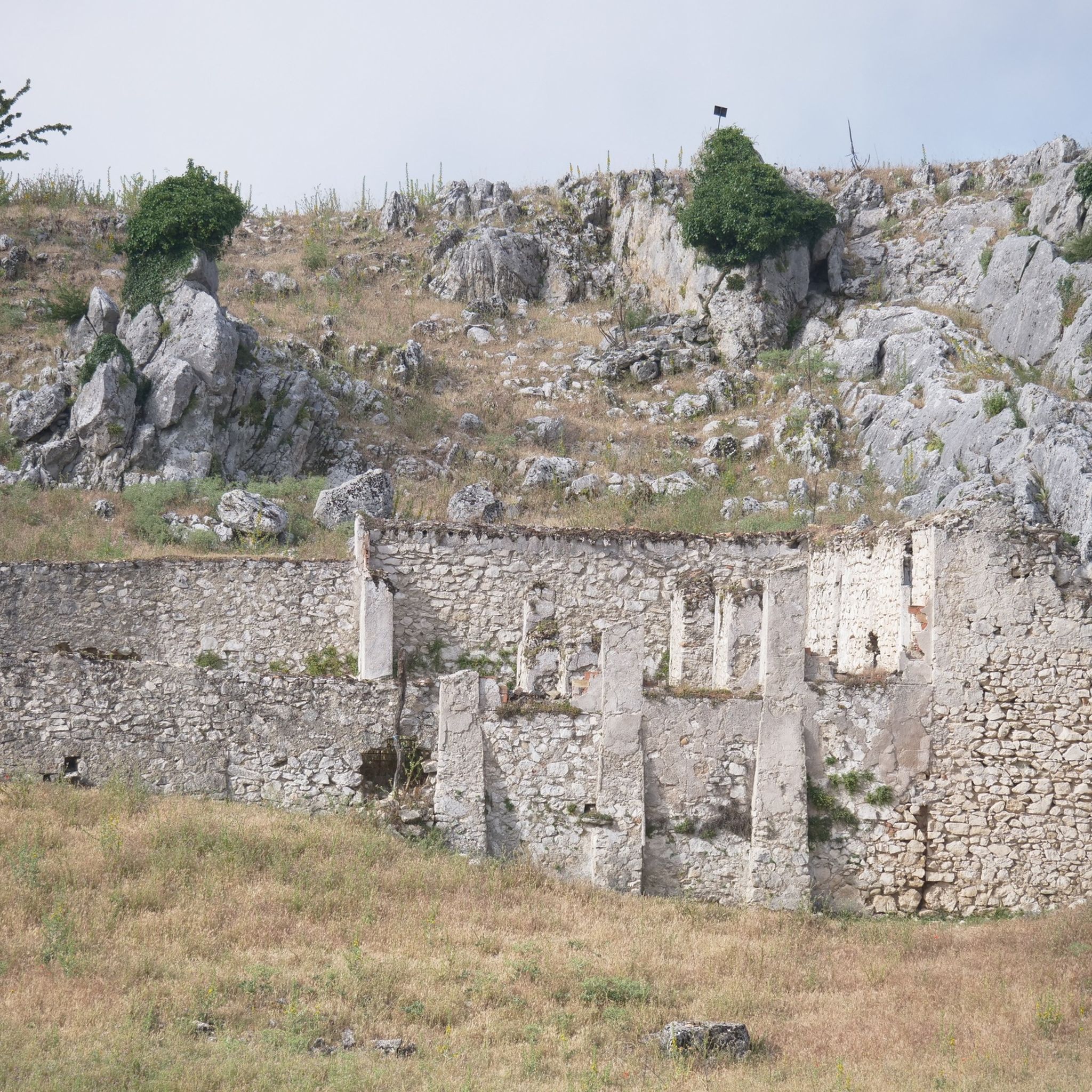
Very well preserved castle built for the barons of Cabra
0
0

The Fuente del Río in Cabra, is a picturesque natural park considered the origin of the Río Cabra. The park combines the natural beauty of a karst spring with landscaped gardens and a diverse tree landscape. It was declared a “Sitio de Interés Natural” in 1929 and today offers recreational areas and picnic areas for visitors. The spring rises at the foot of the Sierra de Cabra, an area with high rainfall and calcareous rock that leads to the formation of such karst springs. The water flows through a series of waterfalls and artificial springs and supplies the entire municipality. The Fuente del Río is part of the “Ruta del Agua” in the Subbética Cordobesa and offers a harmonious interplay of nature and human design. The park is a popular place for locals and visitors who want to enjoy the tranquility and beauty of this unique place. A visit to the Fuente del Río offers the opportunity to experience the natural beauty of the region and explore the origins of the Río Cabra.
3
0
Zuheros is a small, picturesque village, located at an altitude of around 656 metres and surrounded by the impressive landscape of the Sierras Subbéticas Natural Park. The village has retained its charming, peaceful character. A place that combines history, nature and Andalusian tradition. Whether you stroll through the alleys, visit the castle or explore the impressive landscape of the Sierras Subbéticas, Zuheros is a real gem that delights visitors with its beauty and authenticity. Its proximity to the Vía Verde del Aceite, a popular cycle route, makes it an ideal starting point for outdoor activities.
5
0
El Castillo de Zuheros is a historic fortress in the small municipality of Zuheros. The castle sits spectacularly on a rock and has become a landmark in the region. The castle's origins date back to the Moors in the 9th century. It was strategically built on a limestone cliff to control and defend the region. Its location made it almost impregnable. The viaduct is a historic remnant of the old railway line and offers an elevated platform with unobstructed views of the surrounding landscapes. The section near Zuheros is particularly spectacular as the viaduct crosses a gorge through which the Bailón River flows. From here, Zuheros Castle rises majestically above the village, embedded in a rock. The castle seems to be one with the landscape as it is integrated directly into the limestone. The view of Zuheros Castle from the viaduct is a perfect example of the unique combination of nature and history that characterizes the Córdoba region. It is a moment that makes every bike ride along the Vía Verde unforgettable.
9
0
The Luque station, part of the original Linares-Puente Genil line, was built by the Compañía de los Ferrocarriles Andaluces and opened along with the entire line in January 1893. In 1941, with the nationalisation of the Iberian railways, the facilities passed into the hands of RENFE. The line remained in service until it was closed in October 1984, when it was dismantled and the tracks removed. After the line was closed, the old station building has been used as a restaurant since 1990. It also houses the Oil Interpretation Centre, a site dedicated to the history of olive oil and olive groves, where you can also taste oil from the region. The site is within the route formerly known as the "Vía Verde de la Subbética". In 2017, those responsible for the Greenway routes agreed to unify all sections of the old route under the same name "Vía Verde del Aceite". For many, however, it is and will remain the "Green Way". Luque station is a popular starting or intermediate point for cycling tours along the Vía Verde del Aceite, the old railway line that is now a great cycle path. The route offers a unique opportunity to experience the beauty of the Córdoba region. The current station also offers a good opportunity to take a break and enjoy food and cool drinks.
11
0

From Zuheros Lucena is about 90 minutes by bike, it's on the same Via Verde as Zuheros.
2
0
Frequently Asked Questions
How many touring cycling routes are available around Cabra?
There are over 60 touring cycling routes around Cabra, offering a wide range of options for different skill levels and preferences. These routes are highly rated by the komoot community, with an average score of 4.3 stars from more than 70 reviews.
What kind of terrain can I expect on touring cycling routes in Cabra?
Touring cycling around Cabra offers diverse terrain. You'll find accessible, often paved paths along the Vía Verde del Aceite, which is built on a disused railway line. For more challenging rides, the Sierras Subbéticas Natural Park provides dramatic scenery with significant elevation gains, rugged beauty, and panoramic views. The region is also characterized by vast olive groves and Mediterranean woodland.
Are there any easy or beginner-friendly touring cycling routes in Cabra?
Yes, Cabra offers several easier routes, with 5 routes specifically categorized as easy. The Vía Verde del Aceite is particularly well-suited for less experienced cyclists or those seeking a more relaxed ride, as it features gentle slopes and well-maintained surfaces. Many sections are suitable for different fitness levels.
Are there any circular touring cycling routes around Cabra?
Yes, many touring cycling routes around Cabra are designed as loops, allowing you to start and end in the same location. For example, the Baena from Cabra — circular via the Vía Verde del Aceite is a popular option, as is the Alamedal Viaduct – Beautiful section of the greenway loop from Cabra.
What historical or natural landmarks can I see along the touring cycling routes?
Cabra's touring cycling routes are rich with landmarks. Along the Vía Verde del Aceite, you can experience preserved 19th-century railway infrastructure, including impressive viaducts like the Alamedal Viaduct and the historic Plantío tunnel. The region also features the beautiful Fuente del Río natural park with its karst spring and waterfalls. For those interested in historical sites, the town's castle and the Church of the Assumption and Angels can be incorporated into tours. You can also explore nearby natural highlights such as the Bat Cave or the Limestone formations and caves in the Bailón Canyon.
Is Cabra a good destination for family-friendly touring cycling?
Yes, Cabra is suitable for family-friendly touring cycling, especially along the Vía Verde del Aceite. This greenway offers accessible, often paved paths with gentle gradients, making it ideal for families with children or those looking for a relaxed ride. There are also rest areas with benches and picnic tables along the route.
What is the best time of year to go touring cycling in Cabra?
The best seasons for touring cycling in Cabra are typically spring (March to May) and autumn (September to November). During these months, the weather is generally mild and pleasant, with comfortable temperatures for cycling. Summer can be very hot, especially in July and August, while winter can be cooler but still offers opportunities for cycling on sunny days.
Are there services for cyclists along the Vía Verde del Aceite?
Yes, the Vía Verde del Aceite is well-equipped for cyclists. You'll find rest areas with benches, picnic tables, and bike racks. There are also bike rental services available at locations like the Subbética Bike Centre for Tourists at the Doña Mencía station. Some old railway stations along the route have been repurposed as restaurants or cyclotourist centers, and interpretation centers provide information about the greenway and the surrounding natural park.
Can I find places to eat or stay along the touring cycling routes?
Yes, several old railway stations along the Vía Verde del Aceite have been converted into restaurants or cyclotourist centers, offering opportunities for refreshments and meals. Additionally, the towns and villages surrounding Cabra, such as Doña Mencía, provide various options for cafes, pubs, and accommodation, allowing you to plan your route with convenient stops.
What makes the touring cycling experience in Cabra unique?
The touring cycling experience in Cabra is unique due to its combination of the accessible Vía Verde del Aceite, which showcases historic railway architecture and winds through vast olive groves, and the more challenging, dramatic landscapes of the Sierras Subbéticas Natural Park. This blend offers routes for all abilities, from gentle rides through agricultural scenery to demanding climbs with breathtaking panoramic views, all within a region rich in natural beauty and historical sites.
Are there any routes that feature unique geological formations or viewpoints?
Absolutely. The Sierras Subbéticas Natural Park, which Cabra is a gateway to, is known for its unique geological formations and dramatic scenery. Routes within the park often lead to stunning viewpoints. The Fuente del Río natural park also features a beautiful karst spring. For specific viewpoints, consider routes that pass near highlights like Ascent to the Lomas or offer views of prominent peaks like Pico de la Tiñosa.
Most popular attractions around Cabra

Get inspired with the komoot mobile app


Explore more
Browse the best Cycling routes in other regions.
