The best MTB trails around Castro Del Río
4.8
(7)
152
riders
30
rides
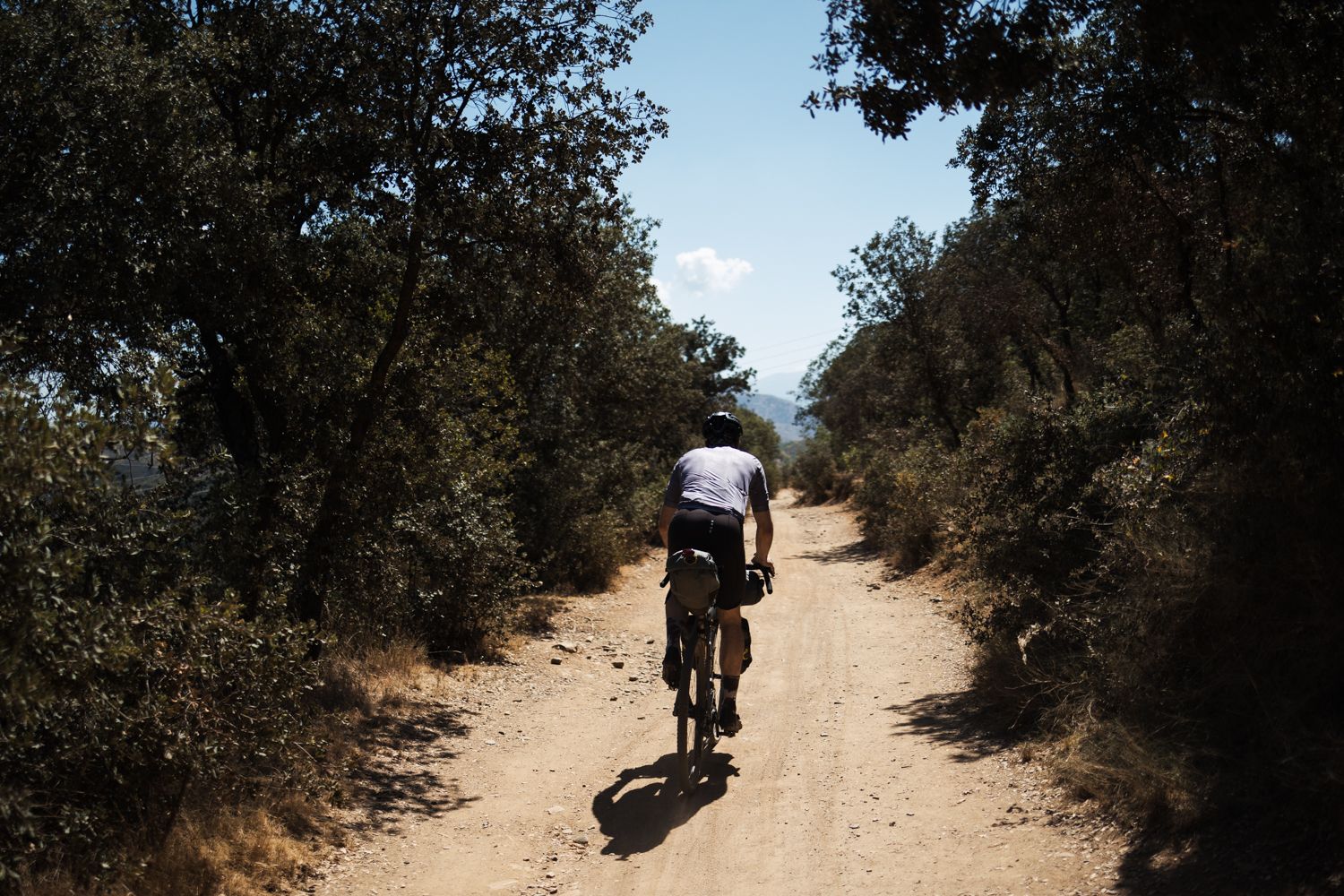
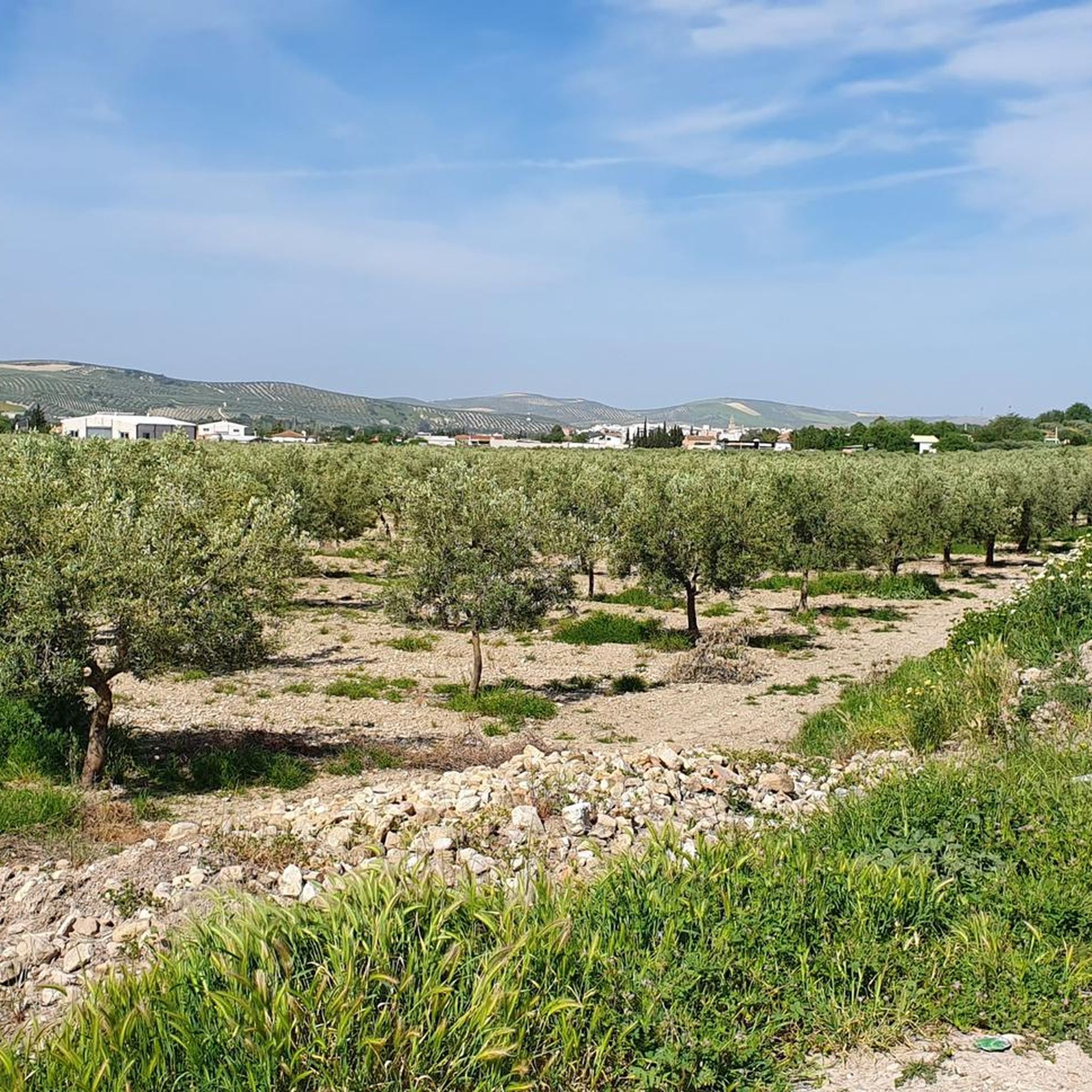
Mountain biking around Castro Del Río offers diverse landscapes, from the scenic banks of the Guadajoz River to rolling hills covered in olive groves and cereal fields. The terrain provides a mix of gentle ascents and descents, ideal for cross-country mountain biking. While the immediate area features agricultural countryside, its proximity to the Sierra Morena mountain range offers access to more rugged and challenging experiences. The region features a network of mountain bike trails catering to various skill levels, including…
Last updated: July 11, 2026
47.7km
03:49
760m
760m
Moderate mountain bike ride. Good fitness required. Advanced riding skills necessary.
5.0
(2)
15
riders
36.7km
03:04
560m
560m
Moderate mountain bike ride. Good fitness required. Suitable for all skill levels.

Sign up for free
17
riders
47.9km
04:11
890m
890m
Moderate mountain bike ride. Good fitness required. Suitable for all skill levels.
5.0
(1)
12
riders
39.1km
03:17
620m
620m
Moderate mountain bike ride. Good fitness required. Suitable for all skill levels.
12
riders
36.1km
03:16
660m
660m
Moderate mountain bike ride. Good fitness required. Suitable for all skill levels.
Get access to more routes and recommendations from other explorers.
Sign up for free
Already have an account?
Our route recommendations are based on thousands of hikes, rides, and runs completed by other people on komoot.
Start today with a free account
Your next adventure awaits.
Login or Signup
Popular around Castro Del Río



Tips from the Community

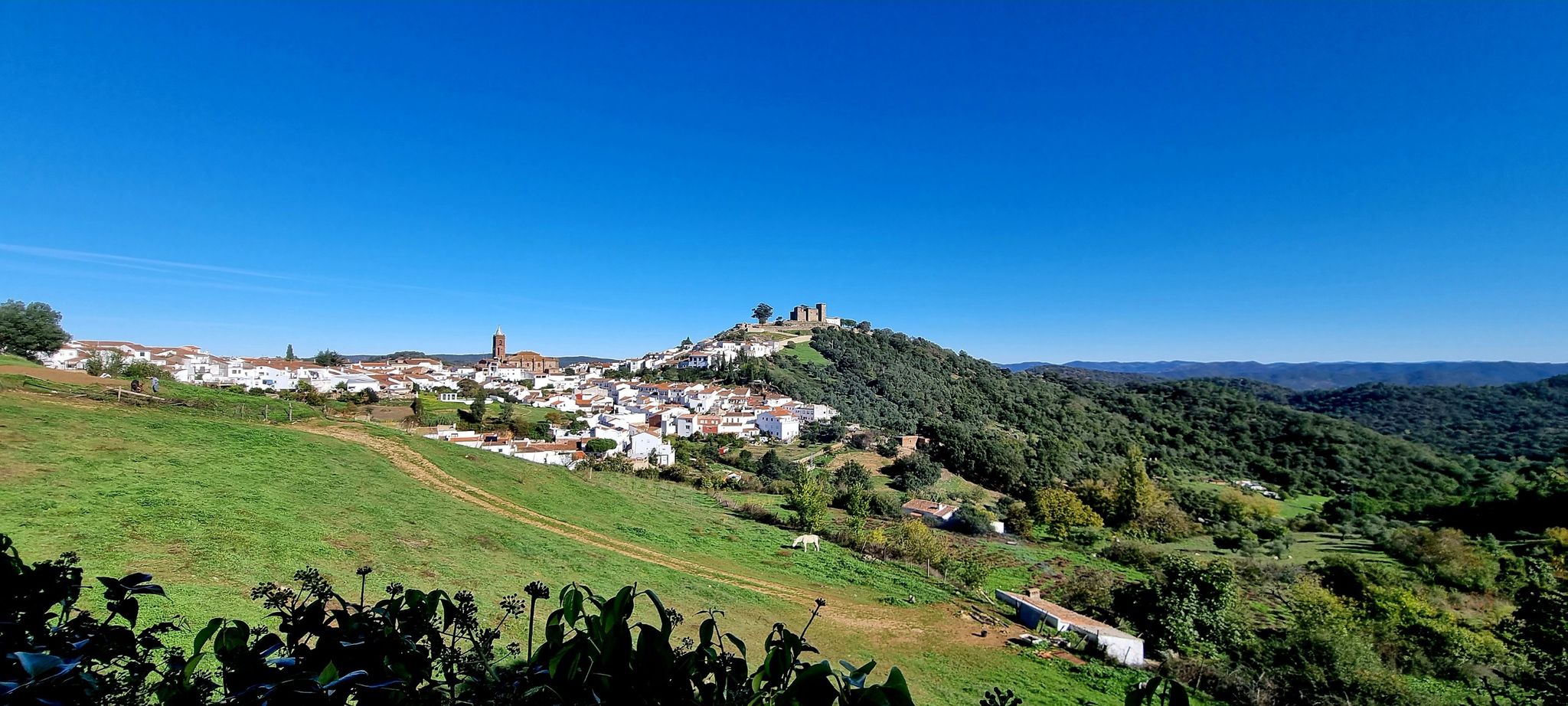
The castle of Castro del Rio, known locally as Castillo de Castro del Rio, is located in the centre of the village of the same name. The village of Castro del Rio already existed in Roman times when it was known as Postumianus Castra, Castra Soricaria or Castra Julia. In Moorish times the town was called Qasida or Qasrut and described as a 'strong'. In the 11th century the town fell under the rule of the Taifa of Granada. In the 12th century, under the rule of the Almohads, a walled medina was built. The castle was part of and situated on a corner of the city walls and probably dates from this time. In 1232 the town was conquered by Saint Ferdinand III, King of Castile. He used this border fortress as a stronghold against recurring Moorish attacks. In 1565 the town and castle of Castro del Rio were sold to the Marquis of Priego. It remained the property of the Marquis until the reign of Ferdinand VI, King of Spain, in the mid-18th century. The current ruins of the Castro del Río castle look very dilapidated. The interior of the castle cannot be visited.
8
0

Birthplace of Gonzalo Fernández de Córdoba, the Great Captain, born in 1453 in the castle of Montilla. City famous for the quality of its Pedro Ximénez grape, integrating the region with the Montilla-Moriles Designation of Origin. Passing through the oldest part of Montilla, it is worth visiting the 16th century church of Santiago.
0
0
Birthplace of Gonzalo Fernández de Córdoba, the Great Captain, born in 1453 in the castle of Montilla. City famous for the quality of its Pedro Ximénez grape, integrating the region with the Montilla-Moriles Designation of Origin. Passing through the oldest part of Montilla, it is worth visiting the 16th century church of Santiago.
2
0
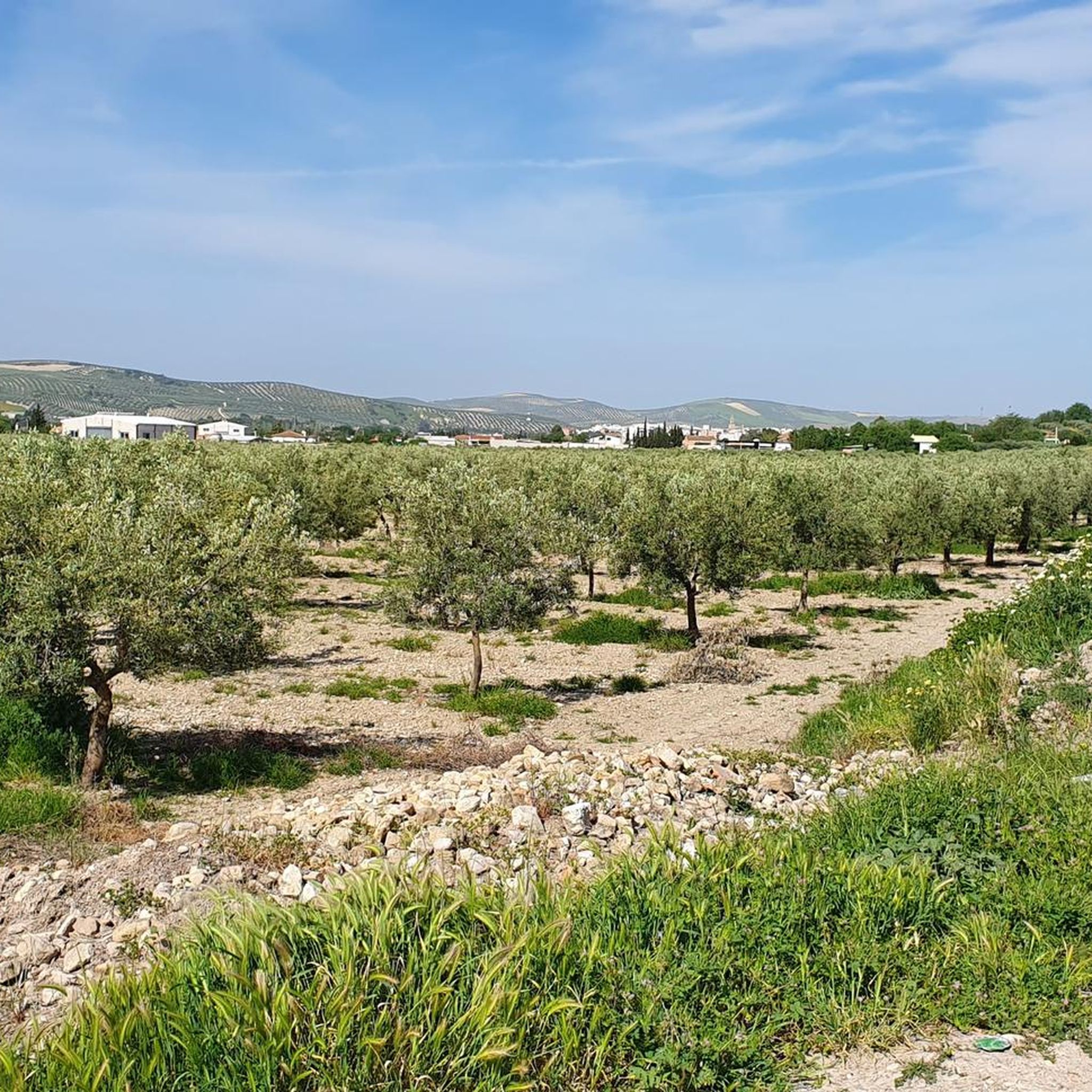
The main economic activity of this municipality is agriculture, especially olive cultivation. According to official information, Nueva Carteya stands out for the lowest income in the province of Córdoba.
2
0
Church from the 16th century, probably built on the site of an old mosque, which after various modifications lost its Gothic-Mudejar appearance, becoming a classic Andalusian Baroque-style church. The church is located in the oldest part of the town, within the old castle enclosure.
2
0
Neoclassical style palace, from the 18th century, declared an Asset of Cultural Interest. Inspiration for the design of the palace was the façade of the Palacio de las Necesidades, where the Spanish embassy in Lisbon was located.
2
0

In the heart of the Cordoba countryside, this town is especially known for its vineyards, even having its own designation of origin: Montilla-Moriles. Olive trees and cereals are also cultivated. The town is located in a sea of hills among which the Sierra de Montilla timidly stands out.
2
1
This monumental medieval castle originally had a trapezoidal shape with towers on both sides of its perimeter. The original structure was demolished and replaced in the 18th century by a large grain store with enormous ramps inside on the first two floors.
3
0
Frequently Asked Questions
What types of mountain bike trails can I expect around Castro Del Río?
The area offers a diverse range of mountain bike trails. You'll find paths along the scenic banks of the Guadajoz River, as well as routes through rolling hills covered in extensive olive groves and cereal fields. While the immediate vicinity features agricultural landscapes, the region's proximity to the Sierra Morena mountain range provides access to more rugged and challenging experiences with varied terrain.
Are there mountain bike trails suitable for beginners in Castro Del Río?
Yes, there are options for beginners. While most of the 33 available routes are moderate, there is at least one easy mountain bike trail. These easier routes often follow the flatter sections along the Guadajoz River, providing a gentle introduction to mountain biking in the region.
What is the best time of year for mountain biking in Castro Del Río?
The best time for mountain biking in Castro Del Río is generally during the spring and autumn months. The weather is milder and more pleasant for riding, avoiding the intense heat of summer and the potentially wetter conditions of winter. This allows for comfortable exploration of the diverse landscapes.
Are there any circular mountain bike trails in the area?
Yes, many of the mountain bike trails around Castro Del Río are circular, allowing you to start and finish in the same location. A popular example is the Castro del Río, Ategua, Espejo – ruta circular, which covers nearly 48 km through varied local countryside.
What historical landmarks or attractions can I see along the mountain bike trails?
Mountain biking in Castro Del Río offers a chance to explore rich historical and rural scenery. You might pass by the medieval Castro del Río Castle or the Castle of Espejo. The routes also traverse traditional agricultural landscapes with olive groves, providing a picturesque backdrop to your ride.
Are there any viewpoints or scenic spots on the mountain bike routes?
Yes, the rolling hills and river valleys around Castro Del Río offer numerous scenic spots. Trails often provide expansive views of the Andalusian countryside, particularly across the fertile Guadajoz River valley and the vast olive groves. The proximity to the Sierra Morena also hints at more dramatic vistas on routes venturing further afield.
What do other mountain bikers say about the trails in Castro Del Río?
The mountain bike routes in Castro Del Río are highly rated by the komoot community, with an average score of 4.8 stars from more than 7 reviews. Riders often praise the varied terrain, from riverside paths to challenging climbs, and the beautiful agricultural landscapes that define the region.
Are there any challenging mountain bike routes for advanced riders?
Yes, for advanced riders seeking more challenge, there are 4 difficult mountain bike routes available. These trails often feature more significant elevation changes and technical sections, especially as they venture closer to the rugged terrain of the Sierra Morena mountain range.
Can I find mountain bike trails that pass through olive groves?
Absolutely. The region around Castro Del Río is characterized by extensive olive groves, and many mountain bike trails wind directly through them. For instance, the Bike – Nueva Carteya loop from Castro del Río is a popular route that leads through these iconic landscapes.
Is there parking available near the mountain bike trails in Castro Del Río?
While specific parking areas for each trail are not detailed, Castro Del Río is a town with local amenities. You can typically find public parking within or on the outskirts of the town, providing convenient access to the starting points of many routes.
Are there any long-distance mountain bike routes in the area?
Yes, there are several longer routes for those looking for extended rides. For example, the Castro del Río, Ategua, Espejo – ruta circular is nearly 48 km long, and the Bike – Nueva Carteya loop from Castro del Río is also around 48 km, offering substantial distances for a full day out.
Most popular routes around Castro Del Río
Most popular attractions around Castro Del Río

Get inspired with the komoot mobile app


Explore more
Browse the best MTB trails in other regions.
