Attractions and Places To See around Zafra De Záncara - Top 19
Best attractions and places to see around Zafra De Záncara include historical landmarks, cultural sites, and natural features. This town in Cuenca, Castilla-La Mancha, is built on a steep hillside, offering unique urban layouts and views. The area holds vestiges of Iberian, Visigothic, and Muslim settlements, reflecting its rich history. Visitors can explore a blend of historical architecture and natural landscapes, including wetlands and river environments.
Best attractions and places to see around Zafra De Záncara
- The most popular attractions…
Last updated: July 16, 2026
Church of Santo Domingo de Silos
Highlight • Religious Site
Translated by Google •
Tip by

Zafra de Záncara
Highlight • Settlement
Translated by Google •
Tip by

Sign up now to discover places like this
Get recommendations on the best single tracks, peaks, & plenty of other exciting outdoor places.
Sign up for free
Laguna de El Hito
Highlight • Lake
Translated by Google •
Tip by
Castle and church of Huerta de la Obispalía
Highlight • Castle
Translated by Google •
Tip by

San Roque Hermitage and Rock-Cut Tombs
Highlight • Historical Site
When we are close it can already be seen on the …
Translated by Google •
Tip by

Sign up for free to discover even more attractions around Zafra De Záncara.
Sign up for free
Already have an account?
Start today with a free account
Your next adventure awaits.
Login or Signup
Popular around Zafra De Záncara

Tips from the Community

The path is signposted, when there is a wide fork you have to continue straight on to the right. When we are close it can already be seen on the left. There is no path, you have to leave the road and cross the field. They are two different buildings: the one we see from the road, which consists of a hermitage and tombs, and the one we see when we approach on the left on the rocks, which consists of a kind of grazing shelter.
0
0

The town of Huerta de la Obispalía is located at the top of a hill where you can see the group of houses that form the same nucleus. But from afar you can see the ruins of what used to be his castle!
0
1

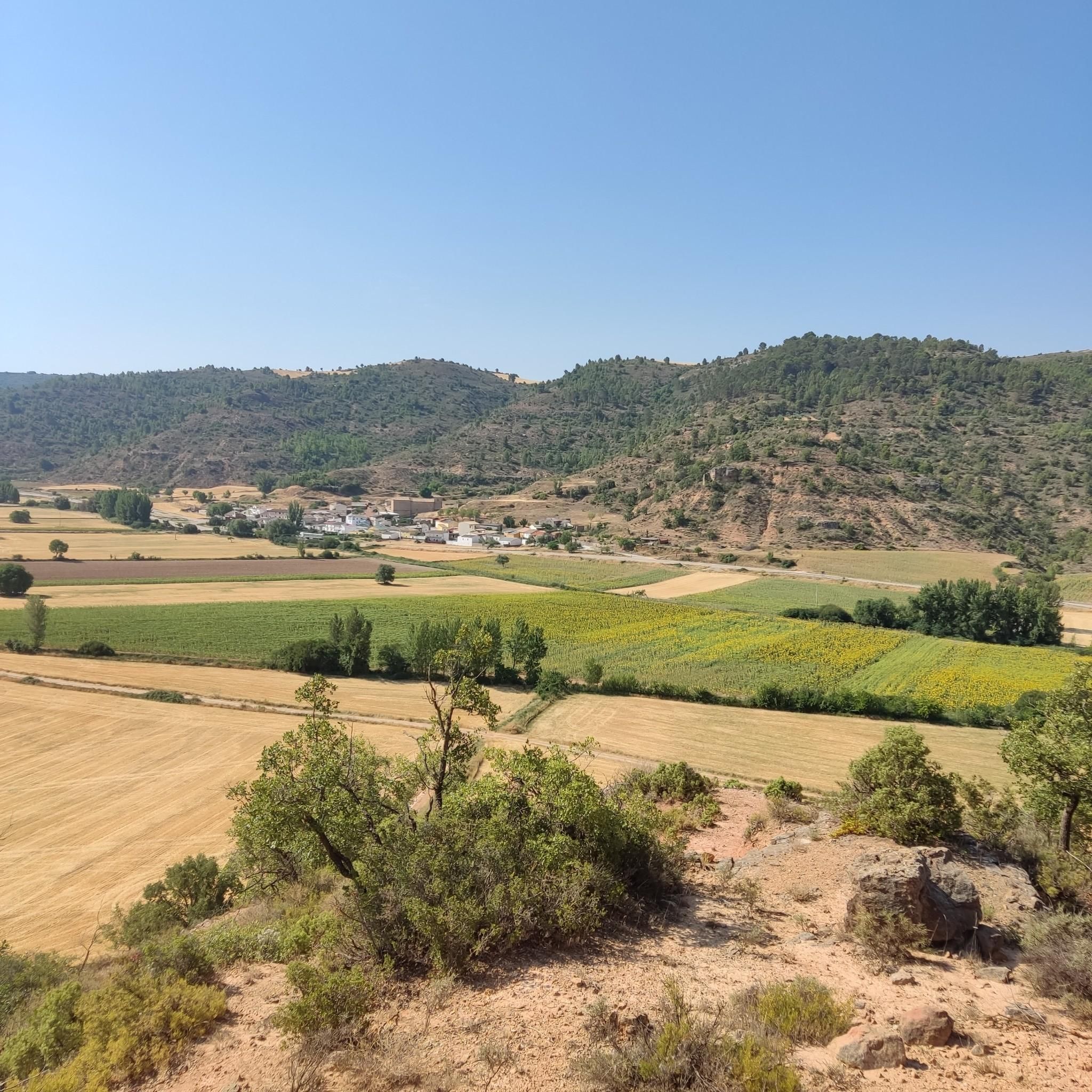
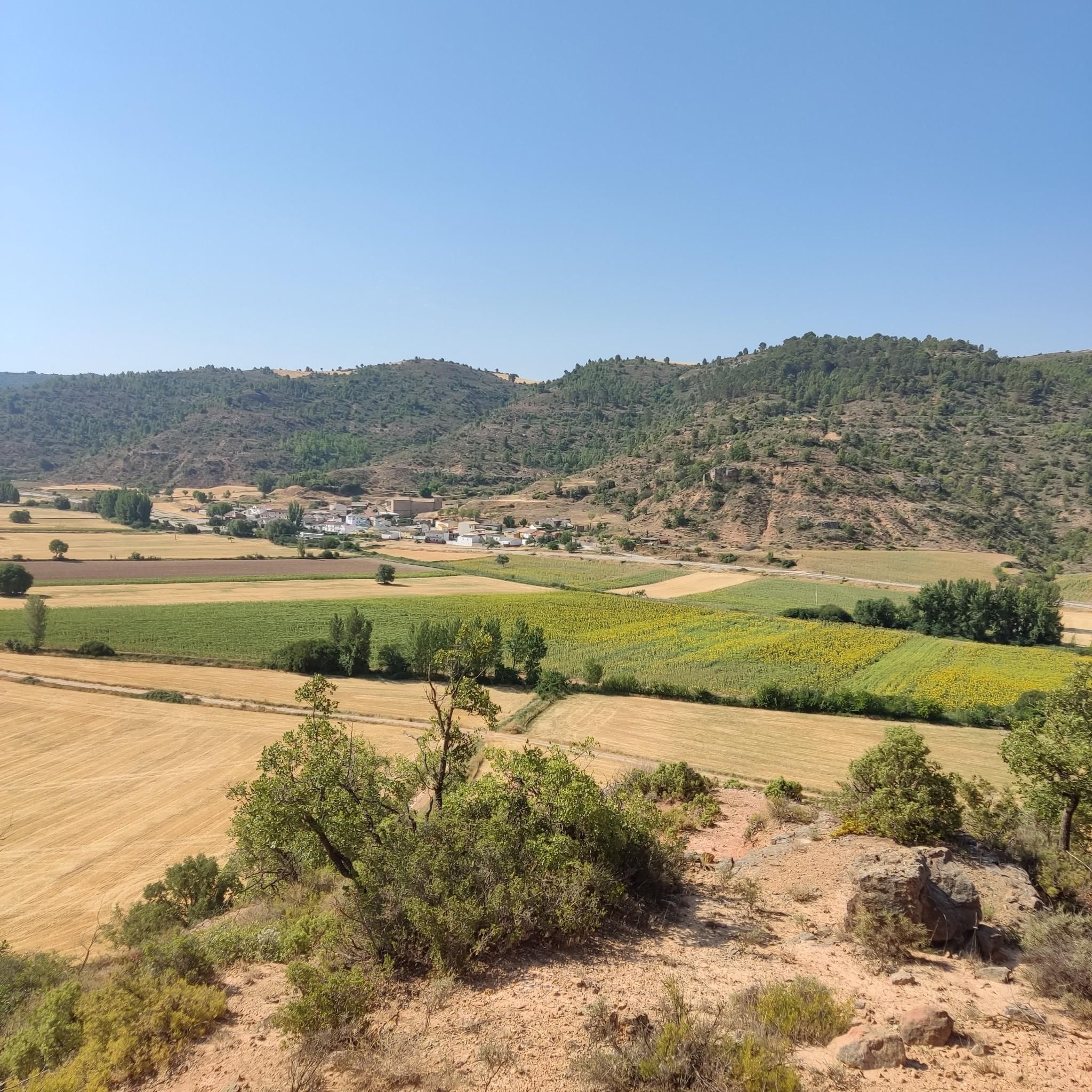
Castilian-La Mancha town located 950m where we find some Iberian, Visigothic and Muslim vestiges. In fact, the name comes from the Arabic "sazja" which means rock or mountain.
2
0

Seasonal wetland near the town of the same name. There is a route, marked with informative signs, of botanical and faunal interest. It is recommended to visit in spring when there is more possibility of water and everything is green.
2
0

Carried out between the fifteenth and eighteenth centuries, whose mixture of Gothic, Renaissance and Baroque architectural elements will delight its visitors.
11
0
Viewpoint of the Natural Reserve of the Lagoon of El Hito.
11
1

The ruins of the old castle stand out as they are on the top of the small hill and next to them is the Renaissance church from the 16th century.
1
0
It is a seasonal saline wetland that has been protected as a Nature Reserve as it is of great scenic interest and for the conservation of waterfowl, being the largest crane roost in the region.
3
0
Frequently Asked Questions
What historical sites can I explore in Zafra de Záncara?
Zafra de Záncara is rich in history. You can visit the ruins of the Castle of Zafra de Záncara, which has Muslim origins and offers glimpses of ancient fortifications. The 16th-century Iglesia de la Asunción features a beautiful Baroque altarpiece, and the Church of Santo Domingo de Silos showcases a blend of Gothic, Renaissance, and Baroque styles. Don't miss the 18th-century Palacio del Rusiano and the ancient San Roque Hermitage and Rock-Cut Tombs located just outside the main town.
Are there natural attractions to visit near Zafra de Záncara?
Yes, the area offers several natural highlights. The El Hito Lagoon is a seasonal wetland known for its biodiversity, especially recommended in spring when water levels are higher. You can also enjoy the scenic views from Mirador del Vallejuelo, which overlooks the rugged natural environment. The Záncara River, flowing below the town, provides natural paths and insights into the region's landscape.
What activities are available for families in Zafra de Záncara?
Families can enjoy exploring the unique urban core of Zafra de Záncara with its cobbled streets and traditional houses. The marked route at El Hito Lagoon is suitable for a family walk, offering informative signs about local flora and fauna. Additionally, many of the easy hiking trails around the area are family-friendly, providing gentle outdoor exploration.
What is the best time of year to visit Zafra de Záncara?
The spring season is particularly recommended for visiting Zafra de Záncara, especially if you wish to see the El Hito Lagoon at its fullest and most vibrant with lush vegetation. The milder temperatures during spring and autumn are also ideal for exploring the town's historical sites and enjoying outdoor activities like hiking and cycling.
Are there any viewpoints offering scenic views of the area?
Yes, the Mirador del Vallejuelo provides stunning panoramic views of the natural surroundings of Zafra de Záncara. The town itself, built on a steep hillside, offers captivating views from various points within its unique urban core.
What makes Zafra de Záncara's urban core unique?
The urban core of Zafra de Záncara is unique due to its adaptation to the steep hillside topography. This results in charming cobbled streets, narrow alleys, and stairways, all lined with traditional whitewashed Manchegan houses that blend seamlessly with the terrain. It reflects centuries of settlement, including Iberian, Visigothic, and Muslim influences.
Are there hiking opportunities around Zafra de Záncara?
Yes, there are several hiking opportunities. You can find trails like the 'Hiking through the fields of Palomares del Campo' (easy) or the 'Windmill and Tajo-Segura transfer — circular from Zafra de Záncara' (moderate). The 'Natural Reserve of the Laguna de El Hito – circular from Montalbo' also offers a moderate route. For more options, explore the Hiking around Zafra De Záncara guide.
What kind of cycling routes can I find near Zafra de Záncara?
Road cycling enthusiasts can find routes such as the 'Laguna del Hito and Villarejo de Fuentes Loop from Almonacid del Marquesado' (moderate) or the 'Villar de Olalla – Júcar River loop from Villarejo Seco' (moderate). For a comprehensive list, refer to the Road Cycling Routes around Zafra De Záncara guide.
Are there options for mountain biking in the area?
Absolutely. Mountain bikers can explore trails like 'La Calzadilla Trail' (easy) or more challenging moderate routes such as 'Hispania Crystal Route Loop' and 'Zafra de Záncara – Manchegan Windmill loop from Villares del Saz'. Discover more trails in the MTB Trails around Zafra De Záncara guide.
Can I bring my dog on trails or to attractions in Zafra de Záncara?
Many outdoor areas and trails around Zafra de Záncara are generally dog-friendly, especially natural spaces like the paths around the Záncara River or the marked route at El Hito Lagoon. However, it's always advisable to keep dogs on a leash and check specific regulations for indoor attractions or protected natural reserves before visiting.
What are the historical origins of Zafra de Záncara?
Zafra de Záncara boasts a deep history, with vestiges of Iberian, Visigothic, and Muslim settlements. Its name itself, derived from the Arabic 'sazja' meaning rock or mountain, reflects its elevated position and historical significance as a defensive post during the Middle Ages. This rich past is evident in its architecture and urban planning.
What is the significance of the Záncara River to the town?
The Záncara River flows below the town, alongside the Tajo-Segura transfer canal, and has played a significant role in shaping the region's history and landscape. It is part of a network of secondary rivers in Castilla-La Mancha, offering natural paths and contributing to the area's ecological diversity.
Most popular routes around Zafra De Záncara

Get inspired with the komoot mobile app


Explore more
Still not found the Highlight you’re looking for? See guides of the top attractions in other regions:
