The best walks and hikes around Oria
4.8
(17)
58
hikers
15
hikes
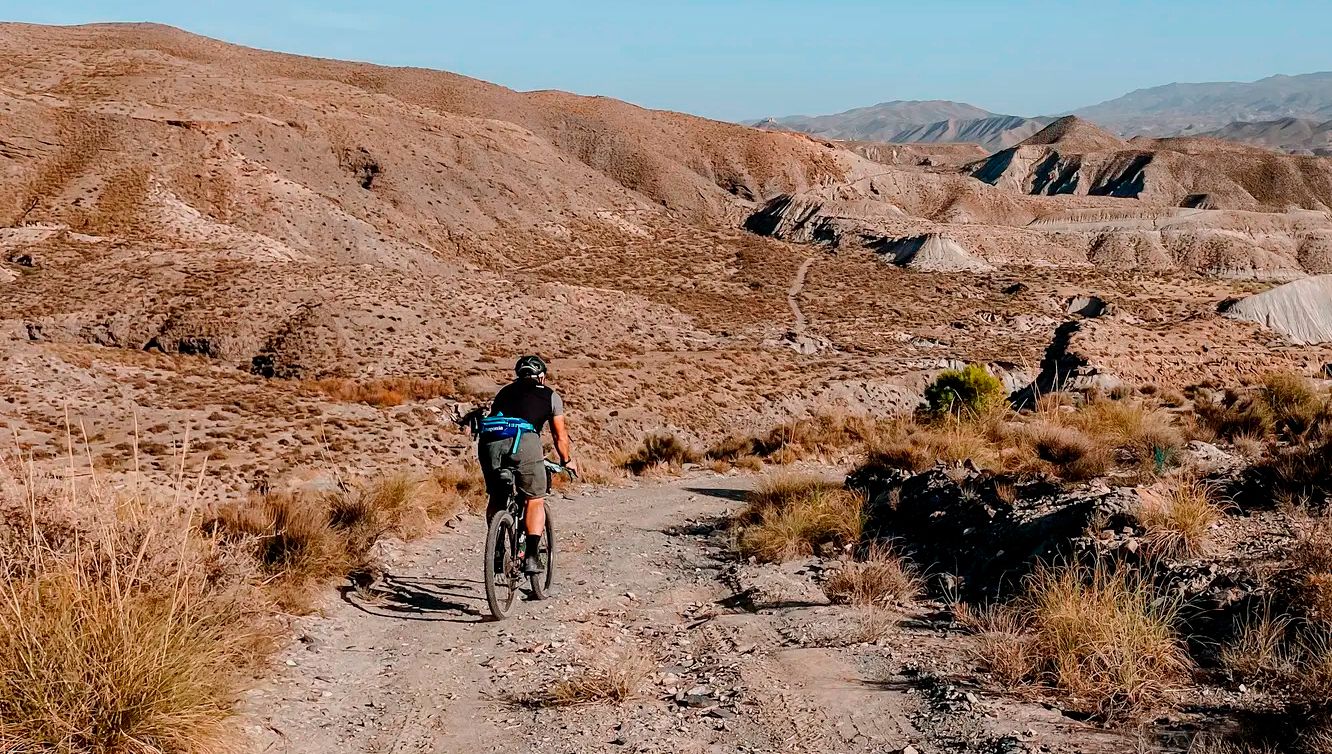
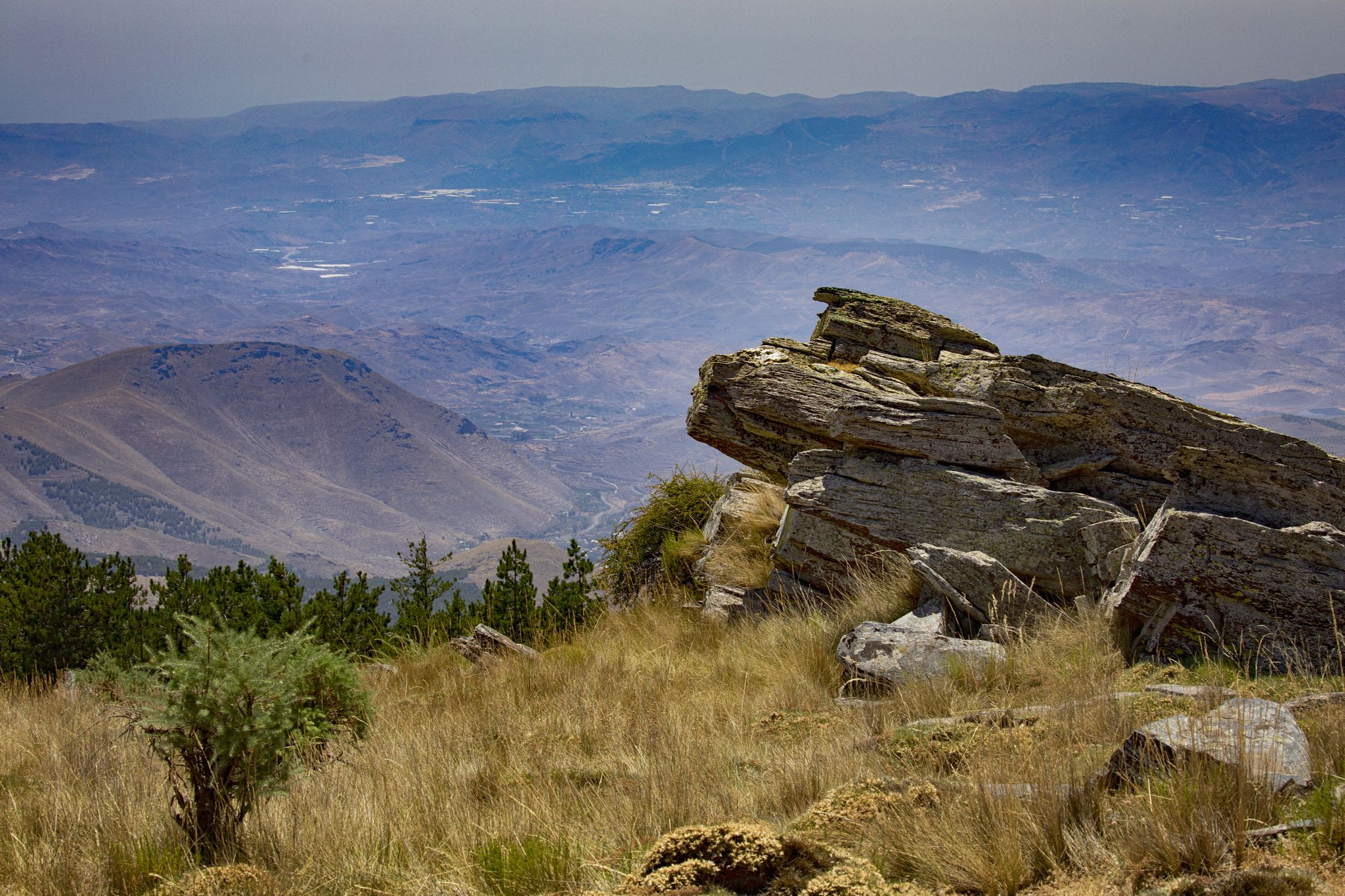
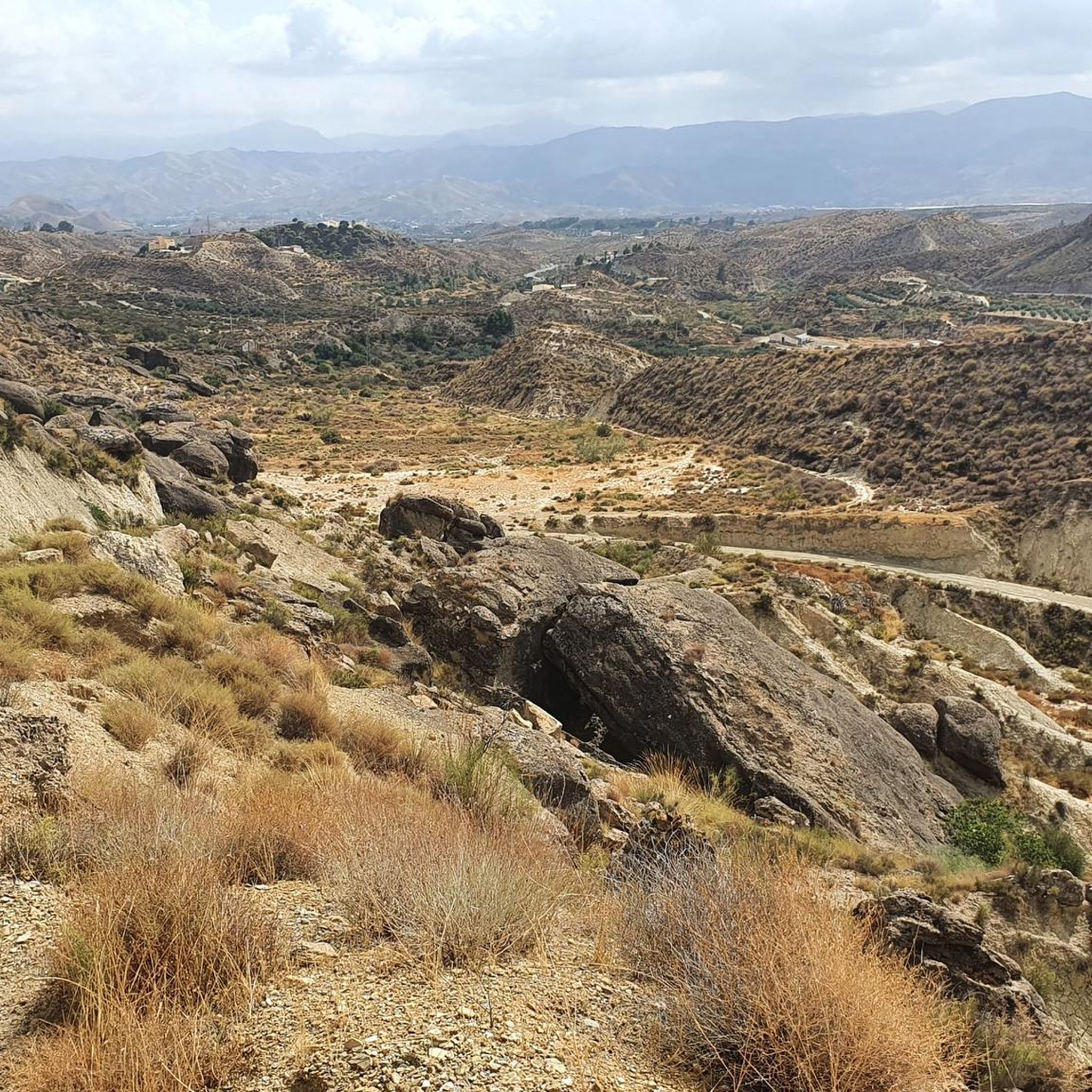
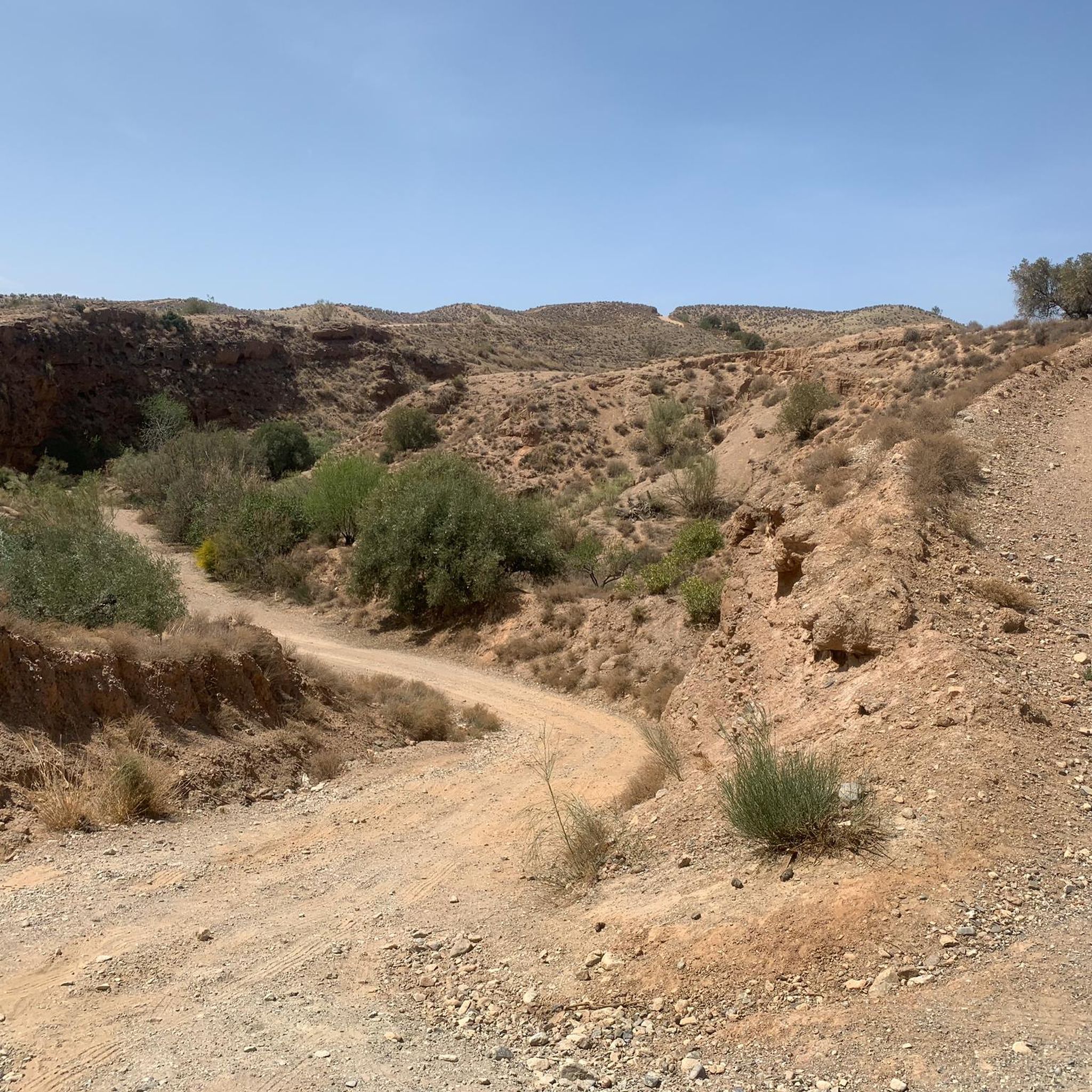
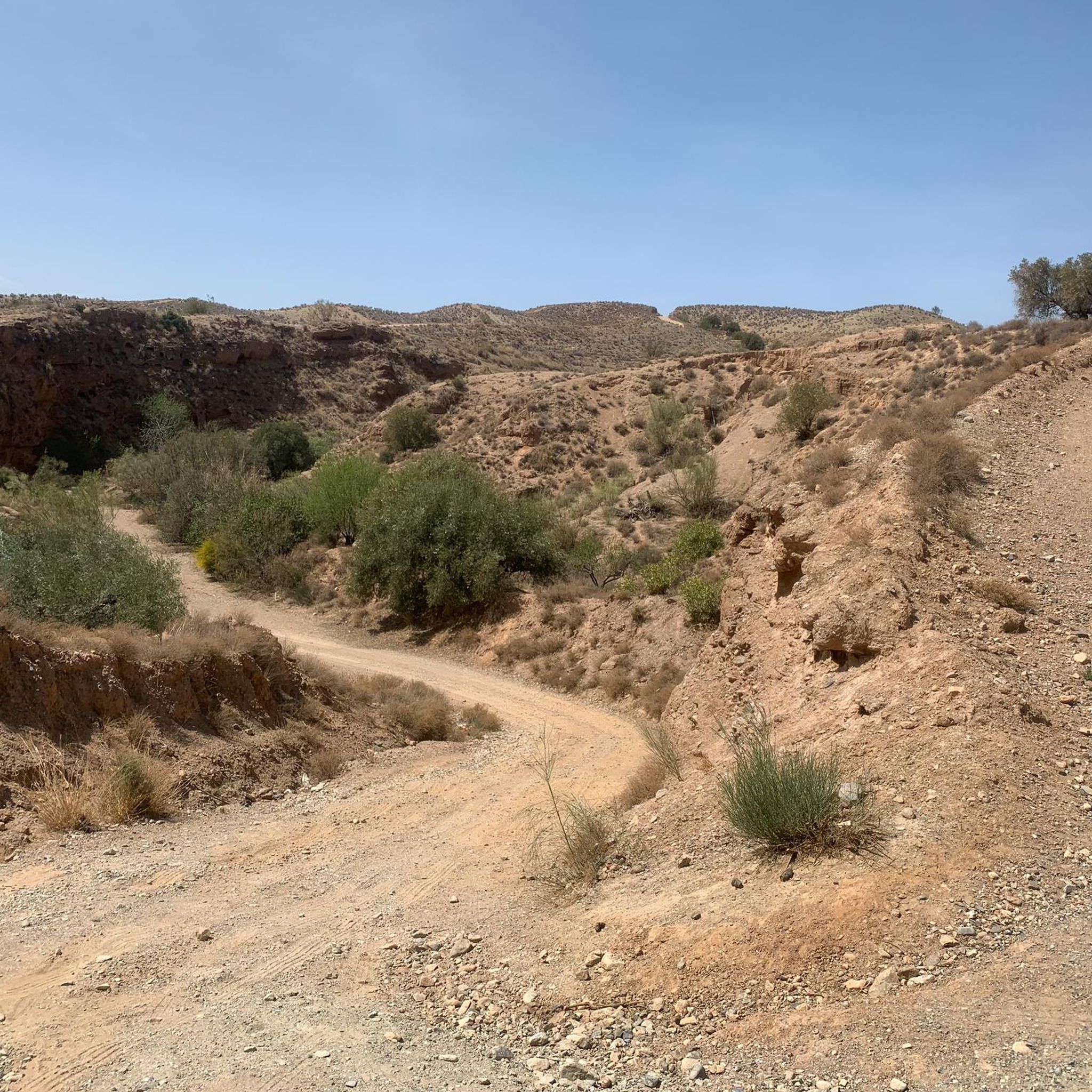
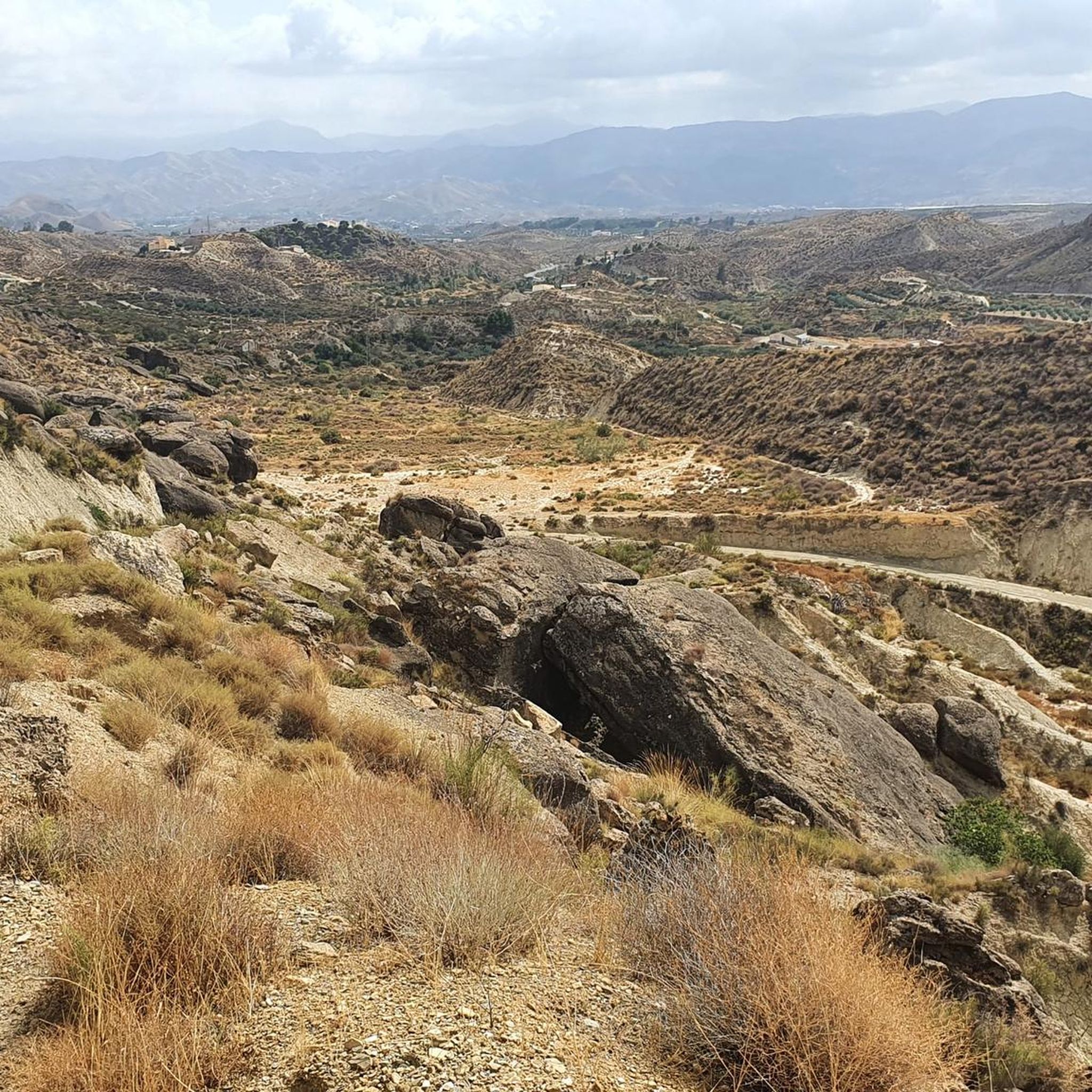
Hiking around Oria offers routes through a landscape characterized by hills, dry riverbeds (ramblas), and areas with historical significance, such as former mining sites. The region features varied terrain, including open scrubland and some agricultural areas, providing diverse hiking experiences. Elevation changes are common, with trails ascending to viewpoints and descending into valleys. The network of trails caters to different preferences, from easier walks to more challenging ascents.
Best hiking trails around Oria
- The most popular hiking route is Las…
Last updated: May 8, 2026
4.7
(6)
16
hikers
13.8km
04:13
460m
460m
Moderate hike. Good fitness required. Mostly accessible paths. Sure-footedness required.
4.3
(4)
9
hikers
13.4km
03:52
340m
350m
Moderate hike. Good fitness required. Mostly accessible paths. Sure-footedness required.

Sign up for free
5.0
(1)
5
hikers
10.2km
02:47
160m
160m
Moderate hike. Good fitness required. Easily-accessible paths. Suitable for all skill levels.
5.0
(1)
3
hikers
6.94km
01:53
90m
90m
Easy hike. Great for any fitness level. Easily-accessible paths. Suitable for all skill levels.
5.0
(1)
3
hikers
8.94km
02:33
210m
210m
Moderate hike. Good fitness required. Easily-accessible paths. Suitable for all skill levels.
Get access to more routes and recommendations from other explorers.
Sign up for free
Already have an account?
Our route recommendations are based on thousands of hikes, rides, and runs completed by other people on komoot.
Start today with a free account
Your next adventure awaits.
Login or Signup


Tips from the Community

The Senda de las Arrodeas is a circular route of approximately 13.7 kilometers that connects Las Arrodeas with El Pinatar in Olula del Río, Almería. Along this route, hikers can enjoy beautiful natural landscapes and panoramic views. I hope you enjoy exploring the Senda de las Arrodeas! 🌿🏞️
4
0
The Hermitage of Cristo de la Buena Muerte in Olula del Río, Almería, is a very characteristic and significant place. The sculpture of the Christ of the Good Death is carved in white Macael marble and made in a single piece. Its beauty and uniqueness make it a point of reference for people who follow the Christian religion. The hermitage is located in a special location, facing the town of Olula del Río, to which it dedicates its protection and shelter. This sculpture sculpted in marble is a testimony to the devotion and history of the region. If you ever visit Olula del Río, don't miss the opportunity to visit the Hermitage of Cristo de la Buena Muerte and appreciate its artistic beauty. 🌿🏰
1
0
The name Somontín seems to have a Latin origin, coming from the union of “sub” and “montis”, giving a meaning of “below the mountain”. Although there is no proven data that allows us to establish the origin of Somontín, its name suggests that it already existed when the Muslims arrived in 711. The success of the name would come from the location of the town with respect to the Almanzora Valley. Somontín is a picturesque place, with sloping streets, white houses and an outstanding Parish Church. Its location in the Sierra de las Estancias has earned it the nickname “Balcón del Almanzora”. 🌿🏞️
1
0
Lúcar is a Spanish town and municipality located in the northwestern part of the Valle del Almanzora region, in the province of Almería. It borders with the Almeria municipalities of Tíjola, Armuña de Almanzora, Purchena, Somontín and Oria, and with the Granada municipality of Cúllar. The municipality is located at an altitude of 912 meters. The name Lúcar comes from the Latin “lucus”, which means jungle1. 🌿🏞️
4
0
On the path of Vereda de los Chaveses and near the Cortijo of the same name.
10
0

Path of about 2km of continuous ascent. After a zig zag section you come to an esplanade where the Olula town hall has dug a well to supply the town with drinking water.
0
0
Somontín is located on a natural terrace known as Balcón de la Almanzora, in reference to the Sierra on which it is located. Although there are no records of the origins of the town, its name of Latin origin indicates that it predates the Arab era.
1
0
Lúcar is a town in the Sierra de la Almanzora. Walking through its streets you will find a beautiful Mudejar church with baroque additions and a marble column known as "La Santa". On the outskirts of town there is a viewpoint from which you have a great view of the entire town.
2
0
Frequently Asked Questions
Are there easy hiking trails suitable for beginners around Oria?
Yes, Oria offers several easy hiking options. For instance, the Torreta de La Albojaria loop from El Cerrogordo is an easy 4.3-mile (6.9 km) route with minimal elevation gain, perfect for a relaxed walk through the local landscape.
What kind of terrain can I expect on hikes in Oria?
Hiking around Oria features a diverse landscape characterized by rolling hills, dry riverbeds known as ramblas, and areas with historical significance, including former mining sites. You'll encounter open scrubland and some agricultural zones, with trails often involving elevation changes as they ascend to viewpoints and descend into valleys.
Are there any circular hiking routes in the Oria area?
Yes, Oria has several circular routes. A notable one is Las Minas de Talco – circular between Lucar and Somontin (PR-A 301), which is a moderate 8.3-mile (13.4 km) path exploring historical mining areas and local scenery. Another option is the Chirivel - Rambla de Chirivel Loop, a 6.3-mile (10.2 km) trail through a rambla.
What are some interesting landmarks or natural sights to see along the hiking trails?
The Oria region offers several points of interest. You can explore natural monuments like El Estrecho de Urrácal, a striking gorge, or visit the Mirador de Piedra Lobera for panoramic views. Historical sites such as the Santuario del Saliente are also accessible near some routes.
What is the best time of year to go hiking in Oria?
The best time to hike in Oria is generally during the spring and autumn months when temperatures are milder and the landscape is vibrant. Summers can be very hot, making early mornings or late afternoons preferable for hiking. Winters are typically mild, offering pleasant conditions for walking, though some higher elevation areas might be cooler.
Are there any family-friendly hiking options around Oria?
While specific 'family-friendly' designations aren't always available, many of the easier routes are suitable for families with children. The Torreta de La Albojaria loop from El Cerrogordo, being an easy and relatively short trail, could be a good option for families looking for a gentle outing.
What do other hikers enjoy most about the trails in Oria?
The hiking trails in Oria are highly rated by the komoot community, with an average score of 4.8 stars from over 17 reviews. Hikers often praise the varied terrain, the sense of natural and cultural exploration, and the opportunities to discover historical sites like former mining areas.
Are there any challenging hikes for experienced hikers in Oria?
While there are no routes explicitly graded as 'difficult' in the immediate area, many of the moderate trails offer significant elevation gain and longer distances that can be challenging. For example, the Las Arrodeas - El Pinatar Trail is 8.6 miles (13.8 km) with over 1,500 feet (460 meters) of elevation gain, providing a good workout for experienced hikers.
Can I find less crowded hiking routes if I prefer solitude?
To find less crowded routes, consider exploring some of the lesser-known trails or hiking during off-peak times, such as weekdays or early mornings. The region's network of trails is extensive, and while some routes are popular, many offer a sense of solitude amidst the natural landscape of hills and ramblas.
Is there public transport access to the trailheads around Oria?
Public transport options directly to specific trailheads in rural areas like Oria can be limited. It is generally recommended to have a car for convenient access to most hiking starting points. Check local bus schedules for connections to Oria town, and then plan for onward travel to trailheads.
What should I wear and bring for hiking in Oria?
Given the varied terrain and potential for elevation changes, it's advisable to wear sturdy hiking shoes with good grip. Layers of clothing are recommended to adapt to changing temperatures, especially during spring and autumn. Always carry sufficient water, sun protection (hat, sunscreen), and a map or GPS device, as some areas can be remote.
Are there any specific trails that pass by historical mining sites?
Yes, the region has a history of mining, and some trails incorporate these sites. The Las Minas de Talco – circular between Lucar and Somontin (PR-A 301) is specifically designed to explore historical mining areas, offering a unique blend of natural beauty and industrial heritage.
Most popular attractions around Oria

Get inspired with the komoot mobile app


Explore more
Browse the best Hikes in other regions.
