The best walks and hikes around Rioja
4.5
(472)
1,831
hikers
57
hikes
Hiking around Rioja offers diverse terrain, from the high peaks of the Sierra de la Demanda to the gentle slopes of the Ebro River Valley. The region is characterized by several mountain ranges, including Sierra Cebollera Natural Park with its extensive forests and waterfalls, and the Cantabria Mountains providing elevated views. Vineyards are a prominent feature, particularly in the lower valleys, alongside ancient forests and river canyons like the Leza River. This varied landscape provides a range of hiking experiences across different elevations and environments.
Best hiking trails around Rioja
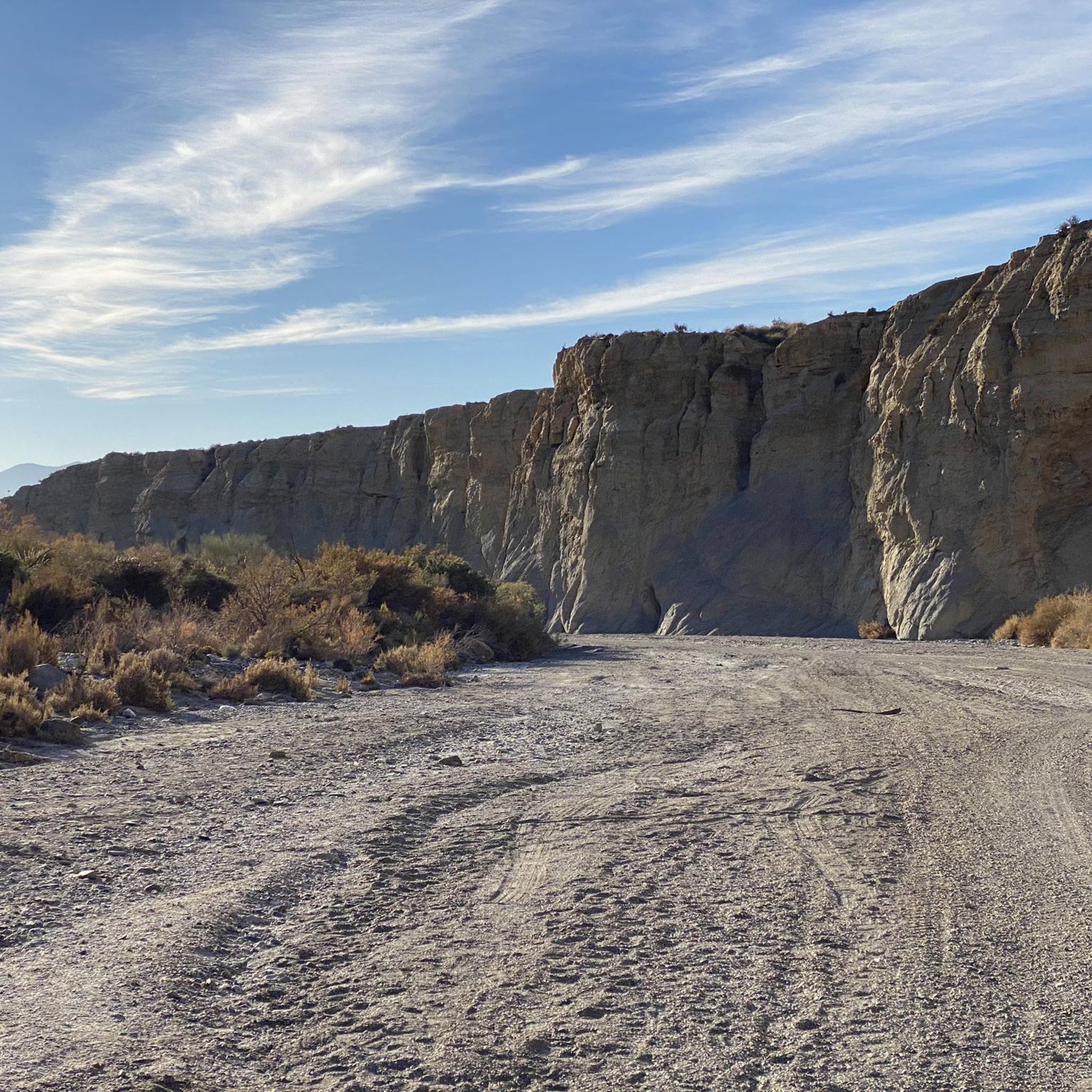
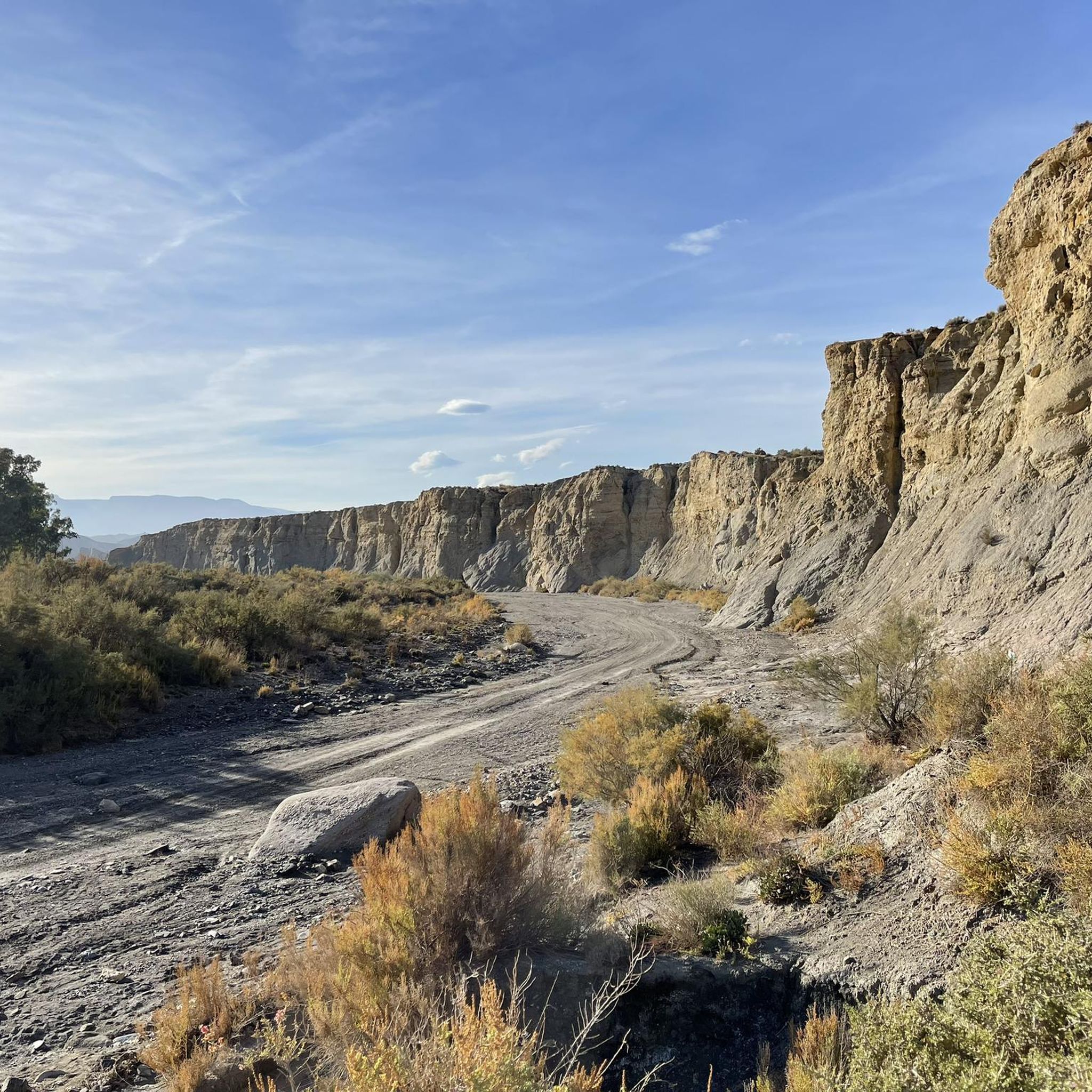
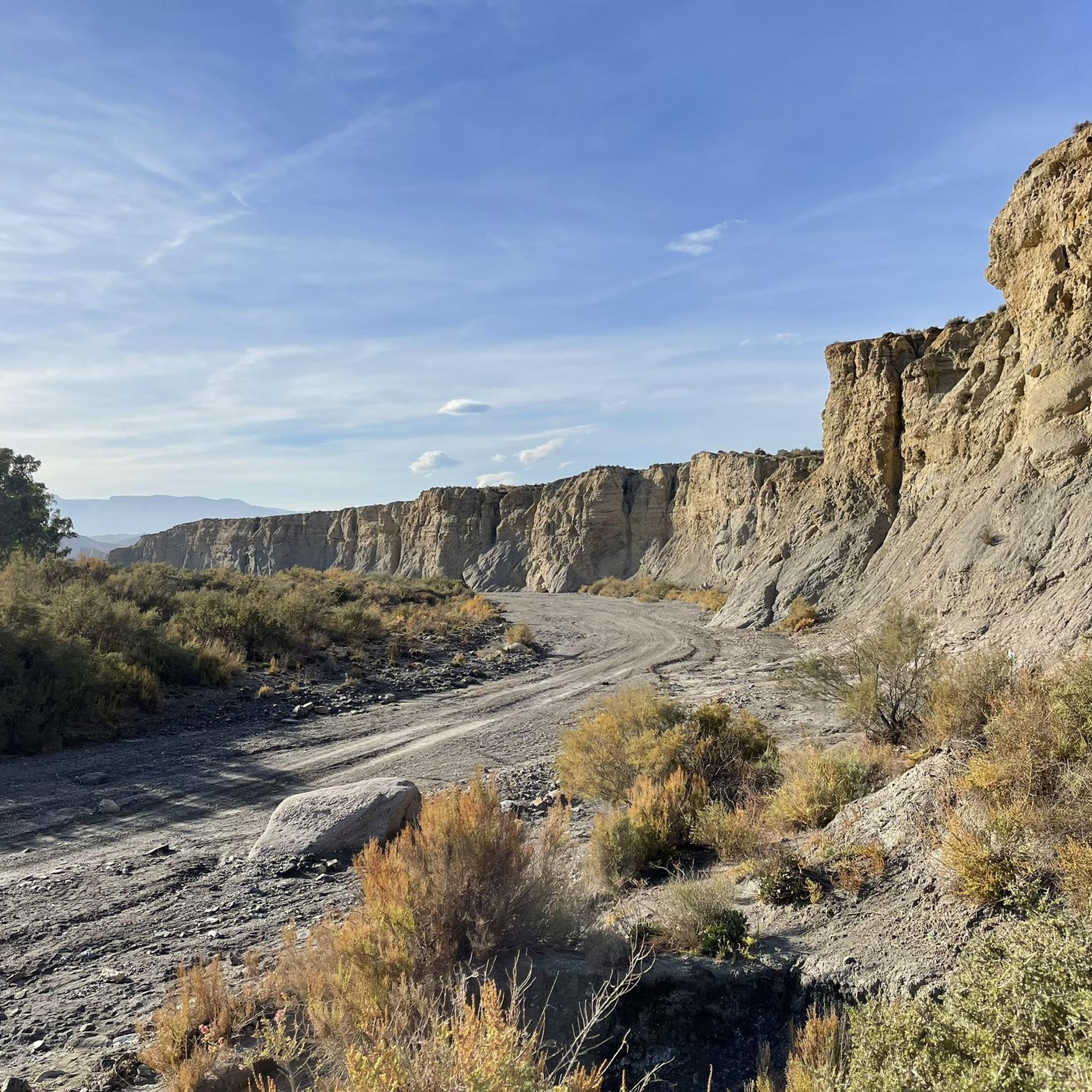
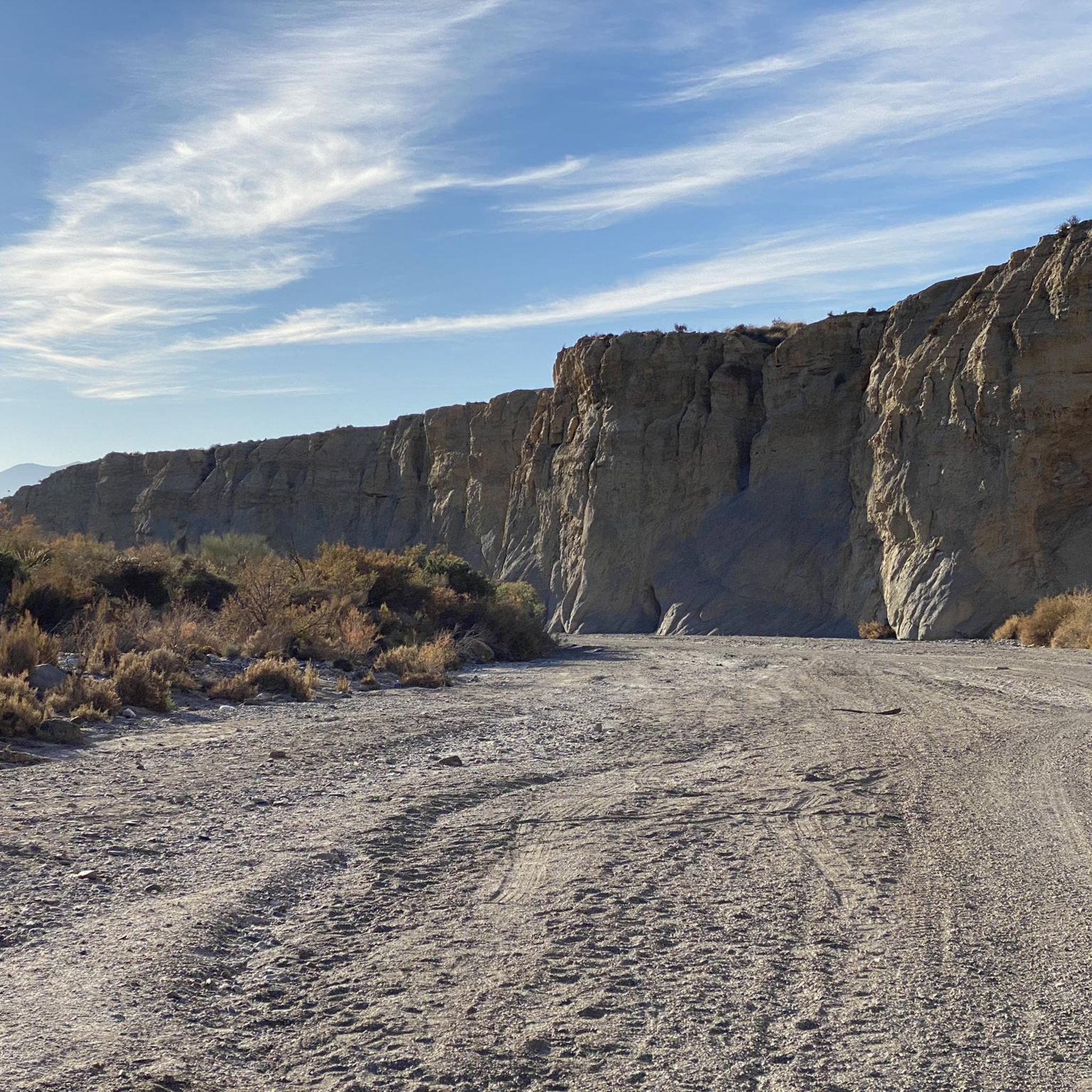
- The most popular hiking route is Cerro del Cautivo – Tabernas Oasis loop from Puente del Cautivo, a 4.0 miles (6.4 km) trail that takes 1 hour 45 minutes to complete. This easy route explores the unique desert-like landscapes of the Tabernas area.
- Another top favourite among local hikers is Exodus Movie Set – Pechina Hot Springs loop from El Chorrillo, an easy 3.1 miles (5.0 km) path. This trail features a mix of open terrain and natural hot springs.
- Local hikers also love the Exodus Movie Set – Pechina Hot Springs loop from Cerro Espinaza, a 5.3 miles (8.6 km) trail leading through varied terrain with moderate elevation changes, often completed in about 2 hours 32 minutes.
- Hiking around Rioja is defined by mountain ranges, river valleys, and extensive vineyards. The network offers options for different ability levels, from easy vineyard strolls to more challenging mountain ascents.
- The routes in Rioja are highly rated by the komoot community with an average score of 4.5 stars from over 400 reviews. More than 1700 hikers have used komoot to explore Rioja's varied terrain.
Last updated: May 7, 2026
4.5
(24)
82
hikers
6.42km
01:45
100m
100m
Easy hike. Great for any fitness level. Easily-accessible paths. Suitable for all skill levels.
4.5
(6)
23
hikers
4.96km
01:33
190m
190m
Easy hike. Great for any fitness level. Easily-accessible paths. Suitable for all skill levels.

Sign up for free
4.0
(3)
23
hikers
8.62km
02:34
260m
260m
Moderate hike. Good fitness required. Easily-accessible paths. Suitable for all skill levels.
4.3
(3)
18
hikers
8.15km
03:03
510m
510m
Moderate hike. Good fitness required. Easily-accessible paths. Suitable for all skill levels.
3.8
(4)
10
hikers
6.30km
01:53
200m
200m
Easy hike. Great for any fitness level. Easily-accessible paths. Suitable for all skill levels.
Get access to more routes and recommendations from other explorers.
Sign up for free
Already have an account?
Our route recommendations are based on thousands of hikes, rides, and runs completed by other people on komoot.
Start today with a free account
Your next adventure awaits.
Login or Signup

Tips from the Community


Curious to see these palm trees in the middle of the desert.
1
0
Some of the steps are not very reliable.
0
0

The Espinaza Bridge and the mining ruins are linked to the former mining activity in the Sierra Alhamilla area (Almería), where minerals such as iron and lead were extracted from Roman times until the early 20th century. It is a historic structure located on the mining route that connected the loading docks and furnaces with the roads leading to the coast. It was used to span ravines and facilitate the transport of ore by carts and, later, wagons. Today it is preserved as an industrial vestige, integrated into trails that wind through the mountains.
2
0
The accessible circular reservoir near the "Hollywood scene spot" in Pechina is more of a historic urban cistern. Located next to the old Pechina Gate, also known as the Purchena Gate, it was part of the Almería city water supply system during the medieval period. It was part of the hydraulic system implemented by Jayrán (early 11th century), connecting the Alhadra Fountain with multiple public cisterns, including the circular one next to the gate.
2
0
El Chorrillo: The Great Film Set Although not officially called a "Hollywood scene spot," the El Chorrillo area (also in Pechina) is a major film location: Exodus: Gods and Kings (Ridley Scott, 2014): a set measuring up to 1.5 x 1 km was built to recreate cities of Ancient Egypt. Game of Thrones (Season 6): it served as the village of Vaes Dothrak. Scenes from Penny Dreadful, The Gospel of John, Brothers, and several historical westerns such as Tierra Brutal have also been filmed there. Some structures remain (e.g., the slave ghetto set) and can be visited.
2
0
El Chorrillo: The Great Film Set Although not officially called a "Hollywood scene spot," the El Chorrillo area (also in Pechina) is a major film location: Exodus: Gods and Kings (Ridley Scott, 2014): a set measuring up to 1.5 x 1 km was built to recreate cities of Ancient Egypt. Game of Thrones (Season 6): it served as the village of Vaes Dothrak. Scenes from Penny Dreadful, The Gospel of John, Brothers, and several historical westerns such as Tierra Brutal have also been filmed there. Some structures remain (e.g., the slave ghetto set) and can be visited.
1
0
The thermal waters of Baños de Sierra Alhamilla are located in the village of Pechina, Almería. The spring emerges from carbonate rocks of the Nevado-Filábride Complex aquifer, with a constant flow at a high temperature (58°C). Benefits of the waters: Therapeutic: anti-inflammatory and analgesic (rheumatism, arthritis, neuralgia, trauma); antispasmodic and sedative effects due to radon. Dermatological: eliminate oil and dead skin, regenerate the skin; promote sweating and detoxification. Respiratory: beneficial for rhinitis, pharyngitis, bronchitis, asthma, and allergies; thin mucus. Digestive: help with gastritis, ulcers, dyspepsia, and gallbladder problems; prevent gallstones and reduce uric acid; diuretic and detoxifying.
2
0
Frequently Asked Questions
How many hiking trails are available in Rioja?
Rioja offers a wide variety of hiking experiences with over 50 routes listed on komoot. These range from easy strolls through vineyards to more challenging mountain ascents, ensuring there's something for every ability level.
What kind of terrain can I expect on hikes in Rioja?
The terrain in Rioja is incredibly diverse. You'll find everything from the high peaks of the Sierra de la Demanda and the Cantabria Mountains to the gentle slopes of the Ebro River Valley. Expect extensive forests, river canyons like the Leza River, and vast vineyards that are particularly stunning in autumn.
Are there any family-friendly hiking options in Rioja?
Yes, Rioja has several routes suitable for families. The Cerro del Cautivo – Tabernas Oasis loop from Puente del Cautivo is an easy 4-mile trail. The Leza River Canyon also offers a suitable route for families starting in Soto en Cameros, and the Lagunas de Urbión feature routes with crystalline waters perfect for a family outing.
Where can I find waterfalls in Rioja?
The Sierra Cebollera Natural Park is an excellent place to discover waterfalls. Within the park, the Puente Ra waterfall is particularly notable, often described as a 'fairytale place'. The park also features a dedicated 'Trail of the Waterfalls' for those looking to explore these natural wonders.
Are there any circular hiking routes in Rioja?
Many routes in Rioja are designed as loops, offering varied scenery without retracing your steps. For instance, the Cerro Alfaro loop from Loma de los Baños is a moderate 8.1 km trail. For a more challenging circular option, Pico San Lorenzo offers an 8 km loop from the ski resort car park.
What are some interesting natural features or landmarks to see along the trails?
Rioja's trails lead to many captivating sights. You can explore the dramatic Barranco del Cautivo, enjoy Views of the Lawrence of Arabia Oasis, or visit the unique Tabernas Oasis. The region also boasts the historic La Tortuga Film Location and the impressive Leza River Canyon.
Can I hike through vineyards in Rioja?
Absolutely! Rioja is famous for its vineyards, especially in areas like Rioja Alta, Rioja Alavesa, and Rioja Oriental. Hiking through these vineyards, particularly in autumn when they burst with ochre, red, and pale yellow colors, offers a unique and picturesque experience. Many self-guided trails connect charming wine villages.
What is the best time of year to go hiking in Rioja?
Rioja offers great hiking opportunities throughout the year, but autumn is particularly recommended for vineyard hikes due to the stunning colors. Spring brings lush greenery and pleasant temperatures. Summer can be warm, especially in lower valleys, while higher mountain trails offer cooler conditions.
Are there any challenging hikes for experienced trekkers?
Yes, for those seeking a challenge, the ascent to Pico San Lorenzo, the highest peak in La Rioja at 2,271 meters, offers expansive mountain views and a demanding climb. The Sierra de la Demanda also provides rugged terrain and high peaks for experienced mountaineers.
What do other hikers say about the trails in Rioja?
The hiking routes in Rioja are highly regarded by the komoot community, with an average score of 4.5 stars from over 400 reviews. Hikers often praise the diverse landscapes, from the serene forests and dramatic canyons to the vibrant vineyards, and the variety of trails suitable for all levels.
Are there any historical or cultural points of interest along the trails?
Beyond natural beauty, Rioja's trails often pass through historic villages with traditional architecture, such as Ezcaray, offering cultural and gastronomic experiences. The ancient Caves of the Hundred Pillars in the Cidacos Valley also provide a unique historical and geological attraction.
Most popular attractions around Rioja

Get inspired with the komoot mobile app


Explore more
Browse the best Hikes in other regions.
