The best road cycling routes around Iznájar
4.4
(9)
984
riders
26
rides
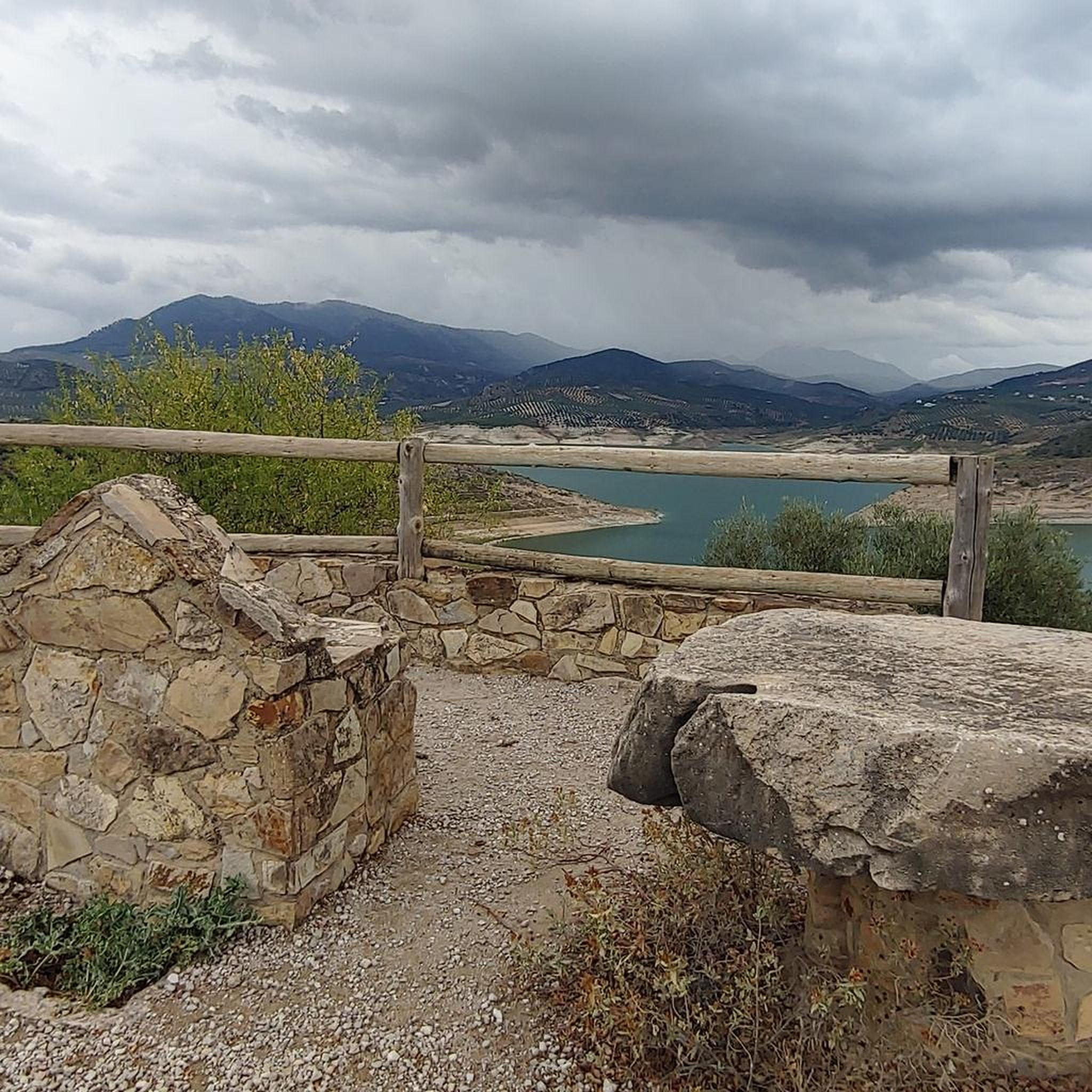
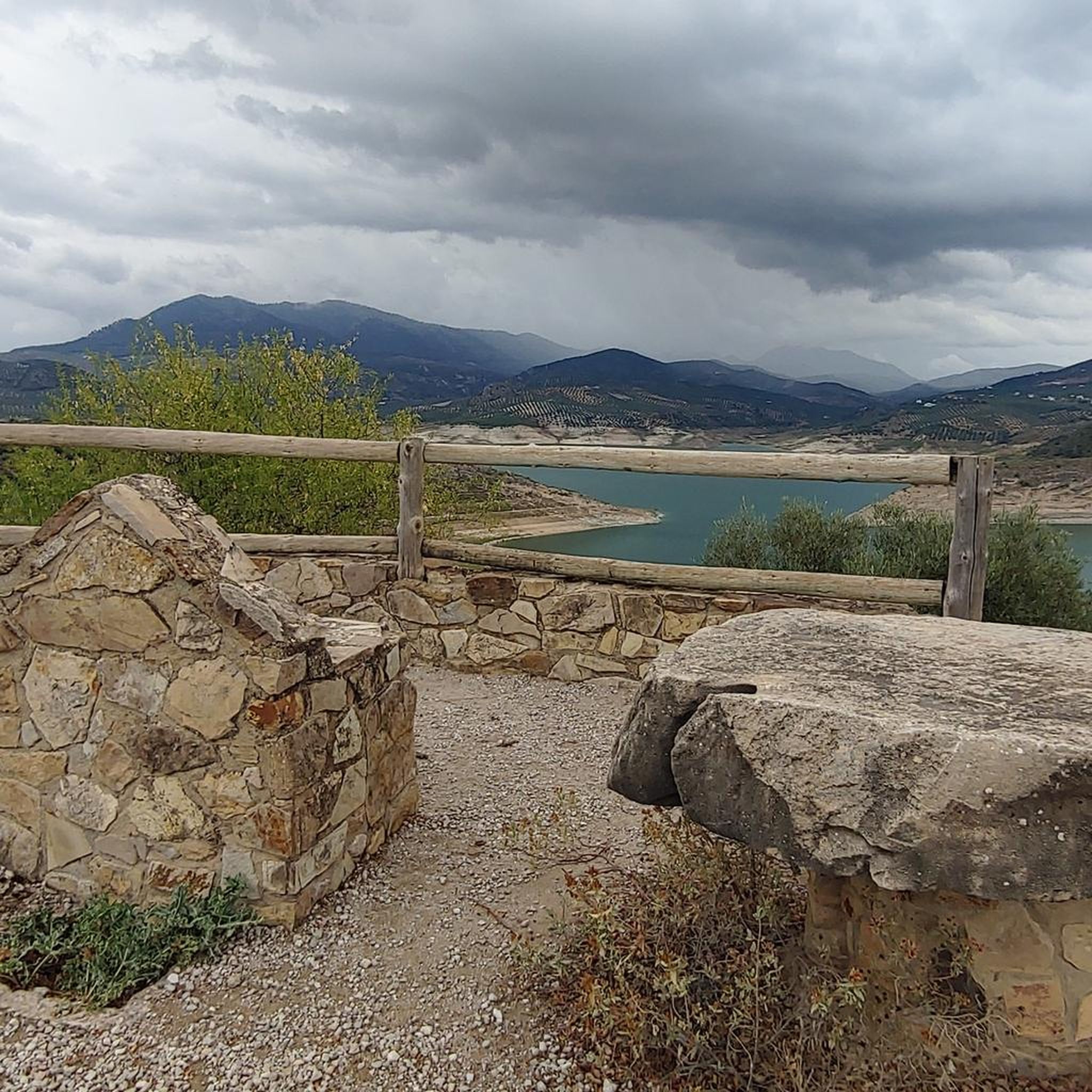
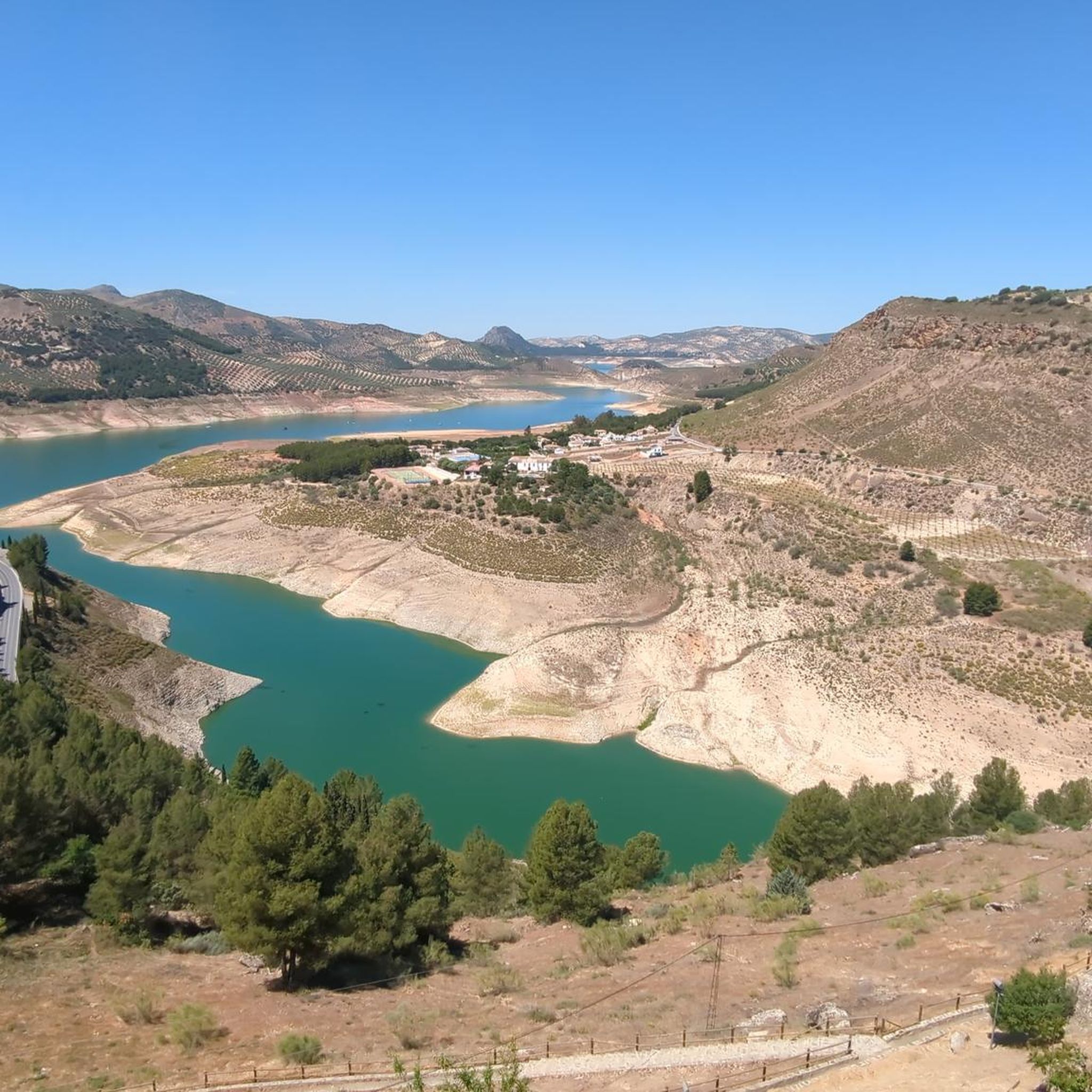
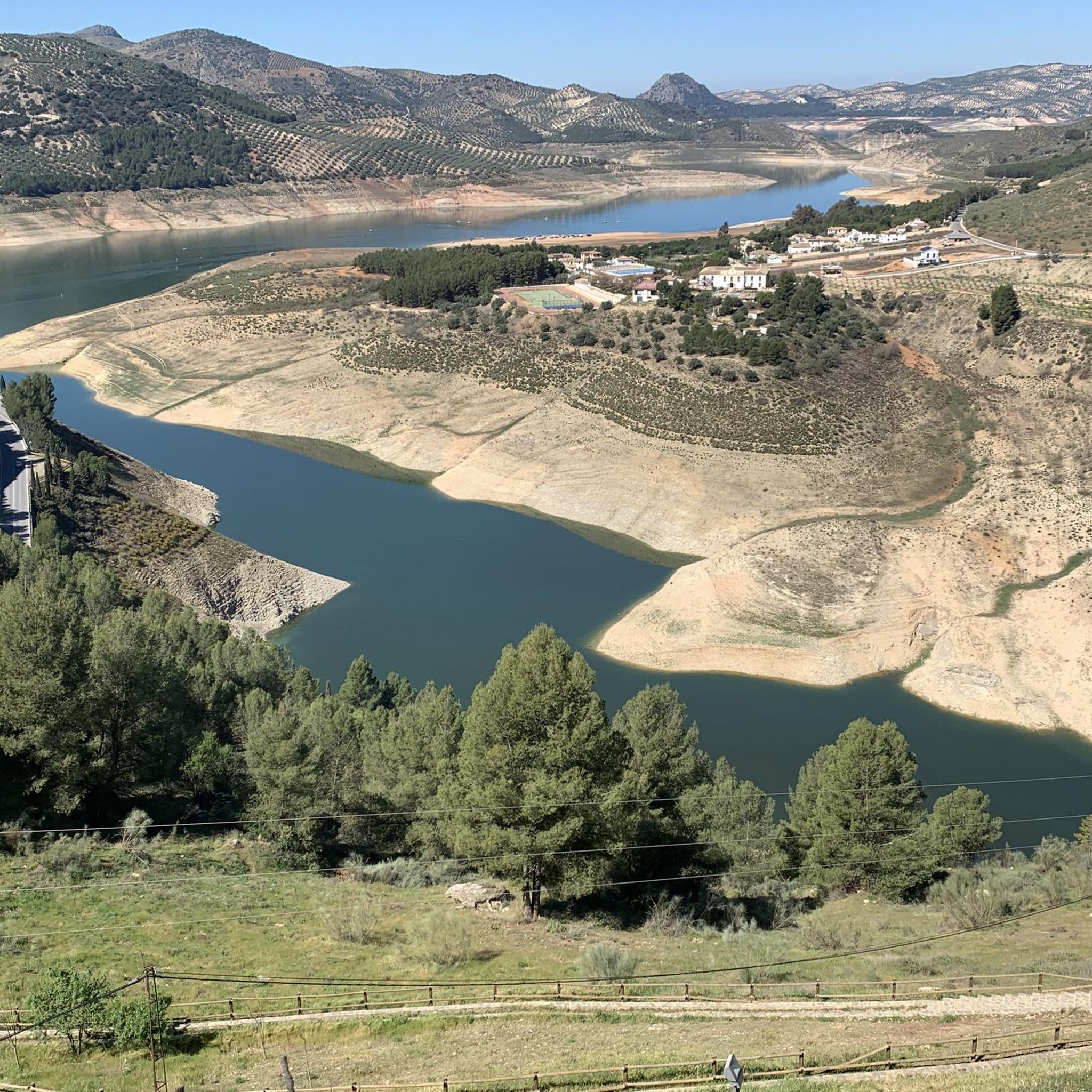
Road cycling routes around Iznájar traverse a landscape characterized by the vast Iznájar Reservoir, the largest in Andalusia, and the rugged terrain of the Sierras Subbéticas Natural Park. The region features extensive olive groves and rolling hills, providing varied gradients for cyclists. Roads often follow the reservoir's shoreline or wind through agricultural areas, offering routes with both challenging ascents and scenic stretches. The area's geology includes limestone formations within the natural park, contributing to its diverse topography.
Best road cycling…
Last updated: May 14, 2026
5.0
(1)
38
riders
100km
05:12
1,800m
1,790m
Hard road ride. Very good fitness required. Mostly well-paved surfaces and easy to ride.
24
riders
111km
05:26
1,540m
1,530m
Hard road ride. Very good fitness required. Mostly well-paved surfaces and easy to ride.

Sign up for free
19
riders
61.5km
03:21
1,130m
1,130m
Hard road ride. Very good fitness required. Mostly well-paved surfaces and easy to ride.
7
riders
114km
06:02
2,030m
2,030m
Hard road ride. Very good fitness required. Mostly well-paved surfaces and easy to ride.
3.0
(1)
18
riders
102km
05:08
1,520m
1,500m
Hard road ride. Very good fitness required. Mostly well-paved surfaces and easy to ride.
Get access to more routes and recommendations from other explorers.
Sign up for free
Already have an account?
Our route recommendations are based on thousands of hikes, rides, and runs completed by other people on komoot.
Start today with a free account
Your next adventure awaits.
Login or Signup
Tips from the Community

The city gate of Antequera was built in 1749 in the Baroque style, demolished in the 19th century, and faithfully reconstructed in the 1990s. Today, the Puerta de Estepa is a symbolic gateway to the city.
3
0
The Puerta de Estepa city gate is one of Antequera's most striking buildings and marks the historic entrance to the city. It is located at the end of the Alameda de Andalucía, very close to the Plaza de la Constitución, where the modern city merges into the historic old town. The gateway with its three round arches was built in 1749 in the Baroque style and once served as a welcoming gateway for travelers coming from the direction of Estepa. The structure was demolished in the 19th century but faithfully rebuilt in the 1990s. Today, the Puerta de Estepa city gate is a popular photo opportunity and a symbolic gateway to the city. The view of the old town through the arches is particularly impressive.
4
0
The Antequera Dolmens Archaeological Complex is one of the most important prehistoric sites in Europe and is located on the outskirts of Antequera in Andalusia, directly on the Carretera de Málaga. The complex includes three large megalithic tombs – the Dolmen de Menga, the Dolmen de Viera, and the Tholos de El Romeral – as well as the two natural monuments Peña de los Enamorados and El Torcal de Antequera. Since 2016, they have formed a recognized UNESCO World Heritage Site, uniquely demonstrating the connection between humans, architecture, and landscape. The Dolmen de Menga is the largest structure in the complex and is one of the most impressive megalithic tombs in Europe. It was built between approximately 3800 and 3600 BC and consists of enormous stone blocks assembled to form a long burial chamber. Particularly noteworthy is its orientation toward the Peña de los Enamorados rock, which indicates symbolic or ritual significance. Human remains and grave goods have been found inside. Just a few meters away is the Dolmen de Viera, which is somewhat smaller and of a more classical design. It was built between 3500 and 3000 BC and is oriented exactly east, allowing sunlight to fall directly into the burial chamber at the equinox. The third structure, the Tholos de El Romeral, is located about four kilometers away and dates back to the Copper Age around 2500 BC. Its circular shape and corbelled vault distinguish it from the older dolmens, demonstrating a further development of the architectural style of the time. The visitor center is located directly next to the Dolmens of Menga and Viera, where visitors can learn more about the history, architecture, and cultural significance of the complex. Exhibitions, models, and interactive displays explain how these monumental structures were constructed using the simplest of means and the role they played in the religious life of early communities. The center also offers guided tours, information materials, and a small shop. Today, the dolmens of Antequera are considered an outstanding example of how people understood their environment more than 5,000 years ago and shaped monumental structures in harmony with nature, astronomy, and faith. The combination of prehistoric architecture and the impressive landscape makes the site a unique testament to early European cultural history.
1
0

The Antequera Dolmens are one of the most important prehistoric monuments in Europe and are a UNESCO World Heritage Site. These impressive megalithic tombs—including the Menga, Viera, and El Romeral dolmens—date back to the 3rd millennium BC. They offer unique insights into the rituals and architecture of prehistoric society. Surrounded by a landscape overlooking the Peña de los Enamorados and the Sierra del Torcal, this is a place where nature, culture, and history converge.
2
0
The Puerta de Estepa is an imposing 18th-century gateway and one of Antequera's most recognizable monuments. It once formed part of the old city walls, welcoming travelers entering the city from Seville and Estepa. With its classic Baroque style and the city's coat of arms, the gate offers a wonderful photo opportunity and a reminder of Antequera's rich past.
3
2
El Castillo de Zuheros is a historic fortress in the small municipality of Zuheros. The castle sits spectacularly on a rock and has become a landmark of the region. The castle's origins date back to the Moors in the 9th century. It was strategically built on a limestone cliff to control and defend the region. Its location made it almost impregnable.
0
0
El Castillo de Zuheros stands spectacularly on a rock and offers impressive views of the Sierra Subbética. The castle is a major landmark in the region. The castle's origins date back to the Moors in the 9th century. It was strategically built on a limestone cliff to control and defend the region. Its location made it almost impregnable. It was part of a network of castles designed to secure Moorish influence in Andalusia. In 1240, Zuheros was conquered by the troops of Ferdinand III of Castile. The castle passed into Christian ownership and was integrated into the kingdom's defensive structure. With the end of its military importance in the region, after the conquest of Granada in 1492, the castle began to decline in importance. Parts of the complex were destroyed by earthquakes and neglect over the centuries. In 1964, the towers were reconstructed as they can be seen in their current form. The ruins of the castle are now one of the main attractions of Zuheros and can be visited.
9
0

The remains date from two different periods. The massive, crenellated square tower is of Moorish origin, while the remains of the Renaissance palace date from the 16th century. At the same time, the Plaza de la Paz offers a natural viewpoint (622m), with shooting views** over the hills with their carpet of olive groves and Baena in the background.
11
0
Frequently Asked Questions
How many road cycling routes are available around Iznájar?
There are over 25 road cycling routes around Iznájar, catering to various fitness levels. The majority, around 22, are classified as difficult, while about 4 are moderate, offering a good range of options for cyclists.
What kind of terrain can I expect on road cycling routes in Iznájar?
The terrain around Iznájar is diverse, characterized by the vast Iznájar Reservoir, extensive olive groves, and the rugged Sierras Subbéticas Natural Park. You'll encounter rolling hills, challenging ascents, and scenic stretches, with some sections reaching up to a 15% incline. Roads are mostly paved, offering a mix of gradients.
Are there challenging climbs for experienced road cyclists in Iznájar?
Yes, Iznájar is known for its challenging climbs, particularly within the Sierras Subbéticas Natural Park. Many routes feature significant elevation gain, such as the Zuheros – Zuheros Castle loop from Iznájar, which includes over 2,000 meters of ascent, providing a demanding experience for seasoned riders.
Can I find easier road cycling routes suitable for beginners in Iznájar?
While many routes are difficult, there are moderate options available. For instance, the View of Olive Groves and Hills loop from El Cerrajón is a moderate route that offers a less strenuous ride through picturesque landscapes, ideal for those looking for a more relaxed experience.
What are some notable landmarks or viewpoints I can see while cycling in Iznájar?
Road cycling routes in Iznájar offer stunning views and pass by several landmarks. You can see the dramatic Iznájar Castle perched above the village, and enjoy panoramic vistas from El Cedrón Viewpoint. The routes also often provide views of the vast Iznájar Reservoir and the impressive Iznájar Dam.
Are there any circular road cycling routes around Iznájar?
Yes, many of the road cycling routes in Iznájar are circular, allowing you to start and end in the same location. Popular options include the Iznájar Village – Archidona loop from Iznájar and the Views of Iznájar – Iznájar Village loop from Iznájar, which take you through varied landscapes and back to your starting point.
When is the best time of year to go road cycling in Iznájar?
The best time for road cycling in Iznájar is typically during the spring (March to May) and autumn (September to November). During these seasons, the weather is generally milder and more pleasant for cycling, avoiding the intense heat of summer and the cooler, potentially wetter days of winter.
Are there places to stop for refreshments or coffee along the routes?
Yes, many routes connect Iznájar with other charming Andalusian villages like Rute, Lucena, and Zuheros. These villages offer opportunities to stop for refreshments, coffee, or to experience local gastronomy. The Vía Verde del Aceite, a converted railway line, also features old train stations repurposed as cafes.
What do other cyclists say about road cycling in Iznájar?
The road cycling routes in Iznájar are highly rated by the komoot community, with an average score of 4.0 stars. Cyclists often praise the breathtaking views of the Iznájar Reservoir, the challenging yet rewarding climbs through the Sierras Subbéticas, and the tranquil roads winding through endless olive groves.
Are there any routes that pass through charming villages?
Absolutely. Many road cycling routes are designed to connect Iznájar with other picturesque white villages in the region. For example, the Iznájar Village – Archidona loop from Iznájar and the Zuheros – Zuheros Castle loop from Iznájar offer opportunities to explore these historic settlements and their unique character.
What makes the Iznájar region unique for road cycling?
Iznájar stands out for its unique combination of the vast Iznájar Reservoir, the largest in Andalusia, and its location within the rugged Sierras Subbéticas Natural Park. This creates a diverse landscape with both challenging climbs and scenic, traffic-free roads through olive groves, offering a truly distinctive Andalusian cycling experience.
Most popular attractions around Iznájar

Get inspired with the komoot mobile app


Explore more
Browse the best Road cycling routes in other regions.
