Attractions and Places To See around Villanueva Del Rosario - Top 20
Best attractions and places to see around Villanueva Del Rosario include a diverse landscape of mountain ranges, rivers, and unique karst formations. This Andalusian village is situated at the foot of the Sierras del Jobo and Camarolos, offering a rich natural backdrop. The area features significant historical and cultural sites, including Visigoth necropolises and Roman settlements. Visitors can explore natural springs, viewpoints, and archaeological findings that span from the Lower Palaeolithic to the Copper Age.
Best attractions and places to…
Last updated: May 9, 2026
Hundred‑Spout Fountain
Highlight • Natural Monument
Translated by Google •
Tip by

Ascent to El Torcal
Highlight (Segment) • Climb
Tip by

Sign up now to discover places like this
Get recommendations on the best single tracks, peaks, & plenty of other exciting outdoor places.
Sign up for free
Baños de Vilo Hot Springs
Highlight • Natural Monument
Translated by Google •
Tip by

Zafarraya Plain
Highlight • Natural Monument
Tip by

Puerto del Sol (1085 m)
Highlight • Mountain Pass
Tip by

Sign up for free to discover even more attractions around Villanueva Del Rosario.
Sign up for free
Already have an account?
Start today with a free account
Your next adventure awaits.
Login or Signup
Popular around Villanueva Del Rosario
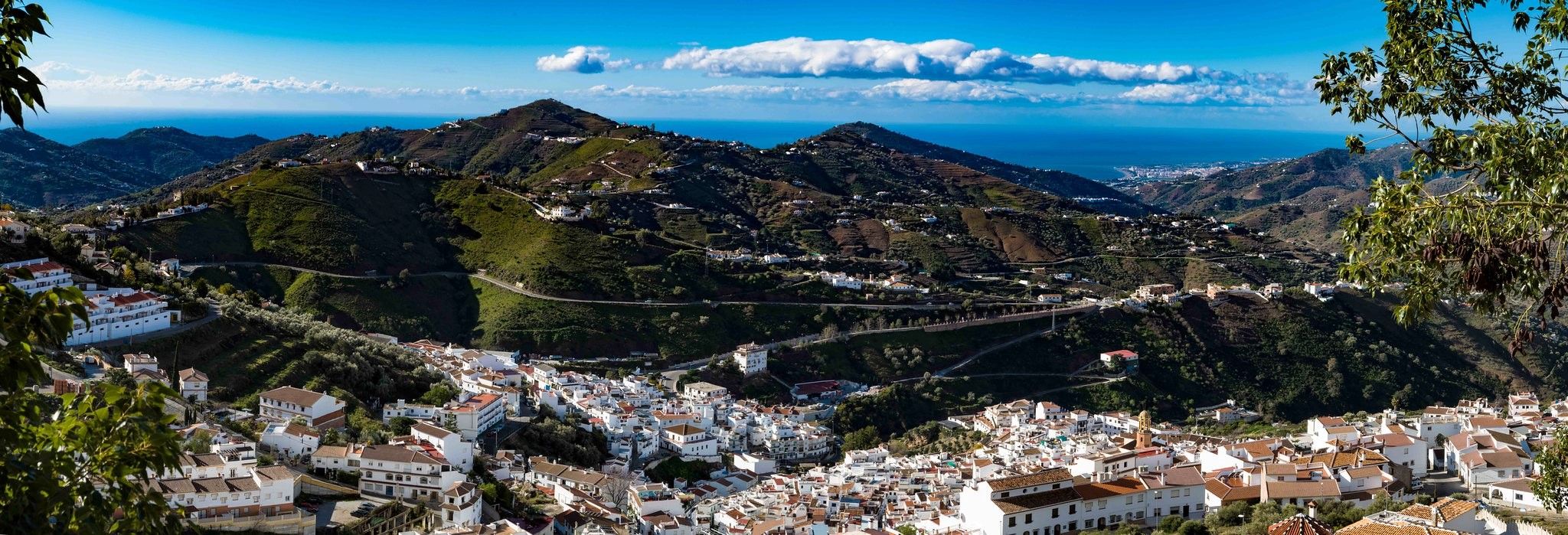
Hike between sea and mountains — Gran Senda de Málaga (GR 249)
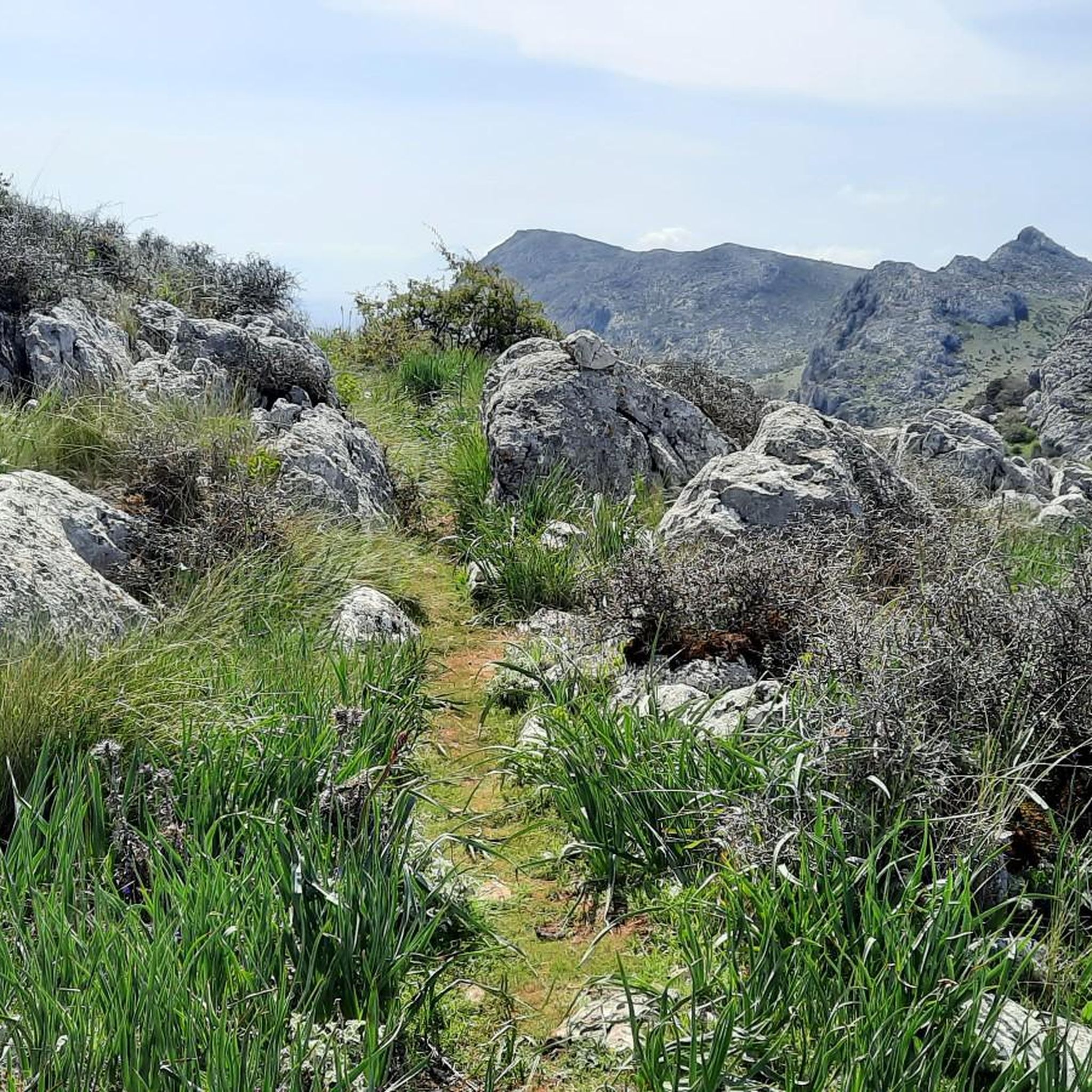
Hiking around Villanueva Del Rosario
Road Cycling Routes around Villanueva Del Rosario
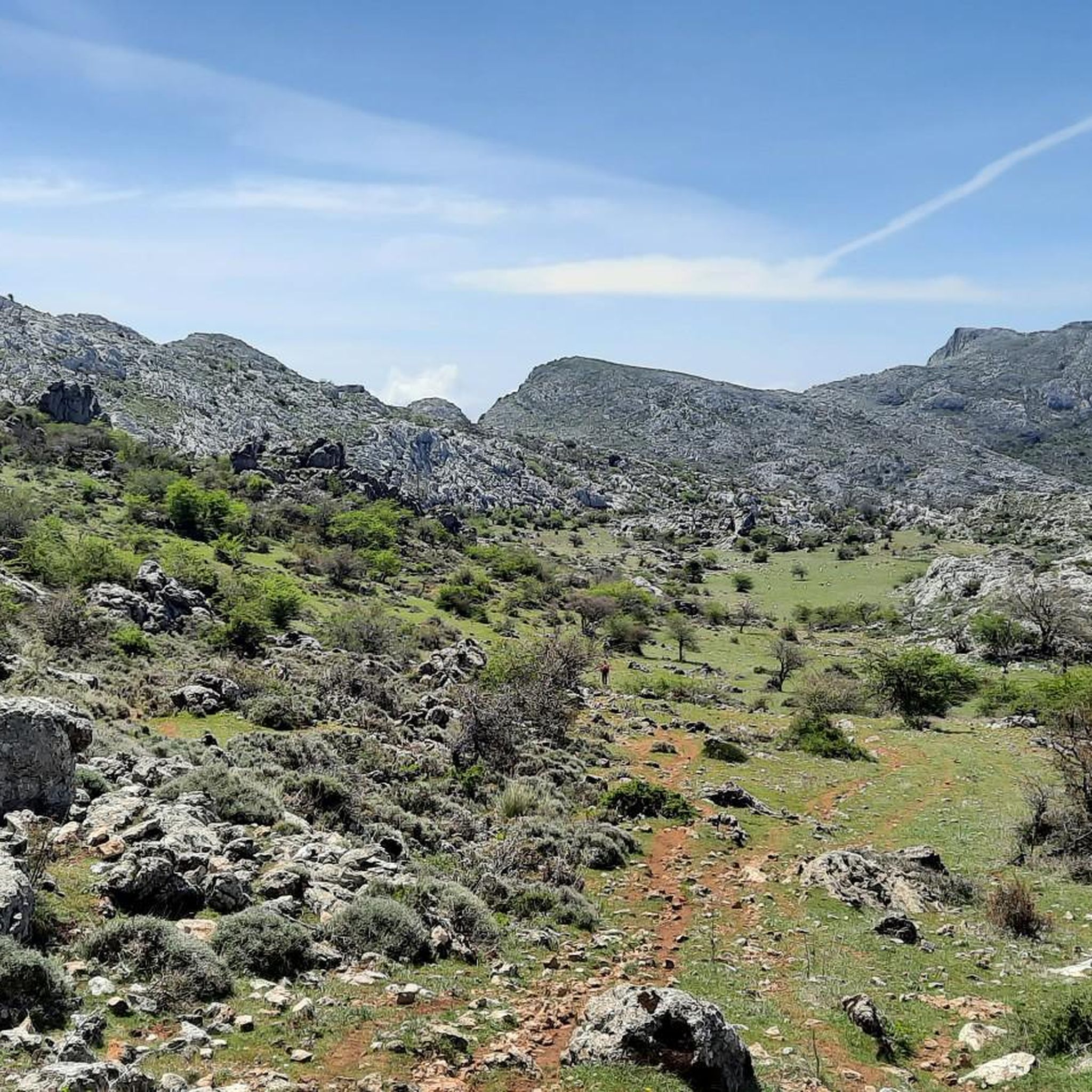
MTB Trails around Villanueva Del Rosario
Cycling around Villanueva Del Rosario
Running Trails around Villanueva Del Rosario

Gravel biking around Villanueva Del Rosario
Other adventures around Villanueva Del Rosario

Tips from the Community

I was there mid november and the fountain was empty...
0
1

The bike ride up El Torcal de Antequera leads into the nature reserve of the same name, known for its extraordinary karst formations. The route follows a winding, steadily ascending road through a diverse rocky landscape. As the altitude increases, the surroundings change significantly – vegetation becomes sparser, and the striking rock formations of the Torcal come into focus. The route impresses with its mesmerizing views, the tranquility, the fresh mountain air, and the impressive rock formations, which at the top merge into an almost surreal landscape. At the end of the climb, you reach the Torcal Alto visitor center, from where various hiking trails lead through the heart of the nature reserve. The climb is challenging, but for experienced cyclists it is a worthwhile experience amidst one of Andalusia's most fascinating natural landscapes.
0
0

A colorful route with many beautiful areas. The 101 channels are truly breathtaking with so much water. The Rosario River is full of beauty with those spectacular waterfalls.
1
1

The Fuente de los Cien Caños is an impressive natural monument located in Villanueva del Trabuco, on the limestone slope of the Sierra de San Jorge. The fountain is known for being the source of the Guadalhorce River, the longest and most voluminous river in the province of Malaga.
5
0

The Zafarraya polje is a closed depression with a flat bottom, surrounded by limestone mountains that are strongly karstified. The waters of the polje are absorbed by several ponors (sinkholes), and during heavy rainfall the polje can be temporarily flooded. This makes it an interesting example of karst landscape and geological processes.
8
3


switch back climb from the north is well paved and hot hot hot! great views
0
0
Frequently Asked Questions
What natural features can I explore around Villanueva del Rosario?
The region is rich in natural beauty, offering the dramatic landscapes of the Sierras del Jobo and Camarolos, ideal for hiking and active tourism. You can also visit the Hundred‑Spout Fountain, a natural monument and the source of the Guadalhorce River, known for its 101 spouts. Other notable natural sites include El Nacimiento (The Spring) with its natural waterfalls, the unique Llano del Hondonero plain, and the Tajo de la Maera, perfect for canyoning.
Are there any significant historical or cultural sites to visit in Villanueva del Rosario?
Yes, Villanueva del Rosario boasts a rich history. You can explore important Visigoth necropolises like El Repiso and La Calerilla, as well as Copper Age archaeological sites at Finca del Tardón and Peñón del Oso. The area also has traces of Roman settlements, including the city of Ulisi on Peñón de Solís. For cultural insights, visit the Espacio José Hernández at the Casa de la Cultura, dedicated to the renowned painter.
What kind of outdoor activities can I do near Villanueva del Rosario?
The mountainous terrain and natural springs make the area excellent for outdoor activities. You can enjoy challenging climbs like the Ascent to El Torcal, known for its extraordinary karst formations. Hiking is popular, with routes such as the Chorro Spring – Hondonero Viewpoint loop. Cycling enthusiasts can tackle routes like the Upper Guadalhorce River Valley loop from Villanueva del Rosario. For more options, explore the hiking, cycling, and gravel biking guides for the region.
Where can I find the best panoramic views around Villanueva del Rosario?
For breathtaking vistas, head to the Puerto del Sol (1085 m), a mountain pass offering extensive views of the Axarquia valley. The Alto Hondonero Viewpoint also provides panoramic views of the entire town and spectacular sunsets over the mountains. Additionally, the Ascent to El Torcal offers mesmerizing views of the unique karst landscape.
Are there any family-friendly attractions or activities in the area?
Families can enjoy exploring the natural springs like El Nacimiento, which features natural waterfalls, or the Hundred‑Spout Fountain with its impressive 101 spouts. The Llano del Hondonero offers a beautiful, unspoiled countryside ideal for gentle walks. The Bird Observatory and Herpetofauna near Alto Hondonero Viewpoint can also be an engaging experience for children interested in local wildlife.
What is the Zafarraya Plain and why is it significant?
The Zafarraya Plain is a spectacular 'polje' formation, a large karstic depression in the limestone massif of Sierra Gorda. It's one of the largest in the Iberian Peninsula, known for its unique geological features where water disappears underground through sinkholes. It offers a beautiful atmosphere for cycling and observing a fascinating example of a karst landscape.
Can I visit any hot springs near Villanueva del Rosario?
Yes, you can visit the Baños de Vilo Hot Springs, located about 3.5 kilometers from Periana. These natural springs are known for their calcium water containing nitrogen, hydrogen sulphide, and magnesium, which is believed to have medicinal properties, particularly for skin conditions. The pool is free to access and offers a unique natural bathing experience.
What is the best time of year to visit Villanueva del Rosario for outdoor activities?
The region's climate makes spring and autumn ideal for hiking and cycling, with milder temperatures. Summer can be hot, especially for exposed climbs like Puerto del Sol, so early mornings or late afternoons are recommended. During the rainy season, the El Chorro Spring is particularly beautiful, and the natural waterfalls at El Nacimiento are more abundant.
Are there any ancient archaeological findings in the area?
Absolutely. The area around Villanueva del Rosario is rich in ancient history. You can find the oldest archaeological findings from the Lower Palaeolithic at Ventorro del Cojo in the upper Guadalhorce valley. There are also ruins dating back to the Copper Age at Finca del Tardón and Peñón del Oso, and important Visigoth necropolises near the town center.
What is the Iglesia de Nuestra Señora del Rosario?
The Iglesia de Nuestra Señora del Rosario (Church of Our Lady of the Rosary) is one of the most emblematic buildings in Villanueva del Rosario. Its original construction dates back to 1760, making it a significant historical and architectural landmark in the village. It's a central part of the town's cultural heritage.
Where can I observe local wildlife in Villanueva del Rosario?
For wildlife spotting, the Bird Observatory and Herpetofauna, located near the Alto Hondonero Viewpoint, offers an excellent place to discreetly observe local bird and reptile species. The natural landscapes of the Sierras del Jobo and Camarolos, and the Llano del Hondonero, also provide habitats for various flora and fauna.
Most popular routes around Villanueva Del Rosario
Most popular attractions around Villanueva Del Rosario

Get inspired with the komoot mobile app


Explore more
Still not found the Highlight you’re looking for? See guides of the top attractions in other regions:
