The best cycling routes around Casas Del Castañar
5.0
(7)
190
riders
15
rides
Touring cycling routes around Casas Del Castañar navigate a landscape characterized by river valleys, reservoirs, and the foothills of the Sierra de Gredos. The region features varied terrain, from gentler paths alongside waterways to more challenging ascents through forested areas. Chestnut groves are a common sight, contributing to the area's natural beauty.
Best touring cycling routes around Casas Del Castañar
- The most popular touring cycling route is Embalse de Plasencia – Jerte Reservoir loop from Embalse de Jerte - Plasencia…
Last updated: July 8, 2026
5.0
(3)
24
riders
Moderate bike ride. Good fitness required. Mostly paved surfaces. Suitable for all skill levels.
19
riders
32.5km
02:21
730m
730m
Hard bike ride. Very good fitness required. Mostly paved surfaces. Suitable for all skill levels.

Sign up for free
17
riders
46.4km
03:47
810m
820m
Hard bike ride. Very good fitness required. Mostly paved surfaces. Suitable for all skill levels.
5.0
(1)
13
riders
55.6km
03:45
830m
830m
Hard bike ride. Very good fitness required. Mostly paved surfaces. Suitable for all skill levels.
9
riders
55.9km
04:03
1,250m
1,250m
Hard bike ride. Very good fitness required. Mostly paved surfaces. Suitable for all skill levels.
Get access to more routes and recommendations from other explorers.
Sign up for free
Already have an account?
Our route recommendations are based on thousands of hikes, rides, and runs completed by other people on komoot.
Start today with a free account
Your next adventure awaits.
Login or Signup
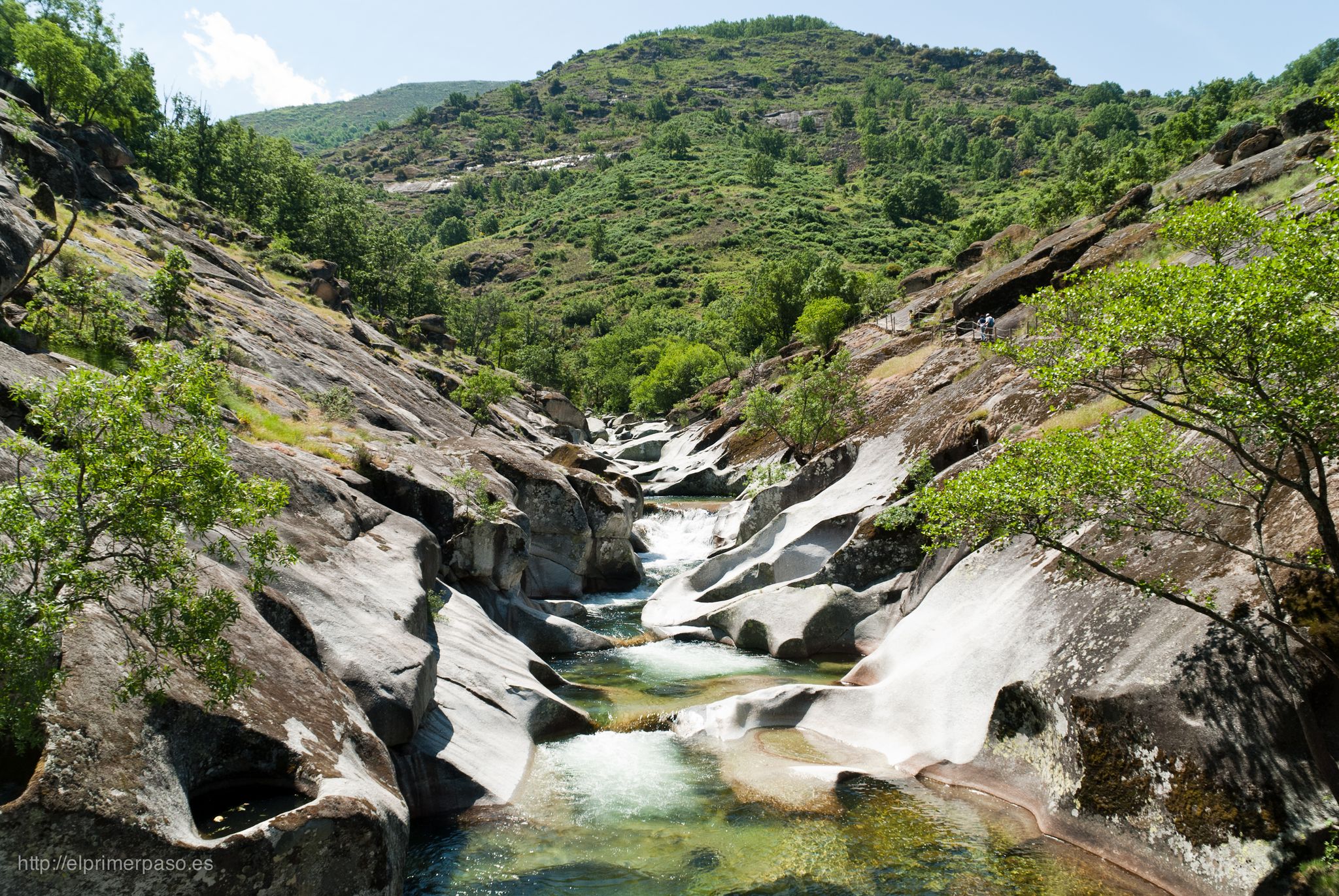
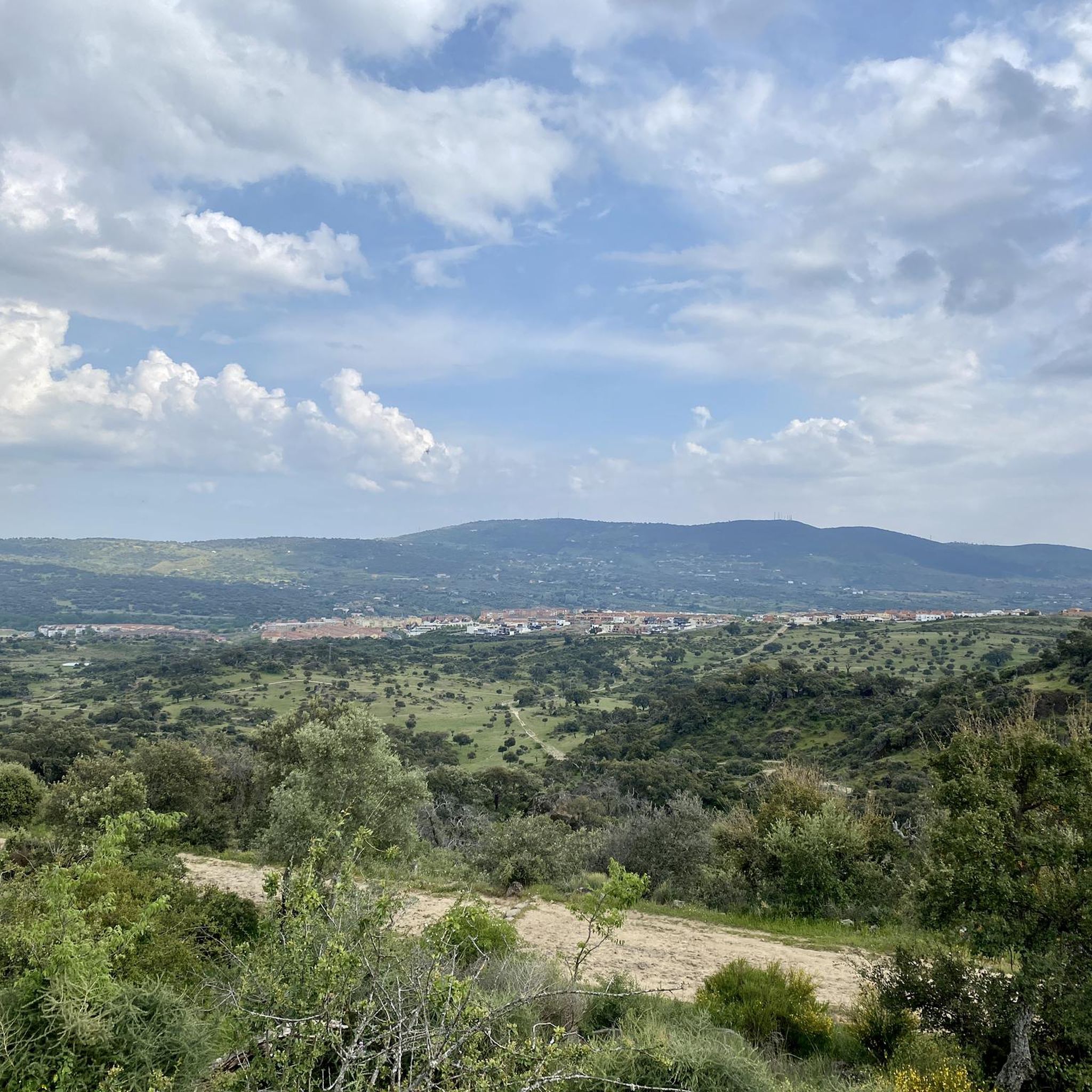
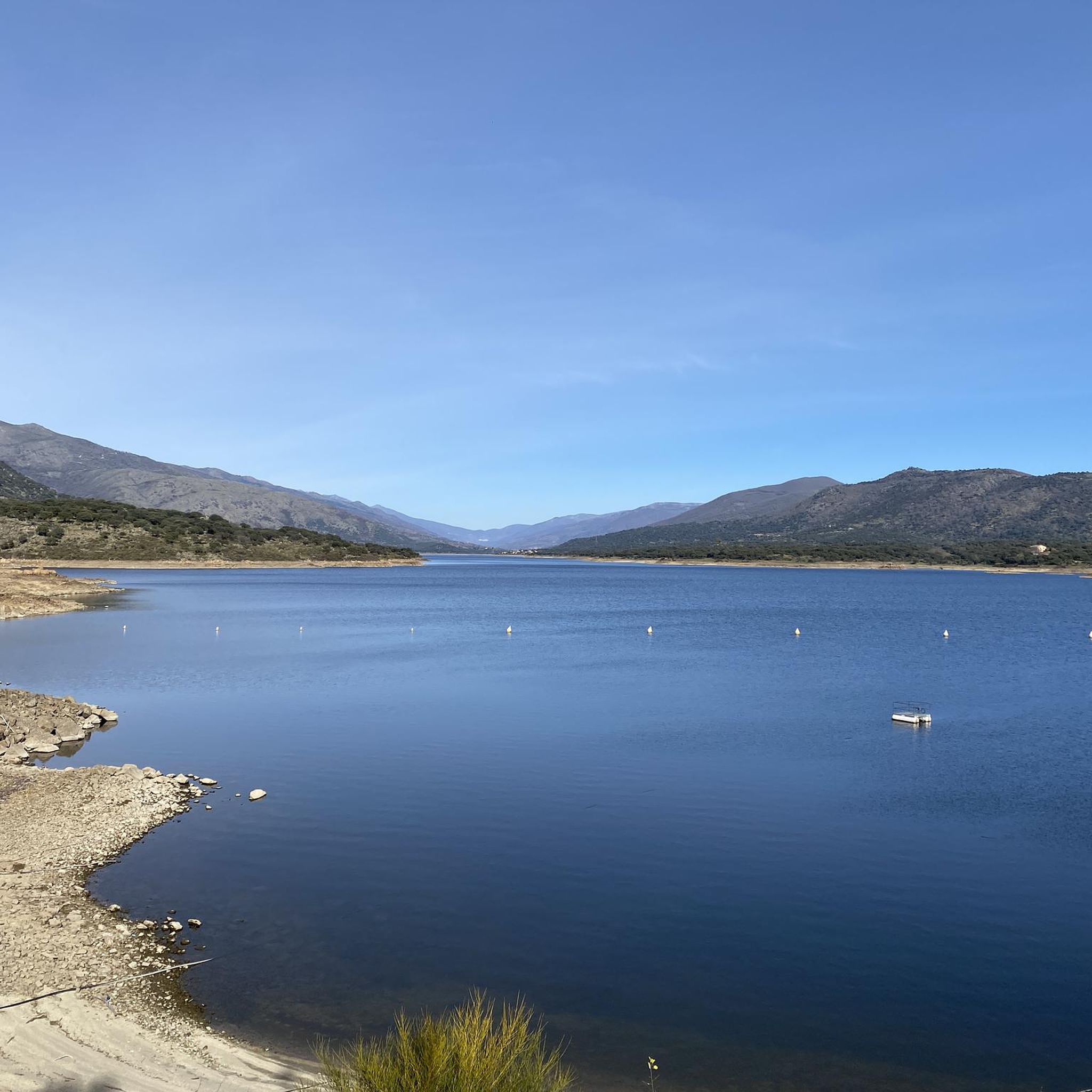
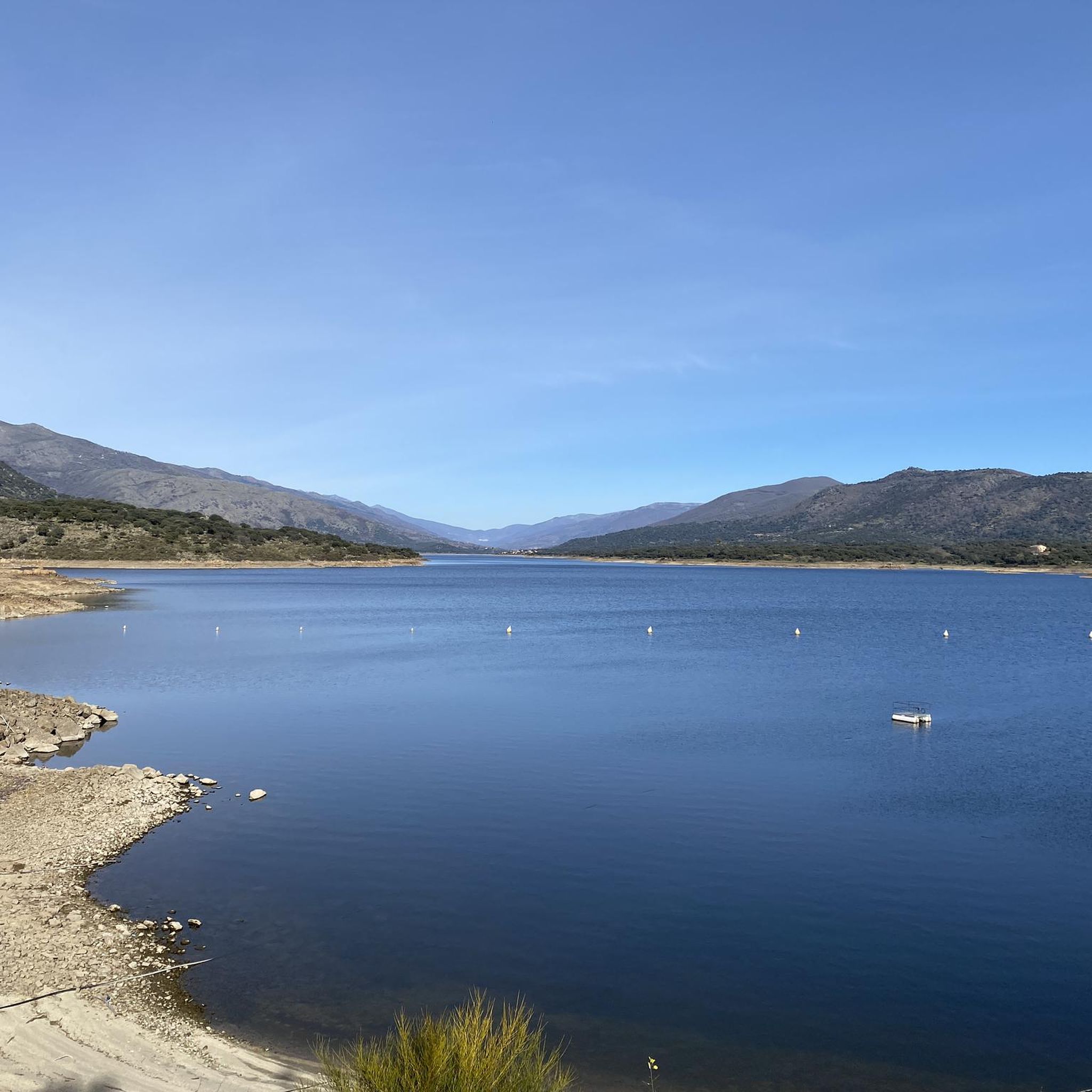
Other adventures around Casas Del Castañar

Tips from the Community

Piornal is the highest village in Extremadura and one of the best natural viewpoints for viewing the cherry blossoms. It also offers its own organized routes during the Cherry Blossom Festival. The most well-documented route starting directly from Piornal is the one organized by the Jerte Valley Sports Promotion Association. It's a circular route that passes through some of the most beautiful landscapes:
3
0

Incredible town, full of history and magical corners
0
0

nice and very cool place to rest
0
0
The Parque de la Isla in Plasencia is one of the main green lungs of the city and a perfect place to enjoy nature. Located in the urban section of the Jerte River, the park is a river island that stretches for almost 4 kilometers.
1
0

The San Lázaro Bridge is one of the historic bridges that cross the Jerte River in the Spanish city of Plasencia, in the province of Cáceres. It dates back to medieval times, although the current bridge was reconstructed in 1538. It connects the neighborhoods of San Lázaro and Río Jerte, and the San Lázaro Chapel is located next to its western end.
1
0
The Plasencia Aqueduct or the Arches of San Antón is not of Roman origin as many Placentines believe, but rather dates back to the 16th century and was built by the great architect Juan de Flandes. 55 arches are preserved from it and with it the Muslim clay pipe that carried water from the Cabezabellosa and El Torno mountains was replaced. in https://plasenciaturismo.es/acueducto
1
0

Very well preserved aqueduct.
0
0

Stage 1. Plasencia/Béjar 58.7 kilometers. 640 positive meters. In Roman times Plasencia did not exist, it was founded by Alfonso VIII in the 12th century to fortify the border of the Tagus against the Muslim push. Two thousand years ago, the hills that mark the Jerte canyon in the north of Cáceres were camps of the Roman legions to control the passage of the nearby Vía de la Plata through the forts of Carcaboso and Galisteo, the famous Medina Galisyah of Almanzor, which It still preserves one of the best walled enclosures of Almohad origin in Extremadura. The route of the Vía de la Plata Natural Trail officially begins at the Plasencia railway station, where the old railway to Astorga left, it is a good place to park and prepare the equipment. The visit to the historical complex of the city can be done by bicycle, the old town preserves the medieval atmosphere, the streets are narrow and by bike it is easy to get to know the notable monumental legacy of the Pearl of the North, as the people of Placentia call their city. The Plaza Mayor is a must-see, it has stately homes and there is the Town Hall in a 15th century palace, with the popular Abuelo Mayorga hugging the bell tower. Plasencia has two cathedrals, the Old Cathedral is a transition from Romanesque to Gothic, and the New Cathedral is an imposing building with Renaissance and Plateresque facades. The old medieval walls surround the old part of the city, which also had a Jewish quarter and preserves a 300-meter stretch and 55 arches of an ancient aqueduct built in the 16th century to supply drinking water to the population. A good place to leave the medieval complex is through the Berrozana gate, one of the original gates of the walls, crossing the Jerte river on the stone bridge of San Lázaro, shortly after is the roundabout of the Tenerías bridge and on the right the underpass where the Vía de la Plata Natural Trail information panel is located and the beginning of the track. A small hill climbs to the entrance of the San Lázaro tunnel and the gravel journey through the Cáceres pastures of the Ambroz Valley begins. The tunnel is closed at night, it is the first one I have seen on a greenway or natural path with a passage time, it is closed between seven in the afternoon and nine in the morning. In its favor, it has automatic artificial lighting and has a short construction time, such as the following kilometers to La Jarilla. This section was inaugurated in March 2023 and is impeccable. At the exit of the tunnel the urban environment disappears and the path runs through the Jerte River canyon to the Iron Bridge, which has a small viewpoint on one side to contemplate the spectacular granite gorge of the Jerte River and the two bridges, one of which only The pilasters and the restored one for cyclists and walkers remain. The explanation is on a poster with the details and curiosities of the railway track. The road is a constant climb to Puerto de Béjar, about 600 positive meters in 50 kilometers, there are several stretches of false flatness but you cannot stop pedaling. The cycling ride is delicious through hills populated with holm oaks and cork oaks at the foot of the Tras la Sierra Mountains. On the road there are remains of the old stops and next to the old buildings there are benches to take a break. The most important station is Villar de Plasencia, it has the water tank, the platforms, the cargo warehouse and a large space with benches. And it is a key point in the stage because next to it there is a service station on the N-630 with a bar and restaurant, the only supply point on the road to Hervás. The route continues through the pastures of Casas del Monte, which also has a “station neighborhood”, passes through the old station of Aldeanueva del Camino and reaches Hervás, in the beautiful basin that forms the headwaters of the Ambroz River, surrounded by lush trees. oak and chestnut forests at the foot of the Pinajarro massif, the westernmost summit of the Béjar mountain range. At the Hervás station there is a bar and there is the Railway Interpretation Center, highly recommended for delving into the history of the Mérida-Astorga railway. And of course you should not miss the opportunity to walk through the historic center, one of the best Jewish quarters in Extremadura.
0
1
Frequently Asked Questions
How many touring cycling routes are available around Casas Del Castañar?
There are over 15 touring cycling routes documented around Casas Del Castañar. These routes navigate a diverse landscape of river valleys, reservoirs, and the foothills of the Sierra de Gredos.
Are there any easy touring cycling routes for beginners in Casas Del Castañar?
Yes, the region offers some routes suitable for beginners. While many routes feature significant elevation changes, there is at least one easy touring cycling route available. These routes often follow gentler paths alongside waterways.
What are some challenging touring cycling routes in the area?
For experienced cyclists seeking a challenge, routes like the Bike loop from Casas del Castañar offer significant elevation changes through local hills and woodlands. Another demanding option is the Plasencia – Arroyo Berrocalillo Bridge loop from Villar de Plasencia, which covers over 46 km with substantial climbs.
Can I find circular touring cycling routes around Casas Del Castañar?
Yes, many touring cycling routes in the area are designed as loops. For example, the popular Embalse de Plasencia – Jerte Reservoir loop from Embalse de Jerte - Plasencia offers scenic views of the reservoir, and the Torre Lucía of Plasencia loop from Cabrero takes you through varied rural landscapes.
What kind of scenery can I expect on touring cycling routes in Casas Del Castañar?
You can expect varied scenery, including river valleys, reservoirs, and the foothills of the Sierra de Gredos. Chestnut groves are a common and beautiful sight, especially in forested areas. Routes often offer views of natural areas and rural landscapes.
Are there any waterfalls or natural attractions along the cycling routes?
Yes, the region is known for its natural beauty, including waterfalls. You might find attractions such as the Nogaleas Waterfalls or the Caozo Waterfall near some routes. The Panoramic view of the Jerte Valley is another notable highlight.
What is the best time of year for touring cycling in Casas Del Castañar?
Given the region's climate, spring and autumn are generally ideal for touring cycling. The weather is typically milder, and the natural landscapes, including the chestnut groves, are particularly vibrant or colorful during these seasons. Summers can be hot, and winters cooler, so plan accordingly.
What do other touring cyclists say about the routes in Casas Del Castañar?
The touring cycling routes in Casas Del Castañar are highly rated by the komoot community, with an average score of 5.0 stars from 6 reviews. Cyclists often praise the varied terrain and the natural beauty of the river valleys and chestnut groves.
Are there any routes that pass by places suitable for wild swimming?
The region is characterized by river valleys and reservoirs, such as the Jerte Reservoir. While specific designated wild swimming spots on routes are not detailed, the presence of numerous natural water bodies suggests opportunities for refreshing dips, especially along river sections like the Jerte.
Are there any full-day touring cycling options available?
Yes, several routes are suitable for a full day of cycling, especially those with greater distances and elevation. For example, the Garganta la Olla – Shelter in Piornal loop from Cabrero is a challenging 55.7 km route that would make for an excellent full-day adventure.
What kind of terrain should I expect on the touring cycling routes?
The terrain varies significantly, ranging from gentler paths alongside waterways to more challenging ascents through forested areas and hills. You will encounter both paved and unpaved sections, navigating river valleys, reservoirs, and the foothills of the Sierra de Gredos.
Most popular attractions around Casas Del Castañar

Get inspired with the komoot mobile app


Explore more
Browse the best Cycling routes in other regions.
