The best walks and hikes around Pezuela De Las Torres
5.0
(19)
95
hikers
23
hikes
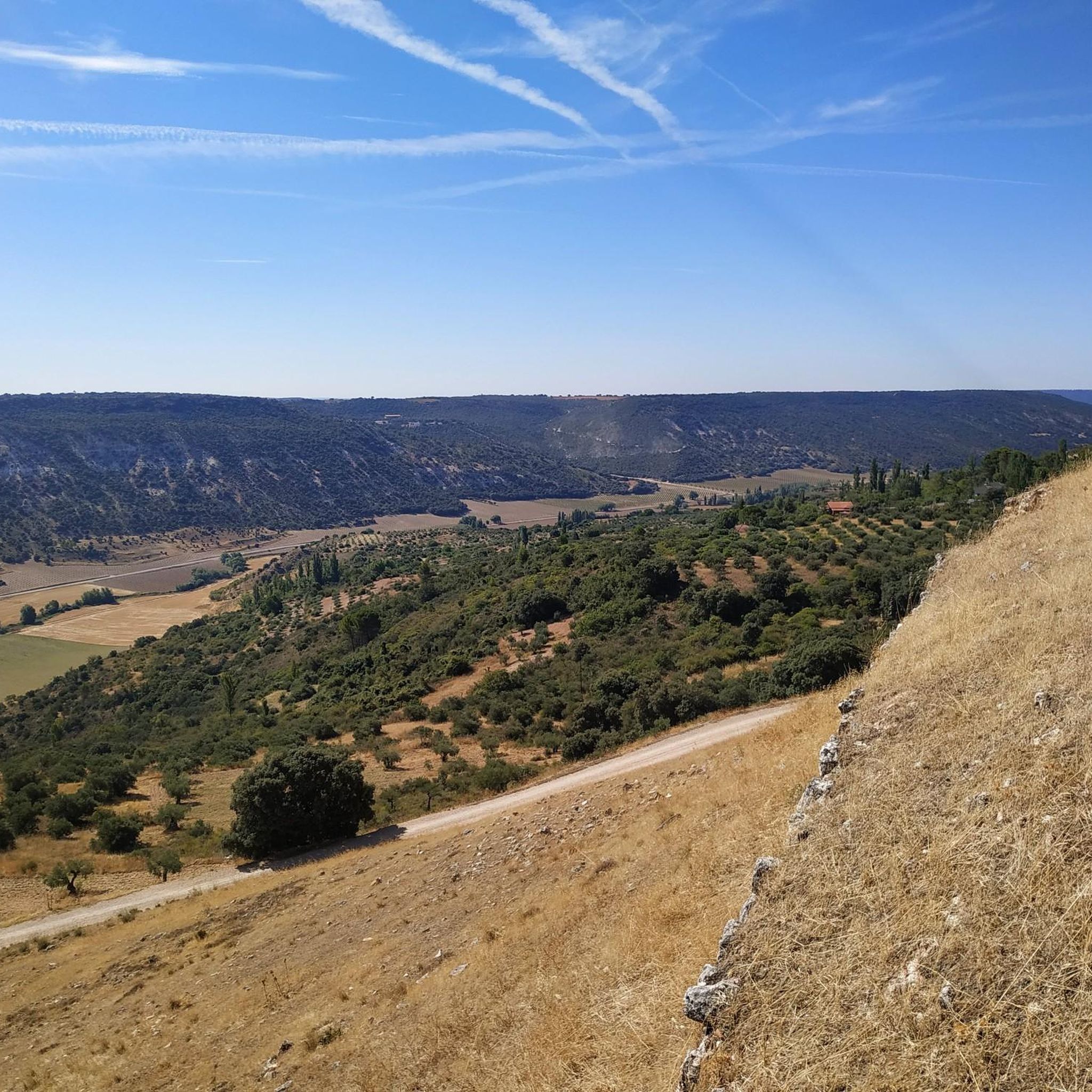
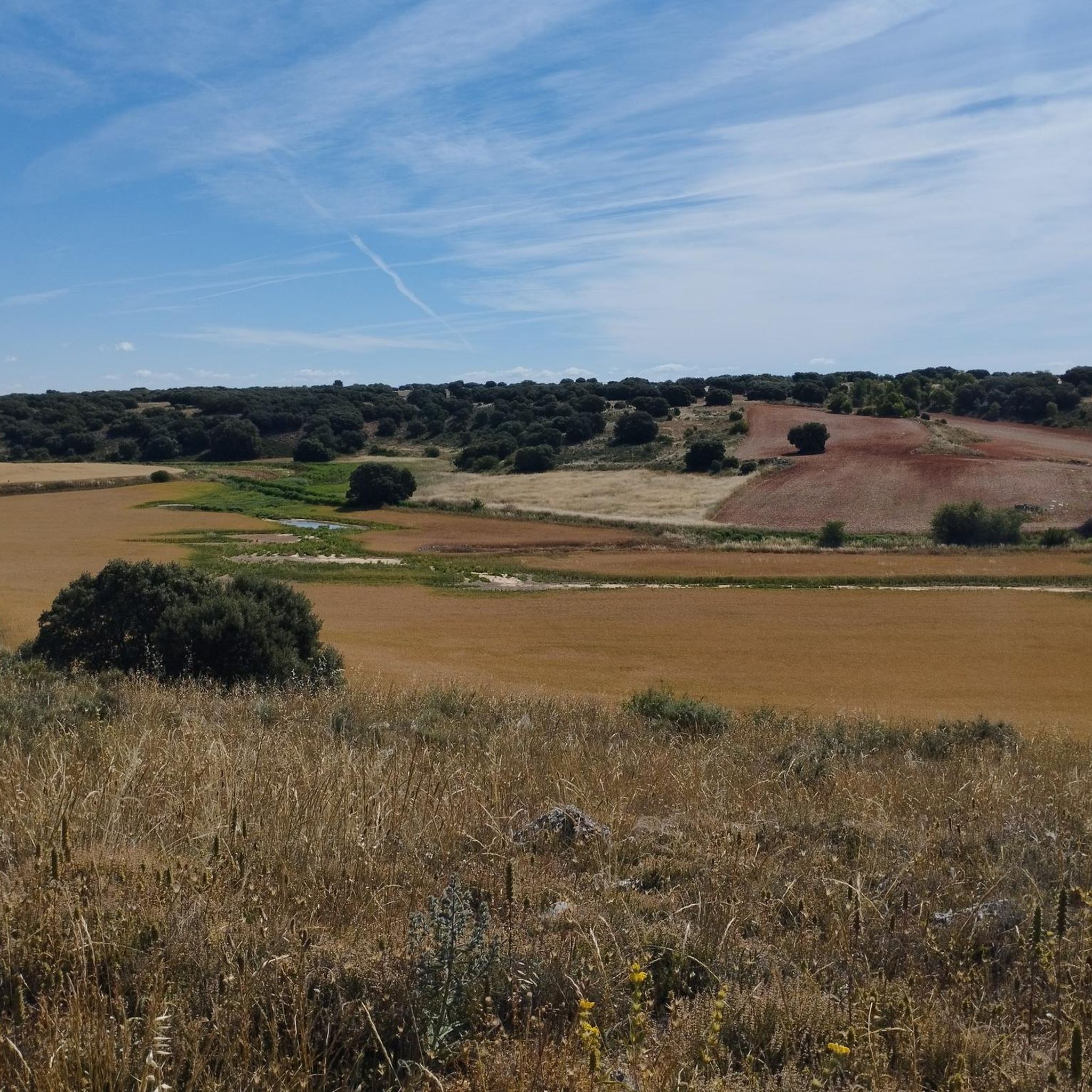
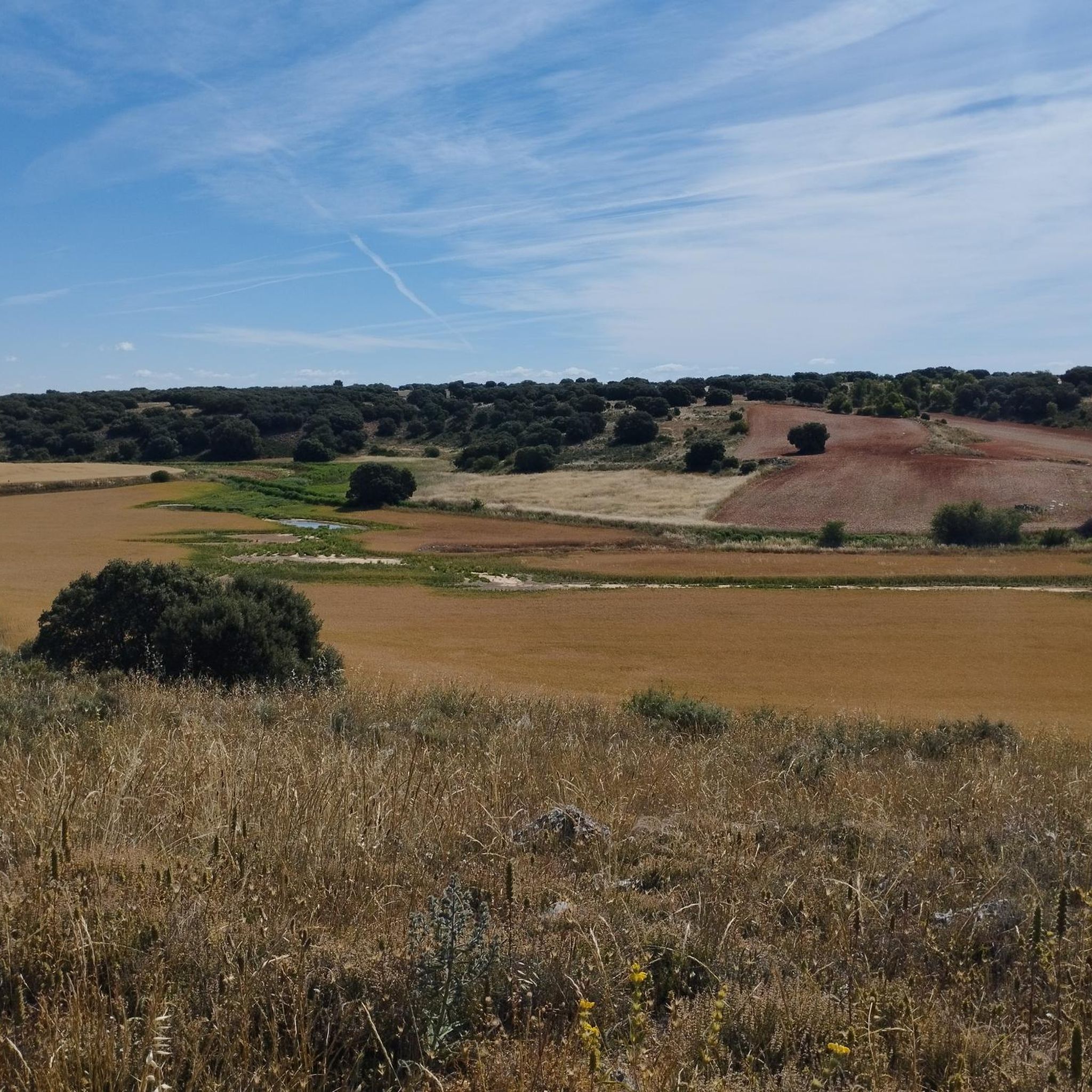
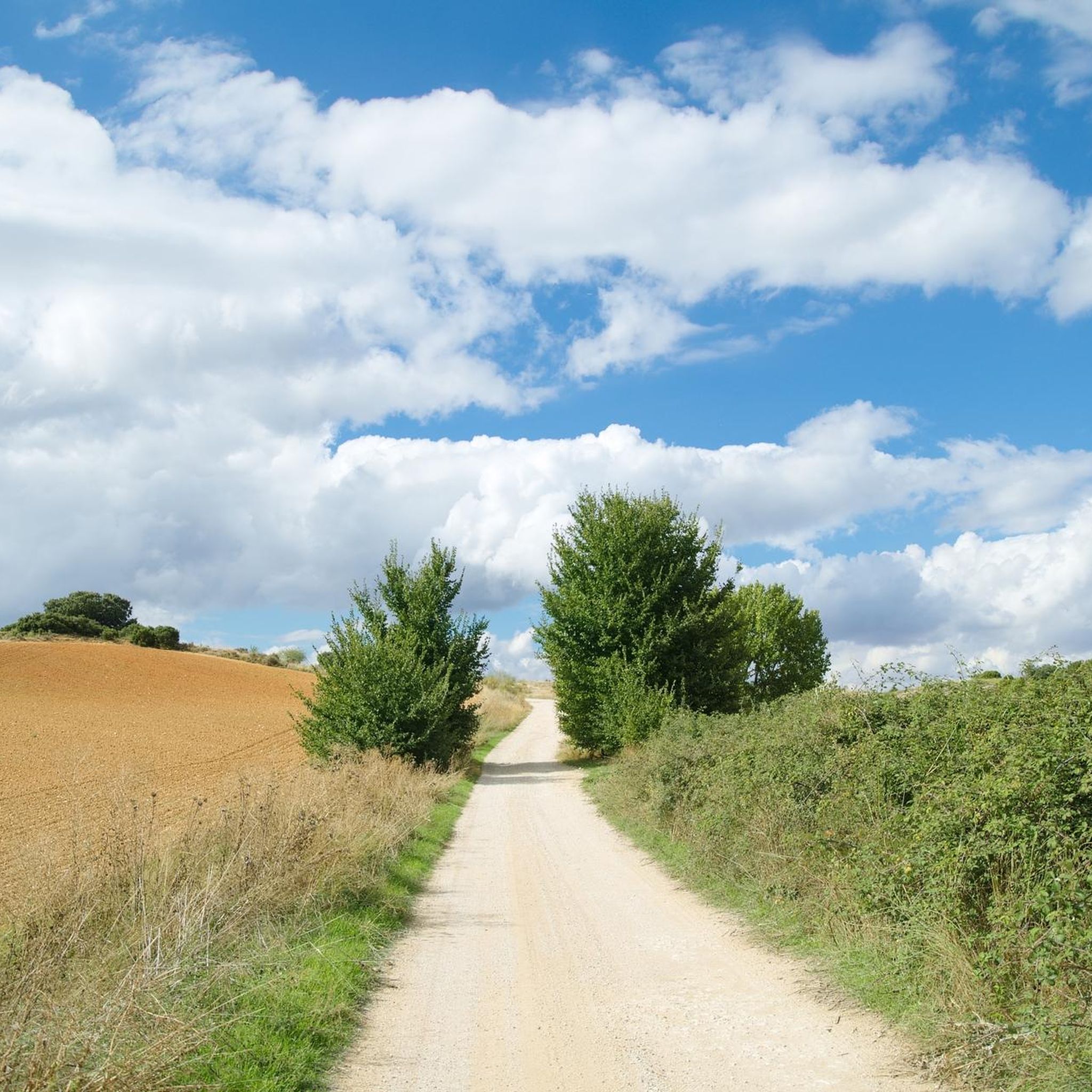
Hiking around Pezuela De Las Torres offers exploration of rural landscapes and historical points of interest in the northeast of Madrid, Spain. The area is characterized by accessible trails and its connection to the Tajuña Valley, featuring the Tajuña River and its natural corridor. Hikers can expect varied terrain with rural roads and forest tracks, alongside historical sites like the ruins of the Convento Jesús del Monte. The region provides a blend of natural scenery and local heritage for outdoor…
Last updated: July 21, 2026
5.0
(2)
3
hikers
10.4km
02:15
140m
150m
Hike the moderate 6.5-mile Villar del Olmo y el Monte del Señor circular route, featuring historical sites and scenic viewpoints.
4
hikers
10.7km
02:55
150m
150m
Moderate hike. Good fitness required. Easily-accessible paths. Suitable for all skill levels.

Sign up for free
1
hikers
15.2km
04:13
240m
240m
Hike a moderate 9.5-mile (15.2 km) circular route from Loranca de Tajuña to explore the historical ruins of the Convento Jesús del Monte.
5.0
(1)
27
hikers
5.89km
01:39
110m
110m
Easy hike. Great for any fitness level. Easily-accessible paths. Suitable for all skill levels.
4.8
(6)
18
hikers
8.88km
02:36
240m
240m
Moderate hike. Good fitness required. Easily-accessible paths. Suitable for all skill levels.
Get access to more routes and recommendations from other explorers.
Sign up for free
Already have an account?
Our route recommendations are based on thousands of hikes, rides, and runs completed by other people on komoot.
Start today with a free account
Your next adventure awaits.
Login or Signup

Tips from the Community

The beautiful Fuente del Arca (Ark Fountain) is one of the historic springs of the Tajuña Valley. It lies along the Cordel de las Merinas, a notable drove road used during the transhumance era, and for centuries it was one of the main sources of drinking water for the town of Ambite. The basin itself is a small water garden, nestled in a pleasant setting of poplars, fig trees, willows, elms, and plants associated with springs, such as the maidenhair fern, a fern unique to the region.
0
0

The Tajuña Valley has numerous rural roads and forest tracks that run parallel to the river for much of its length, but not all are continuous or always in good condition. The Tajuña River Nature Trail, officially documented as a long hiking route from its source to its mouth, passes through Loranca de Tajuña along its course.
1
0

The starting point is the Plaza de la Villa, following the main street to the outskirts of the town, where the interpretation stands are located.
0
0
The viewpoint is on the edge of the moor, above the slopes of oaks and holm oaks of the Val stream, and has beautiful views of the slopes of the valley and the white hamlet of Olmeda de las Fuentes.
0
0
The unique urban style of Nuevo Baztán maintains the original Baroque model from the beginning of the 18th century, designed by José de Churriguera by order of Juan de Goyeneche, who had permission from Charles II to build glass, paper and textile factories on Spanish territory. The Navarrese businessman was originally from Arizkun, in the Baztán Valley, but spent time in Madrid because he had other properties and professional relations with the Court. He chose the site of Madrid's Alcarria to found an industrial and rural centre in honour of his homeland and commissioned the Madrid architect to build a glass factory, a farming village of half a thousand inhabitants, a palace, a monumental church and gardens with centuries-old pines and elms. The town preserves cobbled streets, stone squares, rural buildings from the time of its foundation, between 1709 and 1713, and palace gardens, a beautiful heritage complex declared a Historic-Artistic Monument in 1941 and a Site of Cultural Interest in 2000.
0
0
The Arca spring is a historic spring in Ambite, located in the Arca ravine next to the Cordel de las Merinas. The structure of the fountain has been restored and with the benches and the shade of the trees it creates a welcoming space.
0
0

Fountain in the small park in front of the church.
0
0
On the Red List of Heritage for its "state of ruin and abandonment". The building, from the 16th century, was occupied until the 17th century. Exactly until the year 1767, the year in which Carlos III expelled the Society of Jesus, the Jesuits, from Spain.
3
0
Frequently Asked Questions
How many hiking trails are available in Pezuela de las Torres?
There are over 20 hiking routes around Pezuela de las Torres, offering a variety of experiences. These include 7 easy trails and 15 moderate routes, ensuring options for different fitness levels.
What kind of terrain can I expect on hikes around Pezuela de las Torres?
The terrain primarily features rural roads and forest tracks, especially those running parallel to the Tajuña River within the Tajuña Valley. You'll find a mix of natural scenery and historical elements, with routes ranging from easy walks to moderate hikes.
Are there any easy hikes suitable for beginners or families?
Yes, Pezuela de las Torres offers several easy hikes. An excellent option for all fitness levels is the El Balconcillo Viewpoint loop from Nuevo Baztán, which is approximately 5.9 km long and provides accessible exploration of the local scenery.
Can I find circular hiking routes in the area?
Yes, the region is known for its circular routes. For example, the 'Alto Quebra Cuevas Blancas' is a circular route mentioned in local initiatives, and the Convento Jesús del Monte Trail is a 15.2 km circular route that explores historical ruins and natural landscapes.
Are there any historical sites or landmarks to see while hiking?
Absolutely. Many trails incorporate historical elements. You can explore the ruins of the Convento Jesús del Monte on the Convento Jesús del Monte Trail. The village itself boasts historical features like an old fountain dating back to 1854 and a restored 'picota' (stone monument) in the town square near the Parish Church of Nuestra Señora de la Asunción. Nearby, you can also visit the Goyeneche Palace of Nuevo Baztán.
What natural features can I expect to see on the trails?
The most prominent natural feature is the Tajuña River and its valley, which forms a natural corridor for many walks. You'll encounter varied terrain with forest tracks and rural landscapes. Notable natural monuments in the wider area include Fuente Grande de Corpa and Encina de la Pica.
Are there any viewpoints offering scenic vistas?
Yes, several routes offer scenic viewpoints. The 'Villar del Olmo y el Monte del Señor' route includes scenic viewpoints, and the El Balconcillo Viewpoint loop from Nuevo Baztán is specifically designed to highlight a beautiful vista.
What is the best time of year to go hiking in Pezuela de las Torres?
Pezuela de las Torres offers pleasant hiking conditions for much of the year. Spring and autumn are generally ideal, with milder temperatures and vibrant natural colors. Summer can be warm, so early morning or late afternoon hikes are recommended, while winter offers cooler, crisp air for those who prefer it.
What do other hikers say about the trails in Pezuela de las Torres?
The trails in Pezuela de las Torres are highly rated by the komoot community, with an average score of 4.9 stars from over 20 reviews. Hikers often praise the blend of natural scenery with historical points of interest, as well as the accessible and varied terrain.
Is public transport available to reach hiking trailheads?
While the region is rural, public transport options to reach the general area of Pezuela de las Torres from Madrid are available, typically by bus. However, direct public transport to specific trailheads might be limited, so planning for local transport or driving to a starting point is often recommended.
What are the parking options for hikers in Pezuela de las Torres?
Parking is generally available in or near the village centers, such as Pezuela de las Torres itself or nearby towns like Villar del Olmo, which serve as common starting points for many routes. Specific parking areas for trailheads may vary, so it's advisable to check local information for your chosen route.
Are the trails in Pezuela de las Torres suitable for dog-friendly hikes?
Many rural trails and forest tracks in the Pezuela de las Torres area are suitable for dog walking. However, it's always recommended to keep dogs on a leash, especially near livestock or in protected natural areas, and to follow local regulations regarding pets on trails.
Most popular routes around Pezuela De Las Torres
Most popular attractions around Pezuela De Las Torres

Get inspired with the komoot mobile app


Explore more
Browse the best Hikes in other regions.
