Attractions and Places To See around Fuentenovilla - Top 20
Best attractions and places to see around Fuentenovilla include a blend of historical landmarks, cultural sites, and natural features. Situated in the Guadalajara province of Castilla-La Mancha, this region offers a rich heritage and picturesque surroundings in the Alcarria area. Visitors can explore a variety of sites, from Renaissance architecture to historical fountains and natural routes. The area provides opportunities to discover both man-made monuments and the local landscape.
Best attractions and places to see around Fuentenovilla
- The most popular…
Last updated: October 19, 2026
Goyeneche Palace of Nuevo Baztán
Highlight • Historical Site
Translated by Google •
Tip by

Valmores Spring
Highlight • Monument
Translated by Google •
Tip by

Sign up now to discover places like this
Get recommendations on the best single tracks, peaks, & plenty of other exciting outdoor places.
Pioz Castle
Highlight • Castle
Translated by Google •
Tip by

Tajuña Greenway
Highlight (Segment) • Cycleway
Translated by Google •
Tip by

Picota of Pezuela de las Torres
Highlight • Monument
Translated by Google •
Tip by
Sign up for free to discover even more attractions around Fuentenovilla.
Already have an account?
Start today with a free account
Your next adventure awaits.

Tips from the Community

The Valmores watering hole was restored in 2022, recovering an essential piece in the ethnographic heritage of Pezuela de las Torres. The first references to the fountain appear in the Topographic Relations of 1578. In 1735, reforms and improvements were made to the original spring, making it essential in the daily life of the countryside. The construction has a functional design to water livestock at a crossroads of the Alcarreño moor with trees and benches to take a break.
0
0
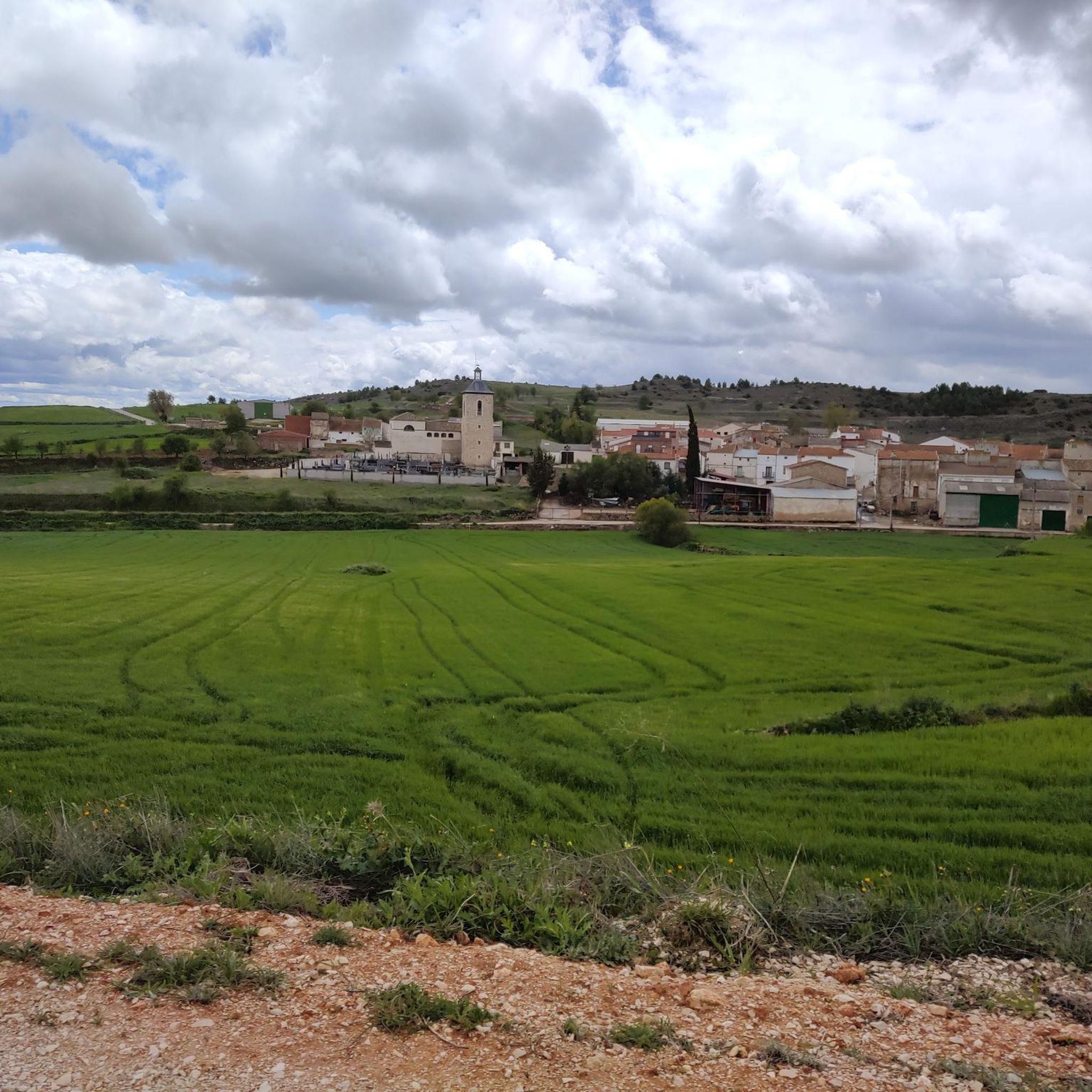
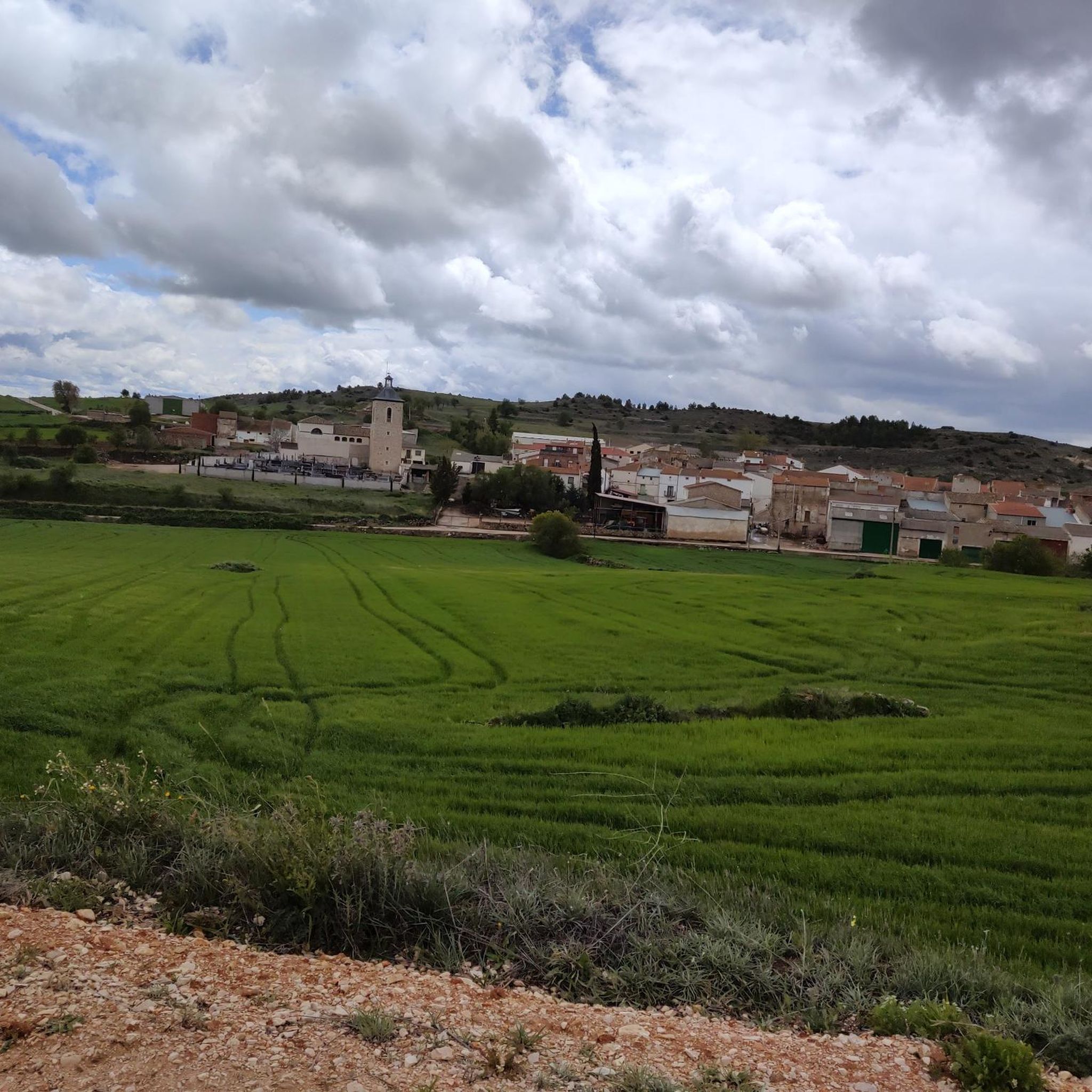
Pezuela de las Torres acquired jurisdictional independence in 1554 for the payment of one and a half million maravedis, erecting a pillory in the Plaza del Coso that represented the power to administer justice and a place for the town's residents to see criminals who were being sentenced to a pillory. The pillory is seven metres high on a pedestal of four steps and is topped with the heads of four lions. Next to it is the Plaza de la Constitución, home to the Town Hall and the Church of the Assumption, with a Romanesque apse and the rest rebuilt between the 16th and 18th centuries. It has a curious stately doorway from 1748 and a 16th century porticoed gallery, known as El Portalillo, the former meeting centre of the council. Most of the town's streets are on a slope, facing the plain, some houses retain the traditional two-storey country architecture and white facades. On Cerro del Calvario there are remains of traditional wineries used to make wine.
0
0

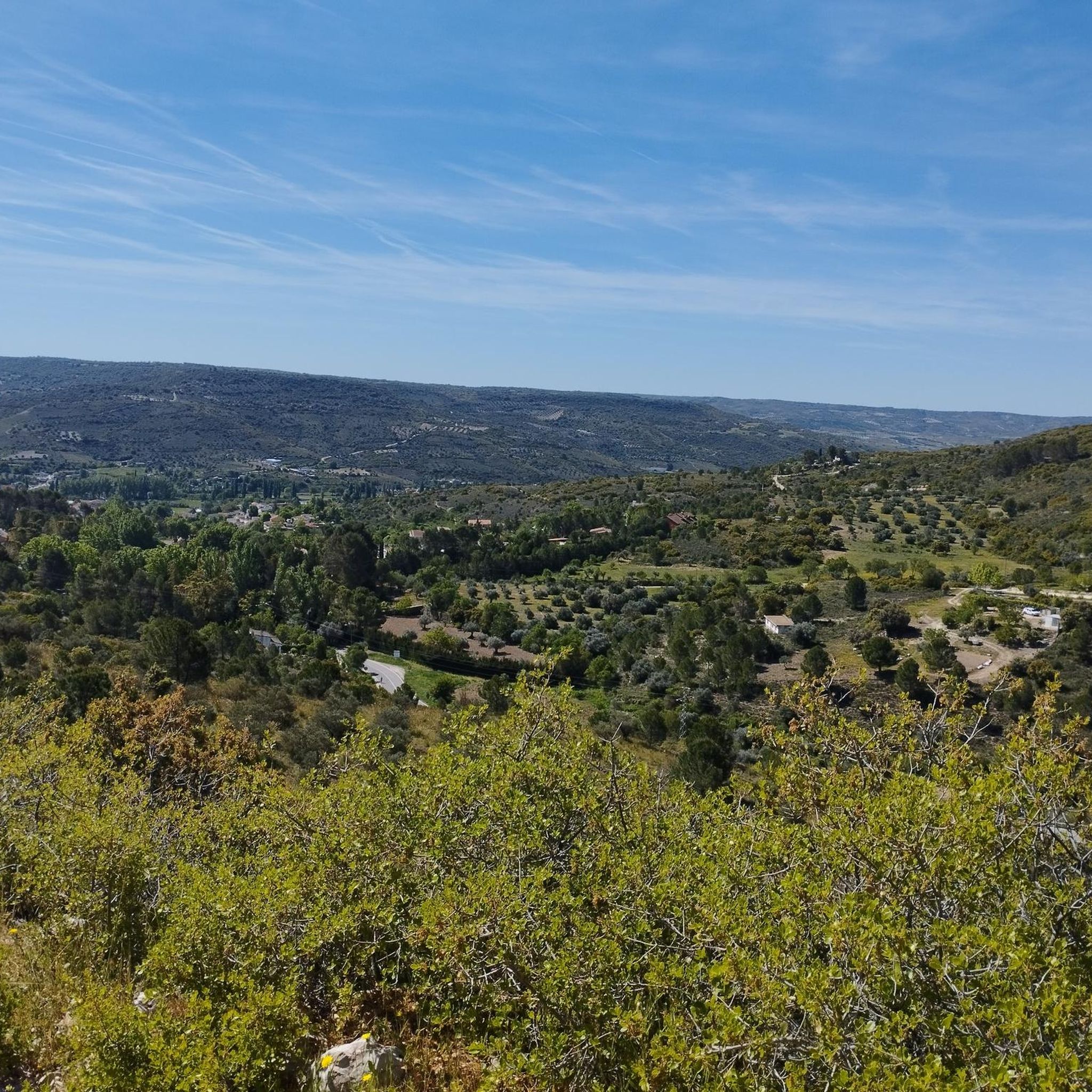
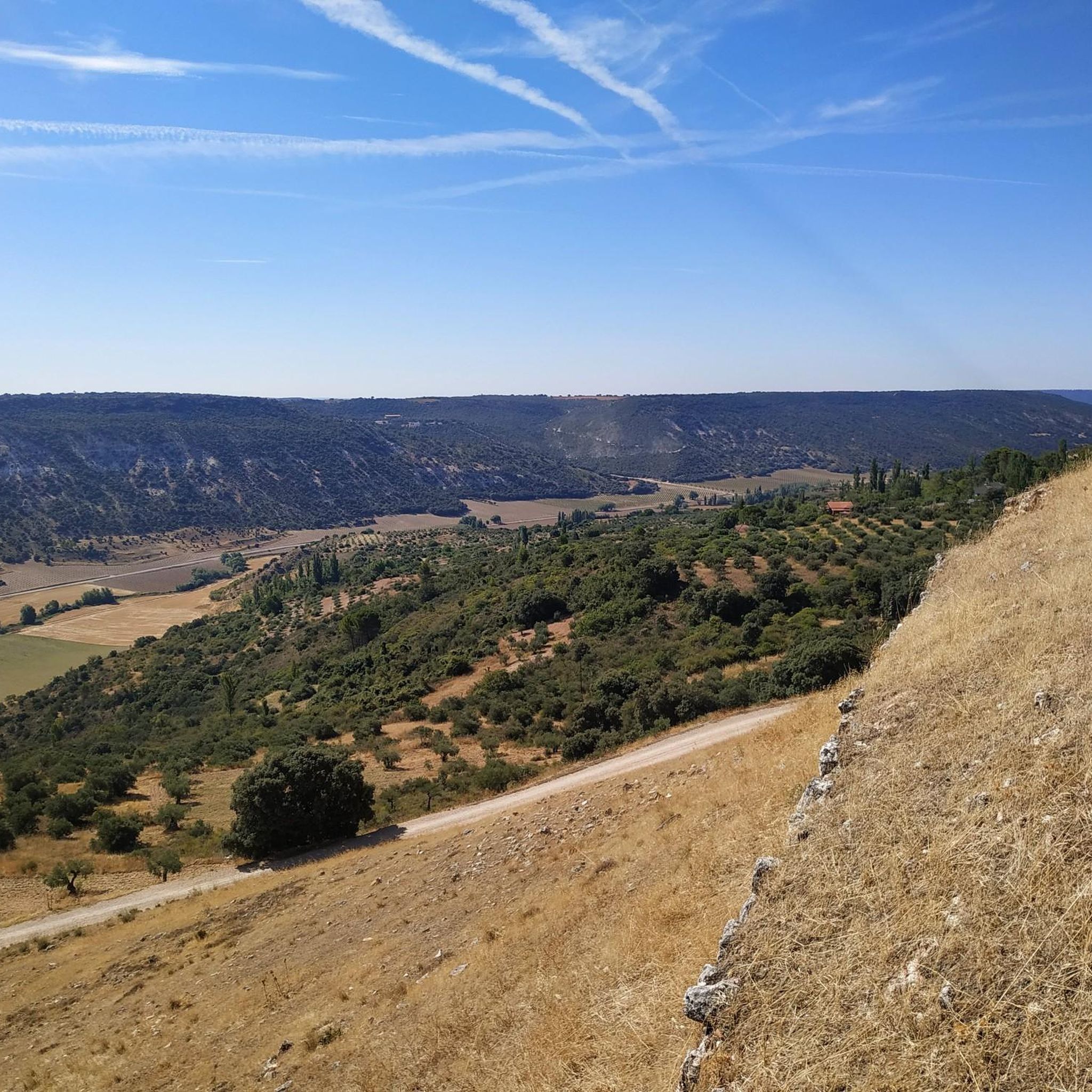
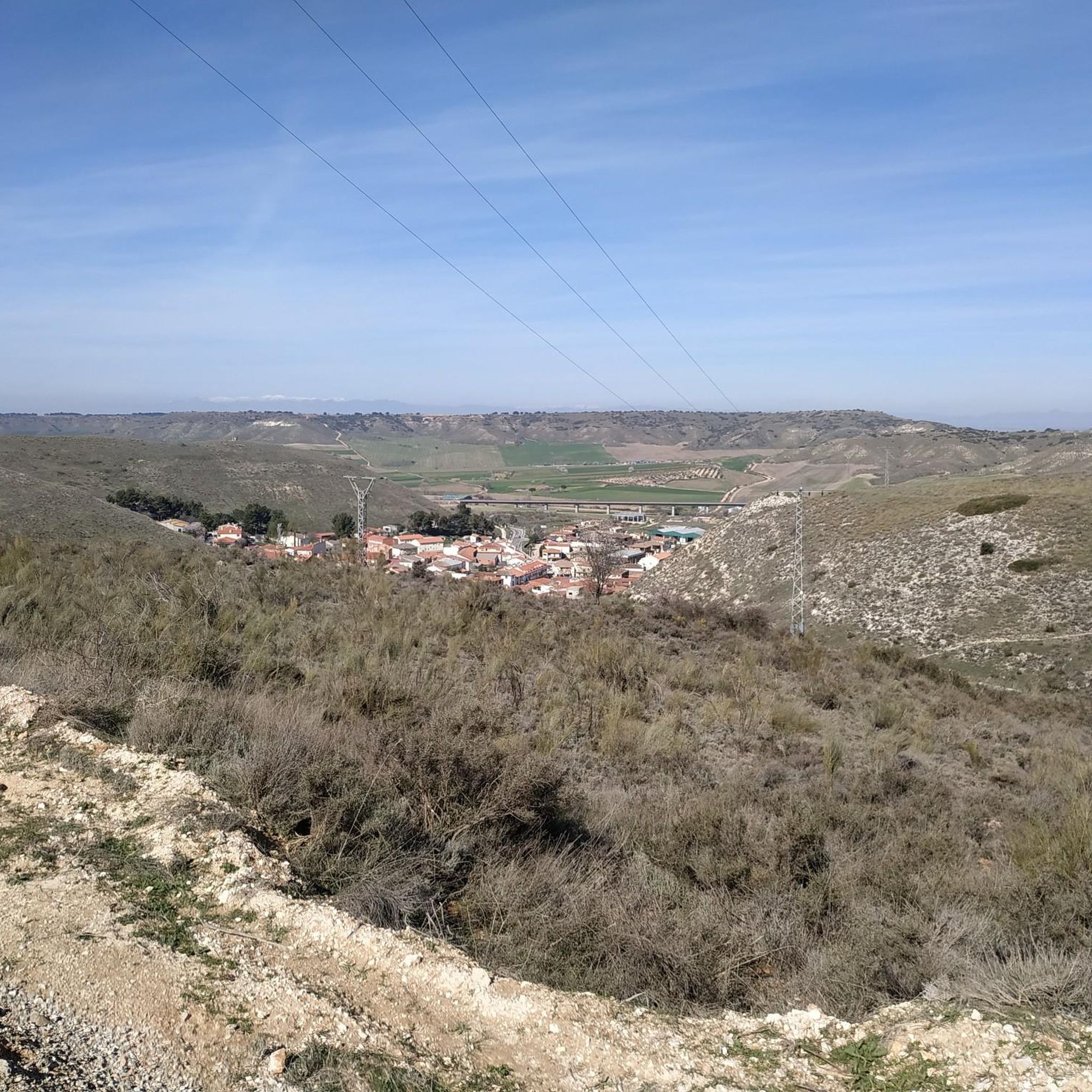
Panoramic views with great beauty
0
0
The unique urban style of Nuevo Baztán maintains the original Baroque model from the beginning of the 18th century, designed by José de Churriguera by order of Juan de Goyeneche, who had permission from Charles II to build glass, paper and textile factories on Spanish territory. The Navarrese businessman was originally from Arizkun, in the Baztán Valley, but spent time in Madrid because he had other properties and professional relations with the Court. He chose the site of Madrid's Alcarria to found an industrial and rural centre in honour of his homeland and commissioned the Madrid architect to build a glass factory, a farming village of half a thousand inhabitants, a palace, a monumental church and gardens with centuries-old pines and elms. The town preserves cobbled streets, stone squares, rural buildings from the time of its foundation, between 1709 and 1713, and palace gardens, a beautiful heritage complex declared a Historic-Artistic Monument in 1941 and a Site of Cultural Interest in 2000.
0
0

The Valmores fountain, an Asset of Heritage Interest of the Community of Madrid, is a good example of the historical sources existing in the region, closely linked to livestock farming and the livestock routes that facilitated the movement of herds through the territory. It is attached to the base of a bank, a wide unproductive slope that links dry fields arranged at different levels, and preserves the original catchment system intact, maintaining an acceptable flow. Source: https://www.comunidad.madrid/cultura/patrimonio-cultural/restauracion-fuente-valmores-pezuela-torres
0
0
Its history dates back to 1554. Pezuela had one hundred and eighty residents. The Council collected a million and a half maravedíes that ended up in the hands of King Carlos I in exchange for being able to have jurisdiction. On the occasion of this event, to commemorate and warn all travelers that Pezuela had achieved the power to administer justice for itself and that it was now a Villa, the Picota was ordered to be erected, a stone monument that was usually placed in the public square or at a crossroads. There are many legends of torture in Pezuela de las Torres. They all took place in the town square. In the past, the pillory was an instrument that was used to torture, place prisoners for public ridicule or expose a person's head after their execution. In it, major and minor penalties were paid for common criminals, who, after being whipped, were exposed to public shame. It had an exemplary character and had to be visited by the people when there were sentences. In addition to capital punishment, the exposure of public shame was frequent: the condemned had to endure the outbursts of the neighbors in addition to suffering the throwing of things that were within their reach (rocks, excrement or whatever they had at hand). That's where, in fact, the term pillorying or empicotar comes from. Although it was not the only one in the region, Pezuela today is one of the most important in the Community of Madrid. Source: https://elresurgirdemadrid.com/pezuela-de-las-torres-plaza-picota/
1
0

In restoration works, it presents a beautiful appearance
2
0

Fountain in the small park in front of the church.
0
0
Frequently Asked Questions
What historical landmarks can I explore in Fuentenovilla?
Fuentenovilla is rich in history. You can visit La Picota, a striking Renaissance pillory in the Plaza Mayor, or the Ayuntamiento (Town Hall) which dates back to the 18th century. The Iglesia Parroquial de Nuestra Señora de la Asunción and the Ermita de la Concepción are also significant architectural works. Don't miss the 18th-century Puente de la Venta crossing the Tajuña River.
Are there any notable historical fountains in Fuentenovilla?
Yes, Fuentenovilla has a rich water heritage with several historical fountains. These include the 16th-century Fuente de los Borricos and Fuente de Abajo (or de los Pilares). The Valmores Fountain, an Asset of Heritage Interest, is particularly noteworthy for its connection to livestock farming and ancient migratory routes, preserving its original water catchment system.
What natural features and outdoor routes are available around Fuentenovilla?
For nature lovers, the Ruta de los Riscos offers a 6.5 km trail to explore the Alcarria landscapes with holm oaks and olive groves, passing by the Ermita de la Concepción. The Vía Verde del Tajuña, an old train track converted into a greenway, is perfect for cycling and hiking, offering scenic views and shaded rest stops like the Picturesque bridge.
What outdoor activities can I do near Fuentenovilla's attractions?
The area around Fuentenovilla is great for outdoor activities. You can find various hiking routes, including moderate trails like the '40-Day Train Greenway Loop from Villar del Olmo'. For cyclists, there are cycling routes like the 'Nuevo Baztán and Tajuña Greenway Loop', and road cycling routes such as the 'Pioz Castle – Church Climb loop from Pezuela de las Torres'.
Are there family-friendly attractions around Fuentenovilla?
Many attractions around Fuentenovilla are suitable for families. The Goyeneche Palace of Nuevo Baztán is a historical site in a beautiful town that offers a tourist office with maps and QR codes for a self-guided tour. The Valmores Fountain and the Picturesque bridge on the Vía Verde del Tajuña are also family-friendly spots for exploration and rest.
What historical castles are located near Fuentenovilla?
A notable historical castle nearby is Pioz Castle. This 15th-century castle is an interesting example of how castles were arranged when artillery was in use, preserving its interior, towers, outer enclosure, and moat. Free access is available to the outside, and interior visits can be arranged through the Pioz town hall.
What is the best time to visit Fuentenovilla for sightseeing and outdoor activities?
The Alcarria region, where Fuentenovilla is located, generally experiences pleasant weather in spring and autumn, making these seasons ideal for exploring historical sites and enjoying outdoor activities like hiking and cycling. Summers can be hot, but shaded areas along routes like the Vía Verde del Tajuña offer respite. Winter offers a different, quieter charm, though some outdoor activities might be less comfortable.
Is there a town nearby with a unique historical and cultural experience?
Yes, the town of Nuevo Baztán, home to the Goyeneche Palace of Nuevo Baztán, is recognized as one of 'The Most Beautiful Towns in Spain'. This 17th-century Renaissance complex, including the palace and church, forms a central nucleus and offers a rich historical and cultural experience.
What do visitors enjoy most about the attractions around Fuentenovilla?
Visitors appreciate the blend of historical and natural beauty. The Goyeneche Palace of Nuevo Baztán is loved for its beautiful setting and historical significance. The Picturesque bridge on the Vía Verde del Tajuña is valued as a rare shaded resting spot on the greenway. The historical context and preservation of sites like the Valmores Fountain also receive positive feedback.
Are there any accessible attractions in the Fuentenovilla area?
While specific accessibility details for all sites are not always available, the Villar del Olmo Town Center and Points of Interest is noted as being wheelchair accessible. This town offers a system of QR codes to discover its 21 points of interest, including scenic and historical sites, making it a good option for visitors seeking accessible experiences.
Can I find viewpoints or scenic spots near Fuentenovilla?
Yes, the Villar del Olmo Town Center and Points of Interest includes viewpoints among its attractions. Additionally, the natural landscapes along the Ruta de los Riscos and the Vía Verde del Tajuña offer picturesque views of the Alcarria region, characterized by holm oaks and olive groves.
Most popular routes around Fuentenovilla
Most popular attractions around Fuentenovilla

Get inspired with the komoot mobile app


Explore more
Still not found the Highlight you’re looking for? See guides of the top attractions in other regions:
