Attractions and Places To See around Boimorto - Top 20
Attractions and places to see around Boimorto include a blend of historical, cultural, and natural sites. This municipality in A Coruña, Galicia, features ancient landmarks, traditional architecture, and scenic landscapes. The region's heritage is evident in its Roman-era remnants and traditional manor houses, alongside its rivers and forests. Boimorto also serves as a significant point on the Camino del Norte pilgrimage route.
Best attractions and places to see around Boimorto
- The most popular attractions is Stone bridge over the Catasol…
Last updated: August 16, 2026
Ribadiso Medieval Bridge
Highlight • Bridge
Translated by Google •
Tip by

Roman Bridge of Furelos
Highlight • Bridge
Translated by Google •
Tip by

Sign up now to discover places like this
Get recommendations on the best single tracks, peaks, & plenty of other exciting outdoor places.
Sign up for free
Stone bridge over the Catasol River
Highlight • Bridge
Translated by Google •
Tip by
Church of Santa María in Melide
Highlight • Religious Site
Translated by Google •
Tip by
Monastery of Saint Mary of Sobrado
Highlight • Religious Site
Translated by Google •
Tip by
Sign up for free to discover even more attractions around Boimorto.
Sign up for free
Already have an account?
Start today with a free account
Your next adventure awaits.
Login or Signup
Tips from the Community

Beautiful baroque church, a stop to pause 🤙
1
1

After the renovation, the Albergue in the monastery is actually once again a must on the Camino del Norte. But if you want to take the alternative route to O Pedrouzo to save yourself a day on the overcrowded Camino Frances, I recommend the Eco-Albergue Abeiro da Loba in Madelos.
4
0


If you have the opportunity to explore this trail, you will enjoy the natural beauty and ecological richness of the area. Good hike! 🌿🚶♀️
4
1

Very beautiful bridge with wide stones. Ideal to pause for a moment
3
1

Beautiful area, if you walk various routes clockwise, you will encounter many pilgrims. Impressive to see
4
1
Frequently Asked Questions
What historical and cultural sites can I explore around Boimorto?
Boimorto is rich in history and culture. You can visit the 12th-century Iglesia de Santa María de Sendelle, known for its Romanesque architecture and 16th-century paintings. The Miliario Romano, a Roman milestone, highlights the area's ancient past as a transit point. Additionally, several traditional Galician manor houses, known as Pazos, such as Pazo de Liñeiro and Pazo de Vilanova, showcase the region's architectural heritage. Don't miss the prehistoric Pedrafitas de Andabao, ancient menhirs dating back thousands of years.
What is Boimorto's connection to the Camino de Santiago?
Boimorto is an important stop on the Camino del Norte (Northern Way) to Santiago de Compostela. This ancient pilgrimage route has significantly shaped the region's cultural and historical landscape, connecting with the French Way in Arzúa. Pilgrims often pass through the area, encountering historical bridges like the Ribadiso Medieval Bridge and the Roman Bridge of Furelos.
Are there any scenic hiking trails in Boimorto?
Yes, Boimorto offers several circular hiking routes that allow you to explore its diverse landscapes. Popular options include the Ruta de Dormeá (7 km) with rural landscapes and natural viewpoints, the Ruta de Sendelle for its monumental heritage, and the Ruta de Andabao (8 km) offering views of the Boimorto valley. The Ruta de Os Ánxeles explores the Iso and Batán rivers and passes by significant monuments. For more detailed routes, you can explore the Hiking around Boimorto guide.
Where can I find natural recreational areas for relaxation and outdoor activities?
The region's natural beauty is enhanced by its rivers, such as the Iso and Tambre. The Refugio Puente Castro (Ponte Castro recreational area) in Arceo, located along the Tambre river, is a popular spot for swimming, fishing, and outdoor activities, especially in summer. The Ribadiso Medieval Bridge is also situated near a fluvial beach on the Iso River, providing a picturesque setting for cooling off and relaxing.
What kind of family-friendly attractions are available around Boimorto?
Many attractions around Boimorto are suitable for families. Historical bridges like the Ribadiso Medieval Bridge and the Roman Bridge of Furelos offer interesting stops with scenic surroundings. The recreational areas along the Iso and Tambre rivers, such as Refugio Puente Castro, are great for outdoor activities and relaxation. Exploring the various hiking routes also provides an opportunity for families to enjoy nature together.
Are there opportunities for cycling or mountain biking near Boimorto's attractions?
Yes, the area around Boimorto offers excellent opportunities for cycling and mountain biking. You can find routes that pass by attractions like the Roman Bridge of Furelos and the Ribadiso Medieval Bridge. For detailed routes and difficulty levels, check out the Cycling around Boimorto guide and the MTB Trails around Boimorto guide.
What unique local events or markets can I experience in Boimorto?
Boimorto hosts a couple of notable events. The Festival de la Luz is an annual music festival founded by local singer Luz Casal, which raises funds for the Food Bank of Galicia and adds to the town's cultural vibrancy. Additionally, the traditional Feria Mensual (monthly fair) was revived in 2010 and takes place on the first Thursday of every month in Plaza da Gándara, offering a community gathering point for commerce and local food.
What kind of natural landscapes can I expect to see around Boimorto?
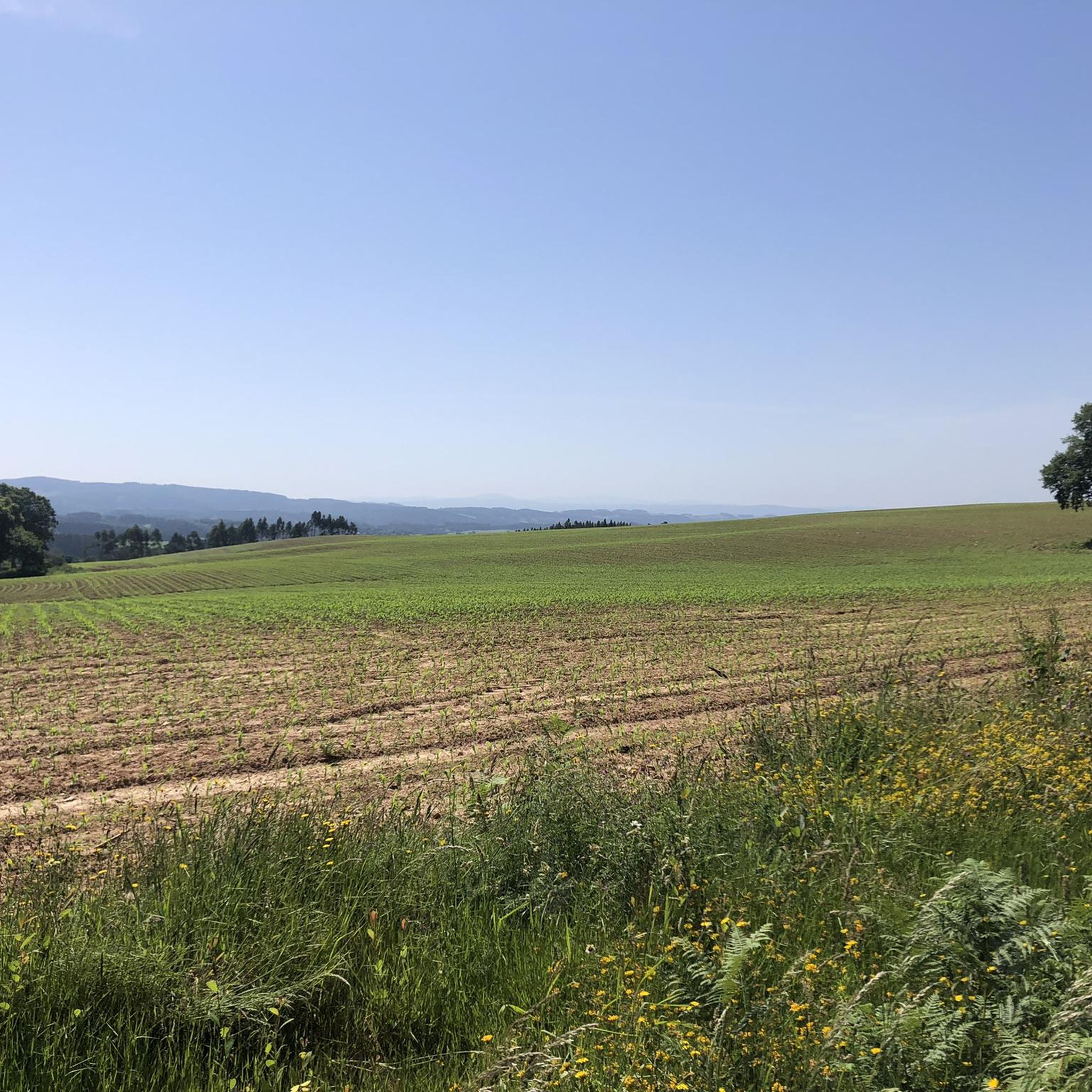
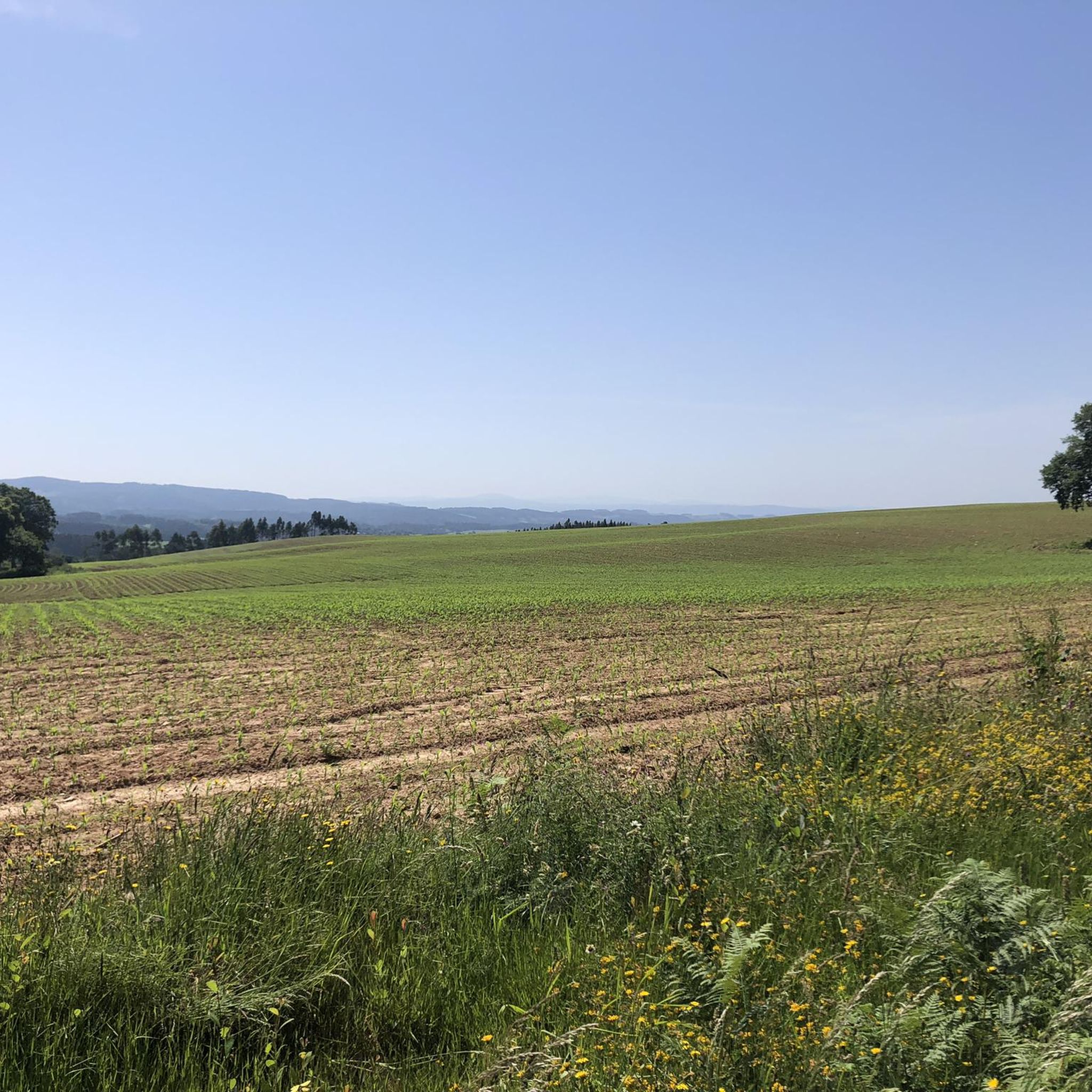
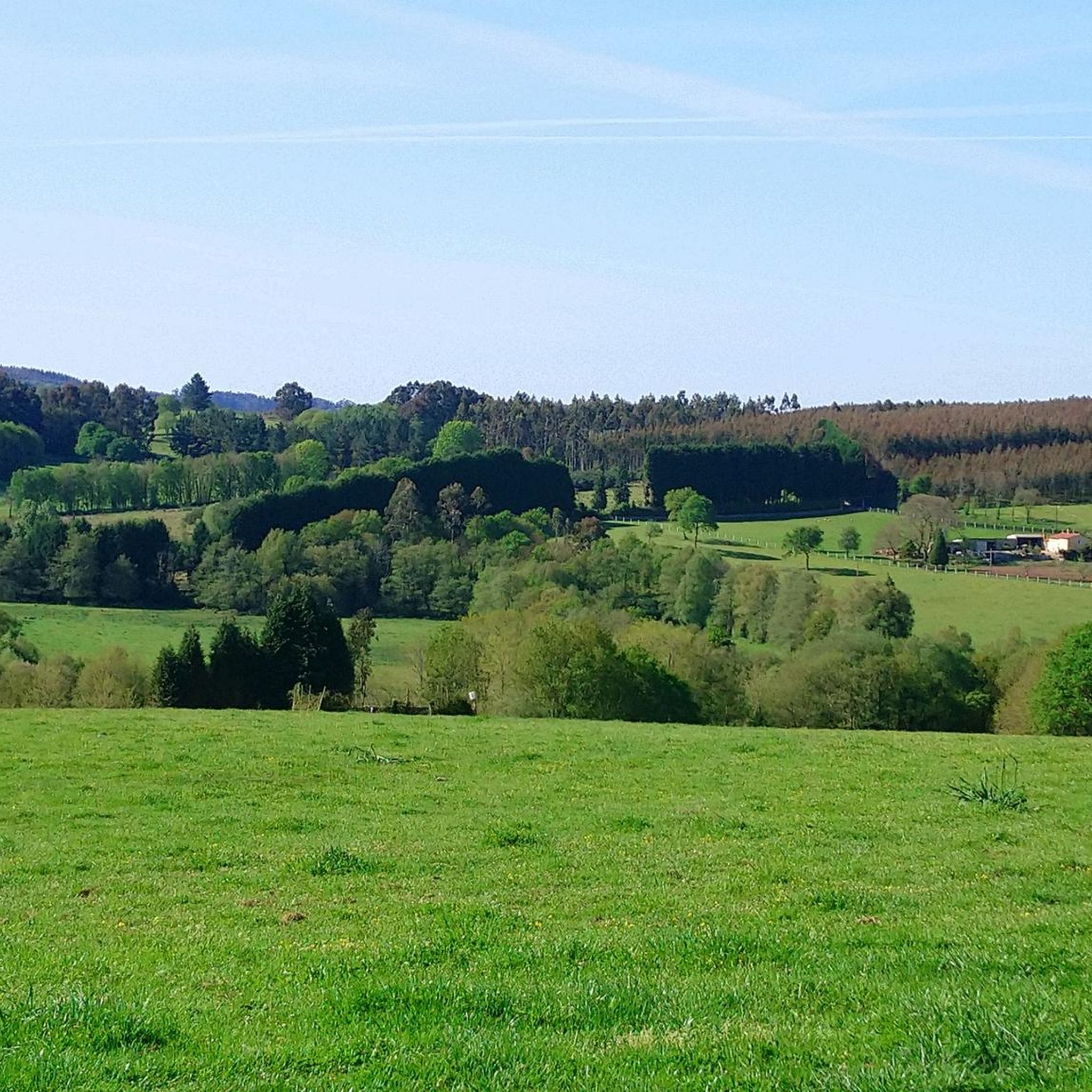
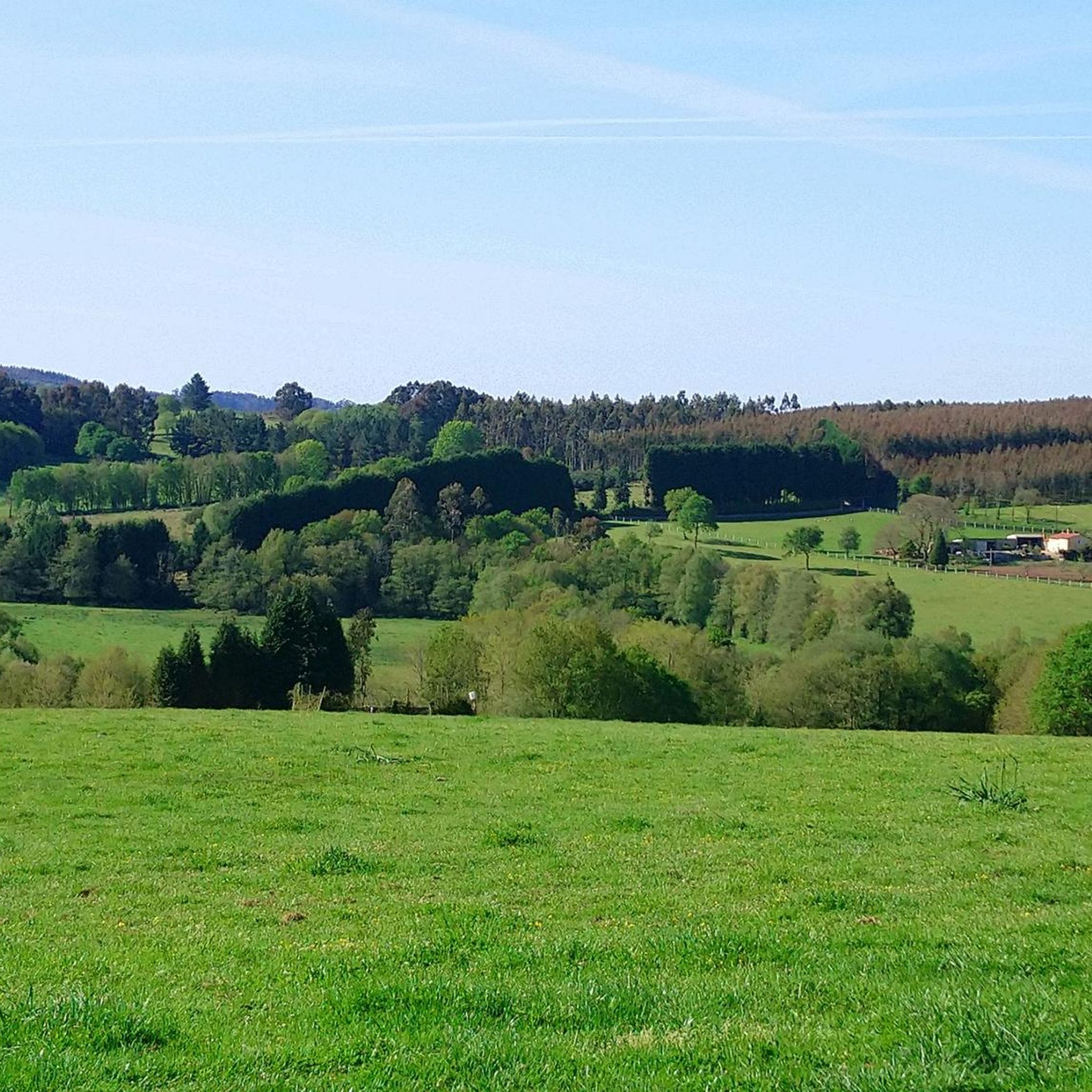
The landscapes around Boimorto are characterized by a blend of rural charm, forests, and rivers. You'll find lush greenery, especially around waterways like the Iso and Tambre rivers. The area features natural viewpoints, rolling hills, and dense forests, such as those surrounding the Stone bridge over the Catasol River, where ash and alder trees create an atmosphere of pure air.
Are there any ancient Roman sites in the area?
Yes, Boimorto has a connection to the Roman era. The Miliario Romano, a Roman milestone discovered in 1981, is a significant artifact. It's a granite column inscribed with the name of Emperor Maximino, testifying to Boimorto's historical importance as a transit point along the ancient Roman Road XIX. It is now located in the town hall garden.
What do visitors enjoy most about the attractions around Boimorto?
Visitors particularly appreciate the blend of historical significance and natural beauty. The medieval bridges, such as the Ribadiso Medieval Bridge, are loved for their picturesque settings and opportunities to cool off. The peaceful forest environments, like those near the Stone bridge over the Catasol River, are praised for their pure air and natural beauty. The historical churches and traditional manor houses also offer a glimpse into Galicia's rich heritage.
Are there any less crowded attractions or hidden gems in Boimorto?
While many sites are popular, exploring the various Pazos (manor houses) scattered throughout the municipality, such as Pazo de Liñeiro or Pazo de Vilanova, can offer a quieter experience of traditional Galician architecture. The Molino de Boimorto, an old restored mill, also provides a glimpse into local history away from the main pilgrimage routes. Additionally, some of the less-trafficked circular hiking routes can lead to serene natural spots.
What is the best season for outdoor activities in Boimorto?
The best season for outdoor activities in Boimorto is generally spring and early autumn. During these times, the weather is typically mild and pleasant, ideal for hiking, cycling, and exploring historical sites without the intense heat of summer or the chill of winter. Summer can also be enjoyable, especially for activities near rivers and recreational areas, but it can be warmer and more crowded.
Most popular attractions around Boimorto

Get inspired with the komoot mobile app


Explore more
Still not found the Highlight you’re looking for? See guides of the top attractions in other regions:
