Attractions and Places To See around Azagra - Top 17
Best attractions and places to see around Azagra include a blend of historical landmarks, cultural sites, and natural features within the Ribera Navarra region. The area is characterized by its rich history, with Roman and medieval influences evident in its architecture and archaeological sites. Visitors can explore diverse landscapes, from riverine areas to elevated viewpoints, offering a variety of experiences.
Best attractions and places to see around Azagra
- The most popular attractions is Marcilla Castle, a castle that is a 15th-century Gothic fortress built of brick on a stone foundation. It served as both a defensive stronghold and a palatial residence.
- Another must-see spot is El Perdiguero Reservoir, a lake located near the town of Calahorra. It is a wetland area suitable for walks around its waters.
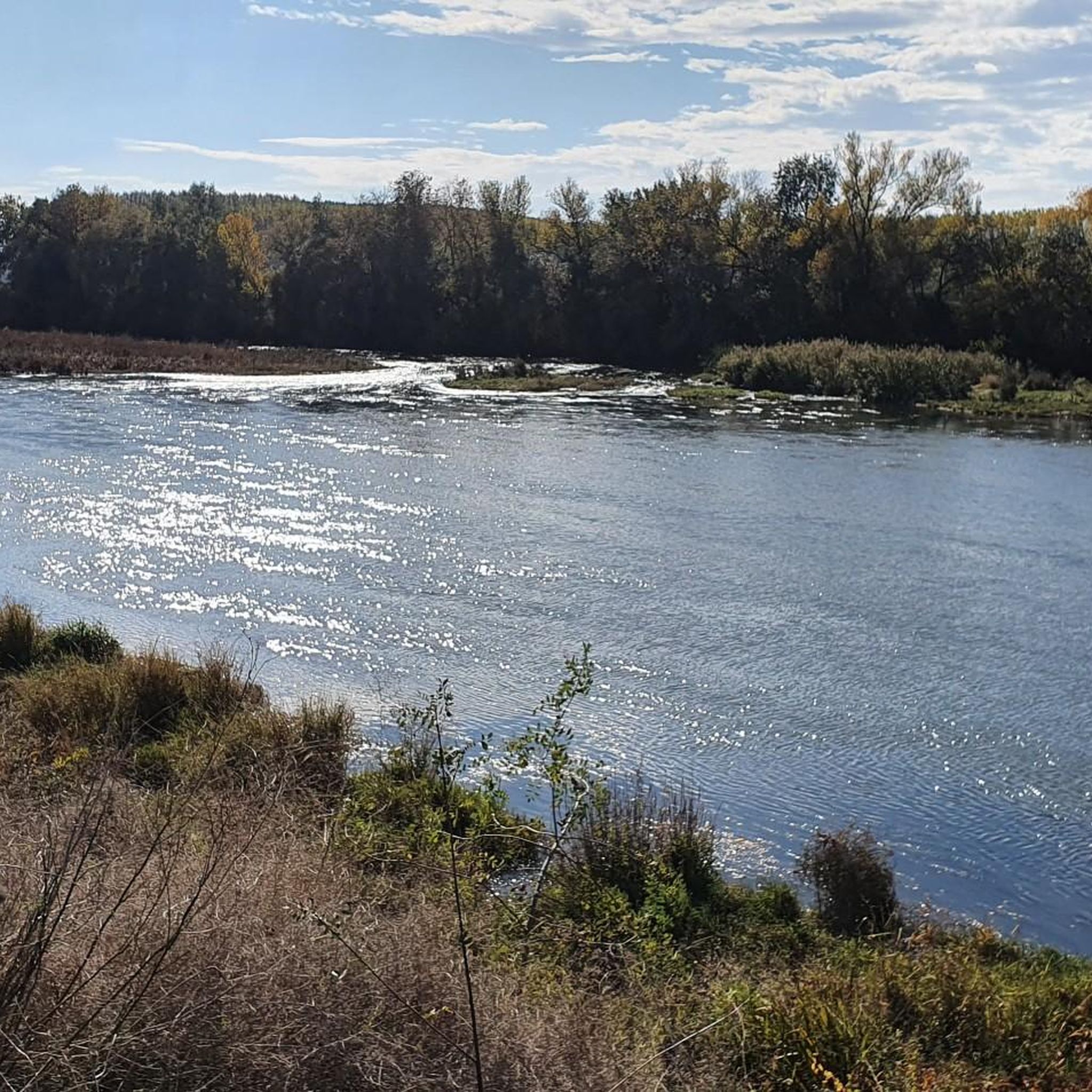
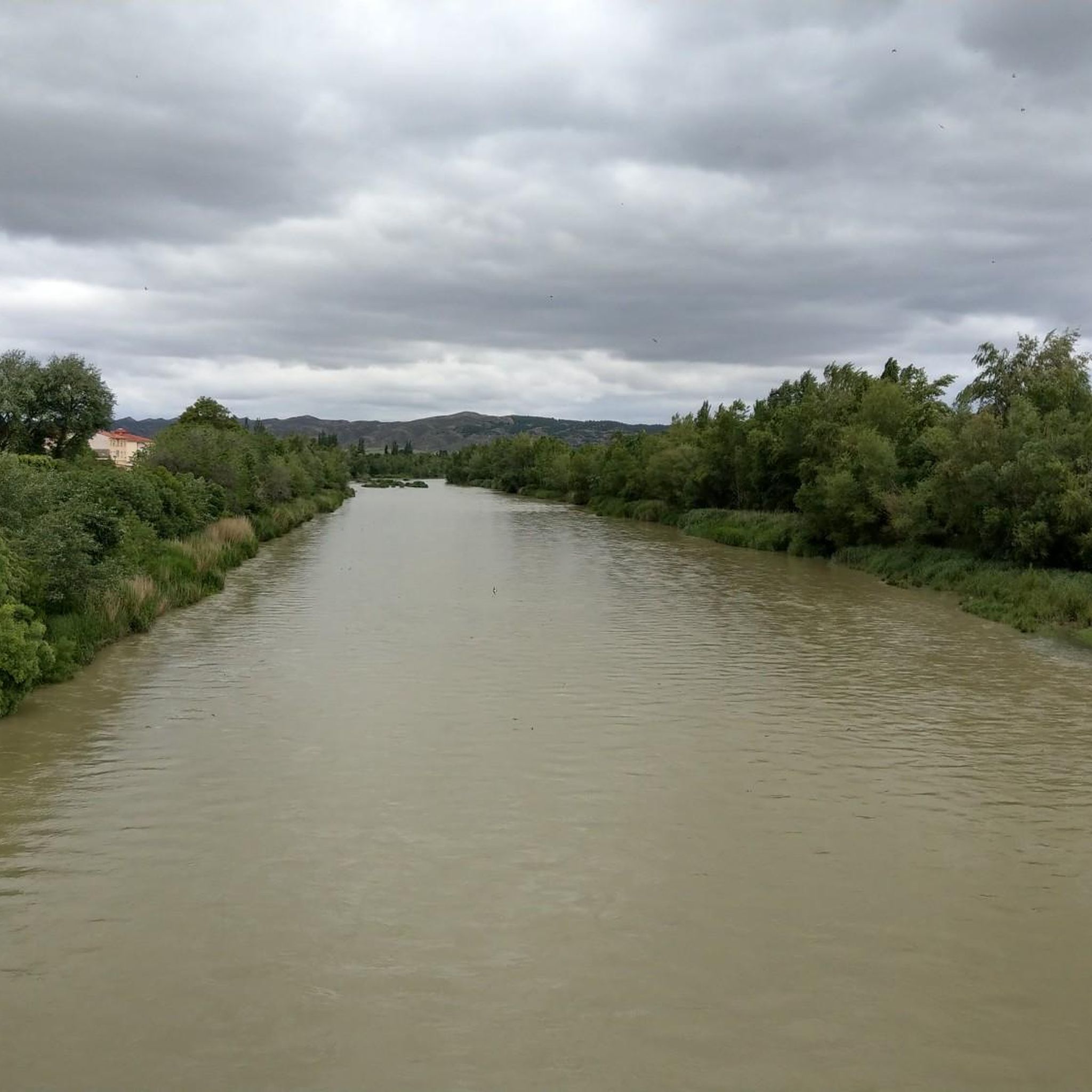
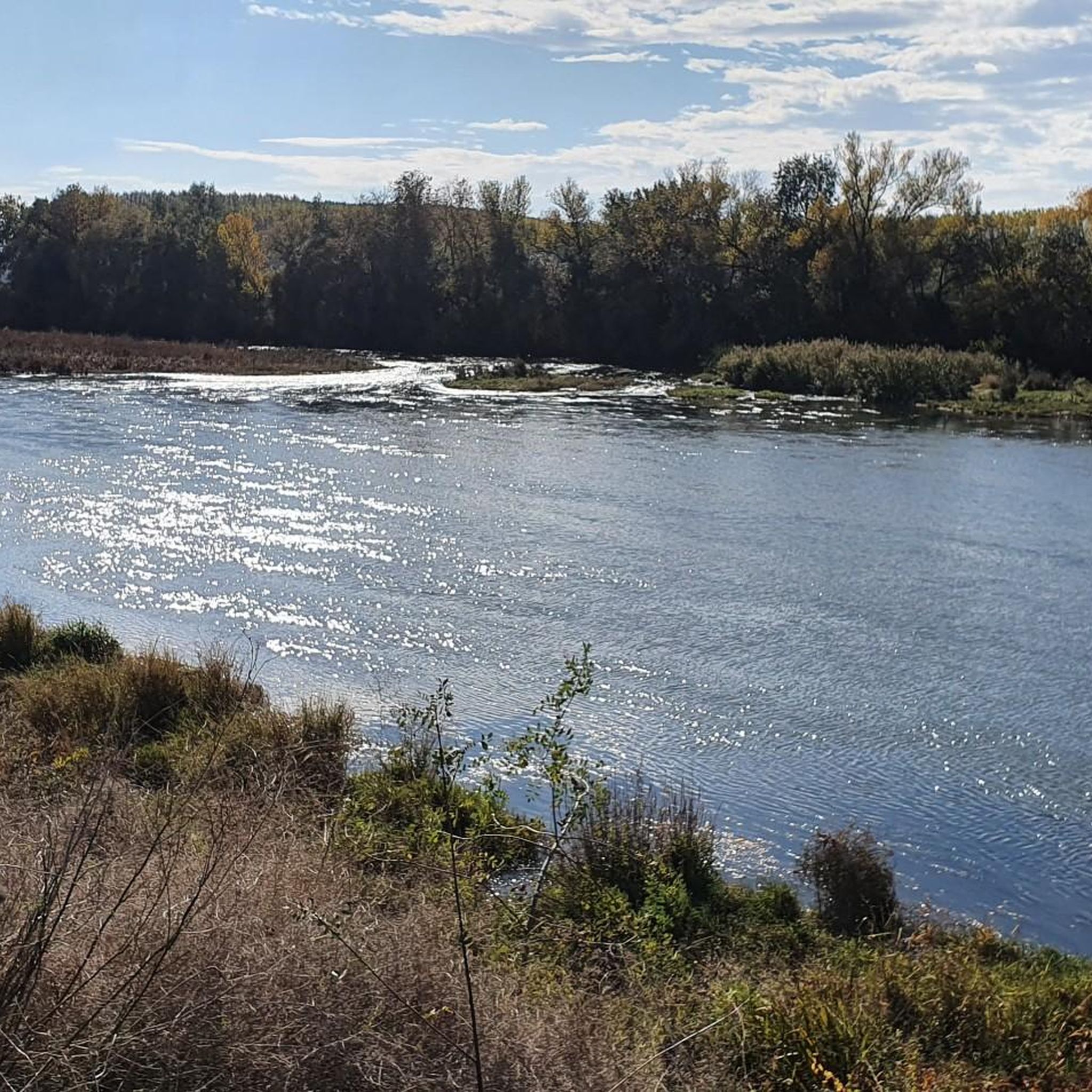
- Visitors also love San Adrián, a settlement where the Ega and Ebro rivers meet. This location allows for nature walks along the GR99 alongside the river.
- Azagra is known for its historical sites, natural landscapes, and cultural points of interest. The region offers a variety of attractions to see and explore, from ancient castles to scenic reservoirs and river confluence points.
- The attractions around Azagra are appreciated by the komoot community, with 11 upvotes and 11 photos shared by visitors.
Last updated: May 1, 2026
Marcilla Castle
Highlight • Castle
This 15th-century Gothic fortress was built of brick on a stone foundation by Mosén Pierres de Peralta, with material and financial support from Charles III the Noble.
It served both as a defensive stronghold and as a palatial residence for the Marquesses of Falces, descendants of Peralta.
In 1516, the Marchioness Ana de Velasco saved the castle from being demolished by order of Cardinal Cisneros.
Translated by Google •
Tip by

El Perdiguero Reservoir
Highlight • Lake
Translated by Google •
Tip by

Sign up now to discover places like this
Get recommendations on the best single tracks, peaks, & plenty of other exciting outdoor places.
Sign up for free
Calahorra Old Town
Highlight • Historical Site
Translated by Google •
Tip by

San Adrián
Highlight • Settlement
Parish of San Adrian.
Translated by Google •
Tip by

Peñalén Gorge
Highlight • Gorge
The viewpoint offers a vertical drop of approximately 392 m, where on clear days you can see the Bardenas Reales, Villafranca, Marcilla, and even the Pyrenees.
Translated by Google •
Tip by
Sign up for free to discover even more attractions around Azagra.
Sign up for free
Already have an account?
Start today with a free account
Your next adventure awaits.
Login or Signup
Tips from the Community

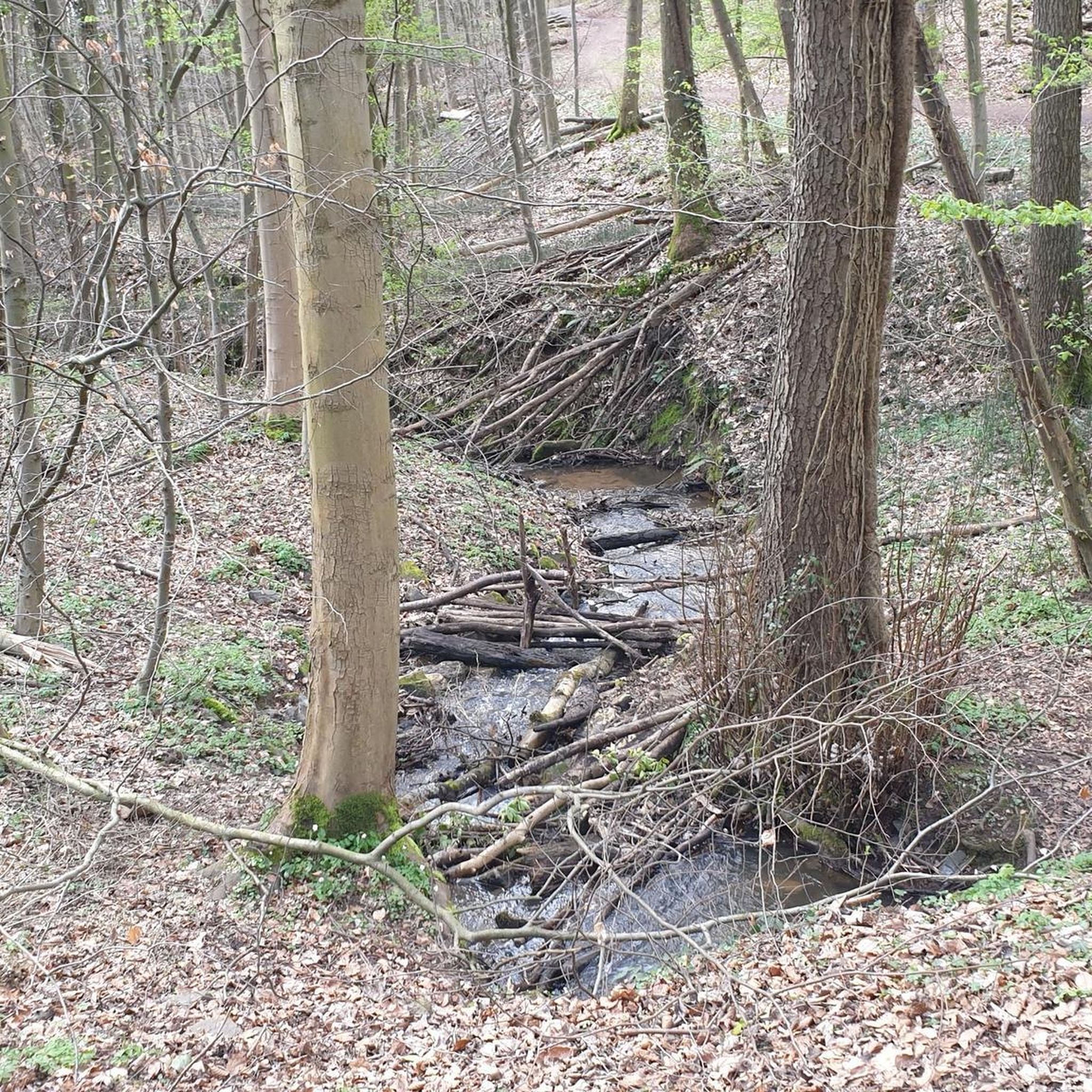
The Peñalén Ravine, also known as the King's Ravine, is a stunning natural spot located about 7 km from Funes, in the Ribera Alta region of Navarre. The viewpoint offers a vertical drop of approximately 392 m, where on clear days you can see the Bardenas Reales, Villafranca, Marcilla, and even the Pyrenees.
2
0
It is located at Plaza de la Cava, 1, in the town center of Marcilla (Navarra), easily accessible and surrounded by bars and a children's playground. This 15th-century Gothic fortress was built of brick on a stone foundation by Mosén Pierres de Peralta, with material and financial support from Charles III the Noble. It served both as a defensive stronghold and as a palatial residence for the Marquesses of Falces, descendants of Peralta. In 1516, the Marchioness Ana de Velasco saved the castle from being demolished by order of Cardinal Cisneros.
3
0
It is located at Plaza de la Cava, 1, in the town center of Marcilla (Navarra), easily accessible and surrounded by bars and a children's playground. This 15th-century Gothic fortress was built of brick on a stone foundation by Mosén Pierres de Peralta, with material and financial support from Charles III the Noble. It served both as a defensive stronghold and as a palatial residence for the Marquesses of Falces, descendants of Peralta. In 1516, the Marchioness Ana de Velasco saved the castle from being demolished by order of Cardinal Cisneros.
5
0


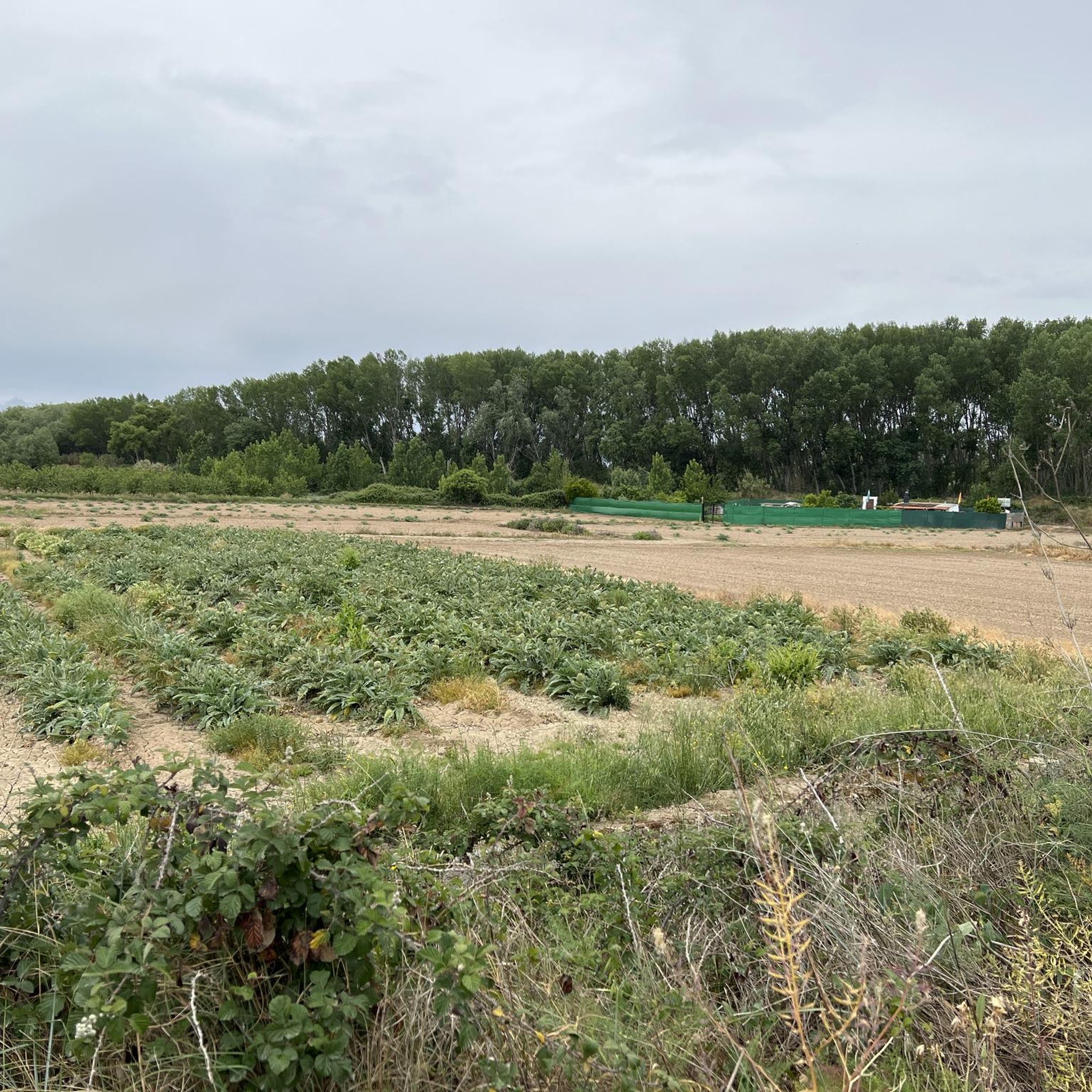
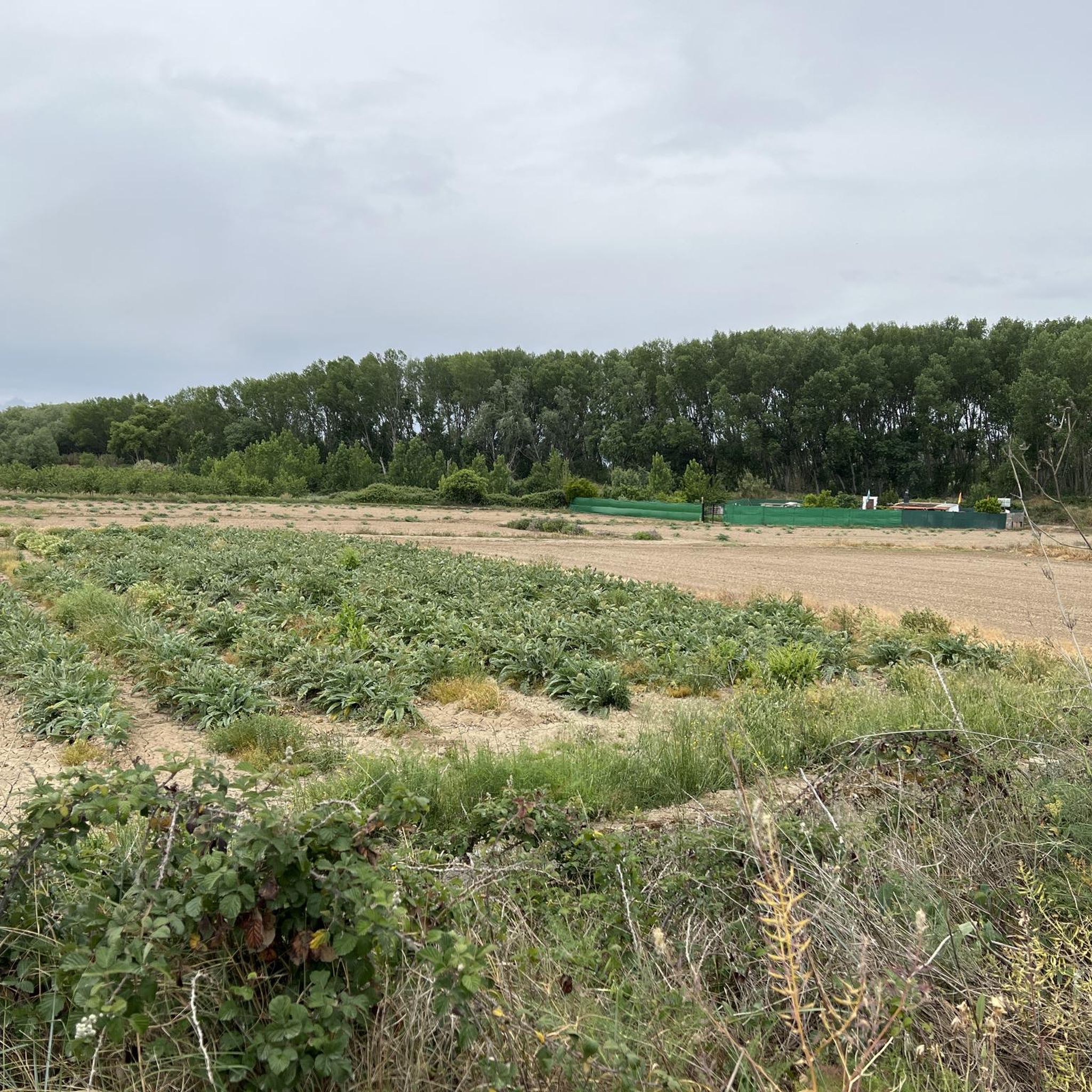
Beautiful reservoir that is located near the town of Calahorra and that is a few kilometers from this town. It is a beautiful wetland area to take a lap in the waters of this reservoir.
0
0

Nice town in Navarra, eclipsed by its neighbor Calahorra (from La Rioja).
1
0
New San Adrian parish, in the lower part of the town.
1
0

Marcilla is most famous for its castle, but there are also other very interesting places to visit, such as the Church of San Bartolomé, the Virgen del Plu, the Monastery of Santa Maria and its small streets and squares.
1
1
Frequently Asked Questions
What historical landmarks can I explore around Azagra?
You can visit several significant historical sites. Don't miss the impressive Marcilla Castle, a 15th-century Gothic fortress that served as both a defensive stronghold and a palatial residence. Also, explore the rich history of Calahorra Old Town, known for its labyrinthine streets and Roman and Jewish heritage, or the settlement of San Adrián, located at the confluence of the Ega and Ebro rivers.
Are there any natural attractions or scenic spots near Azagra?
Absolutely. The El Perdiguero Reservoir, near Calahorra, is a beautiful wetland area perfect for walks around its waters. You can also explore the stunning Peñalén Ravine, also known as King's Ravine, which offers spectacular natural beauty and circular routes for hiking or mountain biking. For panoramic views, consider a route up Mount Gurugú to the Hermitage of Our Lady of Portegado, especially popular for its nighttime vistas.
What cultural sites are there to visit in the Azagra region?
The region offers several cultural highlights. The Church of St. James the Apostle, known as 'La Giraldilla' in Funes, is a 17th-century Renaissance building featuring a lookout tower and Baroque altarpieces. You can also discover the ancient Roman Wineries along the Ebro River, an archaeological site from the 1st century BC showcasing preserved wine presses, reflecting the region's winemaking tradition. Azagra also participates in cultural events like TITIRIRED, a puppet festival.
Are there family-friendly activities or attractions around Azagra?
Yes, many attractions are suitable for families. Marcilla Castle is easily accessible and surrounded by bars and a children's playground. The El Perdiguero Reservoir offers pleasant walks for all ages. The settlements of Calahorra Old Town, San Adrián, and Funes are also considered family-friendly, offering a mix of history, nature, and gentle walks.
What outdoor activities can I do near Azagra?
The area around Azagra is excellent for various outdoor activities. You can enjoy gravel biking on routes like the 'Gravel route of upper Cidacos' or the 'Bardenas Reales Natural Park – Castildetierra loop'. For running, there are trails around Calahorra, including loops through its Old Town. Road cycling enthusiasts can explore routes such as 'Arnedillo Castle – Arnedillo and thermal baths loop' or the 'Azagra – Views of Lerín loop'. Find more details on these activities at the Gravel biking around Azagra, Running Trails around Azagra, and Road Cycling Routes around Azagra guide pages.
Are there any good hiking or walking trails in the Azagra area?
Yes, the region offers several opportunities for hiking and walking. The Peñalén Ravine features circular routes, approximately 13 km long, ideal for hiking. You can also enjoy nature walks along the GR99 alongside the river in San Adrián, where the Ega and Ebro rivers meet. Mount Gurugú also provides a route for pilgrims with extensive panoramic views.
What do visitors enjoy most about the attractions around Azagra?
Visitors appreciate the blend of historical richness and natural beauty. Many enjoy the well-preserved Marcilla Castle and its surrounding amenities. The tranquil walks around El Perdiguero Reservoir are also highly rated. The diverse landscapes, from riverine areas to elevated viewpoints, offer a variety of immersive and authentic experiences, whether exploring ancient sites or enjoying outdoor activities.
Can I find places with good views around Azagra?
Yes, there are several spots offering great views. Mount Gurugú is popular for its panoramic vistas, especially at night, accessible via a route to the Hermitage of Our Lady of Portegado. The El Perdiguero Reservoir also provides scenic views of the wetland area.
What is there to see in Funes?
Funes offers a diverse experience with Roman and medieval history, natural beauty, and a unique winemaking heritage. Key attractions include the Church of St. James the Apostle ('La Giraldilla'), the scenic Peñalén Ravine with its hiking routes, Mount Gurugú for panoramic views, and the archaeological site of Roman Wineries along the Ebro River.
Are there any specific architectural highlights in the region?
Beyond Marcilla Castle, a prime example of 15th-century Gothic military architecture, the Church of St. James the Apostle ('La Giraldilla') in Funes stands out as a 17th-century Renaissance building with a distinctive lookout tower and Baroque altarpieces by Vicente Berdusán. The historical buildings within Calahorra Old Town also showcase centuries of architectural evolution.
Where can I experience the region's winemaking history?
You can delve into the region's winemaking heritage by visiting the Roman Wineries along the Ebro River. This archaeological site, dating back to the 1st century BC, features four well-preserved wine presses, offering a tangible connection to ancient winemaking practices in the area.

Get inspired with the komoot mobile app


Explore more
Still not found the Highlight you’re looking for? See guides of the top attractions in other regions:
