Attractions and Places To See around Huércal-Overa - Top 20
Best attractions and places to see around Huércal-Overa, a market town in Almería, Spain, offers a blend of history, culture, and natural beauty. The town serves as a strategic point between Levante and Andalusia, with its history reflected in its streets, towers, and temples. The surrounding region features a semi-arid landscape with gentle hills, ravines, and riverbeds, ideal for outdoor exploration. Visitors can explore historical landmarks, cultural sites, and natural features.
Best attractions and places to see around Huércal-Overa
- The…
Last updated: July 12, 2026
Statue of the Sacred Heart of Jesus on Cerro del Espíritu Santo
Highlight • Monument
Translated by Google •
Tip by

Tres Pacos Mine
Highlight • Historical Site
Translated by Google •
Tip by

Sign up now to discover places like this
Get recommendations on the best single tracks, peaks, & plenty of other exciting outdoor places.
Sign up for free
Arboleas
Highlight • Trail
Translated by Google •
Tip by

Castle of the Marquis of Los Vélez
Highlight • Castle
The castle …
Translated by Google •
Tip by

Cuevas de Almanzora Dam and Reservoir
Highlight • Lake
You can ride …
Tip by

Sign up for free to discover even more attractions around Huércal-Overa.
Sign up for free
Already have an account?
Start today with a free account
Your next adventure awaits.
Login or Signup
Other adventures around Huércal-Overa

Tips from the Community

The Cerro del Espíritu Santo in Vera, Almería, is a site of great historical and archaeological interest. This hill houses the remains of the ancient medieval city of Bayra, which was an important settlement during the Muslim occupation. At the top of the hill, you can see the ruins of a citadel and a statue of the Sacred Heart of Jesus, erected in 1949. The hill also offers a viewpoint with panoramic views of Vera and its surroundings. The route to reach the hill is accessible from the town center of Vera and can be done on foot or by car.
6
0
The Cerro del Espíritu Santo in Vera is a place of great historical and archaeological interest. This hill houses the remains of the ancient medieval city of Bayra, which was an important settlement during the Muslim era. At the top of the hill, you can see the remains of a citadel and a statue of the Sacred Heart of Jesus, which stands as a viewing point with impressive views.
3
0


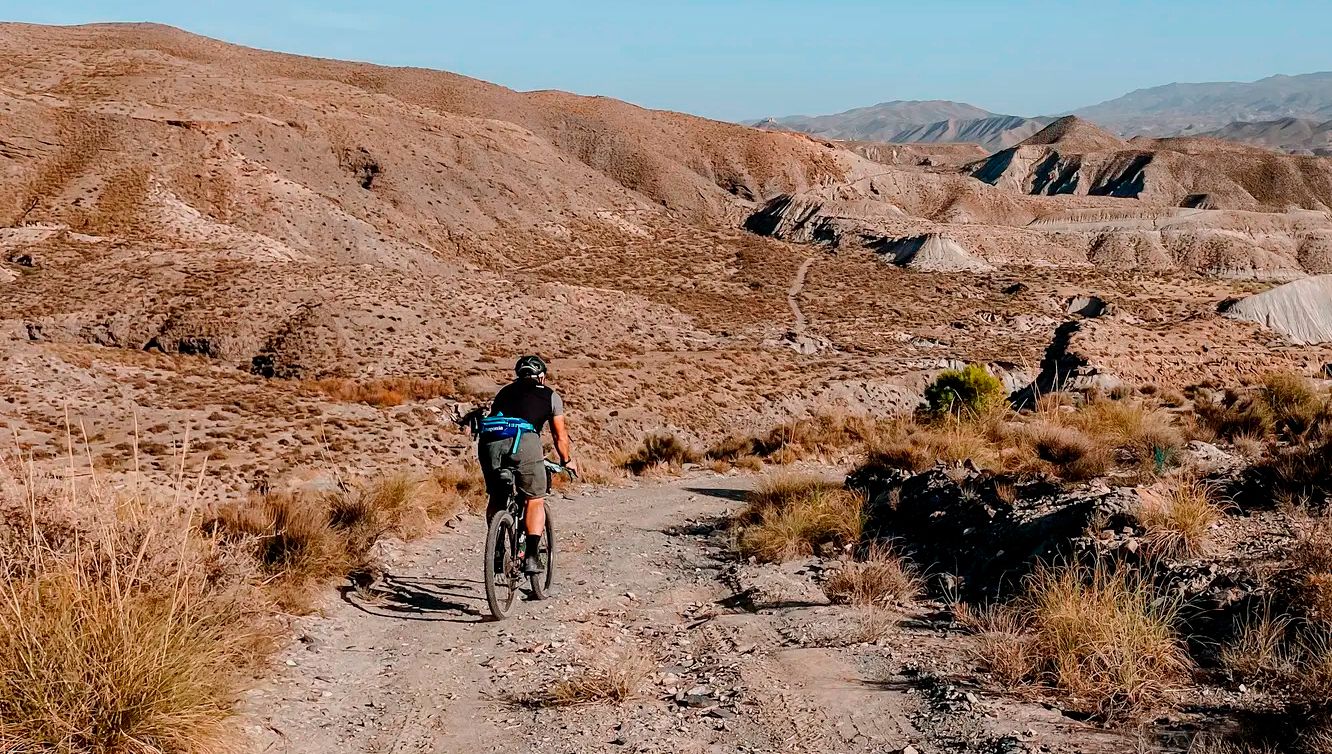
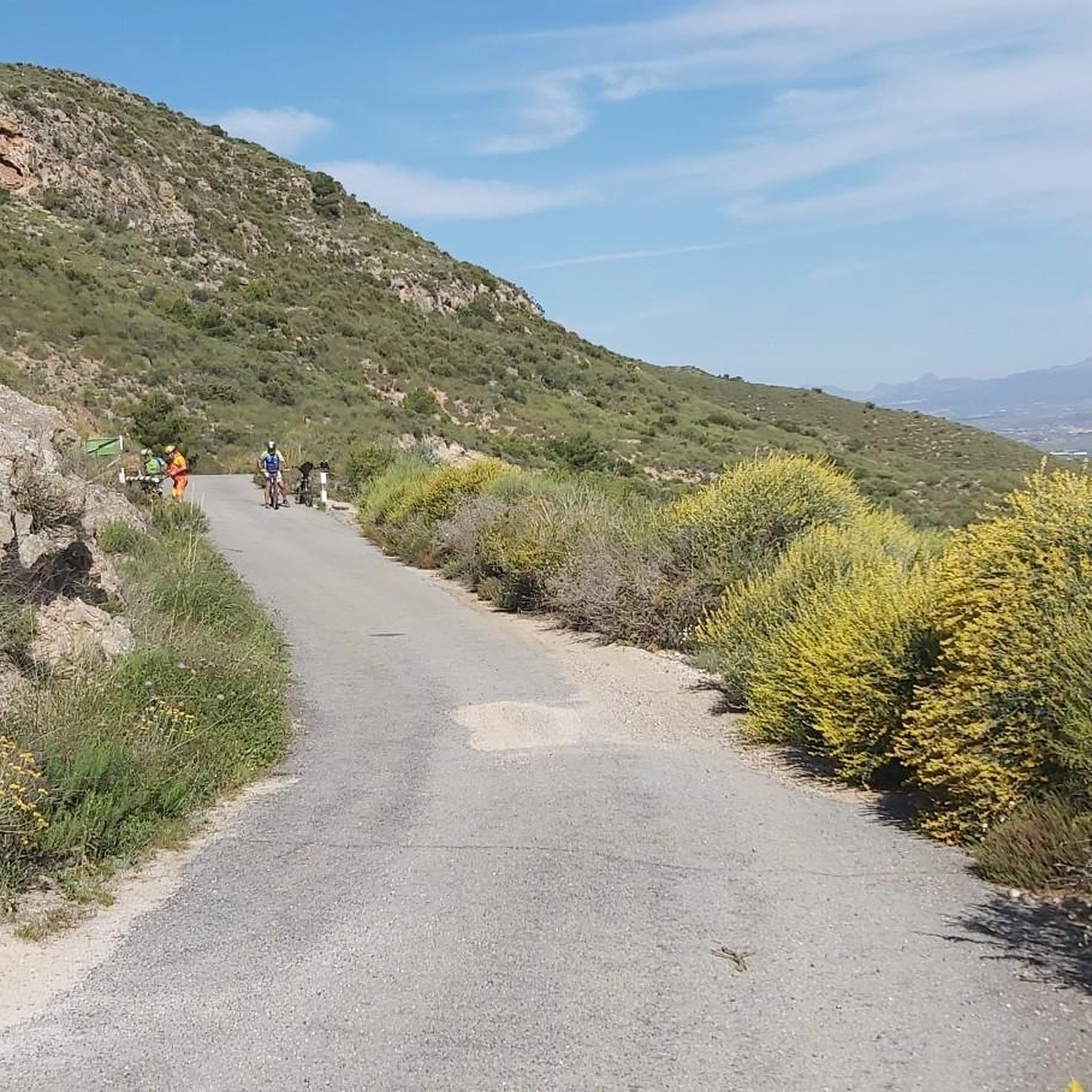
The cycling trip is distributed in three established stages mainly because each day is totally different in landscapes, history and content. The first day is the Vía Verde Valle del Almanzora Natural Trail, in the province of Almería, full of railway constructions, fertile meadows of orchards and fruit trees, marble sculptures and remains of the iron ore culture that for a century was produced by tons. towards the ports of Murcia. The second stage is the Sierra de Baza Greenway, between El Hijate and the famous iron bridge of Baúl, traveling through the steppe landscapes of the Baza plateau and the edge of the filmy badlands of the Gorafe desert, famous for its magical beauty. and because in the middle of the last century they were the setting for countless spaghetti westerns. And the third day seems like another world, starting from Gor the gravel adventure enters the peaks and mountains of the Sierra de Baza through immense pine forests and oak forests to the radars of Calar Alto, exceeding the level of two thousand meters of altitude with extraordinary views of the northern slope of the Sierra Nevada, closing the loop at the Tíjola station and a section back to Arboleas along the Natural Trail. The beginning is in the San Roque neighborhood of the municipality of Arboleas, at the beginning of the conditioned section of the Almanzora Valley on the route of the Guadix-Almendricos Greenway Natural Trail. The place is a simple road crossing with a guardhouse of the old railway level crossing. The continuation of the old mining railway towards Murcia through Zurgena and Huércal-Overa is not yet ready for bicycle traffic. The small Arboleas railway stop is in the direction of Baza about eight hundred meters later, arranged with gardens on the platforms, the Natural Trail panel, signs with names and distances and a good place to park, it can be an alternative starting point. The residential neighborhoods of Las Caleras, La Perla and El Prado disguise the whitish and steppe environment of the valley slopes, formed mainly by hills of marl, gypsum and other quirks of geology that favor the development of very exclusive and curious plants known as soap dishes.
0
0

The Tres Pacos mine is an abandoned mine located in the municipality of Cuevas de Almanzora. Iron minerals such as hematite were extracted from this mine. The mine began operating at the end of the 19th century and until 1935, when the activity was abandoned. The mineral was transported by an aerial cable to the Cala Picota pier, 13 kilometers away, completely crossing the Almagro mountain range. The mineral was first processed in the mine itself, using various furnaces fueled by charcoal.
1
0

Fortress built in the 16th century. It was built by the Marquis de los Vélez, Pedro Fajardo, as a symbol of his power and wealth in the area. The castle is a magnificent example of Spanish Renaissance architecture and is made up of two parts: the fortress and the palace. The fortress consists of two towers and a defensive wall, while the palace presents an impressive façade with decorative elements in the Gothic, Renaissance and Mudejar styles. The castle has been recently restored and currently houses a museum dedicated to the archeology and history of the area. You can also enjoy panoramic views from the top of the towers and explore the network of underground tunnels that connect different parts of the castle.
1
0

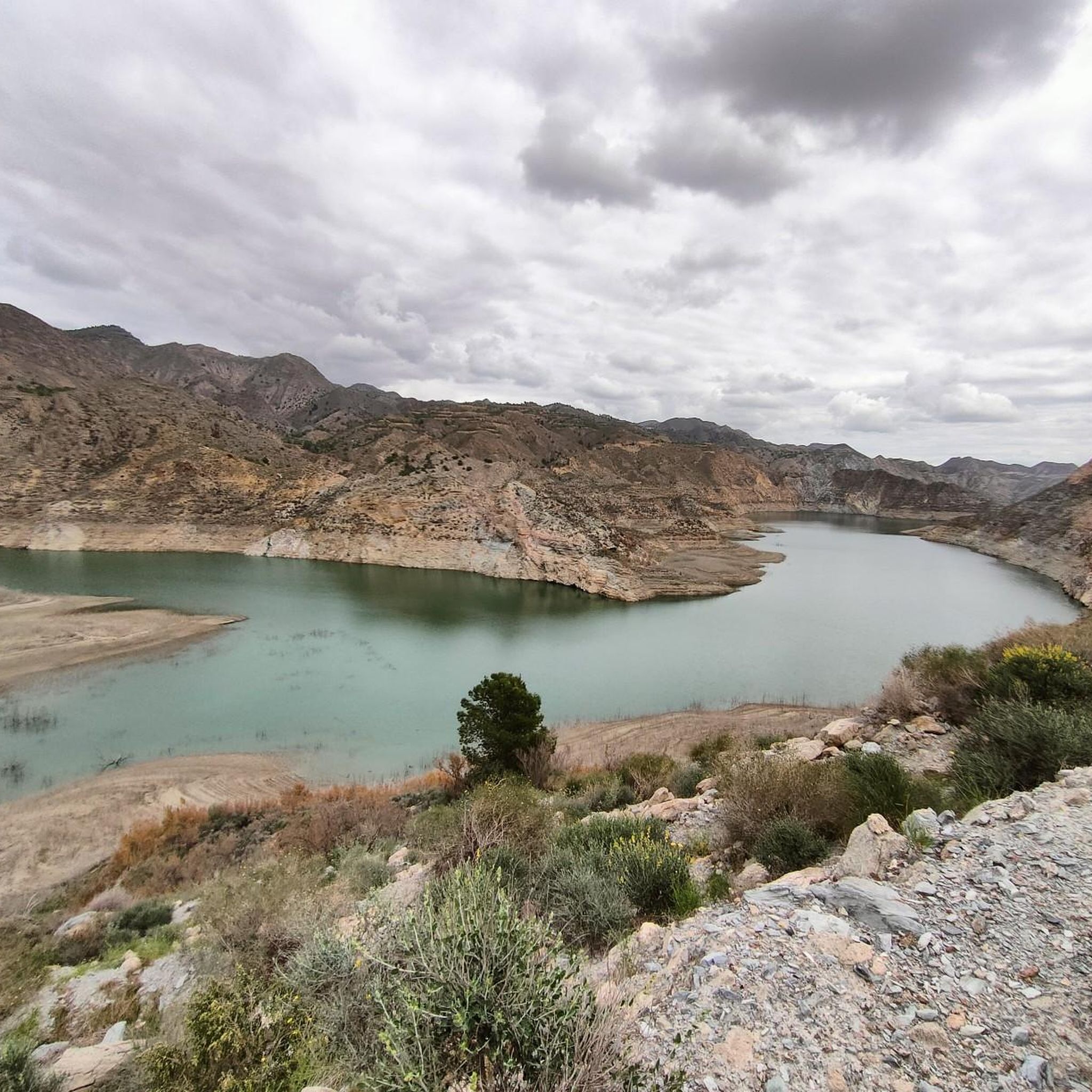
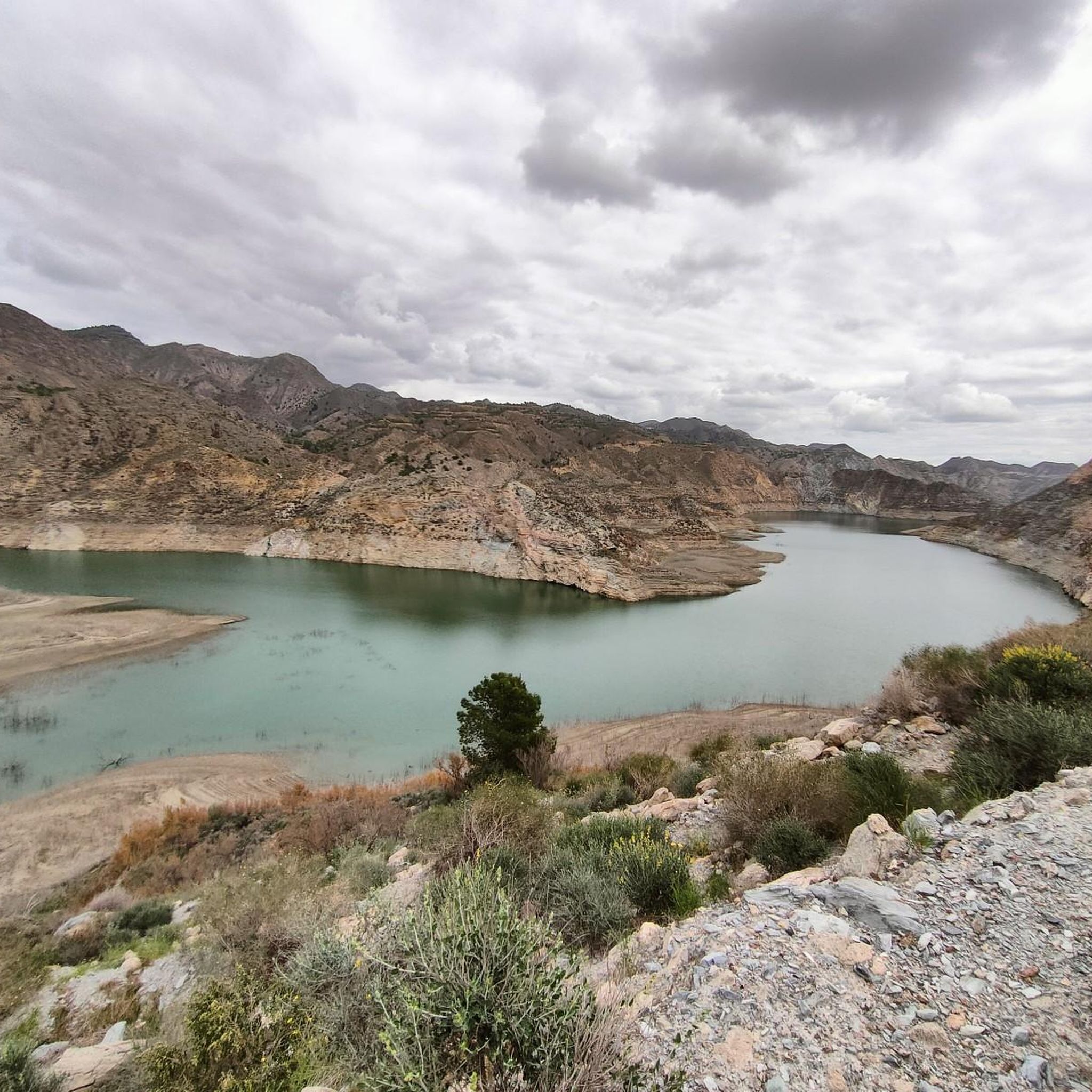
On the side of the Komoot Icon is a picnic area complete with BBQ installations. There is also a the Lunar bar or Chillinguito at the top. You can ride all around the water basin, although it's a bit overgrown in places. This gives a good view on the Indalo Man painted on the dam. You can access via the road up to the dam during opening hours or from the Ciclocalle at any time.
2
0
Interesting Castle & Square, you can ride into the Castle for free. It's steep climb up but worth it. On the way down, go via the Plaza de la Constitución.
0
0
Frequently Asked Questions
What historical landmarks can I explore within Huércal-Overa town?
Within Huércal-Overa, you can visit the iconic Huércal-Overa Castle, a 13th-century fortress with restored walls offering panoramic views. The impressive Parish Church of Nuestra Señora de la Asunción, an 18th-century Baroque-style church, is also located in the town's heart. Don't miss the Torre de Ballabona, a renovated 14th-century defensive tower you can climb.
Are there any cultural sites or museums to visit in Huércal-Overa?
Yes, Huércal-Overa offers several cultural sites. You can gain insights into the town's history and traditional life at the Ethnographic Museum and Water Museum. The Villa de Huércal-Overa Theatre hosts various performances, and the Plaza Mayor (or Plaza de la Constitución) is a lively central square with cafes and shops, serving as a hub for local life.
What are some significant historical sites outside the main town of Huércal-Overa?
Beyond the town, you can explore the Tres Pacos Mine, a historical site where iron minerals were extracted until 1935, representing the region's mining heritage. Another significant site is the Ruins of Huércal la Vieja Fortress in the Sierra de Almagro, which provided an exceptional viewpoint for intercommunication between ancient towers and castles.
Where can I find the best panoramic views around Huércal-Overa?
For breathtaking panoramic views, visit the Statue of the Sacred Heart of Jesus on Cerro del Espíritu Santo. This man-made monument is located on a hill that also houses remains of the ancient medieval city of Bayra and offers expansive views of Vera and its surroundings. The Huércal-Overa Castle also provides excellent vistas from its restored walls.
What kind of outdoor activities can I do around Huércal-Overa?
The region around Huércal-Overa is ideal for outdoor activities. You can enjoy cycling along the Huércal-Overa Greenway, which follows an old railway line. For more extensive cycling, running, or mountain biking, there are numerous routes available. For example, you can find various cycling routes in the Cycling around Huércal-Overa guide, running trails in the Running Trails around Huércal-Overa guide, and MTB trails in the MTB Trails around Huércal-Overa guide.
Are there family-friendly attractions or activities in Huércal-Overa?
Families can enjoy the Adolfo Suárez Park, a large municipal park in the town center with leisure facilities, picnic areas, and play zones for children. The Huércal-Overa Greenway is also suitable for family walks or bike rides. Additionally, the Castle of the Marquis of Los Vélez is listed as family-friendly and offers a museum and panoramic views.
What natural features can I see or explore near Huércal-Overa?
The surrounding countryside of Huércal-Overa features a semi-arid landscape with gentle hills, ravines, and riverbeds. You'll find steppe and riverside vegetation, lentisks, wild olive trees, and holm oaks. The region is excellent for hiking and cycling, with proximity to the Sierra de Almagro and Sierra de las Estancias mountains for nature walks. In early spring, the almond and olive groves offer spectacular blossoms.
What is the best time of year for outdoor activities in Huércal-Overa?
The best time for outdoor activities in Huércal-Overa is typically during the spring (March to May) and autumn (September to November) when temperatures are milder and more comfortable for hiking, cycling, and exploring. Early spring is particularly beautiful with the almond and olive blossoms.
Are there any traditional markets or festivals in Huércal-Overa?
Yes, Huércal-Overa hosts one of the largest traditional markets in the area every Monday and Thursday, where you can find a wide array of goods. The town is also famous for its Holy Week (Semana Santa), declared a Festival of National Tourist Interest, featuring elaborate processions. In October, the Feria de Huércal-Overa offers a funfair, concerts, and cultural events.
Can I visit any ancient fortresses or castles in the area?
Absolutely. Besides the Huércal-Overa Castle, you can explore the ancient Moorish fortress of Santa Bárbara Castle, dating back to the 12th century, where you can still see its tower, water tanks, and walled perimeter. Further afield, the Castle of the Marquis of Los Vélez is a magnificent 16th-century fortress with Renaissance architecture, a museum, and underground tunnels.
Are there any beaches easily accessible from Huércal-Overa for a day trip?
While not directly in Huércal-Overa, the beautiful Beaches of San Juan de Los Terreros are considered among the most magnificent in Andalusia and are a popular attraction in the surrounding area. They are known for their sandy shores and calm waters, making them a great option for a day trip.
Most popular attractions around Huércal-Overa

Get inspired with the komoot mobile app


Explore more
Still not found the Highlight you’re looking for? See guides of the top attractions in other regions:
