Attractions and Places To See around Aldeanueva Del Codonal - Top 11
Attractions and places to see around Aldeanueva Del Codonal offer a blend of historical landmarks, natural features, and cultural sites in the Segovian countryside. The area is characterized by its tranquil setting, the Voltoya River, and significant pine forests. Visitors can explore Romanesque temples, ancient railway lines, and vineyards producing Rueda Designation of Origin wines. This region provides opportunities to experience both historical architecture and the natural landscape of the Castilian plateau.
Best attractions and places to see around Aldeanueva Del Codonal
- The most popular attractions is Ortigosa del Pestaño — Abandoned Railway Station, a man_made_monument that was active for 100 years. This site serves as an architectural time capsule, contrasting with modern high-speed lines.
- Another must-see spot is Vía Verde del Valle del Eresma – Countryside Section, a cycle_way. This section runs through typical cereal fields of the Castilian plateau, offering pleasant walks or cycling.
- Visitors also love Nava de la Asunción, a settlement. This town, originally known as Nava de Coca, gained the title of "Villa" in 1773.
- Aldeanueva Del Codonal is known for its historical landmarks, natural features, and cultural sites. The area offers a variety of attractions, including Romanesque temples, greenways, and significant pine forests.
- The attractions around Aldeanueva Del Codonal are appreciated by the komoot community, with 22 upvotes and 12 photos shared by visitors.
Last updated: May 1, 2026
Ortigosa del Pestaño — Abandoned Railway Station
Highlight • Monument
Translated by Google •
Tip by

Vía Verde del Valle del Eresma – Countryside Section
Highlight (Segment) • Cycleway
Translated by Google •
Tip by
Sign up now to discover places like this
Get recommendations on the best single tracks, peaks, & plenty of other exciting outdoor places.
Sign up for free
Hermitage of the Virgin of the Well
Highlight • Religious Site
Translated by Google •
Tip by
Nava de la Asunción
Highlight • Settlement
I hope you found this brief description interesting! 😊
Translated by Google •
Tip by

Sculpture Trail of the Via Verde del Valle del Eresma
Highlight • Trail
It is the work of many hours of dedication, taking advantage of the days of the pandemic and occupying the mind in offering the landscape an artistic aspect that serves as a call to attention for the inhabitants of Nava, to form a team of volunteers who take on the commitment to take care of the over five hundred tree and shrub plantations that cover the six hundred meters of this Greenway route. This is the objective desired by the author of the sculptures, Manuel Frías Trampal. “It is environmental awareness to enjoy a welcoming natural landscape over time. To do this, you just need to sponsor any of the planted tree species and dedicate your name to it. You don't need to sign up to any list, you just need to decide to sponsor and care for the plant with watering and weeding,” says the forestry engineer and professor at the School of Forestry Foremen in Coca.
Translated by Google •
Tip by

Sign up for free to discover even more attractions around Aldeanueva Del Codonal.
Sign up for free
Already have an account?
Start today with a free account
Your next adventure awaits.
Login or Signup
Popular around Aldeanueva Del Codonal


Tips from the Community

Old abandoned station
0
0

Nava de la Asunción is a Spanish municipality and town in the province of Segovia. Originally known as Nava de Coca, it belonged to the village and land community. Later, in 1773, King Carlos III granted it the title of Villa and added “La Asunción” to its name, in honor of the Virgin, patron saint of the town. I hope you found this brief description interesting! 😊
2
0

On the route of the Via Verde Valle del Eresma, at kilometer 49 towards Medina del Campo, and passing through Nava de la Asunción, a stop is mandatory for the walker or cyclist in consideration of what meets his gaze at this point. It is striking to come across figures carved in wood that represent the direction of the winds to stay where they blow. They reflect the knowledge that education provides to people to free them from the constraints of economic and religious systems that can limit freedom, folk stories, storks that open doors to information, birds of prey that pay homage to resin craftsmanship, life in a game of chess, fantasy turtles, greyhounds and hares and tubs of water tuned with sentences to read and analyze their content. In short, they are eleven works of art that invite us to reflect on the environment, with social messages, It is the work of many hours of dedication, taking advantage of the days of the pandemic and occupying the mind in offering the landscape an artistic aspect that serves as a call to attention for the inhabitants of Nava, to form a team of volunteers who take on the commitment to take care of the over five hundred tree and shrub plantations that cover the six hundred meters of this Greenway route. This is the objective desired by the author of the sculptures, Manuel Frías Trampal. “It is environmental awareness to enjoy a welcoming natural landscape over time. To do this, you just need to sponsor any of the planted tree species and dedicate your name to it. You don't need to sign up to any list, you just need to decide to sponsor and care for the plant with watering and weeding,” says the forestry engineer and professor at the School of Forestry Foremen in Coca.
1
0

Population located north of the capital of the province, Segovia. It is a nucleus located between the two rivers, the Río Edesma and the Río Voltoya.
1
0

Temple of Romanesque origin that was built in the 13th century and that still today houses pilgrimages for the residents of Nieva. In its surroundings there is a rest area in the shade, with benches and tables.
2
0
Old station on the track that was active for 100 years. These abandoned infrastructures seem like an architectural time capsule where you can sense what the dynamics of rail communication were like then, especially compared to the current nearby high-speed train line.
3
0
This section of the greenway runs between the typical cereal fields of the Castilian plateau and especially of the Segovian countryside region. It is pleasant at all times of the year but especially in spring when the fields are green and the red of the poppies stands out among the greenery.
1
0

Beautiful abandoned railway station in Ortigosa.
1
0
Frequently Asked Questions
What historical and cultural sites can I explore in Aldeanueva Del Codonal?
The region is rich in history. You can visit the Hermitage of the Virgin of the Well, a Romanesque temple from the 13th century that still hosts pilgrimages. Another significant site is the Ortigosa del Pestaño — Abandoned Railway Station, an architectural time capsule offering a glimpse into past rail communication. The nearby town of Nava de la Asunción also holds historical importance, having been granted the title of "Villa" in 1773.
Are there any natural features or outdoor areas to enjoy around Aldeanueva Del Codonal?
Yes, the area offers several natural attractions. The Vía Verde del Valle del Eresma – Countryside Section provides pleasant walks or cycling through typical cereal fields. The Voltoya River flows through the region, contributing to its landscape, and the area is known for its significant pine forests, including the impressive Pino de la Virgen (Pine of the Virgin) near the Ermita de Nuestra Señora del Pinarejo.
What kind of outdoor activities can I do near Aldeanueva Del Codonal?
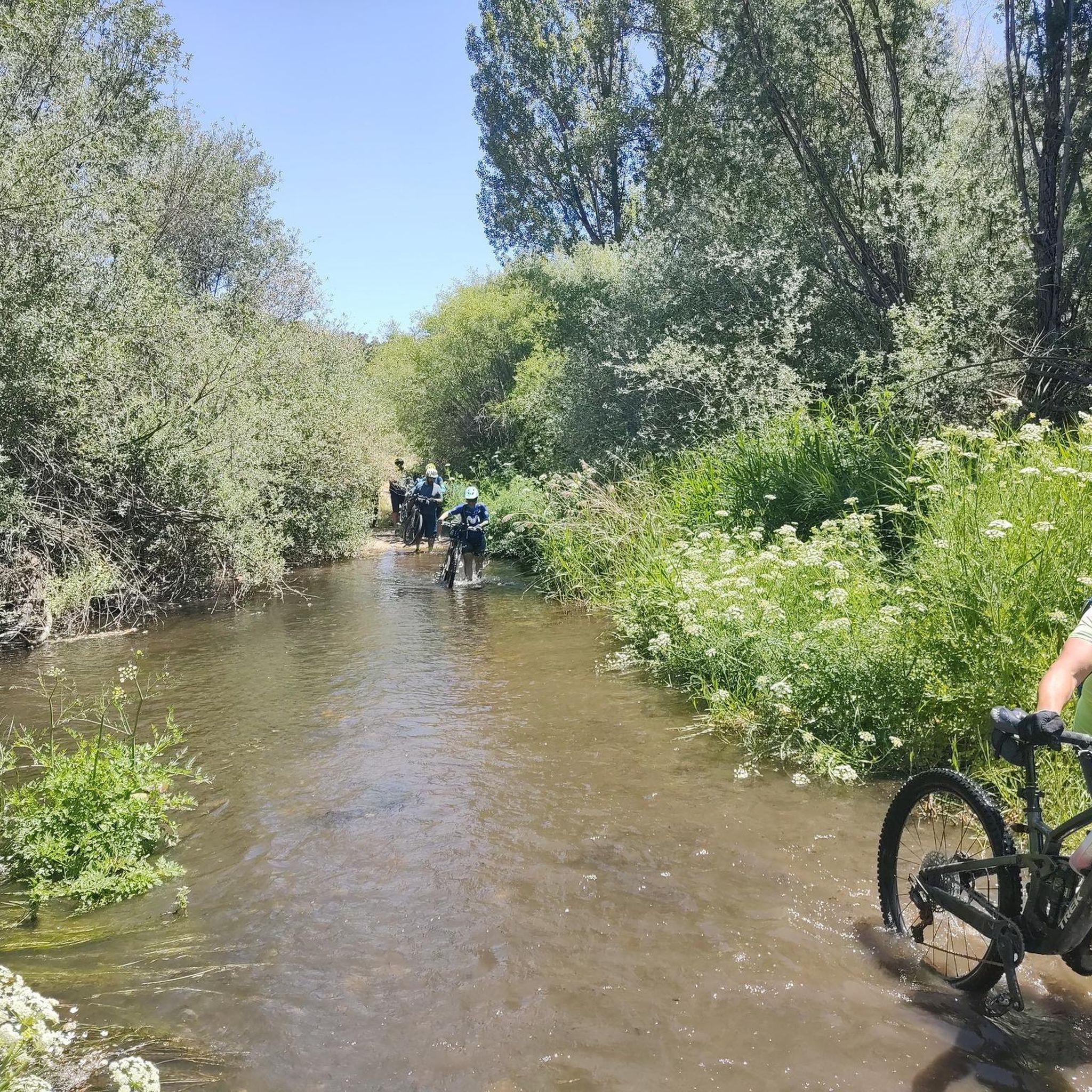
You can enjoy various outdoor activities, especially cycling. The MTB Trails around Aldeanueva Del Codonal offer challenging routes, while Road Cycling Routes provide options for all levels, including easy loops. For a more leisurely pace, explore the Cycling around Aldeanueva Del Codonal, which includes routes through pine forests and along the Río Voltoya.
Are there any family-friendly attractions or activities in the area?
The Vía Verde del Valle del Eresma – Countryside Section is a great option for families, offering easy walks and cycling through scenic fields. The Hermitage of the Virgin of the Well also has a rest area with benches and tables, suitable for a family stop.
What do visitors enjoy most about the attractions in Aldeanueva Del Codonal?
Visitors appreciate the historical insights offered by sites like the Abandoned Railway Station, which is described as an 'architectural time capsule.' The scenic beauty of the Vía Verde del Valle del Eresma, especially in spring when poppies bloom, is also highly valued for pleasant walks and cycling.
Can I find easy hiking or walking routes near Aldeanueva Del Codonal?
Yes, the Vía Verde del Valle del Eresma – Countryside Section is ideal for easy walks and cycling, running through flat cereal fields. While specific hiking guides aren't listed, many of the cycling routes, particularly the 'easy' graded ones, can be adapted for walking.
What is the best time of year to visit Aldeanueva Del Codonal for outdoor activities?
Spring is particularly recommended for outdoor activities. The Vía Verde del Valle del Eresma is especially vibrant then, with green fields and red poppies. The weather is generally pleasant for exploring historical sites and natural features.
Are there any unique local products or experiences in Aldeanueva Del Codonal?
The village is known for its wineries and vineyards that produce acclaimed white wines with Designation of Origin Rueda. Some vineyards are over 100 years old, having survived the phylloxera epidemic, offering a unique local experience for wine enthusiasts.
Is there public transport available to reach attractions in Aldeanueva Del Codonal?
While specific public transport details for individual attractions are not provided, the region is part of the Segovian countryside. It's advisable to check local bus schedules or consider driving for more flexibility in reaching the various sites like the Abandoned Railway Station or the Hermitage of the Virgin of the Well.
Are there any challenging trails for experienced cyclists or hikers?
For experienced cyclists, the MTB Trails around Aldeanueva Del Codonal offer several difficult routes, some covering over 70 km. The 'Sandy and Stream Crossing Section' highlight also indicates areas with difficult cyclability due to sandbanks and grooves, suggesting a more challenging terrain for those seeking it.
What is the significance of the pine forests in Aldeanueva Del Codonal?
The village is known for its significant pine forest, which is historically used for resin extraction. This traditional industry highlights the close relationship between the community and its natural environment. The Pino de la Virgen, a large Scots pine, is a notable example of these forests.
Where can I find information about accommodation or places to eat in Aldeanueva Del Codonal?
While this guide focuses on attractions, Aldeanueva Del Codonal and nearby towns like Nava de la Asunción offer local cafes, pubs, and accommodation options. It's recommended to check local listings for specific establishments to suit your needs.

Get inspired with the komoot mobile app


Explore more
Still not found the Highlight you’re looking for? See guides of the top attractions in other regions:
