Attractions and Places To See around Priego De Córdoba - Top 20
Best attractions and places to see around Priego De Córdoba are situated within the Sierra Subbéticas Natural Park, a UNESCO Geopark known for its rugged terrain and rich paleontological findings. The town itself is characterized by its Baroque architecture, historical sites, and charming old-world streets. Visitors can explore ancient fortresses, impressive fountains, and picturesque medieval quarters. The region offers a blend of cultural heritage and natural landscapes.
Best attractions and places to see around Priego De Córdoba
- The most popular attractions is Zuheros Castle, a castle located on the highest rocky part of the town. This construction of Moorish origin from the 9th century offers views over the surrounding olive groves.
- Another must-see spot is Views of Zuheros Castle from the viaduct, a viewpoint offering an elevated perspective of the castle. From this historic viaduct, the castle appears impressively integrated into the limestone cliff above the village.
- Visitors also love Restaurant and Olive Oil Interpretation Center in the Old Luque Station, a restaurant and interpretation center. This renovated old station offers a place to learn about the history of olive oil and taste local products.
- Priego De Córdoba is known for its historical sites, natural features, and Baroque architecture. The area provides a variety of attractions, from ancient castles and dramatic viewpoints to cultural centers and natural parks.
- The attractions around Priego De Córdoba are appreciated by the komoot community, with 78 upvotes and 72 photos shared by visitors.
Last updated: July 20, 2026
Zuheros Castle
Highlight • Castle
Translated by Google •
Tip by

Views of Zuheros Castle from the viaduct
Highlight • Viewpoint
Translated by Google •
Tip by

Sign up now to discover places like this
Get recommendations on the best single tracks, peaks, & plenty of other exciting outdoor places.
Sign up for free
Zuheros is a beautiful place.
Highlight • Settlement
Translated by Google •
Tip by
Restaurant and Olive Oil Interpretation Center in the Old Luque Station
Highlight • Restaurant
Translated by Google •
Tip by

Víboras River Viaduct
Highlight • Bridge
Translated by Google •
Tip by
Sign up for free to discover even more attractions around Priego De Córdoba.
Sign up for free
Already have an account?
Start today with a free account
Your next adventure awaits.
Login or Signup
Tips from the Community

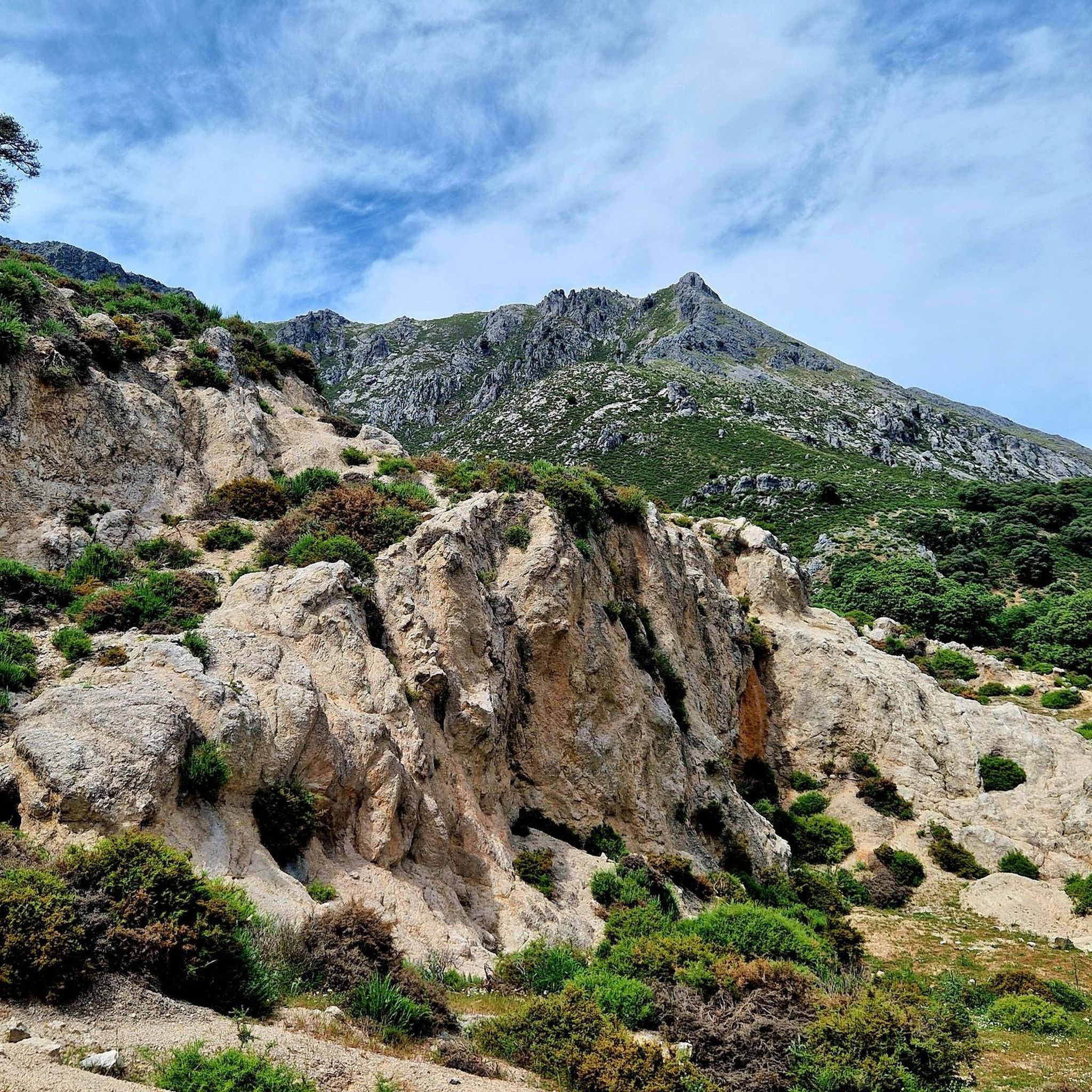
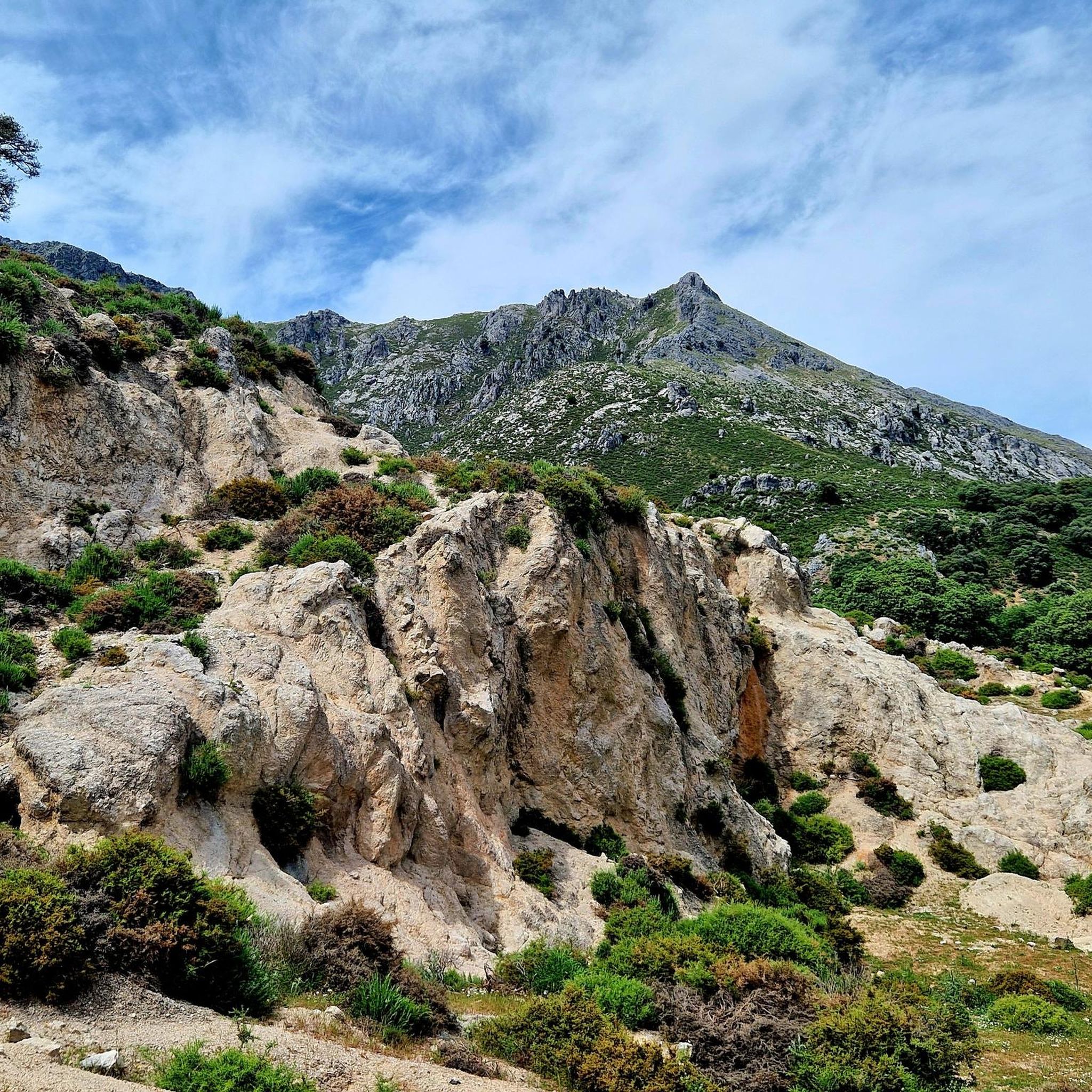
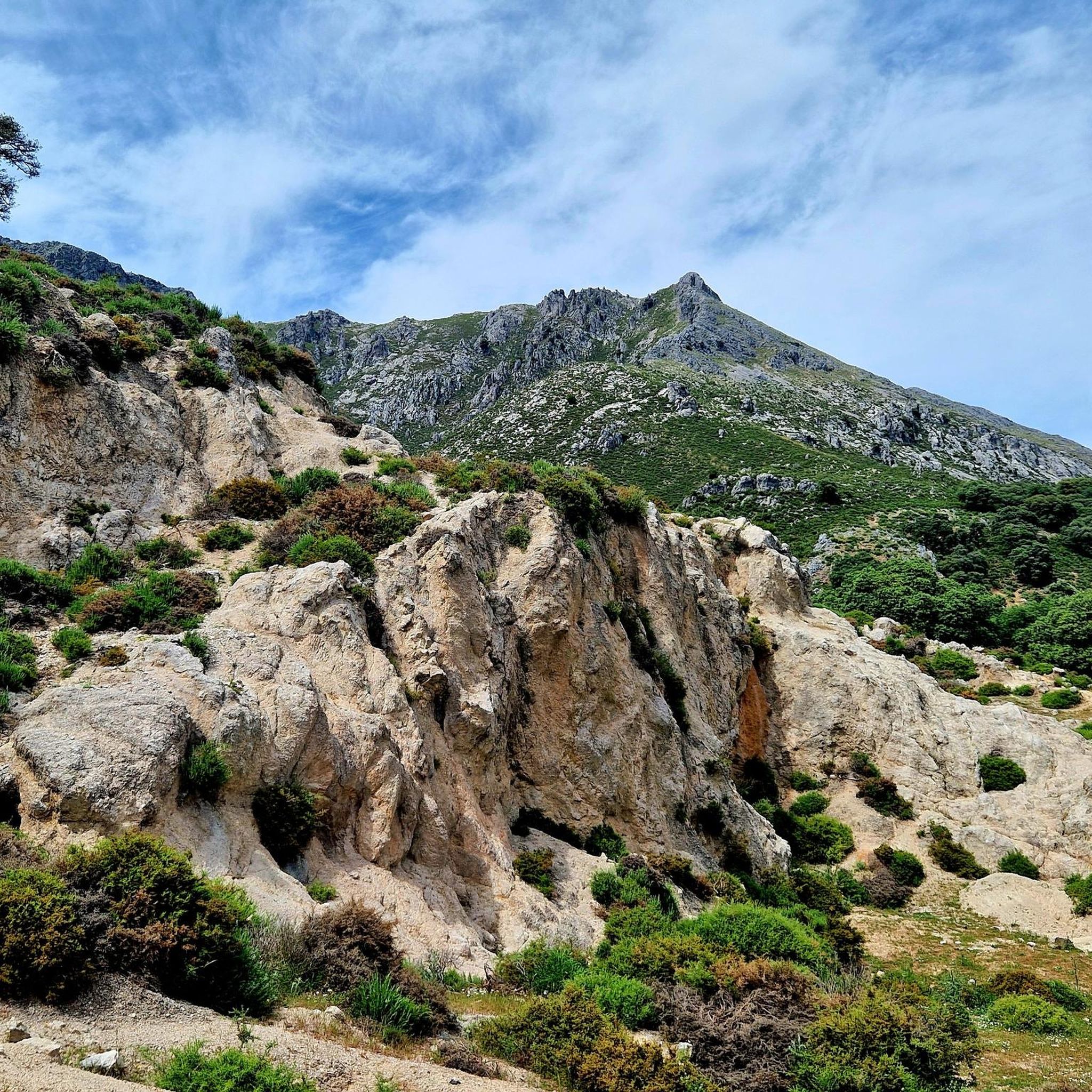
El Castillo de Zuheros is a historic fortress in the small municipality of Zuheros. The castle sits spectacularly on a rock and has become a landmark of the region. The castle's origins date back to the Moors in the 9th century. It was strategically built on a limestone cliff to control and defend the region. Its location made it almost impregnable.
0
0

The Zuheros Viaduct crosses the embedded bed of the Bailón River. It has a length of 104 meters resolved into two lateral sections of 31.5 meters and a central section of 41.0 meters. Its structure is metallic and is very similar to that of the Guadajoz River Viaduct. It seems that both projects were drawn up by the same engineers, Alessandri and Delaperrière.
9
0
Here you can find everything in the field of catering. Breakfast, lunch, sleep. It seems like this is the place to be in the area.
6
0
El Castillo de Zuheros stands spectacularly on a rock and offers impressive views of the Sierra Subbética. The castle is a major landmark in the region. The castle's origins date back to the Moors in the 9th century. It was strategically built on a limestone cliff to control and defend the region. Its location made it almost impregnable. It was part of a network of castles designed to secure Moorish influence in Andalusia. In 1240, Zuheros was conquered by the troops of Ferdinand III of Castile. The castle passed into Christian ownership and was integrated into the kingdom's defensive structure. With the end of its military importance in the region, after the conquest of Granada in 1492, the castle began to decline in importance. Parts of the complex were destroyed by earthquakes and neglect over the centuries. In 1964, the towers were reconstructed as they can be seen in their current form. The ruins of the castle are now one of the main attractions of Zuheros and can be visited.
9
0
El Castillo de Zuheros is a historic fortress in the small municipality of Zuheros. The castle sits spectacularly on a rock and has become a landmark in the region. The castle's origins date back to the Moors in the 9th century. It was strategically built on a limestone cliff to control and defend the region. Its location made it almost impregnable. The viaduct is a historic remnant of the old railway line and offers an elevated platform with unobstructed views of the surrounding landscapes. The section near Zuheros is particularly spectacular as the viaduct crosses a gorge through which the Bailón River flows. From here, Zuheros Castle rises majestically above the village, embedded in a rock. The castle seems to be one with the landscape as it is integrated directly into the limestone. The view of Zuheros Castle from the viaduct is a perfect example of the unique combination of nature and history that characterizes the Córdoba region. It is a moment that makes every bike ride along the Vía Verde unforgettable.
9
0
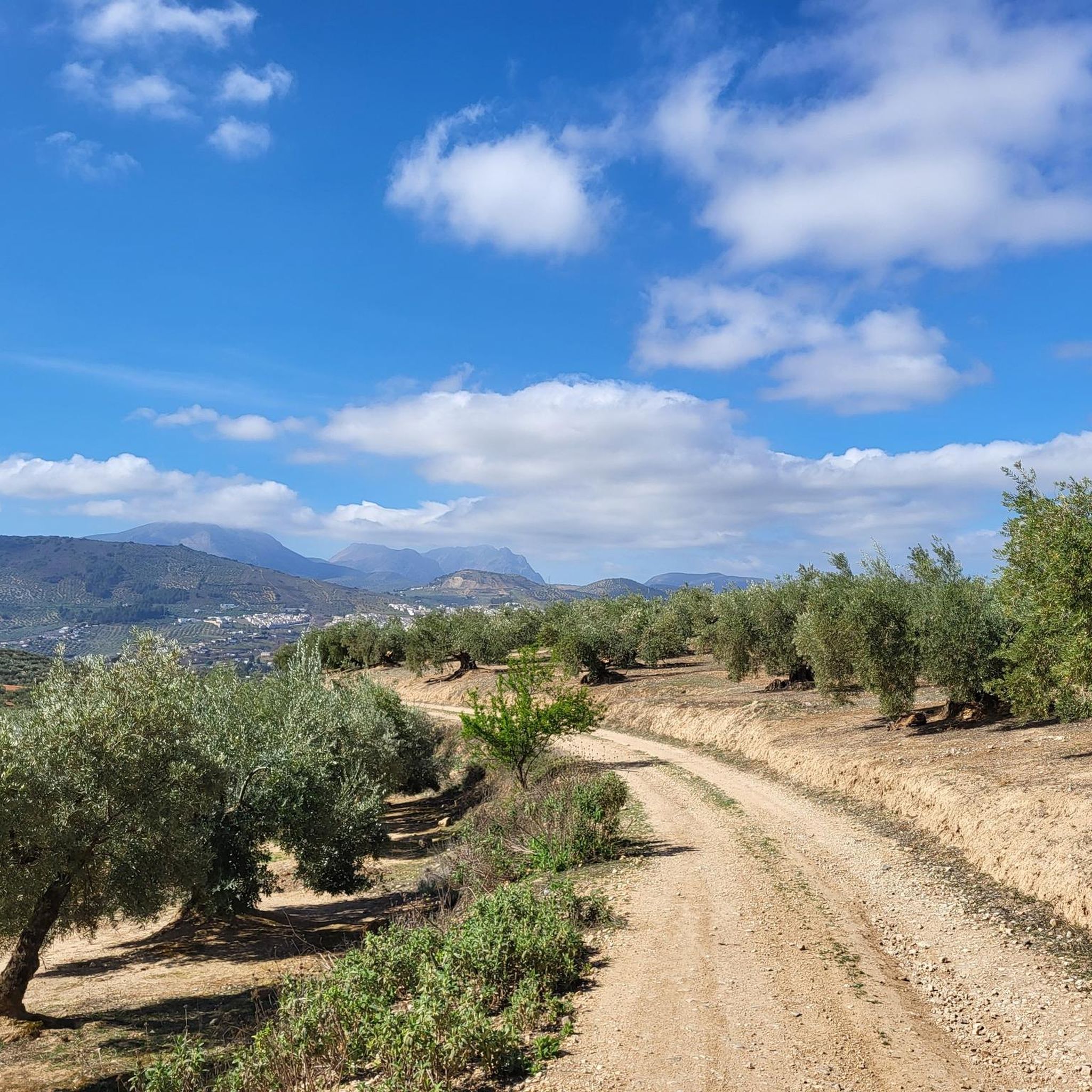
The Luque station, part of the original Linares-Puente Genil line, was built by the Compañía de los Ferrocarriles Andaluces and opened along with the entire line in January 1893. In 1941, with the nationalisation of the Iberian railways, the facilities passed into the hands of RENFE. The line remained in service until it was closed in October 1984, when it was dismantled and the tracks removed. After the line was closed, the old station building has been used as a restaurant since 1990. It also houses the Oil Interpretation Centre, a site dedicated to the history of olive oil and olive groves, where you can also taste oil from the region. The site is within the route formerly known as the "Vía Verde de la Subbética". In 2017, those responsible for the Greenway routes agreed to unify all sections of the old route under the same name "Vía Verde del Aceite". For many, however, it is and will remain the "Green Way". Luque station is a popular starting or intermediate point for cycling tours along the Vía Verde del Aceite, the old railway line that is now a great cycle path. The route offers a unique opportunity to experience the beauty of the Córdoba region. The current station also offers a good opportunity to take a break and enjoy food and cool drinks.
11
0
The Zuheros viaduct crosses the embedded bed of the Bailón River. It has a length of 104 metres. Its structure is made of metal and is very similar to that of the Guadajoz River viaduct. A few metres away is the old Zuheros stop, a small building, very sober and functional. This building, smaller than the station, allowed the entry and exit of goods and passengers. A cobblestone in front of the façade served as a platform. From here you have a good view of the castle.
10
0
The remains date from two different periods. The massive, crenellated square tower is of Moorish origin, while the remains of the Renaissance palace date from the 16th century. At the same time, the Plaza de la Paz offers a natural viewpoint (622m), with shooting views** over the hills with their carpet of olive groves and Baena in the background.
11
0
Frequently Asked Questions
What historical sites can I explore in Priego de Córdoba?
Priego de Córdoba is rich in history. You can visit the ancient Zuheros Castle, a Moorish fortress from the 9th century, or the Zuheros Castle and Village, which offers a glimpse into the region's past. Within Priego itself, explore the Priego de Córdoba Castle, an ancient fortress of Arab origin, and the charming Barrio de la Villa, the oldest residential area with its labyrinthine streets. Don't miss the Royal Butchery (Carnicerías Reales), a 16th-century building with unique Mannerist architecture.
Are there notable examples of Baroque architecture in Priego de Córdoba?
Yes, Priego de Córdoba is known as the 'Baroque Jewel' of Andalusia. Key examples include the impressive Fuente del Rey (King's Fountain), a 19th-century Baroque monument, and several splendid Baroque churches. The Church of La Asunción, with its richly decorated Sagrario Chapel, is considered a masterpiece of Spanish Baroque style. Other notable churches include the Church of La Aurora and the Church of San Francisco, both featuring exuberant Baroque elements.
What natural attractions are there around Priego de Córdoba?
The town is nestled within the stunning Sierra Subbéticas Natural Park, a UNESCO Geopark known for its rugged terrain and rich paleontological findings. You can explore the Sierra de Horconera, home to Pico de la Tiñosa, the highest peak in Córdoba province. The region is also known for its abundant natural springs, including the Fuente del Rey and Fuente de la Salud. For a unique experience, visit the Mycological Garden and Andalusian Centre of Mycology in La Trufa (Zagrilla).
Can I go hiking or cycling near Priego de Córdoba?
Absolutely! The Sierra Subbéticas Natural Park offers numerous opportunities for outdoor activities. For cycling, you can find routes like the 'Plantío Tunnel – Steam locomotive - Mikado loop' or the 'Puerto del Cerezo – Castle of Priego de Córdoba loop'. If you prefer running, consider the 'Adarve of Priego de Córdoba – Adarve Viewpoint loop'. You can find more details and routes for cycling at Cycling around Priego De Córdoba and for running at Running Trails around Priego De Córdoba.
Are there family-friendly activities or attractions in Priego de Córdoba?
Many attractions in the area are suitable for families. The Views of Zuheros Castle from the viaduct offers an impressive sight that children often enjoy. The Restaurant and Olive Oil Interpretation Center in the Old Luque Station provides an educational and tasty stop for all ages. Exploring the whitewashed streets of the Barrio de la Villa and enjoying the panoramic views from the Balcón del Adarve can also be a pleasant family outing.
Where can I experience local gastronomy and products?
Priego de Córdoba is famous for its high-quality olive oil, which holds a Denomination of Origin. You can learn about its production and enjoy tastings at places like the Restaurant and Olive Oil Interpretation Center in the Old Luque Station. The local cuisine features dishes like Easter stew, turkey with almonds, and traditional desserts. Visit the Mercado de Abastos (Food Market) for fresh produce, local olive oil, cheeses, and spices, especially vibrant on weekends.
What is the best time of year to visit Priego de Córdoba?
The spring (March to May) and autumn (September to November) months are generally considered the best times to visit Priego de Córdoba. During these periods, the weather is pleasant for exploring the town's historical sites and enjoying outdoor activities in the Sierra Subbéticas Natural Park. Summers can be very hot, while winters are mild but can be chilly.
Are there viewpoints offering panoramic scenery?
Yes, Priego de Córdoba boasts several stunning viewpoints. The Balcón del Adarve, located at the end of the Barrio de la Villa, offers dramatic cliffside views of the surrounding olive groves and the Andalusian landscape. The Views of Zuheros Castle from the viaduct provides an elevated perspective of the castle integrated into the limestone cliff. Additionally, the Paseo de Colombia offers scenic walks with incredible views.
Where can I learn about the local history and art?
To delve into the region's history and art, visit the Adolfo Lozano Sidro House Museum, which celebrates the life and work of the renowned Spanish illustrator. The Museo Histórico Municipal, located in the Adolfo Lozano Sidro Cultural Centre, showcases archaeological artifacts from various eras. You can also explore the Casa Museo Niceto Alcalá-Zamora, the birthplace of the first president of the Second Spanish Republic, offering insights into 20th-century Spanish history.
What unique natural features can I find in the Sierra Subbéticas Natural Park?
The Sierra Subbéticas Natural Park, a UNESCO Geopark, is characterized by its rugged, labyrinthine terrain and limestone rocks. It's known for rich paleontological findings, including ammonite fossils. A notable natural feature is the Cueva de los Murciélagos (Cave of the Bats) in nearby Zuheros, a Natural Monument with beautiful internal rooms featuring stalactites and stalagmites.
Are there any Roman or medieval structures to see?
Beyond the Moorish origins of Priego de Córdoba Castle, you can find other historical structures. The Víboras River Viaduct, also known as Puente Eiffel, is a historic metal viaduct, and nearby you can find a medieval bridge over the Víboras River, popularly known as the 'Roman Bridge', which is a clear example of civil architecture from that period.
Most popular routes around Priego De Córdoba
Most popular attractions around Priego De Córdoba

Get inspired with the komoot mobile app


Explore more
Still not found the Highlight you’re looking for? See guides of the top attractions in other regions:
