The best road cycling routes around Herradón De Pinares
5.0
(5)
1,110
riders
6
rides
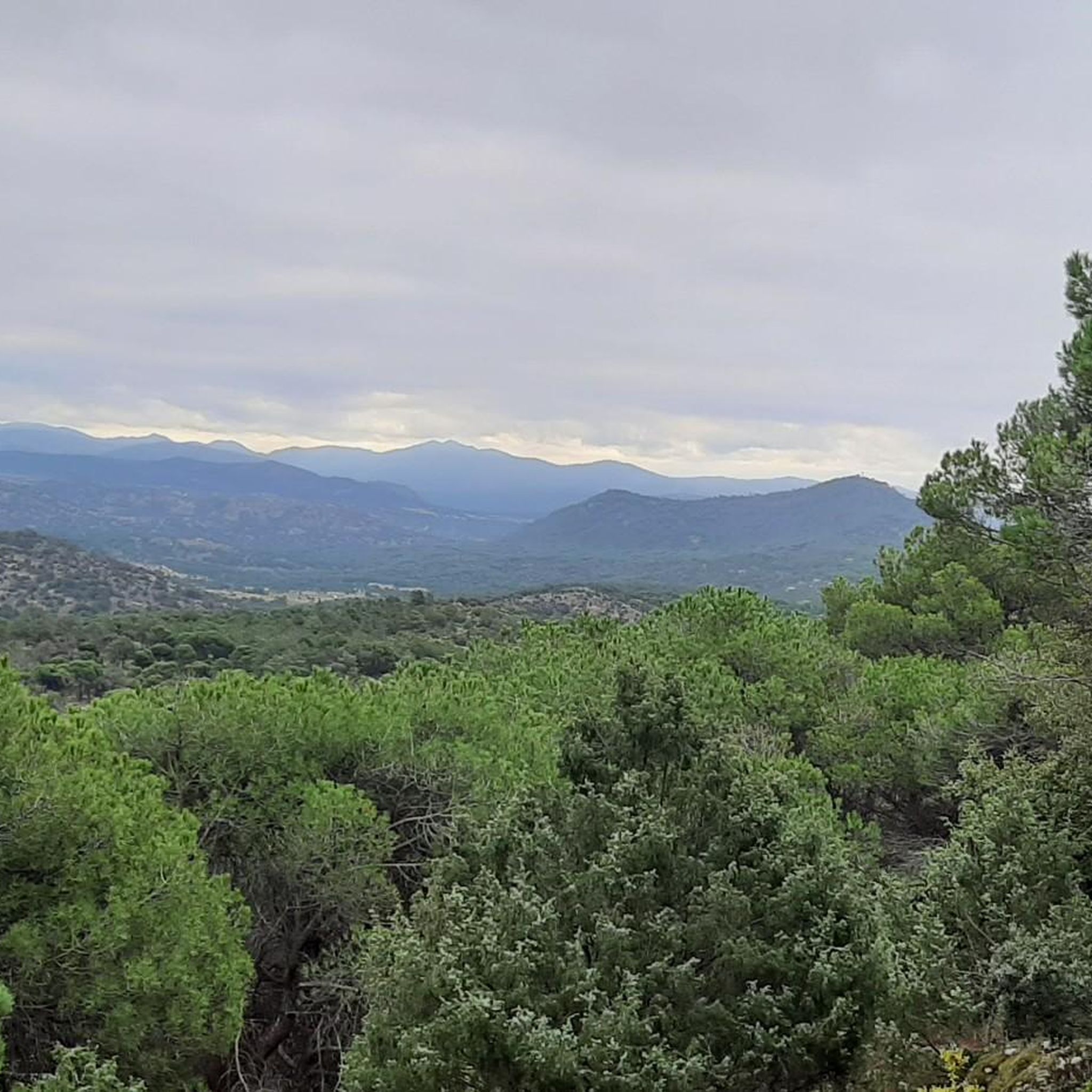
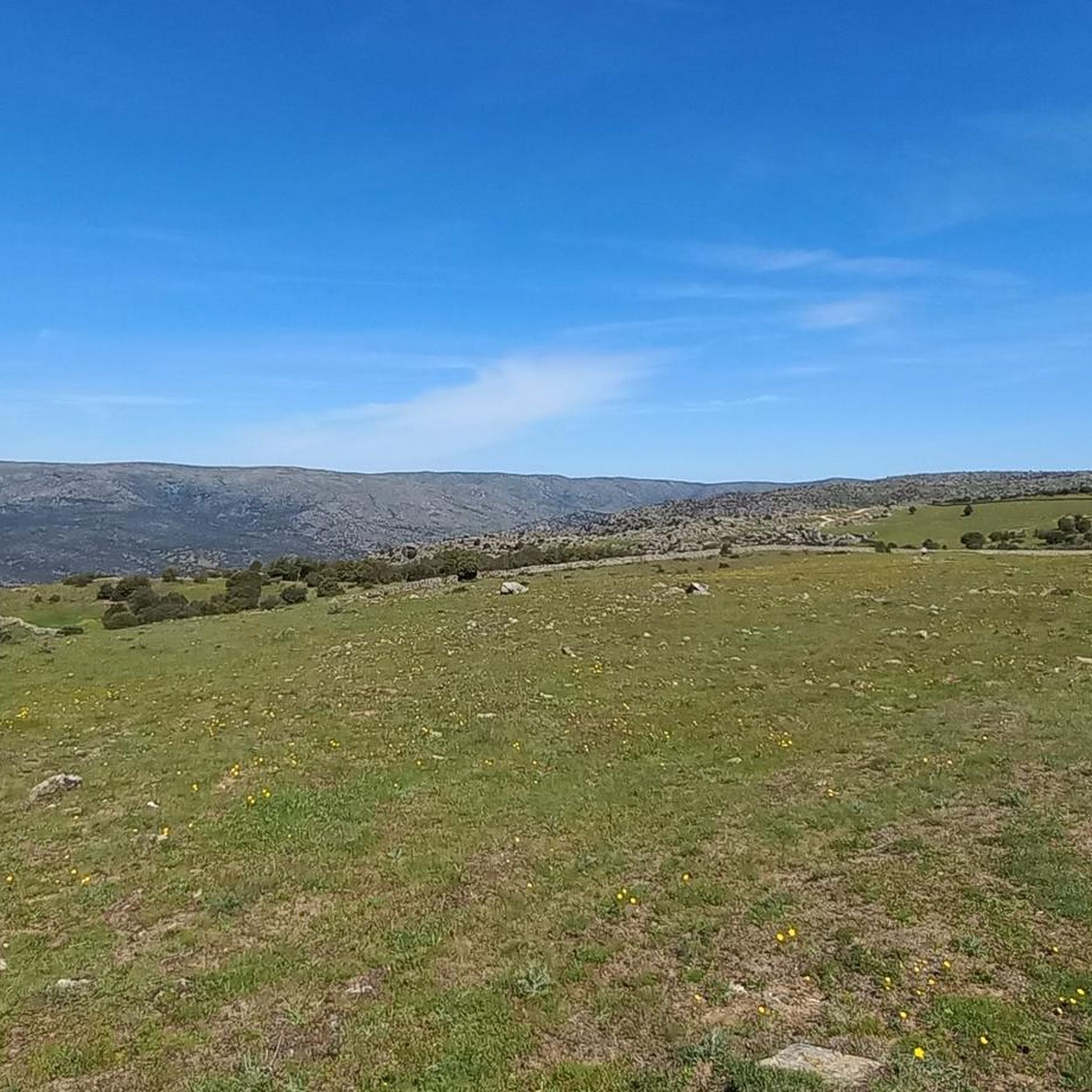
Road cycling around Herradón De Pinares, located in the province of Ávila, Spain, offers diverse landscapes and significant elevation changes. The region is characterized by extensive pine forests, notably in La Pedriza and La Cañada, and the Valle del río Gaznata. Cyclists encounter varied ascents and descents, providing a challenging experience. Views of the Sierra de Gredos are present throughout the area, which is situated about 21.7 km from Ávila city.
Best road cycling routes around Herradón De Pinares
- The…
Last updated: May 16, 2026
47
riders
83.6km
04:30
1,700m
1,700m
Hard road ride. Very good fitness required. Mostly well-paved surfaces and easy to ride.
5.0
(1)
48
riders
56.5km
03:00
980m
980m
Hard road ride. Very good fitness required. Mostly well-paved surfaces and easy to ride.

Sign up for free
28
riders
54.8km
02:49
980m
980m
Hard road ride. Very good fitness required. Mostly well-paved surfaces and easy to ride.
12
riders
62.8km
03:19
1,080m
1,090m
Hard road ride. Very good fitness required. Some segments of this route may be unpaved and difficult to ride.
10
riders
59.7km
03:22
1,290m
1,290m
Hard road ride. Very good fitness required. Some segments of this route may be unpaved and difficult to ride.
Our route recommendations are based on thousands of hikes, rides, and runs completed by other people on komoot.
Start today with a free account
Your next adventure awaits.
Login or Signup

Tips from the Community

The Church of San Miguel Arcángel in Tornadizos de Ávila is a church of great historical and cultural significance. Built of ashlar and masonry, it is liturgical in nature. The Brotherhood of the Holy True Cross, an institution of great importance in local religious life, was founded in this parish more than four centuries ago.
1
0
The Chapel of Mosén Rubí, located in Ávila, is a beautiful example of architecture that combines late Gothic and Renaissance styles. It was built in the 16th century and is dedicated to Mosén Rubí de Bracamonte, lord of Fuentesol.
3
0
The Walls of Ávila are an impressive medieval fortification that surrounds the old town of Ávila, in Castile and León. These walls, built in the 11th century, are one of the best-preserved walled enclosures in Spain and were declared a UNESCO World Heritage Site in 1985.
11
0
This bridge was built to facilitate crossing the Adaja River and connect the Roman city of Ávila with the opposite bank. Although only the hidden abutments on the edges of the original Roman bridge remain, the bridge visible today dates back to the 12th century.
13
0

The truth is that it is a wonderful viewpoint of Ávila.
1
0
One of the most visited areas of the walls.
3
0
Of significant dimensions, for a simple chapel.
3
0

The cycle trip continues along the lane of the Jacobean route until it connects with the Cebreros highway. The route continues along the side of the road, passing through the popular port of Arrebatacapas and another descent to Cebreros, a mountain town with a wine-growing tradition that would be a good place to finish the second stage when organized as a three-day trip. The Camino de Levante descends from the port along a mountain path that is quite technical and difficult by bicycle, suitable for trail experts and everyone can choose. The path begins next to the port sign and ends where the road enters the urban complex. The track goes down the road, crosses the town and continues the descent along the old Camino Real de Toledo, used by the funeral procession of Isabel la Católica when they carried her remains from Medina del Campo to Granada. At the Cebreros exit there are remains of the old medieval road and on the Alberche River there are the monumental bridges of Valsordo and Santa Yusta, used since Roman times, although they have undergone several reconstructions throughout history. The climb coincides with the last arrows of the Camino de Levante and deviates through the Puente Nuevo urbanization towards San Martín de Valdeiglesias, following the markings of the GR-10 long-distance path, with several hard ramps on the Camino de la Aliseda.
0
0
Frequently Asked Questions
How many road cycling routes are available in Herradón De Pinares?
There are 7 road cycling routes around Herradón De Pinares, offering diverse landscapes and elevation changes. Most of these routes are considered difficult, providing a challenging experience for cyclists.
What kind of terrain can I expect on road cycling routes in Herradón De Pinares?
The region features mountainous terrain with significant elevation changes, offering varied ascents and descents. You can expect challenging asphalt and curves, particularly on routes like the journey through the Puerto del Boquerón, which provides marvellous views.
Are there any challenging road cycling routes in Herradón De Pinares?
Yes, Herradón De Pinares is known for its challenging routes. Out of the 7 available, 6 are classified as difficult, featuring substantial elevation gains. For example, the Cerro Magrao Road – Puerto de Arrebatacapas loop covers 82.8 km with over 1600 meters of elevation gain.
What natural features and landscapes can I see while road cycling in Herradón De Pinares?
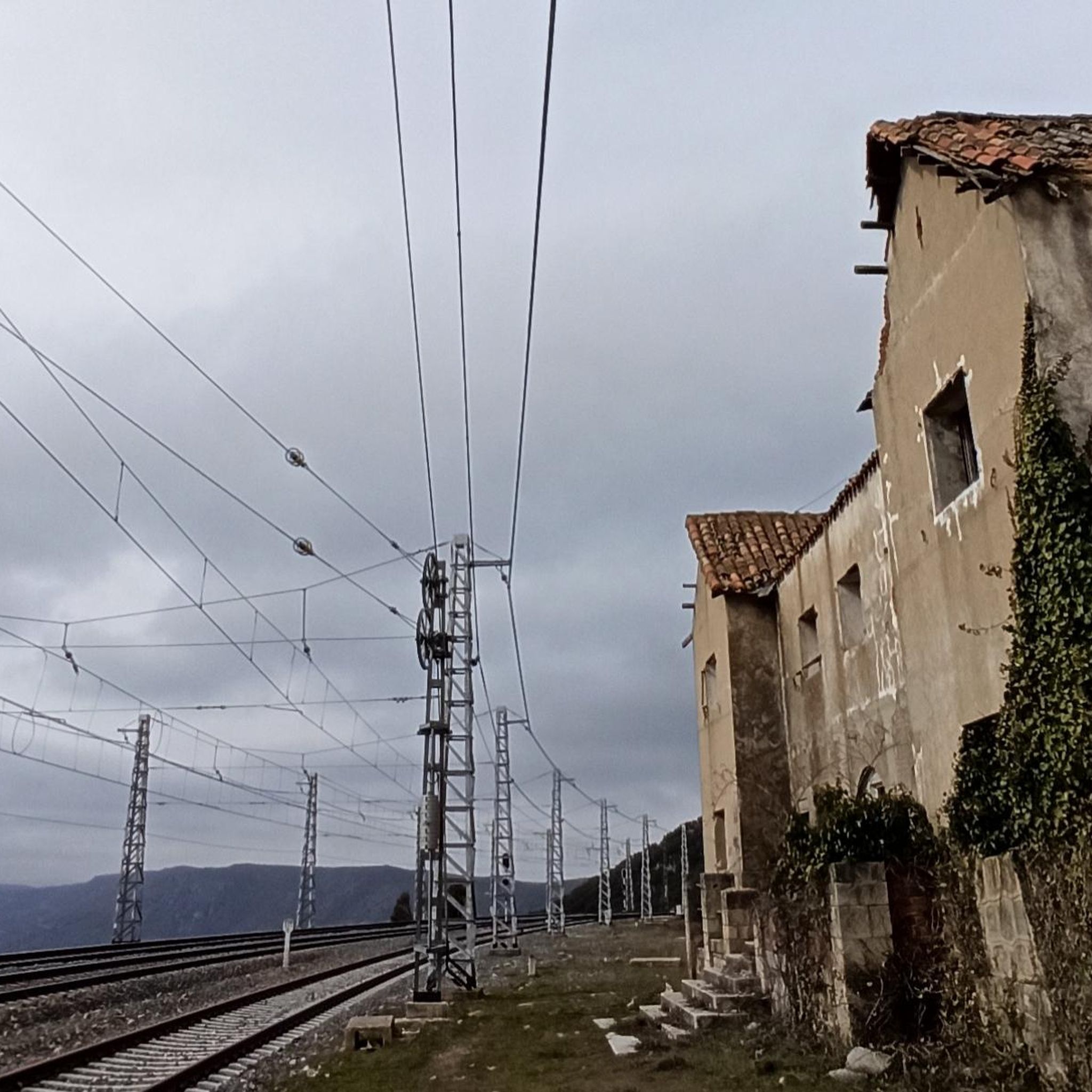
You'll encounter extensive pine forests, particularly in La Pedriza and La Cañada, and the Valle del río Gaznata. The area also offers commanding views of the Sierra de Gredos. The 'Cuerda' area near Navalgrande train station provides magnificent panoramic views of the valley, and the Gaznata river is crossed by a picturesque medieval bridge.
Are there any historical landmarks or points of interest along the road cycling routes?
Yes, some routes pass by historical landmarks. For instance, the Ávila City Walls – Mosén Rubí Chapel loop includes views of the historic Ávila City Walls. You can also find cultural points like the 18th-century town hall and the Santa María la Mayor church in Herradón De Pinares itself.
What do other road cyclists enjoy most about road cycling in Herradón De Pinares?
The area is highly rated by the komoot community, with an average score of 5.0 stars. Cyclists often praise the varied terrain, the challenging ascents, and the stunning views of the Sierra de Gredos and the surrounding natural landscapes.
Are there any viewpoints or scenic spots accessible by road bike?
Absolutely. The region is rich in scenic spots. The journey through the Puerto del Boquerón offers 'marvellous views and landscapes'. Additionally, the 'Cuerda' area near Navalgrande train station provides magnificent panoramic views of the valley. You can also visit the Mirador del Canchal for impressive vistas.
Are there circular road cycling routes available in Herradón De Pinares?
Yes, many of the routes are designed as loops. Examples include the Cerro Magrao Road – Puerto de Arrebatacapas loop and the Cerro Magrao Road – Entrance to El Herradón loop, allowing you to start and finish in the same location.
What is the best time of year for road cycling in Herradón De Pinares?
To enjoy the best conditions, spring and autumn are generally ideal for road cycling in Herradón De Pinares. These seasons offer milder temperatures, making the challenging ascents more comfortable and allowing you to fully appreciate the natural beauty without the extreme heat of summer or the cold of winter.
Are there any specific attractions or highlights near the road cycling routes?
Beyond the routes themselves, you can explore several nearby attractions. These include the Hermitage of Our Lady of Sonsoles, the Puerto de la Lancha, and the Navalperal de Pinares Reservoir. The region also has a dedicated 'mirador de estrellas' (stargazing viewpoint) between La Cañada and El Herradón.
Is there parking available for cyclists in Herradón De Pinares?
While specific parking areas for cyclists are not detailed, Herradón De Pinares is a small municipality. You can typically find parking in or near the main settlements like El Herradón or La Cañada, which serve as common starting points for many routes.
How accessible is Herradón De Pinares for road cyclists traveling from other cities?
Herradón De Pinares is relatively accessible. It's located about 21.7 km from Ávila city and 107 km from Madrid, making it a convenient destination for those seeking to connect with nature and engage in active tourism from these larger urban centers.
Most popular attractions around Herradón De Pinares

Get inspired with the komoot mobile app


Explore more
Browse the best Road cycling routes in other regions.
