Attractions and Places To See around Gutierre-Muñoz - Top 6
Best attractions and places to see around Gutierre-Muñoz offer a glimpse into traditional Castilian architecture and a rich historical past within the province of Ávila, Spain. This small municipality is recognized for its well-preserved cultural heritage, including Mudejar-inspired buildings and significant landmarks. Situated north of Ávila in the La Moraña comarca, the municipal territory borders the Adaja River to its west. Gutierre-Muñoz holds historical importance as the deathplace of King Alfonso VIII in 1214.
Best attractions and places to see…
Last updated: July 8, 2026
El Bohodón
Highlight • Settlement
Translated by Google •
Tip by

Church of San Pedro Apóstol
Highlight • Religious Site
Translated by Google •
Tip by

Sign up now to discover places like this
Get recommendations on the best single tracks, peaks, & plenty of other exciting outdoor places.
Sign up for free
Church of Martín Muñoz de la Dehesa
Highlight • Religious Site
Translated by Google •
Tip by

Tiñosillos
Highlight • Settlement
Translated by Google •
Tip by

Bridge
Highlight • Bridge
Translated by Google •
Tip by
Sign up for free to discover even more attractions around Gutierre-Muñoz.
Sign up for free
Already have an account?
Start today with a free account
Your next adventure awaits.
Login or Signup

Tips from the Community

The bridge located in Moñibas (Segovia) is a small stone bridge, very characteristic of traditional Castilian rural architecture.
4
0

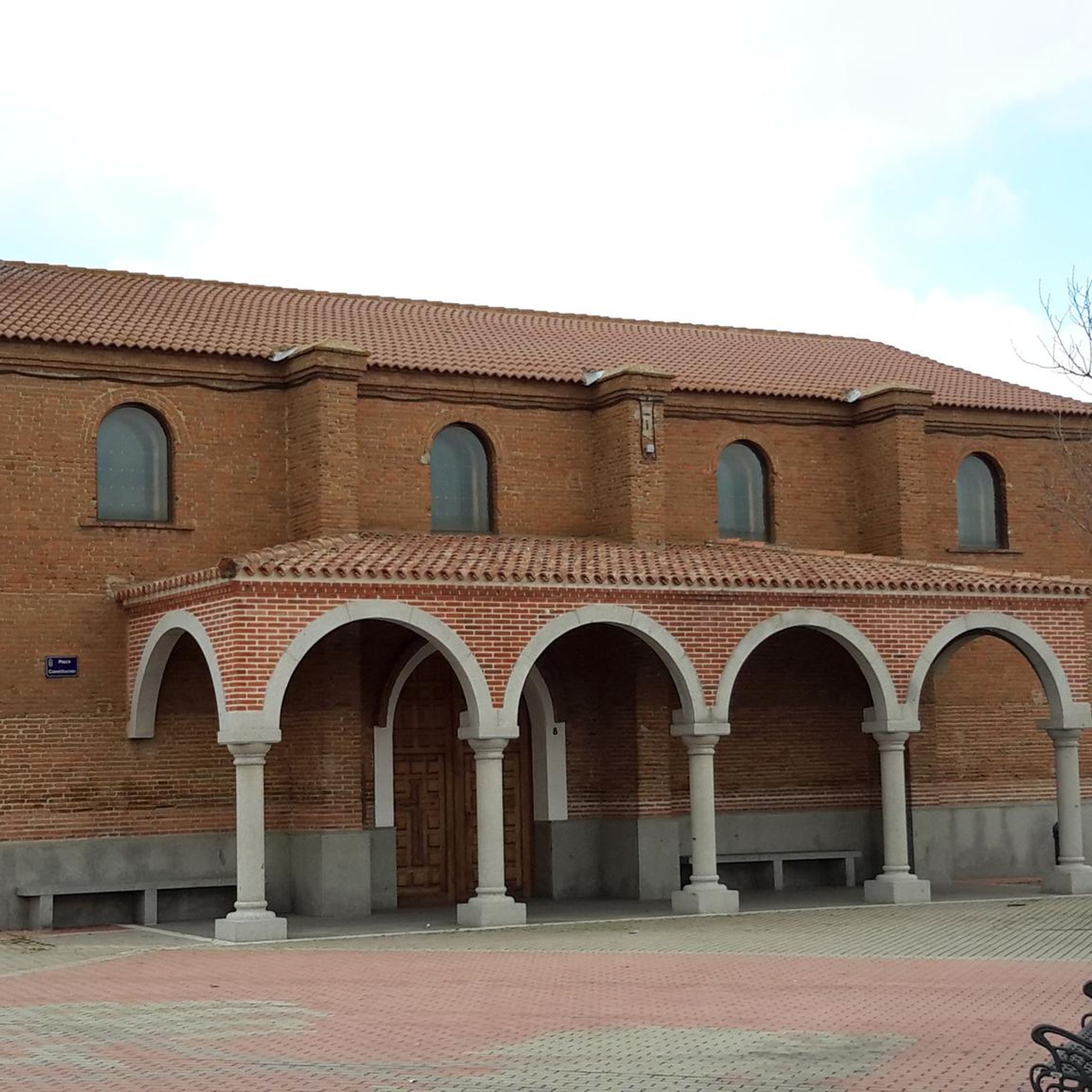
Next to the imposing church there is a small park with a fountain.
0
0
Captivating the apse of the church next to which we have shade and a fountain to cool off
0
0
El Bohodón is a municipality in Spain belonging to the province of Ávila, in the autonomous community of Castilla y León. It is located in the La Moraña region, in the north of the province. It is located 35 kilometers from the capital and 17 kilometers from Arévalo.
5
0

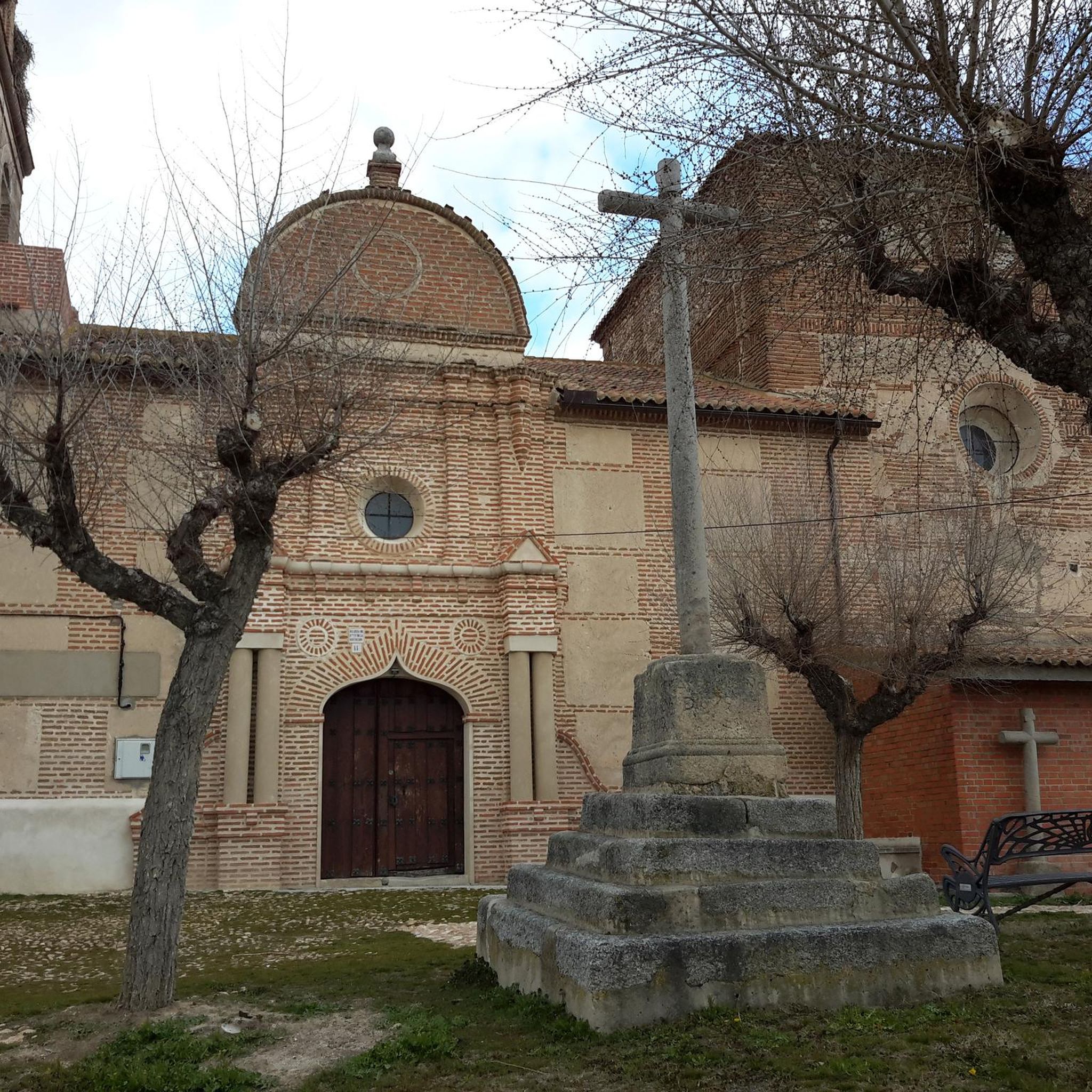
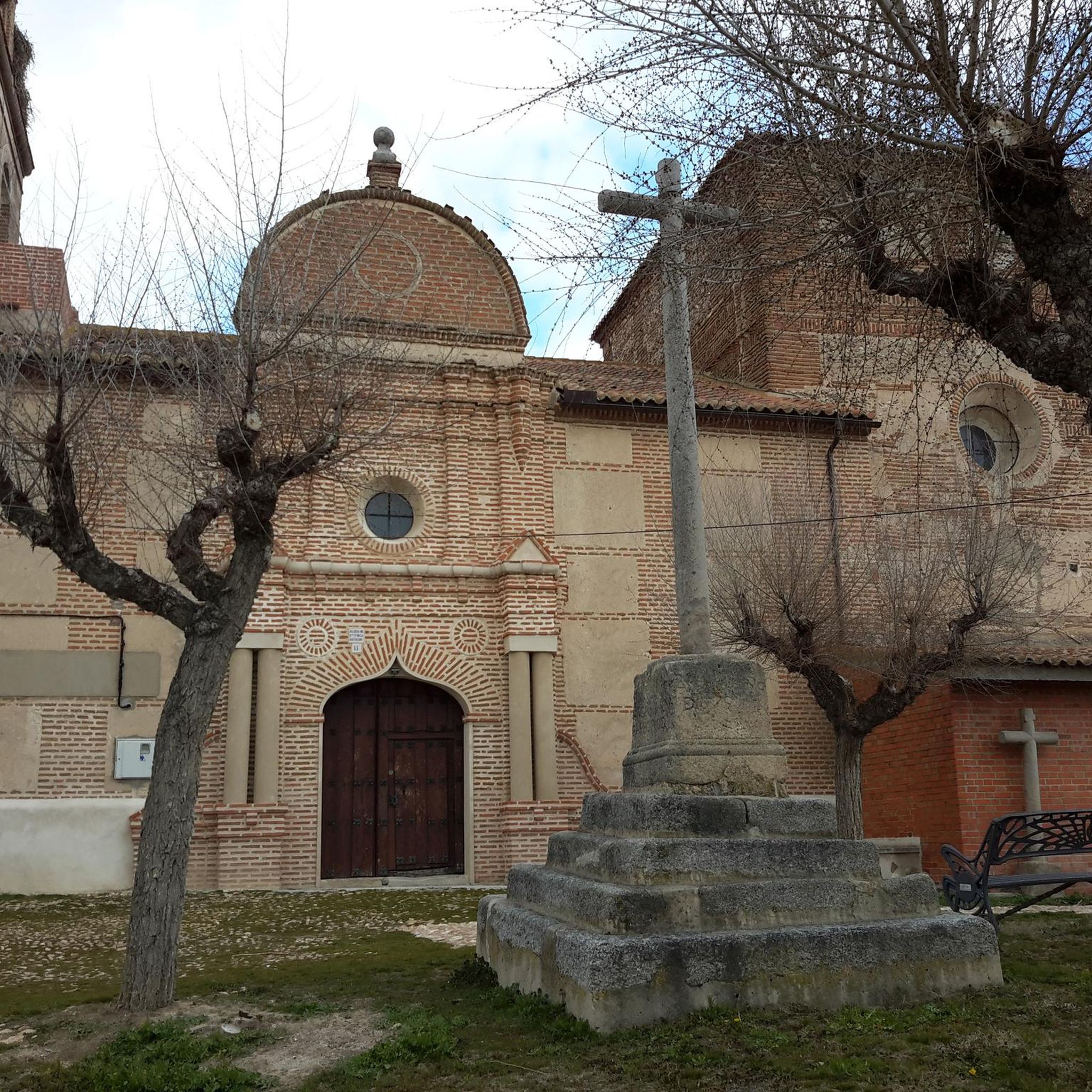
This church constitutes the most outstanding and relevant monument of the town. Romanesque in style, it is approximately eight centuries old. Its most outstanding characteristic is the Mudejar head, which presents a unique archway that originates from a brick plinth, accompanied by a curb course that culminates with corners and several superimposed curbs. Likewise, the altarpiece located in the main chapel, which dates from the 16th century, deserves to be highlighted. This altarpiece is organized into three streets divided by inter-streets, and has four bodies that house various images of Saints and Biblical scenes. In total, it is made up of 18 paintings of great artistic value.
2
0

Small population where two rivers bathe the lands of the municipality, to the east the Adaja river and to the west the Arevalillo river, a tributary of the previous one.
1
0
Population that is located at the gates of what is called Campo de Pajares on its eastern side. Pine forests that occupy a large area.
1
0
Small bridge that is close to the town of Moñibas and that crosses the Río Voltoya, on the border between Segovia and Álava.
0
0
Frequently Asked Questions
What historical sites can I explore in and around Gutierre-Muñoz?
Gutierre-Muñoz is historically significant as the place where King Alfonso VIII, a key figure in the Reconquista, died in 1214. Beyond this, you can visit the Church of San Pedro Apóstol, an approximately eight-century-old Romanesque church known for its unique Mudejar head and a magnificent 16th-century altarpiece. The town also features traditional Mudejar-inspired architecture, including houses, manor houses, and granaries with exposed brick and whitewashed adobe.
Are there any notable architectural landmarks to see?
Yes, the region is rich in traditional Castilian architecture. The Church of San Pedro Apóstol stands out with its Romanesque style and Mudejar elements, including a distinctive archway and a 16th-century altarpiece. Another significant religious building is the Church of Martín Muñoz de la Dehesa, which features a captivating apse and is accompanied by a small park with a fountain.
What natural features can I find near Gutierre-Muñoz?
The municipal territory of Gutierre-Muñoz borders the Adaja River to its west, which is a significant natural boundary. The settlement of El Bohodón is also notable for being bathed by two rivers, the Adaja and the Arevalillo. Additionally, near Tiñosillos, you can find extensive pine forests.
Are there family-friendly attractions in the area?
Yes, several spots are suitable for families. The Church of Martín Muñoz de la Dehesa is considered family-friendly, offering a small park with a fountain next to its impressive apse. The Bridge near Moñibas, a charming stone bridge crossing the Río Voltoya, is also a family-friendly and wheelchair-accessible spot for a pleasant stroll.
What outdoor activities can I do near Gutierre-Muñoz?
The area around Gutierre-Muñoz offers various outdoor activities. You can explore hiking trails, such as the moderate 'From Tiñosillos to El Bohodón' circular route or the 'Ermita del Cristo de los Pinares' hike. For cycling enthusiasts, there are routes like the 'Arévalo Castle – Arevalillo Riverbank loop'. Mountain biking is also popular, with options like the 'Puente de Medina de Arévalo – Arévalo Castle loop'. You can find more details on these activities in the dedicated guides for hiking, cycling, and MTB trails around Gutierre-Muñoz.
Are there any accessible places for visitors with mobility needs?
Yes, the Bridge near Moñibas is noted as wheelchair accessible. This traditional stone bridge crosses the Río Voltoya and offers an easy-to-navigate spot to enjoy the rural Castilian landscape.
What are some of the unique architectural styles found in Gutierre-Muñoz?
Gutierre-Muñoz is particularly known for its traditional Mudejar-inspired architecture. This style is evident in many of the town's houses, manor houses, granaries, and corrals, characterized by exposed brick, whitewashed adobe, and simple yet effective decorative elements. While the Church of San Pedro Apóstol is Romanesque, it also incorporates Mudejar elements, particularly in its head.
What is <a href="https://www.komoot.com/highlight/5768387" target="_blank" rel="noopener">El Bohodón</a> and what makes it interesting?
El Bohodón is a municipality located in the La Moraña region, approximately 35 kilometers from Ávila. It's notable for its natural setting, as its lands are bordered by two rivers: the Adaja to the east and the Arevalillo to the west. It offers a glimpse into a typical Castilian settlement.
Can I find any charming rural bridges in the area?
Absolutely. The Bridge near Moñibas is a small, characteristic stone bridge that exemplifies traditional Castilian rural architecture. It crosses the Río Voltoya, marking the border between Segovia and Ávila, and is a pleasant spot for a visit.
What is the significance of the Adaja River to Gutierre-Muñoz?
The Adaja River forms the western boundary of the municipal territory of Gutierre-Muñoz. It's a key natural feature of the local landscape and also plays a role in defining the geography of nearby settlements like El Bohodón, which is bathed by the Adaja and its tributary, the Arevalillo.
What kind of routes are available for hiking near Gutierre-Muñoz?
For hikers, there are several routes to explore. You can find moderate trails like the 'Ermita del Cristo de los Pinares from Nava de Arévalo' which is a circular route, or the 'From Tiñosillos to El Bohodón' circular path. There's also an easy 'Lavajo de San Antón loop from Adanero'. More details on these and other hiking options are available in the Hiking around Gutierre-Muñoz guide.

Get inspired with the komoot mobile app


Explore more
Still not found the Highlight you’re looking for? See guides of the top attractions in other regions:
