Attractions and Places To See around Pajares De Adaja - Top 8
Best attractions and places to see around Pajares De Adaja include historical landmarks and natural features within a tranquil rural setting. This village in the province of Ávila offers insights into traditional Spanish life. The area is characterized by its proximity to the Adaja River and expansive agricultural plains, providing a blend of cultural and natural points of interest. Visitors can explore ancient churches and enjoy the surrounding rural landscape.
Best attractions and places to see around Pajares De Adaja
…Last updated: May 18, 2026
El Bohodón
Highlight • Settlement
Translated by Google •
Tip by

Church of San Pedro Apóstol
Highlight • Religious Site
Translated by Google •
Tip by

Sign up now to discover places like this
Get recommendations on the best single tracks, peaks, & plenty of other exciting outdoor places.
Sign up for free
Church of San Miguel Arcángel of Gotarrendura
Highlight • Religious Site
Regarding its artistic style, it connects very well with the Mudejar style typical of its area, although its baroque part stands out more.
Translated by Google •
Tip by
Vega de Santa Maria
Highlight • Settlement
Translated by Google •
Tip by

Tiñosillos
Highlight • Settlement
Translated by Google •
Tip by
Sign up for free to discover even more attractions around Pajares De Adaja.
Sign up for free
Already have an account?
Start today with a free account
Your next adventure awaits.
Login or Signup



Tips from the Community

El Bohodón is a municipality in Spain belonging to the province of Ávila, in the autonomous community of Castilla y León. It is located in the La Moraña region, in the north of the province. It is located 35 kilometers from the capital and 17 kilometers from Arévalo.
5
0

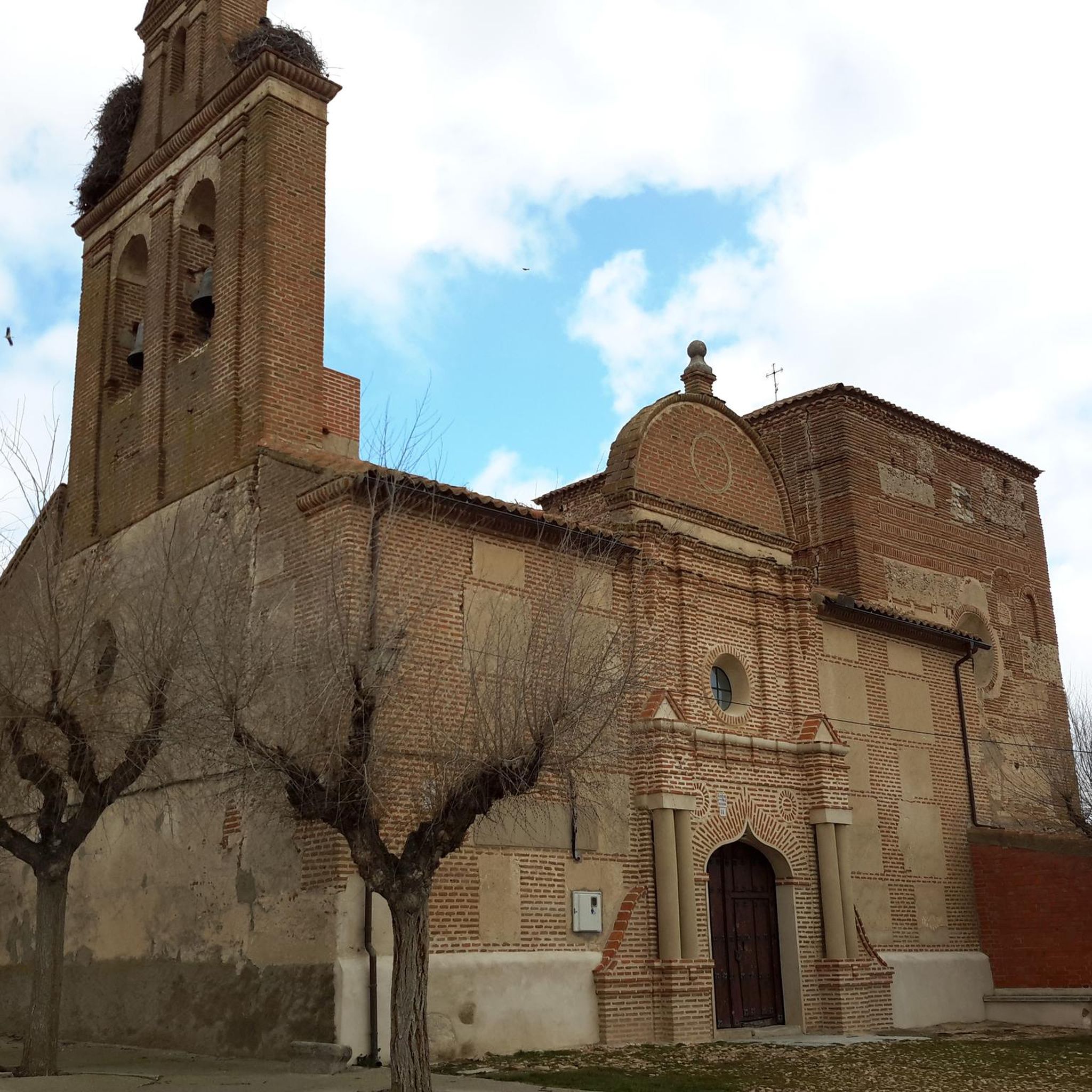
It is the parish church of Gotarrendura and its construction dates from the s. XVII. Regarding its artistic style, it connects very well with the Mudejar style typical of its area, although its baroque part stands out more.
1
0
This church constitutes the most outstanding and relevant monument of the town. Romanesque in style, it is approximately eight centuries old. Its most outstanding characteristic is the Mudejar head, which presents a unique archway that originates from a brick plinth, accompanied by a curb course that culminates with corners and several superimposed curbs. Likewise, the altarpiece located in the main chapel, which dates from the 16th century, deserves to be highlighted. This altarpiece is organized into three streets divided by inter-streets, and has four bodies that house various images of Saints and Biblical scenes. In total, it is made up of 18 paintings of great artistic value.
2
0

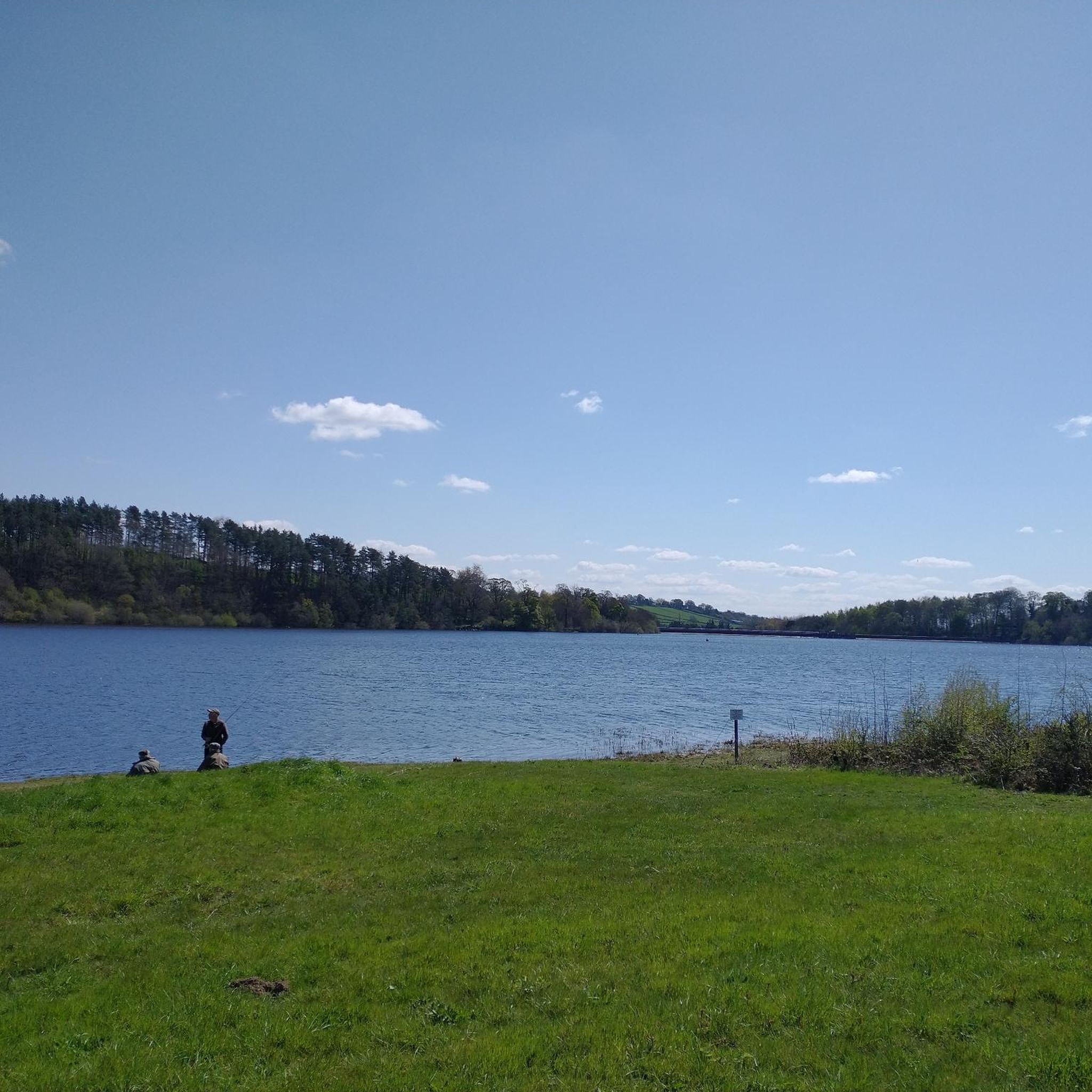
Small population where two rivers bathe the lands of the municipality, to the east the Adaja river and to the west the Arevalillo river, a tributary of the previous one.
1
0
Population that is located at the gates of what is called Campo de Pajares on its eastern side. Pine forests that occupy a large area.
1
0
Small town located north of the city of Ávila and that offers views of the plains of Avila in the area. At the beginning of the town is the Iglesia de Nuestra Señora de la Asunció, a little away from the center.
0
0
Frequently Asked Questions
What historical and cultural sites can I visit in Pajares de Adaja?
Pajares de Adaja is rich in history. You can explore the Church of San Pedro Apóstol, an eight-century-old Romanesque church known for its Mudejar head and a 16th-century altarpiece. Another significant site is the Church of San Juan Bautista, an 11th-century Romanesque church with one of the region's largest towers. Don't miss the simple Romanesque Ermita de la Virgen de Rivilla on the village outskirts, or the traditional Potro de Herrar, a horse-shoeing post reflecting an older way of life.
What natural features can I explore around Pajares de Adaja?
The village is situated near the Adaja River, which offers a natural corridor with extensive pine forests, particularly to the west. This area is an important ecological refuge for diverse wildlife, including endangered species like the Iberian imperial eagle. You can also visit El Bohodón, a settlement where the Adaja and Arevalillo rivers converge, offering scenic river views.
Are there hiking trails near Pajares de Adaja?
Yes, the rural landscape around Pajares de Adaja is ideal for hiking. You can find various routes, such as the 'From Tiñosillos to El Bohodón — circular by the Camino de El Chorrillo' (6.8 km, moderate) or the 'El Bohodón loop from Villanueva de Gómez' (9.8 km, moderate). For more options, explore the Hiking around Pajares De Adaja guide.
What cycling opportunities are available in the area?
Pajares de Adaja offers several cycling routes. You can experience the 'Muñopedro Straights loop' (30.7 km, moderate) which takes you through expansive agricultural fields, or the 'Adaja River (dam) loop' (27 km, moderate). For road cycling, consider the 'Muñopedro, Maello y Hernansancho — circular desde Sanchidrián' (64.8 km, moderate). More routes can be found in the Cycling around Pajares De Adaja guide and the Road Cycling Routes around Pajares De Adaja guide.
Are there family-friendly attractions around Pajares de Adaja?
The tranquil rural setting of Pajares de Adaja is generally family-friendly, offering opportunities for gentle walks and exploring nature. The Bridge over the Río Voltoya is a small, traditional stone bridge that is considered family-friendly. The village of Vega de Santa Maria is also noted as family-friendly and offers views of the Ávila plains.
Where can I find scenic viewpoints in the region?
The surrounding 'Campo de Pajares' (Field of Pajares) provides expansive views of the Ávila plains and agricultural fields, such as the 'Muñopedro Straights'. The village of Vega de Santa Maria, located north of Ávila, also offers picturesque views of the plains.
What is the best time of year to visit Pajares de Adaja for outdoor activities?
The region's rural landscape and trails are enjoyable for hiking and cycling. Spring and autumn generally offer pleasant temperatures for outdoor activities, avoiding the heat of summer. The Levantine path of the Camino de Santiago also crosses through this area, which is typically walked during milder seasons.
Are there any wheelchair-accessible attractions in the area?
The Bridge over the Río Voltoya is noted as wheelchair-accessible, offering an opportunity to experience traditional Castilian rural architecture.
What do visitors enjoy most about Pajares de Adaja?
Visitors appreciate the historical religious buildings, traditional rural architecture, and natural river landscapes. The Church of San Pedro Apóstol is highlighted as the town's most outstanding monument, and the Bridge is loved for its traditional charm. The area's peaceful rural setting and opportunities for outdoor exploration are also highly valued.
Are there any archaeological sites near Pajares de Adaja?
Yes, the Valhondo Archaeological Site has yielded significant Chalcolithic artifacts, indicating prehistoric settlement in the area. Evidence of Roman-era remains has also been found in various locations within the municipality, offering a glimpse into the region's ancient past.
What local traditions or festivals are celebrated in Pajares de Adaja?
The village celebrates its patron saint, San Juan Bautista, on June 24th. Another important local tradition is the celebration of the Virgen de Rivilla on September 8th. These festivals offer cultural insights into the local customs and community life.

Get inspired with the komoot mobile app


Explore more
Still not found the Highlight you’re looking for? See guides of the top attractions in other regions:
