Attractions and Places To See around Setenil De Las Bodegas - Top 20
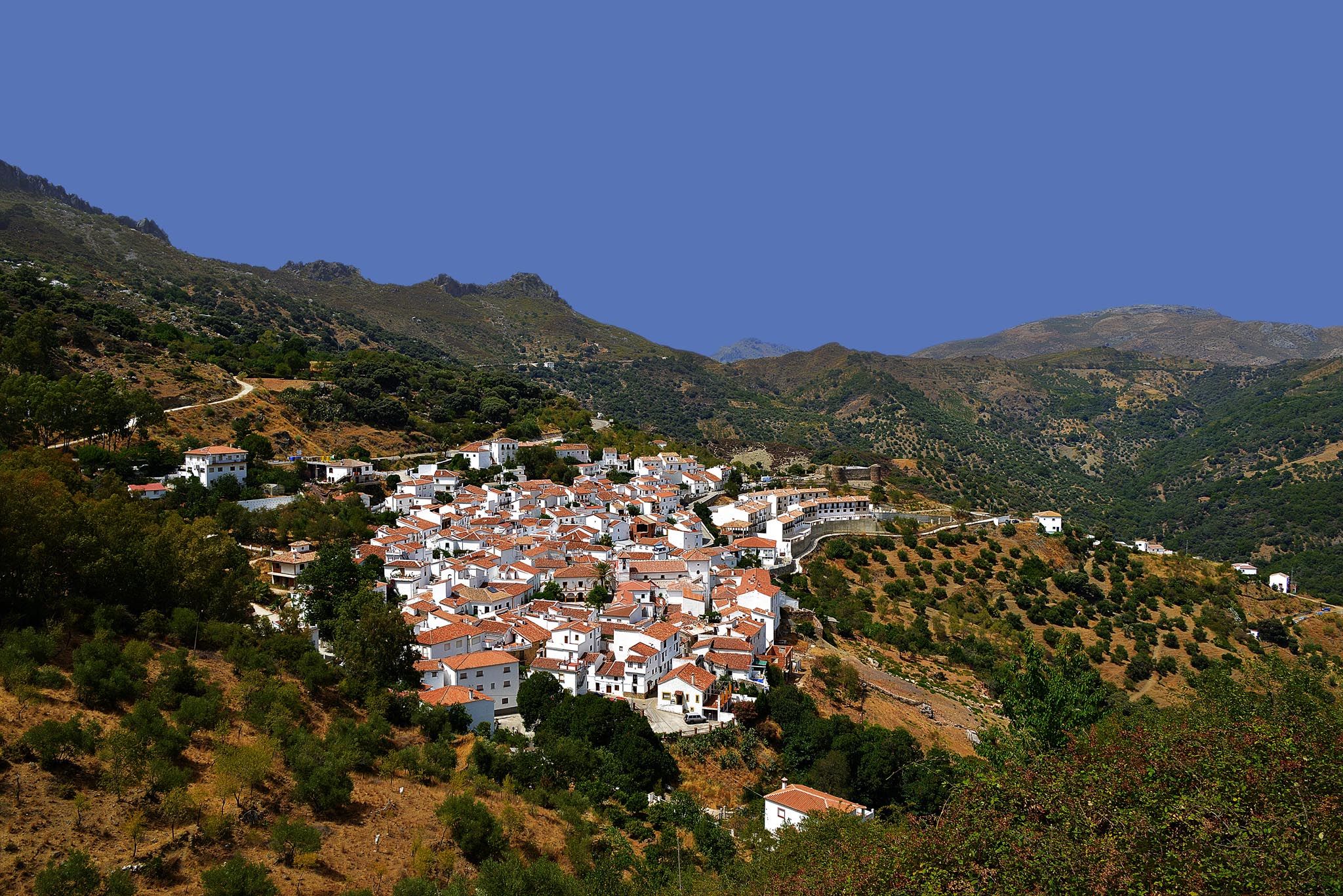
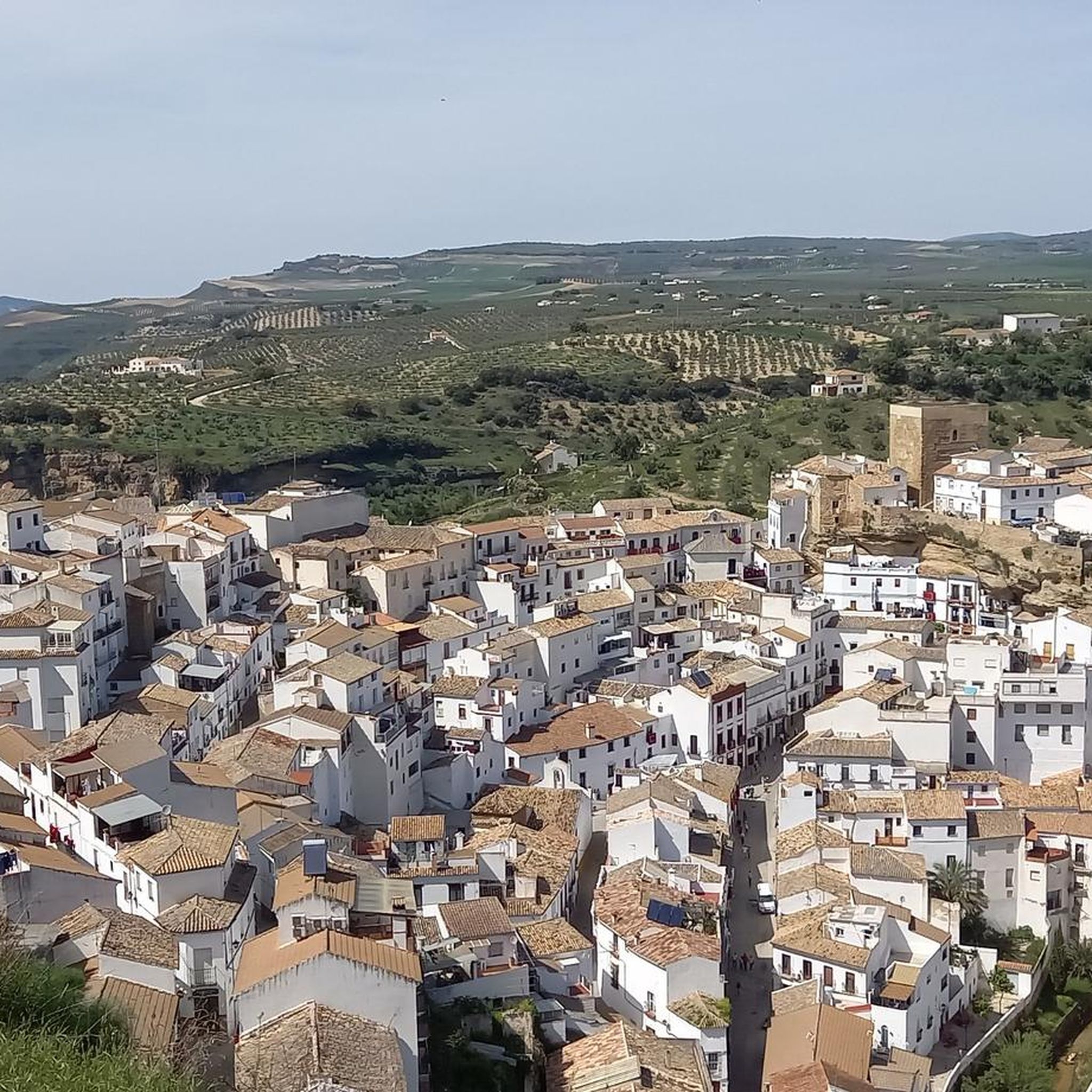
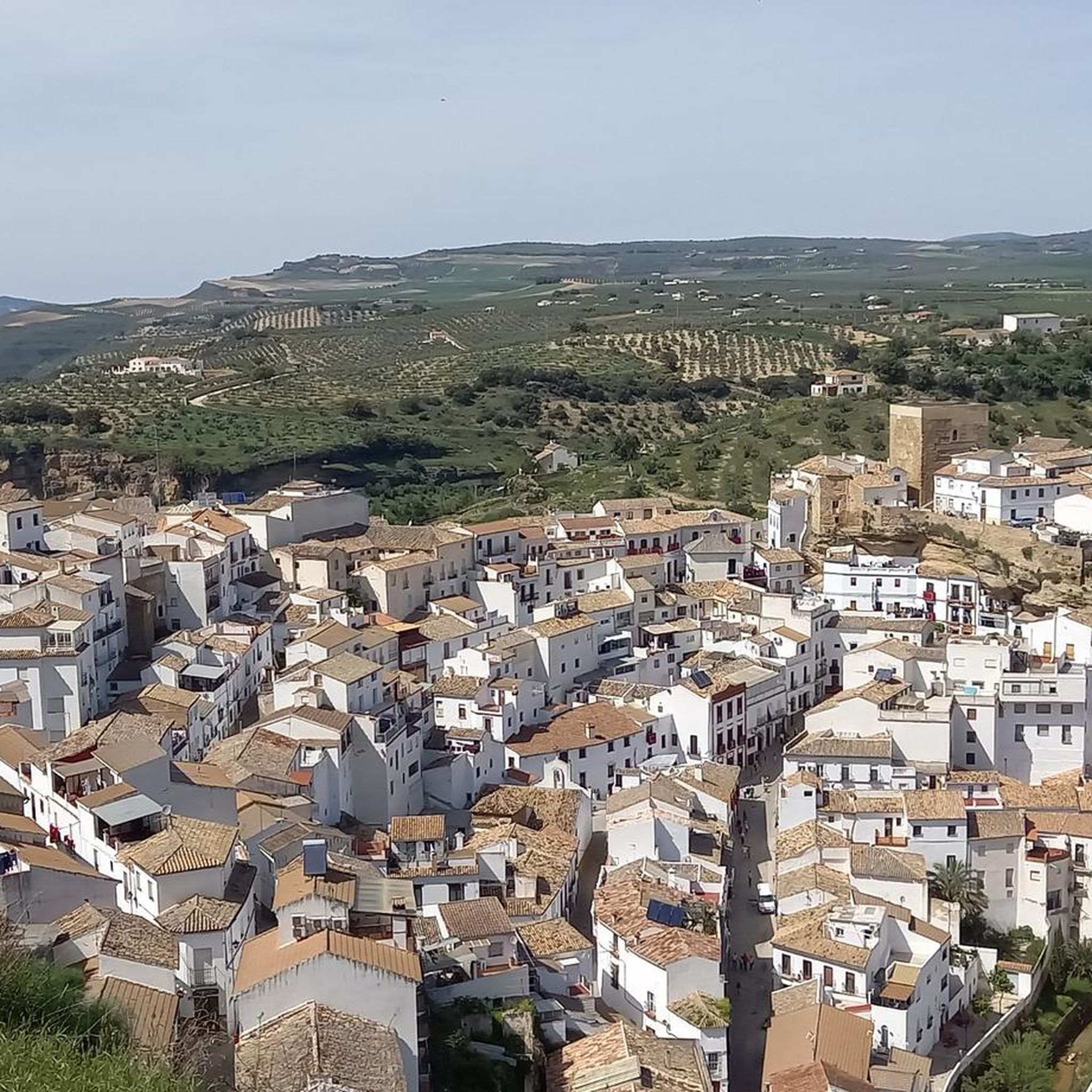
Attractions and places to see around Setenil De Las Bodegas are characterized by their unique architecture, where many buildings are integrated into massive rock overhangs and caves. This distinctive white village in Andalusia, Spain, is shaped by the Trejo River, which carved the canyon forming its geological landscape. The area offers a blend of natural features and historical human ingenuity, making it a notable destination.
Best attractions and places to see around Setenil De Las Bodegas
- The most popular attractions…
Last updated: August 30, 2026
New Bridge
Highlight • Bridge
Showing Translation
Tip by

Arab Bridge of Ronda
Highlight • Bridge
Translated by Google •
Tip by

Sign up now to discover places like this
Get recommendations on the best single tracks, peaks, & plenty of other exciting outdoor places.
Sign up for free
Parador of Ronda
Highlight • Restaurant
Translated by Google •
Tip by

Cuenca Gardens
Highlight • Viewpoint
Translated by Google •
Tip by

Tajo de Ronda (Ronda Gorge)
Highlight • Gorge
Translated by Google •
Tip by
Sign up for free to discover even more attractions around Setenil De Las Bodegas.
Sign up for free
Already have an account?
Start today with a free account
Your next adventure awaits.
Login or Signup
Popular around Setenil De Las Bodegas
Other adventures around Setenil De Las Bodegas

Tips from the Community

A hiking trail leads from Ronda to below the bridge.
0
0

Above the gorge, so stately and refined, lies the Parador, with a view so pure. The palace embraces the mountains and stone, a place steeped in history, elegant and serene. The Tajo River sparkles, the Puente Nuevo nearby, whoever stays here feels Ronda's magic. A refuge of tranquility, of charm and splendor, where past and present gently await each other.
2
0
The Tajo de Ronda is the spectacular gorge that literally splits the heart of Ronda in two. 🌄 • It is approximately 120 meters deep and carved out by the Guadalevín River, which flows right through the city. • Impressive bridges stand above the gorge, the most famous and iconic of which is the Puente Nuevo. This bridge connects the old Moorish city with the newer part of Ronda. • For centuries, the Tajo served as both a natural defense against enemies and a challenge to urban expansion. • From its edges, you have breathtaking views of the Ronda valley, the Serranía mountains, and the white villages in the distance. It is one of the most photographed places in Andalusia and a highlight of Ronda's charm: nature and architecture in a dramatic interplay.
1
0

From the new bridge there is a good view of Puente Viejo: an old stone bridge that is one of three bridges that spans the deep Tajo de Ronda gorge with the Guadalevín river in it.
19
1

A very popular location. The main building is the old town hall of Ronda, built in the 18th century, of which the original main facade with an arcaded gallery, cornices and the traditional clock still remains today. The rest of the complex is located on the site where the Plaza de Abastos Central was until 1974 and on other adjacent plots where a cable car station over the Tajo de Ronda was to be built. The current hotel "Parador de Ronda" is part of the network of National Tourism Paradors and is located in the center of the city of Ronda. Most Paradores in Spain are located in historically significant places or in outstanding landscape locations and often offer remarkably beautiful views. The hotel opened in 1994, is located on the edge of the Tajo de Ronda and next to the Puente Nuevo and offers views of the Tajo Gorge and the Los Molinos Valley with the Guadalevín River. There is a publicly accessible promenade around the Parador with terraces and viewing points. You don't have to stay in a hotel room - a short break on the outdoor terrace with coffee and cake is already a special experience. An extraordinary atmosphere combined with wonderful views and impressions. It will stay in your memory!
9
0

The Arab Bridge of Ronda or Puente de las Curtiderías is located a few meters from the famous Arab Baths of the city. It is accessed by going down from the old bridge and Arco de Felipe V. Popularly known as Puente Romano, there is nothing in the current plant that betrays such an origin. However, it cannot be ruled out that there was a bridge from Roman times in the same place, since the location was the only one that allowed access to the city from the north.
9
0
The Puente Árabe "Arab Bridge" is the oldest of the three bridges in Ronda. The stone bridge spans the Guadalevín River, which flows in the Tajo de Ronda gorge. The bridge is located outside the city walls of Ronda and is lower than the neighboring Puente Viejo.
12
0
The Puente Nuevo is certainly the most famous landmark of the city of Ronda. It spans the spectacular El Tajo gorge, which separates the old town "La Ciudad" from the newer town "El Mercadillo". The bridge is about 98 meters high and was built in the 18th century to connect the two parts of the city. The construction of the bridge began in 1751, lasted 42 years, and was completed in 1793. The structure is made of massive stone and offers breathtaking views of the surrounding mountains and the gorge below. Inside the bridge, there is a small room that was formerly used as a prison. A symbol of Ronda's impressive architecture and history. The Puente Nuevo in Ronda is a real highlight and an absolute must for those seeking impressive views and an unforgettable experience. A visit to the Puente Nuevo is therefore not only a visual highlight but also an experience that combines history, nature, and adventure. There are places where you should have been. This is certainly one of them! The fascinating impressions leave a lasting impression.
17
1
Frequently Asked Questions
What makes Setenil de las Bodegas unique compared to other white villages?
Setenil de las Bodegas stands out due to its extraordinary architecture, where many houses are built directly into and beneath massive rock overhangs and caves. The Trejo River carved the canyon, creating a landscape where human dwellings are integrated with natural rock formations, offering a blend of natural beauty and historical ingenuity.
Which streets are famous for their cave houses in Setenil de las Bodegas?
Several streets are renowned for their unique cave houses. Calle Cuevas del Sol is iconic, with houses and restaurants nestled under a huge rock that acts as a natural roof. Nearby, Calle Cuevas de la Sombra offers a contrasting, cooler experience as the rock completely covers the road. Calle Herrería is considered one of the most beautiful, featuring whitewashed troglodyte houses, and Calle Jabonería also boasts impressive cave-houses.
Are there any historical landmarks or castles to visit in Setenil de las Bodegas?
Yes, you can explore the remains of the ancient Arab fortress of Xatanil. The well-preserved Torre del Homenaje (Keep) of the Xatanil Fortress, dating from the 12th century, offers panoramic views of the town. You can also visit the Iglesia de Nuestra Señora de la Encarnación, built between the 15th and 17th centuries on the site of an old mosque, and the Antigua Casa Consistorial, an early 16th-century building with a Mudejar coffered ceiling.
Where can I find the best panoramic views of Setenil de las Bodegas?
For breathtaking views, visit the various viewpoints. Mirador de la Villa offers impressive panoramic vistas. Mirador del Carmen provides excellent views, including the Torre del Homenaje and the Church of Encarnación, accessible after climbing 93 steps. Another great spot is Mirador del Lizón, which is open 24 hours.
What kind of outdoor activities can I do near Setenil de las Bodegas?
The area around Setenil de las Bodegas is excellent for outdoor activities. You can find numerous routes for gravel biking, mountain biking, and running. For example, there are moderate to difficult gravel biking routes like the 'Vía Verde de la Sierra – Zaframagón Viaduct loop'. For mountain biking, consider routes such as 'Calle Jabonería – Puente de la Ventilla loop' from MTB Trails around Setenil De Las Bodegas. Running enthusiasts can explore trails like the 'Río de la Peña Riverside Walk loop' from Running Trails around Setenil De Las Bodegas.
Are there any family-friendly attractions or activities in the area?
While Setenil de las Bodegas itself is fascinating for all ages with its unique cave houses and historical sites, nearby Ronda offers attractions that are categorized as family-friendly. For instance, the Parador of Ronda, located next to the Puente Nuevo, is a popular spot with great views and a cafe. Additionally, the Cuenca Gardens in Ronda provide a picturesque setting with stepped terraces that families can enjoy.
What is the significance of the River Trejo in Setenil de las Bodegas?
The River Trejo is fundamental to Setenil de las Bodegas' distinctive landscape. It is responsible for carving the canyon in which the village is situated, creating the massive rock overhangs and caves that form the natural roofs and walls of many of the town's buildings. The river is crossed at several points throughout the village, offering scenic views.
What historical artifacts can I see related to Setenil's past?
You can visit the Casa de la Damita de Setenil, a small museum showcasing the town's history. Its main exhibit is the 'Damita de Setenil,' a 5,000-year-old Venus figurine discovered during excavations, which provides evidence of prehistoric habitation in the caves.
What are some romantic spots in Setenil de las Bodegas?
Setenil de las Bodegas offers charming spots for couples. Particularly in Calle Herrería, you might find plaques with phrases like 'Bésame en este rincón' (Kiss me in this corner) or 'Susúrrame al oído' (Whisper in my ear), inviting visitors to share a special moment amidst the picturesque cave-houses.
What is the best time of year to visit Setenil de las Bodegas?
The best time to visit Setenil de las Bodegas is generally during the spring (April to June) and autumn (September to October). During these months, the weather is pleasant for exploring the streets and viewpoints, and for engaging in outdoor activities, avoiding the intense heat of summer and the cooler, wetter days of winter.
Are there any religious sites of interest in Setenil de las Bodegas?
Yes, besides the main church, there are several hermitages. The Hermitage of San Benito is located within the historic quarter. The Hermitage of Nuestra Señora del Carmen, an 18th-century building, holds a prominent location on the rock of the Cerrillo neighborhood. The Hermitage of San Sebastián, located at the highest part of the village, is considered the oldest Christian building in Setenil, dating back to the early 16th century.
What is the main square in Setenil de las Bodegas?
The heart of the upper part of the town is Plaza de Andalucía. Here, you can find the Town Hall and Tourist Office, and it's a pleasant spot to enjoy dining alfresco while soaking in the local atmosphere.
Most popular routes around Setenil De Las Bodegas
Most popular attractions around Setenil De Las Bodegas

Get inspired with the komoot mobile app


Explore more
Still not found the Highlight you’re looking for? See guides of the top attractions in other regions:
