Attractions and Places To See around Quintana Y Congosto - Top 20
Best attractions and places to see around Quintana Y Congosto is a municipality located in the province of León, Spain. The area is situated within the fertile Castillian-Leonese plateau, offering a combination of historical landmarks and natural landscapes. It features significant architectural heritage, including medieval structures and cultural sites. Natural elements such as the Jamuz and Eria rivers, along with the Bárcena Reservoir, define parts of its geography.
Best attractions and places to see around Quintana Y Congosto
- The most…
Last updated: July 21, 2026
Plaza Mayor of La Bañeza
Highlight • Settlement
Translated by Google •
Tip by

Eria Bridge in Castrocalbón
Highlight • Bridge
Translated by Google •
Tip by
Sign up now to discover places like this
Get recommendations on the best single tracks, peaks, & plenty of other exciting outdoor places.
Sign up for free
Lagunas de Somoza Windmill
Highlight • Monument
Translated by Google •
Tip by
Gothic Arch of the Palace of Castrocalbón
Highlight • Historical Site
Translated by Google •
Tip by

Church of Castrocontrigo
Highlight • Religious Site
Translated by Google •
Tip by
Sign up for free to discover even more attractions around Quintana Y Congosto.
Sign up for free
Already have an account?
Start today with a free account
Your next adventure awaits.
Login or Signup
Tips from the Community

Castrocalbón is a place with a rich history and several points of interest that you can visit. Castrocalbón Castle: Although in ruins, it is a fascinating testimony to the medieval architecture and history of the region. San Pedro Church: A church with Romanesque and Gothic elements, which houses interesting altarpieces and sculptures. Hermitage of the Virgin of the Rosary: A place of local devotion, with simple architecture and a peaceful setting.
0
0
Castrocalbón Castle is an ancient fortress located in the town of Castrocalbón, in the province of León. Built in the Middle Ages, the castle has gone through various phases of construction and destruction over the centuries. Today, only a few remains remain, such as a rammed earth wall plastered with mortar and an ashlar arch. In the past, the castle had several archways and walls that have been compared to the Berber kasbahs of the High Atlas.
2
0

This old tower is a beautiful and visible symbol in the landscape. It is worth a visit.
1
0

Another iconographic reference of Castrocalbón is this iron bridge over the Eria River built in the 1920s and which, despite the inconveniences it causes at this time, being quite narrow, already changes its image has become a symbol of Castrocalbón. A new bridge is currently in use a short distance from the old one, which is (for the time being) maintained due to its historical value.
1
0

Ruin of a palace and defensive settlement on the town of Castrocalbón of which only a restored arch remains.
1
1

It is actually a windmill, which is rare in the area, of course. When recognition as BIC was made, there was talk of being linked to a castle. But it's a windmill ;)
0
0
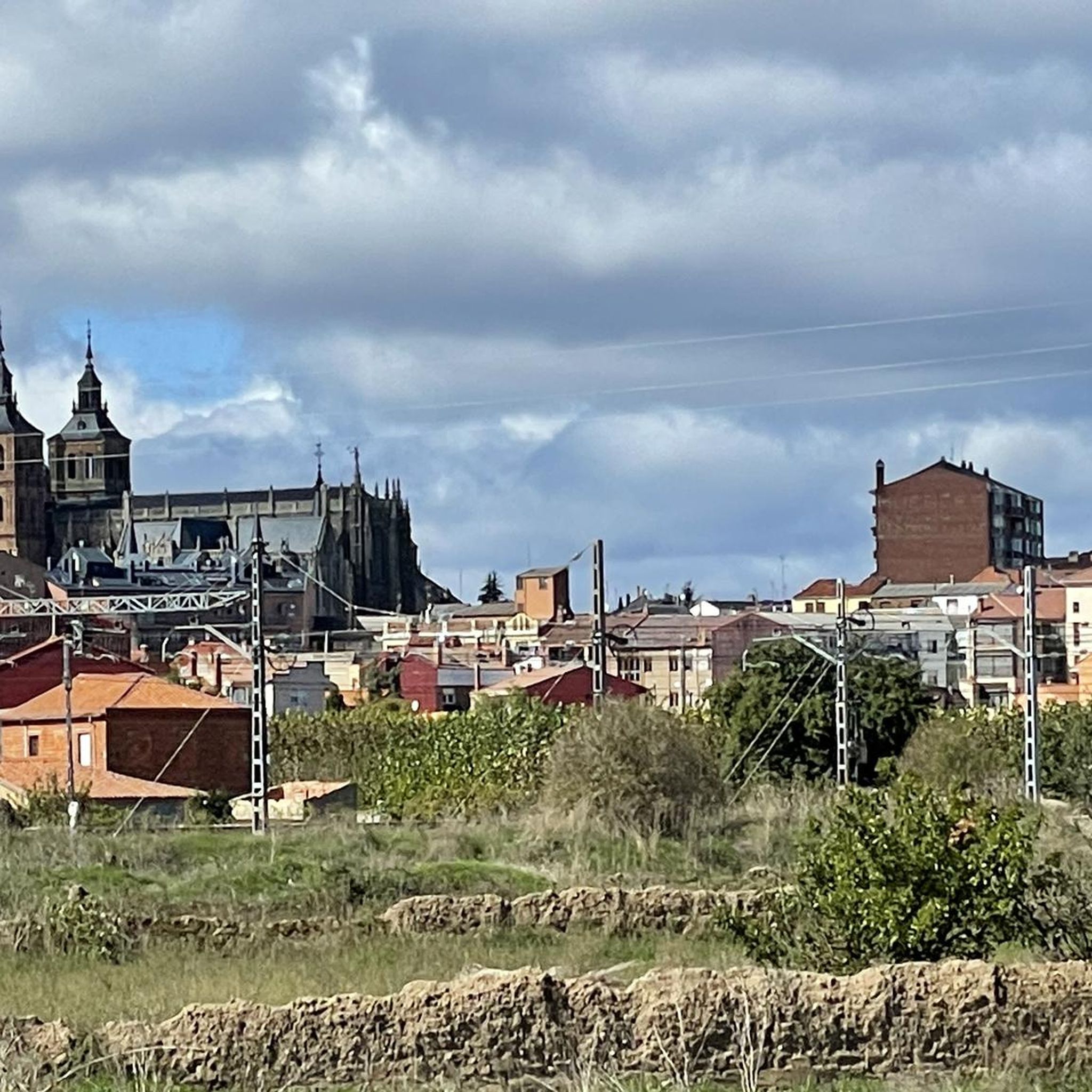
Important town in Leon with a rich architectural heritage that surprises many of its visitors. It is worth noting in the Plaza Mayor such as the churches of San Salvador or Santa María, or even the Town Hall, which are quite impressive.
1
0
Defensive watchtower ruins over the surrounding landscape. Built in masonry stone and cylindrical in shape.
1
0
Frequently Asked Questions
What historical landmarks can I explore around Quintana y Congosto?
The region is rich in history. You can visit the impressive Plaza Mayor of La Bañeza, known for its architectural heritage including the churches of San Salvador and Santa María. Don't miss the ancient Gothic Arch of the Palace of Castrocalbón, a remnant of a medieval palace, or the ruins of Castrocalbón Castle.
Are there any notable architectural sites in the area?
Beyond the historical landmarks, the Eria Bridge in Castrocalbón, an iron bridge built in the 1920s, is a significant architectural symbol. The Lagunas de Somoza Windmill, a well-preserved cylindrical tower, also stands as a unique architectural feature in the landscape.
What natural features define the landscape around Quintana y Congosto?
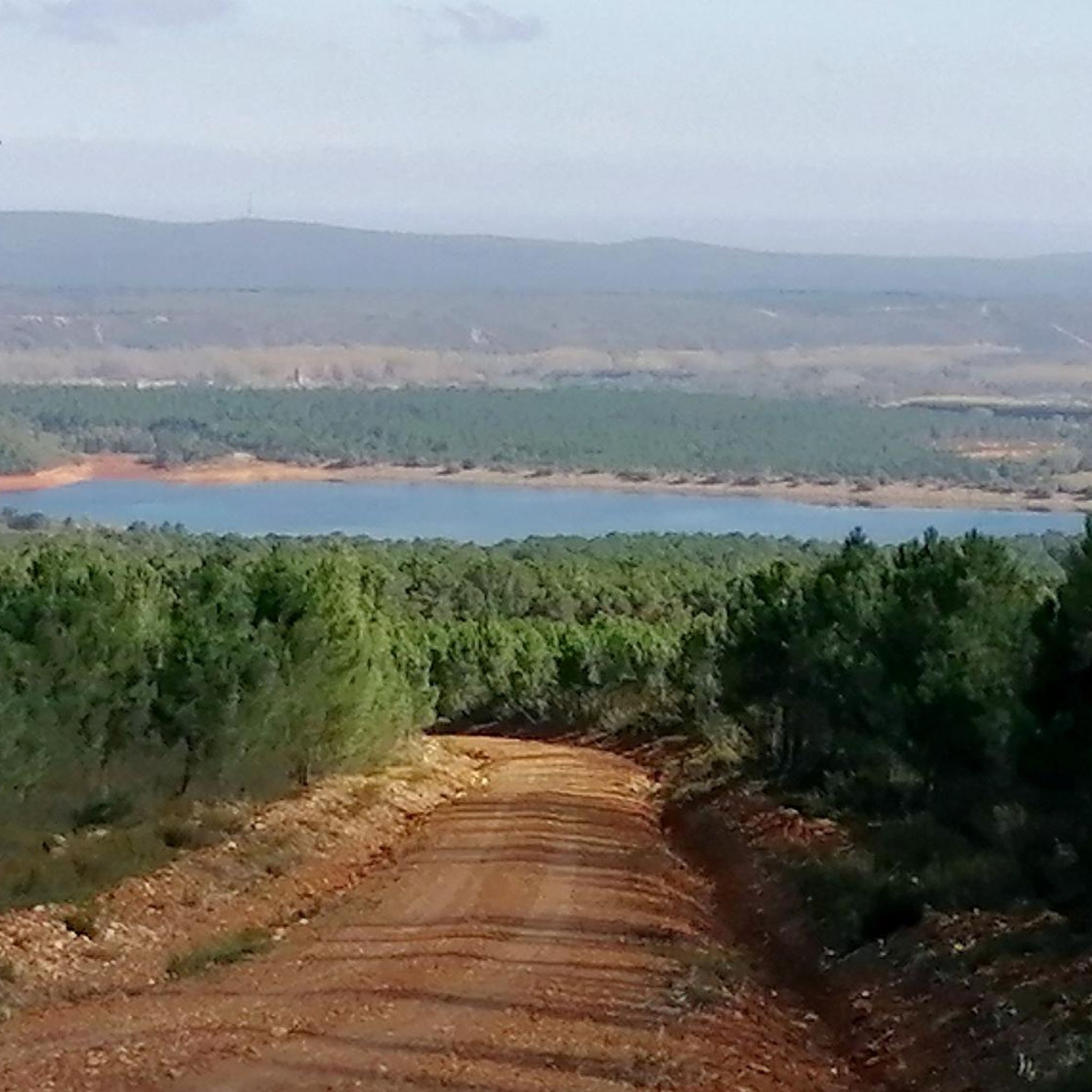
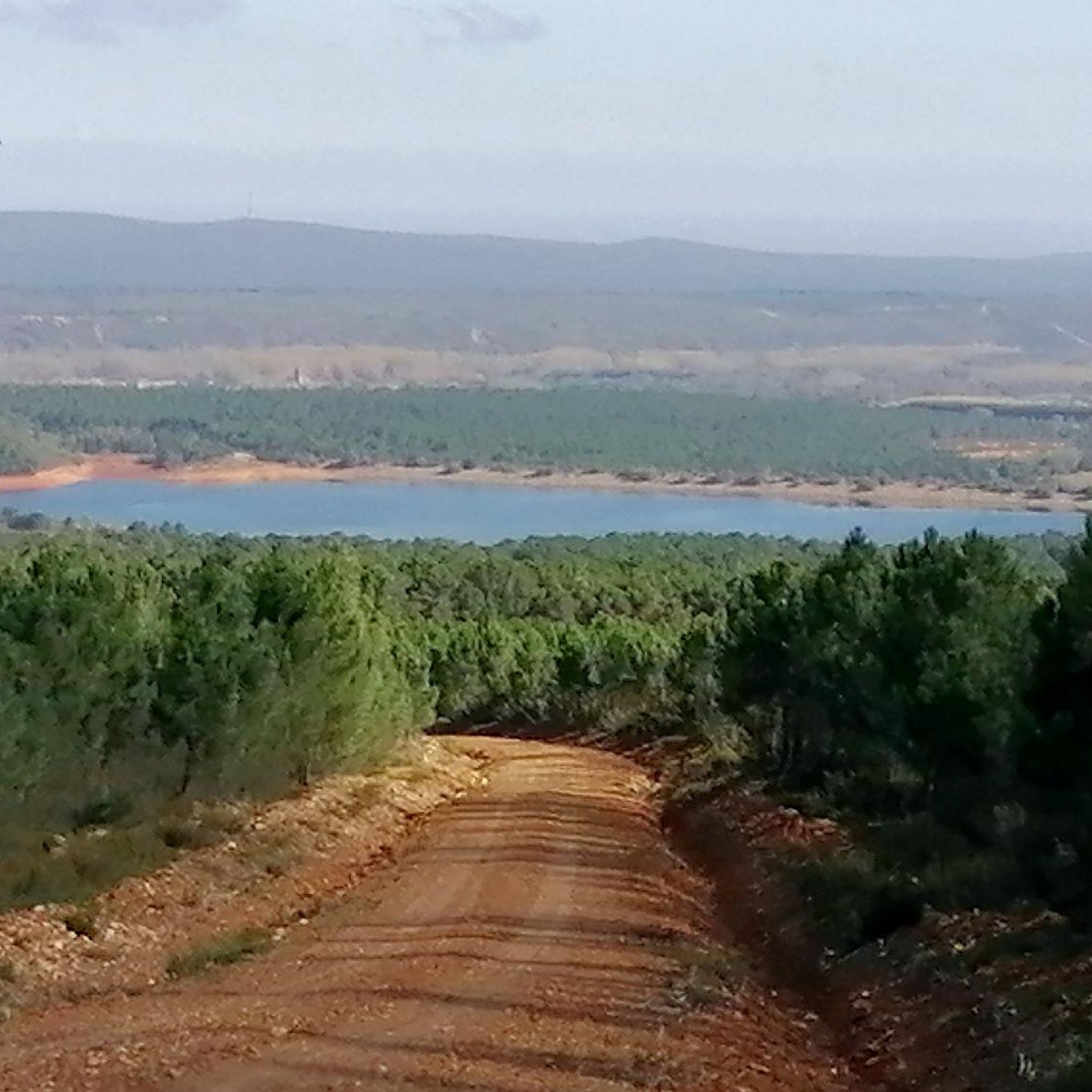
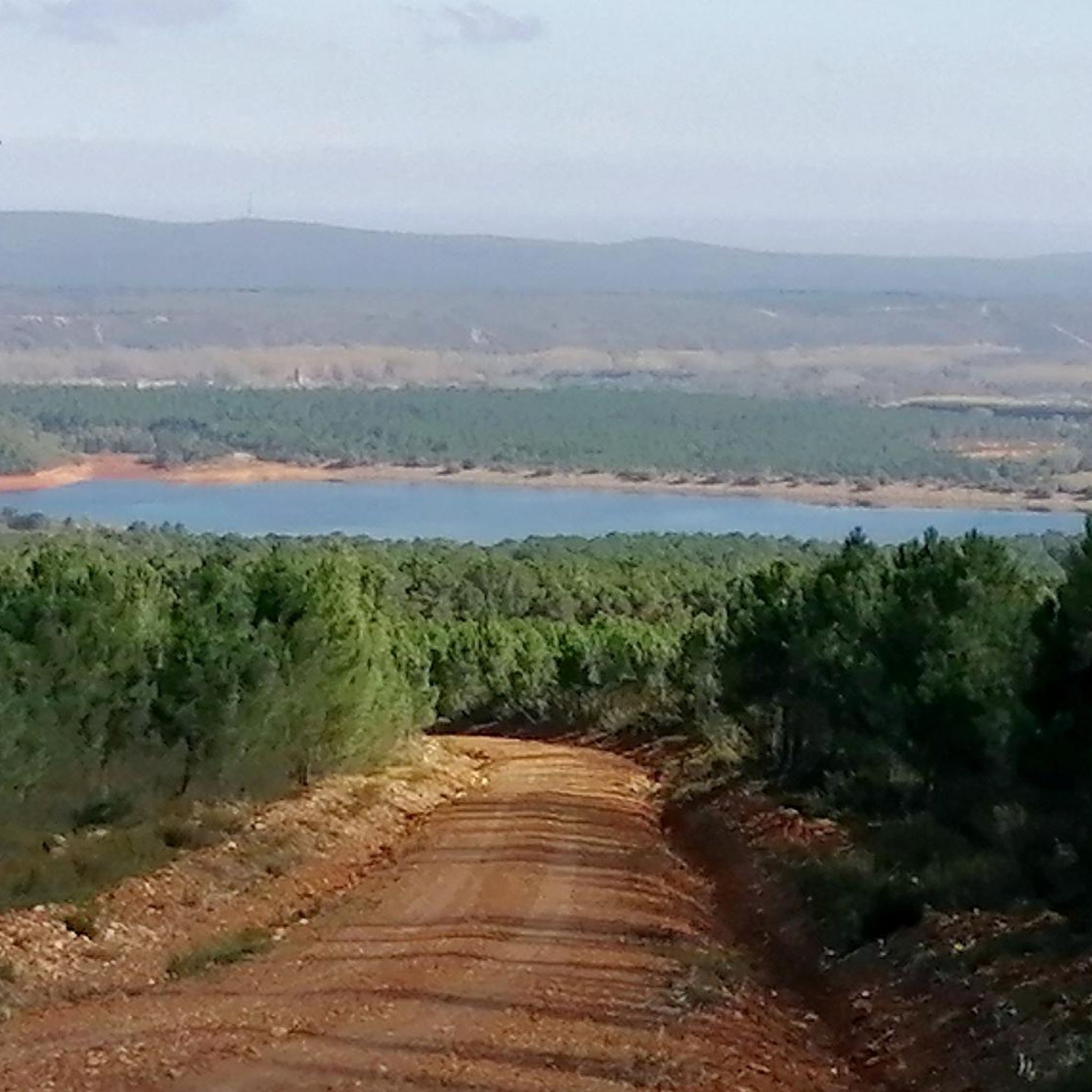
The area is characterized by its rivers, such as the Jamuz River and the Eria River, which flows through the scenic Eria river valley. The Bárcena Reservoir also contributes to the natural beauty of the wider municipality of Congosto.
Are there family-friendly attractions in the Quintana y Congosto area?
Yes, the Plaza Mayor of La Bañeza is considered family-friendly, offering a vibrant town square with impressive architecture suitable for all ages to explore.
What outdoor activities are available near Quintana y Congosto?
The region is suitable for various outdoor activities. You can find numerous routes for cycling, mountain biking, and hiking. For example, there are cycling tours like 'To the Sierra de casas Viejas from La Bañeza' and mountain bike trails such as 'Tierras de La Bañeza – circular por el Valle del río Jamuz y la Sierra de Casas Viejas'. You can explore more options on the cycling guide, MTB guide, and hiking guide for Quintana y Congosto.
Are there hiking trails suitable for different skill levels?
Yes, the hiking trails around Quintana y Congosto cater to various skill levels. You can find moderate routes like 'Vía de la Plata and Bazán Castle Loop' or 'La Bañeza — circular by the río Órbigo'. For more challenging options, consider 'Nogarejas from Pinilla de la Valdería — circular by the Castillo de Nogarejas'. More details are available in the hiking guide.
What cultural sites are there to visit in the area?
Beyond the main square of La Bañeza, you can visit the Church of Castrocontrigo, which has historical roots dating back to the Bronze Age. In Castrocalbón, the San Pedro Church features Romanesque and Gothic elements, and the Hermitage of the Virgin of the Rosary offers a peaceful setting for local devotion.
What is the best time of year to visit Quintana y Congosto for outdoor activities?
The region around Quintana y Congosto is generally suitable for outdoor activities like hiking and cycling. While specific seasonal recommendations are not provided, the mild climate of the Castillian-Leonese plateau typically makes spring and autumn ideal for exploring the natural and historical sites.
Are there any accessible attractions for visitors with mobility needs?
The Plaza Mayor of La Bañeza is noted as being wheelchair accessible, making it a good option for visitors with mobility needs to experience the town's architectural heritage.
What do visitors enjoy most about the attractions around Quintana y Congosto?
Visitors appreciate the rich architectural heritage, particularly in La Bañeza, and the historical value of sites like the Eria Bridge in Castrocalbón. The unique character of the Lagunas de Somoza Windmill as a visible symbol in the landscape is also a highlight for many.
Can I find cycling routes around Quintana y Congosto?
Yes, there are several cycling routes available. You can find moderate to difficult routes such as 'La Valderia - circular from La Banenza to Castrocalbon and Castrocontrigo' or 'Roman Camp of Petavonium from Castrocontrigo - circular by the Eria River'. For more options, refer to the cycling guide for Quintana y Congosto.
Most popular routes around Quintana Y Congosto

Get inspired with the komoot mobile app


Explore more
Still not found the Highlight you’re looking for? See guides of the top attractions in other regions:
