Attractions and Places To See around Castrocalbón - Top 20
Attractions and places to see around Castrocalbón offer a blend of historical landmarks and cultural sites within the Valdería region of León, Spain. The town is situated by the Eria River, surrounded by a landscape of mountains, oak and pine forests, and cultivated areas. This setting provides a diverse environment for exploring both human-made structures and natural features. The area's history is evident in its surviving fortifications and archaeological findings.
Best attractions and places to see around Castrocalbón
- The most…
Last updated: May 3, 2026
Plaza Mayor of La Bañeza
Highlight • Settlement
Translated by Google •
Tip by

Castillo de los Pimentel
Highlight • Castle
Translated by Google •
Tip by

Sign up now to discover places like this
Get recommendations on the best single tracks, peaks, & plenty of other exciting outdoor places.
Sign up for free
Alija del Infantado Town Center
Highlight • Settlement
Also noteworthy, as a …
Translated by Google •
Tip by
Eria Bridge in Castrocalbón
Highlight • Bridge
Translated by Google •
Tip by
Ruins of the Royal Monastery of Santa María de Nogales
Highlight • Historical Site
Translated by Google •
Tip by

Sign up for free to discover even more attractions around Castrocalbón.
Sign up for free
Already have an account?
Start today with a free account
Your next adventure awaits.
Login or Signup
Tips from the Community

Although only part of the tower remains today, its presence is imposing: it was once a stately home and today serves as the perfect viewpoint over the Óbigo Valley. A bike ride up here is both visually and culturally rewarding. A great spot for epic photos, a restful break with views, and a bit of history on wheels. If you're planning a route with interesting stops, this castle is a definite yes.
0
0

Castrocalbón is a place with a rich history and several points of interest that you can visit. Castrocalbón Castle: Although in ruins, it is a fascinating testimony to the medieval architecture and history of the region. San Pedro Church: A church with Romanesque and Gothic elements, which houses interesting altarpieces and sculptures. Hermitage of the Virgin of the Rosary: A place of local devotion, with simple architecture and a peaceful setting.
0
0

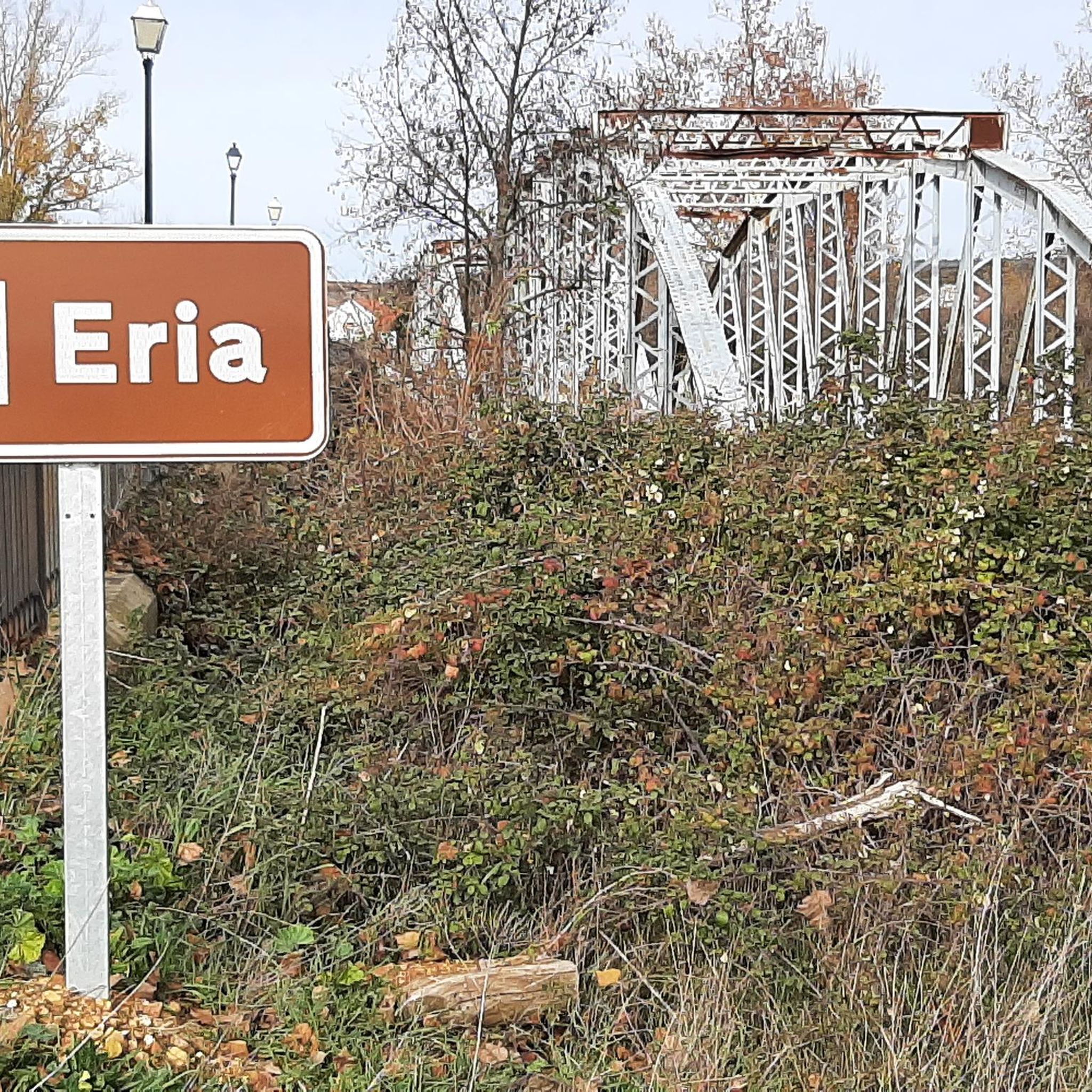
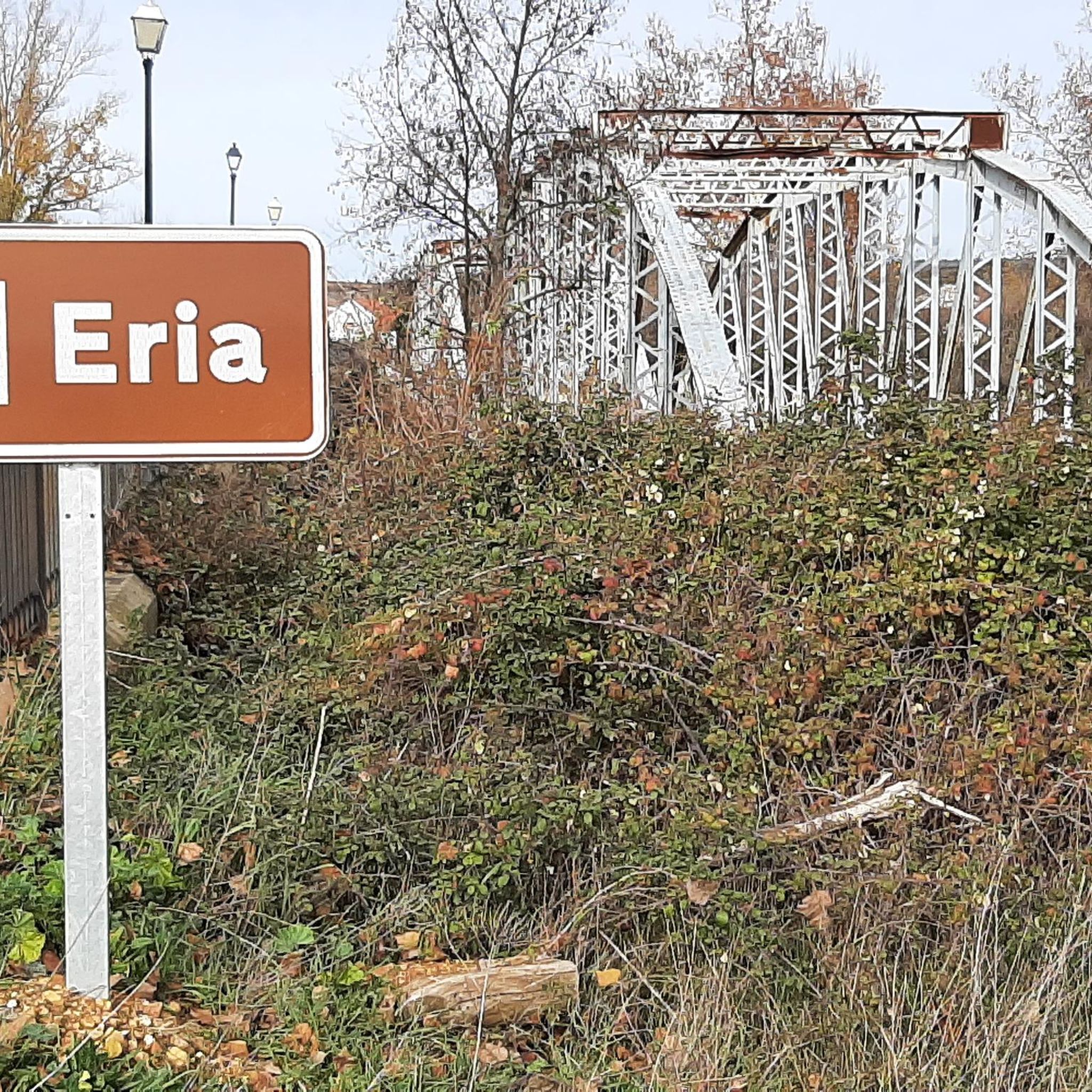
Another iconographic reference of Castrocalbón is this iron bridge over the Eria River built in the 1920s and which, despite the inconveniences it causes at this time, being quite narrow, already changes its image has become a symbol of Castrocalbón. A new bridge is currently in use a short distance from the old one, which is (for the time being) maintained due to its historical value.
1
0

On December 20, 1164, the widow of the Noble Vela Gutiérrez, Doña Sancha Ponce, transferred to the Cistercian Order of Santa María de Moreruela all the possessions and belongings of the territory of Nogales in hereditary right so that they could build another monastery that would be called Santa María from Nogales. From this moment and until the monks abandoned the monastery, in the mid-19th century, the Eria Region was governed according to the guidelines of the Order. This settlement established the model of repopulation and new management at all levels; social, cultural, agricultural and economic. At the same time it marked the appearance of the Villa de Nogales, which was initially made up of the servants and servants of the Monks. Without a sumptuous construction, Santa María de Nogales is located according to the criteria of the Cistercian order: a valley of fertile lands, abundance of water, and impressive solitude. For more than seven centuries it stood out for being the cradle of great men, an emporium of letters and science, where royal advisors and professors for the University of Alcalá emerged. Currently, only the ruins and remains of its greatness remain: scattered walls, the belfry of the Church and the main entrance arch with its heraldic shield. However, the surrounding area, fertile orchard, abundant vegetation, fruit trees and the waters of the Eria River, invite you to relax, contemplate and enjoy nature.
1
0

The Pimentel castle, built in the 19th century. XV, it is a large square fortress. Inside, there is the Palacio de los Ponces, built in the 16th century. XIII and currently unusable, due to the fires suffered in 1808 and 1887. The dukes of Infantado rebuilt the now visible fortress.
1
0

Nature is reclaiming its place around the ruins of this 16th and 17th century monastery. The building was looted several times and eventually fell into disrepair.
2
0

Here you will find an interesting castle from the 11th century. It is in good condition because it has been maintained by the different families that have owned it.
1
0

A town in the province of León where the churches of San Verísimo and San Esteban stand out, as well as the Castillo de los Pimentel. Also noteworthy, as a curiosity, are some small wineries nestled within the slopes of some hills.
3
0
Frequently Asked Questions
What historical sites can I explore in Castrocalbón?
Castrocalbón is rich in history. You can visit the ruins of the Castle of Castrocalbón, a significant landmark possibly dating back to the 15th century, or the older Eastern Fortress from the 12th century. Don't miss the Church of San Salvador with its Moorish-style chancel, and the Archaeological and Ethnographic Museum of Castrocalbón (MAEC), which preserves the region's heritage from prehistory to local traditions. The Iron Bridge over the Eria is also a prominent piece of 20th-century heritage.
Are there any family-friendly attractions near Castrocalbón?
Yes, several attractions are suitable for families. The Plaza Mayor of La Bañeza is a great place to explore, known for its architectural heritage. The Alija del Infantado Town Center, with its historical buildings and churches, is also family-friendly, as is the nearby Castillo de los Pimentel, an 11th-century castle that has been maintained through history.
What natural features can I enjoy around Castrocalbón?
The primary natural attraction is the Eria River, which flows through the fertile Valdería valley. The surrounding landscape features high mountains with oak and pine forests, and lush cultivated areas. This region offers a milder climate and abundant flora, perfect for enjoying the outdoors.
Where can I find archaeological sites in the area?
The most notable archaeological site is Castro "El Palacio", located on an elevated plateau. This prehistoric site likely dates back to the first Iron Age (725-450 BCE) and holds significant historical value for the municipality, containing remnants of an ancient palace and other buildings. The Archaeological and Ethnographic Museum of Castrocalbón (MAEC) also houses a diverse collection of archaeological pieces.
What cultural experiences does Castrocalbón offer?
Beyond historical sites, you can immerse yourself in local culture at the Archaeological and Ethnographic Museum of Castrocalbón (MAEC), which showcases local industries, traditional kitchens, and agricultural tools. The historical document Fuero de Castrocalbón, granted in 1152, also represents a significant cultural artifact, detailing the town's medieval life.
Are there any ruins of old monasteries or religious buildings to visit?
Yes, you can visit the Ruins of the Royal Monastery of Santa María de Nogales. This 16th and 17th-century Cistercian monastery, though largely in ruins, offers a glimpse into the region's religious history. Nature has reclaimed much of the site, creating a unique atmosphere for contemplation.
What kind of outdoor activities can I do near Castrocalbón?
The area around Castrocalbón is excellent for outdoor activities. You can find various routes for mountain biking, running, and cycling. Options range from moderate MTB trails like 'Tierras de La Bañeza' to more challenging cycling routes such as 'Roman Camp of Petavonium from Castrocontrigo - circular by the Eria River'.
Are there any accessible attractions for visitors with mobility needs?
The Plaza Mayor of La Bañeza is noted as wheelchair accessible, allowing visitors to enjoy its impressive architectural heritage, including the churches of San Salvador and Santa María, and the Town Hall.
What do visitors enjoy most about the attractions around Castrocalbón?
Visitors appreciate the rich architectural heritage of towns like La Bañeza, particularly its main square and historical buildings. The well-preserved Castillo de los Pimentel and the historical significance of the Eria Bridge in Castrocalbón are also highly regarded. Many find the blend of history and the natural beauty of the Eria River valley captivating.
Can I find any unique or lesser-known historical landmarks in the area?
Beyond the main castle, the Eastern Fortress, though deteriorated, is considered the oldest fortress in the area, dating back to the 12th century. The Hermitage (Ermita de Nuestra Señora del Castro), situated across from the castle, also offers a quiet point of interest. These sites provide a deeper dive into the region's long history.
What is the best time of year to visit Castrocalbón for sightseeing and outdoor activities?
The region benefits from a milder climate compared to other parts of the high plateau, making it pleasant for visits. While specific 'best months' aren't detailed, the lush fruit and vegetable cultivation and abundant flora suggest spring and early autumn would be ideal for enjoying both the natural landscapes and historical sites in comfortable weather.
Most popular attractions around Castrocalbón

Get inspired with the komoot mobile app


Explore more
Still not found the Highlight you’re looking for? See guides of the top attractions in other regions:
