The best walks and hikes around La Morera De Montsant
4.5
(218)
1,183
hikers
29
hikes
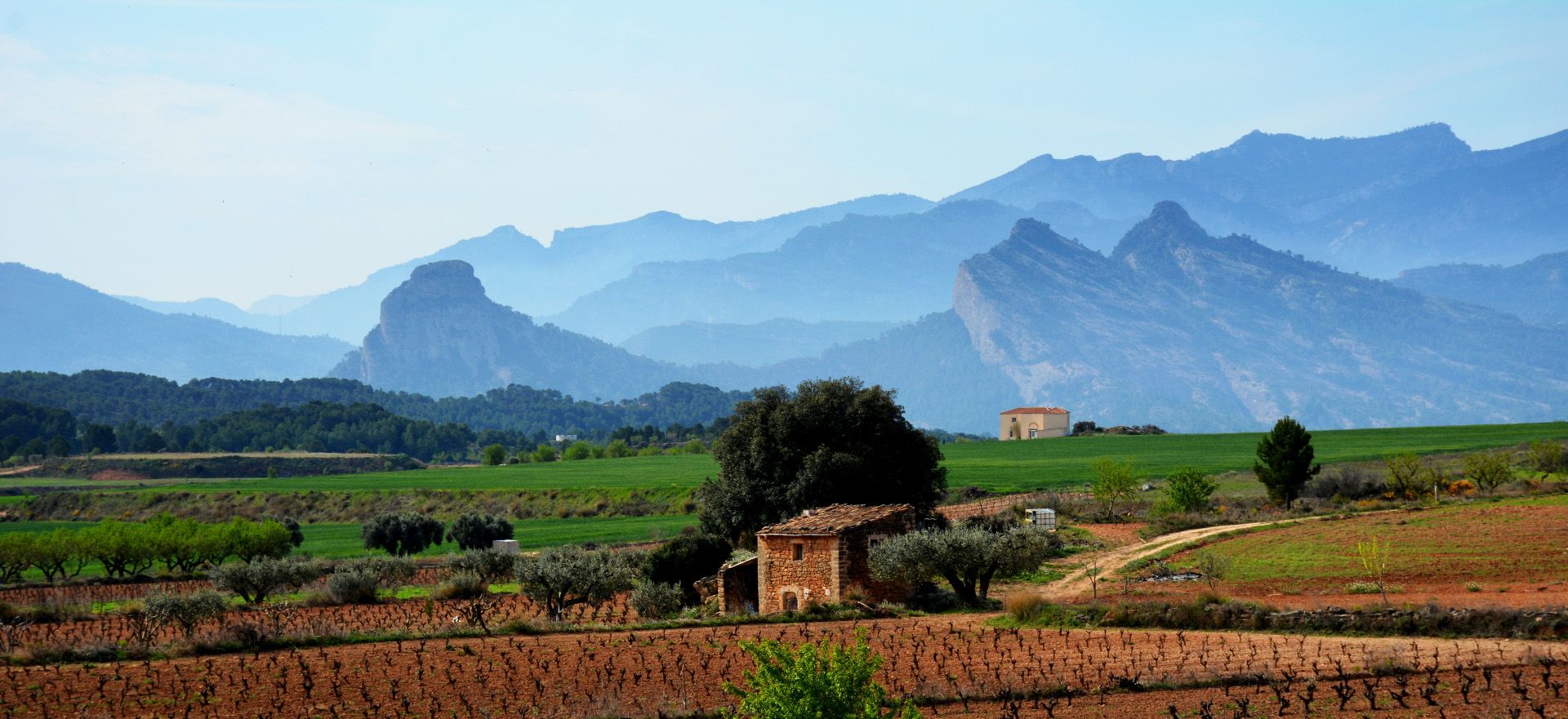
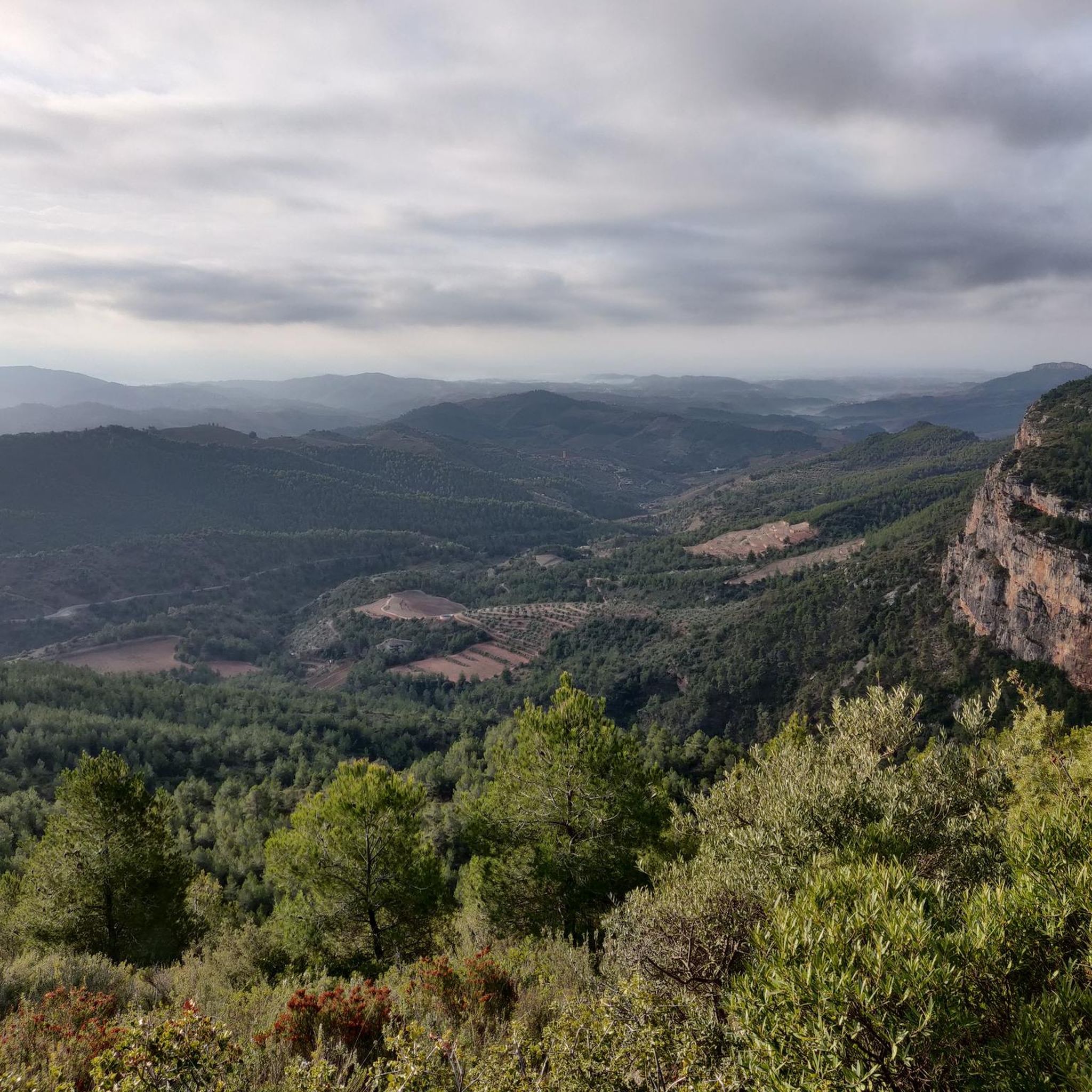
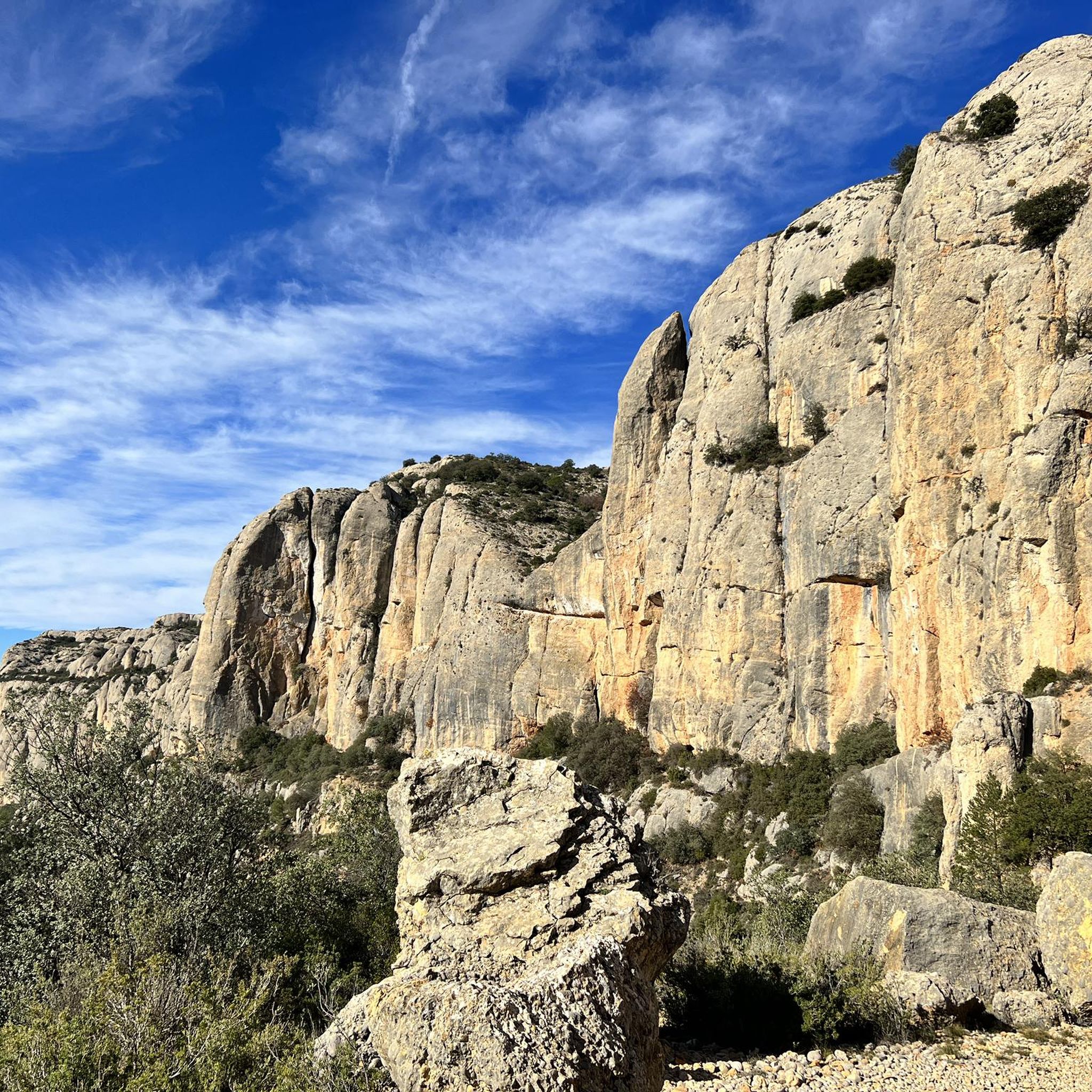
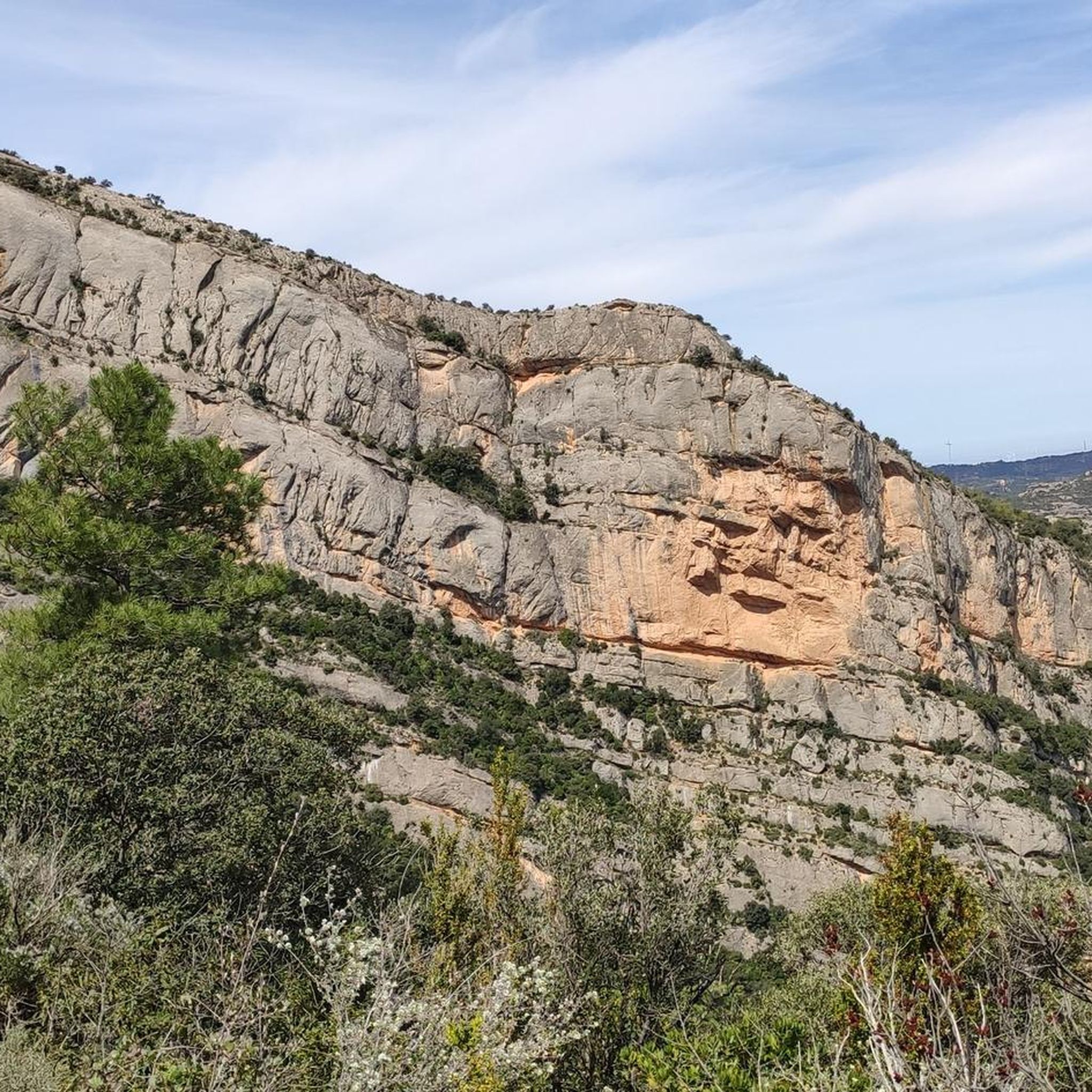
Hiking around La Morera De Montsant offers routes through a rugged and imposing topography, characterized by spectacular rocky walls, deep gorges, and sheer cliffs. The Montsant massif, a block of calcareous conglomerates, features an array of chasms, caves, and grottoes. Hikers will find undulating plains, dry riverbeds, and terraced vineyards, all contributing to the region's diverse landscape.
Best hiking trails around La Morera De Montsant
- The most popular hiking route is Grau de la Grallera – La Morera de Montsant…
Last updated: July 22, 2026
4.6
(24)
117
hikers
Moderate hike. Good fitness required. Mostly accessible paths. Sure-footedness required.
4.9
(10)
31
hikers
Easy hike. Great for any fitness level. Easily-accessible paths. Suitable for all skill levels.

Sign up for free
3.7
(3)
24
hikers
Hard hike. Good fitness required. Sure-footedness, sturdy shoes and alpine experience required.
4.5
(2)
21
hikers
Moderate hike. Good fitness required. Mostly accessible paths. Sure-footedness required.
4.3
(4)
17
hikers
Moderate hike. Good fitness required. Easily-accessible paths. Suitable for all skill levels.
Get access to more routes and recommendations from other explorers.
Sign up for free
Already have an account?
Our route recommendations are based on thousands of hikes, rides, and runs completed by other people on komoot.
Start today with a free account
Your next adventure awaits.
Login or Signup

Other adventures around La Morera De Montsant

Tips from the Community


Only one restaurant (closed during the week) and one bar, aptly named "L'unic" (the only one)
0
0
The term "Morera de Montsant" refers to the village of La Morera de Montsant and the Serra de Montsant, located in southeastern Catalonia, in the province of Tarragona. It is a natural park known for its rugged, rocky formations and deep gorges, but also for its tranquil, natural atmosphere. The highest point is the Roca Corbatera (1163 m).
0
0
A monastery founded in the 12th century by French Carthusian monks from Provence, it was the first of its kind on the Iberian Peninsula. The monks chose a unique site for its construction, located at the foot of the Montsant massif, where a shepherd had dreamed of angels ascending to heaven on a ladder leaning against a large pine tree; hence the name Escaladei – "Ladder of God." The Charterhouse existed until 1835 and experienced periods of great splendor. For seven centuries, the monks cultivated the fields, built mills, and taught agricultural techniques and viticulture. The Prior, hence the name of the region, was the judge and administrator of the villages in the center of the present-day district, which roughly corresponds to the present-day Priorat wine-growing area. With the secularization of church property (expropriation) by Mendizábal (1835), the monks were forced to flee suddenly, leaving their cells, cloisters, church, and guesthouse abandoned. Within just two years, the once magnificent Charterhouse was transformed into a pile of rubble, as peasants, tired of feudal servitude, tithes, and subjugation, plundered it. The monastery ruins are open for visits: visitors are guided to the three cloisters, the church, the dining room, and a meticulously reconstructed cell. A visit to the Carthusian Monastery of Escaladei is a must for anyone interested in learning about the origins of the Priorat district. Admission to the monument includes a comprehensive virtual reality experience: "The Eyes of History" – an immersive insight that allows you to discover several key episodes of the Carthusian Monastery of Escaladei through the eyes of a Carthusian monk. This experience is rounded off with a virtual journey back to the 17th century, accompanied by Joaquim Juncosa, the architect of the church's decorations, who will give you an insight into life and art in the monastery at that time. You can also experience the audiovisual installation "The Eternal Silence" in the chapter house. The entire immersive experience is available in Catalan, Spanish, English, and French.
0
0

Nice path to get to to the top. It can be used to go up and down. It does not require climing equipped paths.
0
0

Route through the Montsant following the Camí dels Cartoixants and back through the vineyards between La Vilella Alta and Escaladei. All track with some strong ups and downs but easy enough. We have made it short, but it can be extended until Cabacés and then it is about 40 km.
0
0

Nice corner that invites you to silence and meditation
0
0

The surroundings of the Serra del Montsant natural park are full of terraces of vineyards that nourish Priorat wines. The vines grow in a very particular terrain and environment and the landscape created with the exposed cliffs is charming.
0
0
Frequently Asked Questions
How many hiking trails are available in La Morera De Montsant, and what are their difficulty levels?
The La Morera De Montsant area offers a diverse network of over 28 hiking trails. These include 6 easy routes, 12 moderate routes, and 10 more challenging difficult routes, catering to various fitness levels and preferences.
What kind of natural features and points of interest can I expect to see on hikes around La Morera De Montsant?
Hiking in La Morera De Montsant reveals a dramatic landscape of spectacular rocky walls, deep gorges, and sheer cliffs, characteristic of the Montsant massif. You'll encounter unique geological formations like chasms, caves, and grottoes. Notable peaks such as Roca Corbatera Summit offer expansive views. The region is also known for its terraced vineyards and the scenic Congost de Fraguerau gorge. You might also spot various wildlife, including birds of prey.
Are there any family-friendly hiking options in La Morera De Montsant?
Yes, there are several easy routes suitable for families. A great option is the Escaladei Charterhouse – View of the Montsant Range loop from Cartoixa d'Escaladei, an easy 3.8-mile path that offers scenic views and passes by historical sites without significant elevation gain.
What historical or cultural sites can I visit while hiking in the region?
The region is rich in history. You can explore the evocative ruins of the Scala Dei Charterhouse, the first Carthusian monastery on the Iberian Peninsula, which is often integrated into hiking routes. Additionally, numerous hermitages, such as the 12th-century San Bartomeu hermitage in the Fraguerau gorge, are nestled in stunning natural locations, offering both cultural insight and beautiful scenery.
Are there any circular hiking routes available?
Yes, many trails in La Morera De Montsant are designed as loops, allowing you to start and finish at the same point. For example, the popular Grau de la Grallera – La Morera de Montsant Trail loop from la Morera de Montsant is a moderate 5.7-mile circular route offering dramatic Montsant views. Another option is the more challenging Clot del Cirer – La Morera de Montsant Trail loop from la Morera de Montsant, an 8.9-mile loop through varied terrain.
What do other hikers enjoy most about hiking in La Morera De Montsant?
The area is highly rated by the komoot community, with an average score of 4.5 stars from over 190 reviews. Hikers frequently praise the dramatic and rugged landscapes, the stunning views from the peaks, and the unique blend of natural beauty with historical sites like the Scala Dei Charterhouse. The variety of trails, from easy strolls to challenging climbs, is also a highlight.
Can I find trails with good viewpoints in La Morera De Montsant?
Absolutely. The rugged topography of the Serra de Montsant Natural Park provides numerous opportunities for breathtaking viewpoints. Peaks like Roca Corbatera (1,163 m) offer expansive vistas, including distant glimpses of the Pyrenees and the Mediterranean Sea on clear days. Many routes, such as the Grau de la Grallera – View of La Morera de Montsant loop from la Morera de Montsant, are specifically known for their scenic outlooks.
What is the best time of year to go hiking in La Morera De Montsant?
The Serra de Montsant Natural Park can be enjoyed throughout much of the year. Spring and autumn generally offer the most pleasant hiking conditions with milder temperatures and vibrant landscapes. Summers can be hot, making early morning or late afternoon hikes preferable, while winters are typically mild but can bring cooler temperatures at higher elevations.
Are there any long-distance trails that pass through the area?
Yes, the Serra de Montsant Natural Park is traversed by several long-distance GR trails, including the GR 65-5, GR 171, and GR 174. These trails offer opportunities for multi-day hikes and connect to a wider network of routes across the region.
What wildlife might I encounter while hiking in the Montsant Natural Park?
The park boasts significant biodiversity. You might spot various mammals such as the wild cat, Spanish ibex, weasel, and genet. Birdwatchers can look out for birds of prey like Bonelli's eagle, golden eagle, peregrine falcon, kestrel, and eagle owl. The Montsant River area is particularly rich in reptiles, amphibians, and fish. The park is also home to monumental trees, including the ancient Tejo de la Cueva (Cave Yew).
Are there any less crowded hiking options for a more tranquil experience?
While some routes are popular, the extensive network of trails allows for quieter experiences. Exploring some of the eleven municipal itineraries or the five cultural routes that follow traditional shepherd paths can lead you to more secluded areas. The sheer size and ruggedness of the park mean that it's often possible to find tranquility away from the main hubs.
Most popular routes around La Morera De Montsant
Most popular attractions around La Morera De Montsant

Get inspired with the komoot mobile app


Explore more
Browse the best Hikes in other regions.
