The best road cycling routes around Piloña
4.7
(72)
6,279
riders
19
rides
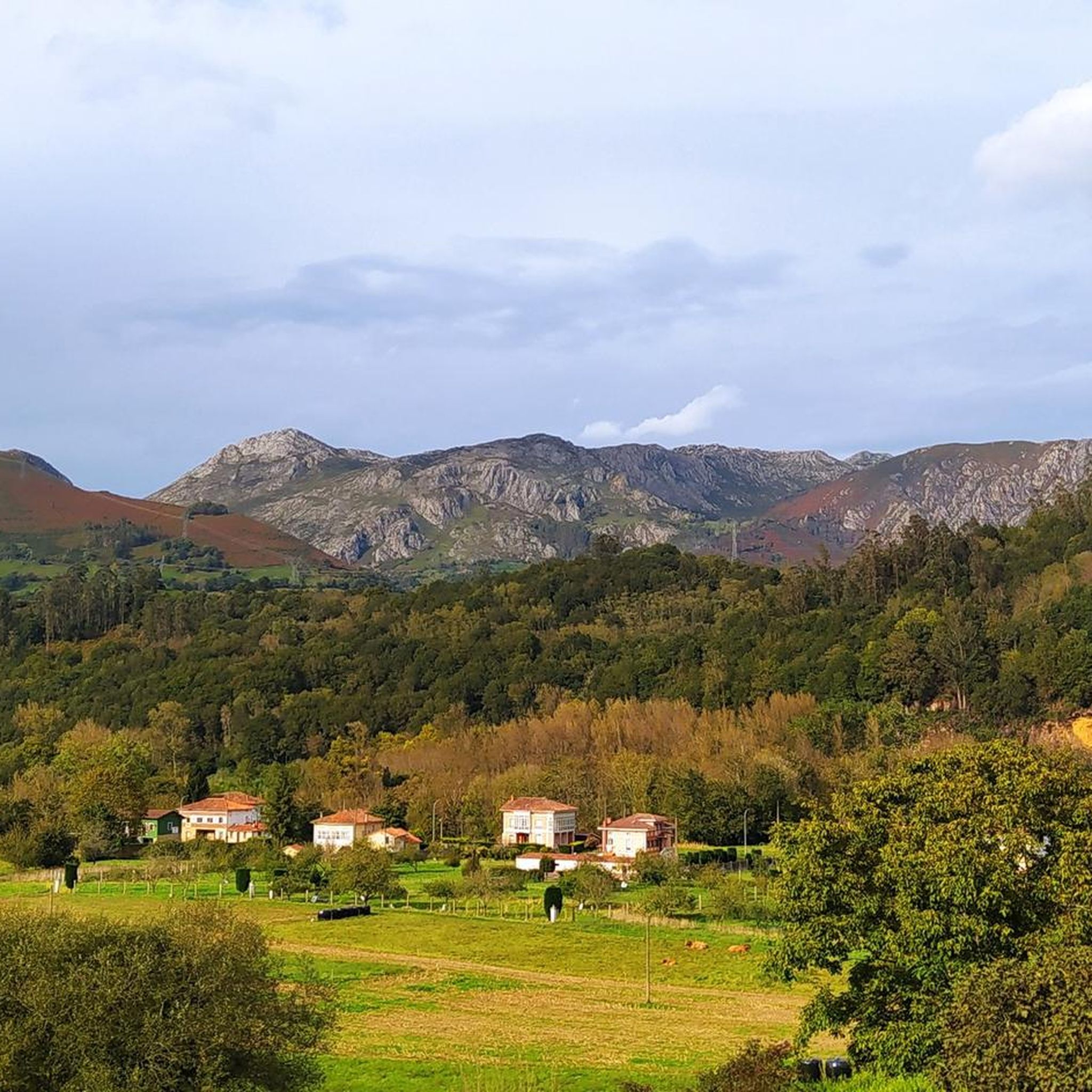
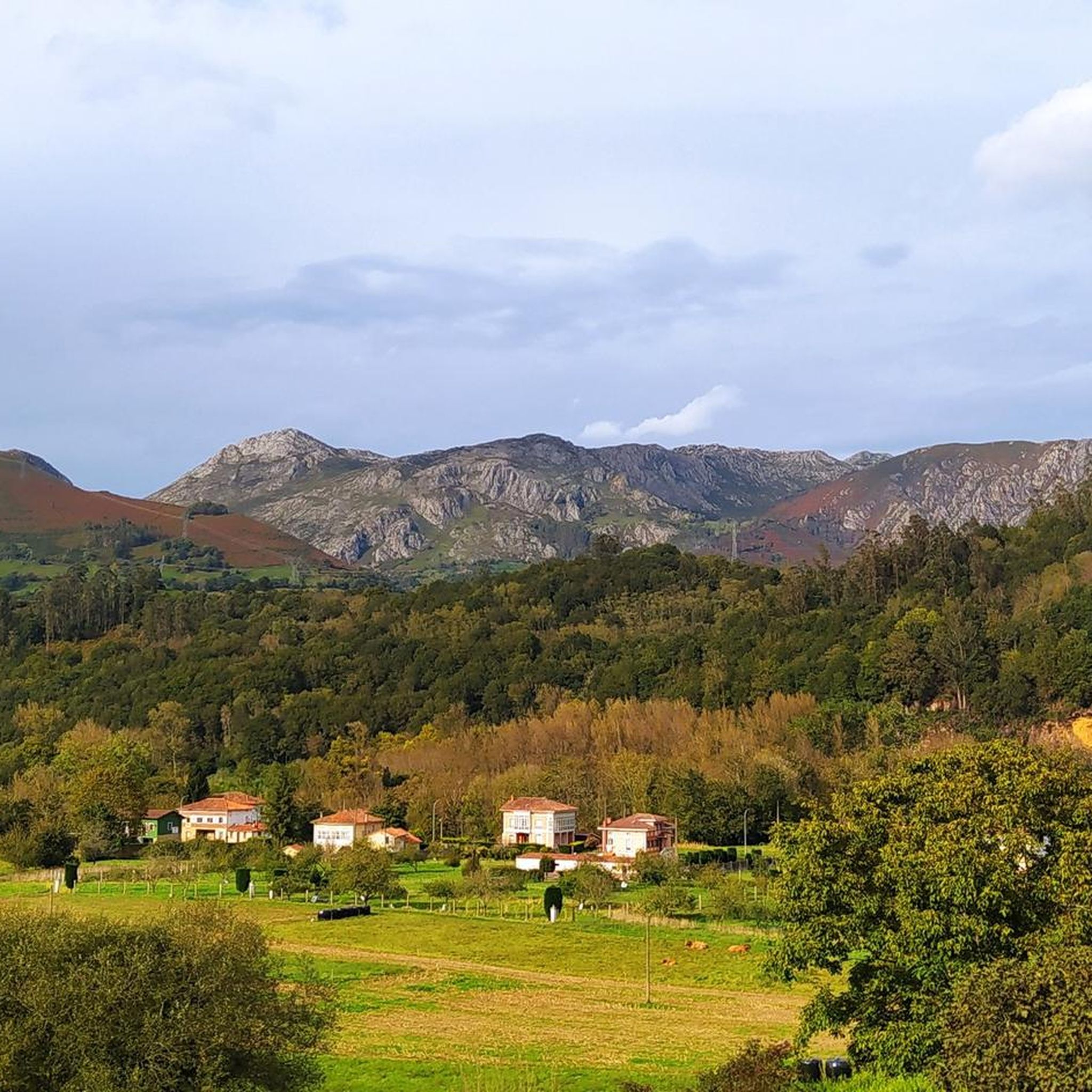
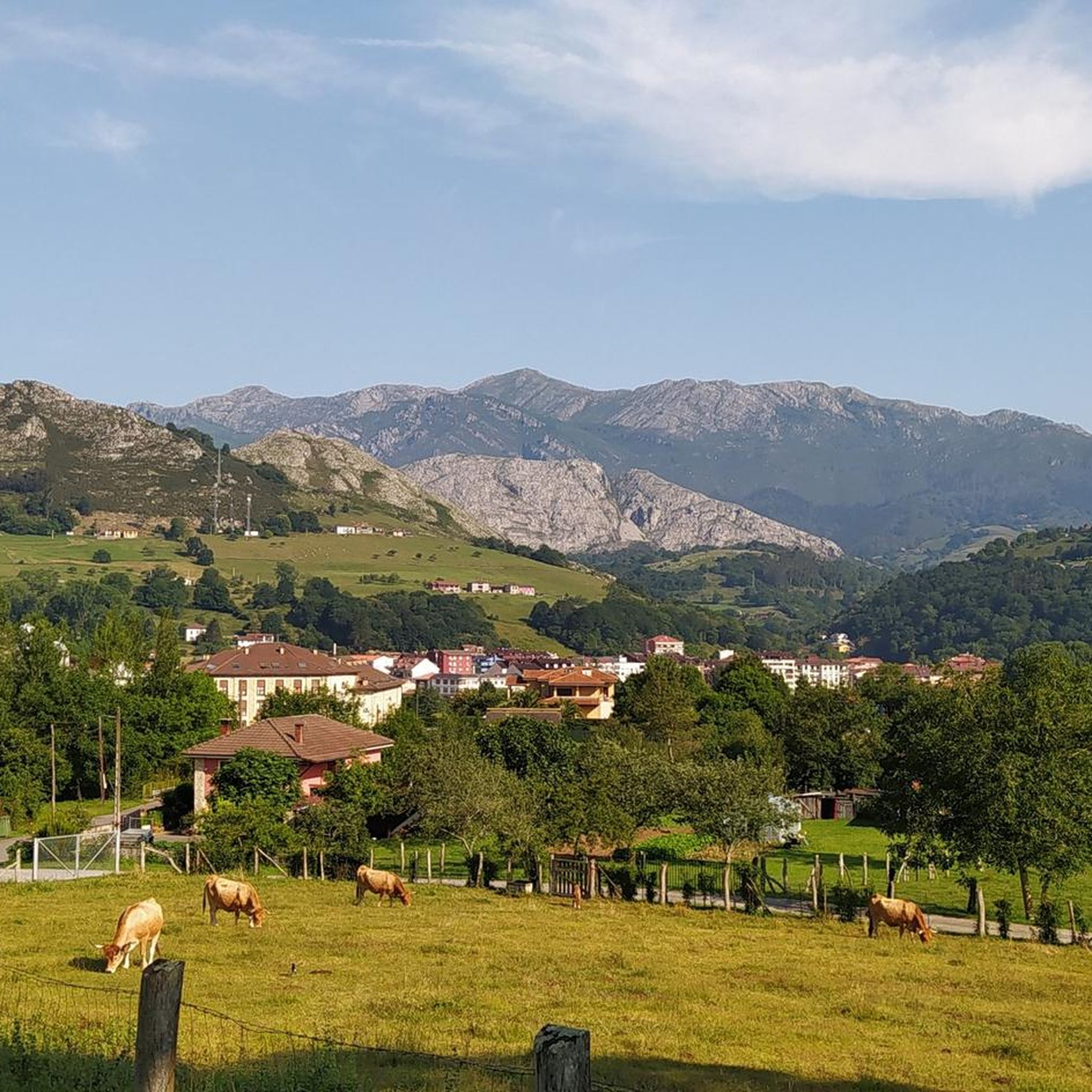
Road cycling around Piloña offers diverse and scenic landscapes, characterized by significant elevation changes and varied terrain. The region features mountainous areas like the Sierra del Sueve and Monte Cayón, alongside picturesque valleys such as the Borines Valley and historic rivers. Road infrastructure includes quiet roads and paved surfaces, providing suitable conditions for road bikes. This topography creates a compelling experience for cyclists seeking both challenging ascents and rewarding descents.
Best road cycling routes around Piloña
- The most popular road cycling route is Medieval Bridge of the Dobra – Dobra Bridge loop from L'Infiestu Apeaderu, a 48.1 miles (77.5 km) trail that takes 3 hours 50 minutes to complete. This difficult route features significant climbs through mountainous terrain.
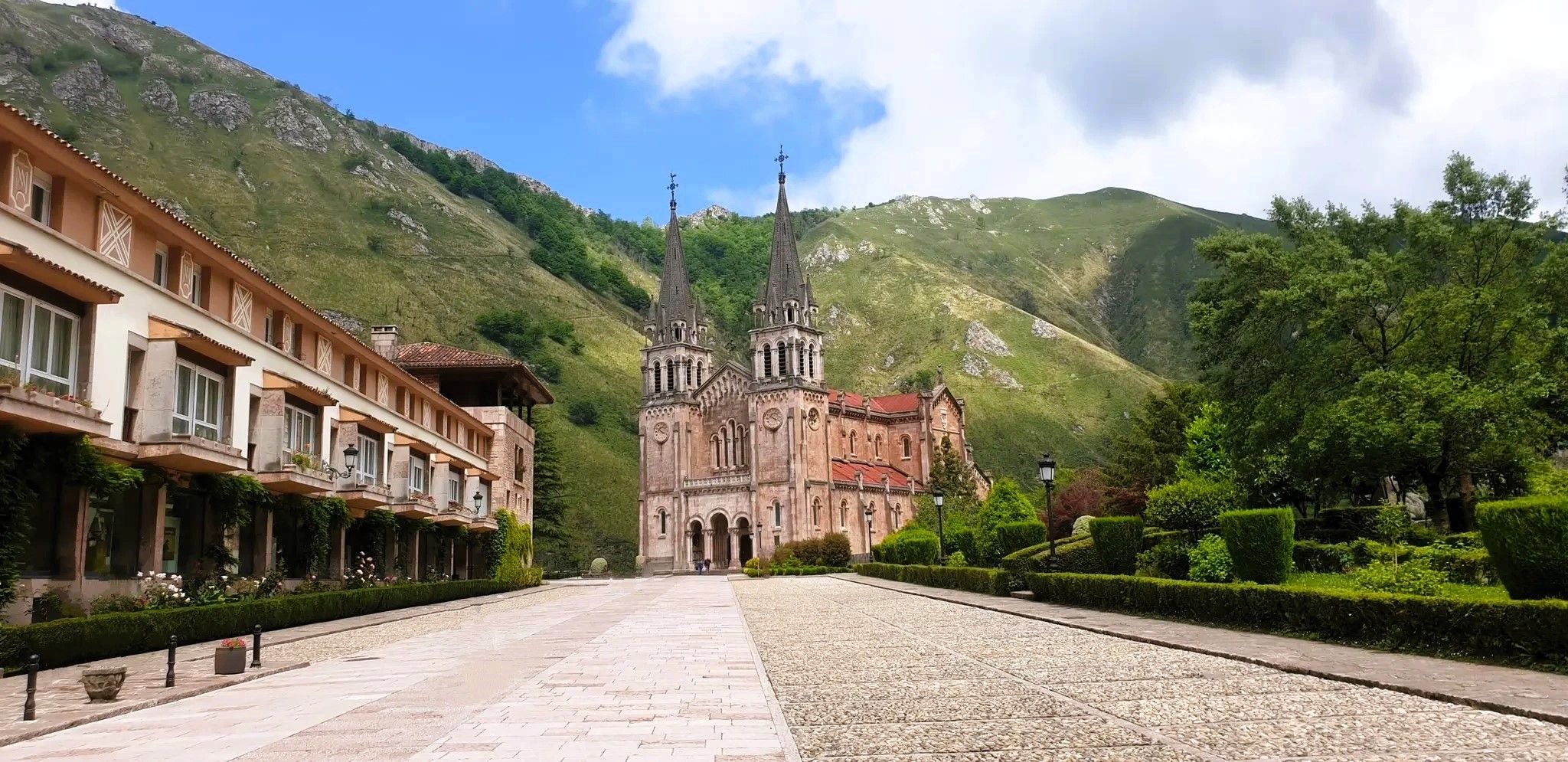
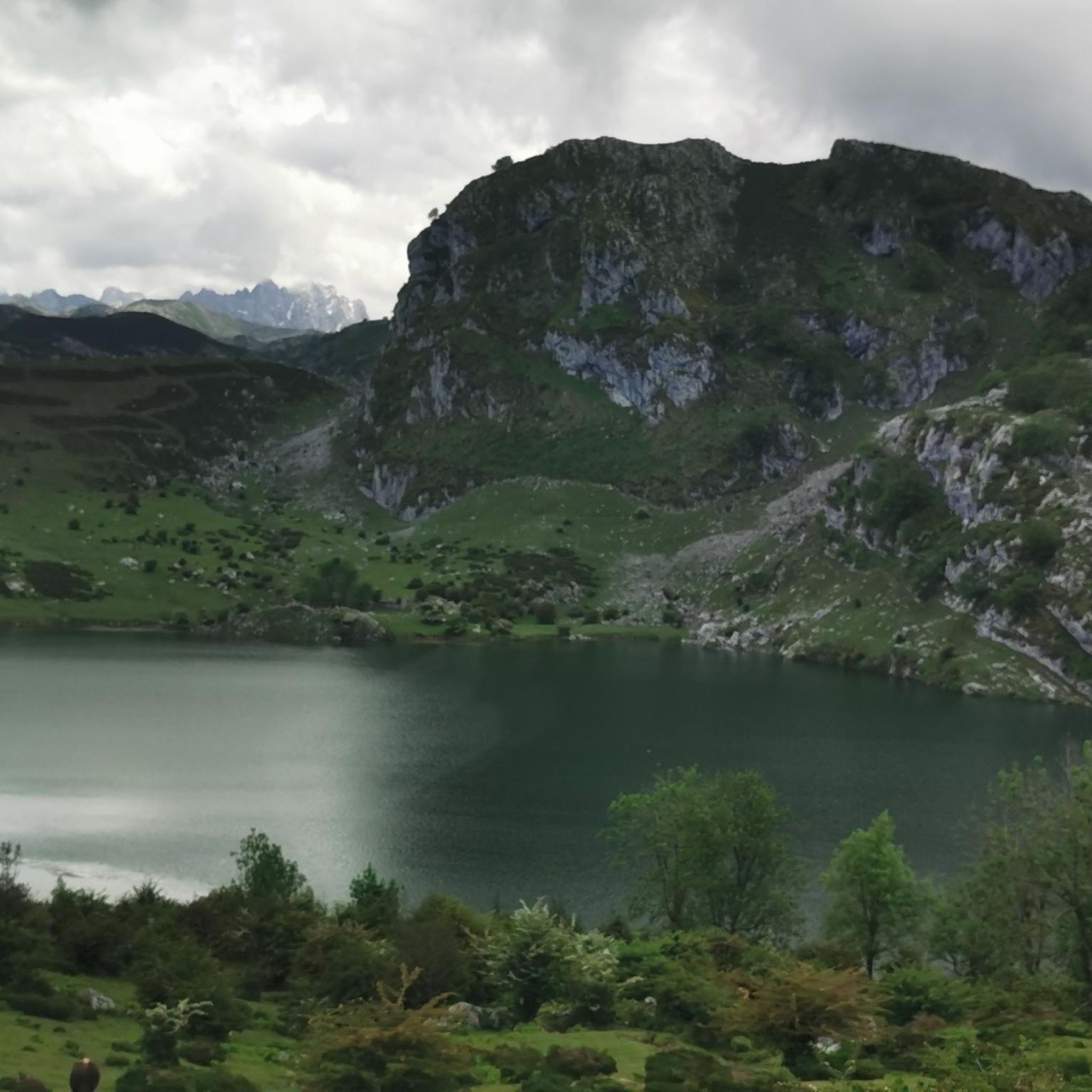
- Another top favourite among local road cyclists is Holy Cave of Covadonga – Queen's Viewpoint loop from L'Infiestu, a difficult 64.1 miles (103.2 km) path. This route offers extensive ascents and panoramic views, including glimpses of the Picos de Europa.
- Local road cyclists also love the Mirador del Fito – Road to Mirador del Fitu loop from L'Infiestu, a 47.2 miles (75.9 km) trail leading through varied landscapes with notable viewpoints, often completed in about 4 hours 1 minute.
- Road cycling around Piloña is defined by mountainous terrain, scenic valleys, and diverse road types. The network offers options for both moderate and difficult ability levels, with routes featuring significant elevation changes.
- The routes in Piloña are highly rated by the komoot community with an average score of 5.0 stars from more than 10 reviews. More than 500 road cyclists have used komoot to explore Piloña's varied terrain.
Last updated: May 8, 2026
5.0
(1)
108
riders
Hard road ride. Very good fitness required. Some segments of this route may be unpaved and difficult to ride.
5.0
(4)
100
riders
103km
05:31
1,960m
1,960m
Hard road ride. Very good fitness required. Mostly well-paved surfaces and easy to ride.

Sign up for free
5.0
(1)
78
riders
75.8km
04:01
1,370m
1,370m
Hard road ride. Very good fitness required. Mostly well-paved surfaces and easy to ride.
5.0
(1)
39
riders
59.3km
02:58
980m
980m
Hard road ride. Very good fitness required. Mostly well-paved surfaces and easy to ride.
41
riders
Moderate road ride. Good fitness required. Mostly well-paved surfaces and easy to ride.
Get access to more routes and recommendations from other explorers.
Sign up for free
Already have an account?
Our route recommendations are based on thousands of hikes, rides, and runs completed by other people on komoot.
Start today with a free account
Your next adventure awaits.
Login or Signup
Popular around Piloña
Unknown Paths of Asturias — GR Pilgrimage Route (105)
The other side of Asturias in Spain – Travesía Andariega (GR 108)
A pilgrimage to the peaks – Camino de los Santuarios
The secrets of the Cantabrian Mountains – GR 109 Asturias Interior
Hiking around Piloña
MTB Trails around Piloña
Cycling around Piloña
Running Trails around Piloña
Gravel biking around Piloña
Other adventures around Piloña


Tips from the Community

The bridge is known as the Roman Bridge of Cangas de Onís and also bears the nicknames „Puente Vieyu” or „Puentón”. It is a very beautiful sight of the Principality of Asturias
0
0
The bridge is known as the Roman Bridge of Cangas de Onís and also bears the nicknames „Puente Vieyu“ or „Puentón“. It is a very beautiful sight of the Principality of Asturias.
0
0
The bridge is known as the Roman Bridge of Cangas de Onís and also bears the nicknames “Puente Vieyu” or “Puentón”. It is a very beautiful sight of the Principality of Asturias.
0
0

10 km pass with a gentle average gradient and a maximum of less than 10%, with spectacular views.
0
0

Puente Dobra was a key crossing point in the Middle Ages between the Castilian plateau and Asturias across the Cantabrian Mountains, via the Arcediano Trail. Today, it is a popular meeting place for bathers seeking to cool off in the turquoise waters of the Sella River during the summer.
1
0
Although it is called Roman, its construction dates back to the High Middle Ages, probably the 13th century. There is a high probability that it was built on earlier Roman foundations. Whatever its date, the Cangas Bridge is one of the most emblematic monuments of Asturias. The river below the bridge is often quite deep, and swimmers can be seen jumping from the surrounding rocks.
1
0
The icon of Asturias, essential photo here
1
0

Frequently Asked Questions
How many road cycling routes are available in Piloña?
Piloña offers a diverse selection of nearly 20 road cycling routes, catering to various skill levels. You'll find options ranging from moderate to difficult, all designed to showcase the region's stunning landscapes.
What kind of terrain can I expect when road cycling in Piloña?
Road cycling in Piloña is characterized by significant elevation changes and varied terrain. You'll encounter mountainous areas like the Sierra del Sueve and Monte Cayón, alongside picturesque valleys such as the Borines Valley. The region's roads are predominantly paved and asphalt, offering a smooth ride through diverse scenery.
Are there routes suitable for beginners or less experienced road cyclists?
While many routes in Piloña feature significant climbs, there are 7 moderate-difficulty routes available. These routes still offer rewarding experiences without the extreme challenges of the more difficult ascents, allowing less experienced cyclists to enjoy the region's beauty.
What makes road cycling in Piloña challenging?
Piloña's road cycling routes are known for their substantial ascents and descents, with 12 routes rated as difficult. For instance, the Holy Cave of Covadonga – Queen's Viewpoint loop from L'Infiestu involves nearly 2,000 meters of elevation gain, providing a demanding yet rewarding experience for seasoned cyclists.
What scenic viewpoints can I discover on a road cycling route in Piloña?
Many routes offer breathtaking panoramic views. The Mirador del Fito – Road to Mirador del Fitu loop from L'Infiestu is specifically designed to lead you to notable viewpoints. Additionally, the Holy Cave of Covadonga – Queen's Viewpoint loop from L'Infiestu provides glimpses of the majestic Picos de Europa.
Are there any unique natural features or landmarks to see while cycling?
Absolutely. You can cycle through areas where Asturcones, a native horse breed, roam freely in the Sierra del Sueve. The Borines Valley is known for its pristine water and historic river. You might also pass by traditional Asturian granaries called 'hórreos' in villages like Espinaredo, or even the unique Les Praeres – Sierra de Peñamayor.
What do other cyclists say about road cycling in Piloña?
The road cycling routes in Piloña are highly rated by the komoot community, with an average score of 5.0 stars from over 10 reviews. More than 500 road cyclists have explored Piloña's varied terrain, often praising the challenging ascents and the stunning natural beauty.
Are there any circular road cycling routes in Piloña?
Yes, all the featured road cycling routes in Piloña are designed as loops, allowing you to start and finish at the same point. Examples include the Medieval Bridge of the Dobra – Dobra Bridge loop from L'Infiestu Apeaderu and the View of Valdediós Monastery – Alto de La Campa loop from Infiesto (FEVE).
Can I access road cycling routes in Piloña using public transport?
Many routes, such as the View of Valdediós Monastery – Alto de La Campa loop from Infiesto (FEVE), start from Infiesto, which has a train station (FEVE). This makes it convenient to reach the starting points of several routes via public transport.
Are there any routes that connect Piloña to other towns or regions?
Piloña serves as an excellent starting point for routes connecting to other parts of Asturias. While specific multi-day routes are not detailed here, the region's connectivity allows for longer cycling adventures towards towns like Pola de Siero, Gijón, or Cangas de Onis, as highlighted by routes like the Cangas de Onís town centre – Views of the Roman bridge loop from L'Infiestu Apeaderu.
What kind of road quality can I expect for road cycling in Piloña?
The region offers a mix of road types suitable for cycling, with a significant portion consisting of quiet roads (around 68%) and general roads (15%). Surfaces are predominantly paved (61%) and asphalt (55%), ensuring a generally smooth and enjoyable ride for road bikes.
Are there any mountain passes I can conquer on a road bike in Piloña?
Yes, Piloña is home to several challenging mountain passes that are popular with road cyclists. You can test your climbing skills on passes like Collada d'Arniciu, Alto de La Faya de Los Lobos, or the demanding Praeres Pass via Fayacaba.
Most popular attractions around Piloña

Get inspired with the komoot mobile app


Explore more
Browse the best Road cycling routes in other regions.
