The best cycling routes around Portaje
4.7
(3)
57
riders
20
rides
Touring cycling routes around Portaje traverse a landscape characterized by river valleys and agricultural plains. The region features moderate elevation changes, with some routes including ascents through rolling terrain. Cycling paths often follow natural watercourses and connect small towns. The area's topography supports a variety of touring cycling experiences, from flatter sections to more challenging climbs.
Best touring cycling routes around Portaje
- The most popular touring cycling route is Cañaveral from Torrejoncillo – circular by the Castillo de Portezuelo and…
Last updated: July 1, 2026
5.0
(1)
7
riders
Hard bike ride. Very good fitness required. Mostly paved surfaces. Suitable for all skill levels.
4.0
(1)
2
riders
25.2km
01:30
180m
180m
Moderate bike ride. Good fitness required. Mostly paved surfaces. Suitable for all skill levels.

Sign up for free
1
riders
58.6km
03:35
390m
390m
Moderate bike ride. Good fitness required. Mostly paved surfaces. Suitable for all skill levels.
3
riders
Moderate bike ride. Good fitness required. Mostly paved surfaces. Suitable for all skill levels.
5.0
(1)
5
riders
20.8km
01:40
110m
110m
Easy bike ride. Great for any fitness level. Mostly paved surfaces. Suitable for all skill levels.
Get access to more routes and recommendations from other explorers.
Sign up for free
Already have an account?
Our route recommendations are based on thousands of hikes, rides, and runs completed by other people on komoot.
Start today with a free account
Your next adventure awaits.
Login or Signup
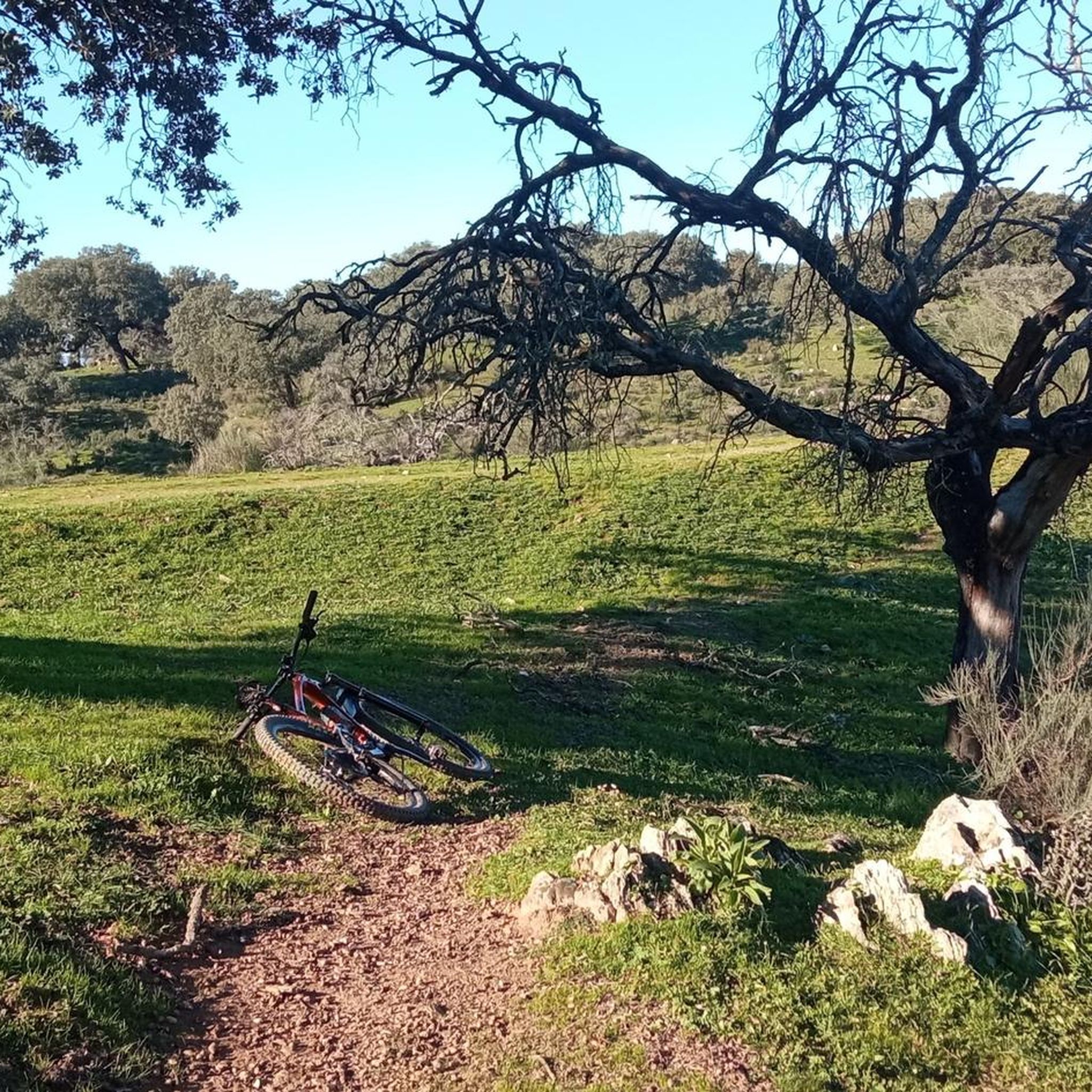
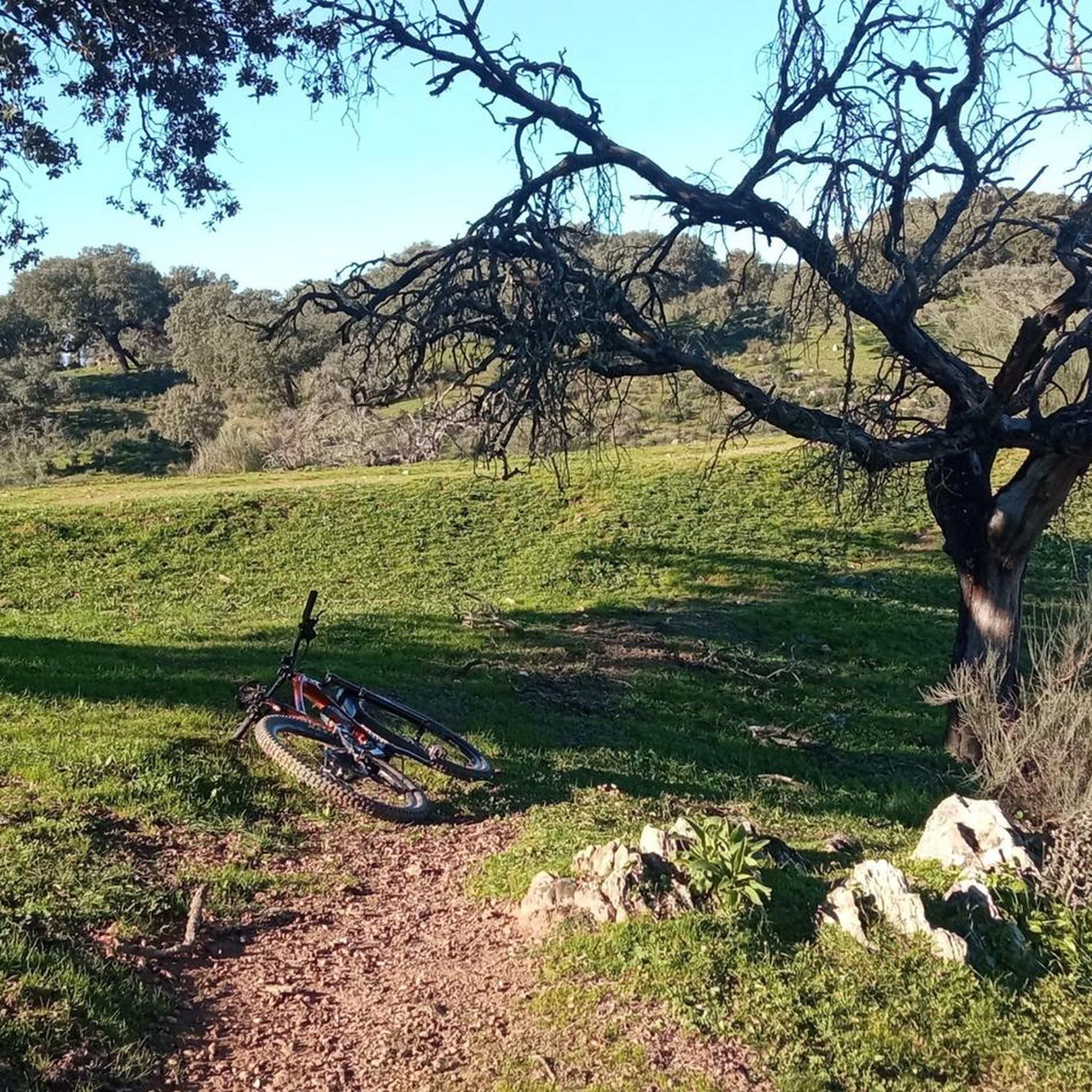
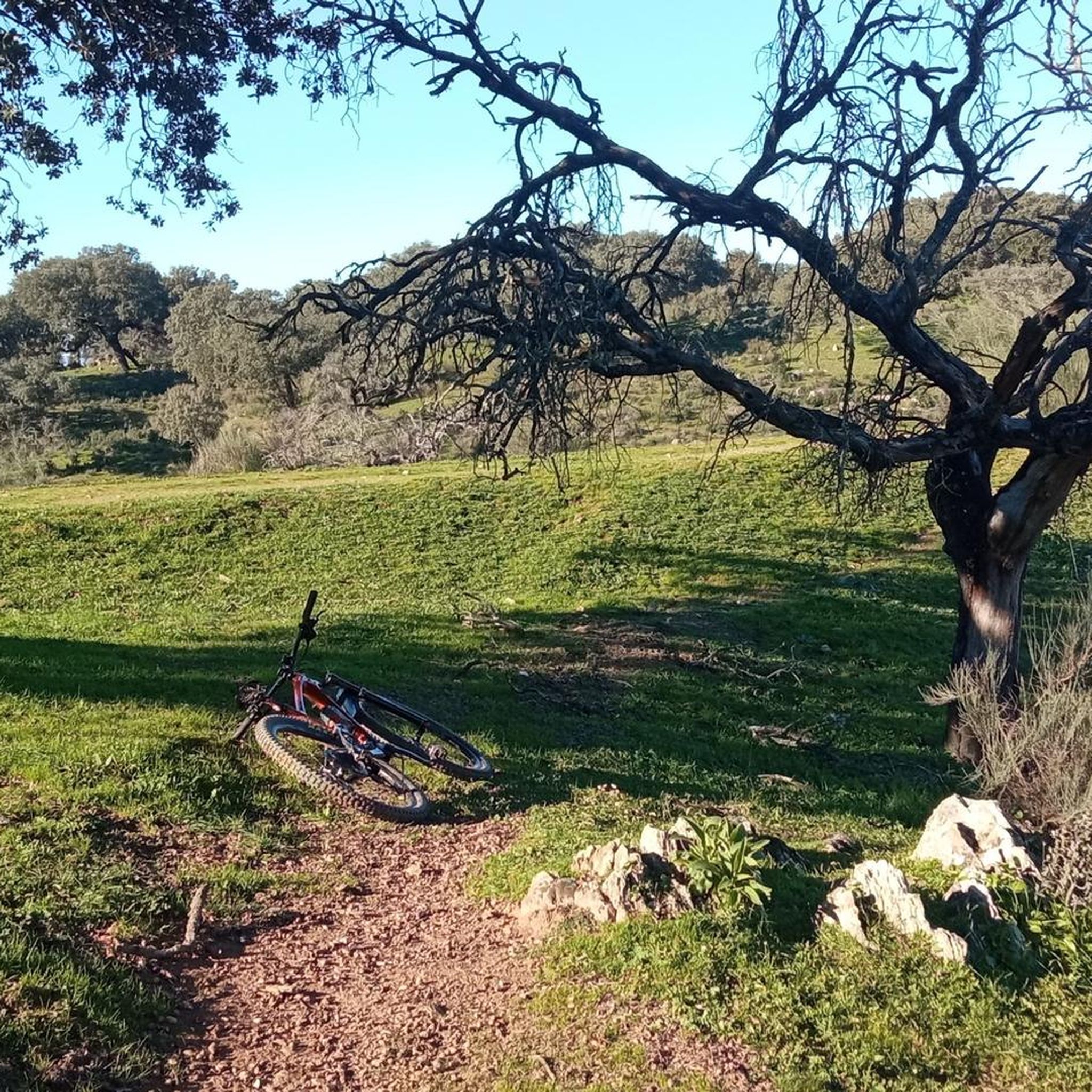
Tips from the Community

Coria Castle is an imposing medieval fortress located in the upper part of Coria's historic center, very close to the Cathedral, and is one of the city's most prominent landmarks. It is integrated into the walled enclosure, forming part of the defensive complex of Roman origin. Main construction: between 1473 and 1478, commissioned by García Álvarez de Toledo, Marquis of Coria and Duke of Alba.
4
0
The Plaza de la Iglesia (Church Square) in Casas de Don Gómez is one of the town's most distinctive spaces. The Church of Casas de Don Gómez (San Gabriel Arcángel) is located in the square. It is an 18th-century Baroque church with a prominent bell tower, groin vaults, and an interior adorned with ornate altarpieces.
3
0
Galisteo Wall, which still completely surrounds the old part of the town, and next to which is the keep known as La Picota, considered the greatest symbol of the municipality.
1
0

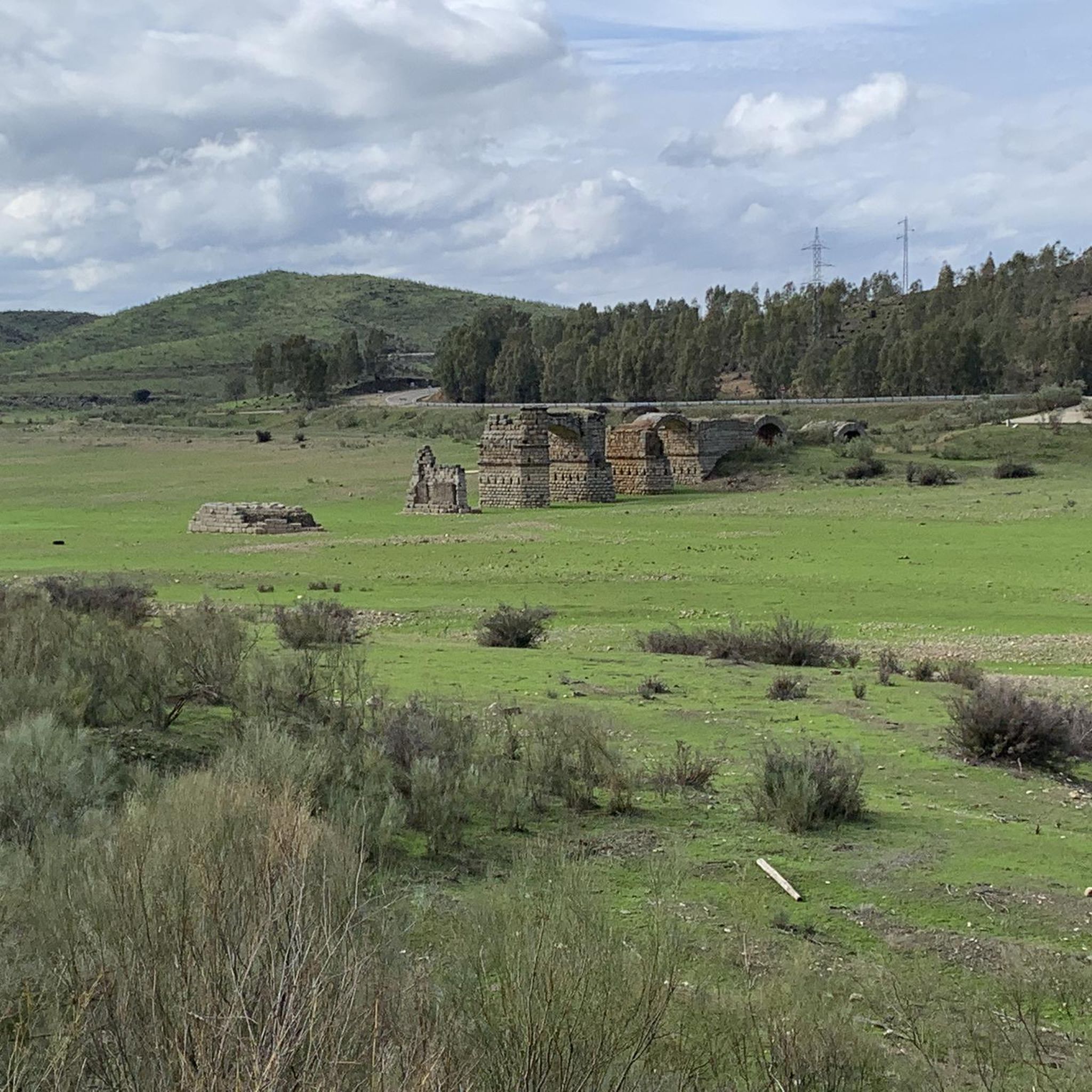
I don't know whose idea it was to restore the northwest tower so badly, a crime in plain sight... Today they are working on the "restoration" of the barbican. Alfonso II, in 877, failed to conquer the fortress of Portezuelo. In the month of July 997, when Almanzor crossed the Alconeter bridge and through Coria and the castle of Portezuelo he reached Santiago of Compostela. Conquered by Ferdinand II of León in 1166 and lost in 96. In 1219 Diego Sánchez, master of Alcántara, took it again: “he left Çamora with a large army against the Moors who still had much of Estremadura belonging to their conquest and the master with his knights and vassals joined the king in the city of Coria. From there the army left together and laid siege to a castle. called Portillo, which were a Sierra not far from Ceclavin. They beat him for combat and captured more than two hundred Moors in it." According to sources, the castle had an Arab and Christian population until 1386.
0
0
Cañaveral is a Spanish town and municipality, located in the province of Cáceres, in the autonomous community of Extremadura. Administratively, it is part of the judicial district of Cáceres and the community of Riberos del Tajo. It is located in the center of the province, north of the Tagus River, near a chain of mountain ranges that extend from the Monfragüe National Park.
2
0
The Iron Bridge in Coria is a beautiful civil work of metal architecture and nineteenth-century modernist design. It was built by the Asturian engineers D. Salvador and D. Próspero Ardura. The bridge stands over the Alagón River, connecting both banks in the City of Coria. Its total length is 178.30 meters, and its deck has a width of 7.78 meters, with a two-way road flanked by two sidewalks.
9
0
The Medieval Bridge of Coria is a historical structure that is located next to the main façade of the Monastery of San Juan Bautista or Corias. Its construction had the objective of connecting the monastery with the town of Corias. Although its foundations are believed to be of Roman origin, the bridge was rebuilt in 1571, as indicated by an inscription preserved on one of the stones of its parapet.
8
0
Founded before the Romans occupied the Iberian Peninsula, Coria was known as Cauria or Caurus. The Romans gave it its current Latin name, CAVRIUM. Later, he was granted Roman citizenship. In the Visigothic era, the Diocese of Coria was created, which maintained Coria as an episcopal see until the 20th century. After the Reconquista, Coria became the capital of a manor to which towns that still bear the name of Coria belonged, such as Guijo de Coria or Casillas de Coria.
8
0
Frequently Asked Questions
How many touring cycling routes are available in Portaje?
There are over 15 touring cycling routes around Portaje, offering a variety of experiences. These routes traverse river valleys and agricultural plains, with options ranging from easy to difficult.
Are there any easy touring cycling routes suitable for beginners in Portaje?
Yes, Portaje offers routes suitable for beginners. An excellent option is the Iron Bridge of Coria – Coria Castle and Cathedral loop from Coria. This easy 20.7 km route takes about 1 hour 40 minutes to complete, offering a gentle introduction to the region's cycling.
What kind of terrain can I expect on touring cycling routes in Portaje?
The touring cycling routes in Portaje are characterized by river valleys and agricultural plains. You'll encounter moderate elevation changes, including some ascents through rolling terrain, and paths that often follow natural watercourses and connect small towns.
Are there any circular touring cycling routes in Portaje?
Many routes in Portaje are circular, allowing you to start and end in the same location. For example, the Casas de Don Gómez from Coria – circular by Casillas de Coria is a moderate 25.2 km loop, and the La Encamisá of Torrejoncillo – Plaza Mayor of Torrejoncillo loop from Torrejoncillo is another moderate 28 km circular option.
What can I see along the touring cycling routes in Portaje?
Along the touring cycling routes in Portaje, you can explore various historical and architectural landmarks. Notable attractions include the Castillo de Portezuelo, the ancient Puente de Alconétar, and the Iron Bridge of Coria. The Medieval Bridge of Coria and the Convent of San Antonio de Padua also offer interesting sights.
What do other touring cyclists enjoy most about cycling in Portaje?
The touring cycling routes in Portaje are highly rated by the komoot community, with an average score of 4.7 stars from 3 reviews. Cyclists often praise the varied terrain, which includes river valleys and agricultural landscapes, offering a diverse and engaging riding experience.
Are there any longer touring cycling routes for experienced riders in Portaje?
Yes, for more experienced riders seeking a longer challenge, the Galisteo from Coria – circular by Valle del río Alagón is a great choice. This moderate route spans 58.6 km and typically takes about 3 hours 35 minutes to complete, leading through the scenic Alagón river valley.
What is the most challenging touring cycling route in Portaje?
For those looking for a significant challenge, the Cañaveral from Torrejoncillo – circular by the Castillo de Portezuelo and the Puente de Alconetar is classified as difficult. This 44 km route includes significant elevation gain and passes by historical structures, making it a rewarding ride for advanced cyclists.
What is the best time of year for touring cycling in Portaje?
While specific seasonal details are not provided, regions with river valleys and agricultural plains often offer pleasant cycling conditions in spring and autumn, when temperatures are milder. Summer can be warm, and winter might bring cooler, potentially wetter, weather.
Are there routes that pass through small towns or villages in Portaje?
Yes, the cycling paths in Portaje are designed to connect small towns, allowing you to experience the local culture and potentially find places for refreshments. The routes often follow natural watercourses, linking these communities.
How long do touring cycling routes in Portaje typically take to complete?
The duration of touring cycling routes in Portaje varies depending on the distance and difficulty. For instance, an easy 20.7 km route might take around 1 hour 40 minutes, while a moderate 58.6 km route could take about 3 hours 35 minutes. Difficult routes with significant elevation will naturally take longer.
Most popular attractions around Portaje

Get inspired with the komoot mobile app


Explore more
Browse the best Cycling routes in other regions.
