Attractions and Places To See around Alquerías Del Niño Perdido - Top 20
Best attractions and places to see around Alquerías Del Niño Perdido include a blend of historical landmarks, cultural sites, and natural features. This town in Castellón is characterized by extensive orange groves, providing a serene landscape. Visitors can explore architectural features and natural points of interest within a coastal plain setting. The area offers opportunities for rural and nature tourism.
Best attractions and places to see around Alquerías Del Niño Perdido
- The most popular attractions is Peñas Aragonesas, a…
Last updated: July 20, 2026
Peñas Aragonesas
Highlight • Natural Monument
Translated by Google •
Tip by

Hermitage of Santa Quiteria and Medieval Bridge of Almassora
Highlight • Religious Site
It is built next to a river cave, on the banks of the only bridge that then crossed the Mijares, in the place where, according …
Translated by Google •
Tip by

Sign up now to discover places like this
Get recommendations on the best single tracks, peaks, & plenty of other exciting outdoor places.
Sign up for free
Pic de la Font de Cabres
Highlight • Summit
Translated by Google •
Tip by

L'Arquet of the Rambla
Highlight • Bridge
Translated by Google •
Tip by

Torrelló del Boverot archaeological site
Highlight • Historical Site
Translated by Google •
Tip by

Sign up for free to discover even more attractions around Alquerías Del Niño Perdido.
Sign up for free
Already have an account?
Start today with a free account
Your next adventure awaits.
Login or Signup
Popular around Alquerías Del Niño Perdido

Tips from the Community

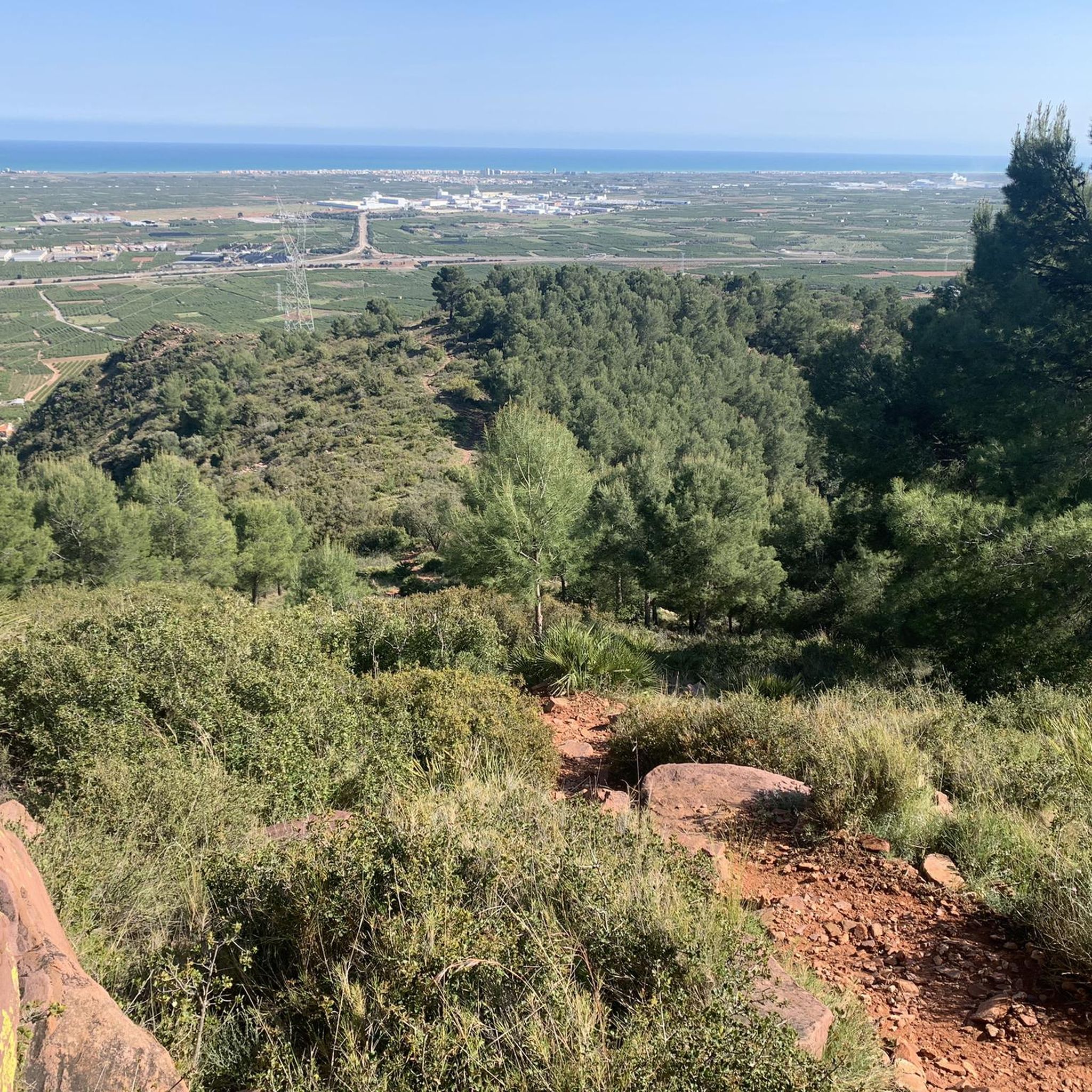
A beautiful spot between Artana and Onda that is worth visiting. The path is in good condition and runs through beautiful forests with the Peñas Altas in the background.
0
0

L'Arquet is an emblematic arch with a controversial origin (some say it is Roman and others, Arab). Through here the water was transported to the Molinet de Castro, which no longer exists, but was very close.
2
1

On the previous climb, there is a moment where you have to go over a cable with a no entry sign, but that is because there are bee hives, they are quite far from the path.
1
0

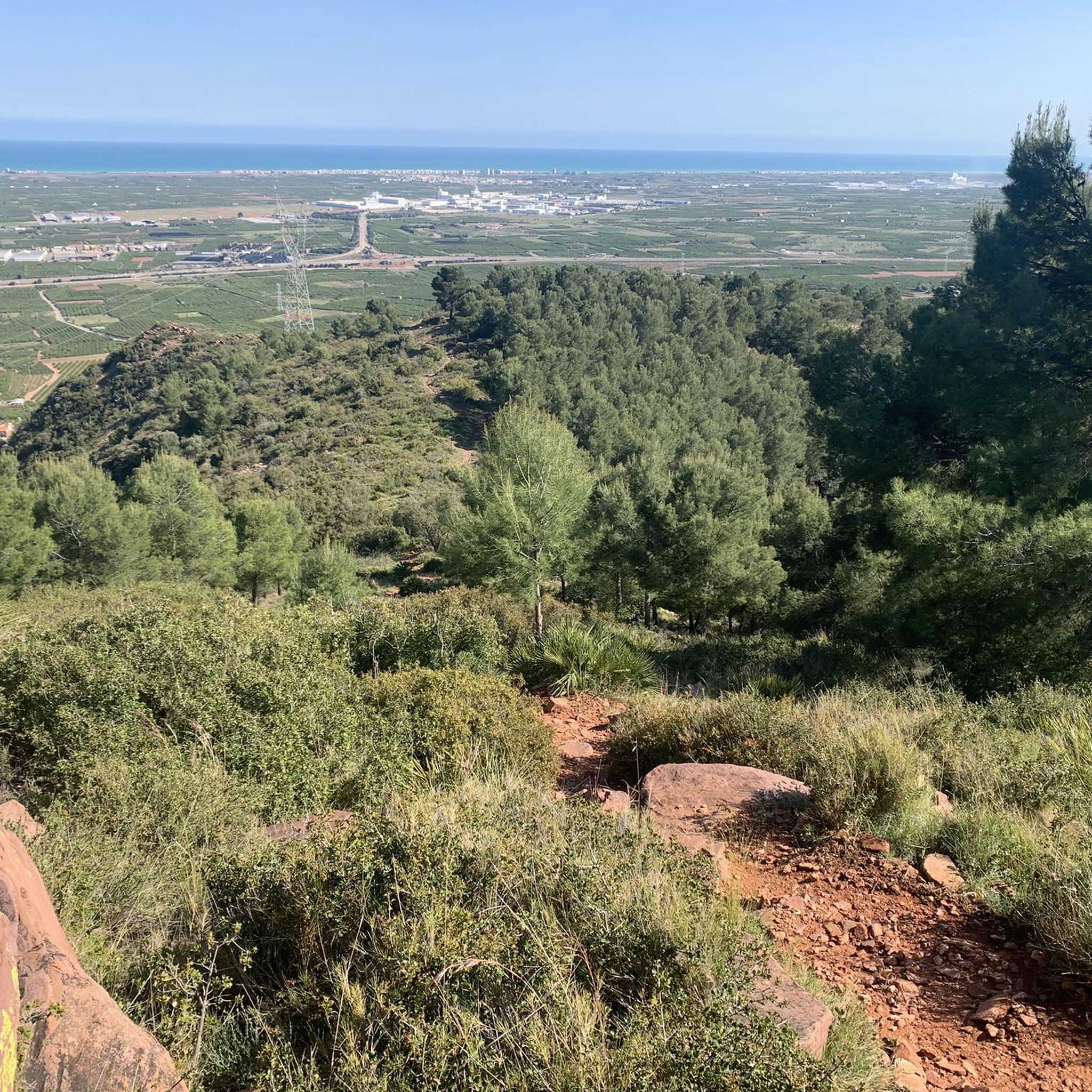
The path leads us along the red rocks to the Pic de la Font de Cabres. Sure-footedness and a head for heights are required.
6
0
L'Arquet is an arch of disputed origin (some sources date it back to Roman times, while others attribute it to the Arab people) through which water was channeled from a pond at the entrance to the ravine to transport it to the Molinet de Castro, a flour mill downstream, currently disappeared, on the other side of the Belcaire river. This symbol of the town is part of a series of arches and bridges visible along the river. It indicates the great importance of the irrigation systems for the economy of Alfondeguilla.
7
0

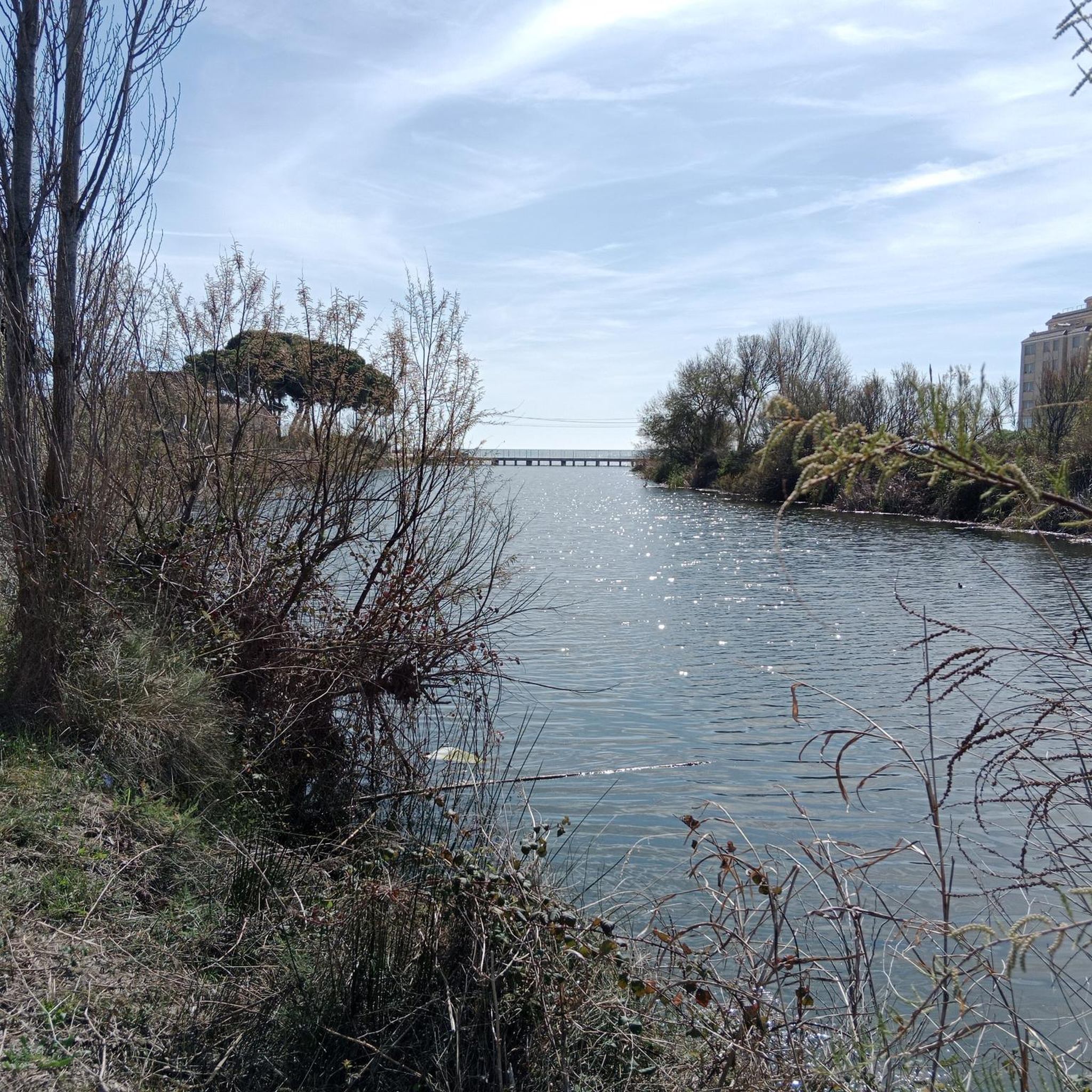
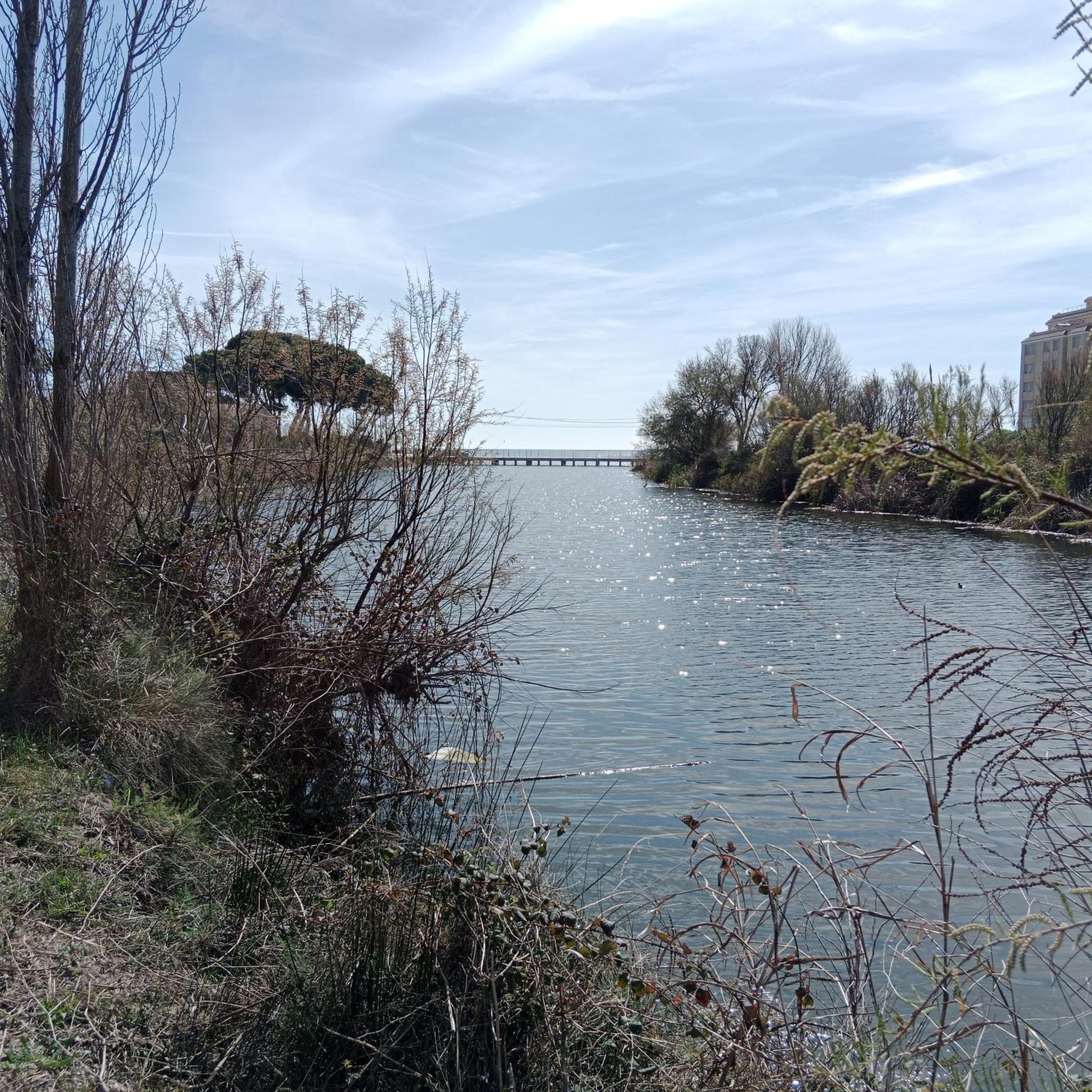
The Hermitage of Santa Quiteria It is built next to a river cave, on the banks of the only bridge that then crossed the Mijares, in the place where, according to tradition, a shepherd found an image of the saint. There are indications that lead to an existence long before these dates. As it is a contract from 1330, the current hermitage was built from 1683, on the remains of an older medieval hermitage. This bridge is the place where the Vía Augusta and the Camí Vell from Onda to Castellón passed, it is a civil work of great importance not only because it is contemporary with King Jaime I, but also because it represents a unique example of a Gothic bridge in the Community Valencian. It was Pere Dahera, who built it in the 13th century by authorization from James I on April 18, 1275. One of the frequent floods destroyed it in 1581 and during its reconstruction a cross was placed in the middle of the bridge that was destroyed by a lightning in 1652, a curious fact that was reflected in an inscription that can still be read today on the base of the stone. "In the year 1692, lightning struck here on June 1 and hit this cross"
3
0

Nice place to disconnect. From the top there are impressive views, although to go up you have to be moderately prepared (and not have vertigo). A place worth visiting, both from the viewpoint below and from the rocky ledges at the top.
1
0
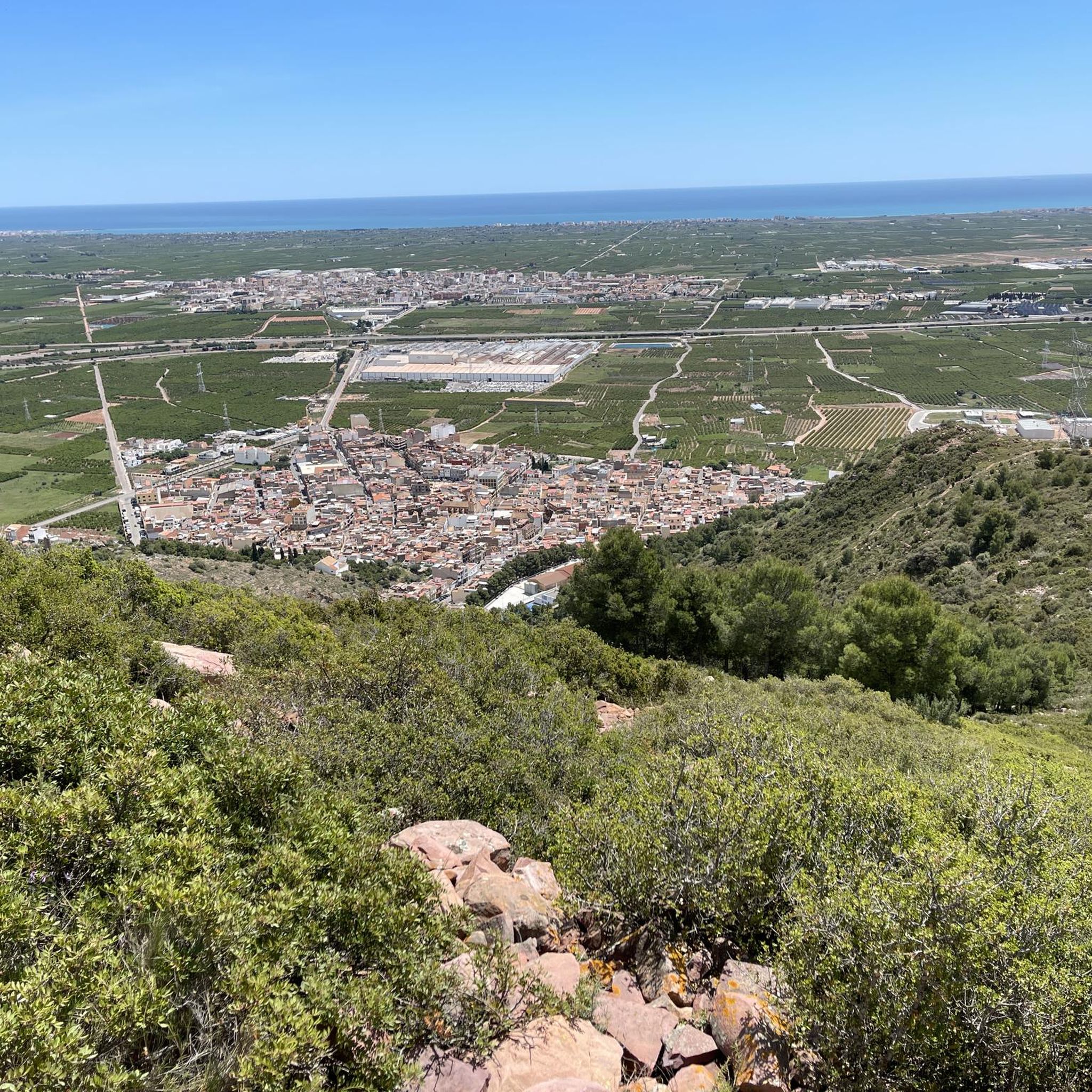
Place with unbeatable views of the Castellón plain.
0
1
Frequently Asked Questions
What natural features can I explore around Alquerías del Niño Perdido?
The landscape is dominated by vast orange groves, offering a tranquil setting for strolls. You can also explore the unique coastal plains, which are ideal for rural and nature tourism. For a more rugged experience, visit Peñas Aragonesas, a natural monument featuring striking pyramidal rock formations and immense red sandstone cuts.
Are there any viewpoints offering panoramic scenery in the area?
Yes, for breathtaking views, head to Pic de la Font de Cabres. From its 570 meters above sea level, you'll get impressive panoramic views of the coast and the valleys of the Plana Baixa. Another option is a hike through the orange groves to Muntanyeta de Sant Antoni in Betxí, which also provides spectacular views from its low mountain perch.
What historical sites can I visit in Alquerías del Niño Perdido?
The town offers several historical and cultural sites. You can visit the early 20th-century Parish Church of Nuestra Señora del Niño Perdido, the Art Nouveau Town Hall in Plaza Mayor, and the unique La Palmera Building, a former school. The Hermitage of Santa Quiteria and Medieval Bridge of Almassora is a significant 13th-century Gothic bridge and hermitage nearby. Don't miss the L'Arquet of the Rambla, an emblematic arch of disputed Roman or Arab origin that once transported water.
Are there any ancient structures or archaeological sites nearby?
Yes, the Torrelló del Boverot archaeological site in Almassora is a notable settlement with remains dating back to the Bronze Age (around 1000 BC). It features superimposed urban structures, including an Iberian street and protective walls. The L'Arquet of the Rambla is also considered an ancient structure, possibly Roman or Arab.
What kind of hiking trails are available near Alquerías del Niño Perdido?
You can find a variety of hiking experiences. For example, the route to Pic de la Font de Cabres is picturesque, with some technical sections assisted by chains and ropes. An easier option is hiking through the orange groves to Muntanyeta de Sant Antoni in Betxí. For more detailed routes, you can explore the MTB Trails around Alquerías Del Niño Perdido guide, which also includes some paths suitable for hiking.
What outdoor activities can I do near these attractions?
The region is excellent for various outdoor activities. You can enjoy cycling through the orange groves, with many routes available. For more adventurous rides, explore the Gravel biking around Alquerías Del Niño Perdido guide or the MTB Trails around Alquerías Del Niño Perdido guide. There are also dedicated Cycling guides for the area.
Are there any family-friendly activities or attractions?
The vast orange groves provide a serene and safe environment for family strolls and enjoying nature. Exploring the historical sites like the Parish Church or the Town Hall can also be an educational outing. The relatively flat coastal plains are suitable for easy walks or bike rides with children.
What is the best time to visit Alquerías del Niño Perdido for outdoor activities?
The Mediterranean climate makes Alquerías del Niño Perdido pleasant for outdoor activities for much of the year. Spring and autumn offer mild temperatures, ideal for hiking and cycling through the orange groves. Summers can be warm, so early mornings or late afternoons are best for activities during this season.
What is the Torre de la Regenta?
The Torre de la Regenta, also known as Masía Torre de la Regenta, is a fortified farmhouse nestled within the orange groves. It is considered a historical monument with Roman origins, offering a glimpse into the region's ancient past.
What do visitors enjoy most about the attractions around Alquerías del Niño Perdido?
Visitors appreciate the blend of natural beauty, particularly the extensive orange groves, and the historical charm of the town. Highlights like Peñas Aragonesas are noted for their picturesque geological formations, while Pic de la Font de Cabres is loved for its impressive panoramic views. The historical significance of structures like the L'Arquet of the Rambla also captivates many.
Can I find places to eat or stay near the attractions?
Alquerías del Niño Perdido, being a charming town, offers local cafes and restaurants where you can enjoy traditional cuisine. While specific accommodation details are not provided here, you can find options within the town or in nearby larger towns in the Castellón province, which are well-connected.
Most popular routes around Alquerías Del Niño Perdido
Most popular attractions around Alquerías Del Niño Perdido

Get inspired with the komoot mobile app


Explore more
Still not found the Highlight you’re looking for? See guides of the top attractions in other regions:
