The best walks and hikes around Almansa
4.8
(13)
198
hikers
45
hikes
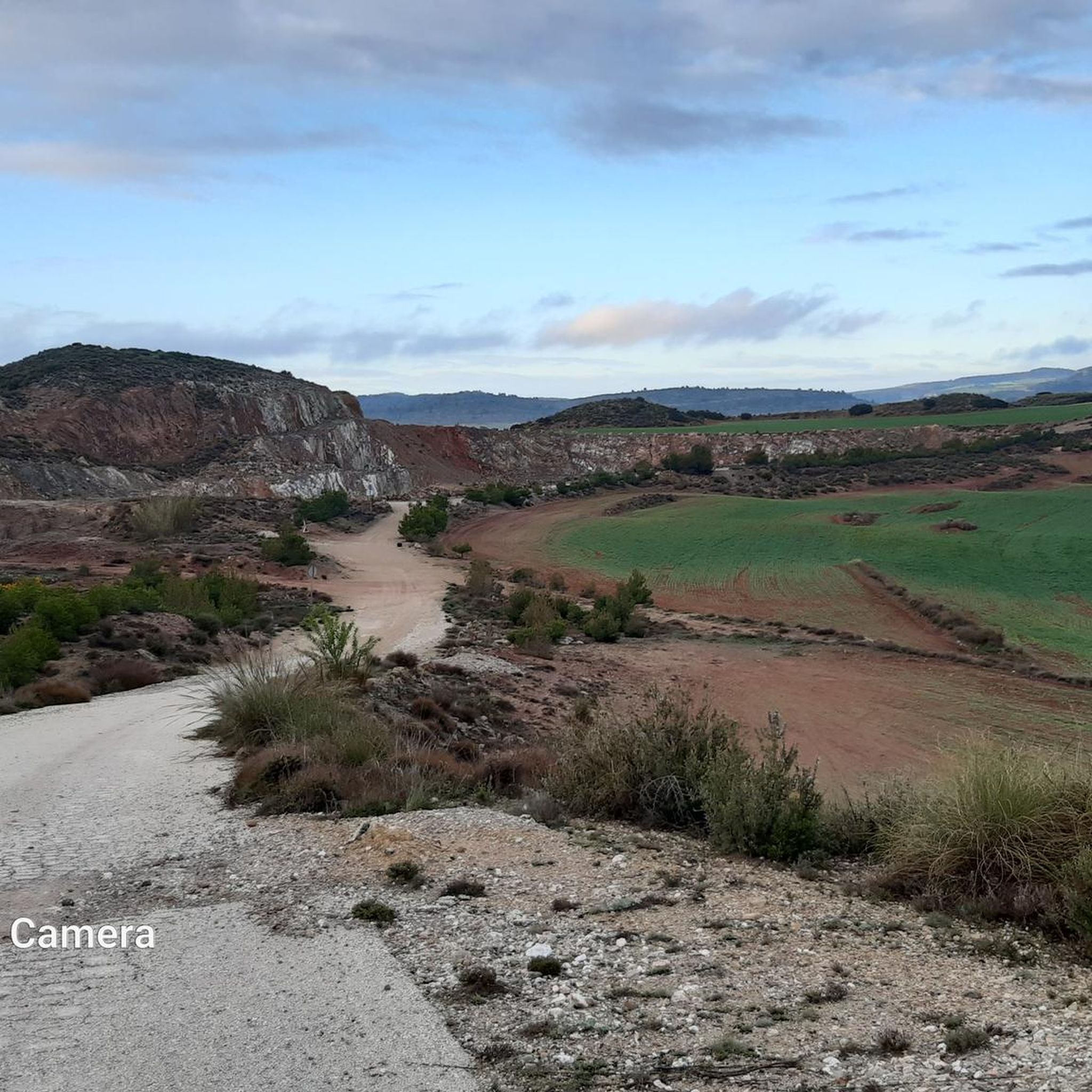
Hiking around Almansa offers diverse natural landscapes, characterized by mountain ranges, extensive pine forests, and the historic Almansa Reservoir. The region features varied terrain, including limestone formations in the Sierra del Mugrón and wooded pastures with holm oaks. Trails often follow riverbanks, pass by historic mills, and ascend to viewpoints offering expansive vistas. This area provides a range of hiking experiences across its distinct natural features.
Best hiking trails around Almansa
- The most popular hiking route is Pantano de Almansa — circular, a 6.9 miles (11.1 km) trail that takes 2 hours 56 minutes to complete. This route offers views of one of Europe's oldest dams and the surrounding reservoir.
- Another top favourite among local hikers is Sierra de Oliva Circular Trail, a moderate 8.6 miles (13.9 km) path. This trail leads through the Sierra de Oliva, ascending to the Hermitage of Santa Bárbara, which provides panoramic views.
- Local hikers also love the Rambla de los Molinos Loop, a 7.5 miles (12.0 km) trail leading through riverbank groves and past historic mills, often completed in about 3 hours 11 minutes.
- Hiking around Almansa is defined by reservoir paths, mountain ascents, and forested ramblas, with options available for various ability levels.
- The routes in Almansa are highly rated by the komoot community with an average score of 4.8 stars from over 13 reviews. More than 200 hikers have used komoot to explore Almansa's varied terrain.
Last updated: May 10, 2026
5.0
(2)
15
hikers
11.1km
02:57
110m
110m
Moderate hike. Good fitness required. Mostly accessible paths. Sure-footedness required.
1
hikers
7.22km
01:53
50m
50m
Hike the easy 4.5-mile Agua Viva Trail around Embalse de Almansa, enjoying reservoir views and a unique floating walkway.

Sign up for free
3.0
(1)
1
hikers
12.0km
03:11
140m
140m
Hike the moderate 7.5-mile La Rambla de Los Molinos circular trail from Almansa, exploring historic mills and a refreshing riverbank grove.
13.9km
04:09
430m
440m
This moderate 8.6-mile circular hike from Fuente de Olula to Ermita Santa Bárbara offers views, a cross, and a religious building.
1
hikers
16.0km
04:16
170m
170m
Hike the moderate Ruta Agua Viva in Almansa, Spain, a 9.9-mile loop exploring the Almansa Castle, a floating walkway, and the dam.
Get access to more routes and recommendations from other explorers.
Sign up for free
Already have an account?
Our route recommendations are based on thousands of hikes, rides, and runs completed by other people on komoot.
Start today with a free account
Your next adventure awaits.
Login or Signup


Tips from the Community

The hermitage is a prominent natural viewpoint, offering panoramic views of Caudete, the Vinalopó Valley, and on clear days, even the sea. It forms part of the official PR-AB-50 trail, a well-marked circular route of approximately 13.5 km and moderate difficulty (550 m to 1,153 m elevation gain), which allows hikers to enjoy panoramic views, Mediterranean vegetation, and a nearby historic snow well. The area is popular for hiking, mountain biking, and paragliding, with several notable routes.
4
0
The Hermitage of Santa Bárbara is located on the summit of the Sierra de la Oliva, also known as the Sierra Santa Bárbara, at an altitude of approximately 1,153 meters, about 5 kilometers southeast of Caudete. Built around 1580 at the initiative of the people of Caudete, following a period of severe storms with hail, the mountain peak was chosen as a place of spiritual protection, with the trust that Santa Bárbara would safeguard the crops and the population. Traditionally under the jurisdiction of the parish of Santa Catalina, the hermitage is visited every May 1st in a pilgrimage: pilgrims ascend steep paths in homage to the saint's martyrdom, reflecting sacrifice and devotion.
4
0
The Mirador de la Senda del Museo in the Pantano de Almansa is an ideal place to enjoy panoramic views of the swamp and its natural surroundings. This viewing point is part of the Agua Viva project and serves as a resting point for migratory waterfowl. From the viewing point, you can observe a large part of the swamp and enjoy the tranquility of the place. In addition, it has benches to sit on and an explanatory panel that provides information about the fauna and flora of the area.
3
0
The Aquatic Activities Center at the Almansa Reservoir is a perfect place to enjoy various water and outdoor activities, especially during the summer. They offer a variety of options such as paddle surfing, single and double kayaks, guided kayak tours, hiking trails, archery, and more.
2
0
The original construction could have been the work of the Almohads, who often used the rammed earth technique for their defensive buildings. The remains of rammed earth walls in this castle, traditionally attributed to the Almohad period, were actually built during the first decades of Christian rule, at the end of the 13th century or beginning of the 14th century. In the 14th century, Almansa and its fortress were incorporated into the lordship of Villena. Don Juan Manuel took advantage of the previous construction and ordered its walls to be rebuilt.
4
0
This mill uses a canal approximately 2 km long, divided into two sections. One of approximately 1.5 km upstream and another that covers the rest. The canal is four meters wide and reaches seven meters in the last part of the first section, which serves as a dam. The mill has three floors. The walls perpendicular to the canal are made of stone, while the other walls are made of brick, following the typical construction of the area. Furthermore, next to the mill are the outbuildings that once served as housing for the former owners. If you are interested in exploring more, you can also visit Rambla de los Molinos, located in the old flour mill of the same name. It has been rehabilitated as a Nature Classroom and Environmental Interpretation Center. It offers an interesting overview of the socioeconomic, natural and physical environment of the Almansa district. 😊🌄🚶♀️
3
0
The original construction could have been the work of the Almohads, who used to use the rammed earth technique for their defensive buildings. The remains of rammed earth walls in this castle, traditionally attributed to the Almohad period, were actually built during the first decades of Christian rule, at the end of the 13th century or the beginning of the 14th century. In the 14th century, Almansa and its fortress were incorporated into the Villena manor. Don Juan Manuel took advantage of the previous construction and ordered its walls to be rebuilt.
4
0

Perched on a rocky hill, this fortress overlooks Almansa. It was built in the 14th century and remains an important part of the local festivals here.
1
1
Frequently Asked Questions
How many hiking trails are there in Almansa?
There are over 45 hiking trails around Almansa, offering diverse experiences for various skill levels. Among these, 17 are classified as easy, 26 as moderate, and 3 as difficult.
Are there easy hiking trails suitable for beginners or families in Almansa?
Yes, Almansa offers several easy hiking trails perfect for beginners and families. The Agua Viva Trail around the Almansa Reservoir is a great option, featuring a unique floating walkway and picturesque views. The reservoir area generally provides accessible circular paths.
Are there any circular hiking routes in Almansa?
Yes, many of Almansa's trails are circular, allowing you to start and end at the same point. A notable example is the Sierra de Oliva Circular Trail, which offers panoramic views from the Hermitage of Santa Bárbara.
What kind of natural landscapes can I expect to see while hiking in Almansa?
Almansa's hiking trails traverse diverse natural landscapes. You'll encounter extensive pine forests, particularly Aleppo and black pines, alongside rich Mediterranean scrubland. The region also features the historic Almansa Reservoir, the limestone formations of the Sierra del Mugrón, and wooded pastures with holm oaks. Riverbank groves and historic mills are also common sights.
Are there any viewpoints or scenic spots along the hiking trails in Almansa?
Yes, Almansa offers several scenic viewpoints. The Hermitage of Santa Bárbara, accessible via the Sierra de Oliva Circular Trail, provides expansive vistas. The Almansa Reservoir also offers picturesque views, especially from its dam and floating walkway. You can also find the Viewpoint of the Museum Trail and other scenic spots in the Natural Monuments around Almansa.
What historical or natural attractions can I explore near the hiking routes?
Beyond the trails, you can explore several historical and natural attractions. The Castle of Almansa is a prominent landmark. The region also features the ruins of the Picabarajas cave house, and historic mills along routes like the Rambla de los Molinos Loop. The Almansa Reservoir itself is one of Europe's oldest dams, built in 1584.
Is Almansa a good destination for nature observation, especially birds and wildlife?
Absolutely. Almansa is rich in biodiversity, making it ideal for nature observation. The Almansa Reservoir is an important ecological area supporting diverse avifauna. The Sierra del Mugrón is a quiet, isolated area teeming with wildlife, including wildcats, boars, various birds of prey, and migratory birds like great bustards and wood pigeons.
Are there public recreation areas available for rest stops or picnics during hikes?
Yes, Almansa provides several public recreation areas equipped with amenities. Places like Fuente del Escudero, Santuario de Belén, and Olula offer potable water, tables, benches, barbecues, and parking, making them convenient spots for a break or picnic during your outdoor excursions.
What is the best time of year to go hiking in Almansa?
While hiking is enjoyable year-round, spring and autumn generally offer the most pleasant temperatures for exploring Almansa's diverse terrain. Summers can be warm, but the Almansa Reservoir provides opportunities for aquatic activities and refreshing stops. Winters are typically mild.
What do other hikers enjoy most about hiking in Almansa?
The hiking trails in Almansa are highly rated by the komoot community, with an average score of 4.8 stars from over 13 reviews. Hikers often praise the varied terrain, from reservoir paths to mountain ascents and forested ramblas, and the opportunities to discover historical and natural landmarks.
Are there any trails that follow riverbanks or feature water elements?
Yes, the region offers trails that incorporate water elements. The Rambla de los Molinos Loop, for instance, leads through refreshing riverbank groves and past historic mills, including the Molino de la Torre with its 2 km long canal. The Almansa Reservoir also features trails directly alongside the water.
Most popular attractions around Almansa

Get inspired with the komoot mobile app


Explore more
Browse the best Hikes in other regions.
