The best walks and hikes around Quintanaortuño
4.3
(122)
1,073
hikers
41
hikes
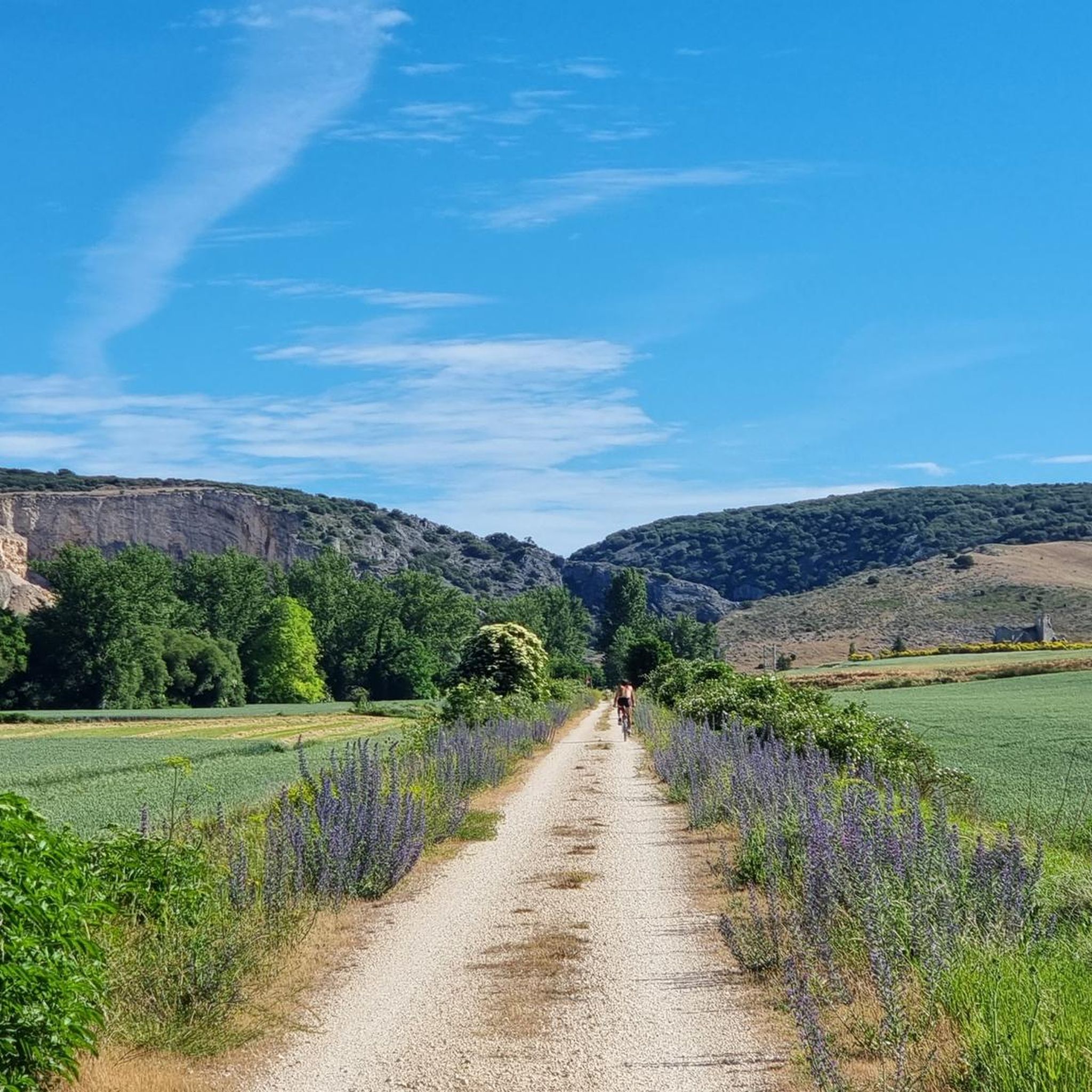
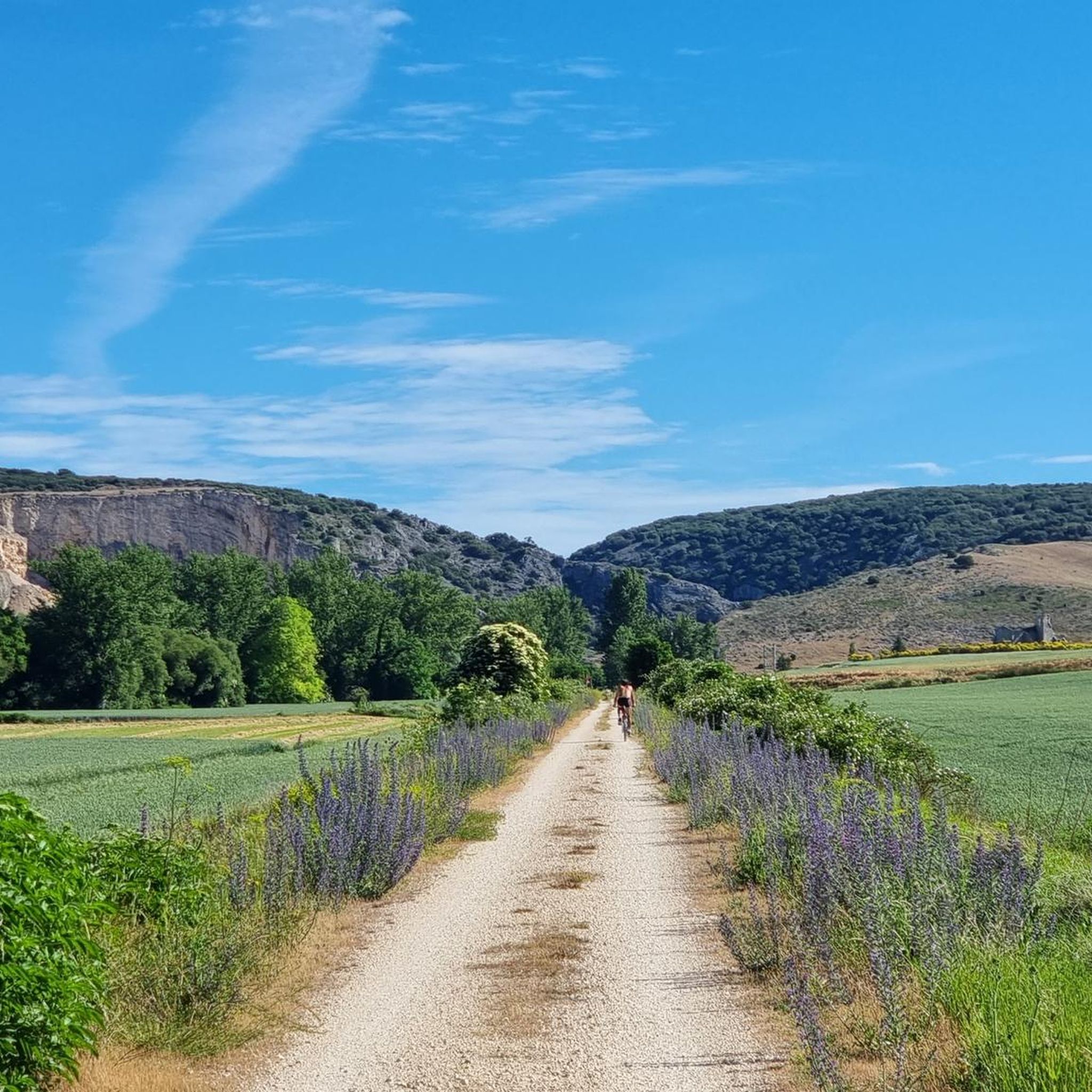
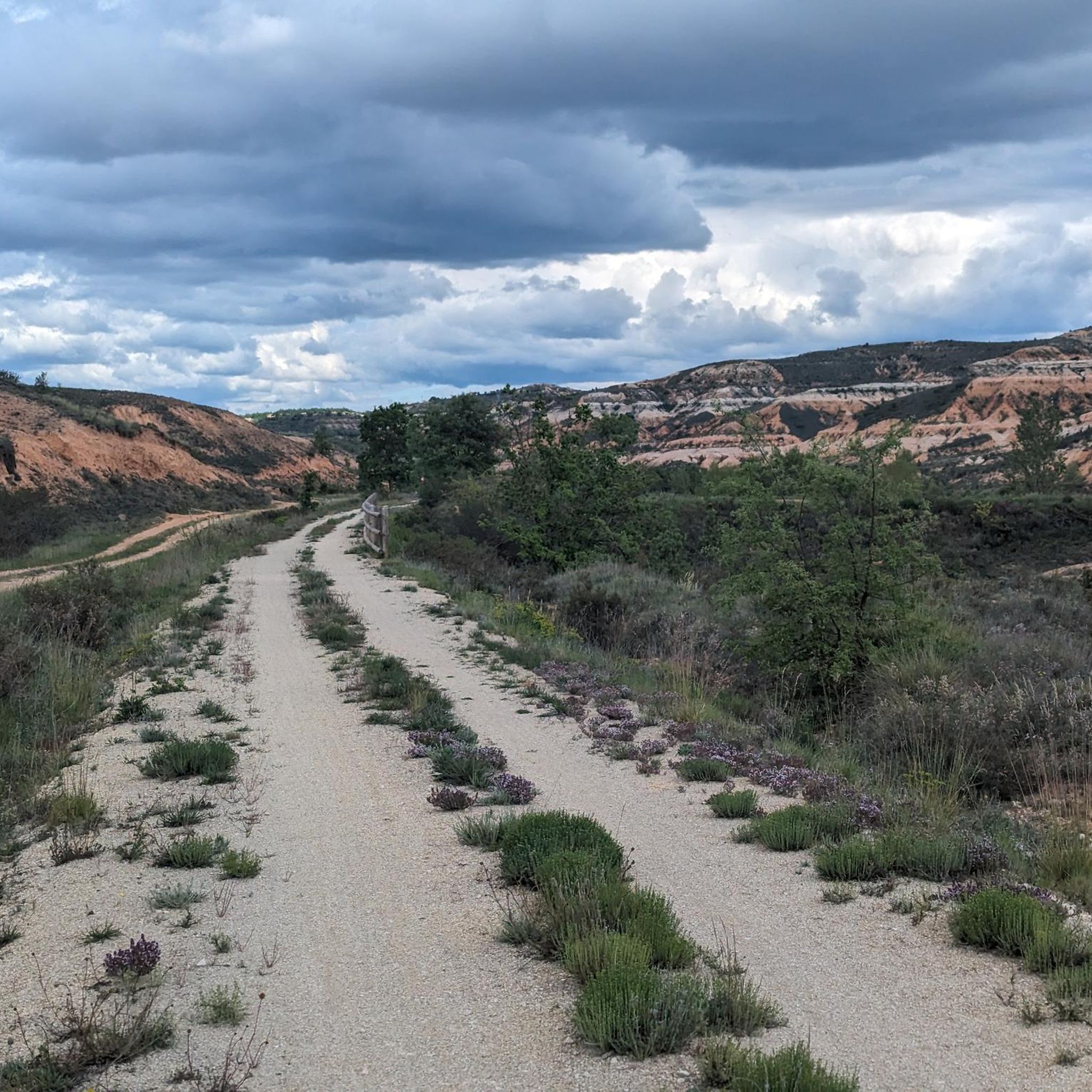
Hiking around Quintanaortuño offers a network of accessible routes, primarily featuring urban and parkland paths. The terrain is generally flat with minimal elevation changes, making it suitable for leisurely walks. These trails often connect historical sites and green spaces within the region.
Best hiking trails around Quintanaortuño
- The most popular hiking route is La Salle Square loop from Burgos, a 6.2 miles (10.0 km) trail that takes 2 hours 32 minutes to complete. This moderate route explores urban pathways…
Last updated: July 17, 2026
31
hikers
10.0km
02:33
20m
20m
Moderate hike. Good fitness required. Easily-accessible paths. Suitable for all skill levels.
4.2
(5)
39
hikers
8.42km
02:09
30m
30m
Moderate hike. Good fitness required. Easily-accessible paths. Suitable for all skill levels.

Sign up for free
20
hikers
Easy hike. Great for any fitness level. Easily-accessible paths. Suitable for all skill levels.
17
hikers
10.7km
02:44
40m
40m
Moderate hike. Good fitness required. Easily-accessible paths. Suitable for all skill levels.
4.4
(5)
11
hikers
9.55km
02:27
40m
40m
Moderate hike. Good fitness required. Easily-accessible paths. Suitable for all skill levels.
Get access to more routes and recommendations from other explorers.
Sign up for free
Already have an account?
Our route recommendations are based on thousands of hikes, rides, and runs completed by other people on komoot.
Start today with a free account
Your next adventure awaits.
Login or Signup


Tips from the Community

The Church of San Lorenzo el Real is one of the most prominent Baroque churches in Burgos. It was built between 1684 and 1694 by the Society of Jesus, on the site of a more modest building. After the expulsion of the Jesuits at the end of the 18th century, the church became a parish church and was dedicated to the martyr Saint Lawrence.
7
0
The Plaza de La Salle in Burgos is a small square located in a residential area, close to educational centers and recreational spaces. Although it is not a monumental or touristy square like the Plaza Mayor or Paseo del Espolón, it does serve an important function as a meeting place for local residents and a place for people to pass through.
1
0
The Church of San Lesmes Abad is one of the most emblematic churches in Burgos, both for its historical significance and its connection to the Camino de Santiago. It was built in the 14th century, following the order of John I of Castile in 1383 to demolish the old hermitage of San Juan, where the tomb of San Lesmes, patron saint of Burgos, was located. San Lesmes (Adelelmo de Burgos) was a Benedictine monk who dedicated his life to caring for pilgrims and the sick. He died in 1097, and his remains rest in this church.
14
0
The Marceliano Santa María Museum is dedicated to one of Castile’s most important painters, Marceliano Santa María (1866–1952), known as the “Painter of Castile” for his landscapes and historical scenes that capture the soul of the region.
13
0
Formerly known as the Lesser Market Square, it is now the center of the city's social life. Its origins date back to the Middle Ages, when it was used to hold weekly markets, hence the name Lesser Market Square. However, throughout its history, it has also been known as Royal Square, Constitution Square, or Republic Square. Built in 1221 in the Gothic style by King Ferdinand III and Bishop Don Mauricio, it was declared a UNESCO World Heritage Site in 1984.
2
0
Its construction began on July 20, 1221, at the initiative of King Ferdinand III the Saint and Bishop Maurice. It replaced an old 11th-century Romanesque cathedral, promoted by Alfonso VI. It was consecrated in 1260, although services had already been held there since 1230. Throughout the 15th to 18th centuries, extensions and renovations were carried out in Flamboyant Gothic, Renaissance, and Baroque styles.
8
0
The Cathedral of Santa María de Burgos, also known as Burgos Cathedral, is one of the most impressive monuments of Gothic art in Spain and was declared a World Heritage Site by UNESCO in 1984.
9
0
Burgos's North Market Square, also known as Plaza de España, has been a focal point of local commerce for decades. It was once the site of the North Market, opened in 1968, which served as a distribution center for fresh produce such as meat, fish, and fruit.
14
0
Frequently Asked Questions
How many hiking trails are available in the Quintanaortuño region?
The Quintanaortuño region offers a diverse network of over 40 hiking trails. These routes primarily feature urban pathways and accessible parkland, with options for various ability levels.
Are there easy or beginner-friendly hikes in Quintanaortuño?
Yes, there are plenty of options for beginners and those looking for an easy stroll. Over 20 of the trails in the Quintanaortuño region are classified as easy, characterized by generally flat terrain and minimal elevation changes, making them ideal for leisurely walks.
What kind of terrain can I expect on hikes around Quintanaortuño?
Hikes in the Quintanaortuño region are defined by urban pathways, historical cityscapes, and accessible parkland routes. The terrain is generally flat with minimal elevation changes, making most trails suitable for a relaxed walking experience.
Are there any circular hiking routes in Quintanaortuño?
Many of the trails in the region are designed as loops, offering convenient circular routes. For example, the La Salle Square loop from Burgos and the From Plaza Mayor – Plaza Mayor of Burgos loop from AXA are popular choices that allow you to start and end in the same location.
What are some interesting landmarks or attractions I can see while hiking?
Many routes in the Quintanaortuño region pass by significant historical and cultural sites. You can explore highlights such as the magnificent Burgos Cathedral, the bustling Plaza Mayor of Burgos, or the historic Arch of Santa María. The Burgos Castle – Arch of Fernán González loop from Barriada de la Tejera is a great option for combining hiking with sightseeing.
Is Quintanaortuño a good destination for family-friendly hikes?
Absolutely. Given the prevalence of easy, flat urban and parkland paths, Quintanaortuño is well-suited for family outings. Many trails are short to moderate in length and offer accessible terrain, perfect for all ages.
Can I bring my dog on the hiking trails in Quintanaortuño?
Most urban and parkland trails in the Quintanaortuño region are generally dog-friendly, provided your dog is kept on a leash and you clean up after them. It's always a good idea to check local signage for any specific restrictions in certain areas or parks.
What is the best time of year to go hiking in Quintanaortuño?
The urban and parkland trails of Quintanaortuño are enjoyable throughout much of the year. Spring and autumn offer pleasant temperatures for walking, while summer can be warm but still suitable for early morning or late afternoon hikes. Even in winter, many urban paths remain accessible for a refreshing walk.
What do other hikers enjoy most about the trails in Quintanaortuño?
The trails in Quintanaortuño are highly rated by the komoot community, with an average score of 4.4 stars from over 110 reviews. Hikers often praise the accessibility of the routes, the blend of historical cityscapes with green spaces, and the ease of exploring the region's attractions on foot.
Are there any hikes that feature historical sites or city centers?
Yes, many routes are designed to showcase the region's rich history and vibrant city centers. For instance, the Plaza Mayor of Burgos – Santa Maria Bridge loop from AXA takes you through city centers and along a historic bridge, offering a great way to experience the urban landscape and its heritage.
Where can I find parking for hiking trails in Quintanaortuño?
As many of the trails are urban, parking is typically available in public car parks or designated street parking areas within Burgos and surrounding towns. It's advisable to check local parking regulations and availability, especially when starting a hike from a city center.
Most popular routes around Quintanaortuño
Most popular attractions around Quintanaortuño

Get inspired with the komoot mobile app


Explore more
Browse the best Hikes in other regions.
