The best walks and hikes around Cabra Del Camp
4.6
(206)
1,387
hikers
120
hikes
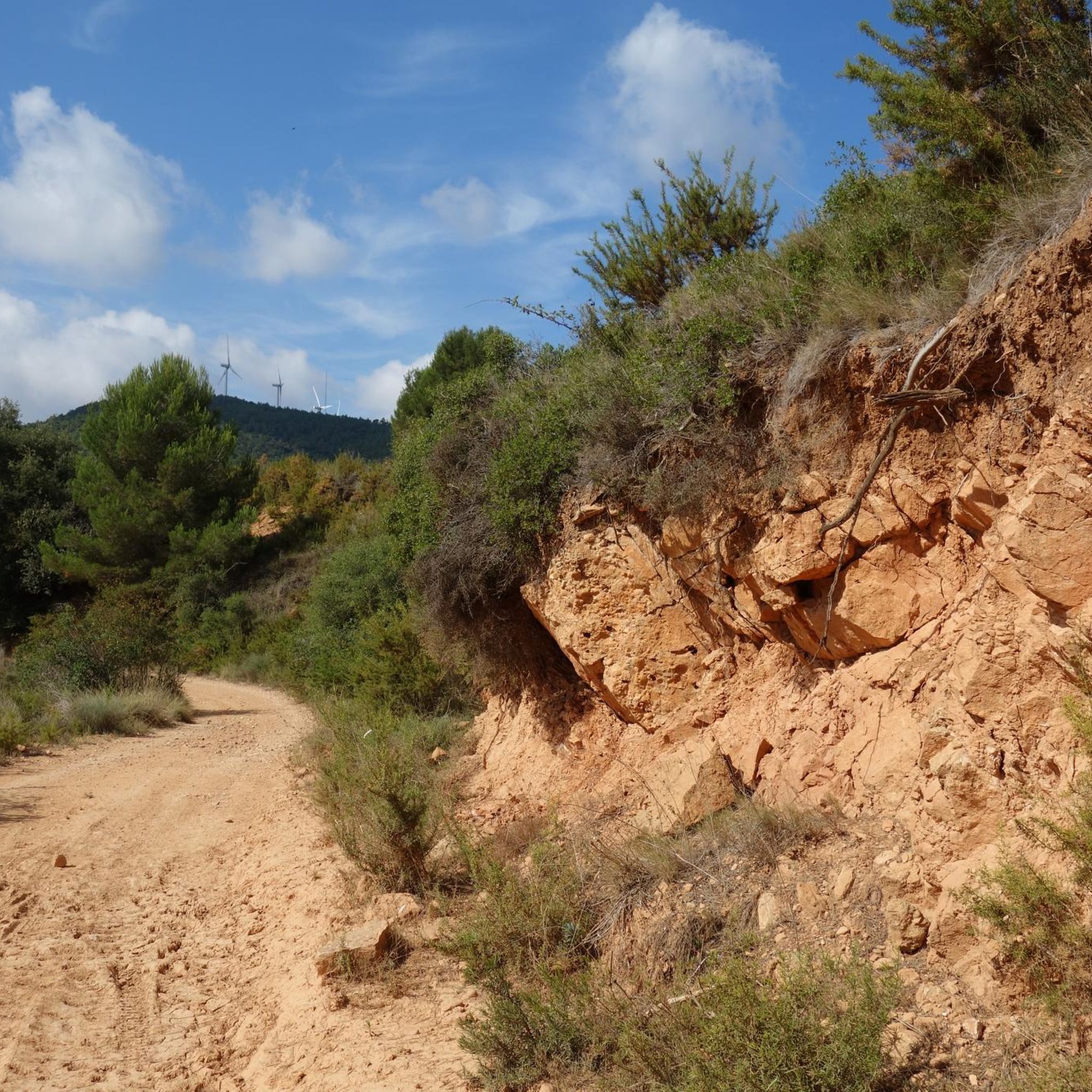
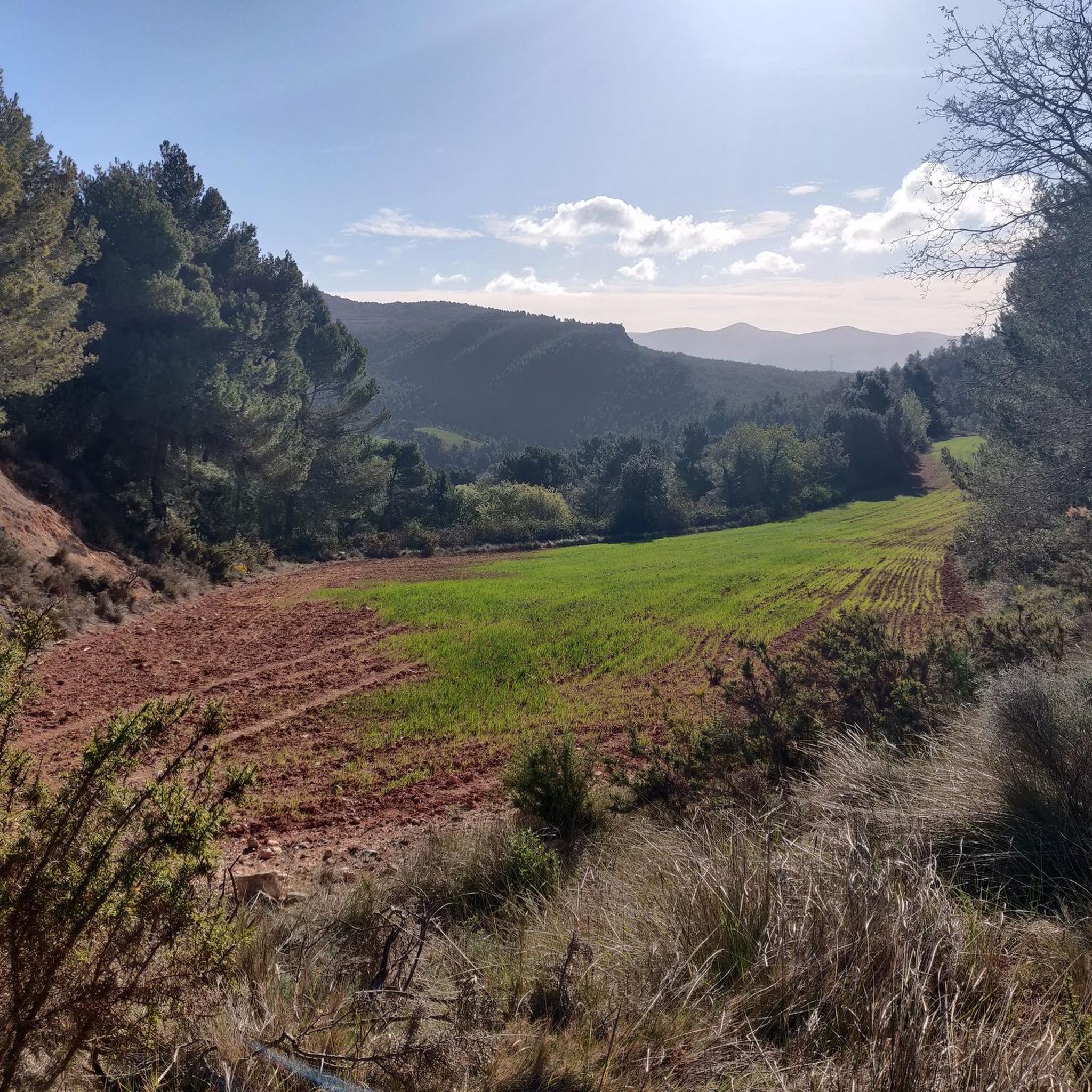
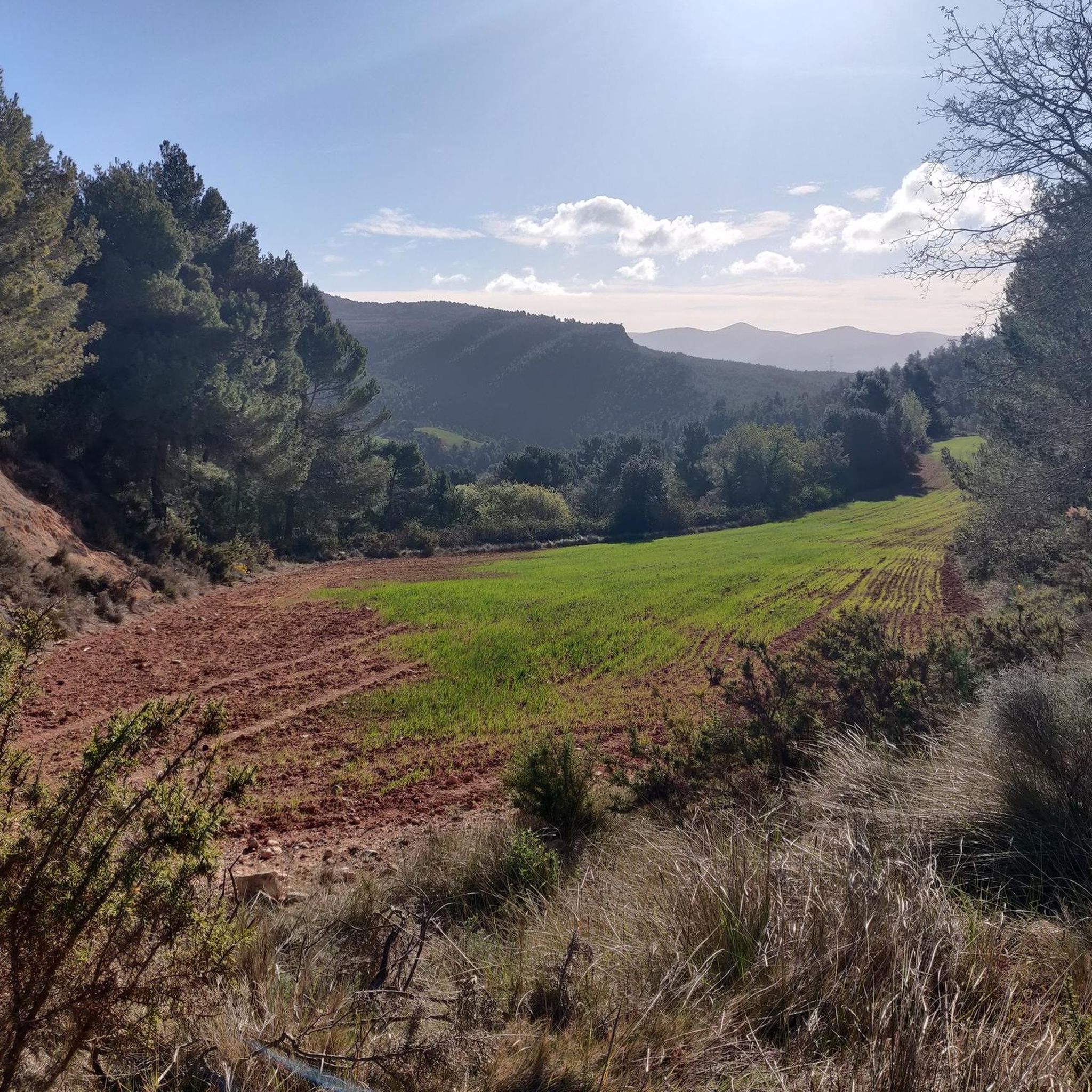
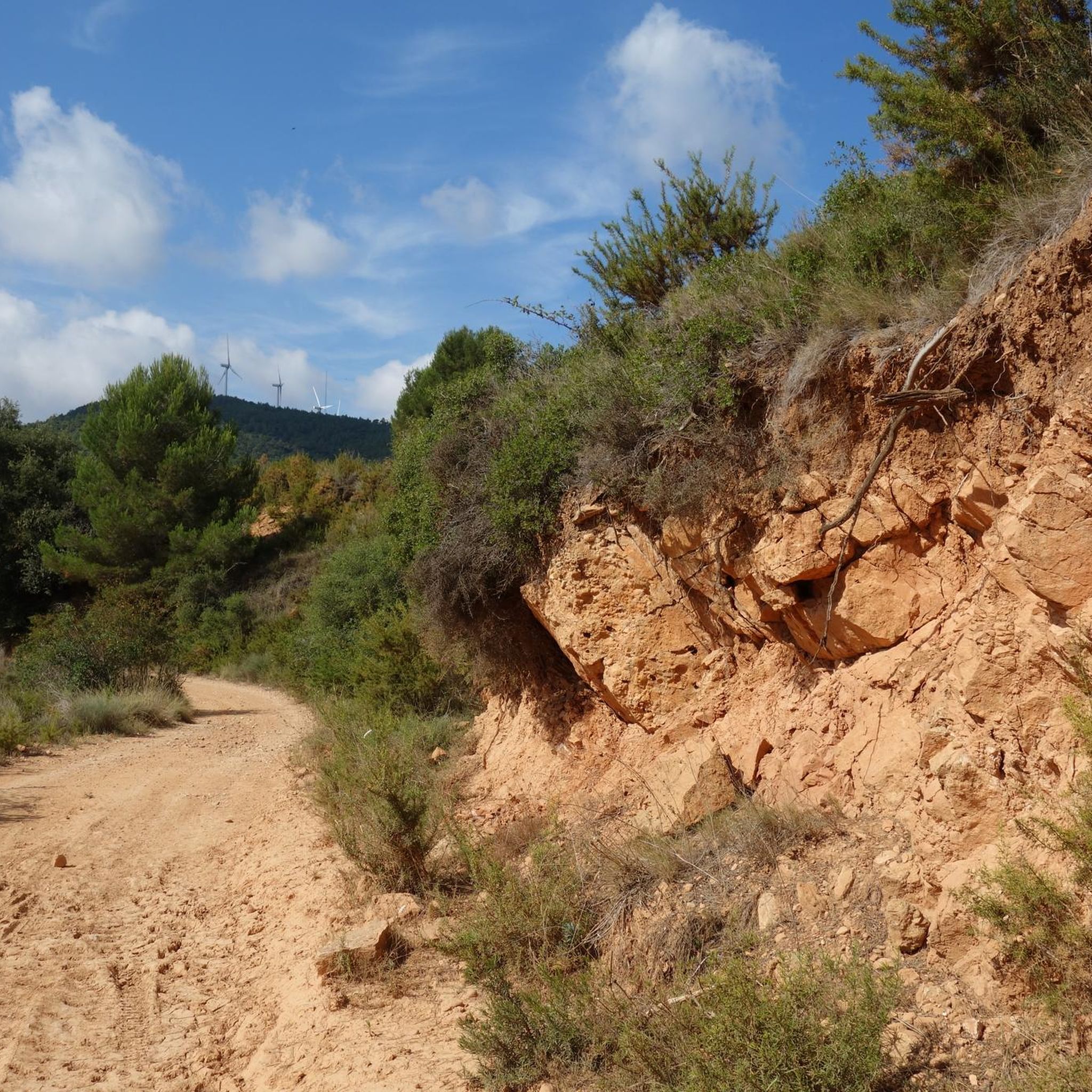
Hiking around Cabra Del Camp offers diverse natural environments, characterized by mountains, lush forests, and cultivated fields. The region features numerous natural springs and examples of dry stone architecture, providing varied landscapes for exploration. Hikers can discover peaks like Voltorera and Cogulló, which offer extensive panoramic views over the Alt Camp and Conca de Barberá regions. The area also includes routes along the Gaià river and historical paths like the Ruta del Cister.
Best hiking trails in Cabra Del Camp
…Last updated: October 18, 2026
5.0
(9)
67
hikers
16.6km
04:37
300m
300m
Moderate hike. Good fitness required. Easily walkable paths.
4.8
(12)
91
hikers
6.14km
01:39
70m
70m
Easy hike. Easily walkable paths.

5.0
(4)
18
hikers
10.5km
03:18
410m
410m
Moderate hike. Good fitness required. Easily walkable paths.
5.0
(3)
27
hikers
12.9km
03:58
380m
380m
Moderate hike. Good fitness required. Mostly walkable paths. Sure-footedness required.
5.0
(3)
37
hikers
9.59km
02:36
130m
130m
Moderate hike. Good fitness required. Easily walkable paths.
Get access to more routes and recommendations from other explorers.
Already have an account?
Our route recommendations are based on thousands of hikes, rides, and runs completed by other people on komoot.
Start today with a free account
Your next adventure awaits.

Tips from the Community

Magnificent port. Good condition, good terrain and incredible views.
0
0

Tough loose cli.b, Best done in cool conditions. Can be very 🔥. Loose descent on the west side, but great track
0
0

Yes, it is a summit with a selfie pole, for solo hikers without a tripod 😜
0
0

El Roc del Cogulló is one of the peaks of the Sierra de Comaverd, although with its 879 meters, it is not the highest of this mountain range, being the Cogulló de Cabra, located about 390 meters to the northeast. From the viewpoint you have a spectacular view of the Conca de Barberà region, with the plain of Poblet in the foreground and the Sierra del Tallat in the background.
1
0
The ruins of the castle of Prenafeta (11th century) also include part of the original nucleus of the population of Prenafeta. You can still see remains of the castle, the church and the fountain of Sant Salvador. The castle is also known as Torre del Moro.
0
0
Pont d'Armentera is a town in the Alt Camp region (Tarragona) that has a long history. Of Roman origin, the first settlers settled when the aqueduct that fed the ancient Roman city of Tarraco (modern Tarragona) was built. In the northwest of the town there is a very well preserved Roman aqueduct (known as Pont de les Femades and restored in the 18th century) that carried the waters of the Gaià to Tarraco. This use of the waters of the Gaià reached the streets of the town, where various canals were built to feed both the important textile industry that developed from the 14th century onwards and the wheat mills.
1
0

Entertaining route that runs parallel to the river Gaià. The path is easy to do and has practically no complications, perhaps there will only be a couple of steps that can be a bit difficult and can be passed without problems, which would be the first walkway (where I go down the planks of about 50cm wide and supported on some "nails" sunk into the wall) with a rope to help us cross this first short section of footbridges and the first bridge with a length of about 15m (also with a width of about 50cm) that crosses the river Gaià, at about 2/3m above the river (which does not have any type of handrail, cable or rope to help cross it). From this point, continue very well until the fork to the right and to the left of the path (the route has been changed, and now to the left you reach the end of the path) and until you reach the fork, there are a couple of more sections of walkways but easy to pass where aided by the ropes will not pose any problem.
2
0

Cabra del Campo, as it is called in Spanish, is to the north of the Alto Campo region and on the border with the Barberá Basin. It has more than 1,250 inhabitants and its economy is based mainly on rainfed agriculture.
0
0
Frequently Asked Questions
How many hiking trails are available in Cabra Del Camp?
Cabra Del Camp offers a wide variety of hiking experiences, with over 100 routes available. These range from easy strolls to more challenging ascents, ensuring options for all skill levels.
What kind of landscapes can I expect to see while hiking in Cabra Del Camp?
Hikers in Cabra Del Camp will encounter diverse landscapes, including lush forests of pine and beech, cultivated fields of vineyards and olive groves, and mountainous terrain. The region is also rich in natural springs, fascinating caves like Cueva del Moro, and features the scenic River Gaià.
Are there any family-friendly hiking options in Cabra Del Camp?
Yes, Cabra Del Camp has several routes suitable for families. Many trails are well-maintained and practicable for various ages. For an easier option, consider El Pont d'Armentera loop from el Pont d'Armentera, which is an easy 6.1 km trail often featuring riverside paths.
Can I find circular hiking routes in Cabra Del Camp?
Absolutely. Many of the trails in Cabra Del Camp are designed as circular routes, allowing you to start and end at the same point. An example is the Roc del Cogulló Viewpoint – Cabra del Camp loop from Cabra del Camp, which offers varied landscapes and takes you to a scenic viewpoint.
What historical or cultural attractions can I discover on a hike?
Cabra Del Camp is steeped in history. You can explore the Royal Monastery of Santes Creus, a significant 12th-century Cistercian abbey, which is part of the historical Ruta del Cister. Additionally, you might encounter medieval bridges, such as the Old Bridge of Montblanc, and examples of traditional dry stone architecture.
Are there any challenging hikes for experienced trekkers?
While many routes are moderate, Cabra Del Camp does offer more challenging options. For instance, the region features ascents to peaks like Voltorera and Cogulló, which provide impressive panoramic views. There are 9 difficult routes available for those seeking a greater challenge.
What do other hikers say about the trails in Cabra Del Camp?
The hiking trails in Cabra Del Camp are highly regarded by the komoot community, with an average rating of 4.7 stars from over 170 reviews. Hikers often praise the diverse terrain, well-maintained paths, and the stunning panoramic views from peaks like Roc del Cogulló.
Are there any viewpoints or scenic spots along the trails?
Yes, the region is known for its impressive viewpoints. Peaks such as Voltorera, Puig de Cabdells, Jordans, and Cogulló offer extensive panoramic views over the Alt Camp and Conca de Barberá regions. The Roc del Cogulló Viewpoint is a particularly popular spot.
Where can I find natural springs or water features during my hike?
Cabra Del Camp is abundant with natural springs, many of which have associated picnic areas. You can find springs like Font de Conill, Font del Ferro, and Font del Sant Crist. The Walkways and Bridges of the Gaià River also offer entertaining routes that run parallel to its course.
Are there any trails that lead to significant peaks?
Yes, several trails in the area lead to notable peaks. For example, the Figuerola del Camp – Tossal Gros (867 m) loop from Figuerola del Camp will take you to Tossal Gros. Other prominent peaks in the region include Voltorera, Puig de Cabdells, and Cogulló, offering rewarding ascents and views.
What is the best time of year to go hiking in Cabra Del Camp?
Cabra Del Camp offers pleasant hiking conditions throughout much of the year. Spring and autumn generally provide the most comfortable temperatures and vibrant landscapes, with lush greenery or autumnal colors. Summers can be warm, making early morning or late afternoon hikes preferable, while winters are typically mild enough for hiking.
Are there any routes that pass by castles or ancient structures?
Yes, you can incorporate historical sites into your hike. The Prenafeta Castle – Coll de Coloma Pass loop from Figuerola del Camp is a moderate route that offers a mix of historical sites and scenic views, including the castle.
Most popular routes around Cabra Del Camp
Most popular attractions around Cabra Del Camp

Get inspired with the komoot mobile app


Explore more
Browse the best Hikes in other regions.
