Attractions and Places To See around L'Argentera - Top 20
Best attractions and places to see around L'Argentera include a blend of historical sites, cultural experiences, and natural landscapes. This tranquil village is situated in the Baix Camp region of Catalonia, Spain, offering a setting amidst mountains. The area provides opportunities for exploring traditional Catalan life and outdoor activities. Its varied orography and historical landmarks make it a destination for those interested in both nature and heritage.
Best attractions and places to see around L'Argentera
- The most popular attractions is…
Last updated: May 9, 2026
Hermitage of Mare de Déu de la Roca
Highlight • Religious Site
Around …
Translated by Google •
Tip by

Montbrió del Camp Town Hall
Highlight • Monument
Translated by Google •
Tip by
Sign up now to discover places like this
Get recommendations on the best single tracks, peaks, & plenty of other exciting outdoor places.
Sign up for free
La Mola Castle, Colldejou
Highlight • Castle
Translated by Google •
Tip by

Sant Miquel d'Escornalbou Castle and Monastery
Highlight • Castle
Translated by Google •
Tip by

Mont-roig del Camp Historic Center
Highlight • Historical Site
Translated by Google •
Tip by

Sign up for free to discover even more attractions around L'Argentera.
Sign up for free
Already have an account?
Start today with a free account
Your next adventure awaits.
Login or Signup
Popular around L'Argentera
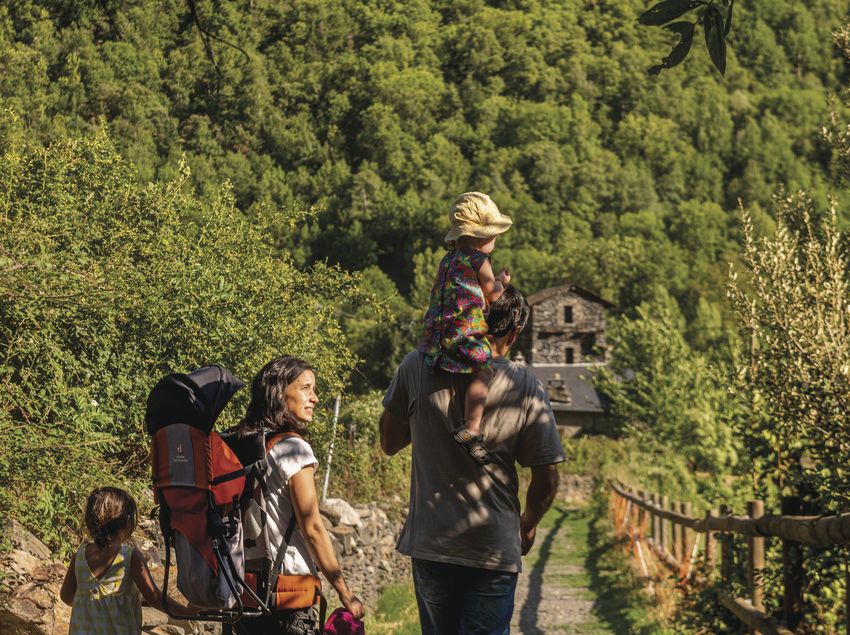
Hike with your family in Catalonia
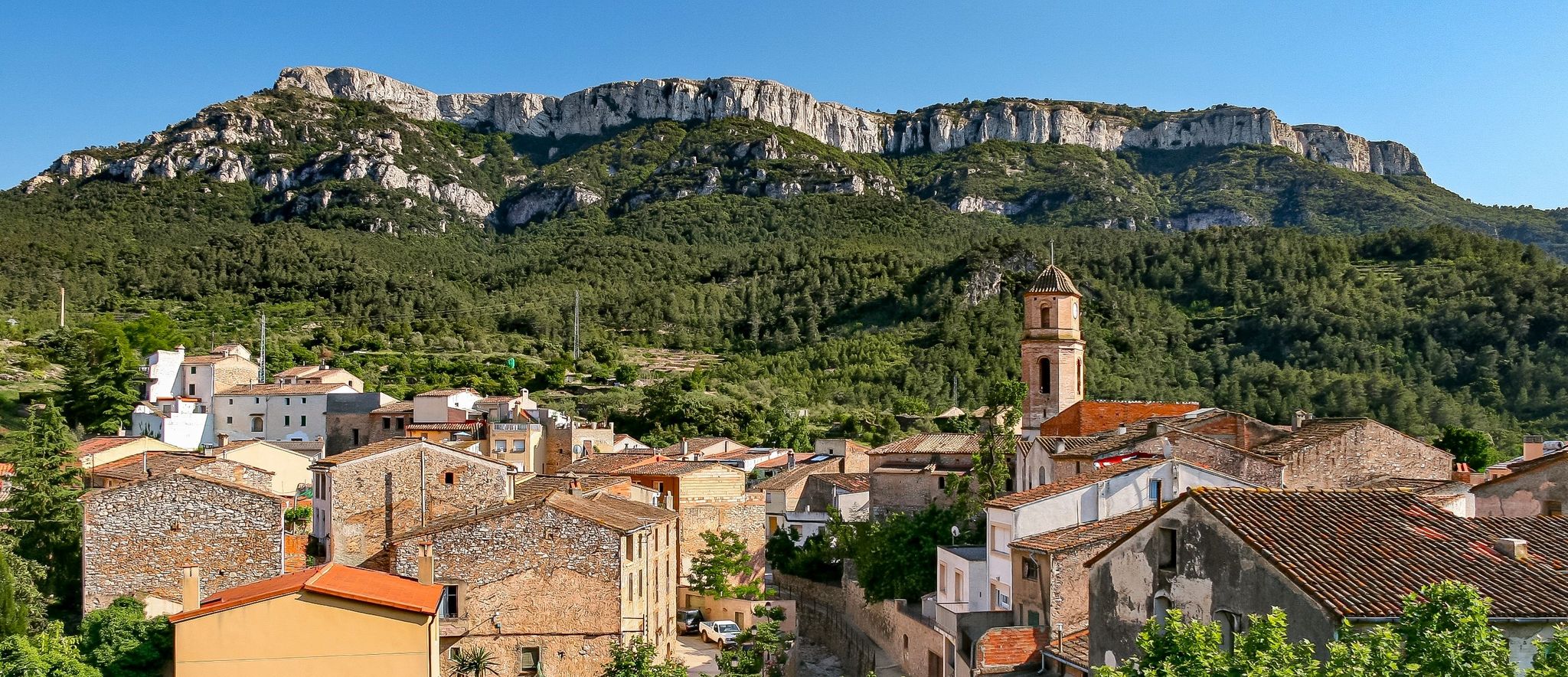
A land of contrasts – Tarragona to the Pyrenees on the GR 7
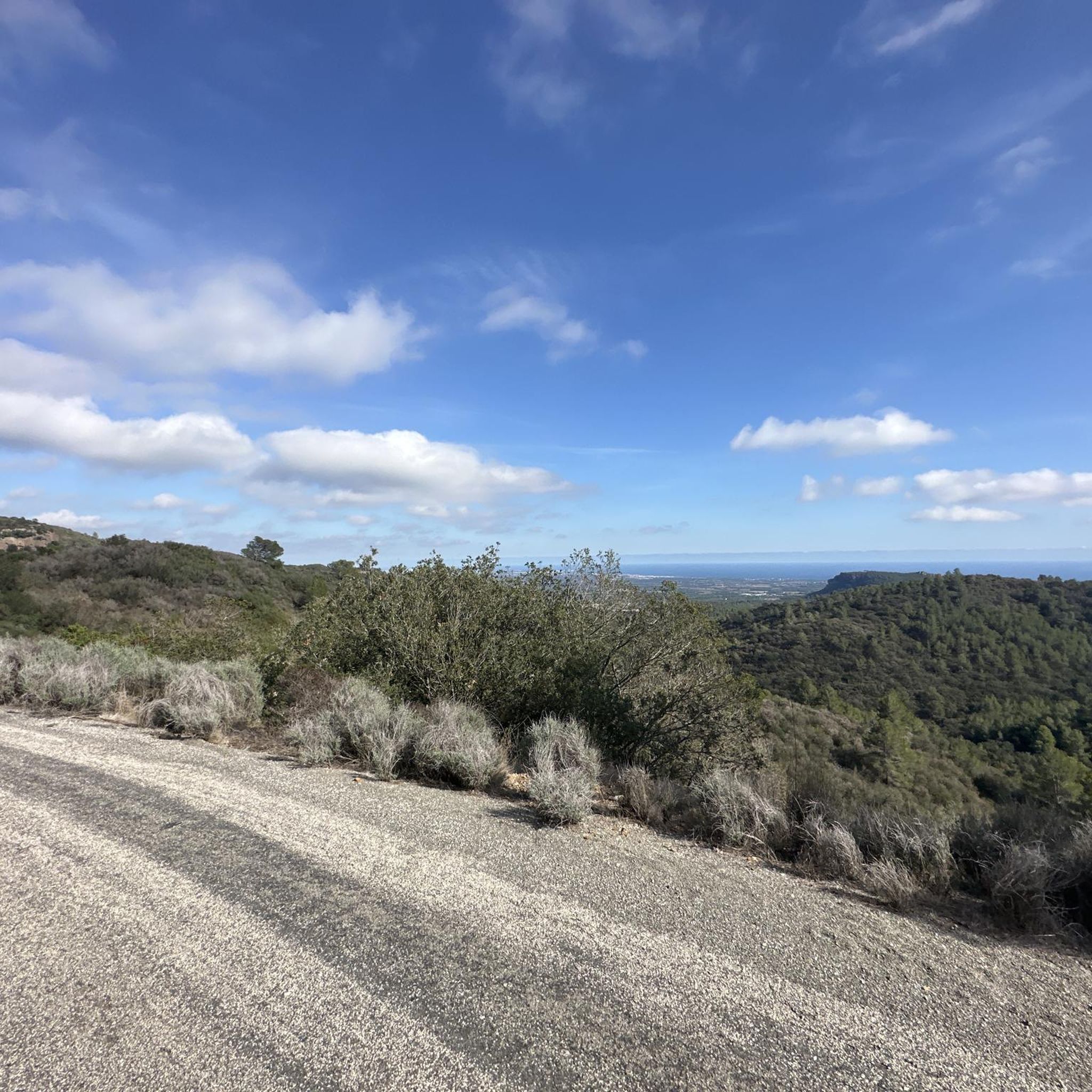
MTB Trails around L'Argentera
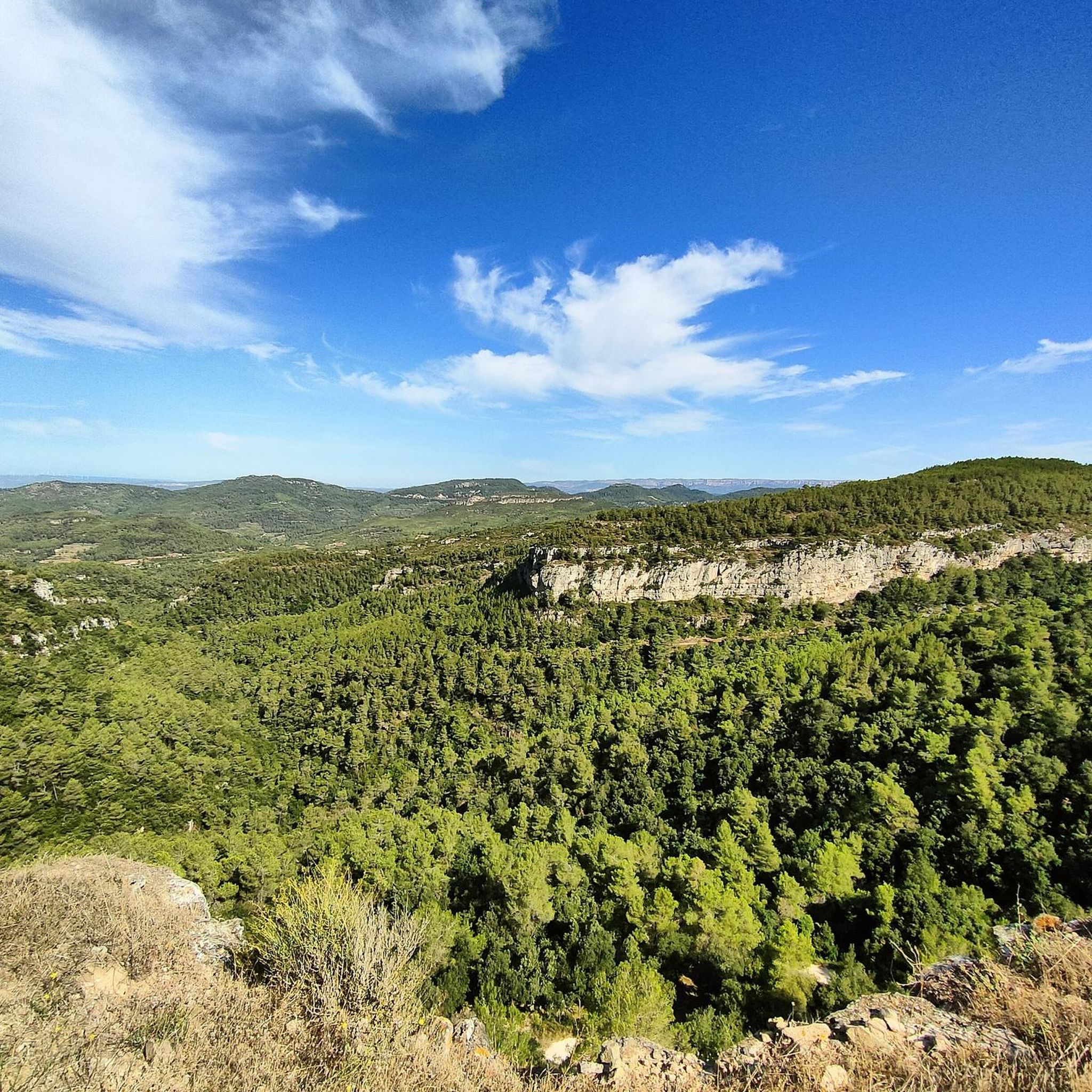
Road Cycling Routes around L'Argentera
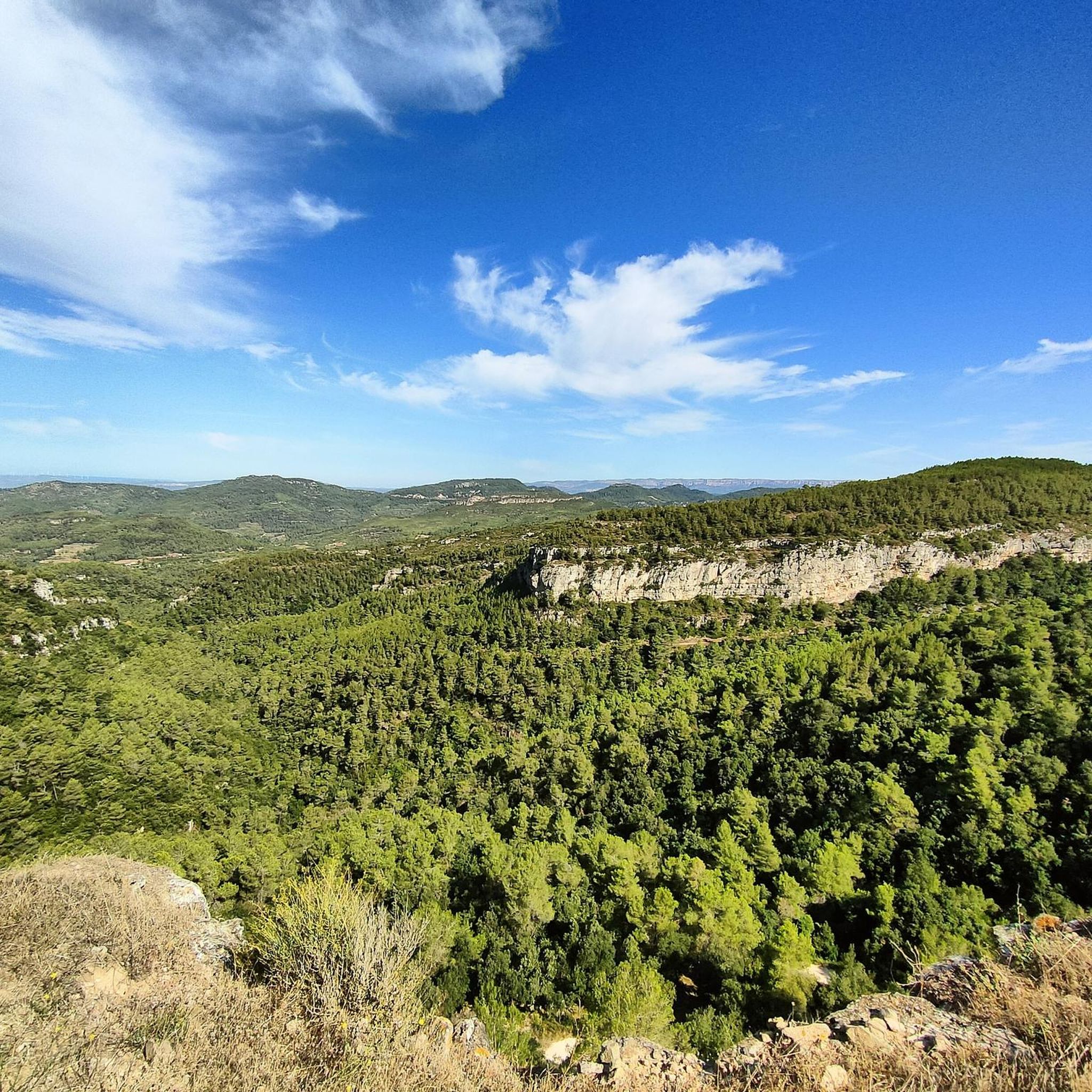
Cycling around L'Argentera
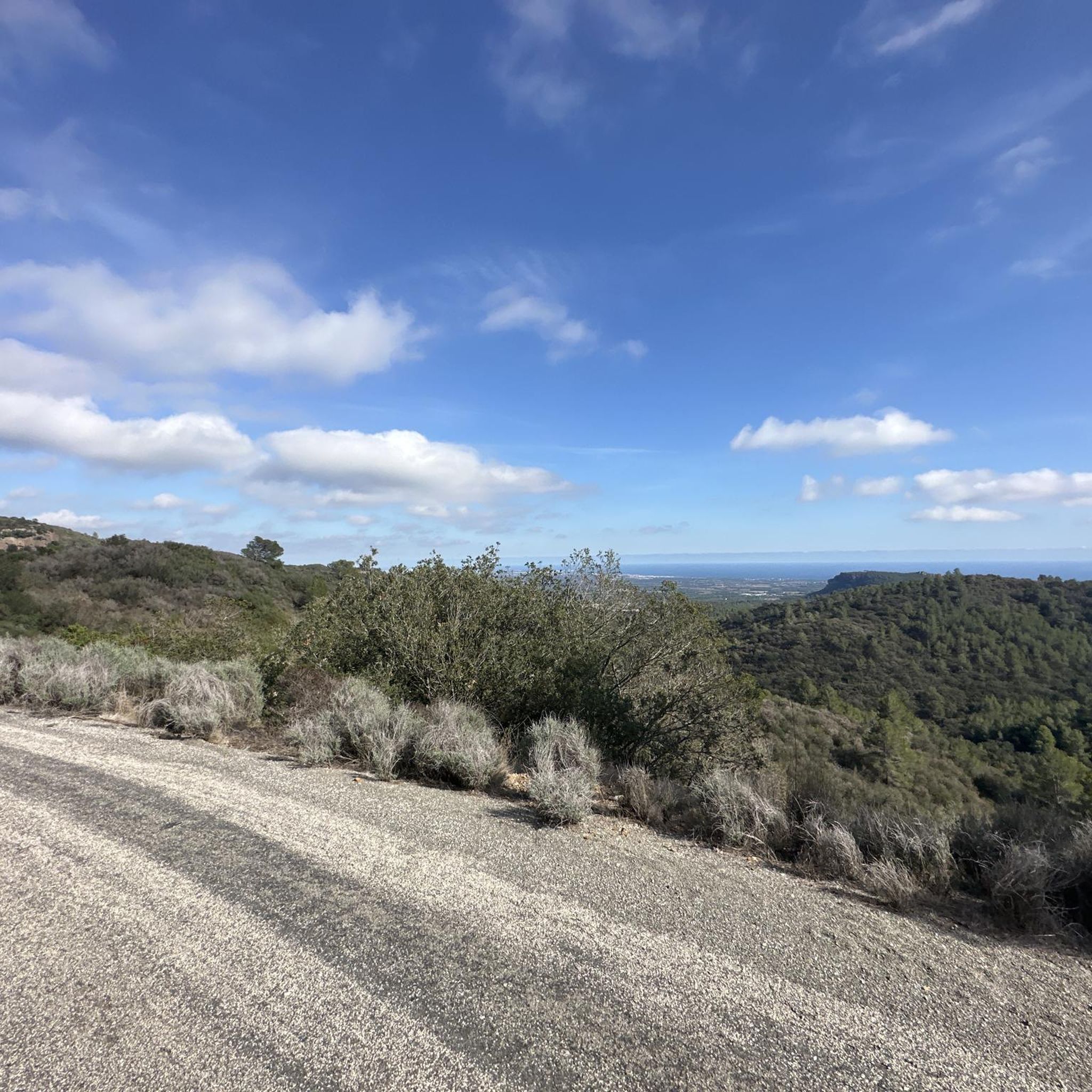
Hiking around L'Argentera
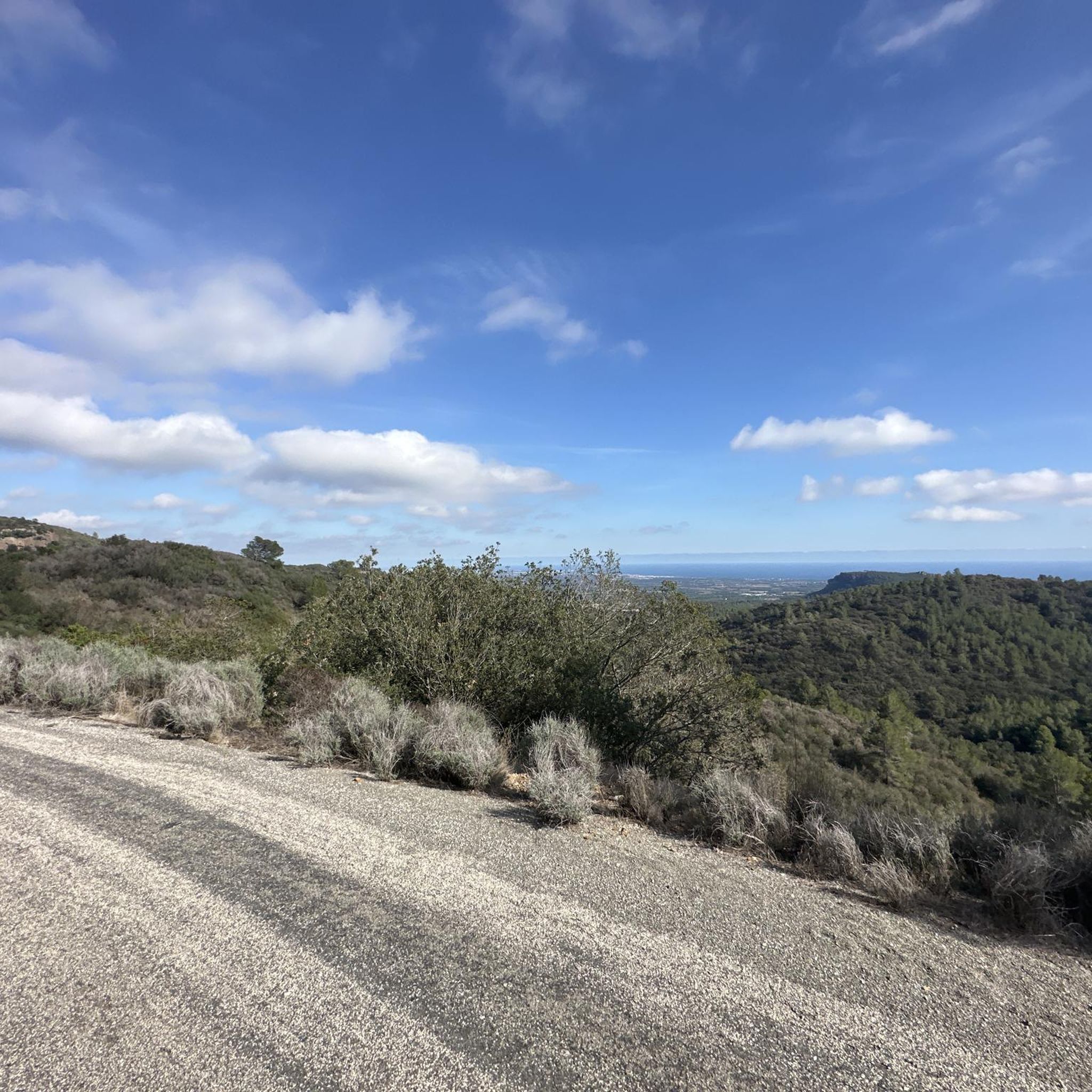
Running Trails around L'Argentera
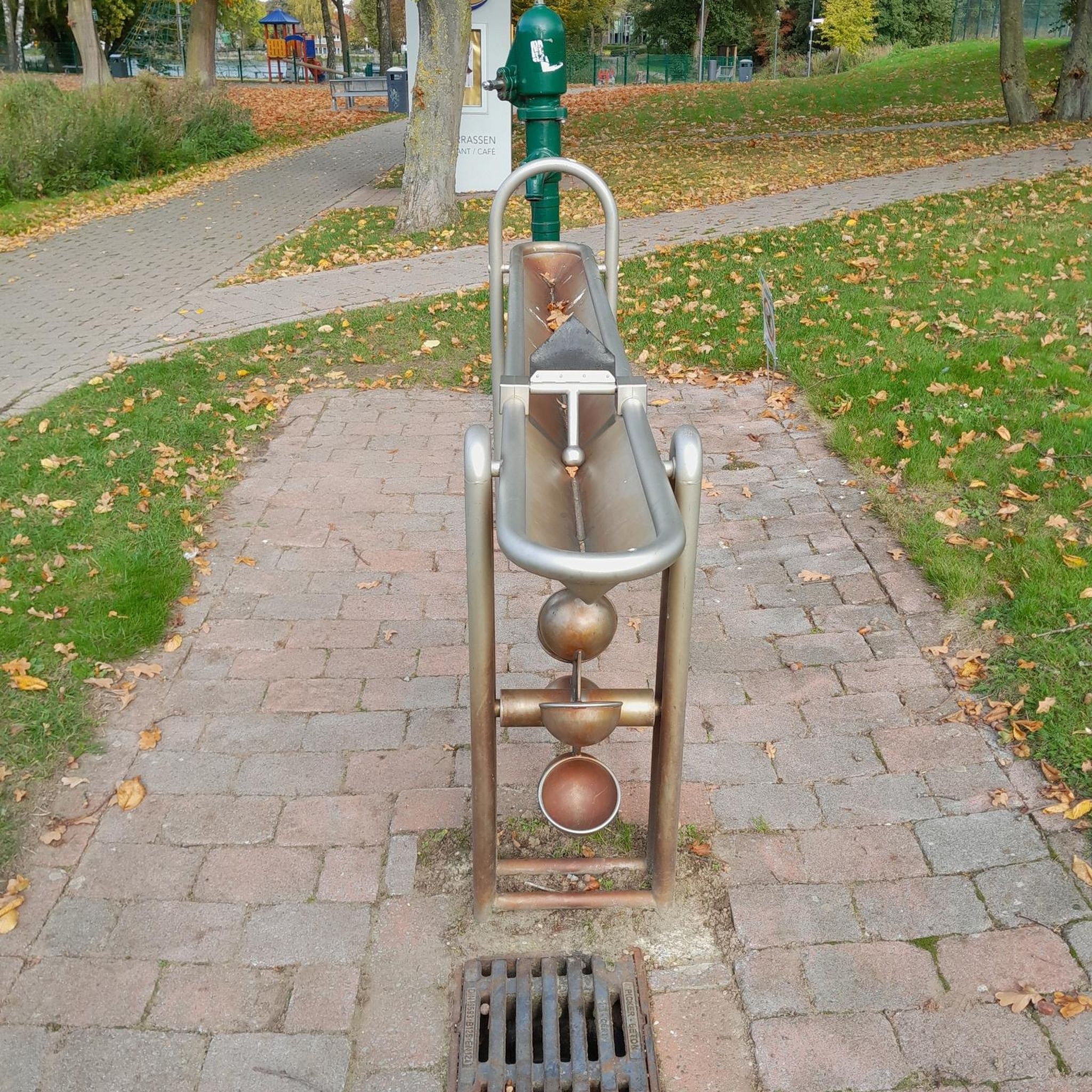
Gravel biking around L'Argentera

Mountain Hikes around L'Argentera


Tips from the Community

The town is situated at an altitude of over a hundred meters in the heart of this Spanish coastal region and is one of Catalonia's biggest tourist attractions. While the village of Mont-Roig del Camp itself is about five kilometers from the sea, Miami Playa—the seaside area—is located right on the beach. There you'll also find lively bars and restaurants. You can stay in the charming Mont-Roig del Camp at a campsite, hotel, or other accommodation.
8
0

From up here you have a beautiful view.
0
0

Population whose center is the church of Mare de Déu del Carmen and which is located at the foot of the Serra de Pradell and close to the city of Reus, which is a few kilometers away.
0
0

Stately mansion from the early 20th century, made up of the remains of two medieval buildings, the Escornalbou monastery, founded in 1153, and the castle, built on the remains of a Roman fortress. For six centuries this architectural complex formed the barony of Escornalbou, but after the confiscation of Mendizabal it was practically in ruins. In 1911 it was acquired by the philanthropist, diplomat and writer Eduard Toda, who restored it following very personal criteria: some structures were demolished and towers were erected in an "exotic" medieval style. Of the old monastery, only the Romanesque church remains, remains of the chapter house and the structure of the cloister, converted into a viewpoint of the Camp de Tarragona region.
3
1

the panorama is brutal
0
0

A town with 800 years of history. There is a Reception Point where you can not only find out about each of the various bike routes, but also rent bicycles. I also recommend you visit the Center Miró, an interpretation center of the artist, and the Baix Camp Cathedral.
6
0

The Castillo Monasterio de Escornalbou de Riudecanyes is a stately mansion from the beginning of the 20th century formed by the remains of two medieval buildings: the castle, built on the remains of a Roman fortress, and the monastery of Sant Miquel.
4
0
The Castillo Monasterio de Escornalbou de Riudecanyes is a stately mansion from the beginning of the 20th century formed by the remains of two medieval buildings: the castle, built on the remains of a Roman fortress, and the monastery of Sant Miquel.
3
0
Frequently Asked Questions
What historical sites can I explore around L'Argentera?
The region offers several significant historical sites. You can visit the Sant Miquel d'Escornalbou Castle and Monastery, a stately mansion incorporating medieval castle and monastery remains, offering impressive coastal views. The Mont-roig del Camp Historic Center, with over 800 years of history, is also home to the Center Miró, an interpretation center dedicated to the artist. Additionally, the historic town center of L'Argentera itself, with its traditional cobbled streets, is worth exploring.
Are there any religious sites or viewpoints worth visiting?
Yes, the Hermitage of Mare de Déu de la Roca is a prominent religious building and viewpoint. It offers lodging and a restaurant, surrounded by a natural area with fountains and outdoor dining spaces. The hermitage is brilliantly integrated into the red mountain of La Roca and provides breathtaking panoramic views of the region. The 18th-century Church of Sant Bartomeu in L'Argentera village also features a simple Baroque facade.
What natural features and viewpoints are there for hikers?
L'Argentera is surrounded by the Serra de Pradell-l'Argentera, ideal for hiking. Notable geological features include the Morrals de Vilanova, de Trucafort, and the Morral Blanco, as well as La Enderrocada. The Mirador de la Ermita de la Roca, near the Hermitage of Mare de Déu de la Roca, offers stunning panoramic views. You can also find the historical Font Vella (Old Fountain) within the village and the Font del Ferro (Iron Fountain) about a kilometer away.
What outdoor activities, like hiking and cycling, can I do near L'Argentera?
The area around L'Argentera is excellent for outdoor activities. For hiking, you can explore numerous marked routes through the Serra de Pradell-l'Argentera, including sections of the GR-7 Long-Distance Path. There are also challenging mountain hikes available, such as those found in the guide for Mountain Hikes around L'Argentera. Cyclists can enjoy various routes, including gravel biking and touring bicycle options, detailed in guides like Gravel biking around L'Argentera and Cycling around L'Argentera.
Are there any family-friendly attractions or activities in the area?
Yes, several attractions are suitable for families. The Mont-roig del Camp Historic Center is considered family-friendly, offering a glimpse into the region's history. The Montbrió del Camp Town Hall is also listed as family-friendly. Additionally, the natural area around the Hermitage of Mare de Déu de la Roca provides fountains and designated spaces for outdoor dining and resting, which can be enjoyable for families.
What is the best time of year to visit L'Argentera for outdoor activities?
L'Argentera, located in Catalonia, Spain, generally enjoys a Mediterranean climate. Spring (April-May) and autumn (September-October) are often considered ideal for outdoor activities like hiking and cycling, as temperatures are milder and the landscapes are vibrant. Summers can be hot, while winters are generally mild, making some winter walks possible, especially on sunny days.
Where can I find unique natural formations or adventurous spots?
Near the Hermitage of Mare de Déu de la Roca, you can find the Escaleras del Diablo (Devil's Stairs), which are carved into the rock of Montaña del Areny. These stairs offer an adventurous descent towards Cova Foradada. The varied orography of the Serra de Pradell-l'Argentera also presents unique geological features like the Morrals de Vilanova, de Trucafort, and the Morral Blanco, which are popular for excursions.
Is there a castle with impressive views nearby?
Absolutely. The Sant Miquel d'Escornalbou Castle and Monastery offers impressive views of the coastline from Santa Barbara. This restored stately mansion from the early 20th century incorporates the remains of a medieval castle and monastery, providing a rich historical experience alongside its scenic vistas.
What is the significance of Eduard Toda in the region?
Eduard Toda, a diplomat and philanthropist, played a significant role in the region. He promoted the beautification of L'Argentera's historic town center and restored the Sant Miquel d'Escornalbou Castle and Monastery in the early 20th century. He also had a friendship with Antoni Gaudí, and Parc Samà, believed to be designed by Gaudí in his youth, is about 10 km from L'Argentera.
Are there any notable towns or villages to visit near L'Argentera?
Yes, the nearby municipality of Montbrió del Camp is home to the Montbrió del Camp Town Hall, which is a point of interest. Mont-roig del Camp, with its historic center and the Center Miró, is also a significant town to visit. These villages offer a glimpse into traditional Catalan life and local architecture.
What is the GR-7 Long-Distance Path, and does it pass through L'Argentera?
The GR-7 is a significant long-distance hiking trail that connects Gibraltar with France. Yes, a section of this trail passes directly through the municipal territory of L'Argentera, making it a key location for long-distance hikers looking to explore the region's natural beauty on foot.
Can I find any unique cultural experiences related to art or wine in the area?
Yes, for art enthusiasts, the Mont-roig del Camp Historic Center hosts the Center Miró, an interpretation center dedicated to the renowned artist Joan Miró, offering insights into his work. Additionally, the region surrounding L'Argentera is close to the famous Priorat wine region, where visitors can explore modernist cellars, taste local wines, and learn about the Carthusian Monks in Escaladei.
Most popular routes around L'Argentera
Most popular attractions around L'Argentera

Get inspired with the komoot mobile app


Explore more
Still not found the Highlight you’re looking for? See guides of the top attractions in other regions:
