Attractions and Places To See around Santiso - Top 20
Best attractions and places to see around Santiso include a variety of landmarks, natural features, and cultural sites. This region in Galicia, Spain, is situated along the Camino de Santiago route, offering historical significance. Visitors can explore a landscape characterized by rivers, forests, and architectural heritage. Santiso presents 20 distinct places to see and visit.
Best attractions and places to see around Santiso
- The most popular attractions is Stone bridge over the Catasol River, a bridge that spans the…
Last updated: August 30, 2026
Ribadiso Medieval Bridge
Highlight • Bridge
Translated by Google •
Tip by

Roman Bridge of Furelos
Highlight • Bridge
Translated by Google •
Tip by

Sign up now to discover places like this
Get recommendations on the best single tracks, peaks, & plenty of other exciting outdoor places.
Sign up for free
Stone bridge over the Catasol River
Highlight • Bridge
Translated by Google •
Tip by
Church of Saint Mary of Leboreiro
Highlight • Religious Site
Translated by Google •
Tip by

Church of Santa María in Melide
Highlight • Religious Site
Translated by Google •
Tip by
Sign up for free to discover even more attractions around Santiso.
Sign up for free
Already have an account?
Start today with a free account
Your next adventure awaits.
Login or Signup
Tips from the Community

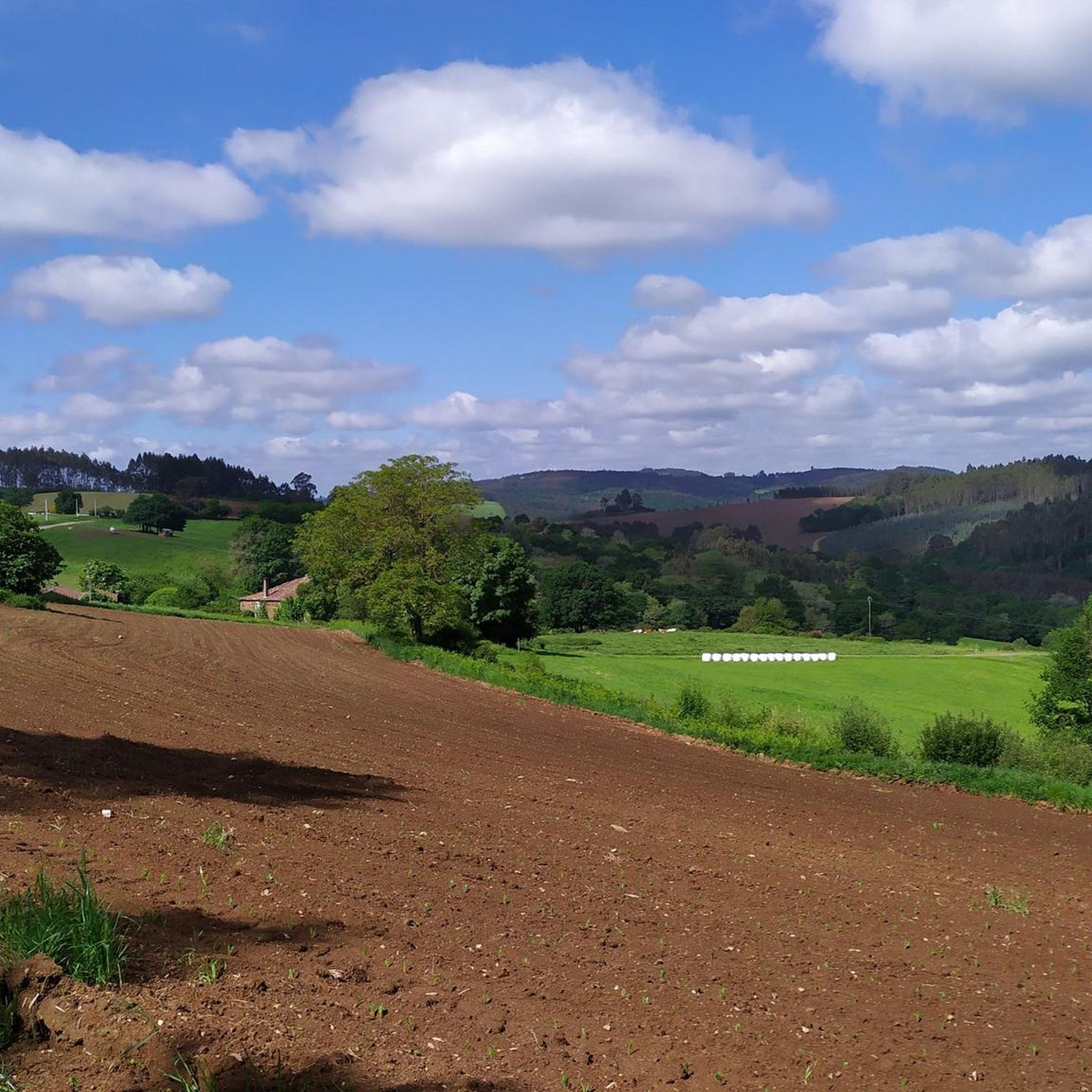
O Leboreiro, capital of the parish of Santa María do Castelo in north-western Spain, is located along the French Way of the pilgrimage to Santiago de Compostela.
4
0


If you have the opportunity to explore this trail, you will enjoy the natural beauty and ecological richness of the area. Good hike! 🌿🚶♀️
4
1

Very beautiful bridge with wide stones. Ideal to pause for a moment
3
1

Beautiful area, if you walk various routes clockwise, you will encounter many pilgrims. Impressive to see
4
1

Small ancient church on approach to Melide
3
0

Frequently Asked Questions
What historical sites can I visit near Santiso?
The Santiso area, particularly along the Camino de Santiago, is rich in historical sites. You can explore the Roman Bridge of Furelos, a significant piece of civil architecture dating back to the 12th century. Another notable site is the Church of Santa María in Melide, a Romanesque jewel listed as a National Monument, featuring a semicircular apse with Renaissance paintings and a unique 13th-century iron gate.
Are there any notable bridges to see around Santiso?
Yes, the region is known for its historical bridges. Besides the Roman Bridge of Furelos, you can visit the picturesque Stone bridge over the Catasol River, nestled within a lush forest of ash and alder trees. There's also the Ribadiso Medieval Bridge, located next to a recreational area and the fluvial beach of the Iso river, offering a chance to cool off and relax.
What kind of natural features can I explore in the Santiso area?
The Santiso area offers beautiful natural settings, often characterized by rivers and forests. The Stone bridge over the Catasol River is a prime example, surrounded by lush greenery and offering a serene atmosphere. The fluvial beach near the Ribadiso Medieval Bridge also provides a pleasant natural spot by the Iso river.
Are there family-friendly attractions around Santiso?
Many of the historical and natural sites around Santiso are suitable for families. Exploring the medieval bridges like the Roman Bridge of Furelos or the Ribadiso Medieval Bridge can be an engaging experience. The recreational area near Ribadiso also offers a place for families to relax by the river.
What outdoor activities are available near Santiso's attractions?
The area around Santiso is excellent for various outdoor activities, especially given its location on the Camino de Santiago. You can find numerous routes for hiking, road cycling, and running. For detailed options, explore the Hiking around Santiso, Road Cycling Routes around Santiso, and Running Trails around Santiso guides.
Can I find hiking trails near these attractions?
Absolutely. The Camino de Santiago itself offers many walking opportunities, and there are dedicated hiking trails that pass by or near these attractions. For instance, you can find routes like the 'Roman Bridge of Furelos – Church of Saint John of Furelos loop from Furelos' which is a moderate hike. More options are detailed in the Hiking around Santiso guide.
What do visitors particularly enjoy about the attractions around Santiso?
Visitors frequently praise the serene atmosphere and natural beauty, especially around spots like the Stone bridge over the Catasol River, where the path advances through pure air amidst ash and alder trees. The historical significance of the medieval bridges and Romanesque churches, often along the Camino, is also highly appreciated, offering a blend of culture and nature.
What is the best time of year to visit Santiso for outdoor activities?
While specific weather data isn't provided, the descriptions of lush greenery, opportunities to cool off by rivers, and the nature of outdoor activities like hiking and cycling suggest that spring, summer, and early autumn would be ideal. These seasons typically offer pleasant weather for exploring the historical sites and natural landscapes.
Are there any religious buildings of historical significance to visit?
Yes, the area features several historically significant religious buildings. The Church of Santa María in Melide is a prominent example, a Romanesque church with a rich history and beautiful Renaissance paintings. Another is the Church of Saint Mary of Leboreiro, a late Romanesque church found in the small village of Leboreiro.
Are there options for cycling near Santiso's attractions?
Yes, the region offers several road cycling routes that allow you to explore the area and its attractions. Routes like 'Arzua - return via Embalse de Portodemouros' or 'Melide - tour around Pena da Mouro and Arzúa' are popular. You can find more detailed information and routes in the Road Cycling Routes around Santiso guide.
Can I find places to relax and cool off near the attractions?
Certainly. The Ribadiso Medieval Bridge is specifically noted for its location next to a recreational area and the fluvial beach of the Iso river, providing an excellent opportunity for pilgrims and visitors to cool off and relax by the water.
What kind of terrain can I expect on trails around Santiso?
Trails around Santiso, particularly those associated with the Camino de Santiago, often feature varied terrain. You can expect paths through lush forests, alongside rivers, and over historical bridges. While some routes are moderate, many are described as difficult, suggesting a mix of elevations and potentially uneven surfaces, offering a good challenge for hikers and runners.
Most popular attractions around Santiso

Get inspired with the komoot mobile app


Explore more
Still not found the Highlight you’re looking for? See guides of the top attractions in other regions:
