Attractions and Places To See around Facería 49 - Top 20
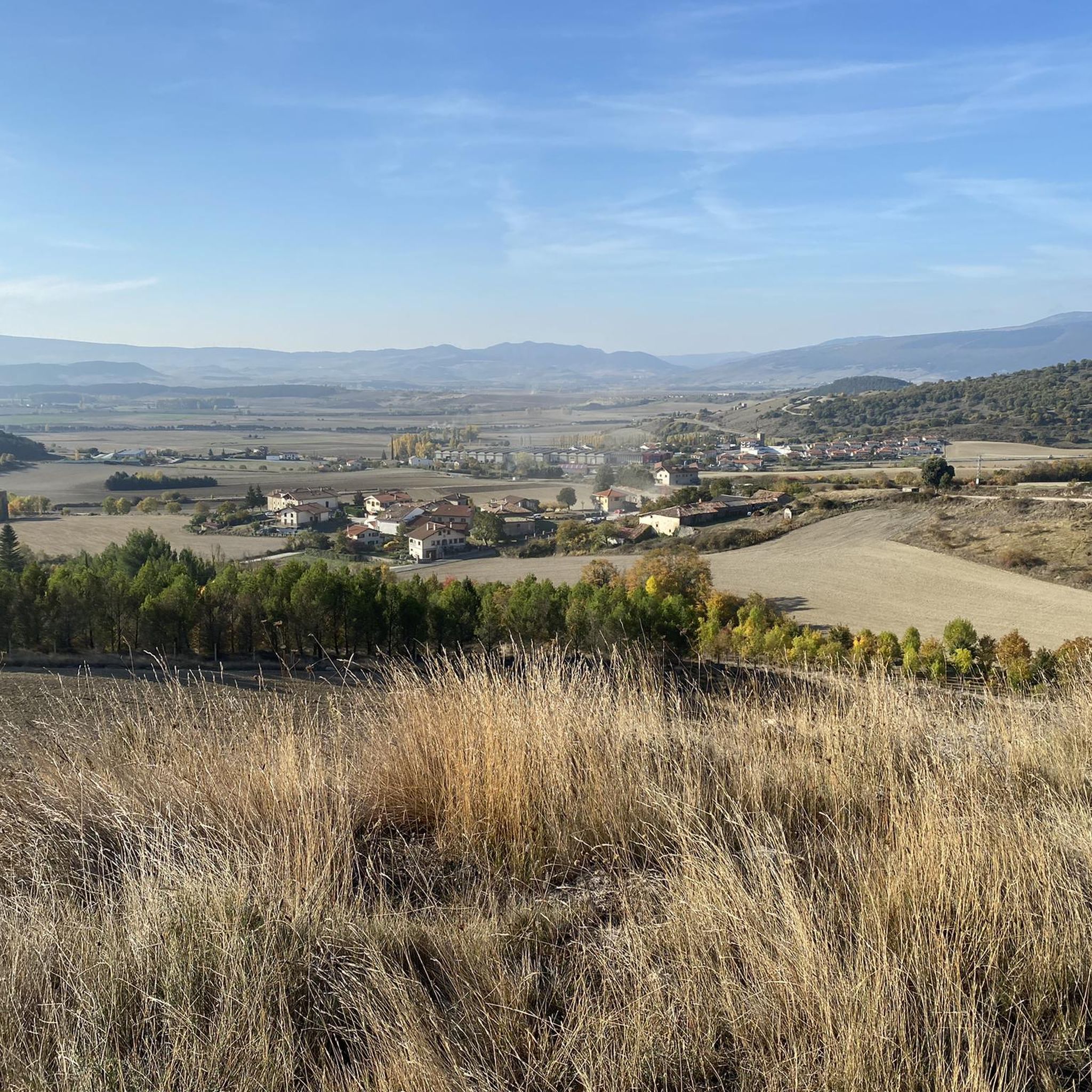
Best attractions and places to see around Facería 49 are primarily located in the surrounding region of Pamplona, Navarra, Spain. Facería 49 itself is a specific legal land designation covering 2.40 hectares, associated with areas like Izkueta, Sarasa, and Arístregui. While not a traditional tourist destination, the broader Facería regions and nearby Navarra offer a variety of historical, cultural, and natural sites. This area provides opportunities to explore significant landmarks and outdoor routes.
Best attractions and places to see around…
Last updated: July 7, 2026
Pamplona Cathedral and the Citadel
Highlight • Historical Site
Translated by Google •
Tip by

Portal de Francia
Highlight • Monument
Translated by Google •
Tip by
Sign up now to discover places like this
Get recommendations on the best single tracks, peaks, & plenty of other exciting outdoor places.
Sign up for free
Gazebo in Plaza del Castillo
Highlight • Monument
Translated by Google •
Tip by

Magdalena Bridge
Highlight • Bridge
Tip by

Plazaola Greenway
Highlight • Cycleway
Translated by Google •
Tip by

Sign up for free to discover even more attractions around Facería 49.
Sign up for free
Already have an account?
Start today with a free account
Your next adventure awaits.
Login or Signup

Tips from the Community

During the Pamplona bullfight, young men in particular risk their health and sometimes their lives. Despite protests from animal rights activists, the "Sanfermines" festival attracts millions of people every year. Around 6,000 bulls are said to have died in the arena over the past 100 years. Since 1911, a total of 16 deaths have been linked to the Pamplona bull runs and fights.
2
1

The centre of the ''Plaza do Castillo'' has been occupied since 28 June 1943 by an 18-metre-high bandstand raised on a stepped drum and whose dome is supported by Ionic columns. Previously, there was a wooden one that replaced the Beneficencia fountain in 1910, the work of Luis Paret, known in Pamplona as "La Mariblanca", which currently adorns the city's Taconera gardens.
1
0

Beautiful charming and ancient bridge over which the Santiago de Compostela trail passes.
0
0
Beautifully restored city gate through which all Santiago de Compostela walkers pass. Even the mechanism to open and close the gate is still there (with counterweights).
1
0

An almost authentic pilgrimage on the Frances, because this is where streams of pilgrims came to the city in the Middle Ages. One of the impressive walls of the fortified city and here you can also see the silver Bicigrino symbols embedded in the ground that lead to the exit: a great feature!
2
0

First section of Via Verde de Plazuela. We leave Pamplona suburbs. First part on a new road, a very quiet conventional circuit, at some point we will have to be careful because we cross some road although with little traffic, the average route passes through a road parallel to the old national road where we go through a tunnel that is shared with vehicles, regulated by traffic lights, to cross two imposing rock formations known as The Two Sisters, while we border both sides of the river. The route gains as we advance, gaining splendor in the last 5-8 km. where it fully follows the old train path, surrounded by vegetation, for about 3 km. Before reaching Lekunberri, a waterfall and springs that come down from the mountain stand out. Easy circuit, although at some points there are some slopes that we then have to go down.
0
1

Imagine yourself on a horse and living in the Middle Ages... entering this gate... what will happen to you?
2
0

"Although this is the most populous city on the Way of St. James, crossing it is relatively pleasant. We enter the old town directly, are led through it to the Citadel Park and quickly leave the city again after a short stretch through the new town." (Text source: Cordula Rabe in "Camino Frances. Spanish Way of St. James from the Pyrenees to Santiago de Compostela", Rother Verlag)
3
0
Frequently Asked Questions
What is Facería 49 and where is it located?
Facería 49 refers to a specific legal land designation covering 2.40 hectares in Navarra, Spain, associated with areas like Izkueta, Sarasa, and Arístregui. While not a traditional tourist destination itself, it is part of a broader region rich in historical, cultural, and natural sites, particularly around Pamplona.
What historical and cultural sites can I explore near Facería 49?
The region offers a wealth of historical and cultural attractions. You can visit the impressive Pamplona Cathedral and the Citadel, explore the 16th-century Portal de Francia which served as an entrance for pilgrims, or see the medieval Magdalena Bridge. Other notable sites in the broader Navarra region include the historic Monastery of Santa Maria de Irache and the unique San Juan Xar Cave Shrine.
Are there natural attractions or scenic viewpoints in the area?
Yes, the surrounding Navarra region boasts stunning natural beauty. Highlights include the Nacedero Urederra Baquedano, famous for its turquoise pools and waterfalls, and the impressive Zugarramurdi Cave, known as the 'Witches' Cave'. Mountain passes like Col de Lizarrieta and Col Lizuniaga offer scenic views, particularly of the emblematic Rhune mountain.
What outdoor activities are available around Facería 49?
The area is excellent for outdoor enthusiasts. You can enjoy cycling or walking along the Plazaola Greenway, a former railway line through an idyllic river valley. For more specific activities, there are numerous hiking trails, MTB trails, and cycling routes that explore the diverse landscapes of the region.
Are there family-friendly attractions near Facería 49?
Absolutely. Many attractions are suitable for families, including the historical sites in Pamplona like the Pamplona Cathedral and the Citadel, the Portal de Francia, and the Magdalena Bridge. The Gazebo in Plaza del Castillo is also a great spot for families to relax. The Zugarramurdi Cave offers an intriguing experience for all ages.
What do visitors enjoy most about the attractions around Facería 49?
Visitors particularly appreciate the rich history and well-preserved architecture of Pamplona, often described as retaining the 'flavor of the past'. The scenic beauty of the Plazaola Greenway, with its idyllic river valley and tunnels, is also highly praised for its unique cycling and walking experience. The community has shared 113 photos and given 195 upvotes to the attractions in the area.
Are there any accessible attractions for visitors with mobility needs?
Yes, the Gazebo in Plaza del Castillo in Pamplona is noted as wheelchair accessible, offering a central and vibrant spot to experience the city's atmosphere.
Can I find places to eat or stay near the attractions?
Pamplona, being the capital of Navarra, offers numerous options for dining and accommodation. The Plaza del Castillo, for instance, is surrounded by bars with terraces. Additionally, towns like Elizondo in the Baztan valley provide traditional houses and various tourist services, while campsites like Camping Iratxe and Camping Acedo offer options for those exploring the natural surroundings.
What is the best time to visit Facería 49 and the surrounding region for outdoor activities?
While specific seasonal advice for Facería 49 is not detailed, the spring and autumn months generally offer pleasant weather for outdoor activities like hiking and cycling in Navarra. These seasons avoid the peak heat of summer and the colder, potentially wetter conditions of winter, making them ideal for exploring trails and historical sites.
Are there any unique local experiences or 'hidden gems' to discover?
Beyond the main attractions, the region offers unique experiences such as the Free Wine Fountain at Bodegas Irache, where pilgrims can taste local wine. The Truffle Museum Navarra provides insight into a significant local culinary delicacy. Exploring the traditional town center of Elizondo also offers a glimpse into authentic Navarran life.
What kind of trails can I find for hiking or cycling?
The area offers a variety of trails, from easy walks to more challenging routes. The Plazaola Greenway is a popular choice for both cycling and walking, though some sections are unpaved and may require a light for tunnels. You can find detailed information on various hiking, MTB, and cycling routes in the guides for the region, with options ranging from moderate to difficult.
Most popular routes around Facería 49
Most popular attractions around Facería 49

Get inspired with the komoot mobile app


Explore more
Still not found the Highlight you’re looking for? See guides of the top attractions in other regions:
