Attractions and Places To See around La Iglesuela - Top 20
Best attractions and places to see around La Iglesuela are found in the province of Toledo, situated within the Tiétar Valley. This region offers a mix of historical architecture, cultural sites, and natural landscapes. The area around La Iglesuela belongs to the Sierra de San Vicente, providing diverse points of interest for visitors.
Best attractions and places to see around La Iglesuela
- The most popular attractions is Puente Mosquea, a bridge of Roman origin over the Tiétar River. It…
Last updated: July 1, 2026
Puerto de Mijares
Highlight • Mountain Pass
Translated by Google •
Tip by

Puente Mosquea
Highlight • Bridge
Translated by Google •
Tip by

Sign up now to discover places like this
Get recommendations on the best single tracks, peaks, & plenty of other exciting outdoor places.
Sign up for free
San Vicente Hill (1320m)
Highlight • Summit
Translated by Google •
Tip by

Main Square of Pelahustán
Highlight • Settlement
Translated by Google •
Tip by

El Piélago Pass
Highlight (Segment) • Mountain Pass
Translated by Google •
Tip by
Sign up for free to discover even more attractions around La Iglesuela.
Sign up for free
Already have an account?
Start today with a free account
Your next adventure awaits.
Login or Signup



Other adventures around La Iglesuela

Tips from the Community

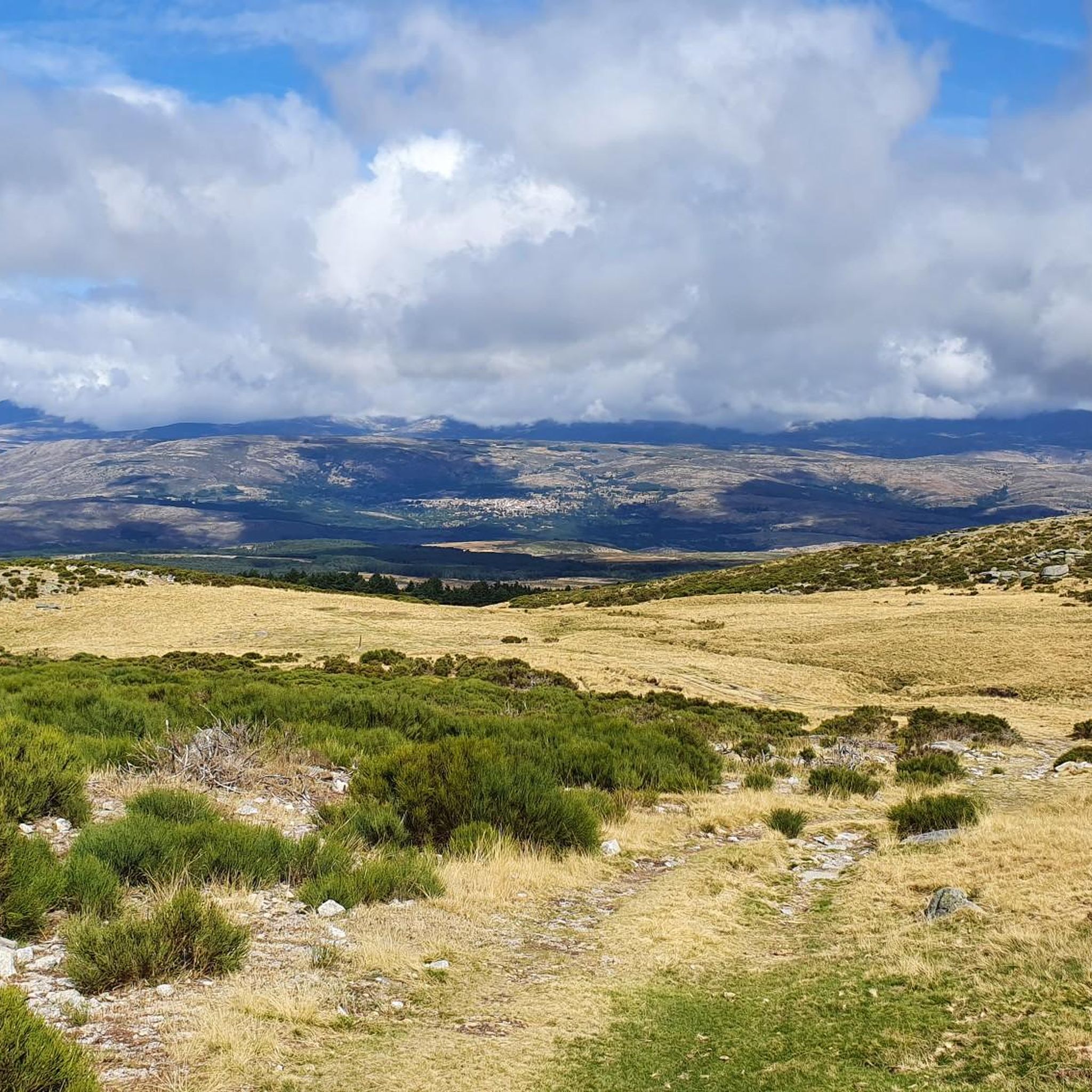
The Mijares Pass is one of the great mountain passes in the Sierra de Gredos, highly prized by cyclists for its length, elevation gain, and scenic beauty. Maximum gradient: 11% (on short ramps before Mijares). There are several steep sections in the villages and near the Horcajo area, as well as another one 2 km from the summit.
1
0

You cool down very quickly up here, especially when it's windy.
7
0

Highest point 1580 on this route, there is a large parking lot to enjoy the view.
16
0

A legendary mountain pass in the Vuelta a España and in the Gredos mountain range, along with Serranillos, Peña Negra, Pedro Bernardo, and Puerto del Pico. It's a namesake of Serranillos, as it connects the same valleys, running parallel. Like Serranillo, it's a pass with a gentle, continuous gradient and uneven, bumpy asphalt, which is typical of this area. A pass of thermal contrasts: in winter, you're freezing cold, and in summer, you can die of heat.
0
0
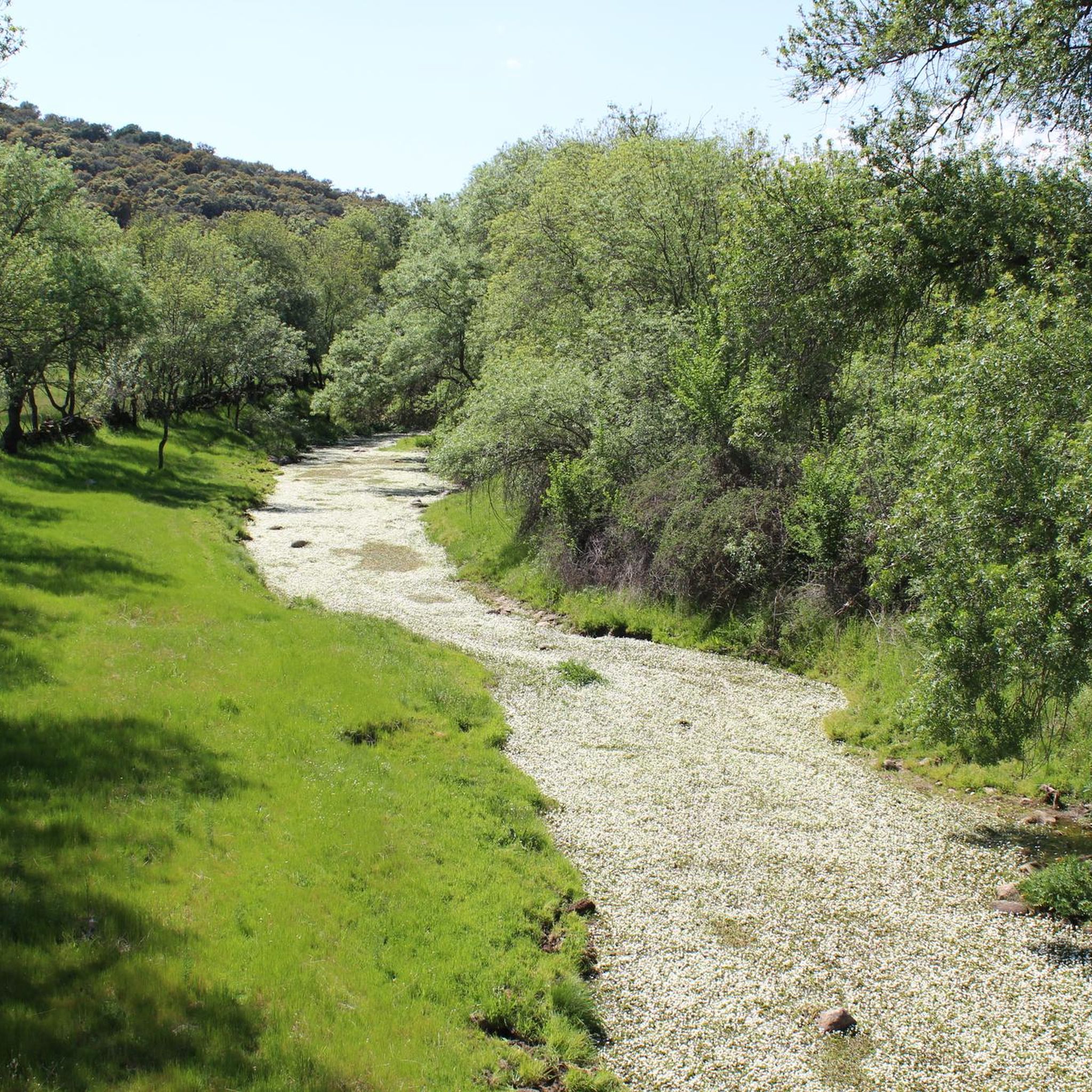
The Mosquea Bridge is located in La Adrada, Ávila, and is part of the Medieval Bridges Route that crosses the Tiétar River. It's an ideal place to enjoy a peaceful walk surrounded by nature, with views of beautiful holm oaks, pines, and junipers. The route is easy to walk and suitable for almost everyone.
5
0
The place name Pelahustán seems to derive from the activity related to looms and the sale of linen that the population had in the past. In documents from the 18th century, it appears as Pelafustan. According to the dictionary of the Royal Spanish Academy, the concept of pelafustán is equated with that of pelagatos, which in turn means “insignificant or mediocre person, without social or economic position.” The town also had several water mills worked by Salamancan teleworkers. Pelahustán is located at an altitude of 673 meters above sea level and borders the terms of Higuera de las Dueñas in the province of Ávila, Nombela, Nuño Gómez, Garciotum and El Real de San Vicente in the province of Toledo, and Ceniientos in the Community of Madrid 😊
2
0


The Mosquea Bridge is a bridge of Roman origin over the Tiétar River. It stands out for its age and beauty, and is also one of the largest in the municipality of La Adrada. It is located on the important Mesta ravine.
3
0
Frequently Asked Questions
What historical and cultural sites can I explore in La Iglesuela?
La Iglesuela offers a rich history. You can visit the 16th-century Iglesia Parroquial de Santa María de la Oliva, known for its robust construction and tall tower. The Ermita de la Fuensanta, a charming hermitage with a distinctive white facade, is also worth seeing. Additionally, the town features several ancient structures, including Puente Mosquea, a bridge of Roman origin over the Tiétar River, and other Roman-style bridges on the old roads. Don't miss the traditional wells (Pozos) and the Fuente del Ejido, reflecting the town's agricultural heritage. The Main Square of Pelahustán also holds historical significance, with theories linking its name to ancient textile production.
Where can I find the best scenic views and natural attractions around La Iglesuela?
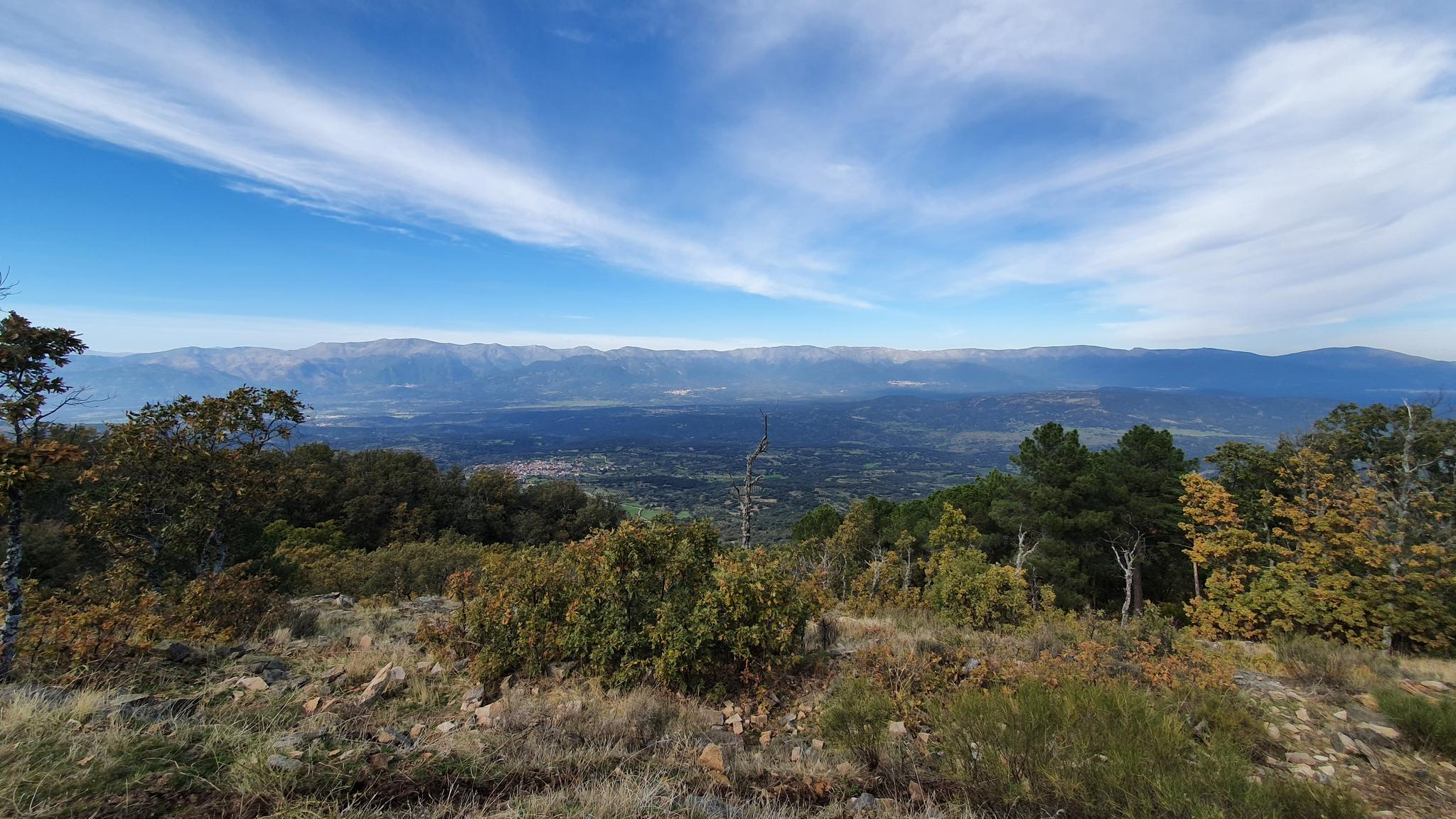
For breathtaking vistas, head to Puerto de Mijares, a mountain pass at 1,573 meters above sea level, offering expansive views. El Piélago Pass also provides beautiful views over El Real de San Vicente. The summit of San Vicente Hill (1320m) offers wonderful panoramas of Toledo, the Sierra de Gredos, and the high Tiétar. The entire Tiétar Valley, where La Iglesuela is situated, is known for its natural beauty, and you can enjoy views of the Río Tiétar itself. The Garganta de Nuño Cojo is another notable natural point of interest nearby.
Are there any family-friendly attractions or activities in the area?
Yes, several attractions are suitable for families. The Puente Mosquea offers a peaceful walk surrounded by nature, which is easy and suitable for almost everyone. The Main Square of Pelahustán provides a glimpse into local history and culture in a relaxed setting. While mountain passes like Puerto de Mijares are known for demanding climbs, the large parking lot at the top makes it accessible for families to enjoy the views without extensive hiking.
What outdoor activities, like hiking or cycling, can I do near La Iglesuela?
The region around La Iglesuela is excellent for outdoor enthusiasts. You can find numerous hiking trails, including the 'Ruta del Tiétar – circular from Iglesuela del Tiétar (PR-TO 20)' which is a moderate 10km loop. For more options, explore the Hiking around La Iglesuela guide. Cyclists can enjoy challenging routes like the 'Sierra de San Vicente – circular to the port of El Piélago from Iglesuela del Tiétar' or the 'Mijares y Valle del Tiétar — circular por la Iglesuela del Tiétar'. Discover more cycling adventures in the Road Cycling Routes around La Iglesuela guide. There are also demanding MTB trails available, detailed in the MTB Trails around La Iglesuela guide.
Are there any ancient ruins or archaeological sites to visit?
Yes, the area has historical depth. On San Vicente Hill (1320m), you can find Celtic Ruins and the remains of a hermitage built in the old Cueva de los Mártires. This hill was also a place of worship for the Vetton peoples and the Romans, who called it Mons Veneris. Additionally, the Puente Mosquea is of Roman origin, showcasing ancient engineering.
What do visitors particularly enjoy about the attractions near La Iglesuela?
Visitors frequently praise the stunning natural beauty and the sense of tranquility. The views from mountain passes like Puerto de Mijares and El Piélago Pass are highly appreciated, especially by cyclists. The historical significance and peaceful atmosphere of sites like Puente Mosquea, with its surrounding nature, are also highlights for many. The blend of challenging outdoor activities and serene historical exploration makes the area appealing.
Can I find any unique architectural features in La Iglesuela?
Absolutely. The Iglesia Parroquial de Santa María de la Oliva stands out with its 16th-century ashlar stone construction, three naves, and a distinctive three-bodied square tower. The Ermita de la Fuensanta, though more recent, features a unique bell gable and a charming porch. Throughout the town, you'll also notice traditional wells constructed with large stones and the intricate design of the Fuente del Ejido, which channels water through multiple troughs, reflecting local craftsmanship and history.
Are there any specific routes for mountain biking or road cycling?
Yes, the area is popular for both mountain and road cycling. For road cycling, challenging routes include 'Sierra de San Vicente – circular to the port of El Piélago from Iglesuela del Tiétar' and 'Mijares y Valle del Tiétar — circular por la Iglesuela del Tiétar'. Mountain bikers can tackle routes like 'Views of Gavilanes – Views of Pedro Bernardo loop from Gavilanes' or 'Mijares – Views of Mijares loop from Gavilanes'. You can find more detailed routes and their difficulty levels in the MTB Trails around La Iglesuela guide and the Road Cycling Routes around La Iglesuela guide.
What is the significance of the Tiétar Valley for La Iglesuela?
La Iglesuela is nestled within the Tiétar Valley, which significantly shapes its character and offerings. The valley provides the town with its natural scenery, including views of the Río Tiétar and access to the Sierra de San Vicente. Many historical sites, like Puente Mosquea, are situated along the river, and the valley's terrain is ideal for various outdoor activities, from hiking to cycling, making it a central element of the region's appeal.
Are there any places to see traditional rural life or agricultural heritage?
Yes, the area known as El Ejido, located on the outskirts of La Iglesuela, offers a glimpse into traditional agricultural and livestock farming. Here, you'll find an interesting collection of corrals and haystacks. The Fuente del Ejido, with its system of troughs, also highlights the historical importance of water management for livestock in the region, showcasing the enduring rural character of the town.
What kind of views can I expect from San Vicente Hill?
From the summit of San Vicente Hill (1320m), you can expect extraordinary views. It offers a wide panorama of the Toledo area, and on clear days, you can even see the majestic Sierra de Gredos park and the high Tiétar region. It's a truly special summit, combining natural beauty with historical significance.
Most popular routes around La Iglesuela
Most popular attractions around La Iglesuela

Get inspired with the komoot mobile app


Explore more
Still not found the Highlight you’re looking for? See guides of the top attractions in other regions:
