Attractions and Places To See around La Sequera De Haza - Top 14
Best attractions and places to see around La Sequera De Haza include historical sites, natural features, and cultural landmarks within the Ribera del Duero region. This area, situated in the valley of a stream with varied landscapes of slopes, valleys, and moors, showcases a rich past with Roman and Visigothic influences. Visitors can explore ancient settlements, significant churches, and unique natural elements like singular mulberry and oak trees. The region also features an extensive network of underground wine cellars, reflecting…
Last updated: July 8, 2026
Haza and its castle
Highlight • Castle
This small walled town of the Ribera del Duero …
Translated by Google •
Tip by

Haza Walled Village
Highlight • Settlement
Translated by Google •
Tip by

Sign up now to discover places like this
Get recommendations on the best single tracks, peaks, & plenty of other exciting outdoor places.
Sign up for free
Fuentecén
Highlight • Settlement
Translated by Google •
Tip by

Haza
Highlight • Settlement
Translated by Google •
Tip by
Campillo de Aranda
Highlight • Settlement
Translated by Google •
Tip by

Sign up for free to discover even more attractions around La Sequera De Haza.
Sign up for free
Already have an account?
Start today with a free account
Your next adventure awaits.
Login or Signup



Tips from the Community


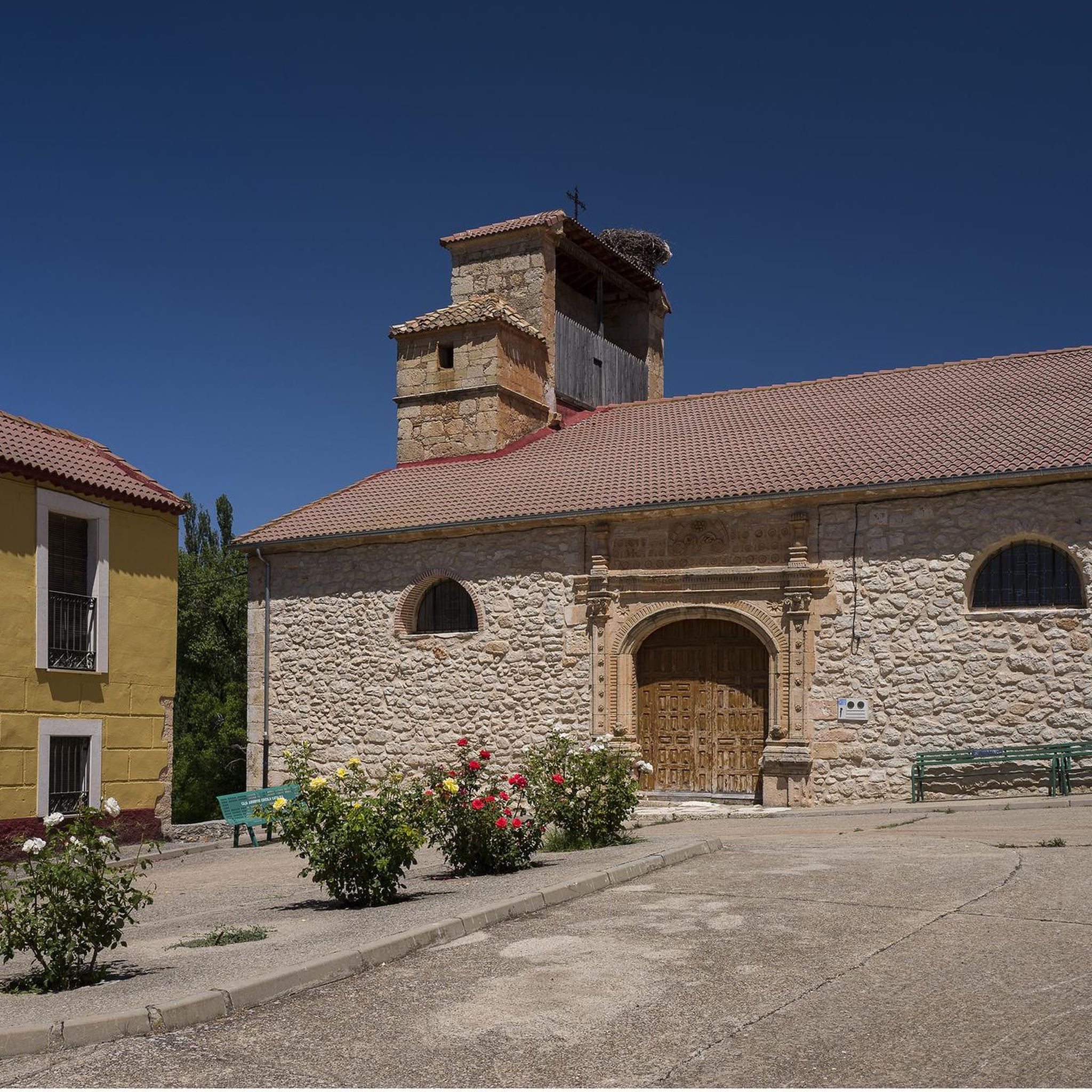
Town located in the Ribera de Duero. The most important point is the square where the Church of San Mamés Mártir is located. In Fuentecén there is also one of the 111 unique trees in the province of Burgos, called "Pino Redondo" for its perfect dome that it had until a few decades ago.
1
0

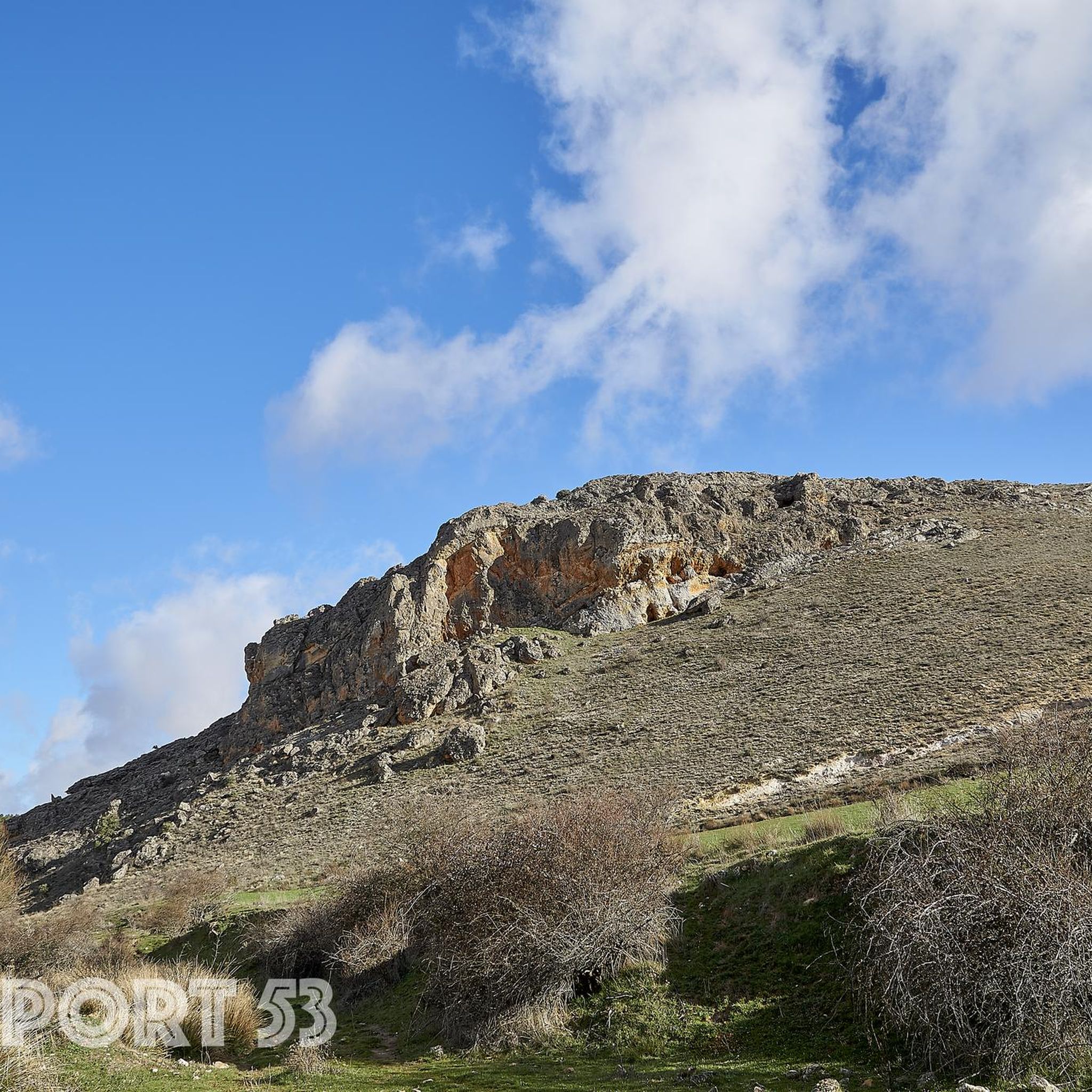
Haza, a small walled town on top of a hill, overlooks the Riaza plain. A perfect place to stop while mountain biking.
0
0

It has a parish church in the center of town dedicated to Nuestra Señora de la Asunción, dating from the 16th century, as well as a Town Hall from the same period that complete the typical popular architecture of the area. There are also a series of curious underground cellars that can be visited.
9
0

Campillo is famous for its festivities in honor of the Virgen de la Asunción and San Roque. Many years ago a drunkard thought he saw a whale in the Navajo pond, but it was really a saddle. Since then, the young people of the town have made a whale with various materials (sacks, paper, rope, paint...). It is burned on the last day of the festivities at the end of the festival and is jumped over by the people of the town.
0
0
Located on top of a hill above the fertile plain of the Riaza, stands the small and historic town of Haza. This small walled town in the Ribera del Duero is located on the other side of the valley with impressive views.
0
0
Located on top of a hill above the fertile plain of the Riaza, stands the small and historic town of Haza. This small walled town of the Ribera del Duero acquired great prominence in the year 912, when it was repopulated by Count Gonzalo Fernández, in the time of King García I of León in full Christian advance.
1
0
Frequently Asked Questions
What historical sites can I explore around La Sequera de Haza?
The region is rich in history. You can visit the medieval Haza and its castle, a prominent walled town from 912. Other significant historical sites include the Fuentecén Church, known for its unique angel on the bell tower, and the settlement of Milagros, where a Roman villa once stood. Beyond these, explore the Nuestra Señora de la Asunción Parish Church with its Romanesque baptismal font, the archaeological site of the Necropolis of San Nicolás, and the ruins of the Hermitage of San Nicolás.
Are there any natural attractions or unique trees to see?
Yes, La Sequera de Haza offers several natural points of interest. You can find the Fountains of Hontanguillas, which are natural springs. The area is also home to remarkable mulberry trees, including the three-centuries-old 'Moral de las Tormentas' or 'Morera Cocodrilo' with its distinctive trunk. Additionally, the Roble Quejigo de la Sequera de Haza, a singular oak tree, is a valuable remnant of the ancient oak forests on the slope of the Páramo de Corcos.
What cultural experiences are available in La Sequera de Haza?
For a glimpse into local culture, visit the Ethnographic Museum. The town is also famous for its extensive network of over 70 underground wine cellars and presses, offering insight into traditional winemaking and architecture. La Sequera de Haza is part of the Ribera del Duero Wine Route, making it an excellent stop for wine enthusiasts.
What outdoor activities can I do near these attractions?
The area around La Sequera de Haza is ideal for various outdoor activities. You can find numerous cycling routes, including those for touring bicycles and road cycling. For mountain biking enthusiasts, there are dedicated MTB trails. Explore routes like the 'Fuentelcésped Church – Peñaranda de Duero loop' for cycling or the 'Haza and its castle – Haza Walled Village loop' for mountain biking. For more details on routes, visit the Cycling around La Sequera De Haza, MTB Trails around La Sequera De Haza, and Road Cycling Routes around La Sequera De Haza guides.
Are there family-friendly attractions in the area?
Yes, the settlement of Milagros is noted as a family-friendly spot. Its location on the left bank of the Riaza River and historical significance as a former Roman villa make it an interesting place for all ages to explore.
Where can I find good viewpoints around La Sequera de Haza?
The Haza settlement, located on top of a hill above the fertile plain of the Riaza, offers impressive views of the surrounding landscape. Similarly, the Haza Walled Village provides excellent vantage points overlooking the Riaza plain.
What is the best time to visit La Sequera de Haza for outdoor activities?
The Ribera del Duero region, including La Sequera de Haza, generally experiences pleasant weather for outdoor activities during spring (April to June) and autumn (September to October). These seasons offer milder temperatures, which are ideal for exploring historical sites, cycling, and hiking.
Can I see any unique wildlife in the region?
The Moor of Corcos, a natural area near La Sequera de Haza, is known to be home to the Ricot's lark, an endangered bird species. This area provides an opportunity for birdwatching and experiencing the local wildlife.
What is the significance of the underground wine cellars?
The underground wine cellars in La Sequera de Haza are a testament to the region's deep connection to winemaking and its traditional popular architecture. With over 70 cellars and presses spread across the village, they offer a unique historical and cultural insight into the area's viticultural heritage.
What do visitors enjoy most about the attractions near La Sequera de Haza?
Visitors particularly appreciate the historical depth and scenic beauty of the area. The small walled town of Haza and its castle is frequently highlighted for its historical significance and commanding views. The opportunity to explore ancient settlements and enjoy the varied landscapes of slopes, valleys, and moors also receives positive feedback.
Are there any ancient Roman or Visigothic remains in the area?
Yes, the region has a rich past dating back to Roman and Visigothic times. Evidence of these periods can be found, for example, in the settlement of Milagros, where a Roman villa was founded. Archaeological excavations at the Necropolis of San Nicolás have also uncovered numerous medieval remains, indicating a long history of settlement.

Get inspired with the komoot mobile app


Explore more
Still not found the Highlight you’re looking for? See guides of the top attractions in other regions:
