Attractions and Places To See around Benigànim - Top 20
Best attractions and places to see around Benigànim include a mix of historical, cultural, and natural sites. This town in the province of Valencia, Spain, features ancient streets, significant religious buildings, and areas of archaeological interest. Visitors can explore a rich tapestry of sites reflecting its history and natural landscape. The region offers opportunities for exploring historical landmarks and engaging in outdoor activities.
Best attractions and places to see around Benigànim
- The most popular attractions is Castell de Xàtiva,…
Last updated: July 7, 2026
Castell de Xàtiva
Highlight • Castle
Translated by Google •
Tip by

Cova Negra
Highlight • Cave
Translated by Google •
Tip by

Sign up now to discover places like this
Get recommendations on the best single tracks, peaks, & plenty of other exciting outdoor places.
Sign up for free
Collegiate Basilica of Santa María (La Seu), Xàtiva
Highlight • Religious Site
Translated by Google •
Tip by

Fountain of the 25 Spouts
Highlight • Monument
Translated by Google •
Tip by

Hermitage of Saint Joseph
Highlight • Religious Site
Translated by Google •
Tip by
Sign up for free to discover even more attractions around Benigànim.
Sign up for free
Already have an account?
Start today with a free account
Your next adventure awaits.
Login or Signup
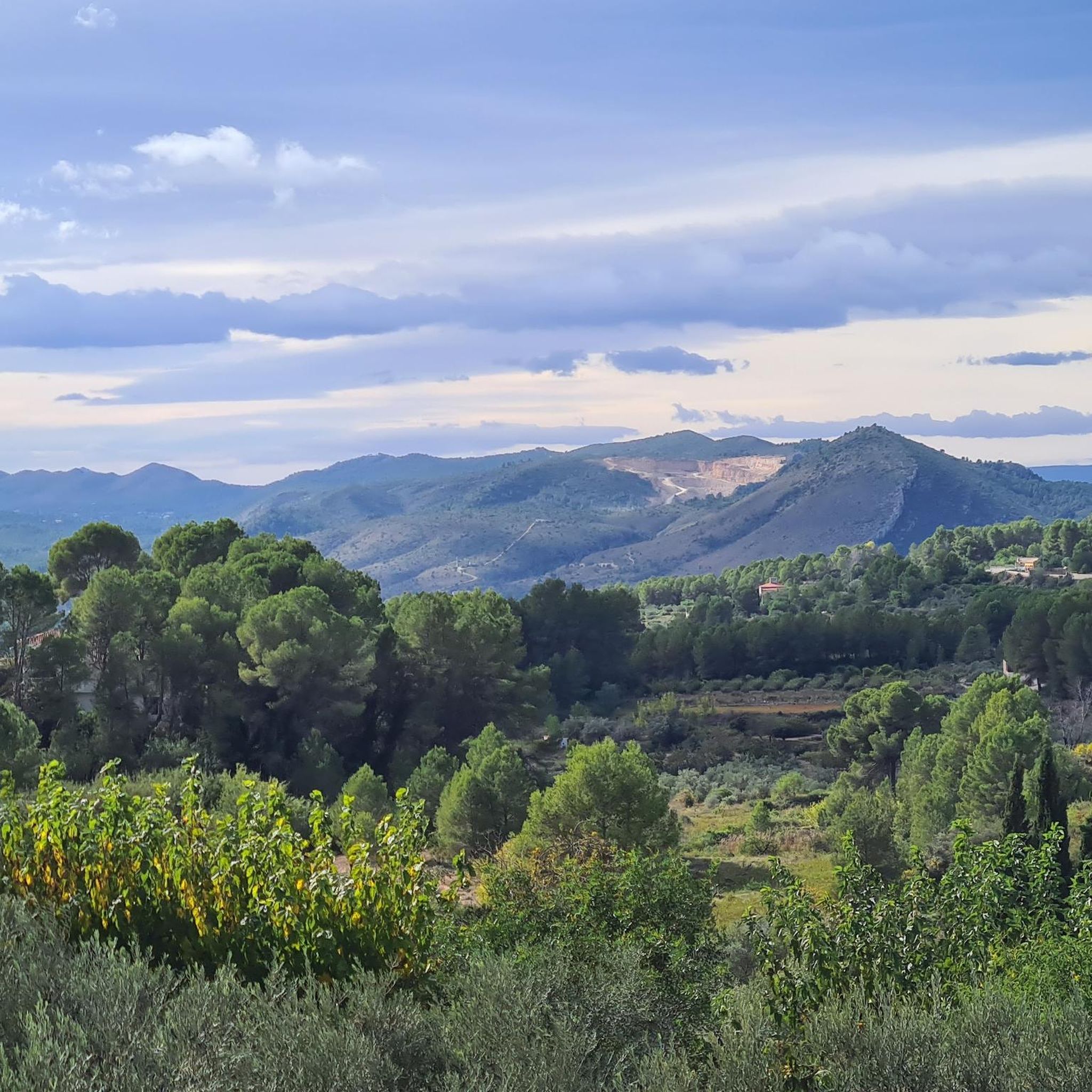

Tips from the Community

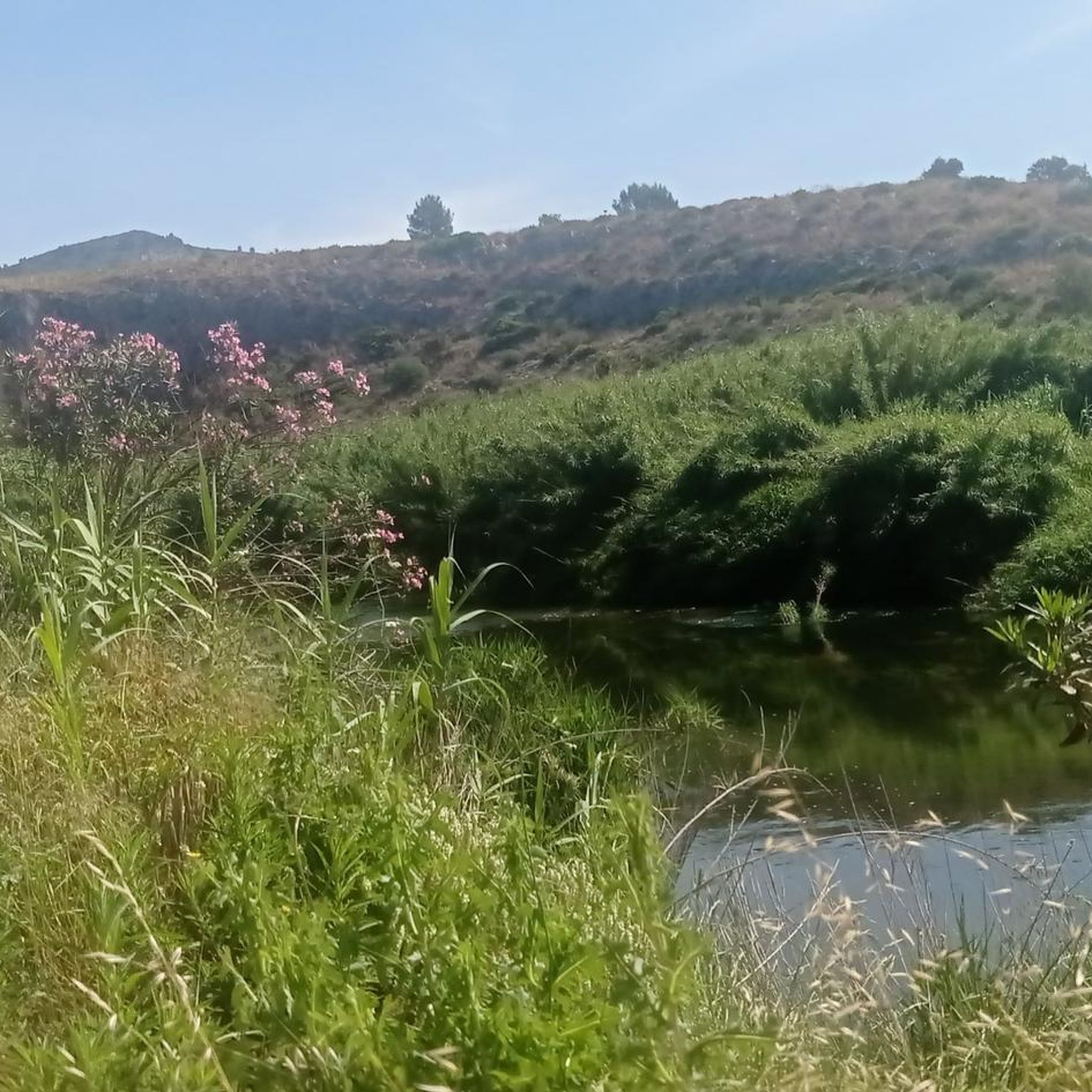
The La Cova Negra municipal natural area is located in the municipality of Játiva, province of Valencia. In the Cova Negra is the Middle Paleolithic site in which remains of Homo Neanderthal have appeared. This natural area is located in the narrow valley formed by the Albaida River, as it crosses the reliefs of the Sierra Grossa, at the exit of the so-called Estret de les Aigües. In the widest meander formed by the Albaida River, at the height of Pico del Paller, you can see the Cova Negra, named for the blackish appearance of its walls.
2
1

nice town
1
0

Impressive facility and fantastic views
1
0

Nice to look at, very interesting object. The Fountain of the Twenty-Five Fountains (in Valencian Font dels vint-i-cinc "xorros") is a fountain from the late 18th century in the town of Játiva, right near the church of San Pedro. The fountain has twenty-five spouts, which give it its name. The central spout depicts the face of a bearded person with water flowing from his mouth, while the remaining spouts are in the shape of a snake.
5
0

La Cova Negra is a cavity that is located in a gorge called the Strait of Waters. Its black color is mainly due to the smoke from the bonfires made by its former inhabitants, the Neanderthals who occupied it for a few months of the year. An important amount of flint tools and other archaeological remains have been found here.
3
0

La Cova Negra is an important archaeological site, located in the widest meander of the Albaida river. It was home to Neanderthal man in the Paleolithic. The cave gets its name from the dark color of the walls. Human remains and paintings have been found inside.
2
0
La Cova Negra is an important archaeological site, located in the widest meander of the Albaida river. It was home to Neanderthal man in the Paleolithic. The cave gets its name from the dark color of the walls. Human remains and paintings have been found inside. It is a space of fundamental importance for understanding the culture of the Mosterian and the reality of the Neanderthals. The Almodí Museum exhibits an exact reproduction of a parietal bone from the period, discovered in the cave.
2
0
The Fountain of the Twenty-Five Dolls or Royal Font of the Twenty-Five Canelles is a late 18th century fountain fed by the Bellús spring. The fountain has twenty-five jets that give it its name, representing the central spout a face of a bearded person in stone from which water comes out of his mouth, while the rest of the spouts, made of bronze, have the shape of a snake. It was built between 1788 and 1804 in neoclassical style. For its construction, the material from the old Portal de Cocentaina or Portal dels Banys was used, and its original function was to replace the trough, an old Islamic sink from the 11th century that can now be seen exposed in the Almodí Museum. In 2008 it was restored using the sandblasting technique. There is a known concession by King James the Conqueror in 1264 of the use of the Arab baths, which were already in ruins, and of a fountain in the location where the fountain of the twenty-five jets is currently located. In it a plate says: "Quench the thirst of the thirsty labrador. With my crystals Sétabis blooms. Trade grows, agriculture grows. Population and harvests increase”.
2
0
Frequently Asked Questions
What historical sites can I explore in and around Benigànim?
The region boasts several significant historical sites. You can visit the impressive Castell de Xàtiva, a double fortress with Iberian and Roman origins that held a strategic position on the old Via Augusta. Within Benigànim, explore the historic district of La Illeta with its narrow, ancient streets, or see the Hermitage of Saint Joseph, a neoclassical building with historical importance. For archaeological enthusiasts, La Solana offers remains from the third millennium BC, and the Cova Negra is an important Paleolithic site.
Are there any significant religious buildings to visit in Benigànim?
Benigànim is known for its religious architecture. Key sites include the Església parroquial de Sant Miquel Arcàngel, featuring Gothic and Renaissance styles, and the Església del Crist de la Sang, originally a mosque. The Església de la Puríssima i la Beata Agnés preserves the remains of Beata Inés. You can also visit the Collegiate Basilica of Santa María (La Seu), Xàtiva, a major church historically linked to the Borgia family.
Where can I find archaeological sites near Benigànim?
For those interested in archaeology, the site of La Solana contains remains dating back to the third millennium BC. Additionally, the Cova Negra, located in the widest meander of the Albaida river, is a significant archaeological site where Neanderthal man once lived, now designated a Municipal Natural Area.
What natural attractions are there to see around Benigànim?
Beyond historical sites, the area offers natural beauty. The Cova Negra is a natural monument known for its unique black color. While not directly in Benigànim, the nearby Sierra Gorda mountain ridge and the Embalse de Bellús (Bellús Lake) are within a short drive, offering scenic views and opportunities for fishing.
Are there opportunities for hiking near Benigànim?
Yes, Benigànim is a great base for hiking. You can explore routes like the Fountains Trail or trails leading to old ice houses such as the El Tossal Ice House. For more structured routes, consider trails like "The Genovese Trails (PR-CV 193)" or the "Arcadetes d’Alboi Aqueduct – Cova Negra loop." You can find more details and routes in the Hiking around Benigànim guide.
What kind of cycling routes are available around Benigànim?
The region around Benigànim offers diverse cycling opportunities. For gravel biking, routes like the "Fuente de Marzo – Plaza de La Seo loop from Xàtiva" are available. Road cyclists can enjoy longer routes such as the "Port de Salem and Beniarrés – Water Fountain Near L'Orxa loop." Explore more options in the Gravel biking around Benigànim and Road Cycling Routes around Benigànim guides.
Are there family-friendly attractions or activities in the area?
Many attractions around Benigànim are suitable for families. The Castell de Xàtiva and the Collegiate Basilica of Santa María (La Seu), Xàtiva are listed as family-friendly. Exploring the historic streets of La Illeta or a gentle walk along the Fountains Trail can also be enjoyable for families.
Can I find places with panoramic views in Benigànim?
Yes, for panoramic views, the Calvari (Stations of the Cross) in Benigànim offers spectacular vistas of the town. Additionally, the Hermitage of Saint Joseph provides very nice panoramic views of Xàtiva and its castle.
Is there anything wheelchair accessible among the attractions?
The Fountain of the 25 Spouts in Játiva is noted as wheelchair accessible. This late 18th-century fountain is a beautiful and interesting object to visit.
What are some unique or lesser-known spots to discover?
Beyond the main highlights, consider exploring the municipal Llavador (washing place) in Benigànim, which features a ceramic altarpiece dedicated to Beata Inés. The ruins of old ice houses, such as the El Tossal Ice House, also offer a glimpse into the region's past and can be found along hiking routes.
What is the best time of year to visit Benigànim for sightseeing?
The best time to visit Benigànim for sightseeing and outdoor activities is generally during the spring (March to May) and autumn (September to November) months. During these periods, the weather is typically mild and pleasant, ideal for exploring historical sites, hiking, and cycling without the intense heat of summer.
What do visitors particularly enjoy about the attractions near Benigànim?
Visitors frequently appreciate the historical depth and strategic importance of sites like the Castell de Xàtiva, often noting its grandeur and imposing presence. The unique natural features of Cova Negra and the rich history of religious buildings also receive high praise. Many enjoy the blend of cultural exploration with opportunities for outdoor activities.
Most popular routes around Benigànim
Most popular attractions around Benigànim

Get inspired with the komoot mobile app


Explore more
Still not found the Highlight you’re looking for? See guides of the top attractions in other regions:
