The best running trails around Valero
132
runners
17
runs
Jogging routes around Valero are primarily found within a landscape characterized by natural parks, hills, and water features. The region, including areas like Las Batuecas-Sierra de Francia Natural Park and Sierra de Francia y Quilamas, offers varied terrain for runners. Expect routes that traverse natural scenery, including paths with moderate inclines and descents, and trails that follow water features. This environment provides a diverse setting for outdoor activities and running.
Best jogging routes around Valero
- The most popular jogging route…
Last updated: July 1, 2026
23
runners
18.8km
02:20
480m
480m
Hard run. Very good fitness required. Mostly accessible paths. Some sure footedness required.
15
runners
6.73km
00:55
240m
240m
Moderate run. Good fitness required. Mostly accessible paths. Some sure footedness required.

Sign up for free
23
runners
19.4km
02:19
500m
500m
Hard run. Very good fitness required. Mostly paved surfaces. Suitable for all skill levels.
16
runners
7.94km
00:50
110m
110m
Moderate run. Good fitness required. Mostly paved surfaces. Suitable for all skill levels.
15
runners
11.7km
01:22
310m
310m
Hard run. Very good fitness required. Mostly paved surfaces. Suitable for all skill levels.
Get access to more routes and recommendations from other explorers.
Sign up for free
Already have an account?
Our route recommendations are based on thousands of hikes, rides, and runs completed by other people on komoot.
Start today with a free account
Your next adventure awaits.
Login or Signup
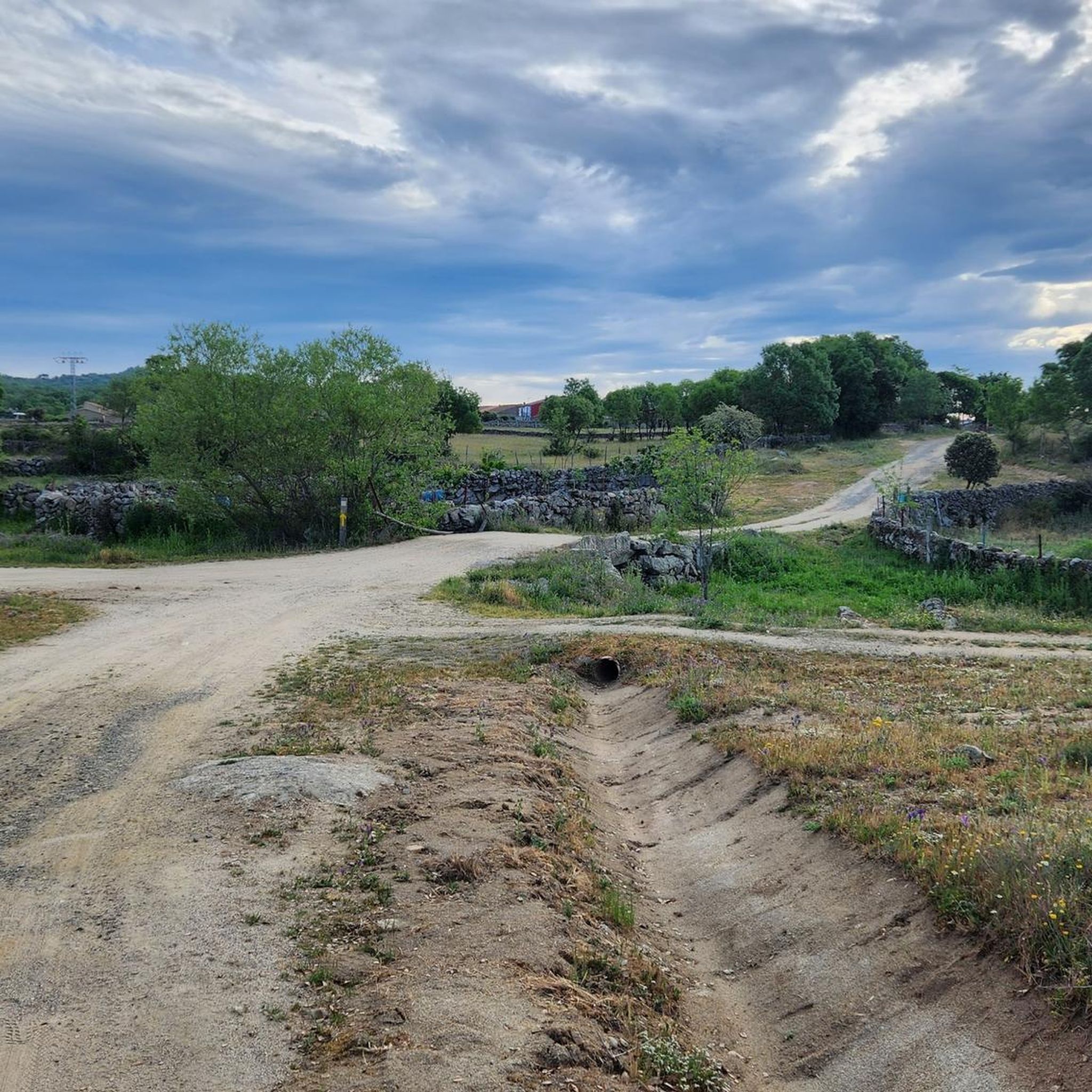
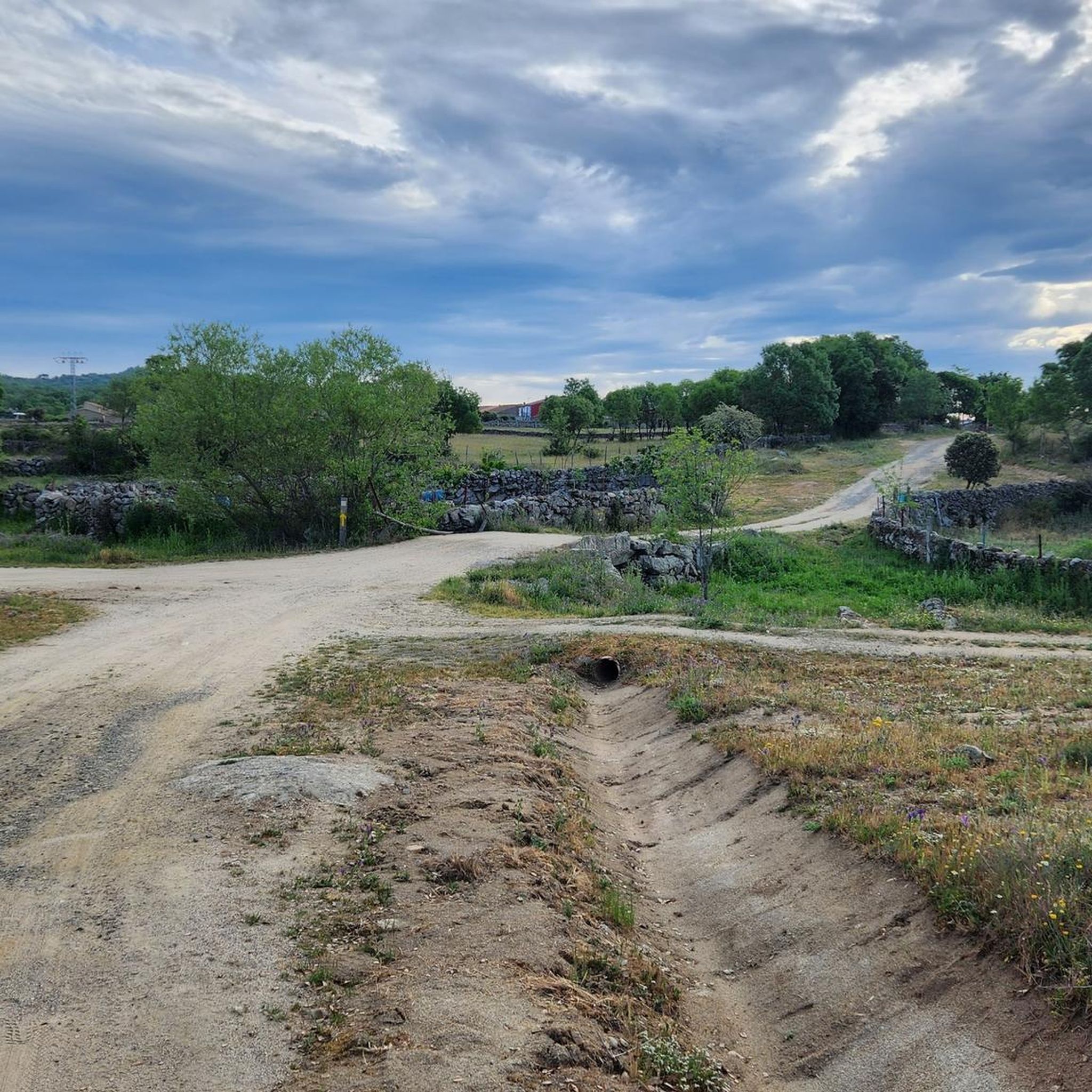
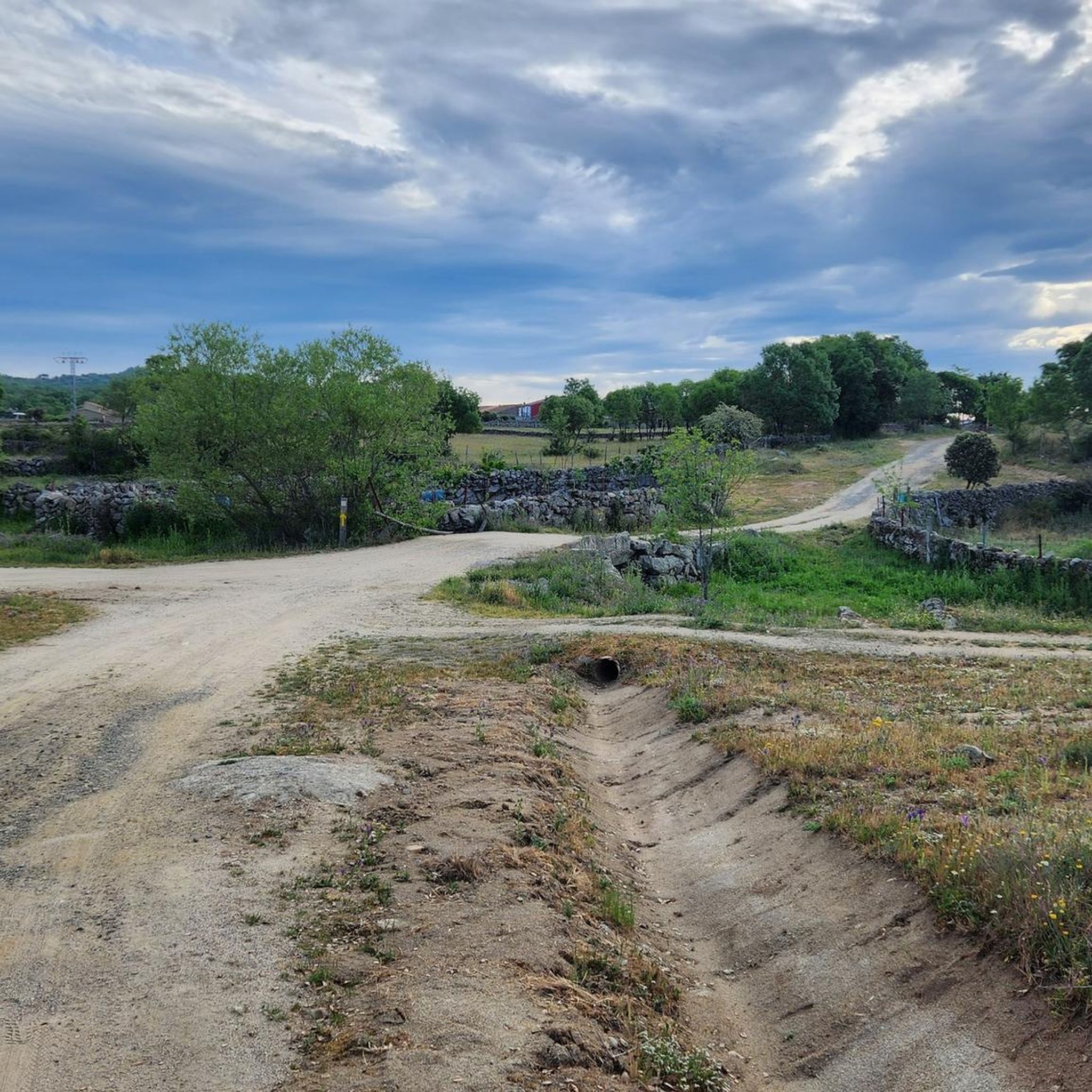
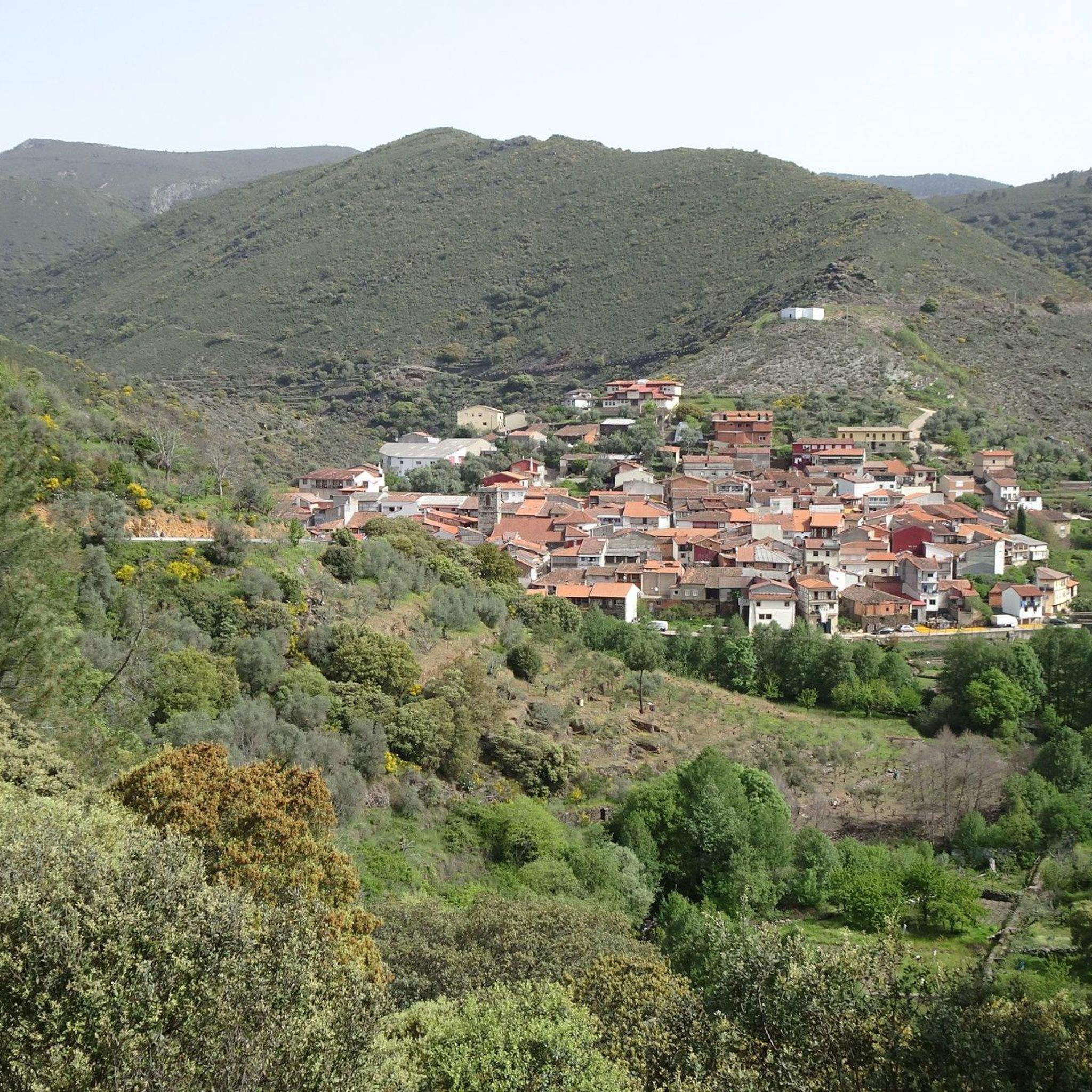
Tips from the Community

What to see in Mogarraz The Faces of Mogarraz More than 800 portraits painted on the facades, the work of artist Florencio Maíllo, who transformed the village into an open-air museum. This initiative originated from photos taken in the 1960s for residents' national identity cards. Main Square The central oval-shaped square, surrounded by traditional mountain houses with timber framing and stone walls. Church of Our Lady of the Snows A Renaissance-style church, built between the 16th and 17th centuries. Bell Tower An old defensive tower, separate from the church, used as a watchtower in the Middle Ages. Ethnographic Museum – House of Crafts Exhibits traditional crafts such as embroidery, shoemaking, and goldsmithing.
2
0
Founded during the 12th-century repopulation of León by Alfonso IX, within the district of Miranda del Castañar. Declared a Historic-Artistic Site in 1998 and a member of the network of the Most Beautiful Villages of Spain. Its mountain architecture combines stone, wood, and adobe, with flower-adorned balconies and heraldic details.
2
0
What to see in Miranda del Castañar Medieval Walls: Over 600 meters remain intact, with four gates facing the cardinal directions: San Ginés, Nuestra Señora, La Villa, and El Postigo. Zúñiga Castle: A 15th-century fortress, symbol of the former County of Miranda. Although the interior is not open to the public, its exterior and keep are impressive. Square Bullring: Considered one of the oldest in Spain, built in the 16th century on the site of the former parade ground. Church of Santiago and San Ginés: Gothic in style (13th-16th centuries), with a detached 17th-century bell tower. Houses with Coats of Arms: More than 80 noble coats of arms adorn the facades, reflecting the town's aristocratic past.
1
0
Miranda del Castañar, one of the most beautiful villages in Spain, is located in the Sierra de Francia (Salamanca): Founded in 1213 by Alfonso IX of León as a town and council, it was the administrative capital of the Sierra de Francia. In the 15th century, the County of Miranda was created under the control of the Zúñiga family, consolidating its strategic importance.
1
0
Zúñiga Castle: A 15th-century fortress, symbol of the former County of Miranda. Although it is not open to the public, its exterior and keep are impressive.
1
0
What to see in Miranda del Castañar Medieval Walls: Over 600 meters remain intact, with four gates facing the cardinal directions: San Ginés, Nuestra Señora, La Villa, and El Postigo. Zúñiga Castle: A 15th-century fortress, symbol of the former County of Miranda. Although the interior is not open to the public, its exterior and keep are impressive. Square Bullring: Considered one of the oldest in Spain, built in the 16th century on the site of the former parade ground. Church of Santiago and San Ginés: Gothic in style (13th-16th centuries), with a detached 17th-century bell tower. Houses with Coats of Arms: More than 80 noble coats of arms adorn the facades, reflecting the town's aristocratic past.
8
0
Miranda del Castañar, one of the most beautiful villages in Spain, is located in the Sierra de Francia (Salamanca): Founded in 1213 by Alfonso IX of León as a town and council, it was the administrative capital of the Sierra de Francia. In the 15th century, the County of Miranda was created under the control of the Zúñiga family, consolidating its strategic importance.
9
0
Located between the municipalities of Navarredonda de la Rinconada and Escurial de la Sierra, in the Sierra de Francia-Quilamas region. A protected natural area within the Natura 2000 network, with oak and chestnut forests and wildlife such as the golden eagle and griffon vulture.
5
0
Frequently Asked Questions
How many running routes are available around Valero?
There are over 10 dedicated running routes around Valero listed on komoot. These routes offer a variety of experiences, from moderate paths to more challenging trails through natural parks and hilly terrain.
Are there any easy jogging routes suitable for beginners in Valero?
While the guide primarily features moderate to difficult routes, the region's diverse landscape means there are paths suitable for various fitness levels. For a moderate option, consider the Water Trail, which is 4.2 miles (6.7 km) long and follows scenic water features, offering a pleasant run.
What kind of terrain can I expect on the running trails in Valero?
The running trails in Valero are characterized by natural parks, hills, and water features. You'll find routes traversing varied terrain, including paths with moderate inclines and descents, especially within areas like Las Batuecas-Sierra de Francia Natural Park and Sierra de Francia y Quilamas.
Are there any circular jogging routes in Valero?
Yes, there are circular routes available. A popular option is the Miranda del Castañar – Miranda de Castañar loop from Miranda del Castañar, which is 4.9 miles (7.9 km) long and typically takes about 50 minutes to complete through varied terrain.
What are some scenic viewpoints or attractions I can see along the jogging routes?
Many routes offer beautiful natural scenery. For instance, the Pico Cervero and Honfrías Trail features significant elevation gain through natural park scenery, potentially offering views of Cervero Peak. Other notable attractions in the wider area include Madroñal Viewpoint and the charming settlement of Miranda del Castañar.
Are the running trails in Valero dog-friendly?
While specific dog policies for each trail are not detailed, natural parks and greenbelts in similar regions often permit dogs on leash. It's always recommended to check local regulations for specific trails within areas like Las Batuecas-Sierra de Francia Natural Park to ensure a pleasant experience for you and your pet.
What is the typical length and duration of jogging routes in Valero?
The routes vary significantly in length and duration. For example, the Pico Cervero and Honfrías Trail is a challenging 11.7 miles (18.8 km) route taking about 2 hours 20 minutes, while the Water Trail is a moderate 4.2 miles (6.7 km) path.
Are there any routes that follow water features?
Yes, the region is known for its water features. The Water Trail is a prime example, offering a moderate 4.2 miles (6.7 km) path that follows scenic water features through the local landscape. The 'Camino del Agua' (Water Path) in Valero, Spain, also suggests trails with water elements.
Is parking available near the trailheads in Valero?
While specific parking details for every trailhead in Valero, Spain, are not provided, many natural areas and trail access points typically offer designated parking. For popular spots, it's advisable to arrive early, especially on weekends.
Can I reach the running trails using public transport?
Information on public transport directly to specific trailheads in Valero, Spain, is limited. However, many smaller municipalities in natural park areas may have bus services connecting to larger towns. It's best to research local bus schedules if you plan to rely on public transport to access the trails.
Are there any challenging running routes for experienced runners?
Absolutely. Valero offers several challenging routes. The Pico Cervero and Honfrías Trail, at 11.7 miles (18.8 km) with significant elevation gain, is classified as difficult and is a great option for experienced runners. Another difficult route is the Garcibuey – Villanueva del Conde loop from Villanueva del Conde, which is over 22 km long.
What is the best time of year to go jogging in Valero?
Given Valero's natural park setting with hills and water features, spring and autumn generally offer the most pleasant conditions for jogging, with milder temperatures and beautiful scenery. Summer can be warm, especially at midday, while winter might present cooler temperatures and potentially some precipitation, depending on the specific elevation.
Most popular attractions around Valero

Get inspired with the komoot mobile app


Explore more
Browse the best Running Trails & Routes in other regions.
