The best road cycling routes around Horcajo de la Sierra-Aoslos
4.6
(25)
4,033
riders
30
rides
Road cycling around Horcajo de la Sierra-Aoslos is characterized by its mountainous terrain and varied landscapes within the Sierra Norte of Madrid. The region features extensive oak groves and pine forests, with elevations over 1100 meters above sea level. Winding roads and ascending routes provide a challenging experience for road cyclists. The Madarquillos River flows through the municipality, adding to the natural features of the area.
Best road cycling routes around Horcajo de la Sierra-Aoslos
- The most popular road cycling…
Last updated: May 17, 2026
5.0
(5)
776
riders
83.3km
04:41
1,640m
1,640m
Hard road ride. Very good fitness required. Some segments of this route may be unpaved and difficult to ride.
5.0
(1)
341
riders
61.5km
03:39
1,270m
1,270m
Hard road ride. Very good fitness required. Some segments of this route may be unpaved and difficult to ride.

Sign up for free
5.0
(2)
378
riders
Hard road ride. Very good fitness required. Mostly well-paved surfaces and easy to ride.
5.0
(1)
328
riders
64.3km
03:37
1,200m
1,200m
Hard road ride. Very good fitness required. Mostly well-paved surfaces and easy to ride.
44
riders
31.7km
01:36
430m
430m
Moderate road ride. Good fitness required. Mostly well-paved surfaces and easy to ride.
Get access to more routes and recommendations from other explorers.
Sign up for free
Already have an account?
Our route recommendations are based on thousands of hikes, rides, and runs completed by other people on komoot.
Start today with a free account
Your next adventure awaits.
Login or Signup


Tips from the Community

The Castle and Walls of Buitrago del Lozoya, one of the most important medieval sites in the Community of Madrid: The town has pre-Roman roots and was mentioned by Livy as a Celtiberian fortress (Litabrum). Muslim Fortification: Between the 8th and 11th centuries, the Muslims built the wall to protect the territory. Reconquest: Alfonso VI conquered it in 1085, and it passed into Christian hands. Current Castle: Built in the 15th century by the Mendoza family, during the reign of John II of Castile. Historical Uses: Noble residence, defensive stronghold, and setting for events such as the imprisonment of Juana la Beltraneja.
3
0

Prádena del Rincón is a charming village located in the Sierra Norte of Madrid, founded between the 11th and 12th centuries and historically linked to livestock farming. Strolling through its streets reveals traditional architecture surrounded by nature. Its monuments include the Romanesque-Mudejar church of Santo Domingo de Silos. The tranquility of the area and its rural trails invite you to a peaceful and contemplative getaway in the heart of the Sierra del Rincón. This is ideal for those seeking a genuine connection with nature and rural history, far from the hustle and bustle, with routes that allow you to explore ancient transhumance trails and enjoy the area's biodiversity.
0
0

Beautiful walled town located in the mountains north of Madrid.
0
0

Beautiful town in La Sierra de Madrid with extraordinary landscapes. We recommend this town and its surroundings to isolate yourself from the world.
0
1
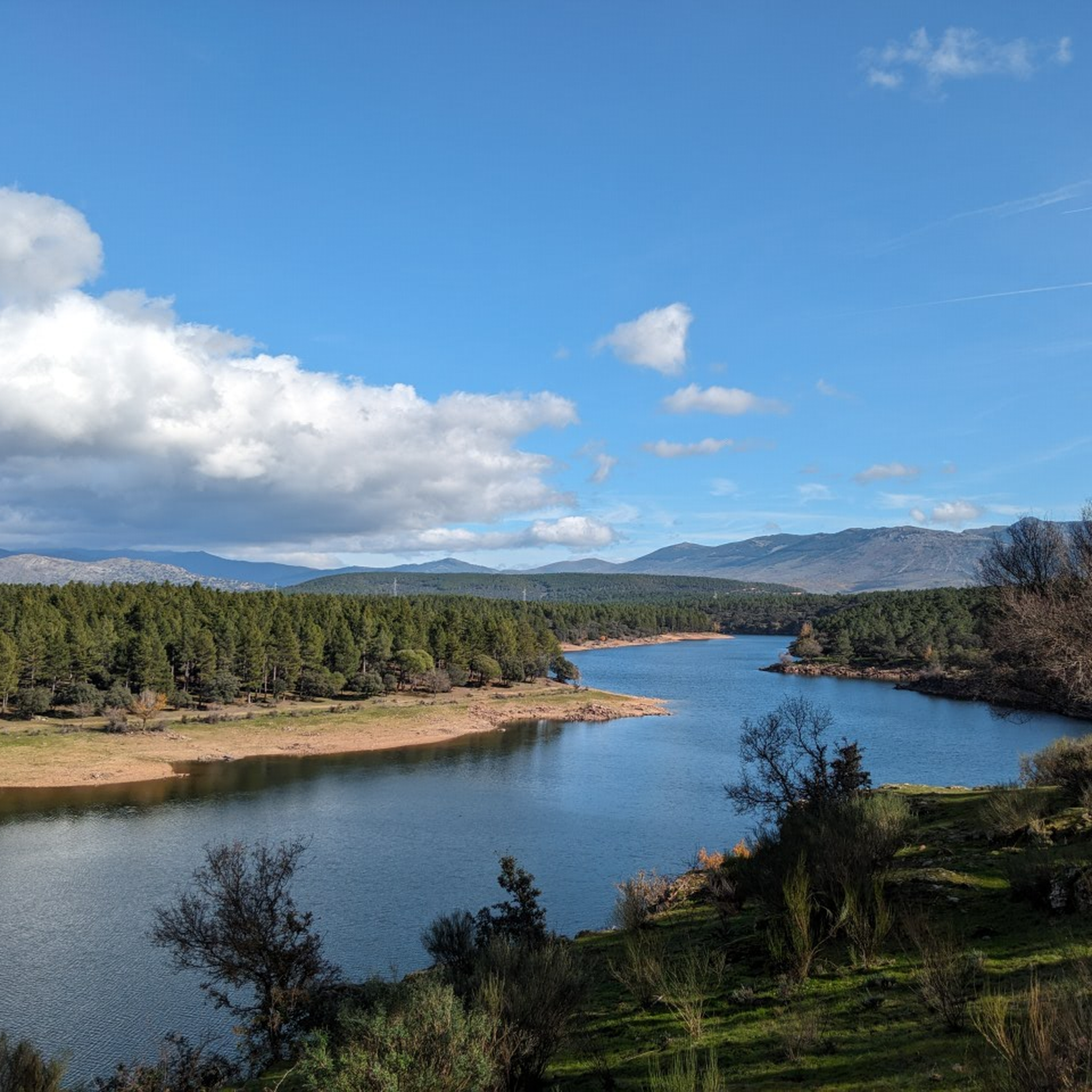
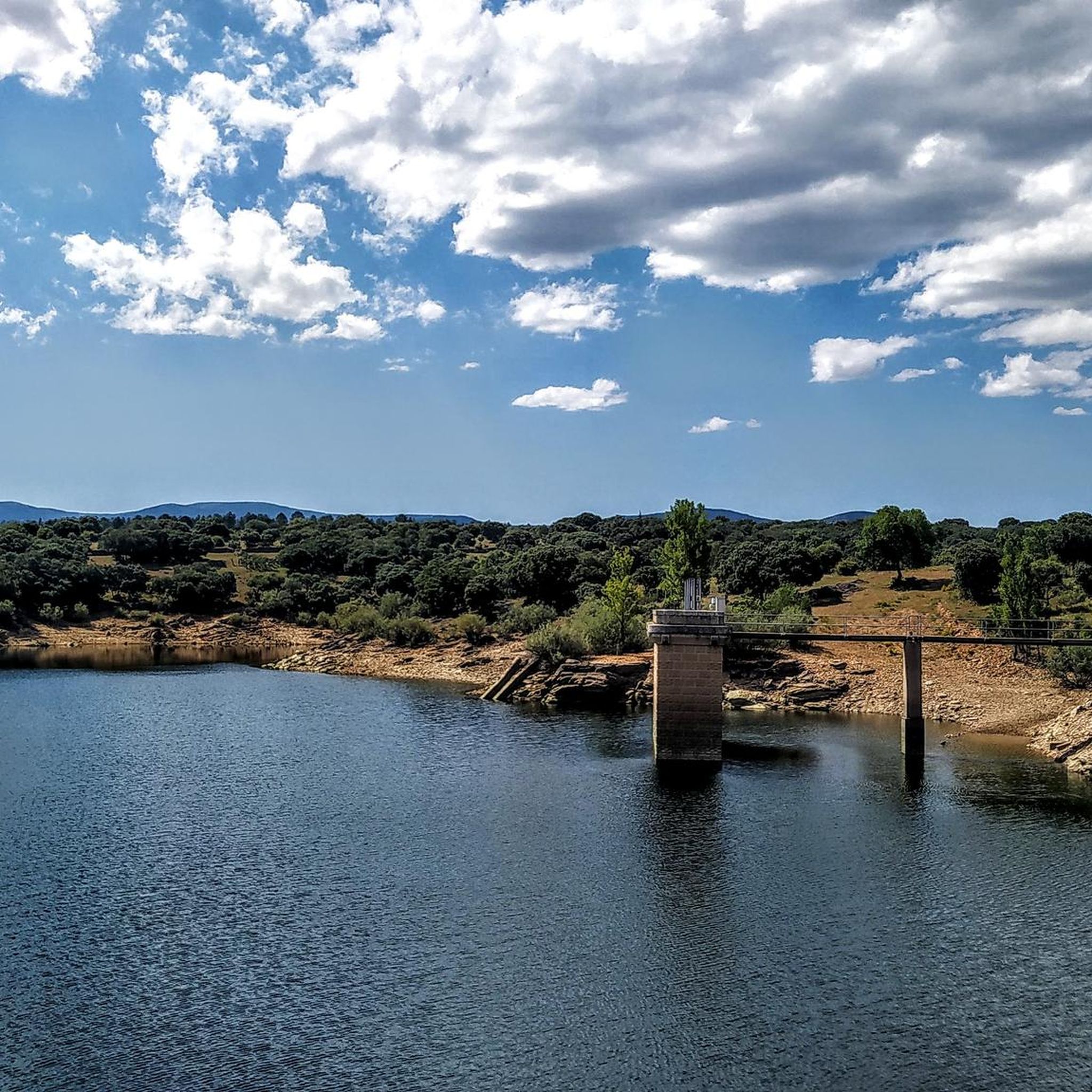
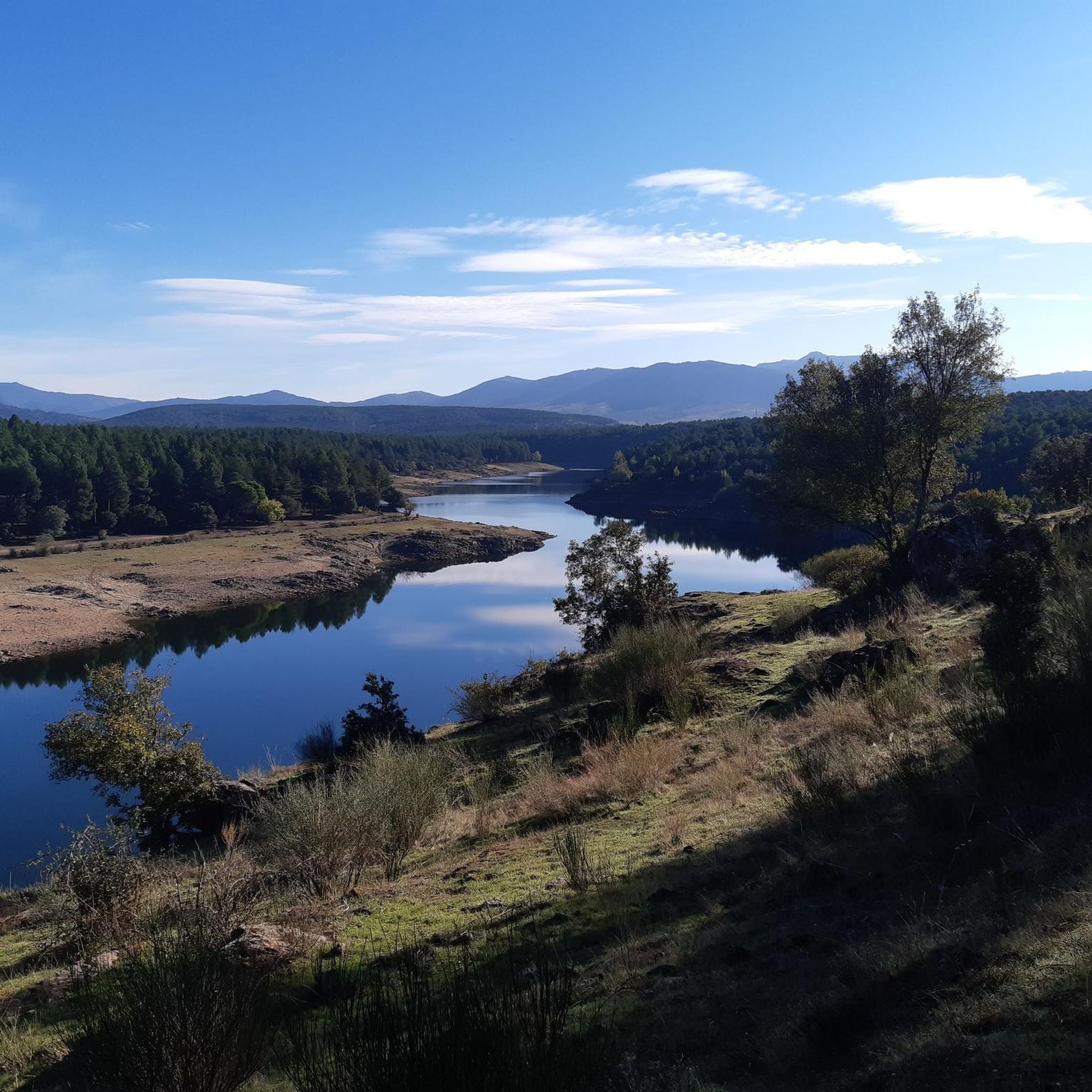
The Puentes Viejas reservoir is located in the middle course of the Lozoya River, in the Sierra Norte (Madrid). It belongs to the Canal de Isabel II reservoir network and is the third reservoir in the direction of the current that the river passes through.
0
0

Located on an old Muslim fortress reconquered in 1085 under the reign of Alfonso VI. The first testimonies of the castle come from the hand of Alfonso VII, who gave the properties to the dukes of Mendoza. These, in the s. XV, they would build a castle fortified by seven different towers, built with brick in the Mudejar style. The Marquis of Santillana and, later, Juana de Portugal and her daughter, Juana la Beltraneja, would reside there. During the War of Independence, the French would use the fortress as a barracks, fleeing from it in 1813, destroying it in their escape, then beginning its deterioration. It currently has a bullring inside and has been closed for restoration since 2016. It is a historical gem that should not be overlooked if you visit the Madrid town.
0
0

Beautiful town in the Sierra Pobre, highly recommended for biking, mtb and hiking, lots of water and shade around
0
0

Its name means Land of Dominion. Traditional houses, with corral and hayloft, alternate in the center and the periphery of the town with more modern houses.
1
1
Frequently Asked Questions
What kind of terrain can I expect when road cycling around Horcajo de la Sierra-Aoslos?
Road cycling in Horcajo de la Sierra-Aoslos offers a diverse and often challenging experience. You'll encounter mountainous terrain with significant ascents and descents, winding roads, and varied landscapes. The region is characterized by extensive oak groves and pine forests, with elevations often exceeding 1100 meters above sea level. The Madarquillos River also adds scenic charm to some areas.
Are there road cycling routes suitable for beginners in Horcajo de la Sierra-Aoslos?
While many routes in the area are moderate to difficult, there is at least one easy road cycling route available. The region's mountainous character means even 'easy' routes may include some elevation changes, but they are generally shorter and less demanding. For those seeking a less strenuous ride, consider exploring routes with lower elevation gains.
What are some challenging road cycling routes in the Horcajo de la Sierra-Aoslos area?
The region is well-suited for experienced cyclists looking for a challenge. Routes like Puerto de La Puebla (1636 m) – La Hiruela loop from Prádena del Rincón offer significant elevation gains, reaching over 1700 meters of ascent. Another demanding option is the La Serna del Monte, El Cardoso de la Sierra – circular route, which features varied landscapes and challenging climbs over 61.5 km.
What natural landscapes and points of interest can I see along the road cycling routes?
The routes wind through picturesque natural settings, including extensive oak groves and pine forests. You can also enjoy views of the Madarquillos River and its natural pools. For specific scenic highlights, consider routes that pass near mountain passes such as Puerto de la Puebla or Salinero Pass, which offer panoramic views of the Sierra Norte.
Are there any historical or cultural landmarks to explore while road cycling?
Yes, the area offers several historical and ethnographic points of interest. You might encounter the 15th-century Church of San Pedro in Cathedra in Horcajo de la Sierra, the Church of San Isidro, ancient bridges over the Madarquillos River, and preserved traditional smithies and horseshoeing posts (potros de herrar) in both Horcajo de la Sierra and Aoslos. These provide opportunities to pause and appreciate local history.
What is the best time of year for road cycling in Horcajo de la Sierra-Aoslos?
The region is generally suitable for road cycling during spring, summer, and autumn. Spring and autumn offer milder temperatures and vibrant foliage. Summer can be warm, especially at lower elevations, but the higher altitudes provide some relief. Winter cycling is possible but requires appropriate gear due to colder temperatures and potential for snow or ice on higher passes.
Are there any circular road cycling routes available?
Yes, many of the road cycling routes in Horcajo de la Sierra-Aoslos are designed as circular loops, allowing you to start and end in the same location. Examples include the popular Montejo de la Sierra, Manjirón, Puebla de la Sierra – circular route and the La Serna del Monte, El Cardoso de la Sierra – circular route.
Is parking available for cyclists in Horcajo de la Sierra-Aoslos?
Horcajo de la Sierra-Aoslos is focused on rural tourism, and while specific dedicated cyclist parking areas are not always explicitly signposted, you can typically find parking in or near the villages. It's advisable to look for public parking spaces in Horcajo de la Sierra or Aoslos, especially near the start points of popular routes.
Can I reach Horcajo de la Sierra-Aoslos by public transport with my bike?
Public transport options to Horcajo de la Sierra-Aoslos are generally limited, as it is a rural area. While some bus services connect to larger towns in the Sierra Norte, policies regarding bicycle transport can vary. It's recommended to check with the specific bus operator for their current regulations on carrying bicycles before planning your trip.
What do other road cyclists enjoy most about road cycling in Horcajo de la Sierra-Aoslos?
The area is highly rated by the komoot community, with an average score of 4.6 stars from over 20 reviews. Cyclists frequently praise the challenging climbs, the tranquility of the rural roads, and the stunning panoramic views of the Sierra Norte. The diverse landscapes, including oak groves and pine forests, are also a significant draw.
Are there any road cycling routes suitable for families?
While many routes feature significant climbs, some shorter, less demanding sections or local roads within the villages might be suitable for families with older children or those looking for a very relaxed ride. For dedicated family-friendly routes, it's best to look for paths with minimal elevation gain and away from heavy traffic, though these are less common for traditional road cycling in this mountainous region.
Are there places to eat or drink along the road cycling routes?
The villages of Horcajo de la Sierra and Aoslos, as well as other small towns in the Sierra Norte that some routes pass through, offer local restaurants and cafes where you can refuel. It's a good idea to plan your route to include these stops, especially on longer rides, as options can be sparse between villages.
How many road cycling routes are available in Horcajo de la Sierra-Aoslos?
There are over 30 road cycling routes available around Horcajo de la Sierra-Aoslos, catering to various skill levels. This includes a mix of easy, moderate, and difficult options, ensuring there's a suitable ride for almost every road cyclist.
Most popular routes around Horcajo de la Sierra-Aoslos
Most popular attractions around Horcajo de la Sierra-Aoslos

Get inspired with the komoot mobile app


Explore more
Browse the best Road cycling routes in other regions.
