Attractions and Places To See around Caudete - Top 20
Attractions and places to see around Caudete include a variety of historical landmarks, cultural sites, and natural features. The town, rich in history, offers insights into its past through structures like its castle and medieval quarter. The surrounding landscape provides opportunities for outdoor activities, with mountain ranges and protected natural areas. This region combines cultural exploration with natural beauty, making it a destination for diverse interests.
Best attractions and places to see around Caudete
- The most popular attractions is Villena…
Last updated: July 7, 2026
Villena
Highlight • Settlement
Translated by Google •
Tip by

Santa Maria Church
Highlight • Castle
Translated by Google •
Tip by

Sign up now to discover places like this
Get recommendations on the best single tracks, peaks, & plenty of other exciting outdoor places.
Sign up for free
Santa Bárbara
Highlight • Religious Site
Translated by Google •
Tip by
Atalaya Castle
Highlight • Castle
No information is known about the original Muslim castle. The castle was first mentioned in 1240 when it was captured during …
Translated by Google •
Tip by

Salinas quiet road
Highlight (Segment) • Cycleway
Translated by Google •
Tip by

Sign up for free to discover even more attractions around Caudete.
Sign up for free
Already have an account?
Start today with a free account
Your next adventure awaits.
Login or Signup

Tips from the Community

You can still find some pretty old buildings and authentic Spanish life here. However, it's a bit more difficult to find a restaurant on Mondays.
2
0

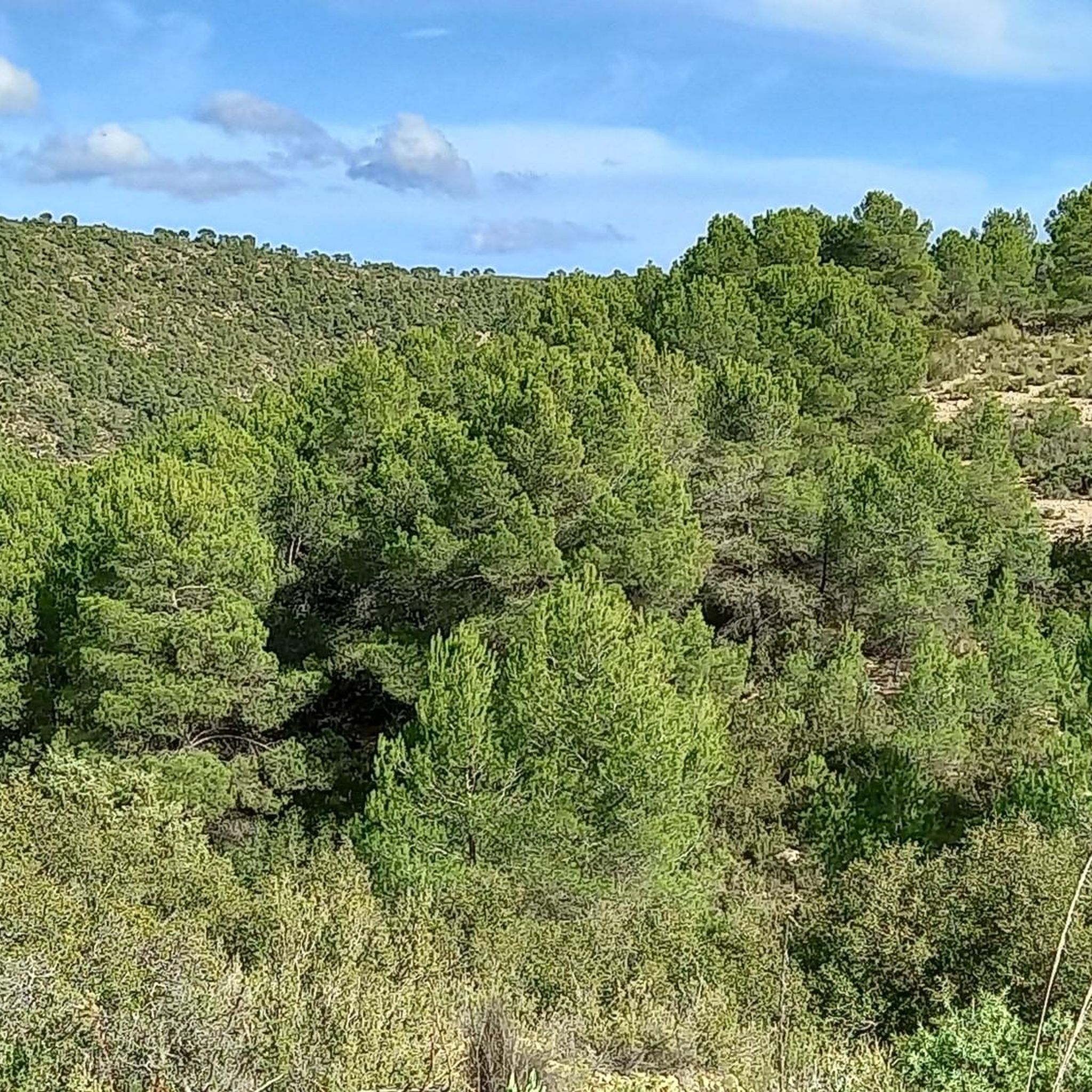
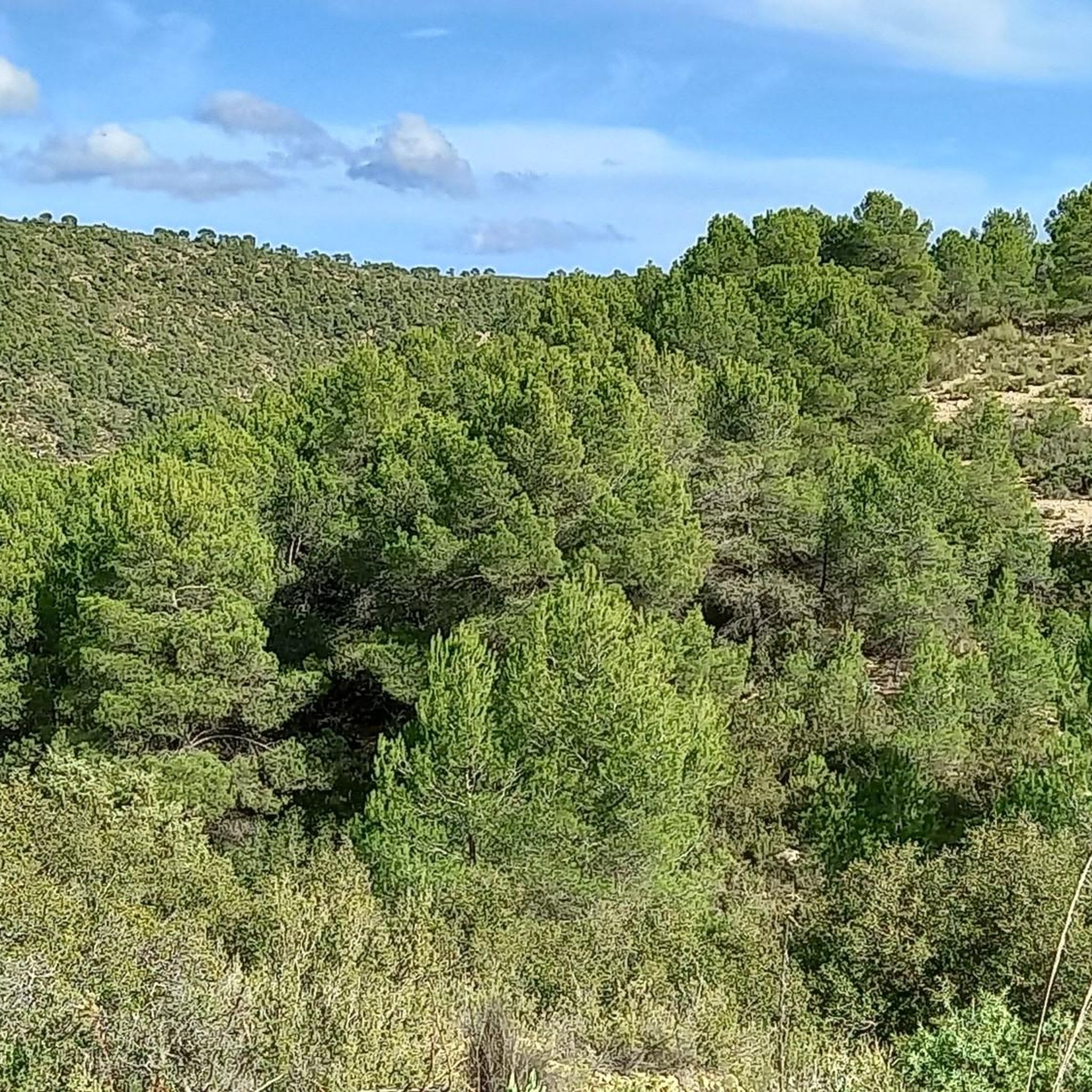
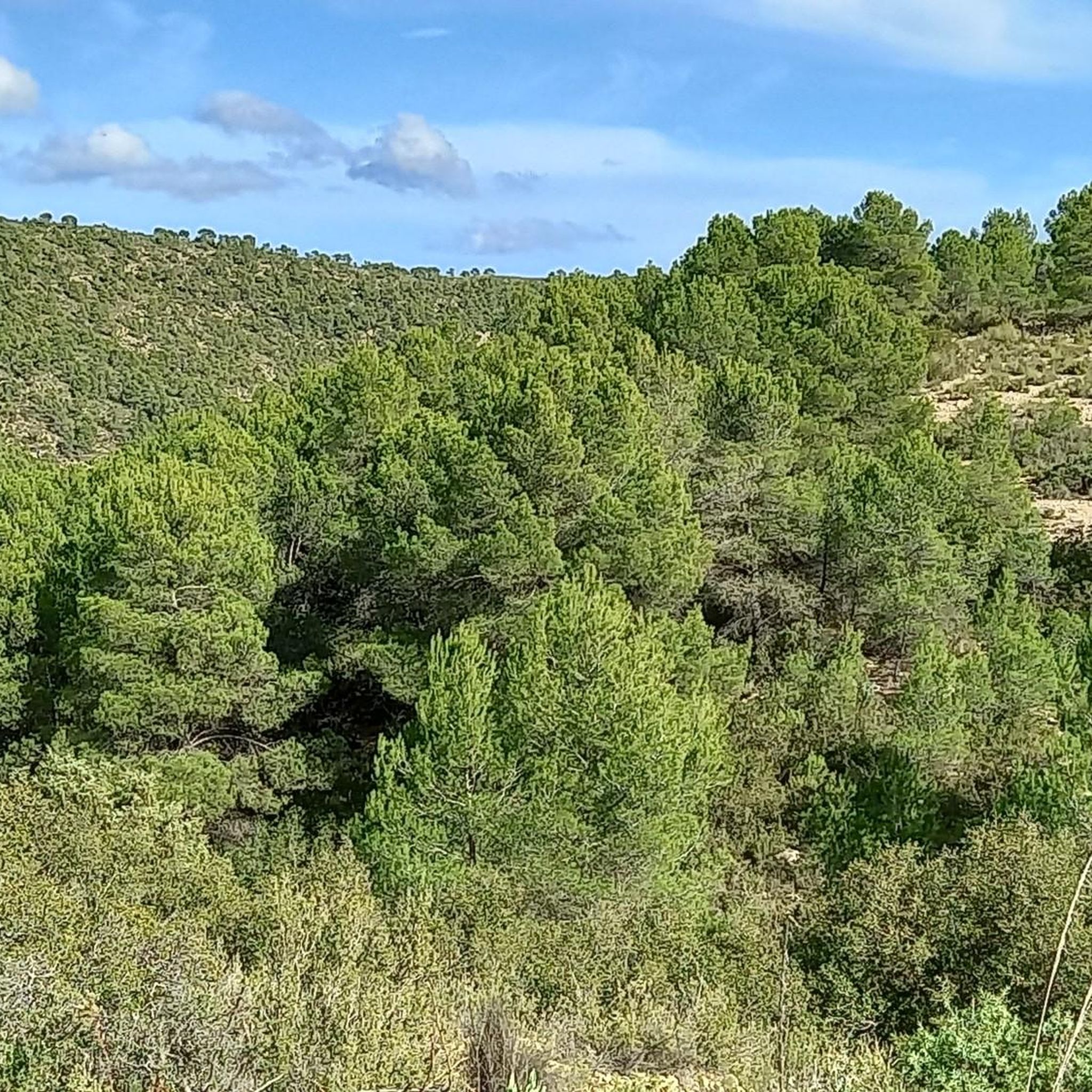
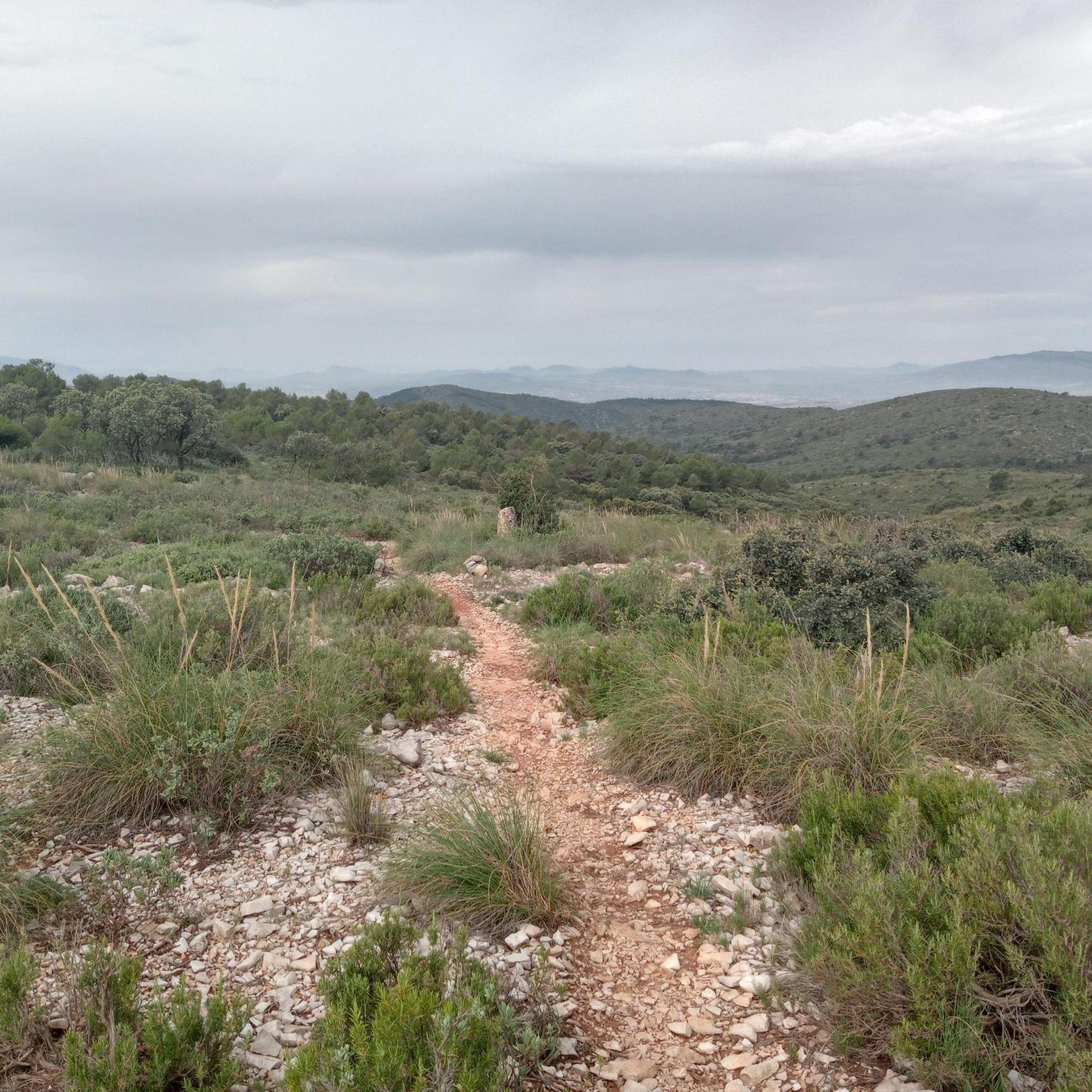
The hermitage is a prominent natural viewpoint, offering panoramic views of Caudete, the Vinalopó Valley, and on clear days, even the sea. It forms part of the official PR-AB-50 trail, a well-marked circular route of approximately 13.5 km and moderate difficulty (550 m to 1,153 m elevation gain), which allows hikers to enjoy panoramic views, Mediterranean vegetation, and a nearby historic snow well. The area is popular for hiking, mountain biking, and paragliding, with several notable routes.
4
0
The Hermitage of Santa Bárbara is located on the summit of the Sierra de la Oliva, also known as the Sierra Santa Bárbara, at an altitude of approximately 1,153 meters, about 5 kilometers southeast of Caudete. Built around 1580 at the initiative of the people of Caudete, following a period of severe storms with hail, the mountain peak was chosen as a place of spiritual protection, with the trust that Santa Bárbara would safeguard the crops and the population. Traditionally under the jurisdiction of the parish of Santa Catalina, the hermitage is visited every May 1st in a pilgrimage: pilgrims ascend steep paths in homage to the saint's martyrdom, reflecting sacrifice and devotion.
4
0
Villena is a jewel of inland Alicante, perfect for a cultural, historical, and gastronomic getaway. Monuments and Heritage Atalaya Castle: A 12th-century Almohad fortress, a symbol of the city. It offers spectacular views and guided tours. Church of Santiago: With its spiral columns, it is one of the most unique examples of Levantine Gothic architecture. Church of Santa María: A blend of Gothic and Baroque styles. Chapí Theatre: A cultural landmark with a program of music, theatre, and dance. Town Hall and Santiago Square: The heart of the historic center.
4
0
Church of Santa María (Villena) This church was built in the 16th century on the site of the former main Muslim mosque of Villena, at which time it became the church of El Rabal, the suburb outside the medieval walls of Villena.
11
0
Built by the Almohads in the 12th century on San Cristóbal Hill as a defensive fortress on the border between the kingdoms of Castile and Aragon. The inner wall and the two lower floors of the keep date from the Almohad period, featuring vaults unique in Spain, along with those of Biar Castle. In the 15th century, the two upper floors and the outer wall with twelve turrets were added. Conquered by James I in 1240. Residence of Don Juan Manuel (author of El Conde Lucanor). It participated in conflicts such as the War of the Spanish Succession, the Revolt of the Brotherhoods, and the Peninsular War. Declared a Historic-Artistic Monument in 1931 and a Site of Cultural Interest.
12
0
This spectacular fortress was built by the Almohad Empire at the end of the 12th century as a refuge for the Muslim population of Villena. The inner wall and the first two floors of the keep, with its imposing vaults—unique among Spanish castles along with the fortress of Biar—date from this period.
8
0

The Atalaya Castle is a National Monument and is very well preserved. Plus, the views are spectacular.
1
0
Frequently Asked Questions
What historical sites can I explore in Caudete?
Caudete is rich in history. You can visit the Caudete Castle, an ancient Muslim fortress largely reflecting its Christian manor use. The Church of Santa Catalina showcases Gothic, Renaissance, and Baroque styles. Don't miss the medieval quarter, La Villa, surrounding the castle, or the Sanctuary of the Virgin of Grace, a significant Levantine Baroque building. Nearby, the historic-artistic old town of Villena offers its own castle and the Santa Maria Church.
Are there any natural attractions or viewpoints around Caudete?
Absolutely. The Sierra Oliva (also known as Sierra Santa Bárbara) offers easy ascents and panoramic views from its summit, where you'll find the hermitage of Santa Bárbara. Within this sierra, you can also discover an 18th-century Snow Well. The Rambla del Paraíso is known for its rich biodiversity and lush vegetation, while La Toconera is a popular wooded area. For unique landscapes, explore the Sierra del Cuchillo and the Microrreserva Los Arenales de Caudete with its dune-like features.
What cultural experiences does Caudete offer?
Caudete provides several cultural insights. The Center of Interpretation of Cultural Heritage offers a journey through Caudete's history from the Neolithic period, displaying archaeological pieces like replicas of 'La Cierva' and 'La Dama de Caudete'. The Museum Sala de Mantos de Nuestra Señora de Gracia is dedicated to sacred art, featuring works like the Gothic-Flemish 'Tabla de San Martín'. For performing arts, the Chapí Theatre hosts music, theatre, and dance programs.
What outdoor activities can I do near Caudete?
The region around Caudete is excellent for outdoor enthusiasts. You can find numerous routes for hiking, running, and cycling. For example, the Sierra Oliva is popular for hiking and mountain biking. You can explore various running trails, road cycling routes, and general cycling routes that take you through scenic landscapes and past historical sites.
Are there any family-friendly attractions in Caudete?
While specific 'family-friendly' categories aren't highlighted, many of Caudete's attractions can be enjoyed by families. Exploring the historic Caudete Castle and the medieval streets of La Villa can be an engaging experience. The natural areas like La Toconera and the easier trails in Sierra Oliva offer opportunities for family walks and picnics. The Center of Interpretation of Cultural Heritage provides an educational and interactive way to learn about the region's past.
Where can I find archaeological artifacts or learn about ancient history in Caudete?
The Center of Interpretation of Cultural Heritage is the primary place to explore Caudete's ancient history. It houses a collection of archaeological pieces, including significant Iberian artifacts like replicas of 'La Cierva' and 'La Dama de Caudete', and an Iberian 'Pilar Estela'. Additionally, the natural cavern of Cueva Santa contains ancient cave paintings dating back 5,000 to 7,000 years from the Neolithic period, making it a mythical local landmark.
What are some less crowded attractions or hidden gems in the area?
For a quieter experience, consider visiting the Sierra del Cuchillo, located southwest of Caudete. This less-trafficked area is ideal for environmental tourism, offering unique landscapes and serving as a refuge for diverse wildlife. The Microrreserva Los Arenales de Caudete, with its unique flora adapted to sandy ecosystems, also provides a distinctive and potentially less crowded natural escape.
Can I find any unique architectural styles in Caudete?
Yes, Caudete boasts diverse architectural styles. The Church of Santa Catalina is a notable example, blending Gothic, Renaissance, and Baroque elements. The Town Hall, built between 1759 and 1764, showcases 18th-century civic architecture. For a distinctive style, the 'Las Arenas' Bullring, constructed in 1910, is a beautiful example of Neo-Mudéjar architecture, characterized by its limestone and brick construction and numerous horseshoe arches.
What do visitors enjoy most about the attractions around Caudete?
Visitors frequently appreciate the blend of historical richness and natural beauty. The historic-artistic old town of Villena is praised for its charm and the impressive Atalaya Castle. The panoramic views from the hermitage of Santa Bárbara on Sierra Oliva are highly regarded, with many noting the effort of the ascent is well worth the reward. The quiet roads, like Salinas quiet road, are also valued for peaceful cycling.
Are there any specific hiking trails recommended near Caudete?
Yes, the area offers several hiking opportunities. The hermitage of Santa Bárbara is part of the official PR-AB-50 trail, a well-marked circular route of approximately 13.5 km with moderate difficulty, offering panoramic views and Mediterranean vegetation. You can find more detailed information on various running trails and cycling routes that are also suitable for walking.
What is the significance of the Sanctuary of the Virgin of Grace?
The Sanctuary of the Virgin of Grace, built between 1741 and 1792 in the Levantine Baroque style, is considered one of Caudete's most emblematic places. It stands on the site of a former Gothic hermitage and, according to local tradition, a Visigothic Benedictine monastery. It is the patron saint of the town and is also associated with the 'Camino de la Lana' (Wool Route), a historical transhumance path.
Where can I find information about Caudete's medieval past?
To delve into Caudete's medieval past, explore the Caudete Castle, originally a Muslim fortress that evolved into a Christian manor. The area around the castle, known as La Villa, is the medieval center with a beautiful network of streets originating from Muslim times. The Church Square, flanked by stately homes, has been the heart of Caudetan life since the 13th century and is near one of the original medieval town gates.
Most popular routes around Caudete
Most popular attractions around Caudete

Get inspired with the komoot mobile app


Explore more
Still not found the Highlight you’re looking for? See guides of the top attractions in other regions:
