Attractions and Places To See around Santa Perpètua De Mogoda - Top 20
Attractions and places to see around Santa Perpètua De Mogoda offer a blend of historical heritage, cultural sites, and natural beauty. The municipality features a hilly landscape shaped by rivers and streams, providing fertile land and green spaces. Its archaeological and architectural legacy dates back to Neolithic times, with evidence of human settlements. Visitors can explore historical landmarks, natural areas, and cultural points of interest.
Best attractions and places to see around Santa Perpètua De Mogoda
- The most popular attractions…
Last updated: July 20, 2026
Sant Medir Hermitage
Highlight • Religious Site
Translated by Google •
Tip by

Pi d'en Xandri
Highlight • Natural Monument
Translated by Google •
Tip by

Sign up now to discover places like this
Get recommendations on the best single tracks, peaks, & plenty of other exciting outdoor places.
Sign up for free
Horta to Cerdanyola Road
Highlight • Cycleway
Translated by Google •
Tip by

Besòs Riverside Path: Montcada to Can Zam
Highlight (Segment) • Trail
Translated by Google •
Tip by
La Coscollada Observation Tower
Highlight • Viewpoint
Translated by Google •
Tip by
Sign up for free to discover even more attractions around Santa Perpètua De Mogoda.
Sign up for free
Already have an account?
Start today with a free account
Your next adventure awaits.
Login or Signup
Popular around Santa Perpètua De Mogoda

Tips from the Community

The road from Horta to Cerdanyola connects the Vallés with Baecelona and the northern part of Collserola. At the col del forat del vent it connects with the passeig de les Aigües.
1
1

One of the best ways out of Barcelona towards Vallés with little traffic and fantastic views of the city. It is well worth the visit for tourists who come to discover Barcelona.
0
0

Path to ride on MTB or gravel that runs parallel to the bed of the Besós river in its lower part. You can start riding from the mouth of the river in Sant Adrià de Besòs where it begins with paved bike lanes to the Can Zam Park in Santa Coloma de Gramenet where this dirt path begins right away. At this point there is the possibility of going up to the upper part of the river where there are paved bike lanes up to Montcada i Reixac.
21
0

It is a charming Romanesque style hermitage and has almost a thousand years of history (built in 1046 AD). It has been restored but retains its original structure.
4
0

The Besòs River Park is a public space located along the last 9 kilometers of the Besòs riverbed, from the confluence with the Ripoll river to its mouth in the Mediterranean Sea. With a total area of 115 hectares, it is one of the most important green spaces in the Barcelona metropolitan region, especially if we consider its location, forming part of the urban continuum of the cities of Barcelona, Santa Coloma de Gramenet, Sant Adrià de Besòs and Montcada. i Reixac. The contamination and degradation of the Besòs River and its surroundings is a problem that dates back to the sixties, mainly due to the great growth of the populations that surround the river and the industrialization process of these cities. The policy for the recovery of degraded river spaces initiated in the eighties by the town councils and the Generalitat of Catalonia -always with the collaboration of an increasingly sensitive citizenry- has notably improved the state of the Besòs river. It is necessary to highlight the effectiveness of the sanitation measures applied, especially in the nineties, to stop considering the Besòs river as a sewer.
10
0

The Xandri pine is a monumental pinyoner pine (Pinus pinea in Latin) located in the territory of the rural park of Torre Negra in Sant Cugat del Vallès, about 250 years old (according to a dendrological analysis it germinated in 1774). The tree has a height of 23 meters, a trunk circumference of 3.20 meters and a trunk thickness of 3.60 meters. Its head has a width of 21 by 15 meters. It is called Xandri because it is located on land that was once owned by a farmer named Xandri
3
0

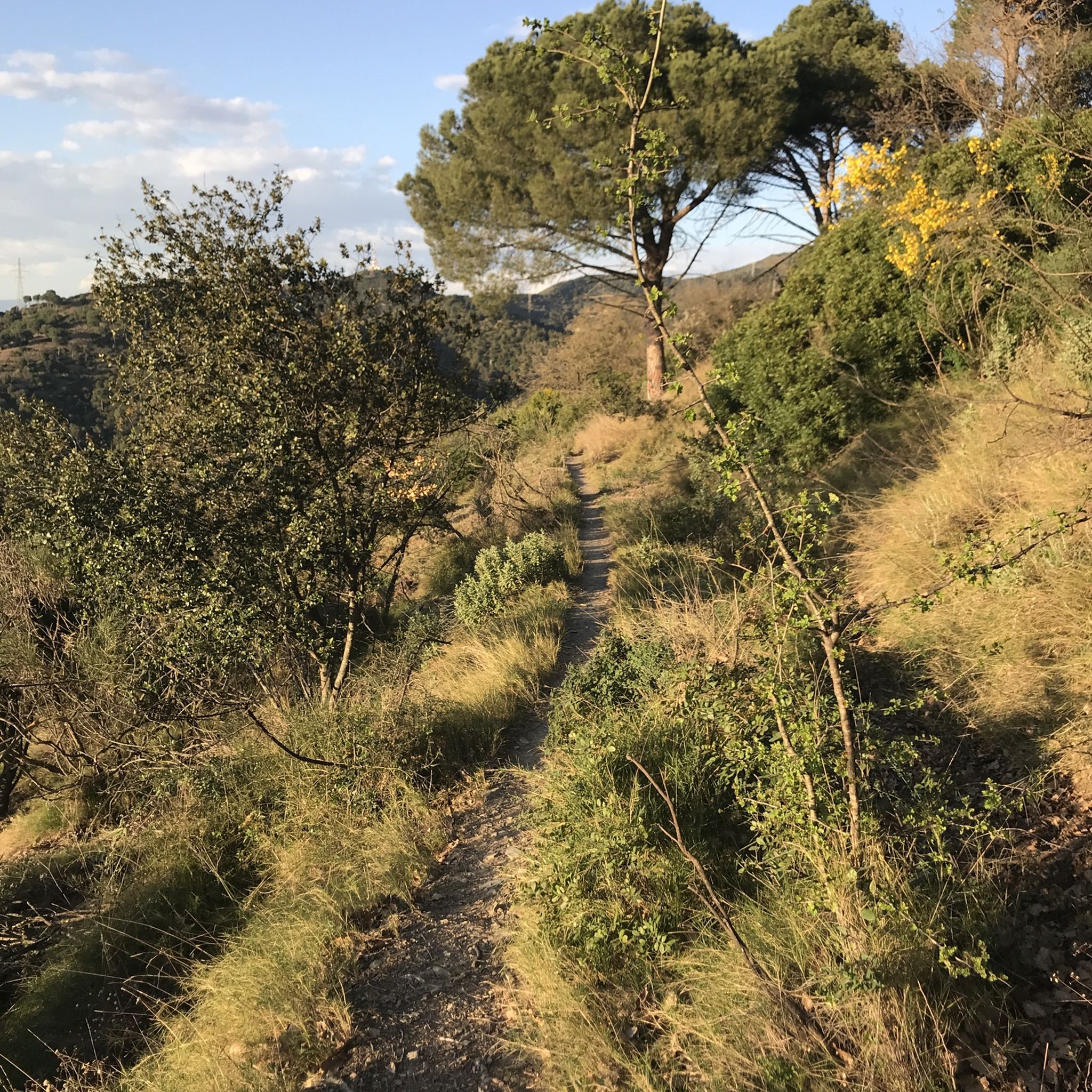
Some sections with strong stones, not so comfortable to go with the gravel.
6
0

Climb up the river, be careful with the suicide grandmas
6
0
Frequently Asked Questions
What natural features can I explore around Santa Perpètua de Mogoda?
Santa Perpètua de Mogoda offers several natural spaces. You can visit the Pi d'en Xandri, a monumental stone pine and one of Catalonia's oldest, located in the Torre Negra rural park. Other areas include the Parc Central, which features ponds and serves as a starting point for walking and cycling routes, and the Espai Natural de Santiga, Bosc de Can Oller, and Parc de l'Espai d'Interès Natural de Gallecs, all ideal for walks and cycling in a calm environment.
Are there historical sites to visit in Santa Perpètua de Mogoda?
Yes, the region has a rich historical heritage. Notable sites include the high-medieval Castillo de Mogoda with its historical gardens, the Romanesque-origin Iglesia de Santiga, and the Iglesia Parroquial de Santa Perpètua, which also has Roman origins. You can also find the Masía Fortificada de Can Folguera and Castell de Can Taió, which are significant architectural elements.
What kind of outdoor activities can I do near these attractions?
The area around Santa Perpètua de Mogoda is excellent for outdoor activities. You can enjoy cycling along the Horta to Cerdanyola Road, known for its scenic views and less vehicle traffic. The Besòs Riverside Path, from Montcada to Can Zam, is suitable for MTB or gravel biking. Many hiking trails start from the Sant Medir Hermitage, which also provides amenities like a water fountain and picnic areas. For more routes, explore the cycling, gravel biking, and road cycling routes available.
Are there family-friendly attractions in Santa Perpètua de Mogoda?
Absolutely. The Pi d'en Xandri, a natural monument, is a great spot for families to visit. The Parc Central, with its ponds and green spaces, is also suitable for family outings and gentle walks. Many natural areas like the Espai Natural de Santiga and Parc de l'Espai d'Interès Natural de Gallecs offer easy walking and cycling paths that families can enjoy together.
Where can I find scenic views or viewpoints?
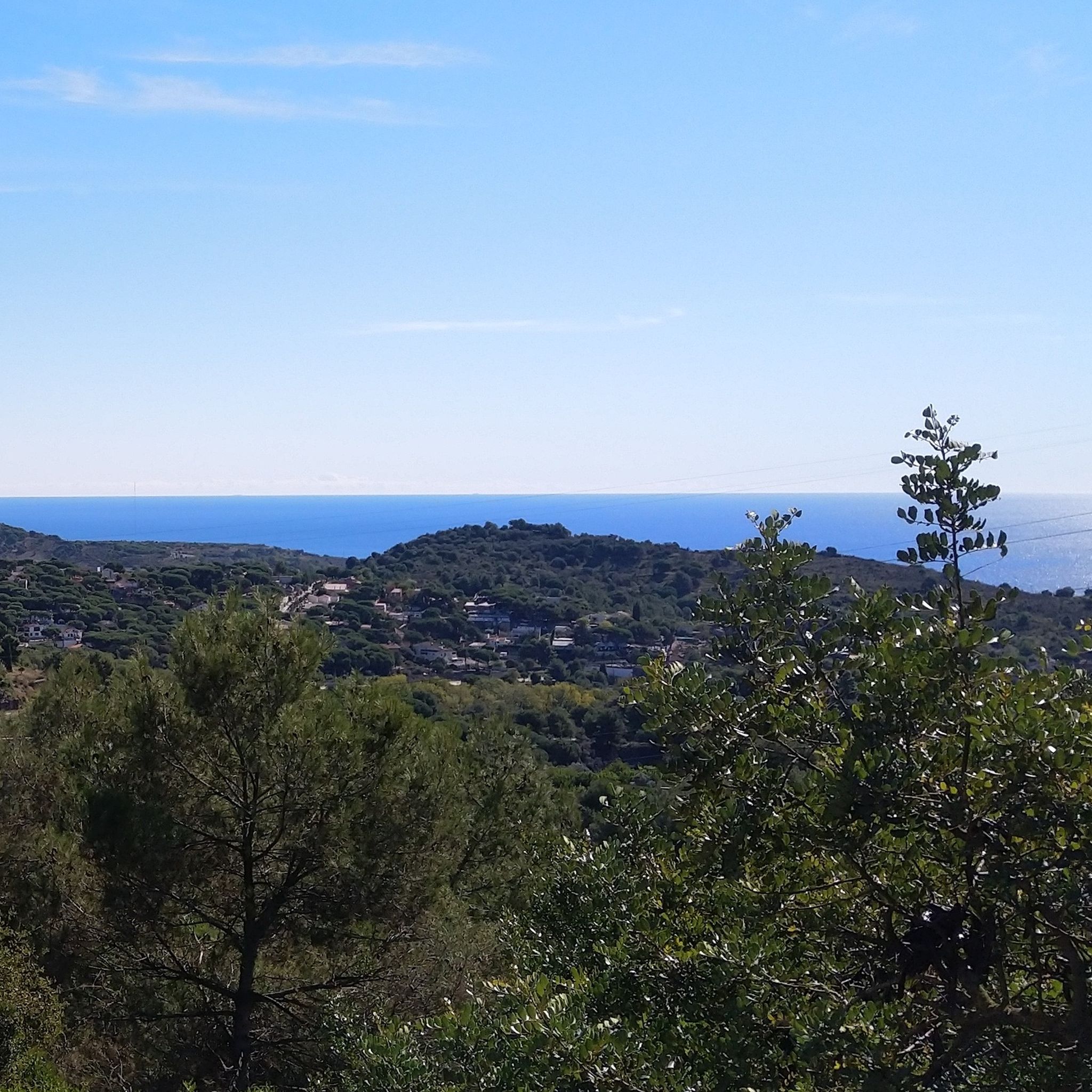
For panoramic views, consider visiting the La Coscollada Observation Tower. From its base, you can often see the Pyrenees, Montseny, the coastal mountains, the sea, and the plain of Barcelona. The Horta to Cerdanyola Road also offers spectacular views of Barcelona.
What cultural experiences does Santa Perpètua de Mogoda offer?
Santa Perpètua de Mogoda provides cultural insights through its Museu Municipal, located in Granja Soldevila, which preserves local heritage and archaeological findings. You can also explore the Old Town through urban routes detailing its historical evolution. The town hosts significant events like the Fiesta Mayor and the Mercat Medieval, which bring activity to the streets.
Are there any Roman remains or archaeological sites?
Yes, the region has a deep archaeological history. Significant Roman villa remains can be found in both Santa Perpètua and Santiga, with evidence of bath structures beneath the Santa Maria de Santiga church. The Museu Municipal often features archaeological findings from local excavations, offering a glimpse into these ancient settlements.
What is the best time of year to visit Santa Perpètua de Mogoda for outdoor activities?
The region's mild Mediterranean climate generally makes it pleasant for outdoor activities throughout much of the year. Spring and autumn offer comfortable temperatures for hiking and cycling. Summers can be warm, so early mornings or late afternoons are best for activities. Winters are generally mild, though some northern, more humid areas might be cooler.
Can I find places for cycling around Santa Perpètua de Mogoda?
Yes, cycling is a popular activity. The Horta to Cerdanyola Road is a recommended cycle way with scenic views. The Besòs Riverside Path, from Montcada to Can Zam, offers sections suitable for MTB or gravel bikes. Additionally, natural areas like Parc Central and Parc de l'Espai d'Interès Natural de Gallecs provide routes for leisurely cycling. You can find more detailed routes in the cycling guide.
Where can I learn about the town's industrial past?
To learn about the town's industrial heritage, you can visit Vapor Aranyó, an old textile factory that represents Santa Perpètua de Mogoda's industrial history. The Museu Municipal may also feature exhibits or information related to this period.
What is the significance of the Sant Medir Hermitage?
The Sant Medir Hermitage is a religious building of Romanesque origin and a significant local landmark. It serves as a popular starting point for many hiking trails in the Collserola mountain range. Visitors appreciate it as a pleasant space to take a break, offering a water fountain, picnic areas, and shaded spots. It is also accessible by car.
Are there any unique historical points of interest related to local industry or resources?
Beyond the textile factory, you can explore the Pous de glaç de Mogoda (Ice wells of Mogoda). These historical points of interest offer a glimpse into past methods of ice production and storage, reflecting the ingenuity of earlier times in the region.
Most popular routes around Santa Perpètua De Mogoda
Most popular attractions around Santa Perpètua De Mogoda

Get inspired with the komoot mobile app


Explore more
Still not found the Highlight you’re looking for? See guides of the top attractions in other regions:
