Attractions and Places To See around Olost - Top 20
Best attractions and places to see around Olost include historical landmarks, natural beauty, and cultural insights. This charming town is nestled in a valley within the Lluçanès plateau, offering a serene escape with opportunities for exploration. The region features mountainous vegetation, with forests primarily composed of oaks, Scots pines, and red pines. Olost provides a blend of historical sites and natural features for visitors to discover.
Best attractions and places to see around Olost
- The most popular attractions is Sant Martí Xic Chapel, a religious building that offers good views and is a beautiful Romanesque hermitage. It is a very curious temple due to its proportions and preserved primitive elements.
- Another must-see spot is Sanctuary of Mare de Déu dels Munts, a religious building and viewpoint. Visitors can expect panoramic views from this Baroque church, which is also a historical site.
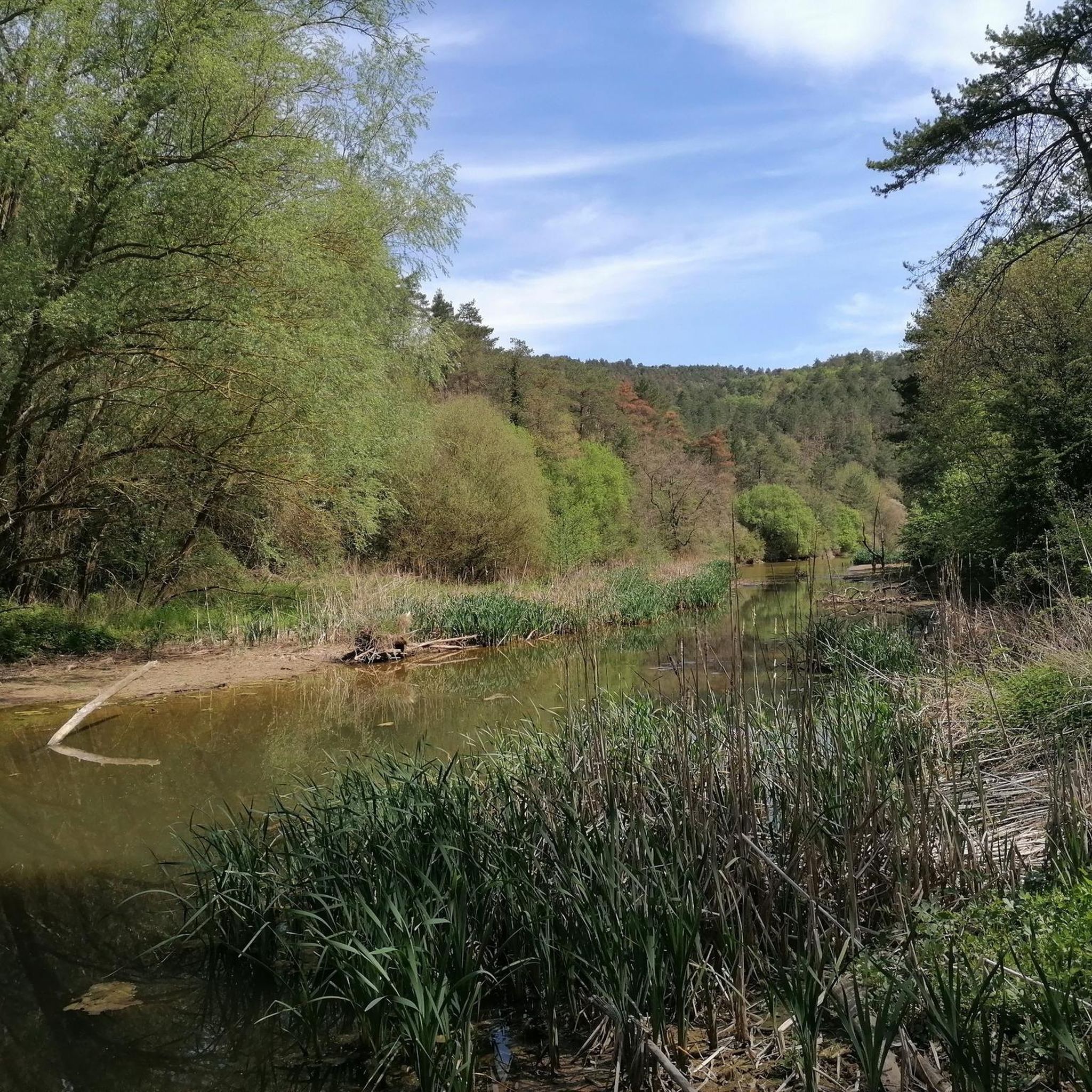
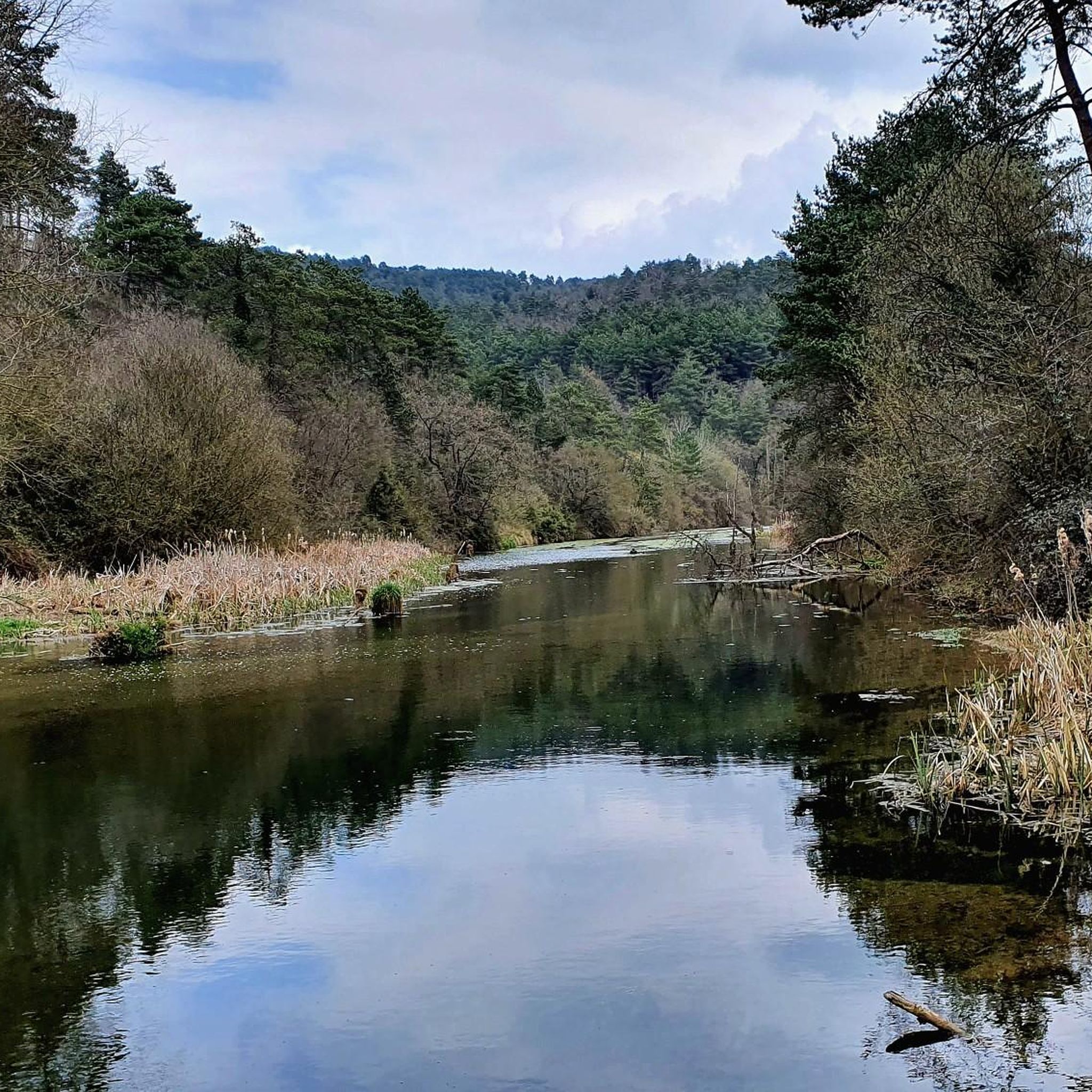
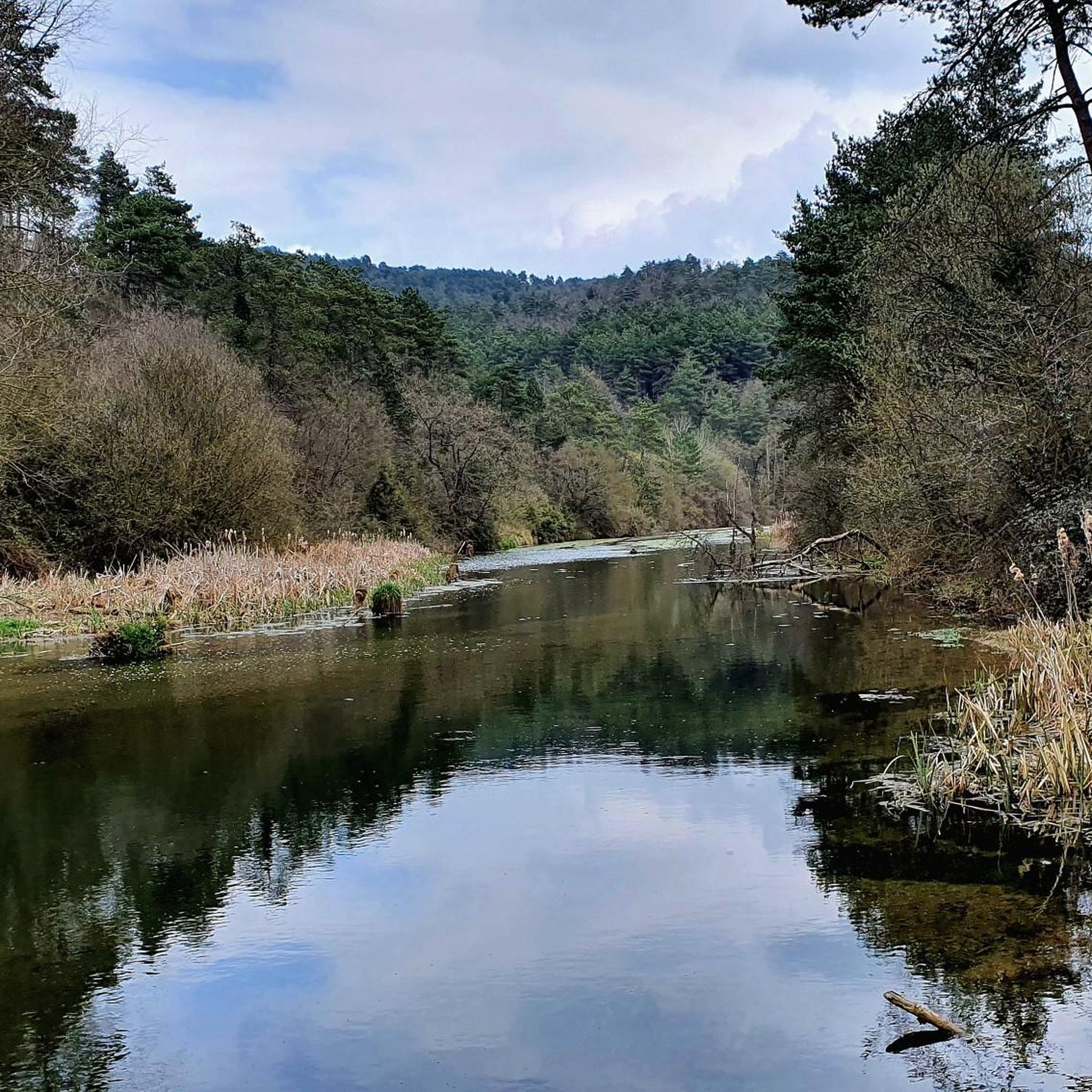
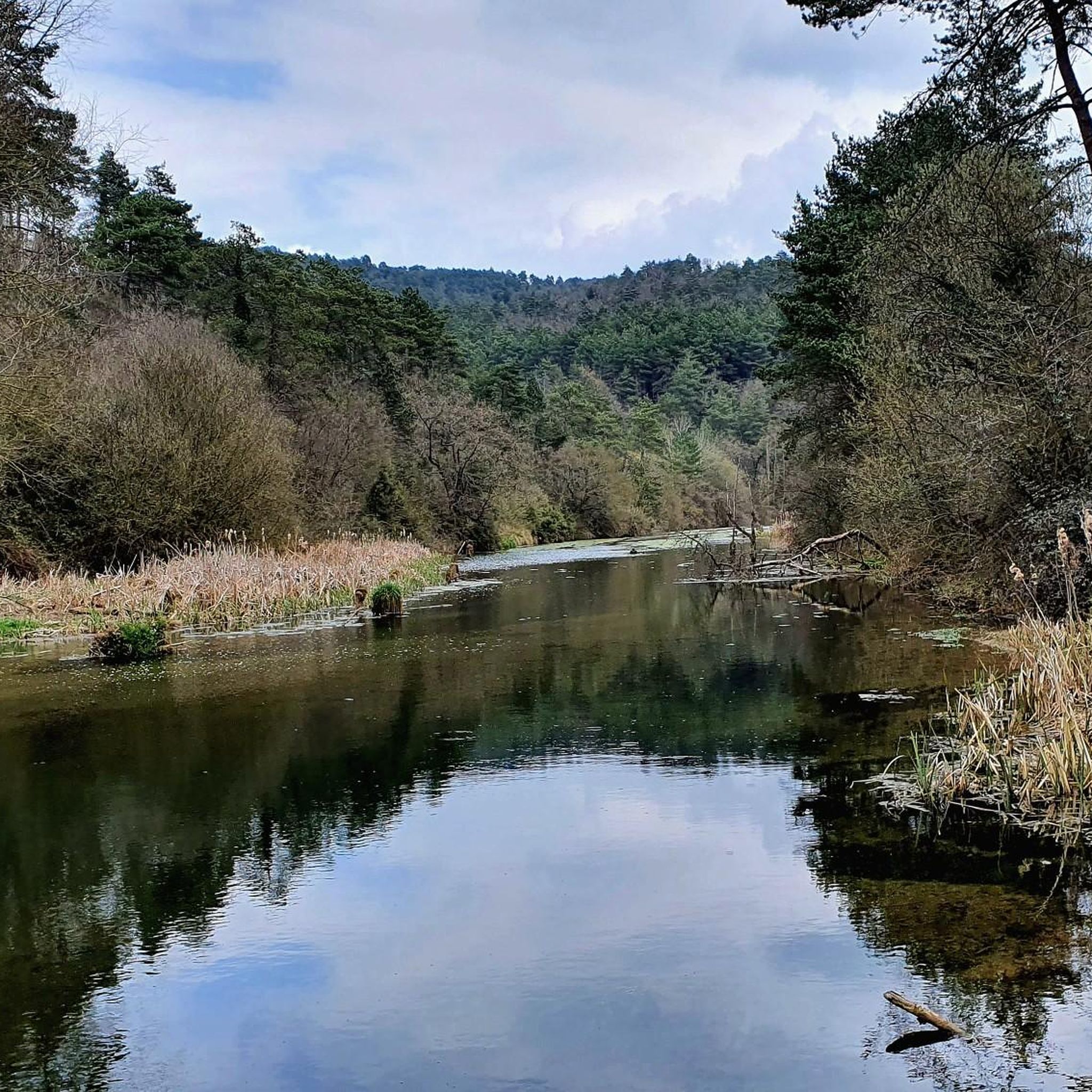
- Visitors also love Riera de Sorreigs Reservoir, a lake and natural feature. This place holds a special charm and is part of a watercourse that forms waterfalls, including the Gorg Negre.
- Olost is known for its religious buildings, historical sites, and natural features like reservoirs and streams. The area offers a variety of attractions to see and explore, from ancient chapels to scenic natural landscapes.
- The attractions around Olost are appreciated by the komoot community, with 27 upvotes and 41 photos shared by visitors.
Last updated: May 10, 2026
Sant Martí Xic Chapel
Highlight • Religious Site
Tip by

Sanctuary of Mare de Déu dels Munts
Highlight • Religious Site
Tip by

Sign up now to discover places like this
Get recommendations on the best single tracks, peaks, & plenty of other exciting outdoor places.
Sign up for free
Riera de Sorreigs Reservoir
Highlight • Lake
Translated by Google •
Tip by

Santa Llúcia Hermitage, Sobremunt
Highlight • Religious Site
It has a bell tower with a gabled roof, and the west façade consists of a terraced atrium with two large semicircular arch openings (west and south). The access portal is interesting, framed with jambs and a molded stone lintel and has the date 1720, with an ashlar where a cross is inscribed. Above the cross is a rather damaged Gothic ashlar with a scene of the crucifixion, sculpted in bas-relief, in which four characters are distinguished and the crucified Christ, quite mutilated.
The hermitage of Santa Llúcia, initially dedicated to Santa Llúcia and Santa Quitèria, was not documented until 1370; the Romanesque remains at the base of the temple, but indicate that either the chapel existed long before or there may have been a military watchtower in this place. The devotion to Santa Quiteria disappeared in modern times, leaving Santa Llúcia, the lawyer of the sight, as the only patron saint. It was formerly known as Santa Llúcia de Dalt in contrast to Santa Llúcia de Baix, located in Taradell, which was the focus of devotion in the southern sector of the Plana de Vic. we; in 1720 it was already done. In 1748 the house of the hermits was extended, attached to the temple.
turisme.llucanes.cat/visiteu/esglesia-santa-llucia-sobremunt
Translated by Google •
Tip by

Olost and Church of Santa Maria
Highlight • Settlement
The parish of Santa María de Olost has been documented since 908 and that of Santa Creu de Jotglar since 984. From 1966 to 1991 Mosén Ramon Vila i Pujol was rector of the church of Santa María de Olost.
Translated by Google •
Tip by

Sign up for free to discover even more attractions around Olost.
Sign up for free
Already have an account?
Start today with a free account
Your next adventure awaits.
Login or Signup
Tips from the Community

Religious building facing west and located at the highest point of the Sobremunt mountain range (957 meters above sea level). It was erected in 1407, under the patronage of Saint Lucia and St. Quiteria.[1] It is surrounded by a stone wall and is accessed through a porch with a rounded vault. Above the portal, there is a stone engraving and the date 1720, the year in which it was completely renovated.[1] The Bell Tower is a tower with a hipped roof and the bell is preserved. The chapel is completely renovated and a large millstone forms the altar. In the left corner there is a body formed by three successive extensions. On the lintel of the portal it reads: SANTA LLUCIA ORA PRO NOBIS YEAR 1718
0
0
Very curious temple due to its proportions. It has preserved its entire structure in its primitive elements. The only tagline made in the course of its history was the belfry on the wall opposite the apse. Rectangular plan with a single nave crowned to the east by a semicircular apse. It is covered with a barrel vault reinforced by a single main arch. The covers were non-existent; that of the nave has been resolved with Arab tiles while that of the apse is with stone slabs very well cut and jointed. Below this cover there is a course of very regular rectangular stones placed in the restoration as a cornice. The closing wall of the nave at the eastern corner rises above the roof level. The apparatus is made of limestone ashlars, squared and of very irregular sizes, arranged in irregular courses held with lime mortar. The entrance door opens at noon, resolved with a semicircular arch made of well-cut voussoirs. In this same corner there is a semicircular window and another equal to the west corner that, with the one in the back of the apse, completes the lighting of the church.
0
0

Cozy little medieval church, located on a nice spot with views
1
0

Olost is a municipality in the province of Barcelona, in the county of Osona, in the sub-county of Lluçanés. It also includes the town of Santa Creu de Jutglar. The parish of Santa María de Olost has been documented since 908 and that of Santa Creu de Jotglar since 984. From 1966 to 1991 Mosén Ramon Vila i Pujol was rector of the church of Santa María de Olost.
14
0

Olost is a beautiful town that can be recognized from afar by the two bell towers of the Santa Maria church. Olost is a beautiful town, located in a small valley cut by the stream of Olost, with small shops that can be recognized from afar by the two bell towers of the church of Santa Maria. According to the legend, a couple promised a new bell tower if the virgin gave them a child; and they had a twin! It is a large nucleus, in relation to those surrounding it in the Lluçanès area, which already extended from the Sant Adjutori mountain range to the Olost stream already in modern times (17th and 18th centuries). The nerve center of Olost is Plaça Major, where the parish church and the town house are located. From this point the core is structured, both old and now. Among the streets built over the course of the 17th and 18th centuries, to the west of Plaça Major, you can count Carrer Berga, one of the longest in the town, Carrer Gelada, Carrer Nou and Carrer de Sant Adjutori, located in the ridge It also has the Raval del d'Olost, with preserved houses in Raval del Mig and Raval de Baix streets. In these older streets you can see houses framed with stone masonry walls that retain dated lintels indicating construction dates of the 17th and 18th centuries. We recommend going up to the viewpoint of Sant Adjutori, where there is the hermitage and hill from where you can observe beautiful panoramic views of the town and the mountains on the horizon that enclose the Lluçanès plateau: from the agricultural and forest landscape from Lluçanès to Montserrat, passing through the eastern Pyrenees in the north. https://turisme.llucanes.cat/municipi/olost/ https://turisme.llucanes.cat/visiteu/esglesia-santa-maria-olost/
4
0
La Riera de Sorreigs is a watercourse in the province of Barcelona; belongs to the judicial parties of Berga and Vic. It is born in the municipality of Sant Boi de Lluçanès, in the sub-region of Lluçanès and forms two waterfalls, one of which gives its name to the Gorg Negre; advances through the valley of the municipality of Santa Cecília de Voltregà, The beginning of the valley, in its western sector is nestled between the peaks of La Tuta and Santa Perpètua (795 m) and the Sierra de Sant Martí Xic or Voltregà castle (854 m); as the river moves east, its valley widens, until it meets the road from Barcelona to Puigcerdà, then continues east and flows right into the river Ter, around Manlleu. [1 ] A large part of the valley of the stream is protected as an area of natural interest and is part of the Natura 2000 network. [2] https://ca.wikipedia.org/wiki/Riera_de_Sorreigs https://fontsaigua.wordpress.com/2016/05/11/el-panta-de-la-riera-de-sorreigs-a-sant-bartomeu-del-grau/
0
0
Recommended in addition to its history for its views across the plain of Vic
1
0
Santa Llúcia de Sobremunt is located at the north-eastern end of the municipal district, dominating a wide panorama of the Plana de Vic and the Pyrenees. The church, documented in the 14th century, preserves Romanesque remains at the base of the temple. The current church (18th century) has a rectangular floor plan; it consists of a single nave, separated from the presbytery by a grate, and simply decorated in Baroque style. It has a bell tower with a gabled roof, and the west façade consists of a terraced atrium with two large semicircular arch openings (west and south). The access portal is interesting, framed with jambs and a molded stone lintel and has the date 1720, with an ashlar where a cross is inscribed. Above the cross is a rather damaged Gothic ashlar with a scene of the crucifixion, sculpted in bas-relief, in which four characters are distinguished and the crucified Christ, quite mutilated. The hermitage of Santa Llúcia, initially dedicated to Santa Llúcia and Santa Quitèria, was not documented until 1370; the Romanesque remains at the base of the temple, but indicate that either the chapel existed long before or there may have been a military watchtower in this place. The devotion to Santa Quiteria disappeared in modern times, leaving Santa Llúcia, the lawyer of the sight, as the only patron saint. It was formerly known as Santa Llúcia de Dalt in contrast to Santa Llúcia de Baix, located in Taradell, which was the focus of devotion in the southern sector of the Plana de Vic. we; in 1720 it was already done. In 1748 the house of the hermits was extended, attached to the temple. https://turisme.llucanes.cat/visiteu/esglesia-santa-llucia-sobremunt/
1
0
Frequently Asked Questions
What historical sites can I visit in Olost?
Olost is rich in history. You can explore the prominent Church of Santa Maria d'Olost with its distinctive twin bell towers, and wander through the Old Town Center to see houses with lintels dating back to the 17th and 18th centuries. The Castillo de Olost, an 11th-century watchtower and manorial residence, also offers a glimpse into the past. Additionally, the Ymbern Colony is a fascinating historical textile colony with modernist architecture, some of which was supervised by Antoni Gaudí.
Are there any natural attractions or features to explore near Olost?
Yes, Olost is surrounded by natural beauty. The Reixach Reservoir (also known as Pantà d'Olost) is a significant natural resource noted for its biodiversity. You can also discover the Olost Stream and its tributaries, which contribute to the verdant landscape. A notable natural gem is the Gorg Negre, a 'black pool' formed by a waterfall along the Riera de Sorreigs. The Riera de Sorreigs Reservoir itself is a charming spot with waterfalls.
What are the best viewpoints around Olost?
For breathtaking panoramic views, visit the Hermitage and Viewpoint of Sant Adjutori, situated at 623 meters, offering vistas of the Eastern Pyrenees, Montserrat, and the Lluçanès landscape. The Sanctuary of Mare de Déu dels Munts also provides expansive panoramic views from its elevated position. Another excellent spot is the Sant Martí Xic Chapel, which offers good views over the plain of Vic.
Are there family-friendly activities or attractions in Olost?
Yes, several attractions are suitable for families. The Sanctuary of Mare de Déu dels Munts is listed as family-friendly and offers a restaurant. The Riera de Sorreigs Reservoir, with its waterfalls and natural charm, is also a great spot for families to enjoy nature. Exploring the Old Town Center and its historical houses can also be an engaging activity for all ages.
What outdoor activities, like hiking or cycling, can I do near Olost?
Olost is a hub for active tourism. For cycling, the Lluçanès BTT Centre offers routes like 'Aiguabarreig' and 'els Sorreigs'. You can find various gravel biking routes around Olost, including challenging ones like the 'Sant Feliu Sasserra Viewpoint – Gavarresa Stream loop'. For hiking, there are options ranging from easy to difficult, such as the 'La Sierra de Sant Andreu' loop or the 'Prats de Lluçanès Trail (PR-C 44)'. You can explore more options for gravel biking, hiking, and road cycling around Olost.
Where can I learn about the local history or culture of Olost?
To delve into local history and culture, visit the Espai Rocaguinarda, an interpretation center dedicated to the legendary bandit Perot Rocaguinarda. The Church of Santa Maria d'Olost and the Old Town Center also provide rich historical context. Additionally, the Hermitage of Sant Adjutori hosts a traditional Catalan dance (sardanes) gathering on Easter Monday, offering a cultural experience.
Are there any unique architectural sites in the area?
Beyond the twin bell towers of the Church of Santa Maria d'Olost, the Ymbern Colony stands out with its modernist-style architecture, supervised in part by Antoni Gaudí. The Old Town Center features well-preserved houses from the 17th and 18th centuries, and the Castillo de Olost retains its original 11th-century watchtower and a Gothic chapel.
What do visitors enjoy most about the attractions around Olost?
Visitors particularly enjoy the stunning views offered by sites like the Sant Martí Xic Chapel, which provides an exceptional panorama over the plain of Vic. The historical significance and unique architecture of places like the Ymbern Colony are also highly appreciated. The natural charm of the Riera de Sorreigs Reservoir and its waterfalls is another highlight for many.
What is the best time of year to visit Olost for outdoor activities?
Olost offers outdoor activities throughout the year. However, for hiking and cycling, spring and autumn generally provide the most pleasant weather with milder temperatures. The region's mountainous vegetation, with forests of oaks and pines, is particularly beautiful during these seasons. Summer can also be suitable, especially for early morning or late afternoon activities, while winter offers a different, serene landscape.
Are there any religious buildings or hermitages worth visiting near Olost?
Absolutely. The prominent Church of Santa Maria d'Olost with its twin bell towers is a central feature. Other notable religious sites include the Hermitage of Sant Adjutori, completed in 1717, and the historic Church of Santa Creu in Santa Creu de Jutglar, dating back to 984. The Sant Martí Xic Chapel and the Sanctuary of Mare de Déu dels Munts are also significant religious buildings offering historical insights and great views. Don't miss the Santa Llúcia Hermitage, Sobremunt, which preserves Romanesque remains.
Can I find any unique local products or gastronomy in Olost?
While exploring Olost, you can discover local food companies such as Cerveses Ausesken, offering local craft beers. The region also provides opportunities to enjoy traditional Catalan cuisine at various restaurants and rural accommodations, allowing you to savor the local flavors.
Most popular attractions around Olost

Get inspired with the komoot mobile app


Explore more
Still not found the Highlight you’re looking for? See guides of the top attractions in other regions:
