Attractions and Places To See around Rodeiro - Top 18
Best attractions and places to see around Rodeiro, a municipality in the province of Pontevedra, Galicia, offers a blend of historical sites, natural beauty, and cultural experiences. Situated in the central highlands of Galicia, the area is characterized by its temperate climate and connection to the Camino de Santiago. Visitors can explore medieval architecture, significant natural features, and cultural institutions reflecting the region's rich past.
Best attractions and places to see around Rodeiro
- The most popular attractions is Statue of…
Last updated: July 12, 2026
Oseira Monastery
Highlight • Religious Site
Translated by Google •
Tip by

Outdoor Altar of Nosa Señora do Faro
Highlight • Religious Site
Translated by Google •
Tip by

Sign up now to discover places like this
Get recommendations on the best single tracks, peaks, & plenty of other exciting outdoor places.
Sign up for free
Rodeiro Town Hall
Highlight • Monument
Camba Church and Fortress House: This medieval fortress is a …
Translated by Google •
Tip by
Statue of the Pilgrim and Iglesia de Santa María das Dores de Lalín
Highlight • Monument
Translated by Google •
Tip by
Statues of Work and Dedication, Senior Citizens' Park, Rodeiro
Highlight • Monument
Translated by Google •
Tip by
Sign up for free to discover even more attractions around Rodeiro.
Sign up for free
Already have an account?
Start today with a free account
Your next adventure awaits.
Login or Signup
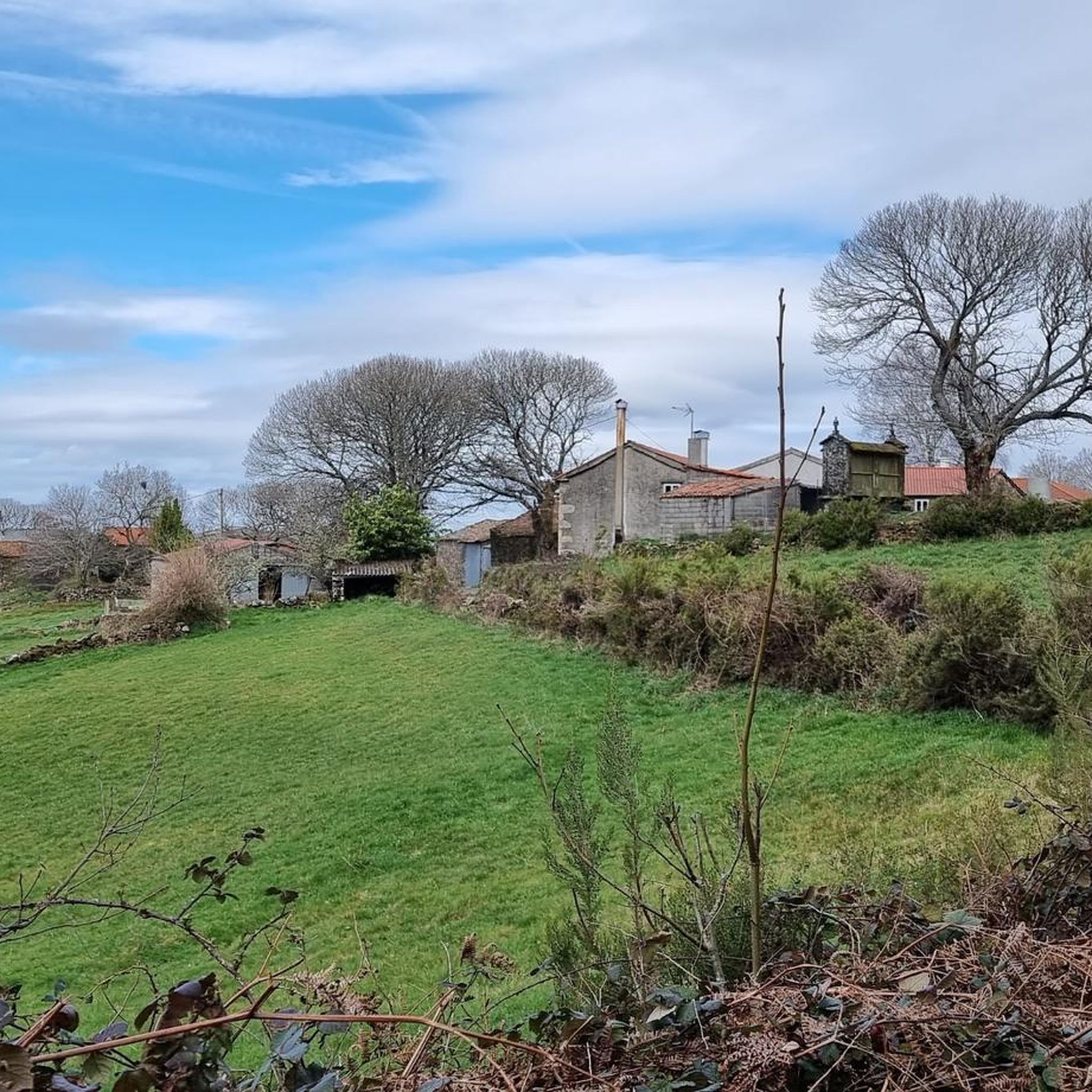
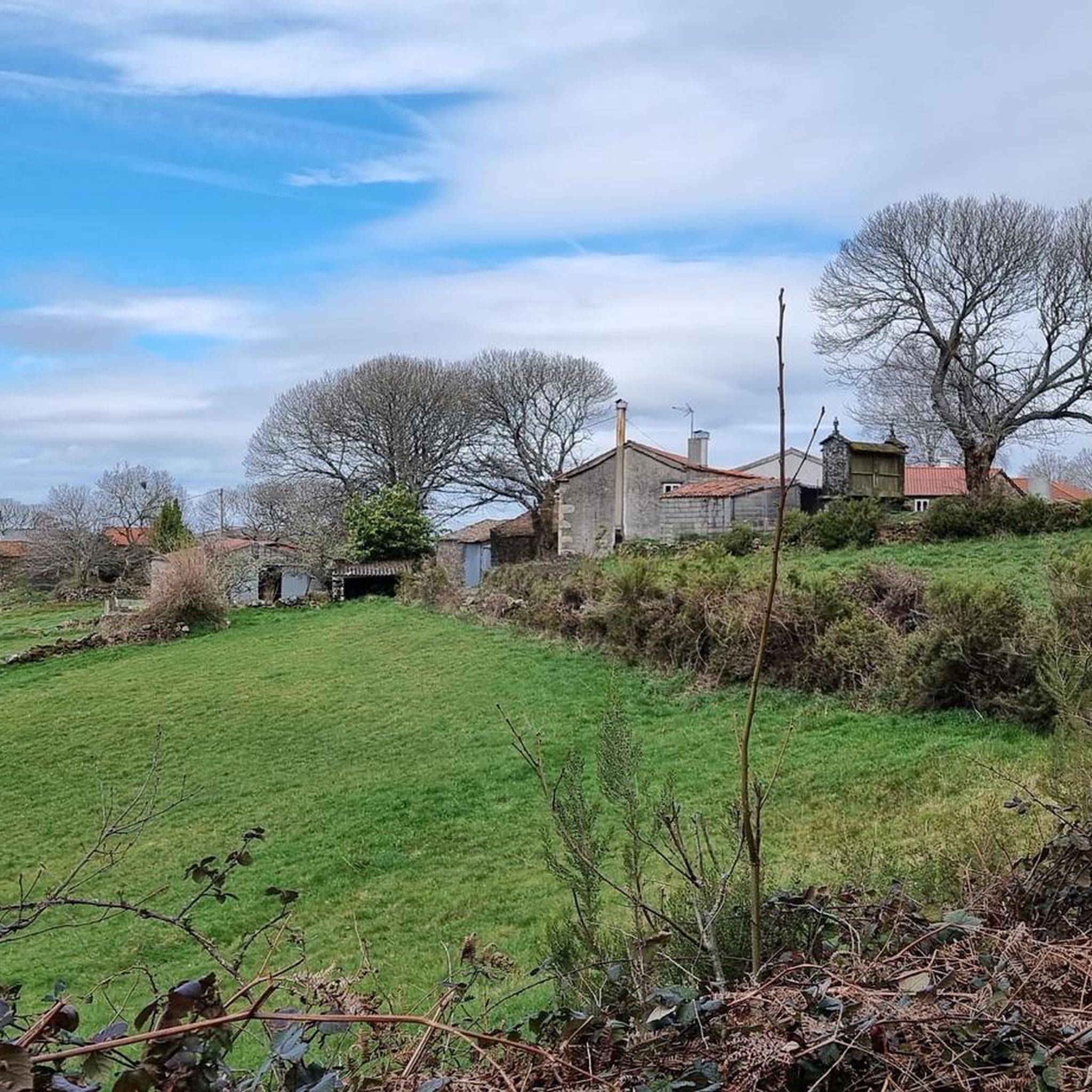
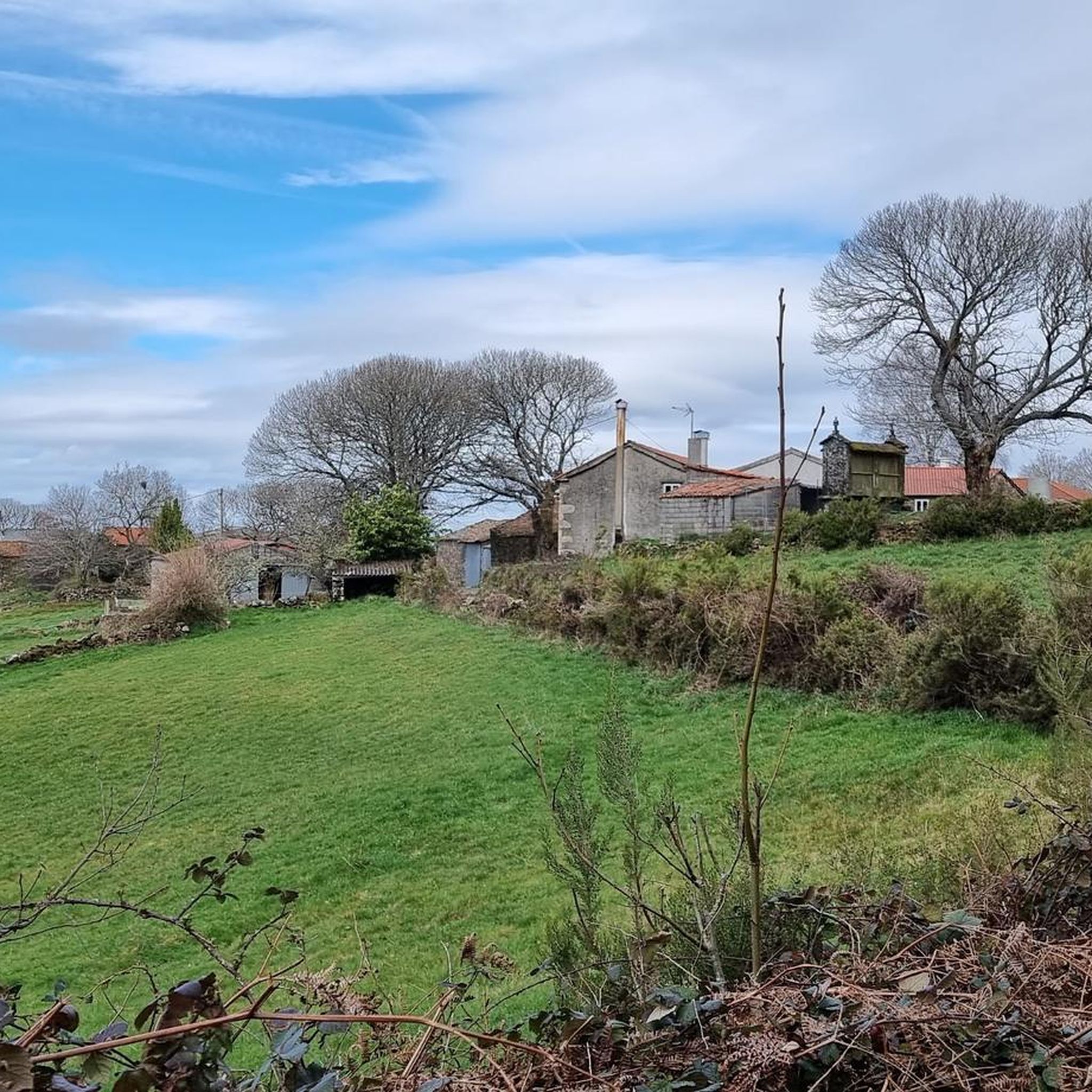
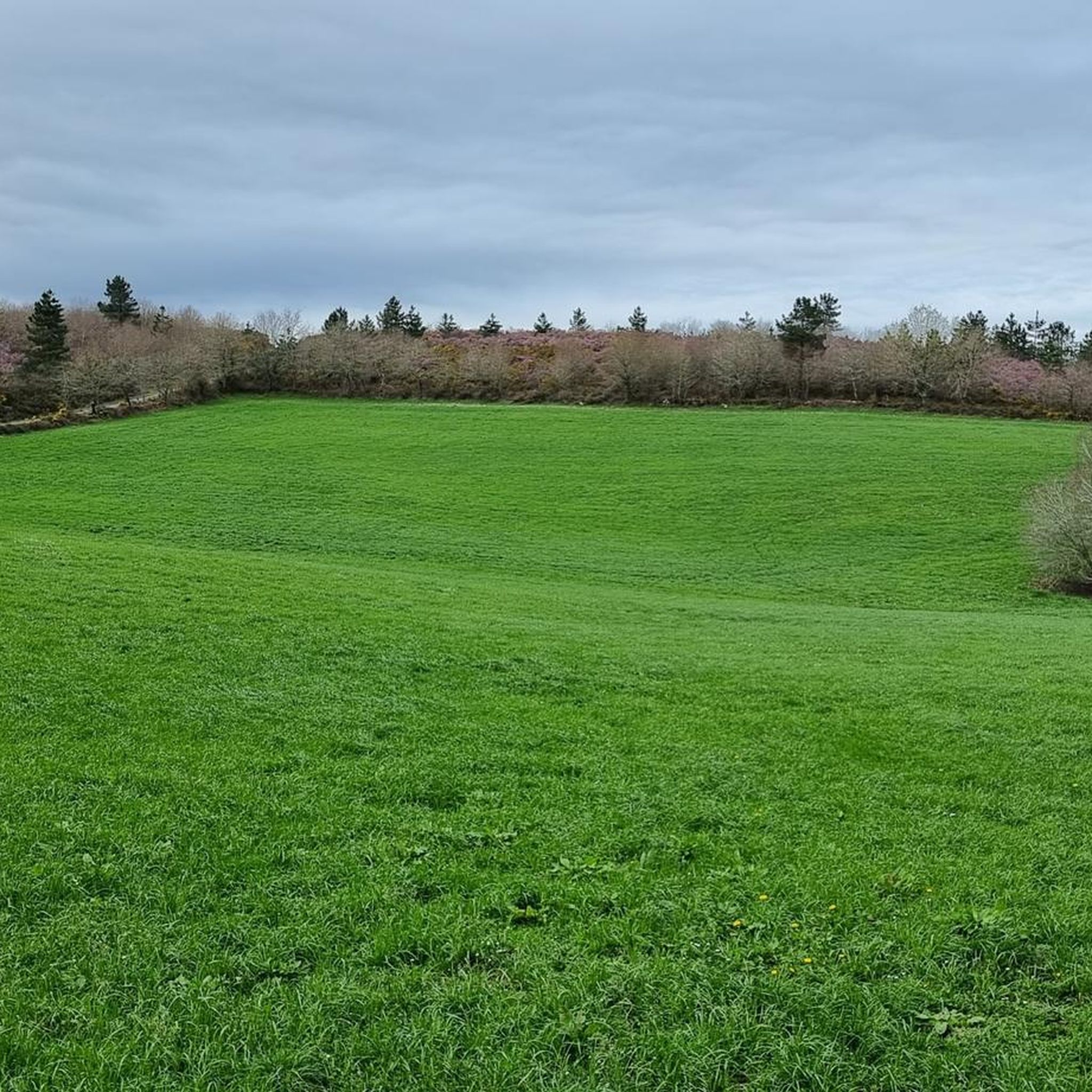
Tips from the Community

The Monastery of Santa María la Real de Oseira is located in the parish of Oseira (municipality of San Cristovo de Cea, Ourense), about 34 km from the city of Ourense and near the borders with Pontevedra and Lugo. Founded in 1137 by a group of hermits, it joined the Cistercian Order of Clairvaux in 1141. During the 12th and early 13th centuries, its main church was built, becoming one of the largest Cistercian monasteries in Spain. In 1552, a fire devastated the complex, but the church survived and retains an elegant, understated architectural style.
1
0

This is not A Ermida and not the church of Nosa Señora do Faro, but the outside altar of the church at the Faro.
0
1
The Parque da Terceira Idade in Rodeiro is a space dedicated especially to seniors. It is located near the Rodeiro Municipal Swimming Pool and the Praza do Concello. This park offers a peaceful and pleasant environment, ideal for walking and enjoying the outdoors. 🚶😎
13
0
Rodeiro is a municipality in the province of Pontevedra, Galicia. It is known for its rich history and cultural heritage. Camba Church and Fortress House: This medieval fortress is a testament to the ancient Galician nobility. Monte do Faro Viewpoint: It offers stunning views and is a popular spot for visitors San Martiño de Asperelo Church: A beautiful Romanesque temple located in the parish of Asperelo.
13
1
Statue tribute to Labrego, very close to the Igrexa de Santa María das Dores de Lalín.
14
0
Chapel of Nosa Señora do Faro: This chapel, of remote origins, is also located at the top of the mountain. It was remodeled and expanded over the years. On its façade, you will see a lintel door, a small flared window and a modern belfry with the image of A Virxe do Faro.
21
0
This chapel, of remote origins, is also located at the top of the mountain. It was remodeled and expanded over the years. On its façade, you will see a lintel door, a small flared window and a modern belfry with the image of A Virxe do Faro.
21
0
Frequently Asked Questions
What historical sites can I explore in Rodeiro?
Rodeiro is rich in history. You can visit the Church and Casa Fortaleza of Camba, a medieval complex reflecting ancient Galician nobility, or the Tulla de Fafián, a medieval tower that once served as a grain storage facility. Other notable historical sites include the 12th-century Medieval Bridge of Pedroso and the Romanesque Church of San Martiño de Asperelo. The area also features several ancient castros (hill forts) and the Coto dos Mouros Dolmen, a megalithic burial mound.
Are there any natural attractions or viewpoints in Rodeiro?
Yes, Rodeiro offers stunning natural beauty. Monte Faro is a strategic mountain providing impressive views, often called the viewpoint of the heart of Galicia. At its summit, you'll find the Chapel of Our Lady of Faro and the Outdoor Altar of Nosa Señora do Faro, both offering panoramic vistas. The Sierra del Faro mountain range and the Arnego River Valley also contribute to the region's scenic landscapes.
What cultural experiences does Rodeiro offer?
For cultural insights, visit the Manuel Lamazares Municipal Cultural Center, which houses a library, an exhibition hall, and the Municipal Museum of Rodeiro. The museum features permanent exhibitions on archaeology, local art, and ethnography, showcasing traditional rural life and tools related to flax processing. You can also explore various Romanesque churches like the Iglesia de San Vicente.
Are there family-friendly activities or attractions in Rodeiro?
While specific children's activities are not detailed, many historical and natural sites can be enjoyed by families. The Statue of the Pilgrim and Iglesia de Santa María das Dores de Lalín is noted as family-friendly. Exploring the medieval bridge, visiting the museum, or taking easy walks on some of the hiking trails can be suitable for families. The general outdoor environment provides ample opportunities for family exploration.
What hiking opportunities are available near Rodeiro's attractions?
Rodeiro is excellent for hiking. The Route do Faro is considered the most interesting natural route, offering impressive views and passing by Monte Faro. Other notable trails include the 'Route of the Pazos' and the 'Route of the Mills and the Ages of History,' which combine natural landscapes with archaeological sites. You can find various hiking routes, including difficult ones like the 'Chapel of Our Lady of Faro – Camino de Santiago Waymarker loop,' on the Hiking around Rodeiro guide.
Can I cycle around the attractions in Rodeiro?
Yes, cycling is a popular activity. There are several routes that allow you to explore the region by bike, ranging in difficulty. For example, you can find challenging routes like the 'Lalín and Brañas de Xestoso Loop' or the 'Mel do Saldoiro – Rodeiro Town Hall loop.' More options are available in the Cycling around Rodeiro guide.
What is the significance of the Camino de Santiago in Rodeiro?
Rodeiro is located on the Winter Way, one of the routes of the Camino de Santiago. This historical pilgrimage route passes through the municipality, and pilgrims can find basic services in the village. The 12th-century Medieval Bridge of Pedroso is also part of the Camino, historically used by pilgrims and believed to mark the center of Galicia.
What do visitors particularly enjoy about the attractions in Rodeiro?
Visitors appreciate the blend of historical sites, natural beauty, and cultural heritage. The Statue of the Pilgrim and Iglesia de Santa María das Dores de Lalín is popular for its tribute to local heritage. The chapels on Monte Faro, like the Chapel of Our Lady of Faro, are loved for their remote origins and scenic views. The area's rich history, from medieval fortresses to Romanesque churches, combined with its stunning mountain viewpoints, makes it a compelling destination.
Are there any archaeological sites to visit in Rodeiro?
Rodeiro boasts significant archaeological richness. You can visit the Coto dos Mouros Dolmen, a megalithic burial mound indicative of the area's ancient past. The region also has numerous castros (hill forts), such as Cantelle and Baroncelle, and the archaeological site of Porta de Arcos, which contains remains of an ancient Roman villa, highlighting a substantial Roman presence.
What is the best time of year to visit Rodeiro?
Rodeiro, situated in the central highlands of Galicia, experiences a temperate climate. While specific 'best times' are not detailed, the region's natural beauty and hiking trails are generally best enjoyed during milder weather, typically spring, summer, and early autumn, when conditions are favorable for outdoor activities and exploring historical sites.
Are there any unique local monuments or statues in Rodeiro?
Beyond historical buildings, Rodeiro features unique monuments. The Statue of the Pilgrim, located near the Iglesia de Santa María das Dores de Lalín, pays tribute to the 'Labrego' (Galician farmer or peasant). There is also a granite sculpture dedicated to 'those of the 3rd age,' celebrating the contributions of older generations, and a memorial to aviator Gumersindo Areán Rodriguez.
What kind of civil architecture can be found in Rodeiro?
Rodeiro showcases notable examples of civil architecture. The Pazo de Trasulfe, founded in the 16th century, and the Pazo de Camba (also known as Casa Fuerte de San Xoán) are significant. Additionally, the Rectory Houses of Couto and Guillar, dating back to the mid-18th century, provide further insight into the region's historical domestic and administrative structures.

Get inspired with the komoot mobile app


Explore more
Still not found the Highlight you’re looking for? See guides of the top attractions in other regions:
