Top 7 Castles around Ponteareas
Best castles around Ponteareas are found in the surrounding region of Pontevedra province, offering historical insights and architectural heritage. The area is characterized by its natural landscape and cultural significance, with several notable landmarks. These fortifications provide a glimpse into medieval history and defense strategies. Visitors can explore a variety of historical sites, from ancient fortresses to renovated castles.
Best castles around Ponteareas
- The most popular castles is Soutomaior Castle, a castle that blends a medieval fortress with a…
Last updated: July 1, 2026
Lapela Tower
Highlight • Historical Site
Tip by

Salvaterra de Miño Fortress
Highlight • Castle
Tip by
Sign up now to discover places like this
Get recommendations on the best single tracks, peaks, & plenty of other exciting outdoor places.
Sign up for free
Soutomaior Castle
Highlight • Castle
Translated by Google •
Tip by

Castelo Grande Archaeological Site
Highlight • Historical Site
In 2019, remains …
Translated by Google •
Tip by
Castillo de Sobroso
Highlight • Castle
Tip by
Start today with a free account
Your next adventure awaits.
Login or Signup

Tips from the Community

Good area for a bike ride
0
0

Incredibly well preserved 11th century defensive castle in the mountains above Tui and the Miño valley.
0
0

environment of the tower with baskets, beautiful, and now it has opened a beach bar next to the river
0
0

Hours: L: pechado, M-D: 10.00-19.00
0
0

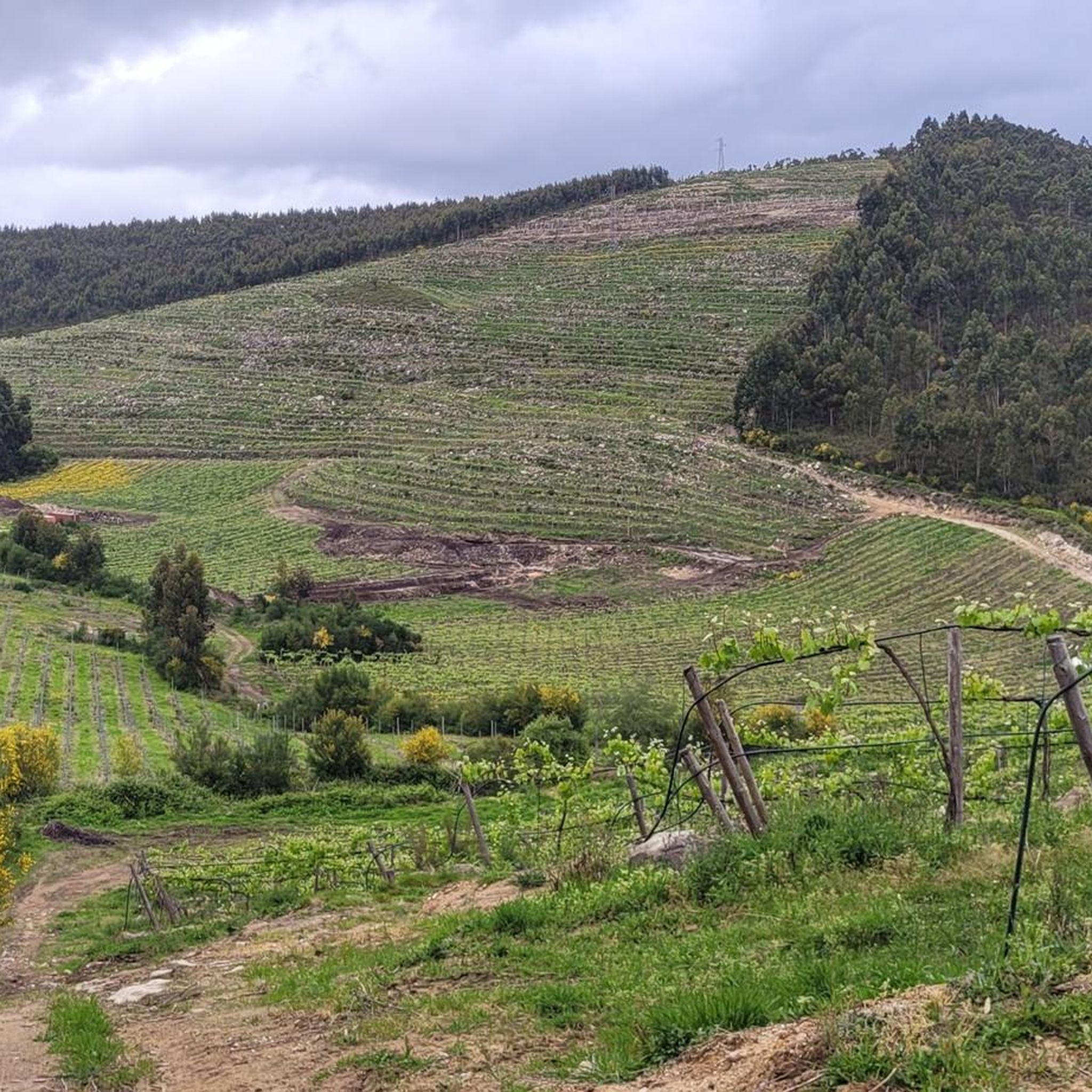
This spectacular castle has its origins in a 12th century fortification. It was located here to dominate the valley of the Verdugo River and control communications from north to south. Furthermore, it was close to the coast but far enough away to be safe from raids by pirates, Normans or Turks. In the 15th century it went from being a defense tower to a fortress with a double walled enclosure. At that time, the nobleman Pedro Álvarez de Sotomayor occupied the castle. In the 19th century, the Marquis de la Vega de Armijo had the Galería de Damas built, converting part of the fortress into a neo-Gothic palace that the family used as a summer residence. The surrounding park and gardens were also added at this time. The next owner was the niece of the marquis, María Vinyals, a writer, polyglot and tireless defender of women. Known as the Red Marchioness, she turned the castle into a meeting place for artists. The castle went up for auction in 1917, entering a period of decline that ended when in 1982 it was acquired by the Pontevedra Provincial Council, which completely rehabilitated it and turned its interior into a museum.
0
0
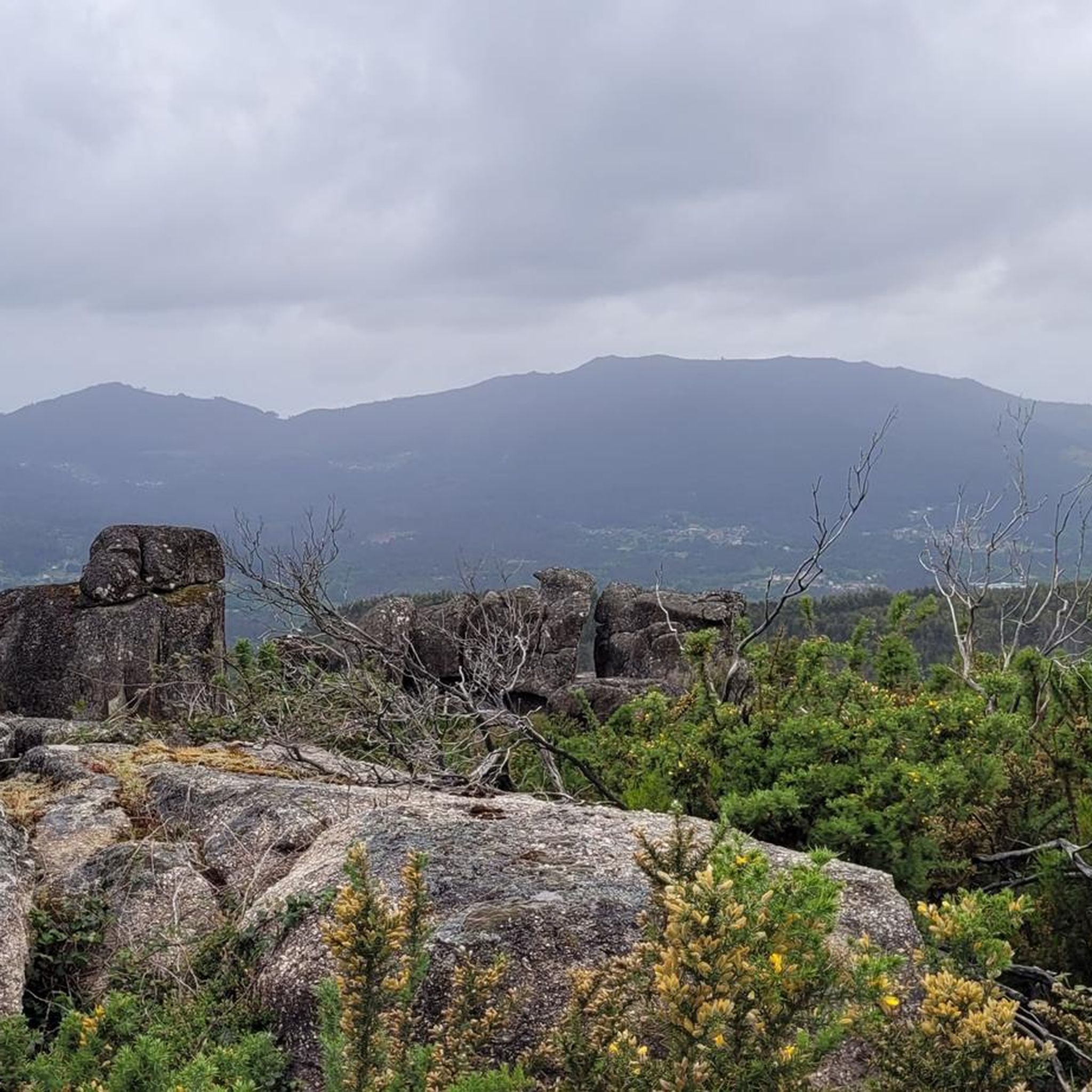
The place name itself, "castelo" is a castle in Galician, and the remains of various buildings found indicate that some type of fortified building was located here. In 2019, remains of oysters, chestnuts and ceramics were found. But the most spectacular discovery was made by a neighbor of the area, who found a cavalry harness pendant from medieval times: a bronze ornament, with a gold bath and enamel finishes of various colors.
1
0
Impressive medieval stone castle that dominates the valley of the River Verdugo. The gardens are amazing and well worth the time.
1
0
Impressive castle restored in the s. 20th It can be visited from Mon-Fri, from its reopening to the public in 2021.
0
0
Frequently Asked Questions
What are some of the most notable castles to visit near Ponteareas?
The region around Ponteareas offers several impressive castles. Among them, Soutomaior Castle stands out with its blend of medieval fortress and Neo-Gothic palace, featuring a modern museum and extensive botanical gardens. Castillo de Sobroso, a historic "castle of war," offers rich history and captivating legends on a rocky outcrop. The Salvaterra de Miño Fortress, with origins dating back almost a thousand years, showcases significant renovations from the 17th century. Additionally, the impressive Fortaleza de Valença across the border in Portugal is highly rated by visitors for its historical ambiance and panoramic views.
Are there family-friendly castles around Ponteareas?
Yes, several castles in the area are well-suited for families. Soutomaior Castle is particularly family-friendly, offering modern exhibitions with audiovisuals, 3D reenactments, and 'magic boxes' to engage all ages. Its vast botanical park also provides ample space for children to explore. The Salvaterra de Miño Fortress is also categorized as family-friendly, providing an opportunity to explore historical walls and grounds.
What kind of historical insights can I gain from visiting these castles?
Visiting the castles around Ponteareas offers a deep dive into medieval history and defense strategies. For example, Castillo de Sobroso, dating back to the late 11th century, tells tales of queens escaping sieges. Soutomaior Castle illustrates the evolution from a defense tower to a fortress and then a Neo-Gothic palace, reflecting centuries of architectural and social change. The Salvaterra de Miño Fortress showcases its role in defending against attacks and its transformation during the Portuguese War of Independence.
Are there hiking trails or outdoor activities near the castles?
Yes, the region offers various outdoor activities, including hiking and running, often near historical sites. For instance, you can find numerous hiking routes around Ponteareas, such as the 'Alto de Galleiro Loop' or the 'Río Tea and Alto do Marco Loop'. These routes allow you to explore the natural landscape while potentially encountering historical points of interest. You can find more details on these and other trails in the Hiking around Ponteareas guide.
What natural features can I explore around these castles?
The castles are often set amidst beautiful natural landscapes. Soutomaior Castle boasts a stunning 25-hectare natural setting with extensive forests and gardens, recognized as the most important botanical park in Galicia. It features ancient trees, native species, vineyards, and a valuable collection of camellias. Castillo de Sobroso is situated on a rocky granite outcrop of Monte Landín, offering scenic views and a rich natural environment.
What is the best time of year to visit castles near Ponteareas?
While specific recommendations for each castle vary, generally, spring and autumn offer pleasant weather for exploring the castles and their surrounding grounds. These seasons typically avoid the peak heat of summer and the colder, wetter days of winter, making outdoor exploration more comfortable, especially in botanical gardens like those at Soutomaior Castle.
Is there parking available at the castles?
While specific parking details for each castle are not always provided, major attractions like Soutomaior Castle and Castillo de Sobroso typically have designated parking areas for visitors. It's advisable to check the official websites of individual castles for the most current information on parking availability and any associated fees.
Can I reach these castles by public transport?
Public transport options to castles in the region can vary. While some castles might be accessible via local bus routes, others, especially those in more rural settings like Castillo de Sobroso, might require a car for convenient access. For detailed public transport information, it's best to consult local transport schedules or the castle's official website.
How long should I allocate for a visit to these castles?
The time needed for a visit can vary depending on the castle and your interest level. For a comprehensive site like Soutomaior Castle, with its museum and extensive botanical gardens, you might want to allocate 2-3 hours or even half a day. Smaller sites or those focused primarily on exterior exploration, such as Castillo de Sobroso, might be explored in 1-2 hours.
Are there any archaeological sites related to castles in the area?
Yes, the region also features archaeological sites that hint at ancient fortifications. The Castelo Grande Archaeological Site, for instance, bears the name 'castelo' (castle in Galician) and has revealed remains of buildings and artifacts, including a medieval cavalry harness pendant, indicating a fortified presence in ancient times.
What are some other historical sites or viewpoints near the castles?
Beyond the main castles, you can find other historical sites and viewpoints. The Lapela Tower, also known as Belém Tower of Minho, is a remnant of a small fortress and is open for tours. Many castles, like Castillo de Sobroso and the Castelo Grande Archaeological Site, are situated on elevated positions, offering excellent panoramic views of the surrounding landscapes.
Can I find cafes or restaurants near the castles?
While specific cafes directly adjacent to every castle are not detailed, popular tourist destinations like Soutomaior Castle and Castillo de Sobroso are typically located within or near towns that offer dining options. It's a good idea to check local listings for restaurants and cafes in the nearest villages or towns before your visit.
Most popular routes around Ponteareas
Most popular attractions around Ponteareas

Get inspired with the komoot mobile app


Explore more
Looking for the best castles somewhere else? Discover other guides around Ponteareas:
